It’s such an exciting time, especially for our littlest learners who thrive with hands-on, visual, and sensory-rich activities. If you’re working with children in a preschool/Kindergarten, special education setting, these transition table-top activities can be a gentle and engaging way to ease into routines while learning to transition between tasks. Here’s a list of 5 simple tabletop activities perfect for those early days back, with a focus on fine motor skills, early literacy, and numeracy:
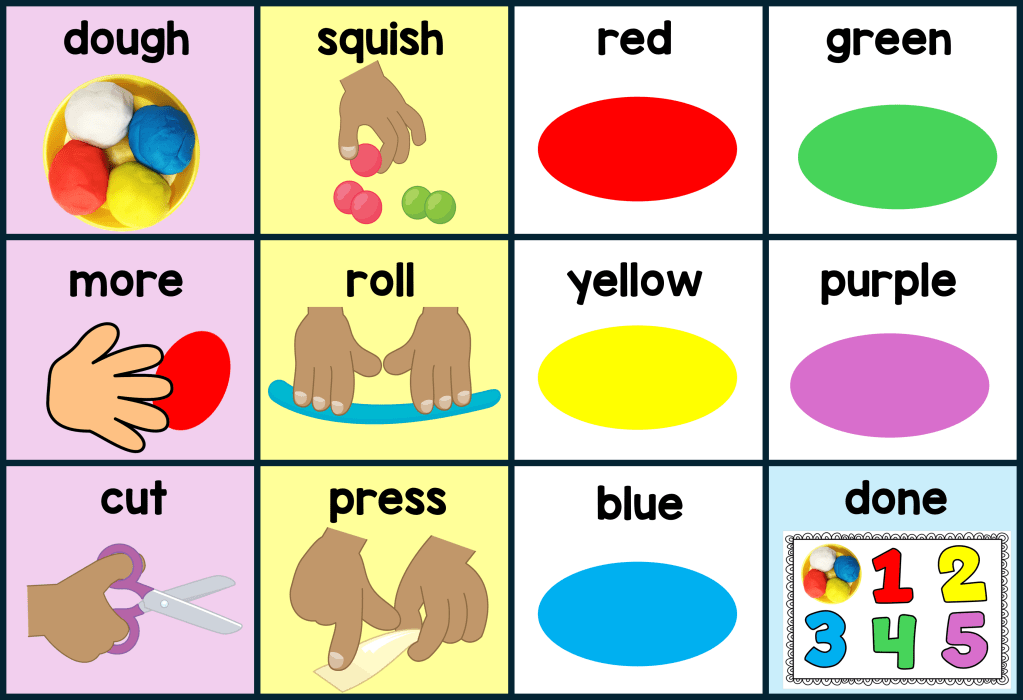
1. Playdough letter & Number Mats
Squish, roll, press! Create custom laminated mats with each child’s name and numbers 1–5. Let them form the letters and numerals using playdough snakes, encouraging finger strength and shape recognition. Add cookie cutters or rollers for extra sensory fun.

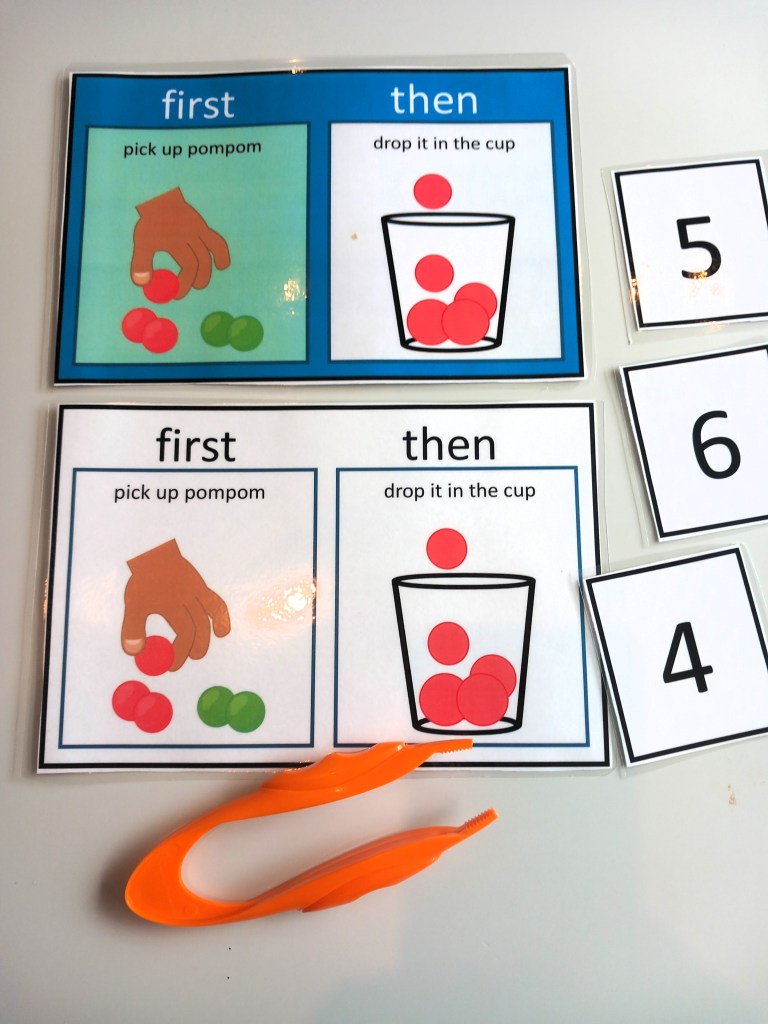
2. Pom-Pom Drop with Tongs
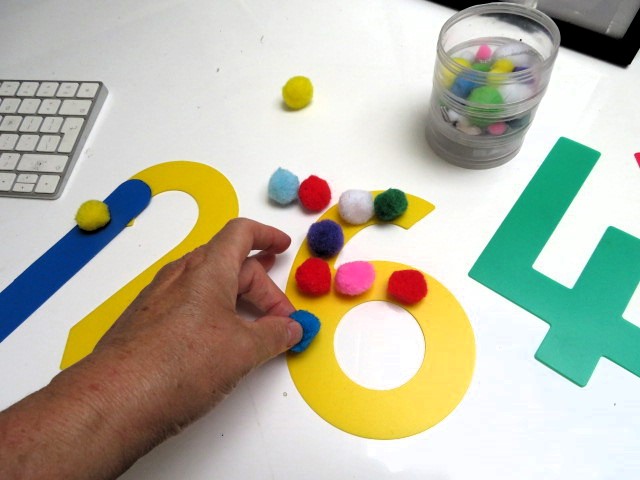
Set up cups labeled with numbers and a bin of colorful pom-poms. Children use tongs or adapted tweezers to transfer the pom-poms into the correct cup—fantastic for counting practice and fine motor coordination. Try textured pom-poms for added tactile input.

3. Alphabet Soup Sensory Tray
Fill a shallow bin with dry pasta or rice and scatter plastic or foam letters inside. Provide spoons, scoops, or small ladles for learners to “scoop” letters out and match to visual cue cards or alphabet mats. Engages multiple senses while working on letter ID.


4. Stickers, Dots, Letters and Numbers
Offer large printouts of letters and numbers and invite children to place small circle stickers (like garage sale dots) along the lines. It’s calming, fun, and fantastic for developing finger dexterity and spatial awareness.

5. Build-a-Tower Counting Game
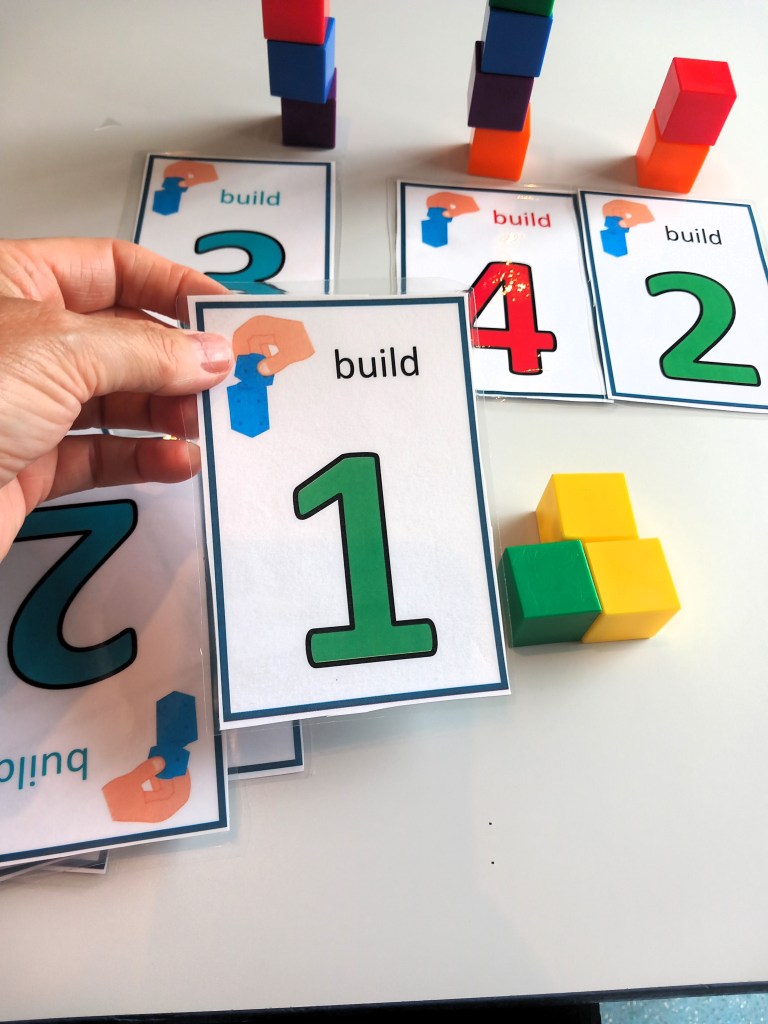
Provide numbered cards (1–10) alongside a set of stacking blocks or Duplo bricks. Kids draw a card and build a tower with the matching number of blocks. Add visual supports for non-verbal communication—like number boards or thumbs-up visuals—for celebrating each success.
Visual supports are a superpower in the special ed classroom—especially for non-verbal learners! They make abstract concepts concrete, help with transitions and understanding, and boost independence.
These low-prep, hands-on activities are not only accessible for non-verbal kiddos, but they’re also filled with opportunities for choice-making, shared attention, and joyful participation.
For more back to school resources try my TPT Store
Discover more from Autismade
Subscribe to get the latest posts sent to your email.

