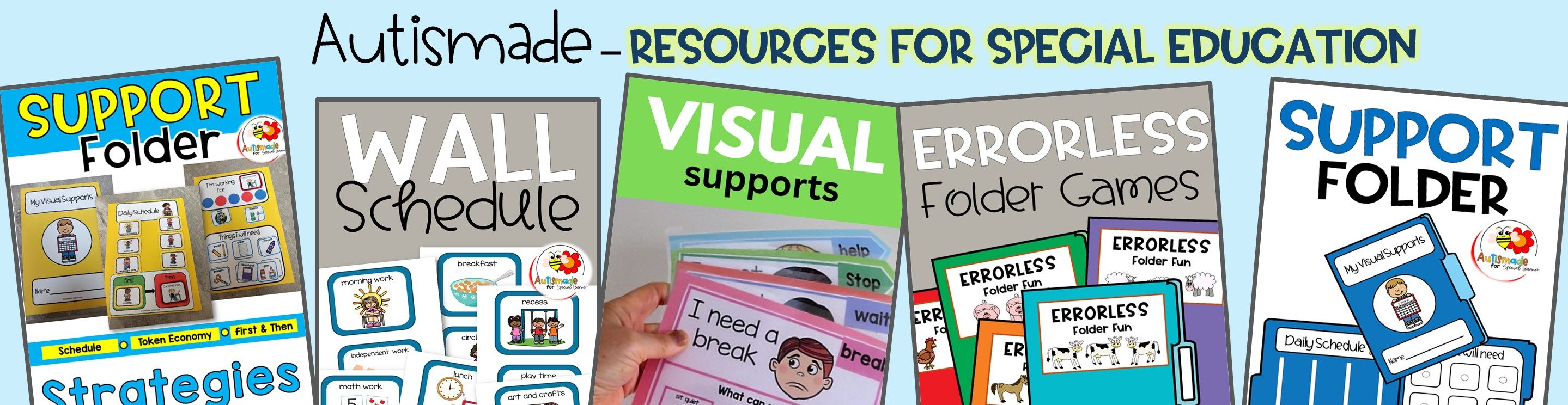
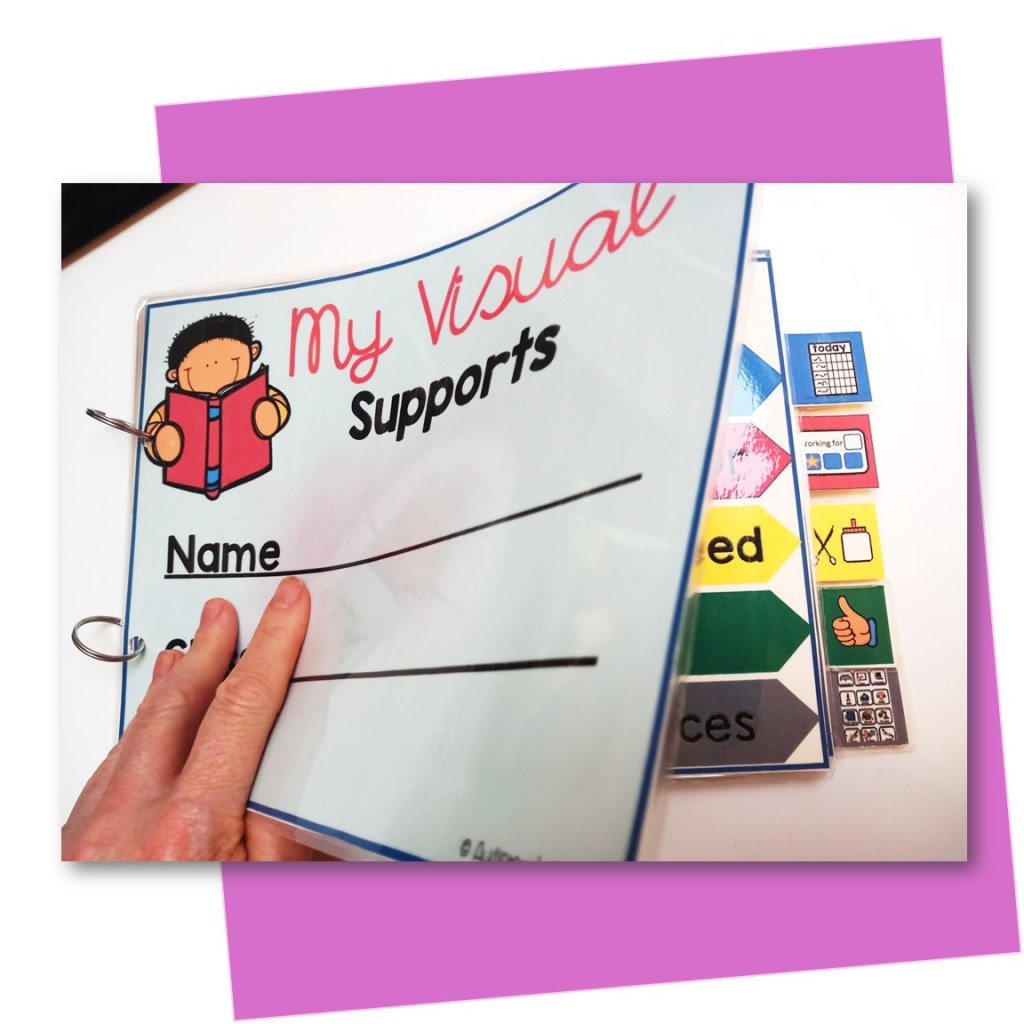
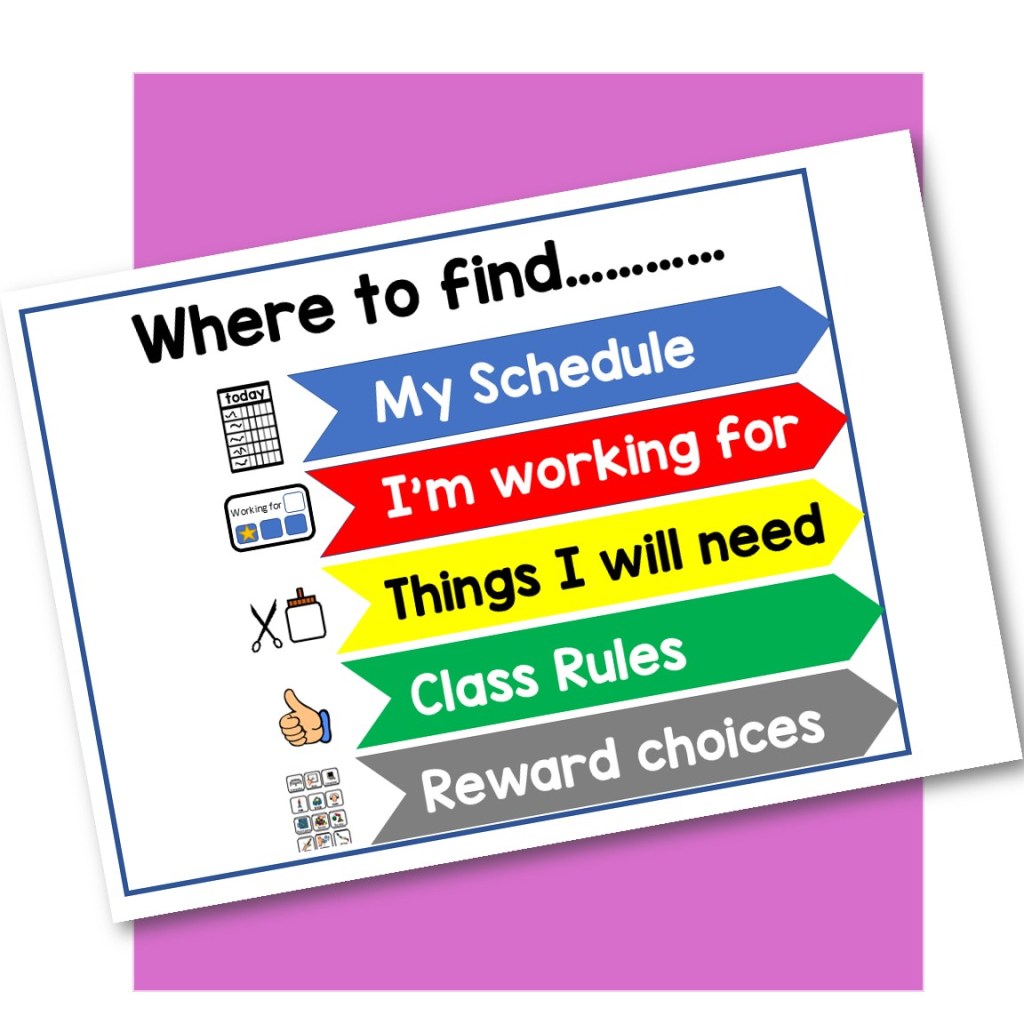
Learn how visual schedules can support routines, transitions, independence, and motivation in Special Education and Autism classrooms. Discover an easy editable visual schedule and reward choice flipbook for your students.
Why Use a Visual Schedule?
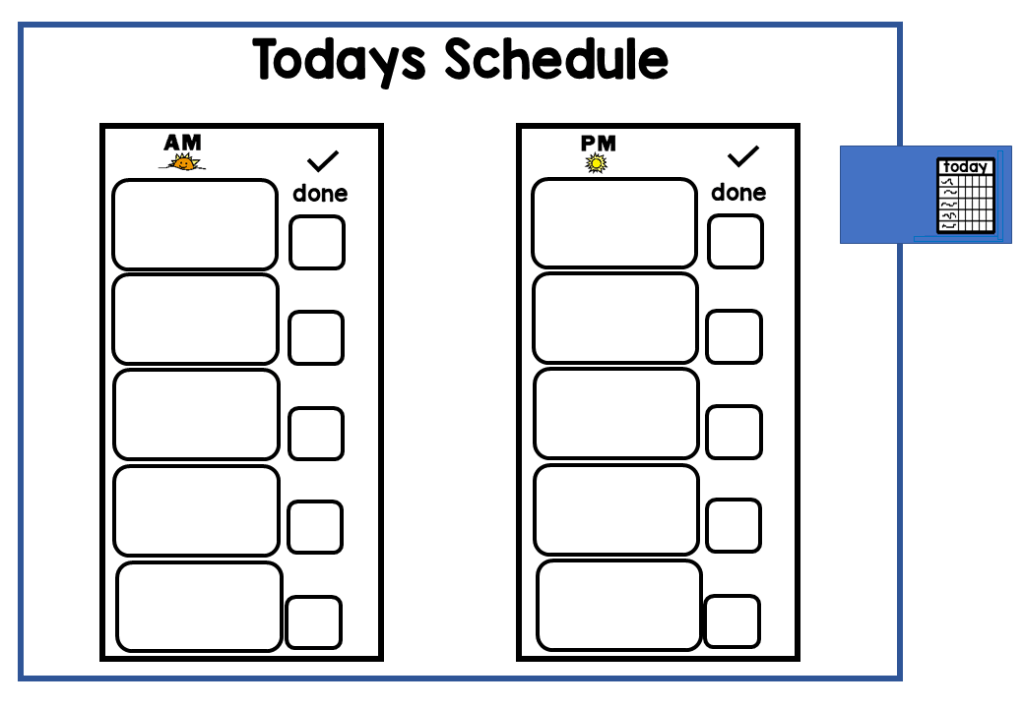
Visual schedules give students a concrete way to see what is happening throughout the day. Instead of relying only on verbal directions, students can check their schedule and see what comes next.
Visual schedules can be especially helpful for:
Understanding daily routines
Supporting transitions
Increasing independence
Reducing uncertainty around changes
Encouraging students to follow classroom routines
Providing consistent visual support
Add a Little Motivation with Reward Choices
Sometimes knowing what comes next isn’t quite enough. That’s where reward choices can be helpful!
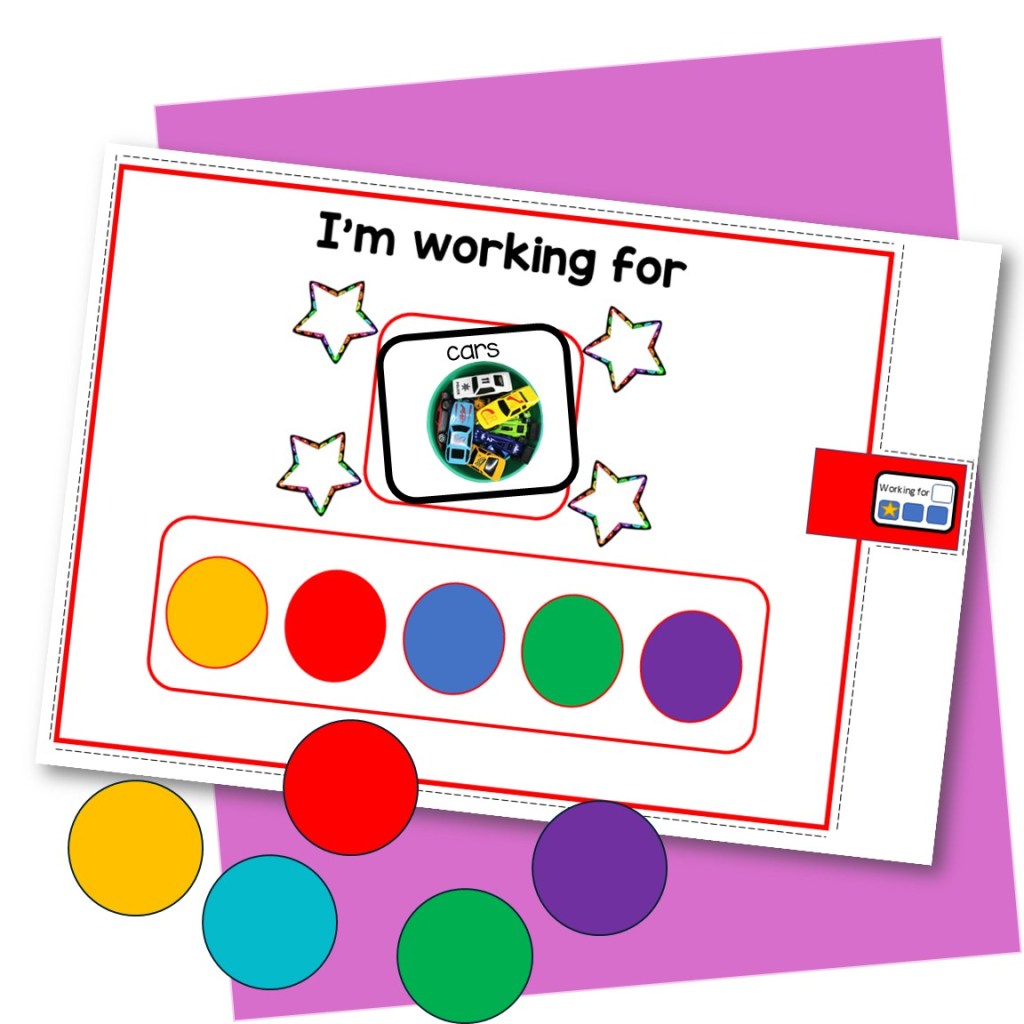
Pairing a completed task with a preferred activity or reward gives students a clear connection between “first work, then reward.” Giving students a choice of rewards can also help them feel more involved and motivated.
An Easy Visual Support for the Classroom
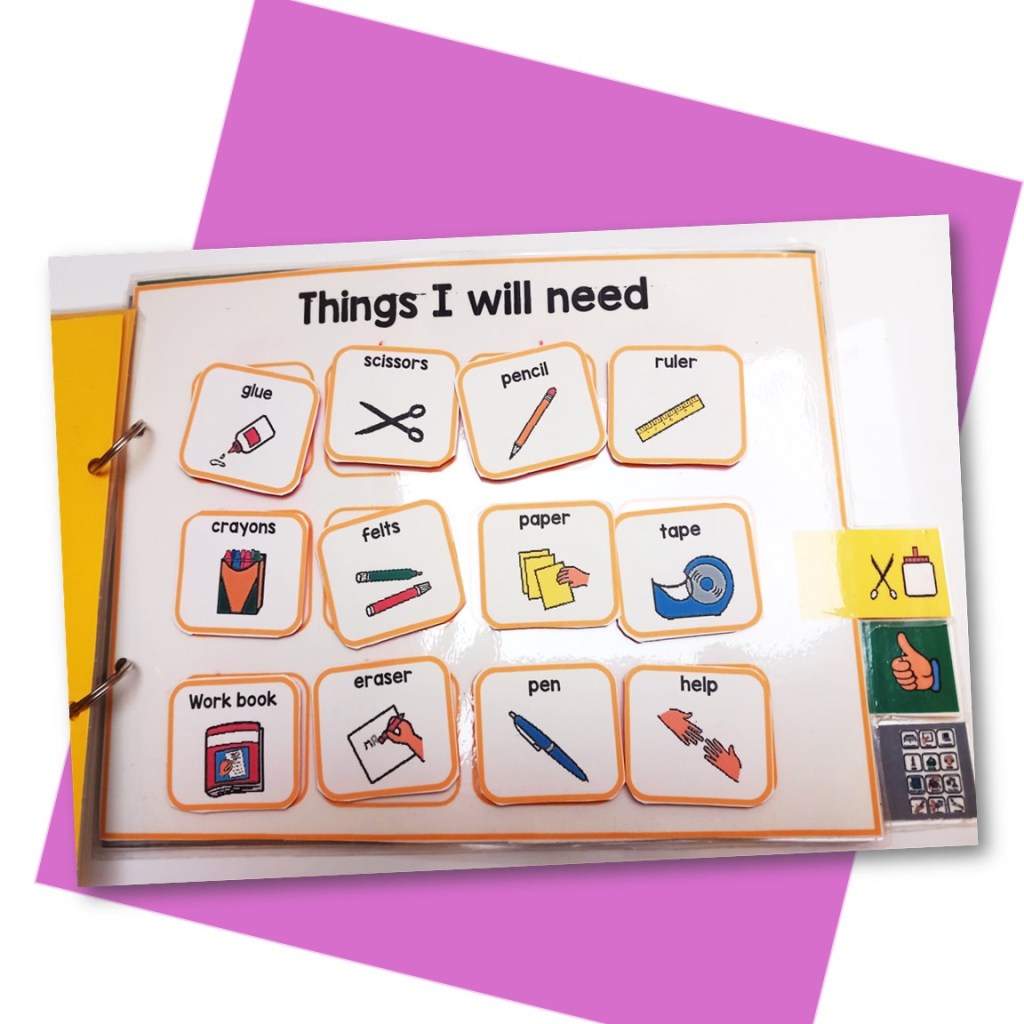
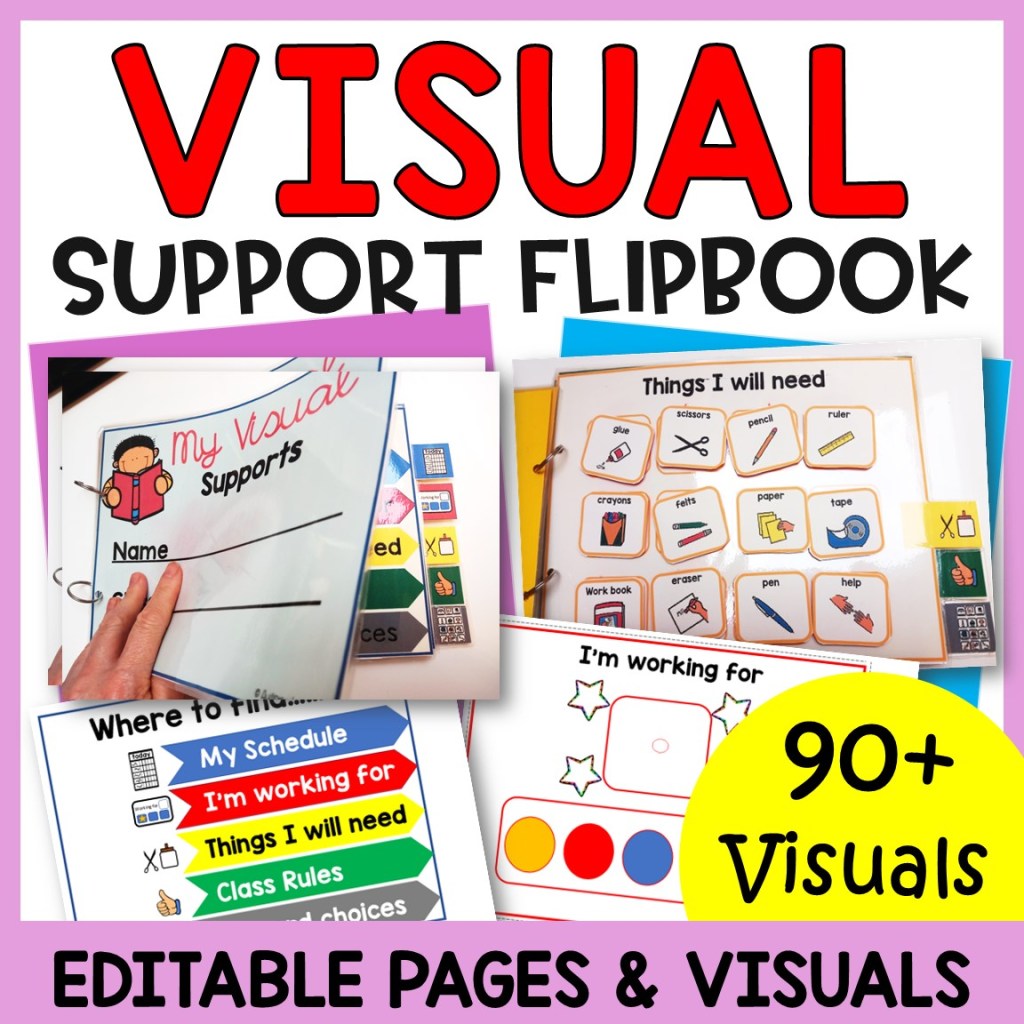
The EDITABLE Visual Schedule & Reward Choice Flipbook was created to make this process simple for teachers. The flipbook allows you to customize schedules, activities, and reward choices to fit the individual needs of your students.
Use it during morning routines, transitions, independent work, small groups, or whenever a student benefits from a little extra visual structure.
The best part? You can edit and personalize it rather than starting from scratch every time your classroom routine changes.
A little visual support can go a long way toward helping students know what to expect, what to do, and what they can look forward to next. 🌟
Big feelings can be really big for kids in Special Education. A moment of frustration, disappointment, excitement, or overwhelm can quickly turn into tears, yelling, or difficulty calming down. The good news is that young children can learn simple strategies to recognize their emotions and begin managing them with support.
Helping Kids Understand Big Feelings
Before children can calm their bodies, they need to understand what they are feeling. Simple language such as, “You look frustrated,” or “Your body is telling you that you need a break,” can help children connect emotions with physical sensations and behaviors. Visual supports and social stories can be especially helpful because they make abstract ideas about emotions more concrete and easier for young learners to understand.
Simple Calming Strategies to Teach
Here are a few strategies you can practice with preschoolers when they are calm:
Name the feeling: Teach children simple emotion words such as angry, sad,
Take deep breaths: Encourage slow breaths in through the nose and out through the mouth.
Take a quiet break: Create a cozy, predictable space where children can take a moment to reset.
Use movement: Stretching, walking, jumping, or other gentle movement can help release built-up energy. worried, frustrated, and excited.
Ask for help: Remind children that they do not have to manage big feelings alone.
The key is to practice these strategies before a big emotional moment happens. When children have used a calming strategy many times while regulated, they are more likely to remember it when they need it.
Make Calming Skills Interactive
Learning about emotions works best when it is hands-on, visual, and repetitive. Interactive social stories can provide children with a predictable way to explore what big feelings look like, how they might feel in their bodies, and what they can do to feel calmer.
My Calming Strategies Adapted Book | Big Feelings Interactive Social Skills Story was created to support young learners as they explore big emotions and practice appropriate calming strategies. The adapted-book format makes the story accessible and interactive, while giving children repeated opportunities to identify feelings and learn what they can do when emotions become overwhelming.
Whether you are a preschool teacher, special education professional, therapist, or parent, this resource can be a helpful addition to your social-emotional learning routine.
Also inculded in the Interactive Social Skills Story Bundle
Math can look very different from one learner to another. For some students, especially children in special education, autism, or students who are non-speaking or use AAC, a traditional worksheet may not always be the best way to show what they know.
That’s where math visual choice boards can make a big difference.
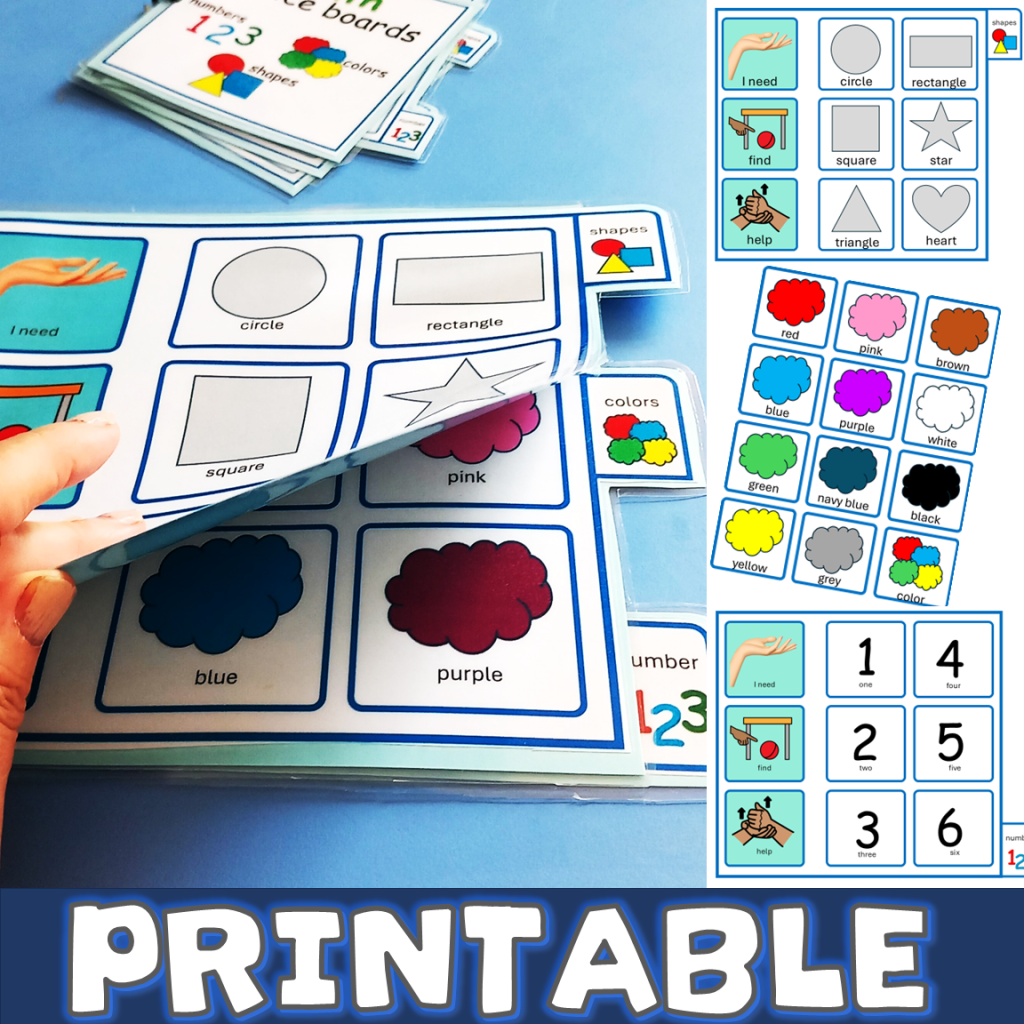
Visual choice boards give students clear, simple choices while helping make math activities more predictable and accessible. They can be especially helpful for students who benefit from visual supports, AAC, structured activities, and reduced language demands.
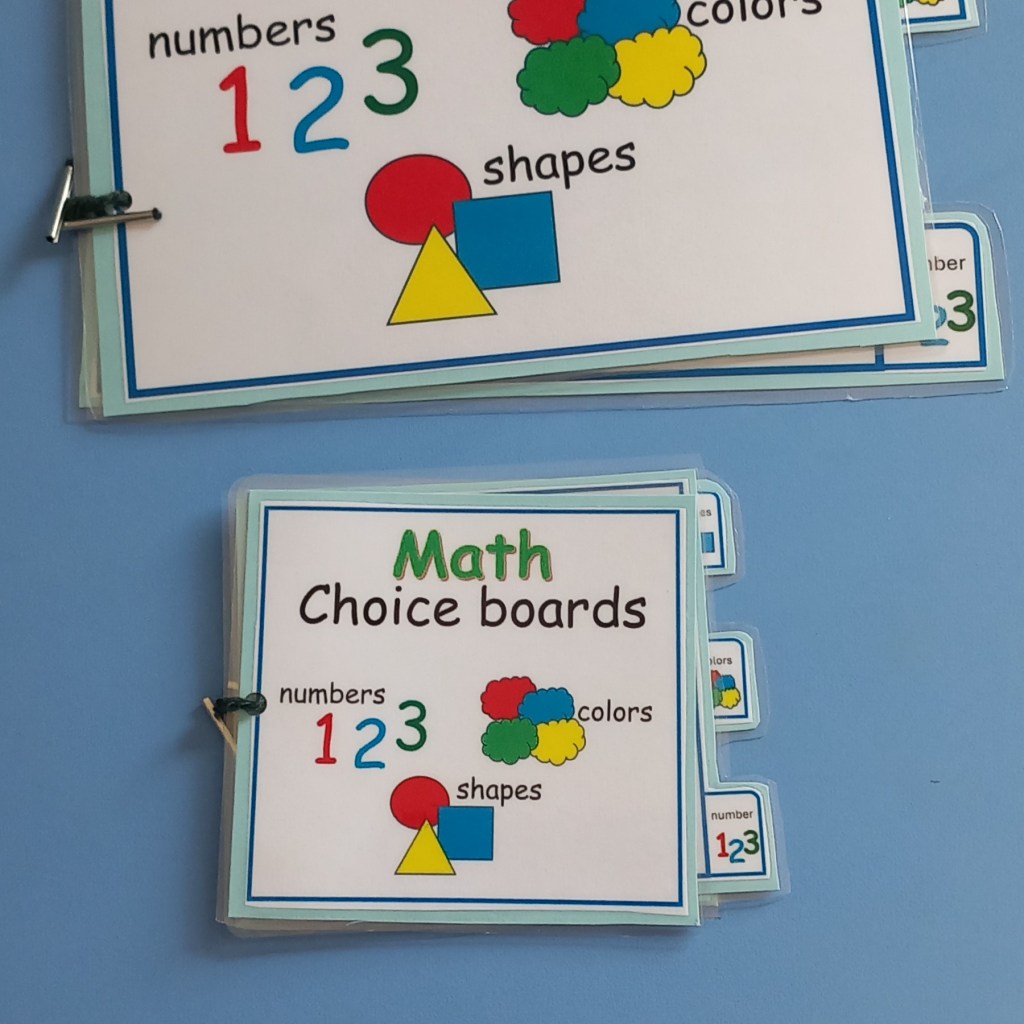
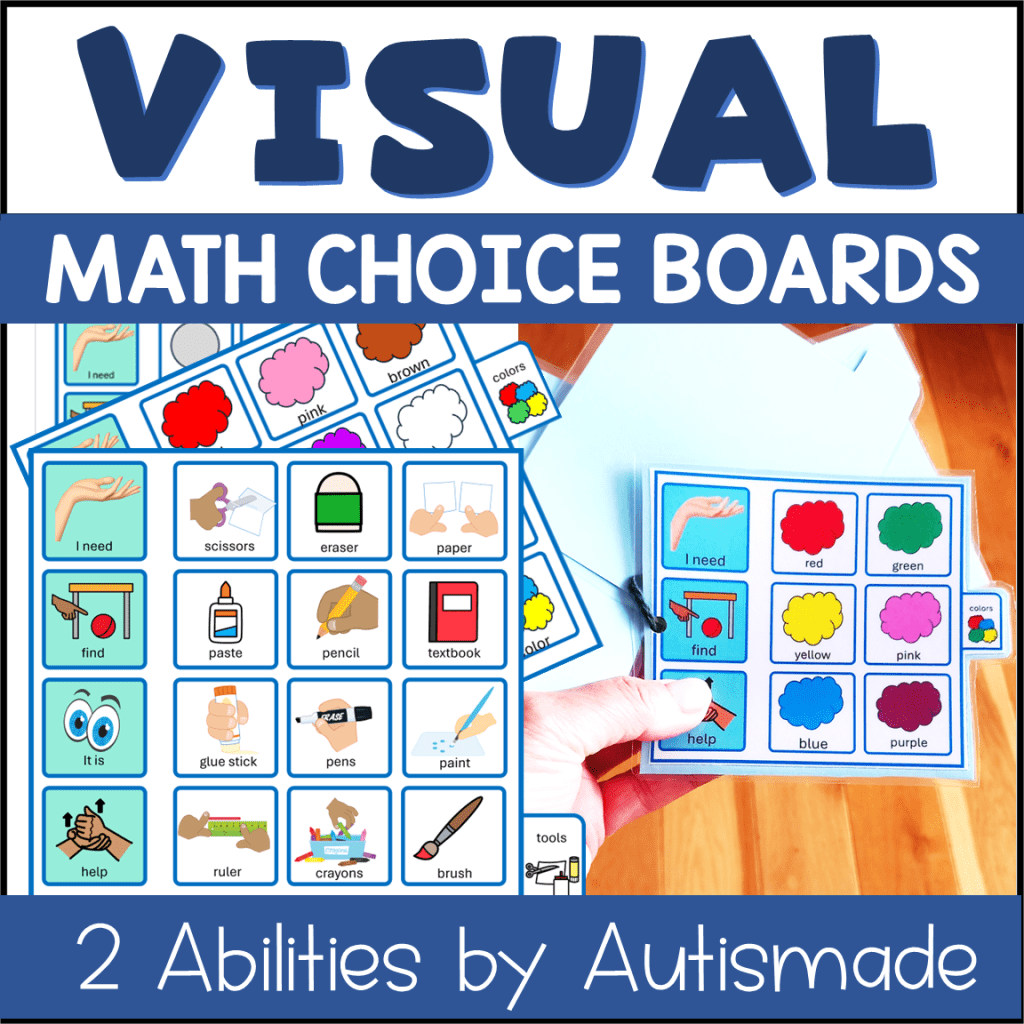
If you’re looking for an easy way to bring more visual support into your math routine, these Math Visual Choice Boards from ClassroomTab Books are designed with accessibility in mind.
What Are Math Visual Choice Boards?
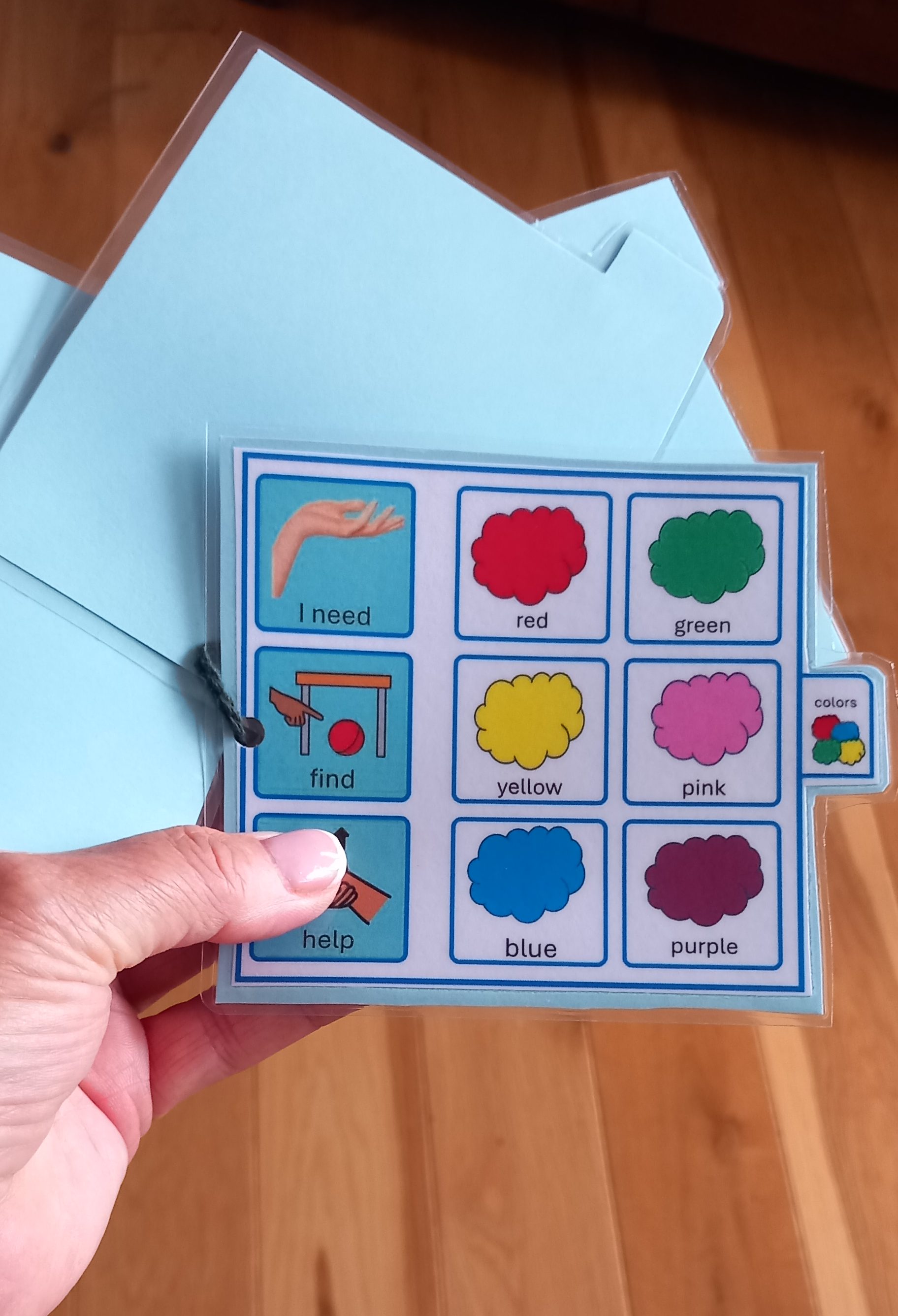
A visual choice board uses pictures, symbols, words, or a combination of these to help students understand their options.
Instead of asking a student a broad question like, “What math activity would you like to do?”, a choice board can provide a few clear options.
For example, a student might choose between:
Counting
Matching numbers
Number identification
Shapes
The visual format can help students understand what is expected and communicate their choice more independently.
For children who are non-speaking or use AAC, visual choices can also provide another meaningful way to participate and communicate during math.
Why Use Visual Supports for Math?
Math instruction can sometimes involve a lot of verbal directions, abstract concepts, and multiple steps. For students with autism and other learning needs, visual supports can help make those expectations easier to understand.
Math visual choice boards can help students:
Practice functional communication
Make a choice independently
Understand the activity before beginning
Reduce the amount of verbal prompting needed
Participate in math activities in a more accessible way
Build confidence with independent work
Connect communication and academic learning
The goal isn’t to make math easier just for the sake of making it easier. The goal is to give students a way into the activity.
Designed for Two Abilities
One of the helpful features of these printable math visual choice boards is that they are available for two ability levels.
This makes it easier to provide the same type of visual structure while adjusting the activity to meet individual student needs.
That can be especially useful in special education classrooms where students may be working on very different skills during the same math block. You can use the choice boards for:
One-to-one instruction
Special education math instruction
Autism classrooms
Self-contained classrooms
Resource rooms
One-to-one instruction
Small-group math
Independent work
Visual schedules and structured work systems
AAC-supported learning
Two Sizes for Flexible Classroom Use
The printable choice boards come in two sizes, giving you flexibility depending on how you plan to use them.
A larger format can work well when the board needs to be displayed or easily seen during a lesson. A smaller format can be useful for individual student work, desks, binders, folders, or portable communication supports.
Having different sizes means you can choose what works best for your classroom setup and your students.
Math + AAC = More Opportunities to Communicate
For students who use AAC, academic activities can be an important opportunity for communication.
A math activity doesn’t have to be separate from communication practice.
A student can use a visual choice board to communicate:
“I want this.”
“I choose counting.”
“I’m finished.”
“I need help.”
Or simply make a choice between two activities/answers.
These small moments can create meaningful opportunities for students to practice functional communication while participating in academic learning.
Visual supports can also help reduce the pressure of having to understand a long
verbal question before responding.
A Great Addition to Your Special Education Math Toolbox
Teachers and support staff often need resources that are simple to prepare and easy to use.
That’s one reason printable resources can be so helpful.
You can print the Math Visual Choice Boards, prepare them for your classroom, and add them to the routines you already have in place.
Keeping Math Positive and Predictable
For many students, knowing what is going to happen next can make classroom routines feel more manageable.
A visual choice board gives students information before they begin. Instead of math feeling like an unexpected demand, students can see their options and have a role in deciding what comes next.
That little bit of control can be powerful.
And sometimes the simplest classroom supports are the ones we reach for again and again.
Get the Math Visual Choice Boards on TPT
If you’re looking for printable math activities for special education, visual supports for students with autism, or resources that can be paired with AAC, take a look at the Math Visual Choice Boards – ClassroomTab Books AAC resource on Teachers Pay Teachers.
With two ability levels and two printable sizes, the resource is designed to give you flexibility while supporting students with different learning and communication needs.
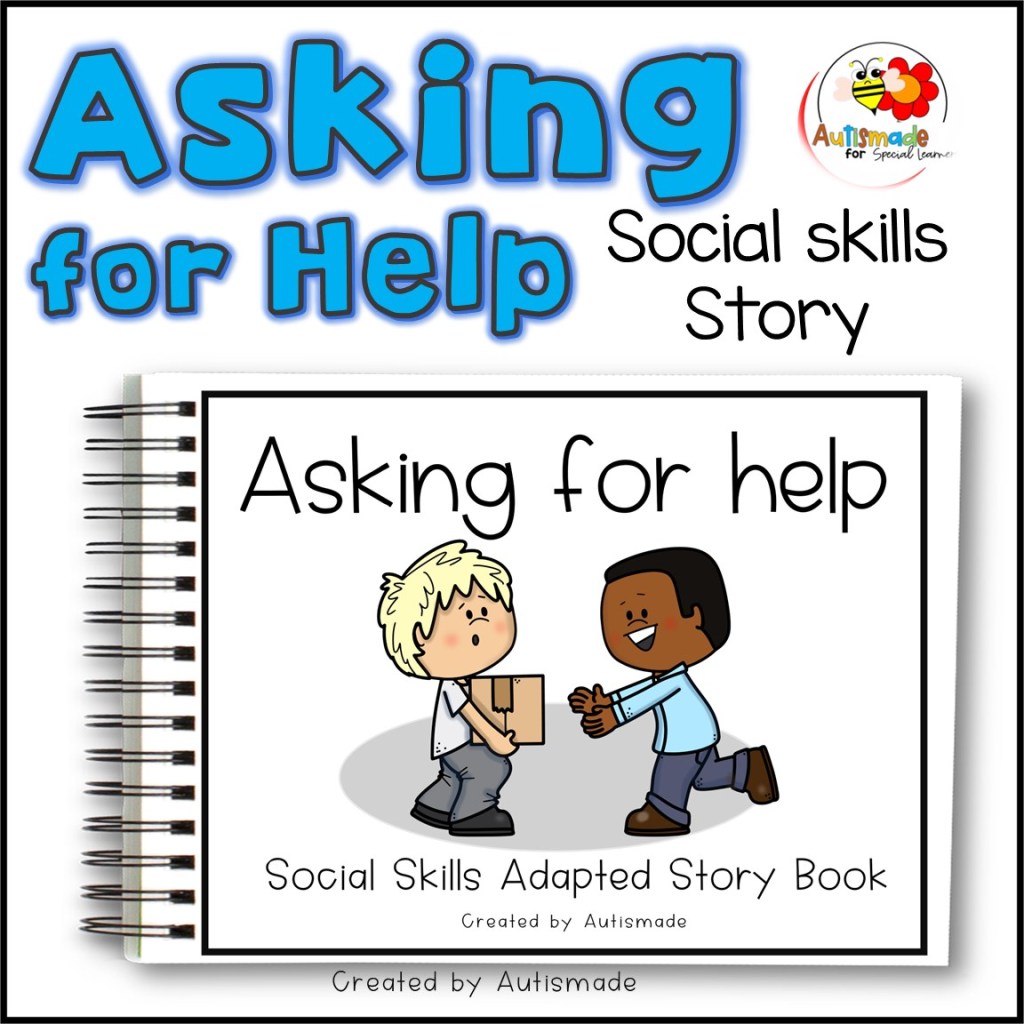
Support students with additional needs in developing essential communication skills with this “Asking for Help” social skills narrative. Created with clear language, visual supports, and structured activities, this resource helps learners understand how and when to ask for help in a calm, appropriate, and effective way. Ideal for SEN settings, it promotes emotional regulation, independence, and functional communication skills in a supportive learning environment.
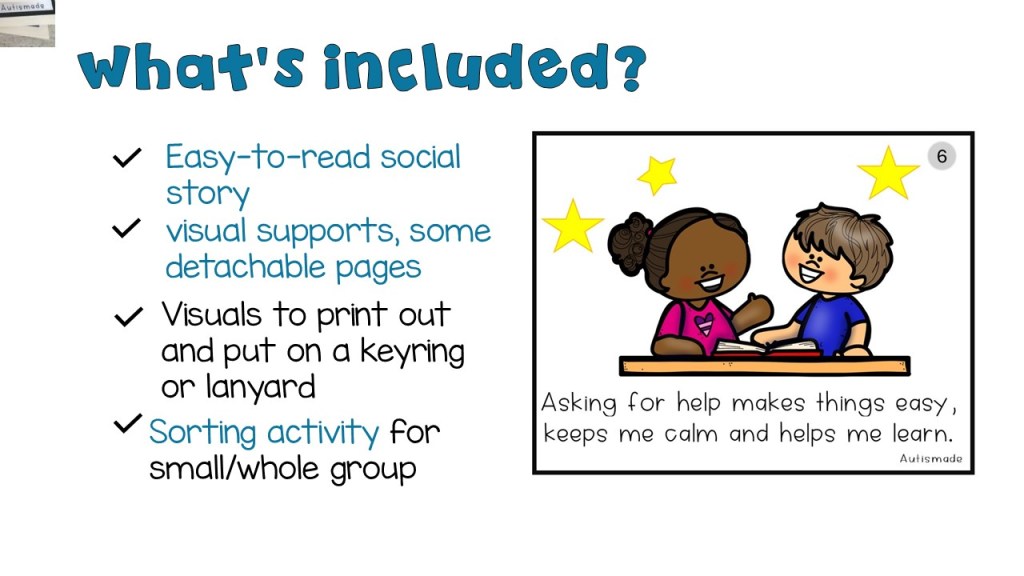
* Easy-to-read social story (kid-friendly text)
* Visual supports on every page, some detachable
* Printable with some interactive pages
* Great for whole-group lessons, small groups, or one-on-one use
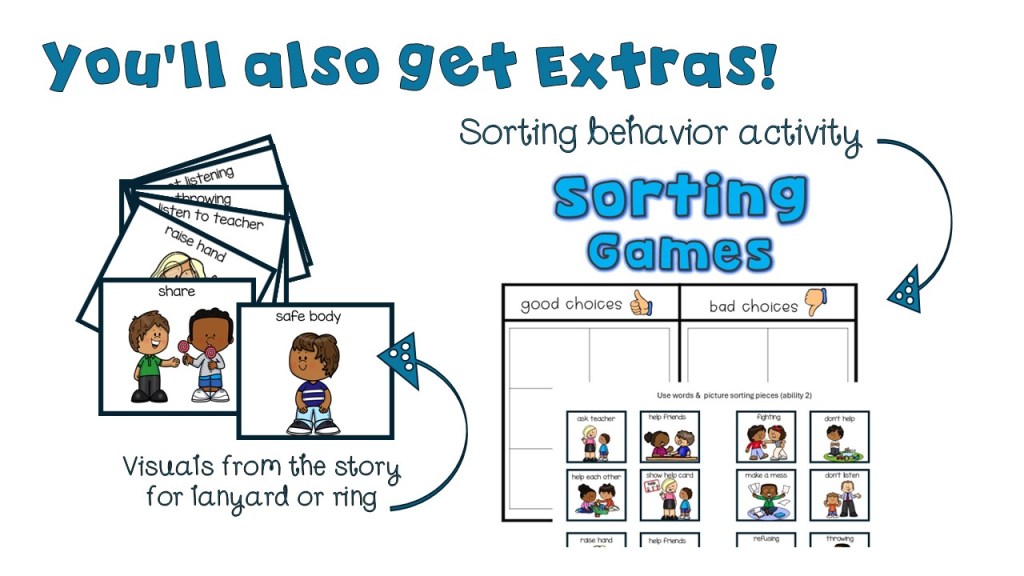
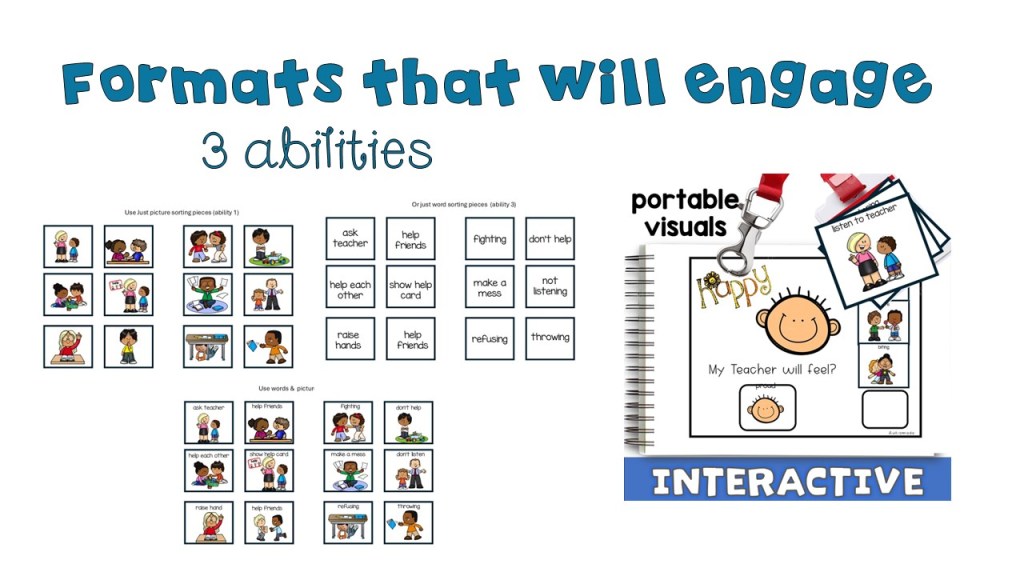
* Behavior sorting game with visual cards!
These added resources helps teachers, therapists, and parents gently guide children through real-life situations where they can make good and bad choices. Great for supporting classroom expectations or helping individual students who need extra practice.
Perfect for:
Preschool and Pre-K Early Childhood Special Education (ECSE) Social-emotional learning (SEL) Behavior support and classroom Expectations
Why you’ll Love It: Clear visuals support comprehension Repetitive and predictable text builds confidence
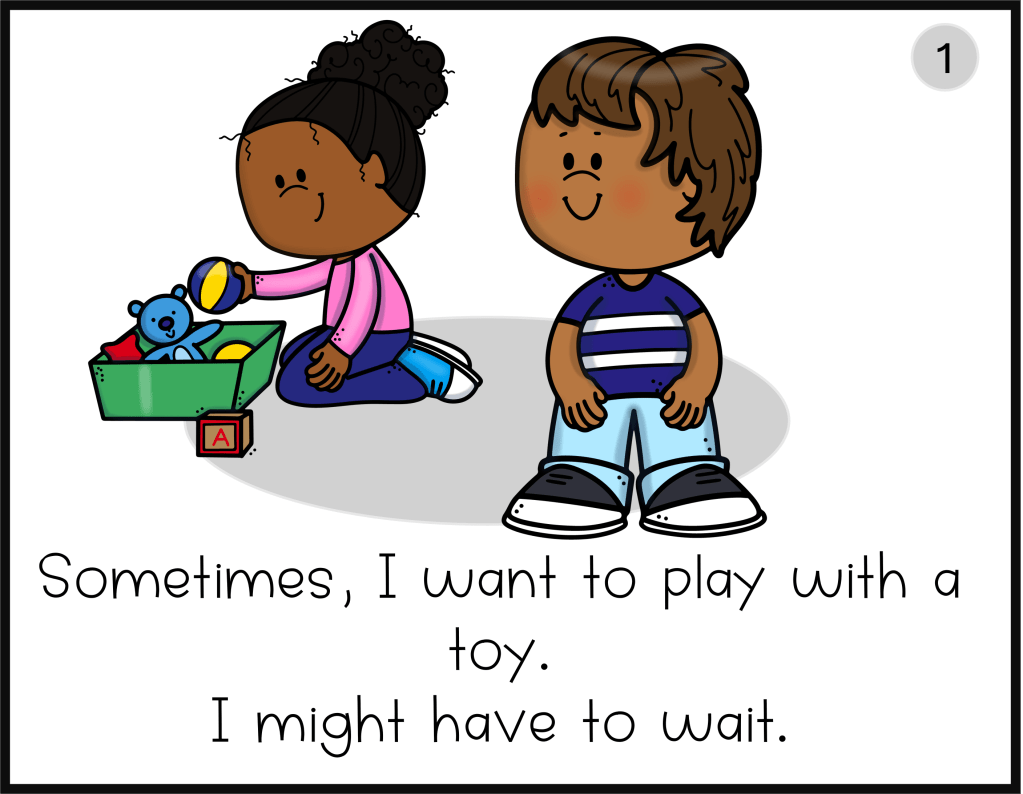
Waiting is one of the hardest skills for young learners to master, especially for nonverbal children in Special Education. When a child cannot understand the spoken word the idea of “wait” can feel confusing, frustrating or even impossible.
This is where the visual supports help turn spoken words into something students can see. For many learners, visuals are easier to process than language alone. They make expectations clearer, reduce anxiety, and help students feel more confident about what comes next.
What Is Wait Time?
One simple way to use visuals that makes a big difference is during wait time.
Wait time is the pause after you ask a question or give a direction. For some students, especially those with autism, processing language takes a little longer. When adults rush in with prompts or repeat directions too quickly, students may lose the chance to respond independently.
How Visual Cue Cards Help
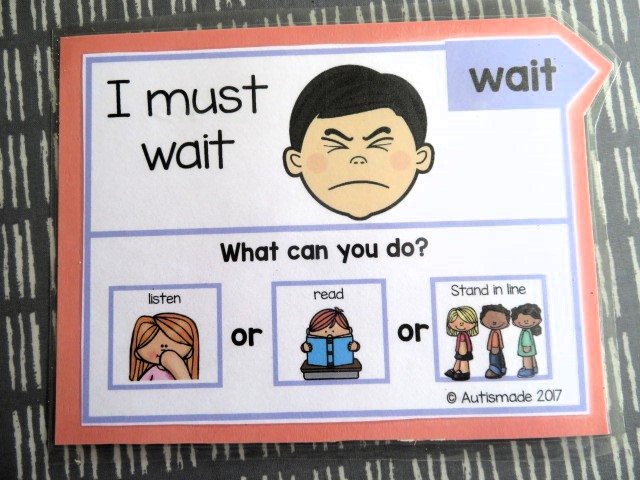
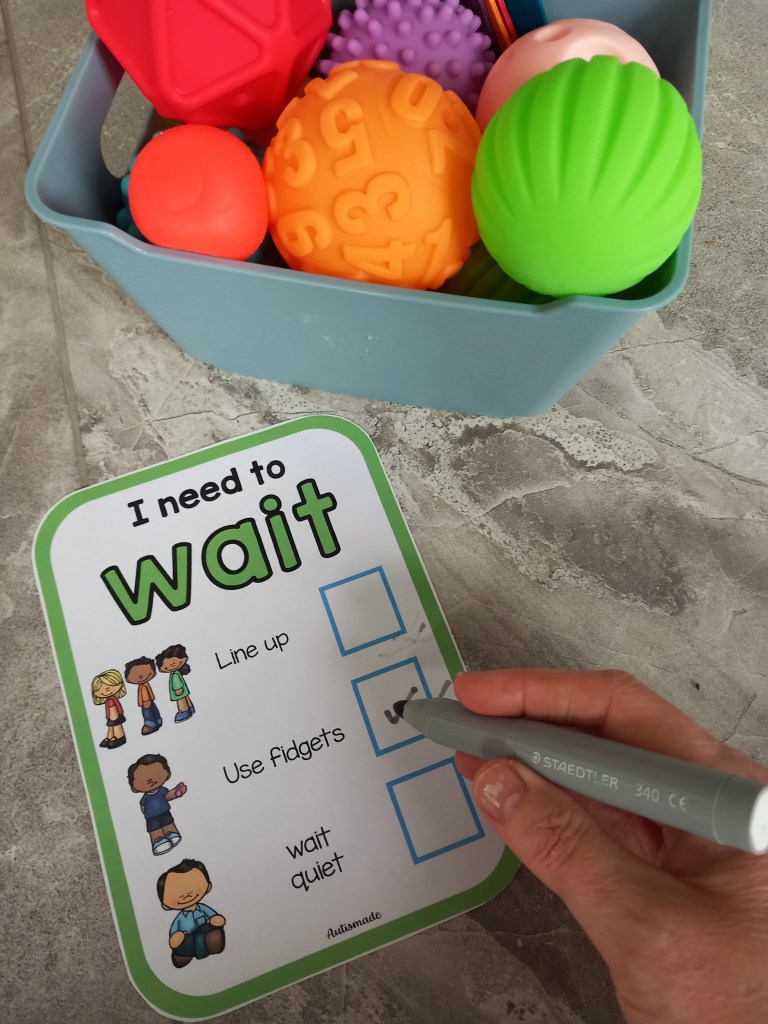
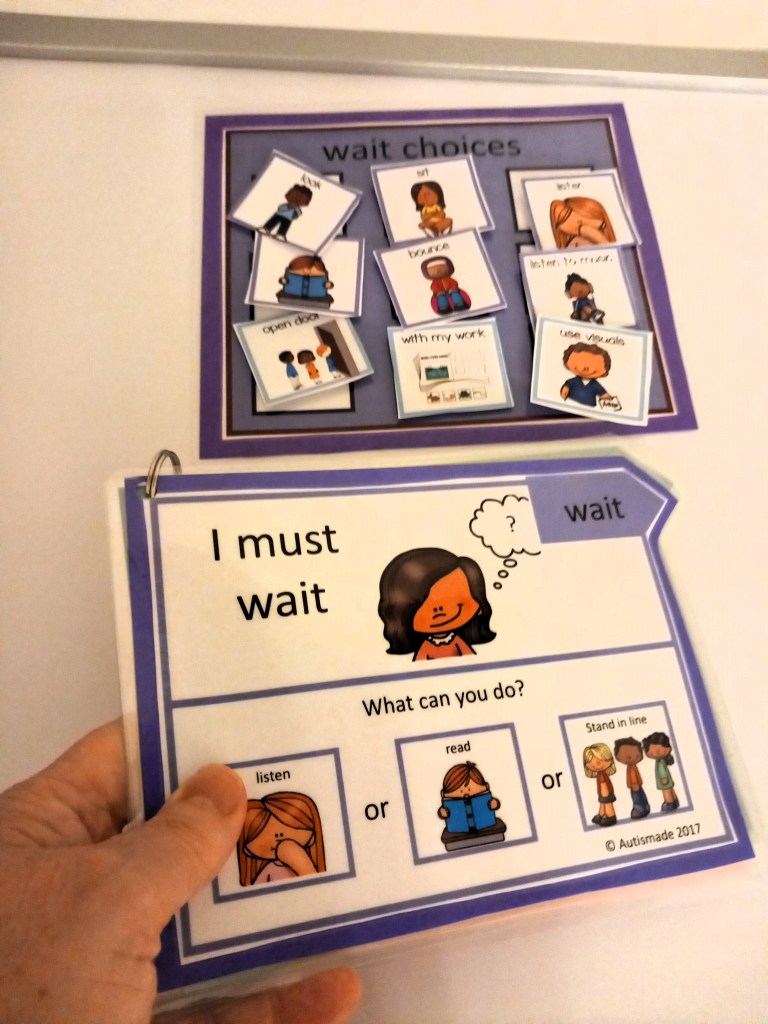
Visual wait time cards give students a clear signal that it’s okay to pause and think. Instead of filling the silence with more words, the visual does the talking.
These cards help students understand:
What they should be doing
That a response is expected
That help will come, just not yet
Waiting becomes predictable instead of stressful.
Easy Visual Wait Time Tools Teachers Love
“Wait” cards use a simple word or symbol to remind students to pause.
Visual timers or countdown cards show how long the wait will last.
Thinking time cards let students know it’s okay to take a moment before answering.
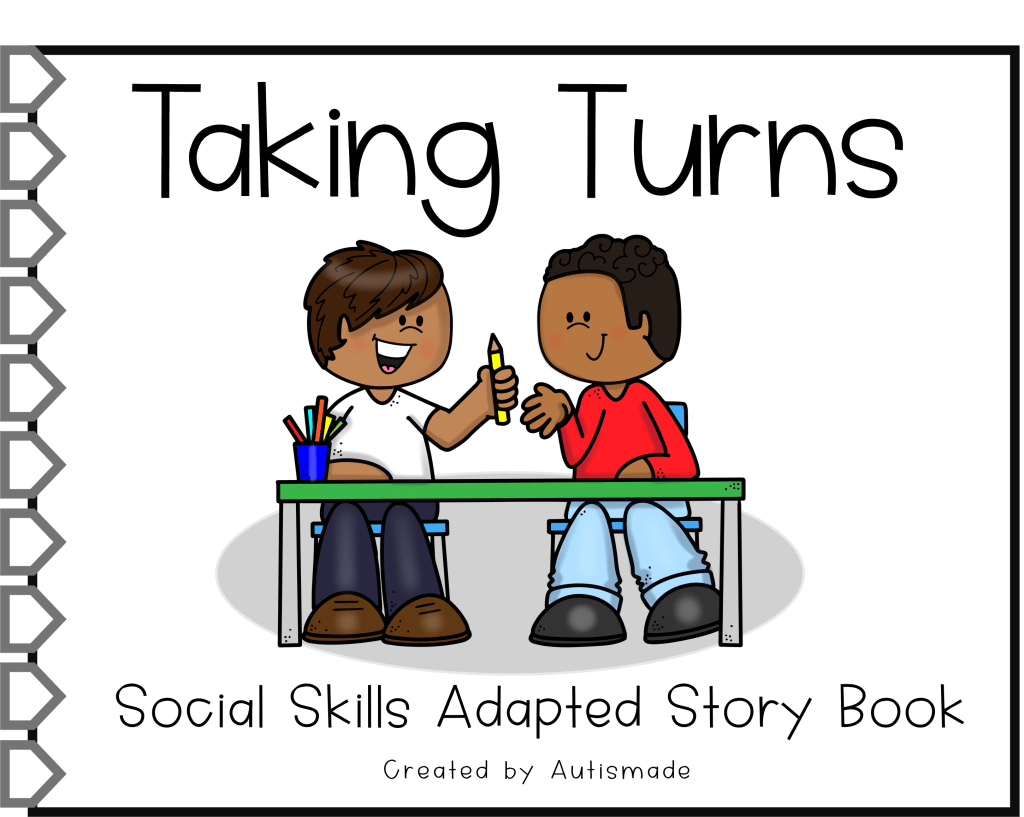
Turn-taking visuals clearly show whose turn it is during games or group work.
Classroom Tips for Success
Teach the visual during calm moments
Pair it with a brief verbal cue, then stay quiet
Avoid repeating directions while the visual is shown
Praise the act of waiting, not just the final response