Hands-On Learning: Tabletop Activities for Special Education

Itโ€™s such an exciting time, especially for our littlest learners who thrive with hands-on, visual, and sensory-rich activities. If youโ€™re working with children in a preschool/Kindergarten, special education setting, these transition table-top activities can be a gentle and engaging way to ease into routines while learning to transition between tasks. Hereโ€™s a list of 5 simple tabletop activities perfect for those early days back, with a focus on fine motor skills, early literacy, and numeracy:

1. Playdough letter & Number Mats

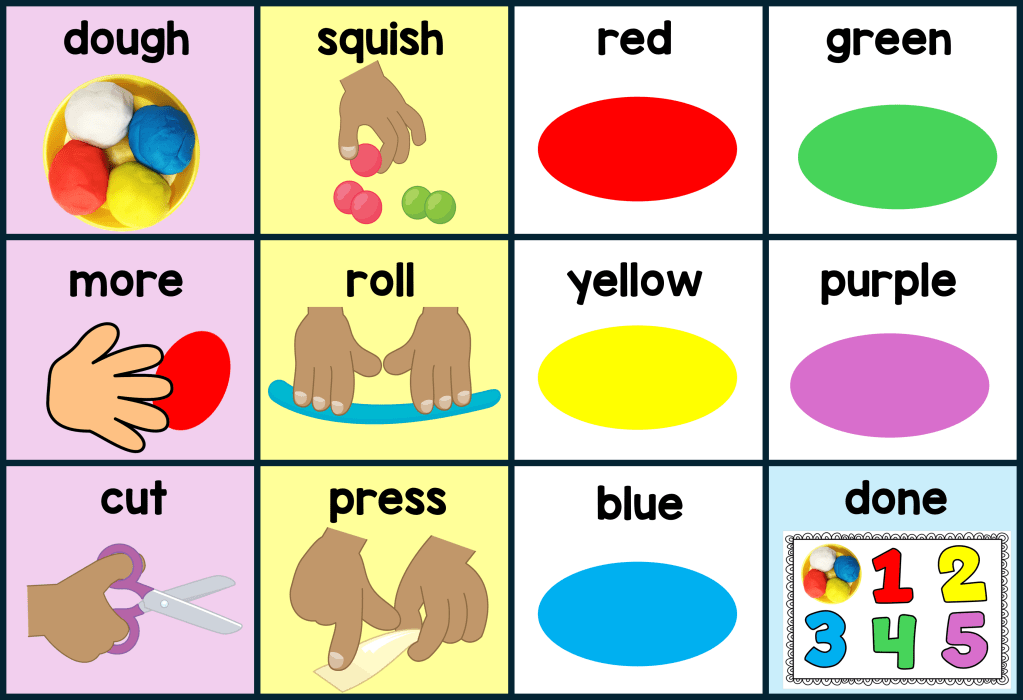
Squish, roll, press! Create custom laminated mats with each childโ€™s name and numbers 1โ€“5. Let them form the letters and numerals using playdough snakes, encouraging finger strength and shape recognition. Add cookie cutters or rollers for extra sensory fun.

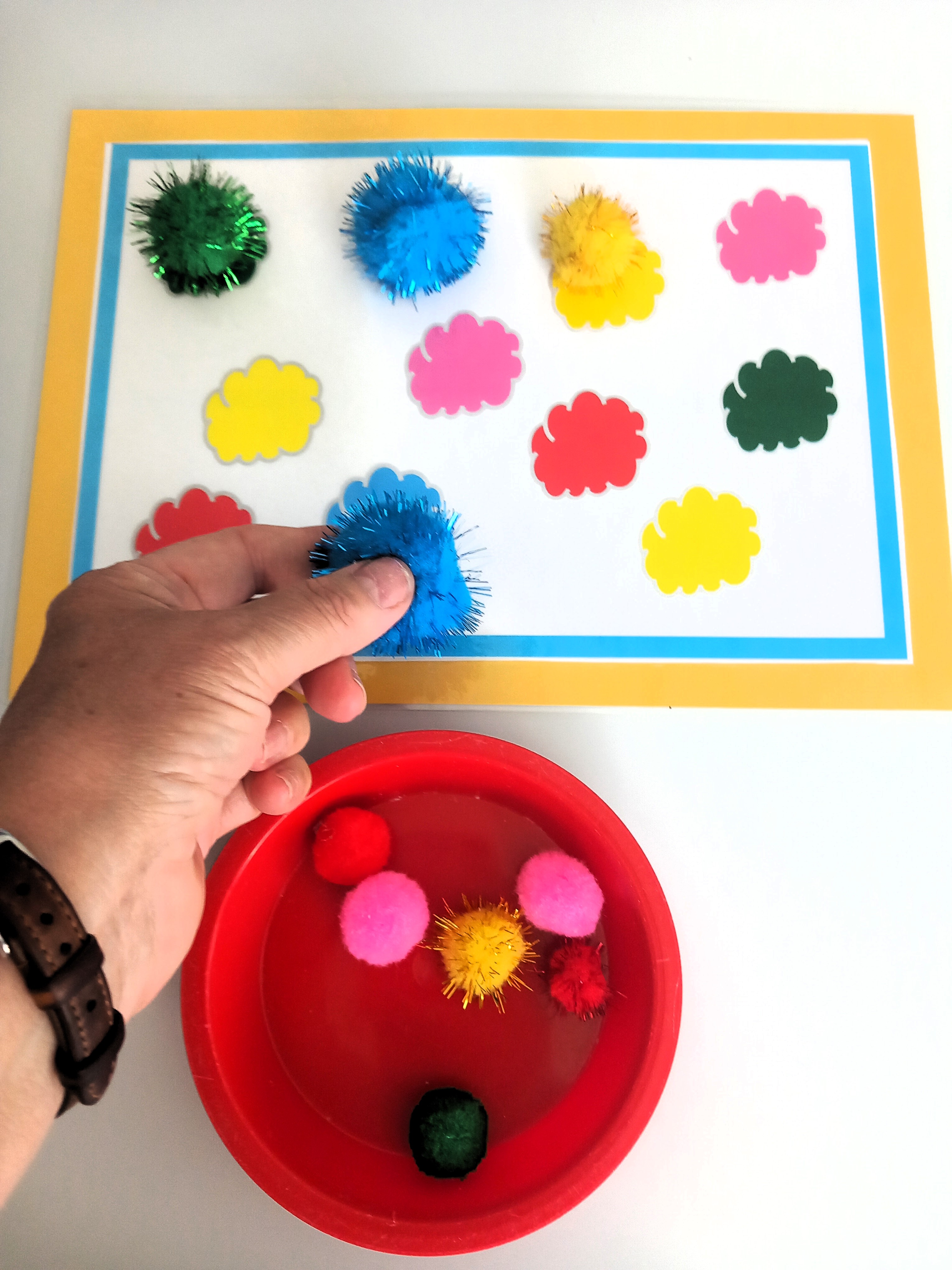
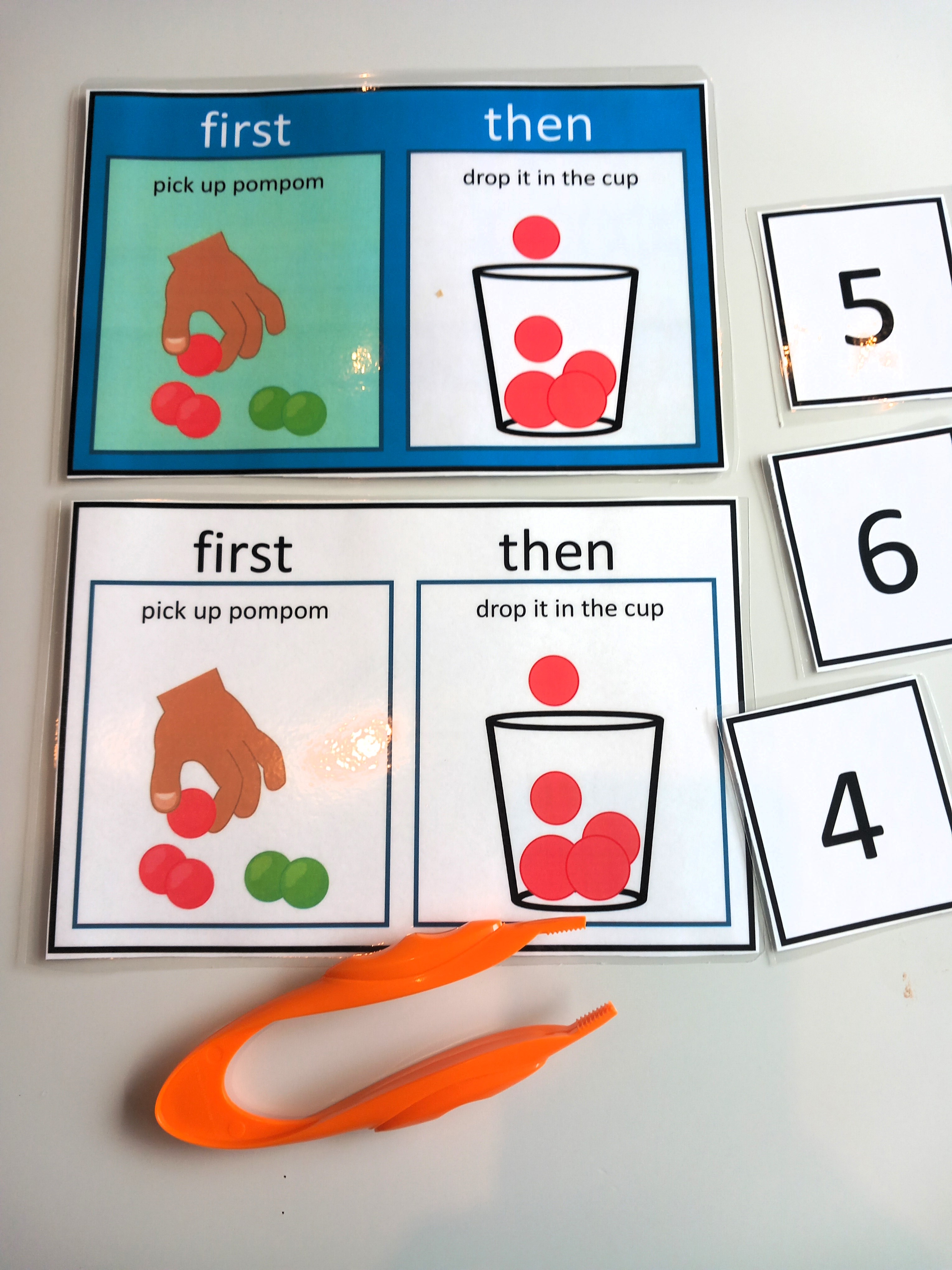
2. Pom-Pom Drop with Tongs

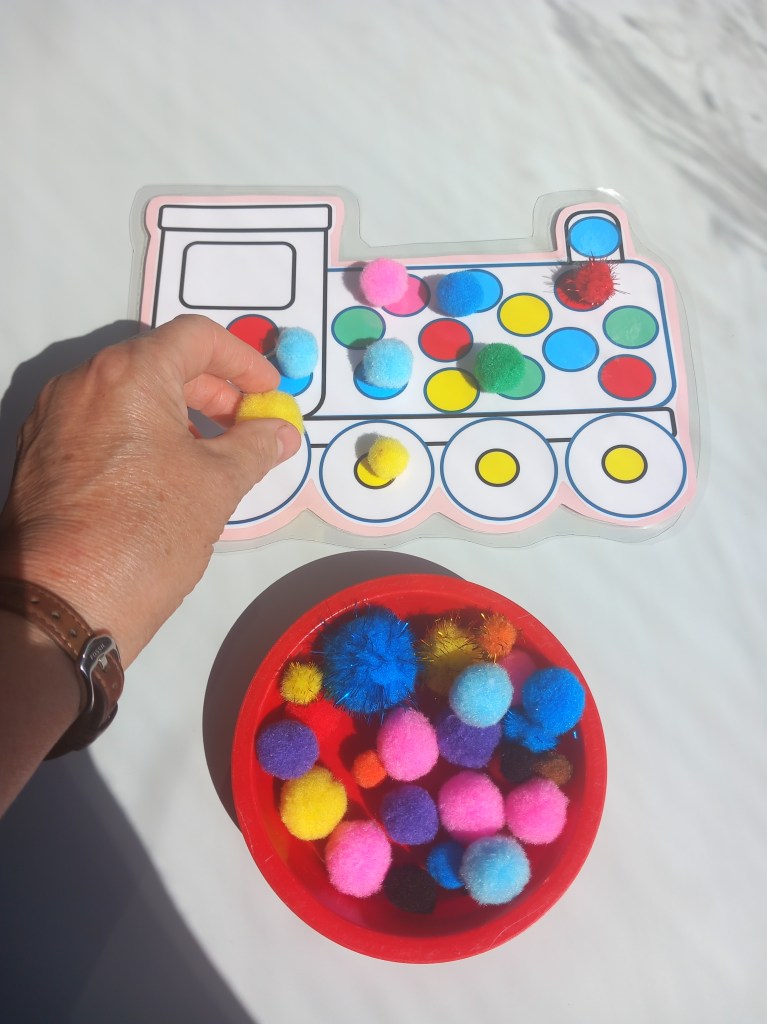
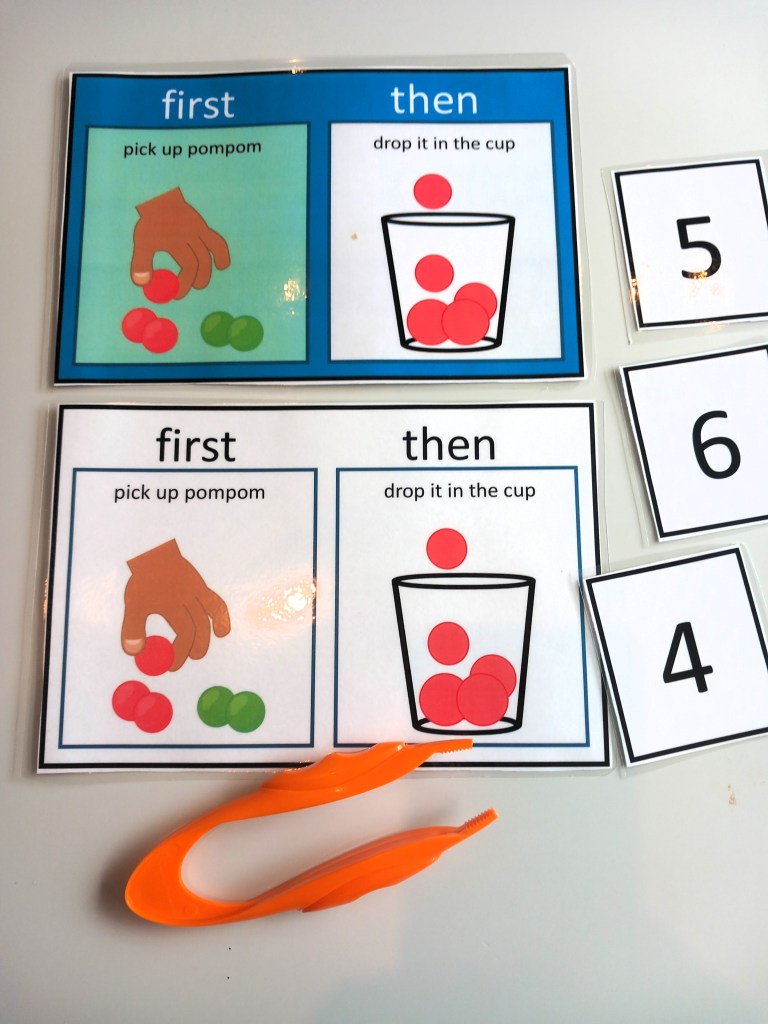
Set up cups labeled with numbers and a bin of colorful pom-poms. Children use tongs or adapted tweezers to transfer the pom-poms into the correct cupโ€”fantastic for counting practice and fine motor coordination. Try textured pom-poms for added tactile input.

3. Alphabet Soup Sensory Tray

Fill a shallow bin with dry pasta or rice and scatter plastic or foam letters inside. Provide spoons, scoops, or small ladles for learners to “scoop” letters out and match to visual cue cards or alphabet mats. Engages multiple senses while working on letter ID.

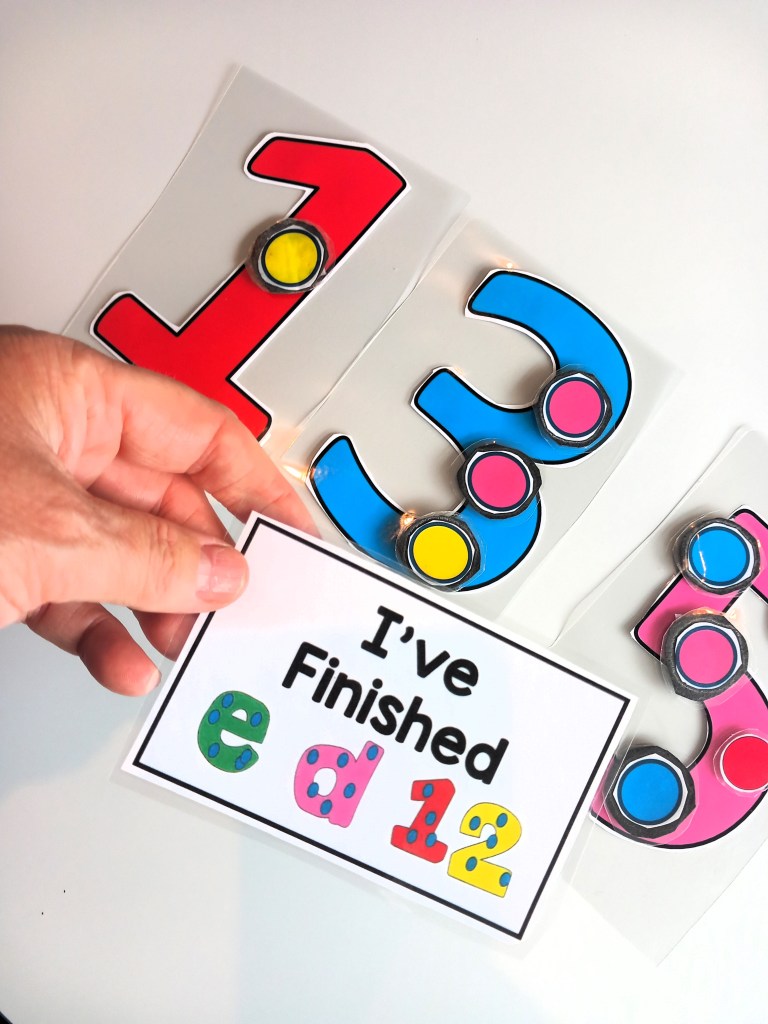
4. Stickers, Dots, Letters and Numbers

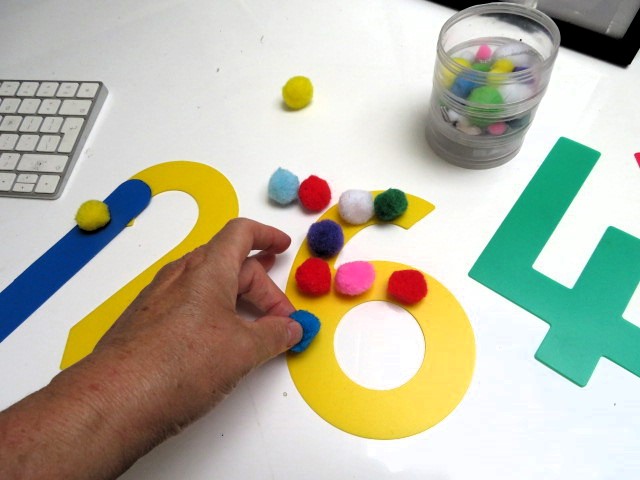
Offer large printouts of letters and numbers and invite children to place small circle stickers (like garage sale dots) along the lines. Itโ€™s calming, fun, and fantastic for developing finger dexterity and spatial awareness.
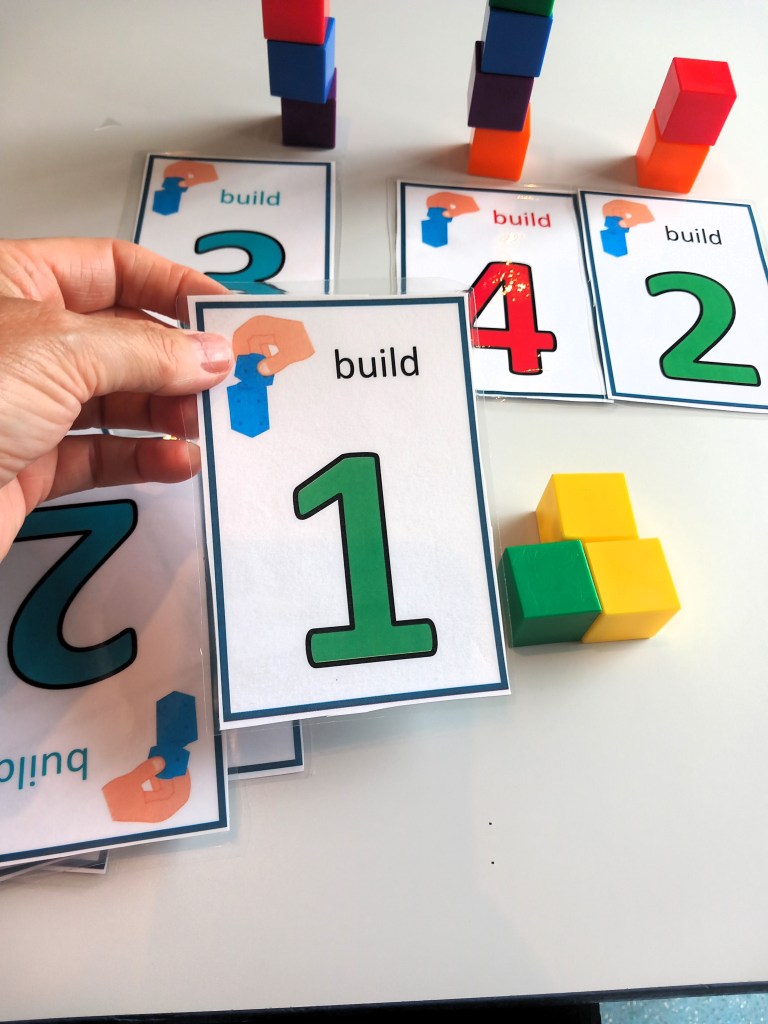
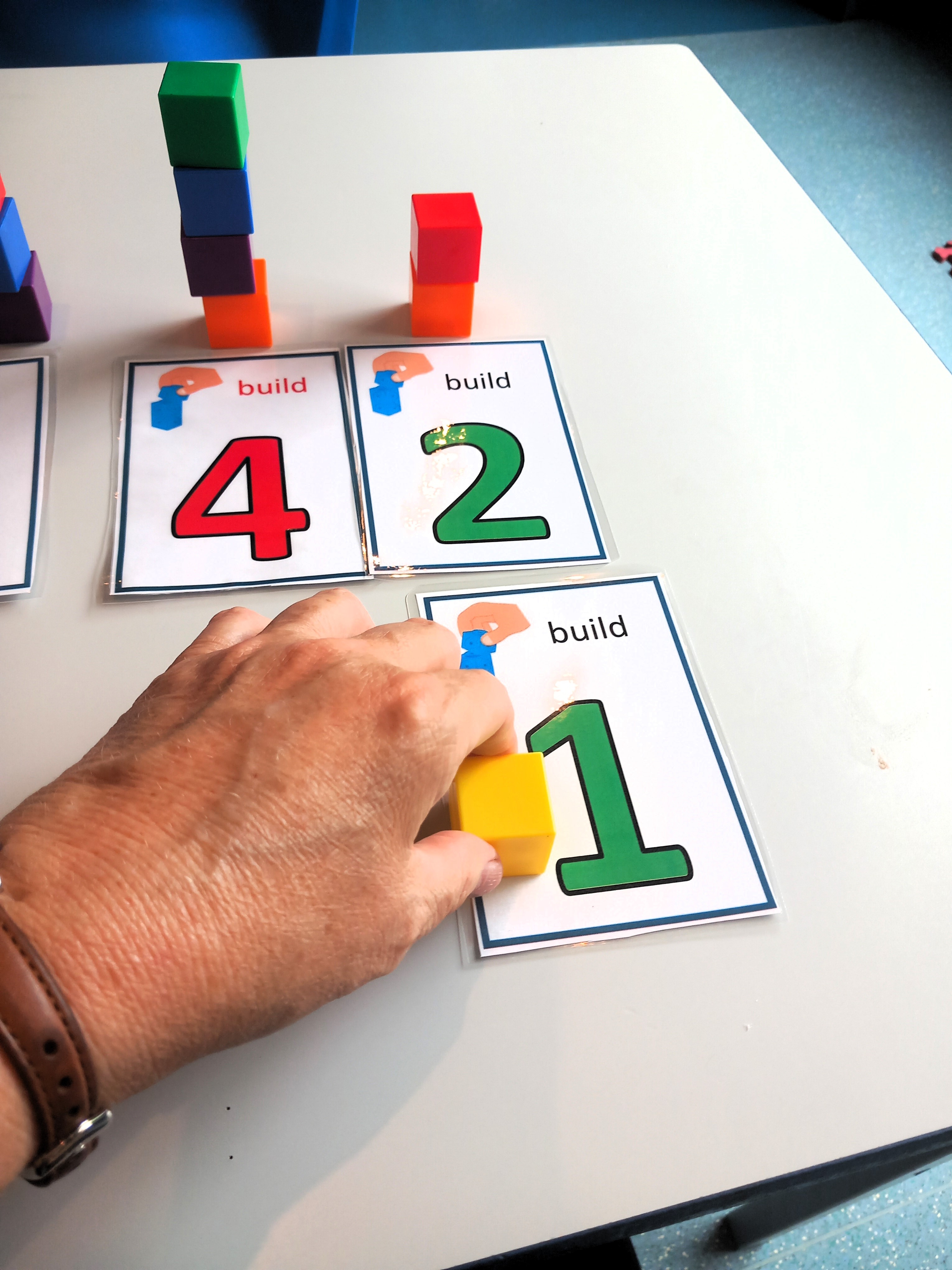
5. Build-a-Tower Counting Game

Provide numbered cards (1โ€“10) alongside a set of stacking blocks or Duplo bricks. Kids draw a card and build a tower with the matching number of blocks. Add visual supports for non-verbal communicationโ€”like number boards or thumbs-up visualsโ€”for celebrating each success.

Visual supports are a superpower in the special ed classroomโ€”especially for non-verbal learners! They make abstract concepts concrete, help with transitions and understanding, and boost independence.
These low-prep, hands-on activities are not only accessible for non-verbal kiddos, but theyโ€™re also filled with opportunities for choice-making, shared attention, and joyful participation.

For more back to school resources try my TPT Store

Fun Activities and Resources for Back to School

Its that time of year again – the panic of building back to school lessons, fresh new resources and a shiny clean classroom! But a new class list of children in Special Education can mean new challenges and worries, so be prepared with hands on resources, learn as much as you can about each student and relax into teaching!

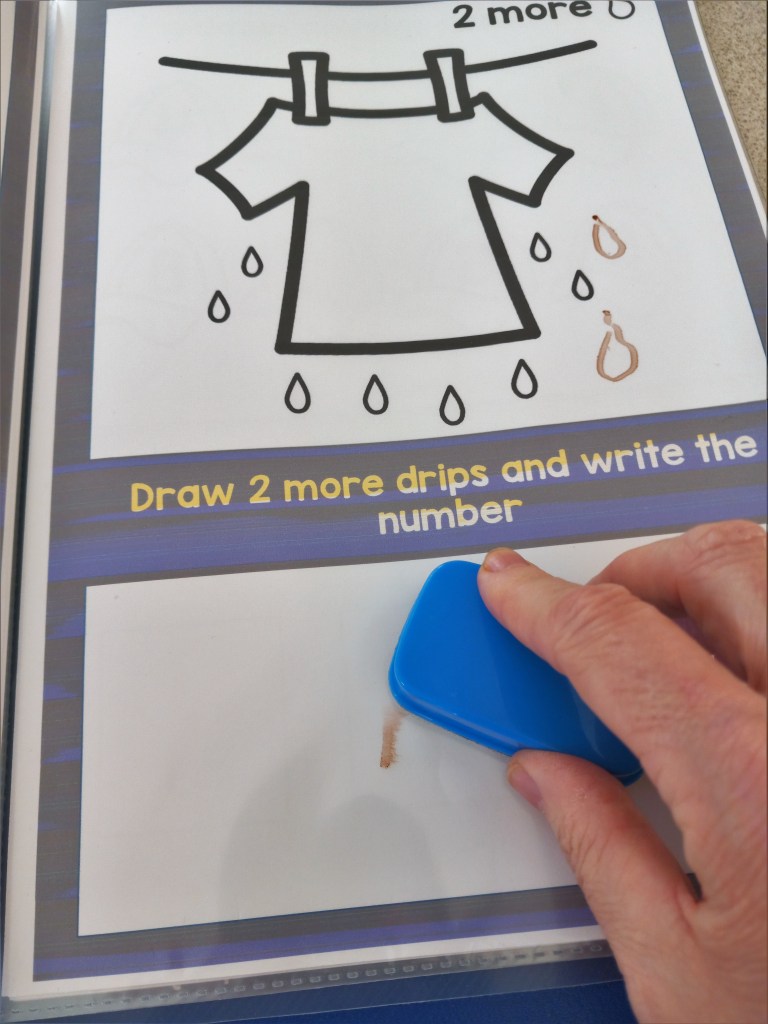
This interactive Daily Binder is full of visual strategies to help your students plan their day ahead and keep them focused throughout. Once laminated or placed in a pocket folder a dry wipe marker can be used for students to jot down their name, grade and class, followed by their teachers name, their friends name, things they like and things they don’t. There are pages with the days of the week for your student to practice and tick off what day it is and same for seasons. Handy pages for students to write out their daily schedule and tick off as they go though it. Working for cards and reward choice. What to remember when you feel angry, “first and then” when they get frustrated and what I need visuals for them to choose from.

About Me – Back to school activity sheets especially designed for new class members to fill in and share information about themselves.

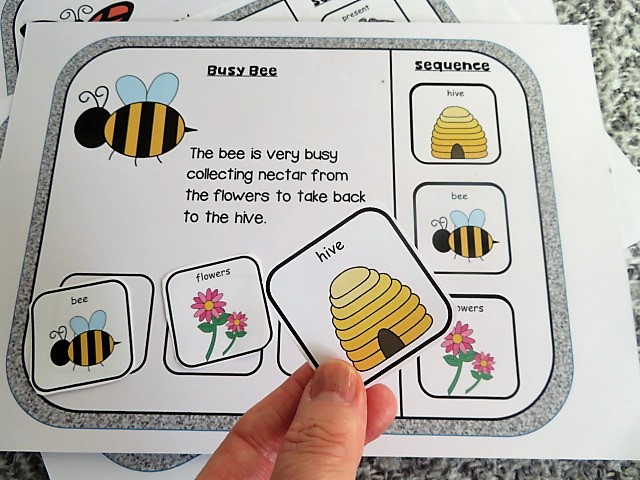
Adapted books will enable your students to practice sequencing, curriculum tasks, stories and everyday activities. Instead of laminating and binding use them as cut and paste activities!

The ability to organise, sequence and prioritise helps us to plan daily activities and manage our time effectively. however, a lot of preschool/Special Education children may find communicating, organising, sequencing and prioritising difficult. This visual binder can support students with everyday basic needs.

FREE Back to School Download Activity sheet

Special Education Activities for the First Week of School!

I know that the start of a new school year can be a stressful time for students and teachers alike. But with a little bit of planning and creativity, we can make the first week of school a fun and engaging time for everyone.

I’ve come up with some fun activities over the years that help my students get to know each other, build relationships with their peers, and feel comfortable in their new Classroom. Not only are these activities great to start off a new school year, but they also provide opportunities to show individual levels of social skills and understanding.

One of my favorite first-week activities is the name game. It’s a simple icebreaker that involves each student sharing their name and one thing they like. It’s a great way to help students learn each other’s names and interests, and it often leads to some fun and unexpected conversations.

Another activity that I love is the classroom scavenger hunt. I create a list of items for students to find around the classroom, such as a pencil, a sharpener, and they can tick off when they find them. This activity helps students become familiar with their surroundings and encourages them to work together.

Click here for a FREE Download

I often have my students create an all about me poster, I give them a template to start their “All about me Poster” with place for “My Name”, what I like, favorite things and hobbies. Once everyone has finished we hang the posters around the room so everyone can see them.

I hope these activities inspire you with your planning for the first week back to school after a long Summer Break. But remember, get creative and make the classroom inviting too, with a little bit of work you can create a positive environment that will help your student feel welcome and supported!

Back-to-School Ideas for Creating a Positive Learning Environment!

Ideas for Independent Work Centres in Special Education (PreK-2nd Grade)

Independent work time in a special education classroom can feel a bit like conducting a tiny orchestra, each student playing their own part, at their own pace, with just the right amount of structure and support. When done well, independent work centers build confidence, reinforce skills, and give teachers a moment to breathe (and maybe sip that now-lukewarm coffee).

If youโ€™re setting up or refreshing your centers, here are engaging, low-prep, and effective ideas designed specifically for PreKโ€“2nd grade special education learners.

Independent work systems help students:

  • Build independence and task completion skills
  • Strengthen fine motor and early math abilities
  • Practice number recognition and counting
  • Develop confidence through predictable routines

Using structured systems also reduces behaviors and increases student successโ€”win-win!

Tip: Keep rotations consistent each day.

Rotation Systems That Actually Work

A smooth rotation system is the backbone of your centers.

Enter: Finished Cards.

Try these simple options:

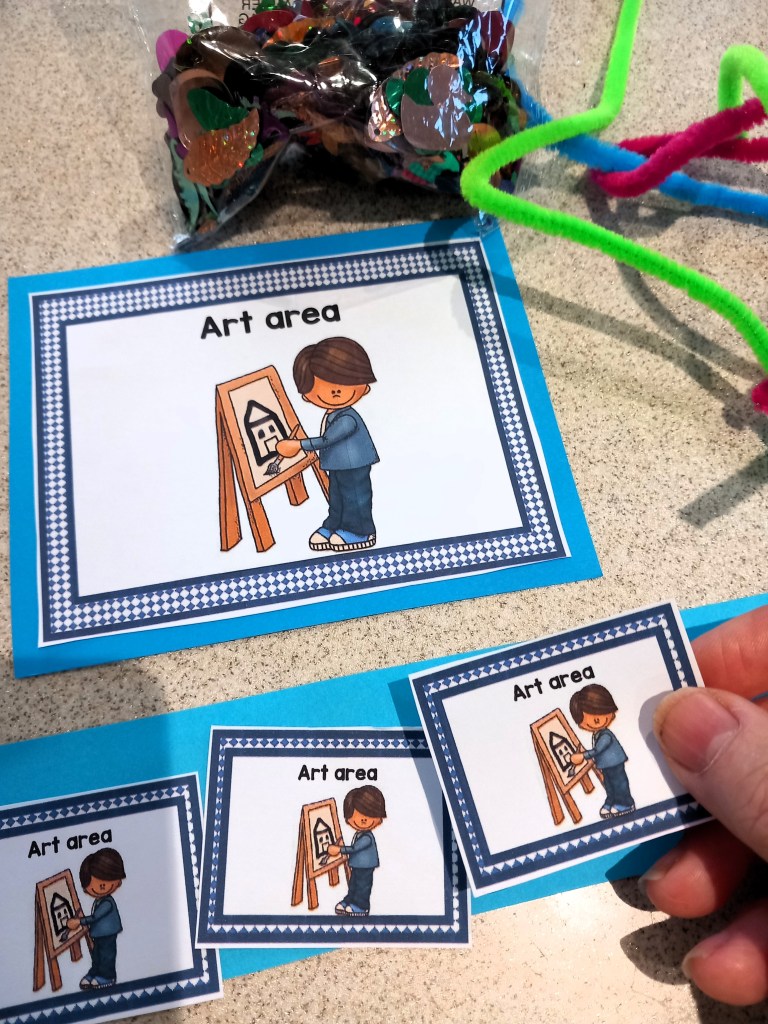
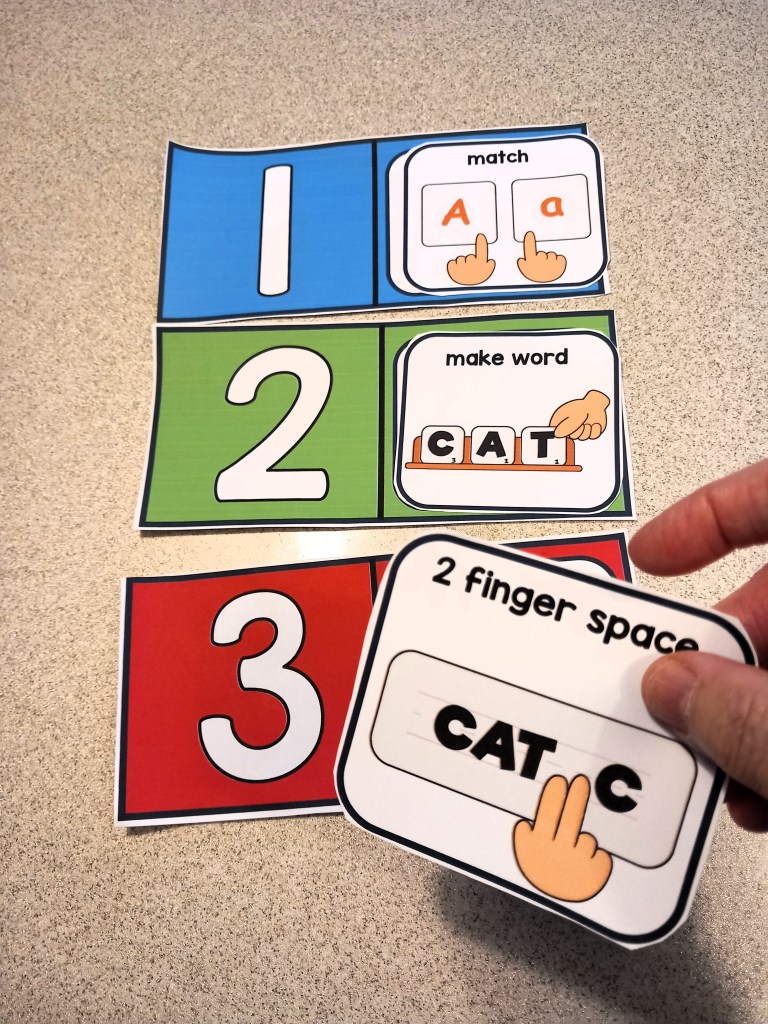
  • Visual Rotation Charts: Use icons or photos to show students where to go next
  • Color-Coded Groups: Red group = math, blue group = fine motor, etc.
  • Timer-Based Rotations: 10โ€“15 minute intervals work well for younger learners

โ€œAm I done yet?โ€โ€”weโ€™ve all heard it.

  • Students place the card in a bin when done
  • Provides a clear visual endpoint
  • Encourages independence and reduces interruptions

You can even add a โ€œCheck Workโ€ step for students ready for that extra responsibility.

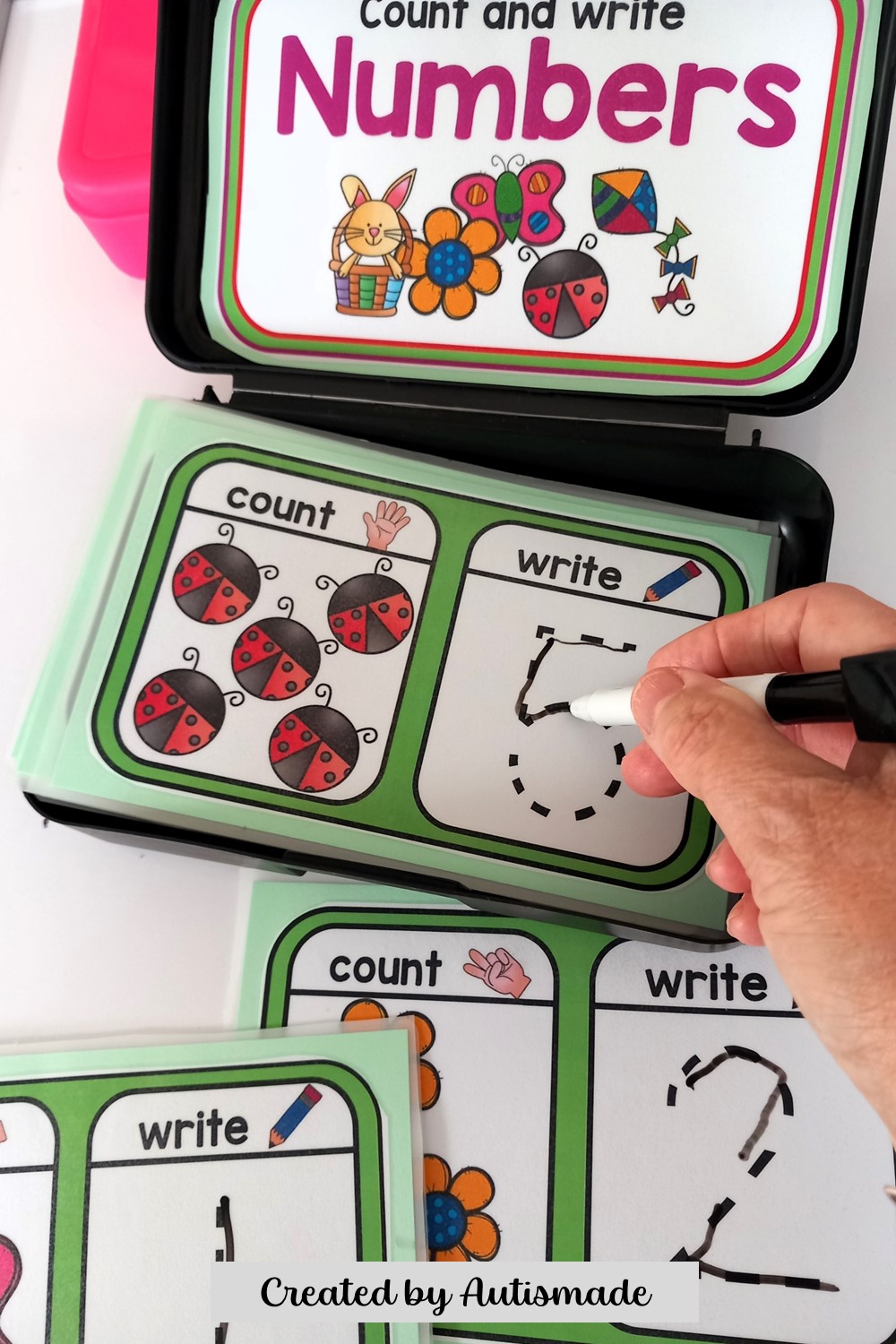
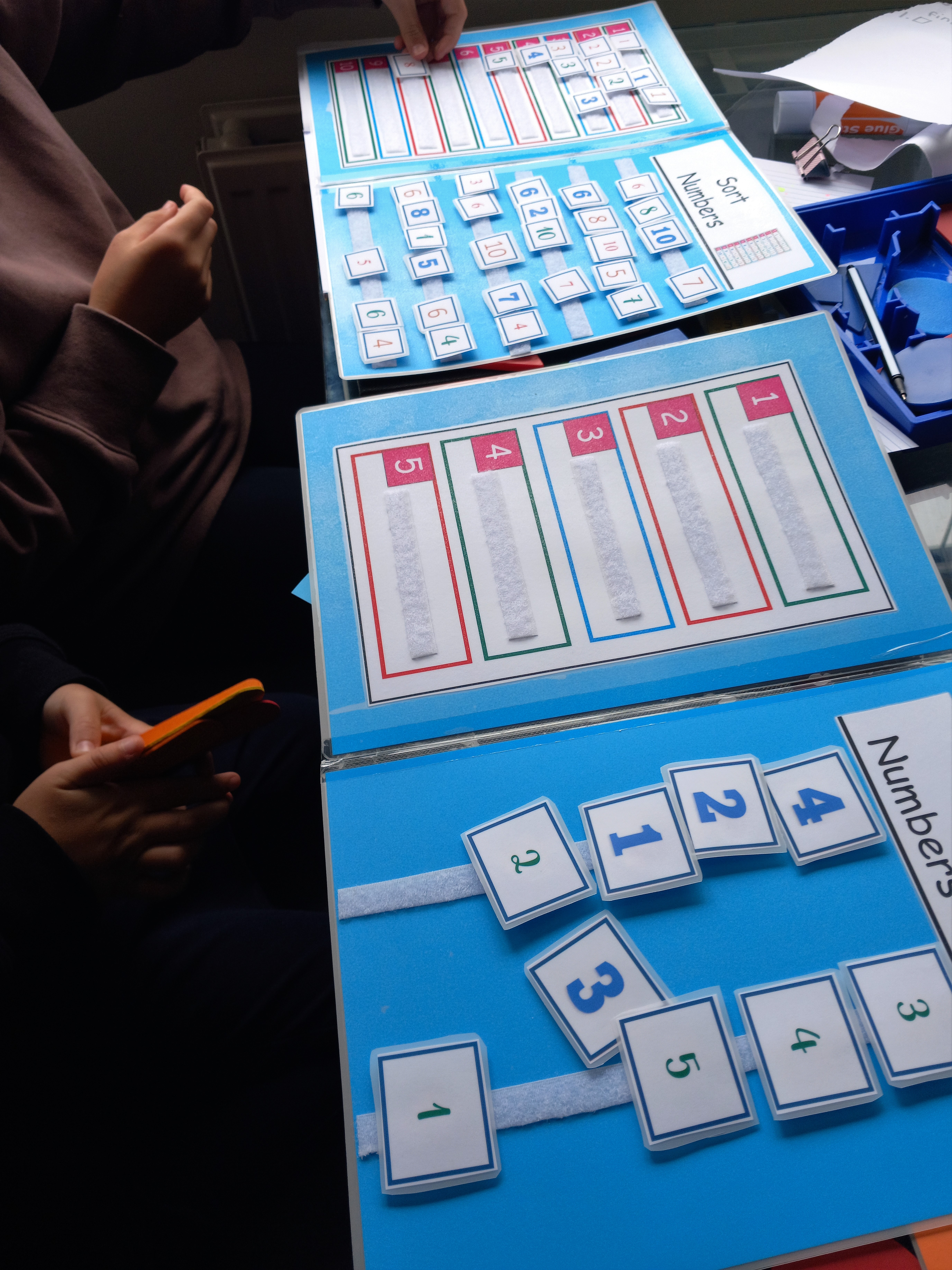
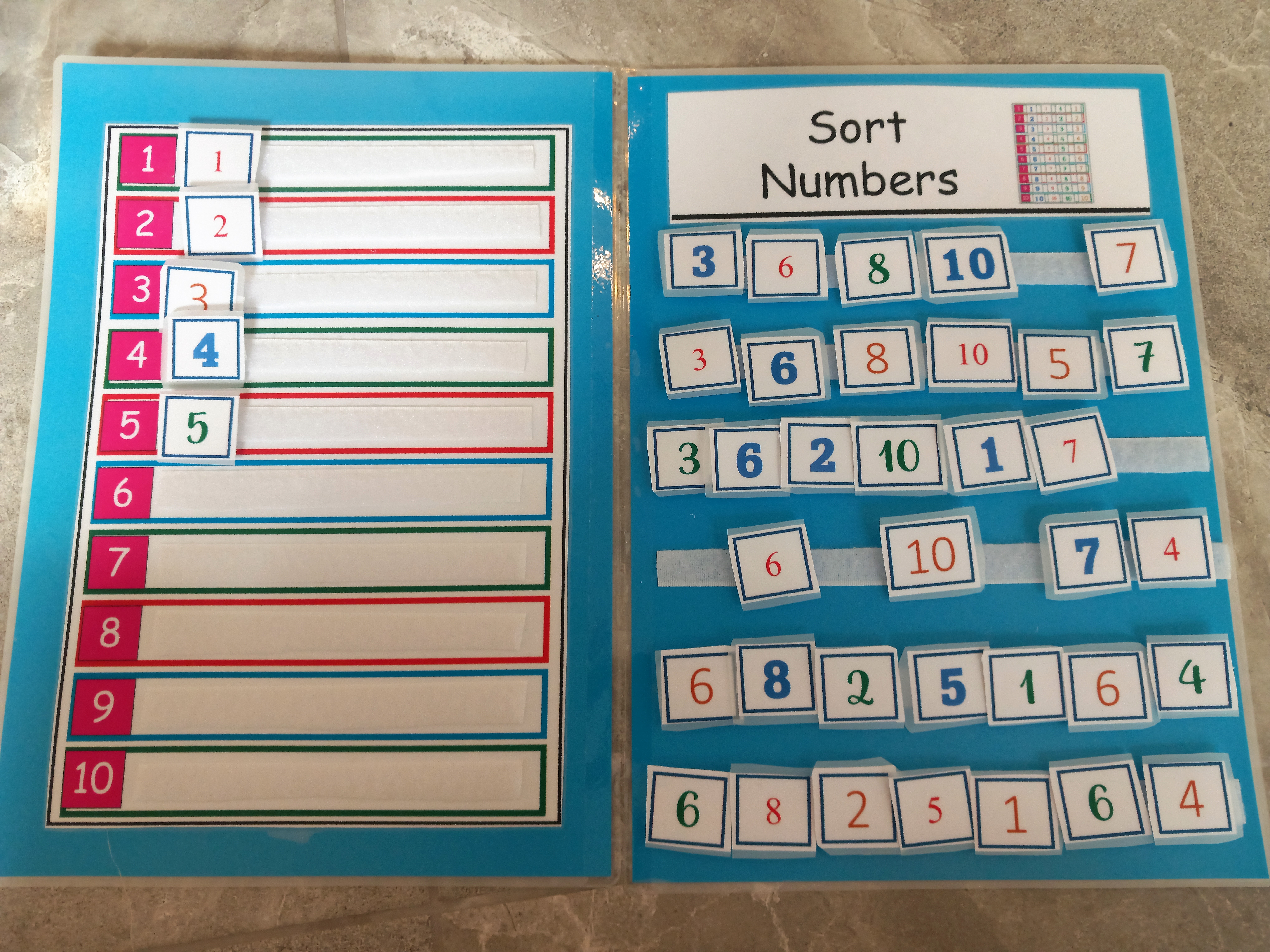
Math Binders (Numbers to 10)

Math binders are like tiny skill gyms for little learners

Include:

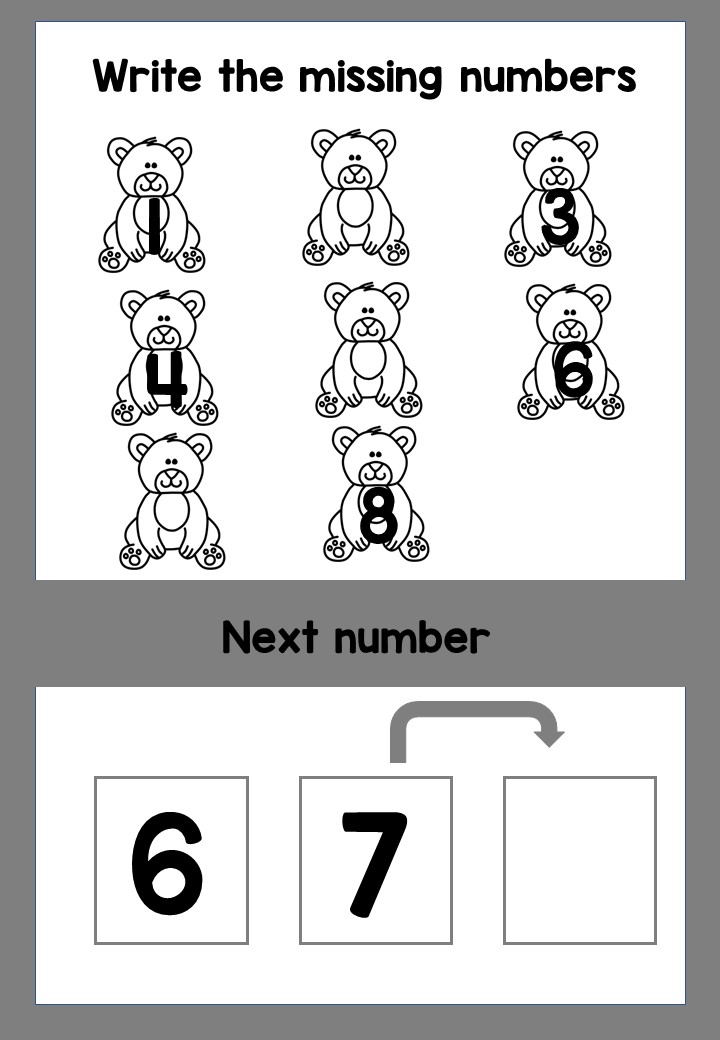
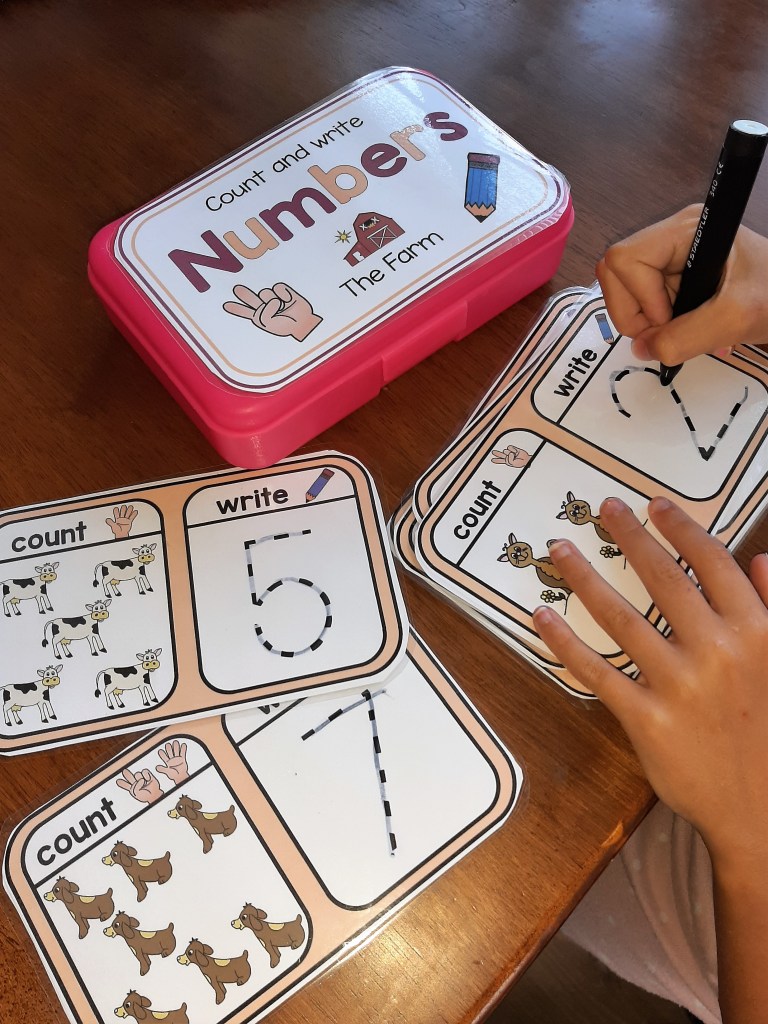
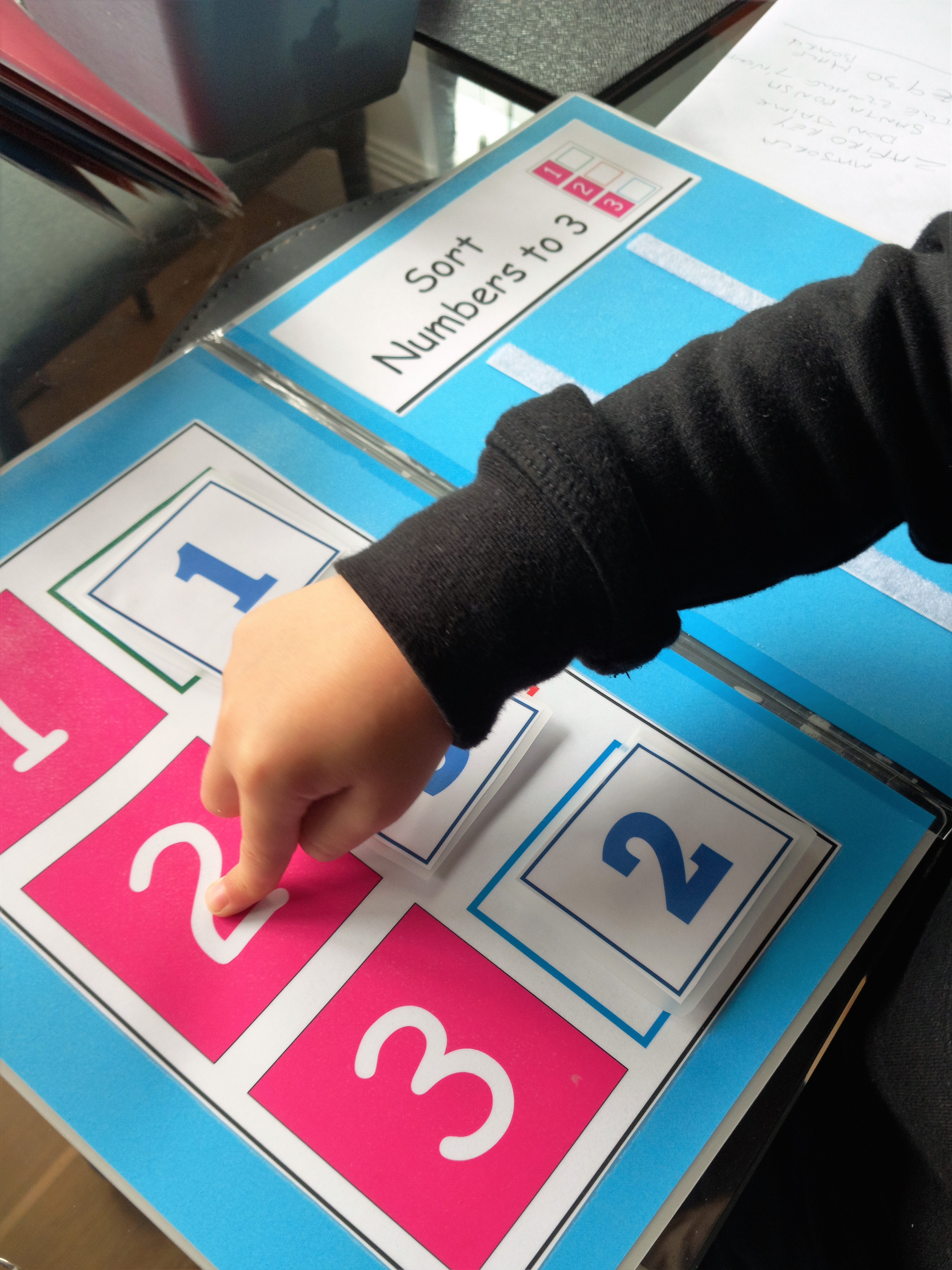
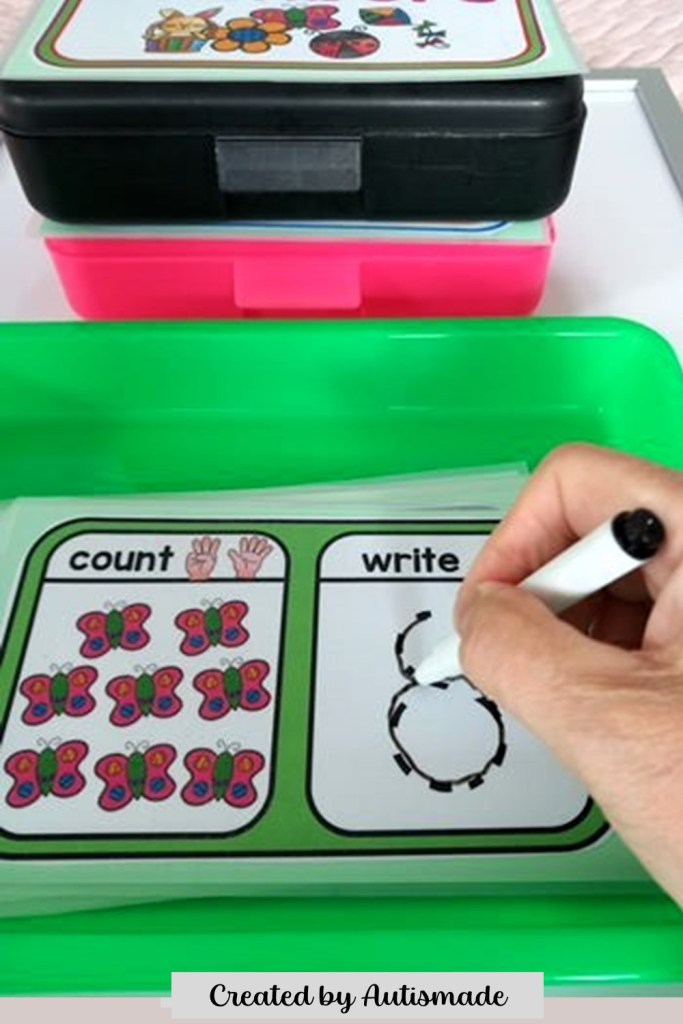
  • Number tracing (1โ€“10)
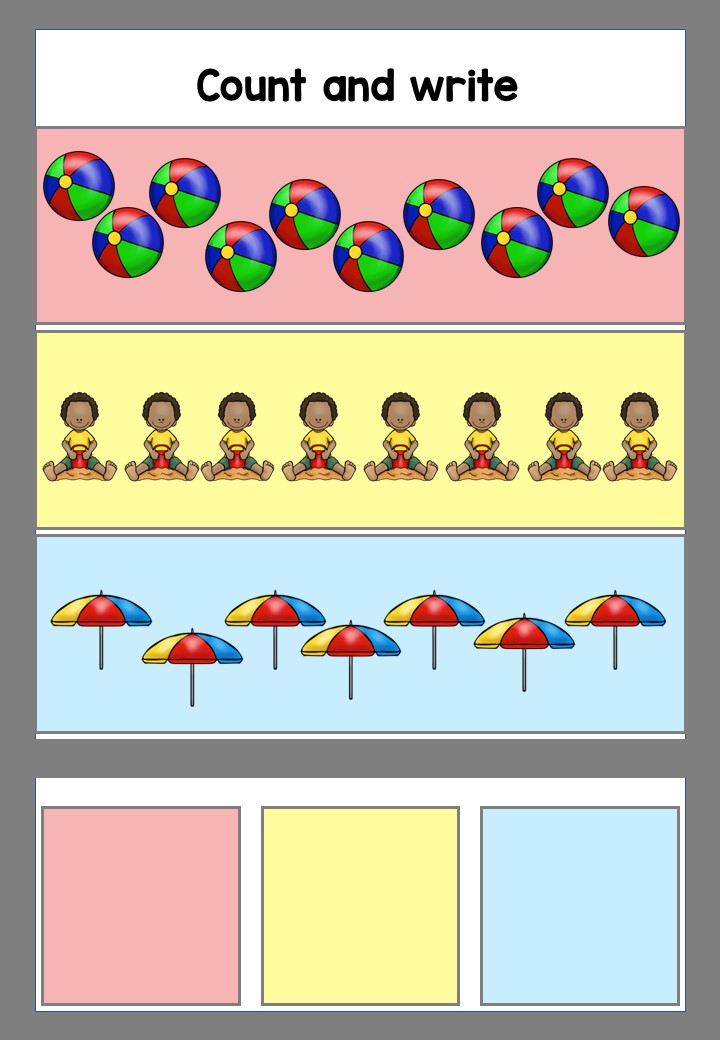
  • Counting objects
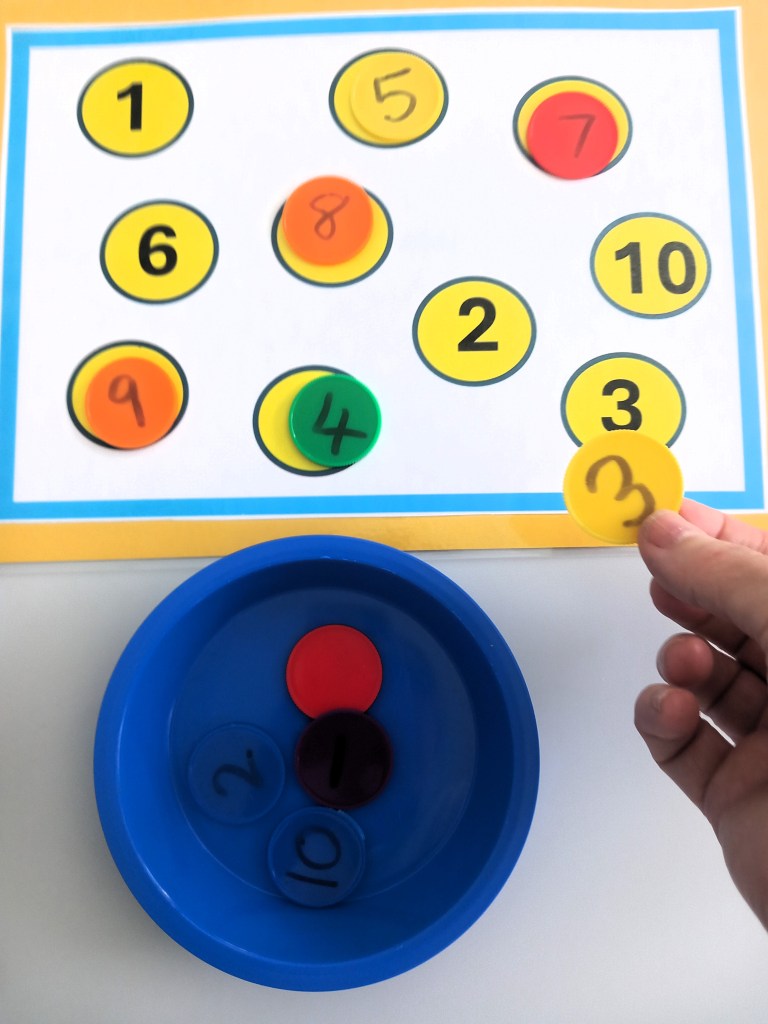
  • Matching numbers to quantities
  • Simple ten-frame activities

Laminate pages and use dry-erase markers for easy reuse. These are perfect for reinforcing early math skills in a structured way.

Hands-On Counting Tasks

Abstract numbers? Not today. Weโ€™re going tactile!

Try:

  • Counting bears or linking cubes
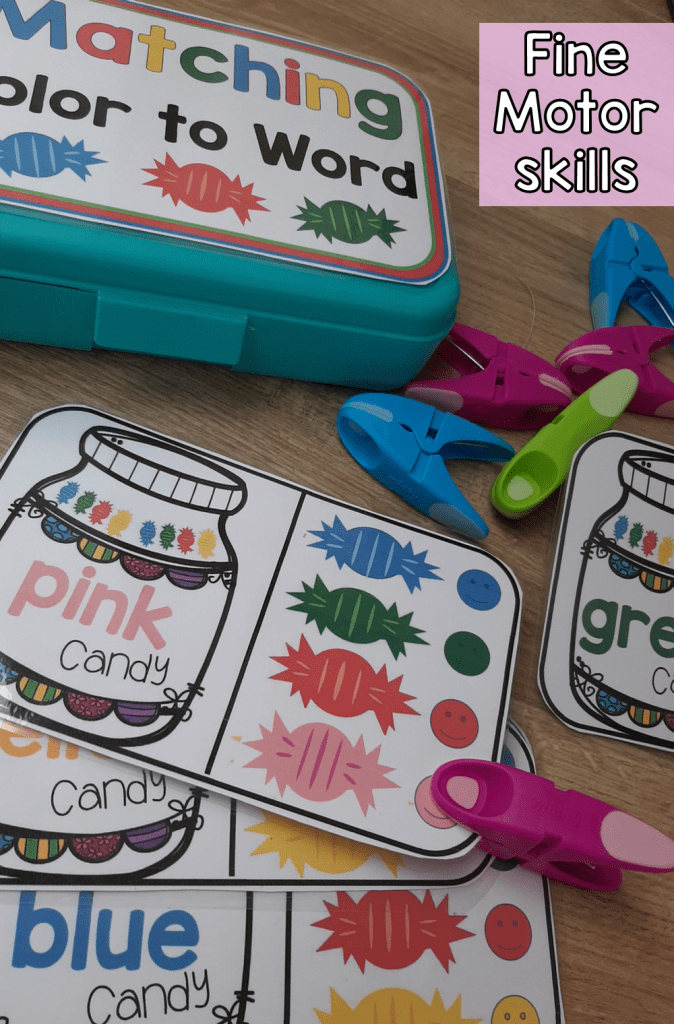
  • Pom-poms with tweezers (fine motor + math!)
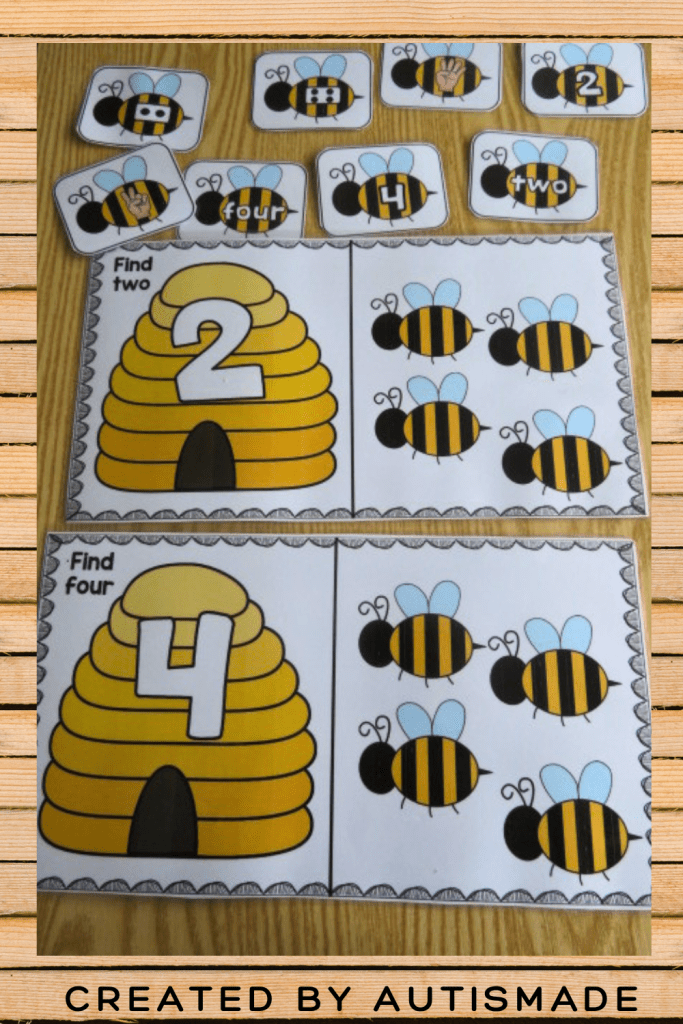
  • Clip cards (count and clip the correct number)
  • Counting mats with real objects

These activities support both number recognition and one-to-one correspondence.

Different learners, different needsโ€”thatโ€™s where leveled file folders shine.

Create three levels:

  • Level 1: Matching (number to number, picture to picture)
  • Level 2: Counting and identifying numbers
  • Level 3: Simple addition or comparing numbers

Store them in labeled bins so you can quickly grab the right level for each student.

Task boxes are the MVPs of independent work centers.

Each box includes:

  • One clear task
  • Visual directions
  • All materials needed

Ideas:

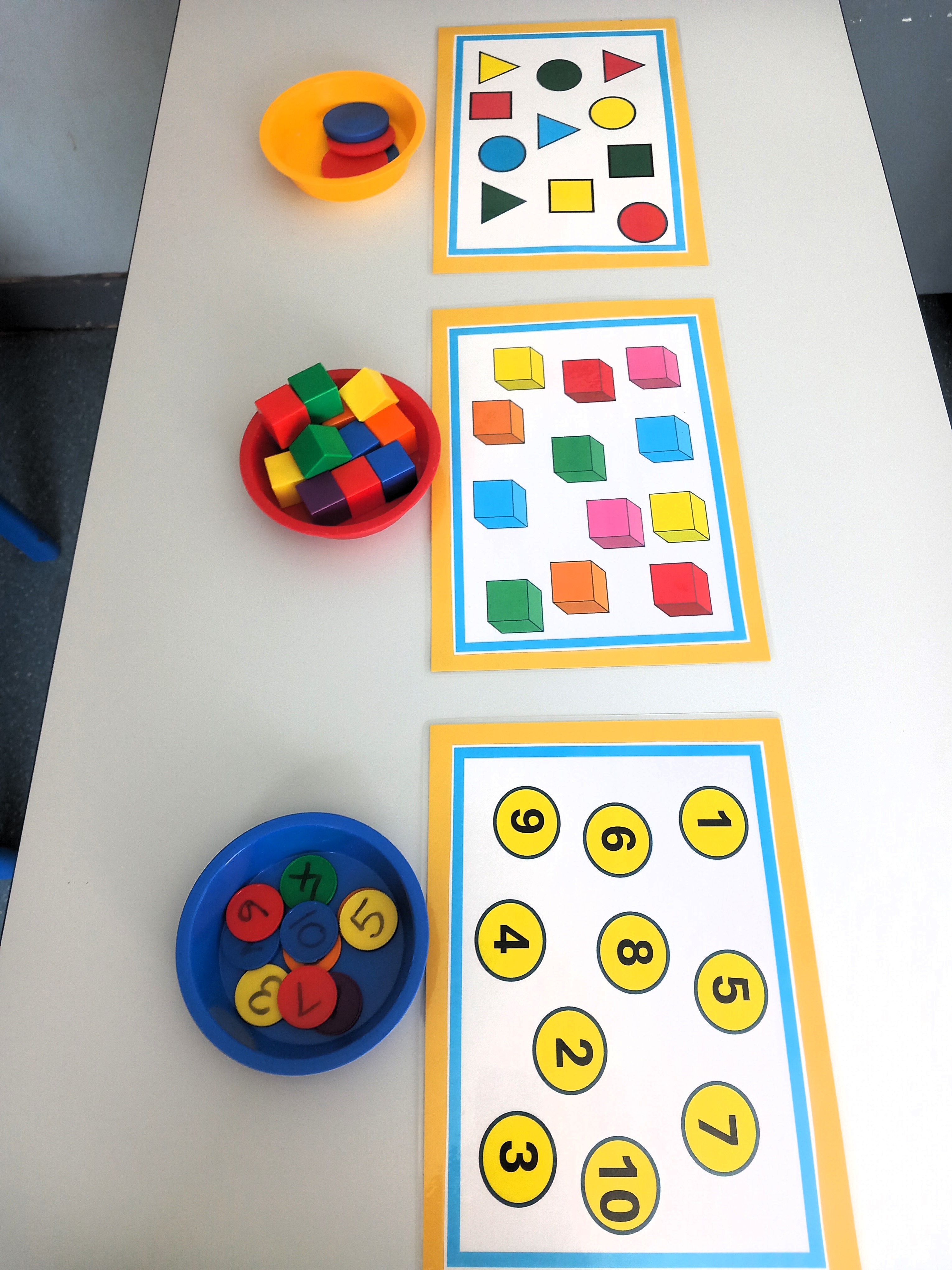
  • Sort by color or shape
  • Match uppercase to lowercase letters
  • Build numbers using manipulatives

Students learn to complete, close, and move onโ€”independence in action!

Sorting is simple, satisfying, and packed with learning.

Try sorting:

  • Colors
  • Shapes
  • Sizes
  • Objects vs. pictures

Add tongs or clothespins to sneak in fine motor practice while building cognitive skills.

Fine motor practice is essential at this ageโ€”and easy to incorporate.

Include:

  • Playdough mats
  • Beading activities
  • Cutting strips
  • Sticker scenes
  • Tweezer transfers

These strengthen hand muscles for writing while keeping students engaged.

Make it fun with:

  • Number puzzles
  • Flashcards with visuals
  • โ€œFind the Numberโ€ sensory bins
  • Dot marker sheets

Repetition + variety = mastery.

A few quick tips:

  • Use labeled bins or drawers
  • Keep materials consistent week to week
  • Rotate activities, not systems
  • Model expectations often

Remember, the goal is independenceโ€”not perfection.


Independent work centers in a special education classroom donโ€™t have to be complicated to be effective. With the right structure, engaging materials, and a little creativity, your students will grow in confidence, skills, and independence.

And you? Youโ€™ll gain a smoother classroom flow and a few extra moments to actually enjoy teaching again.

Click here to visit my Store