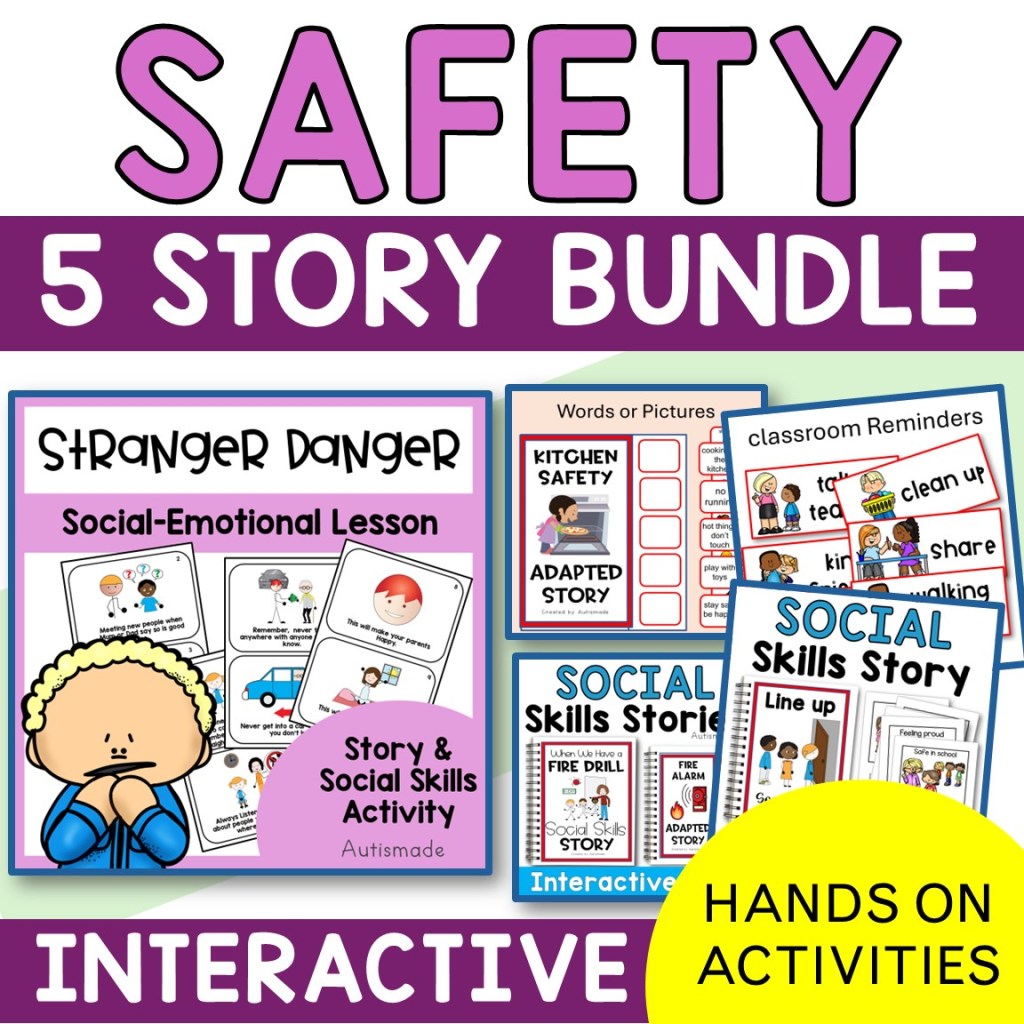
Teaching children about safety is an important part of everyday learning. For some students, particularly those in special education or autistic learners, safety rules and expectations may need to be taught in a clear, concrete, and predictable way.
This is where social stories can be a valuable teaching tool.
What Are Safety Social Stories?
Social stories are short, structured stories that explain a situation, what a child may experience, and what they can do to respond safely. They can help make unfamiliar or potentially challenging situations easier to understand.
Instead of simply saying, “Be safe,” a social story can break the idea of safety into small, meaningful steps.
For example, a story might explain:
How to stay safe in the classroom
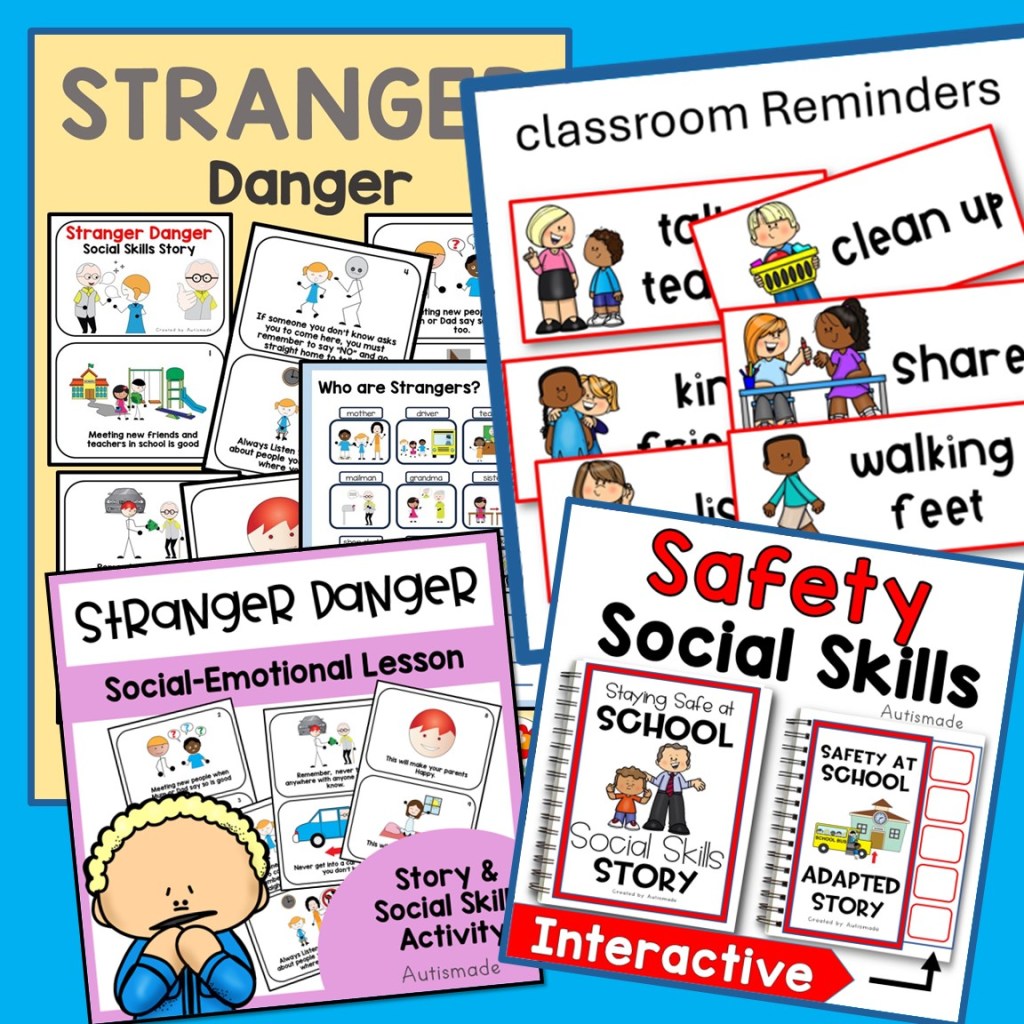
Stranger Danger safe vs unsafe
How to ask a trusted adult for help
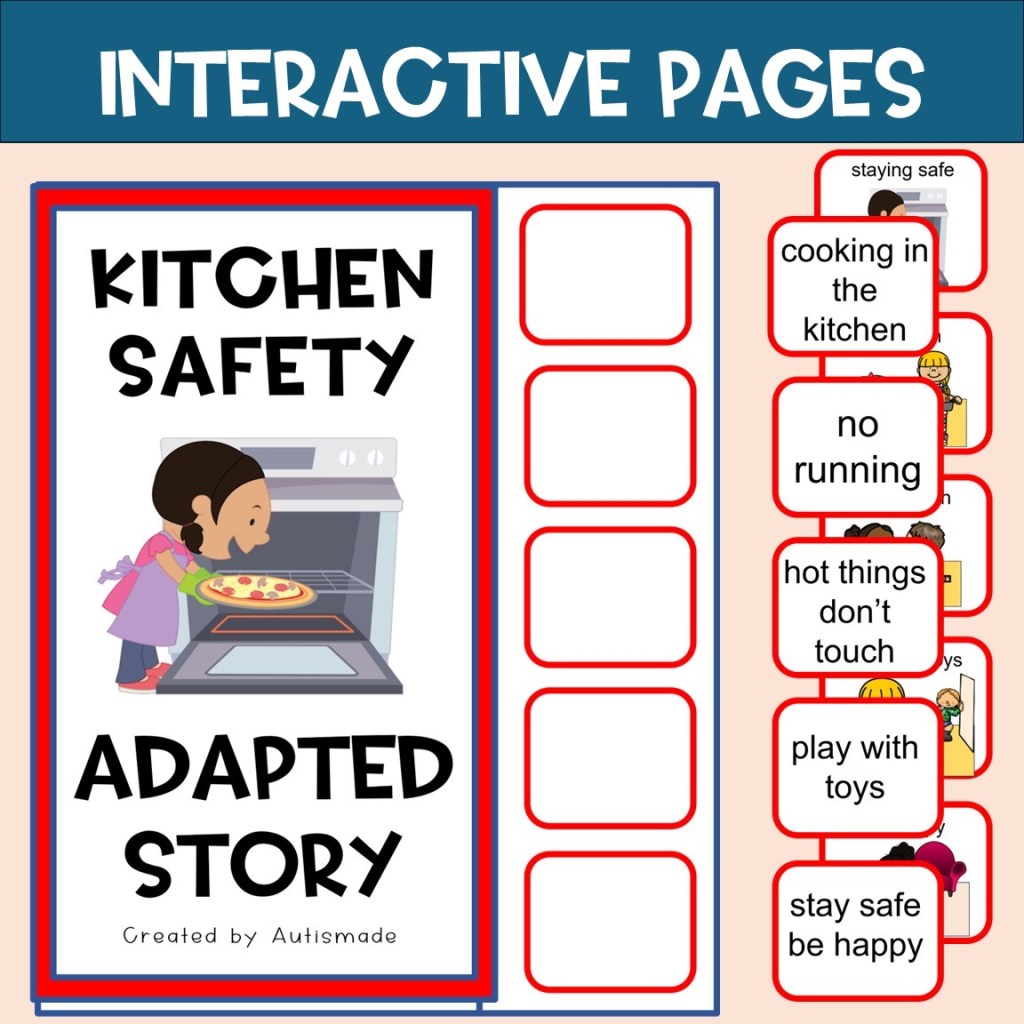
Understanding kitchen safety
What to do if separated from a caregiver
Safe choices at home
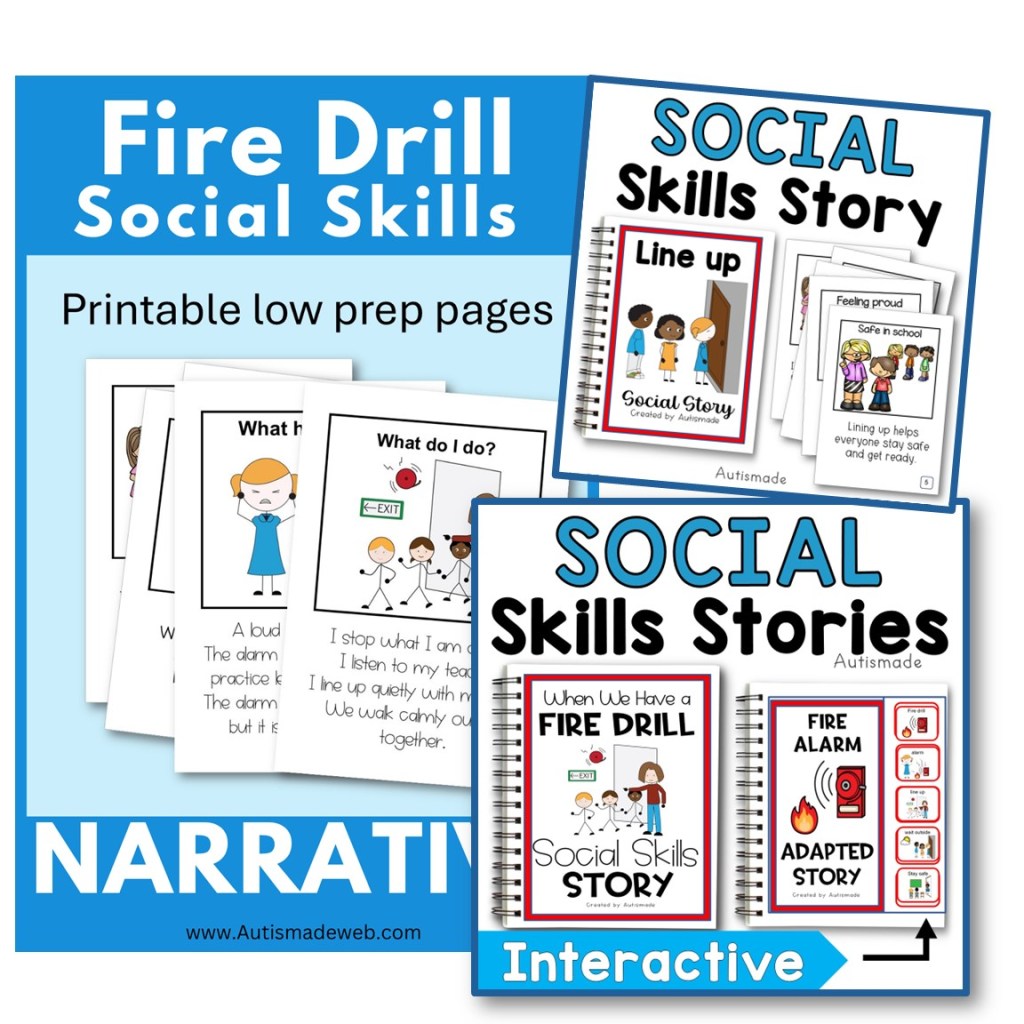
How to respond during an emergency
Why Use Social Stories to Teach Safety?
Every child learns differently. Some students benefit from having information presented visually, repeatedly, and in simple language.
Social stories can be read before a situation occurs, practiced regularly, or revisited when a child needs a reminder. They can also be used during individual instruction, small groups, life-skills lessons, or as part of a classroom routine.
For teachers and families, they provide a simple way to introduce important safety concepts without overwhelming the learner with too much information at once.
Making Safety Learning Meaningful
The goal isn’t simply for students to memorize a list of safety rules. It’s to help them understand what to do, who they can ask for help, and how to make safer choices in everyday situations.
Keep language clear and positive, use examples that are relevant to the child’s environment, and give students plenty of opportunities to practice the skills.
A Little Preparation Can Make a Big Difference
Whether you’re teaching School Safety, Kitchen safety, Fire Drill, or Stranger Danger, social stories can be incorporated into everyday teaching and routines.
With consistent practice and appropriate support, safety skills can become a meaningful part of a student’s journey toward greater independence and confidence.
If you’ve ever found yourself repeating, “First put your shoes on, then we can play,” you’re not alone. I have! My children need clear, visual reminders of what comes next—especially those who thrive on routine and predictability.
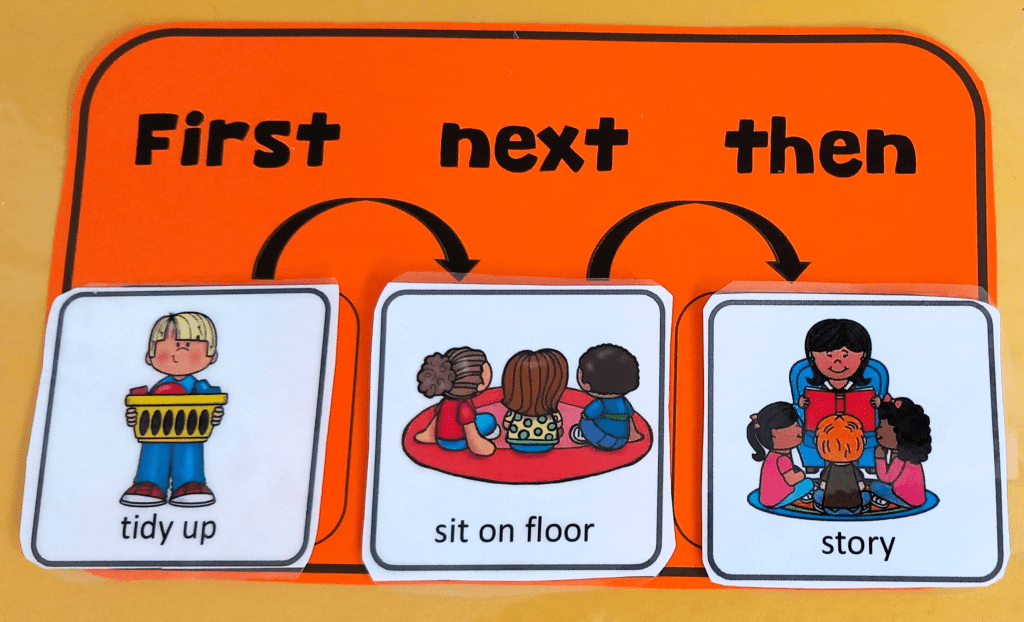
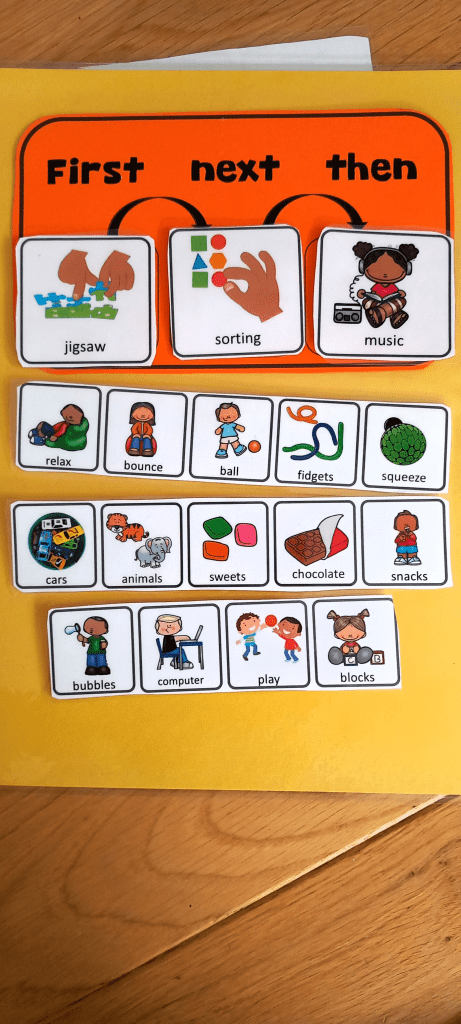
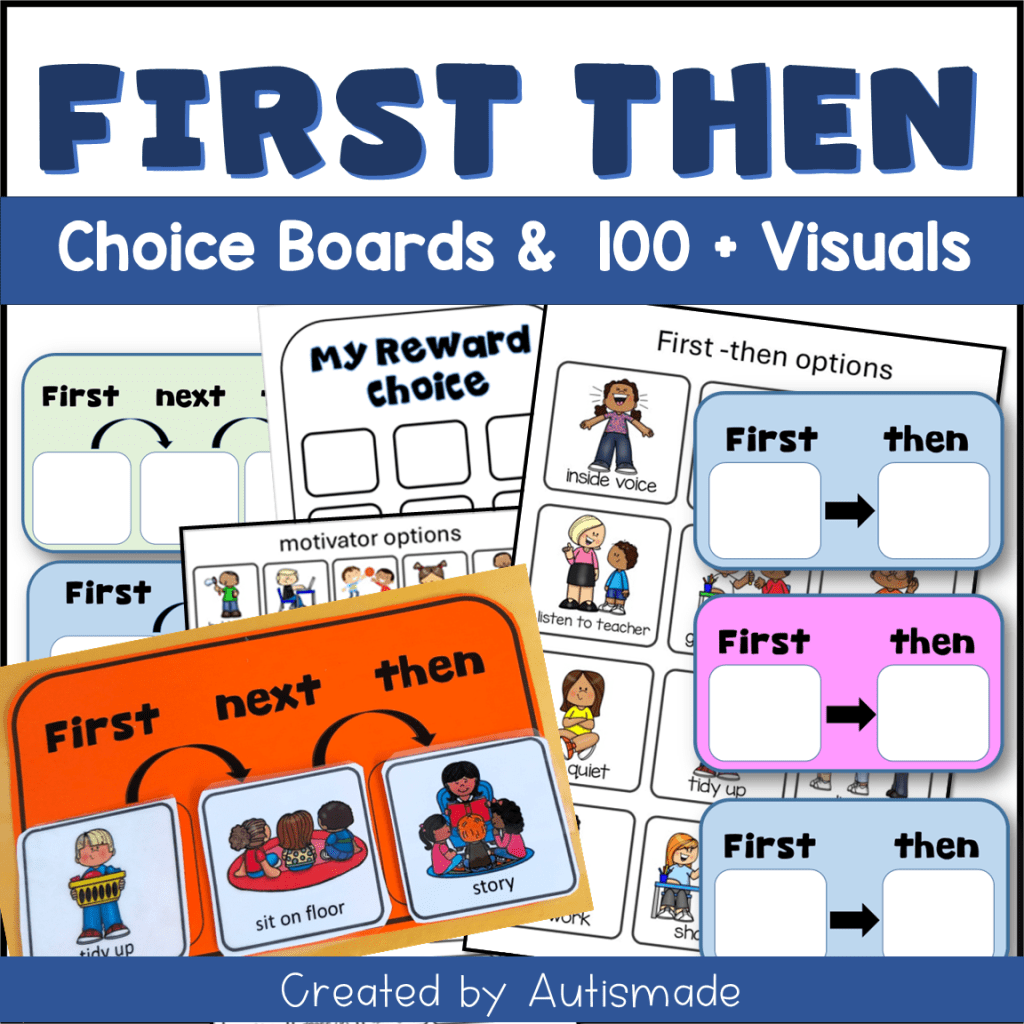
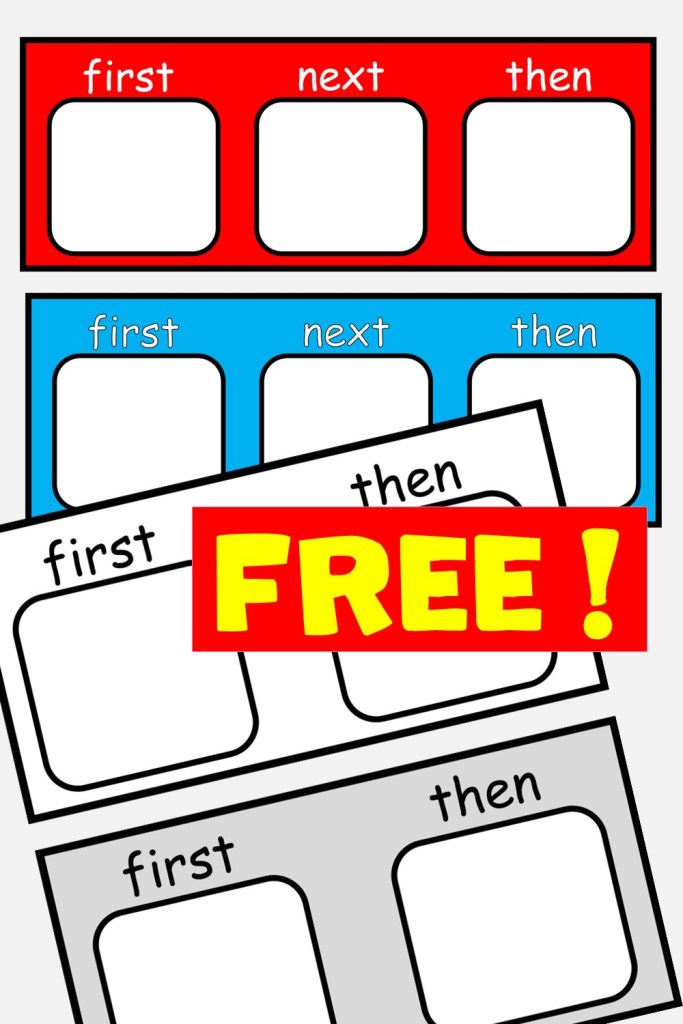
A First Next Then visual schedule chart is one of the most effective tools I’ve used for helping young students understand expectations, transition between activities, and build independence in the classroom, at home or during therapy sessions.
Whether you’re a teacher, parent, homeschooler, or therapist, try these simple visual support to make your daily routines smoother and reduce frustration for everyone.
What Is a First Next Then Visual Schedule?
A First Next Then chart is a visual schedule that breaks tasks into manageable steps.
Instead of giving multiple verbal directions, children see exactly what happens:
First: Complete the current task.
Next: See what comes after.
Then: Enjoy a preferred activity or continue with the daily routine.
Simple sequences helps children understand that every activity has a beginning, middle, and end.
Who Benefits from a First Next Then Chart?
Visual schedules are helpful for many children, including:
Special Education
Children with autism
Students with ADHD
Preschool and kindergarten learners
Children with speech or language delays
Early learners building independence
Any child who benefits from predictable routines
Because visuals stay consistent, I often find my students refering back to them without relying on repeated verbal reminders.
Benefits of Using a First Next Then Visual Schedule
Reduces Anxiety –
Knowing what comes next helps children feel more secure during transitions.
Encourages Independence
Children begin checking the chart instead of asking what they should do next.
Supports Positive Behavior
Clear expectations often reduce power struggles and improve cooperation.
Builds Executive Function Skills
Children practice planning, sequencing, and completing tasks independently.
Makes Transitions Easier
Moving from preferred to non-preferred activities becomes more predictable.
Ways to Use a First Next Then Chart
Your visual schedule can be used throughout the day in class or at home.
Examples include:
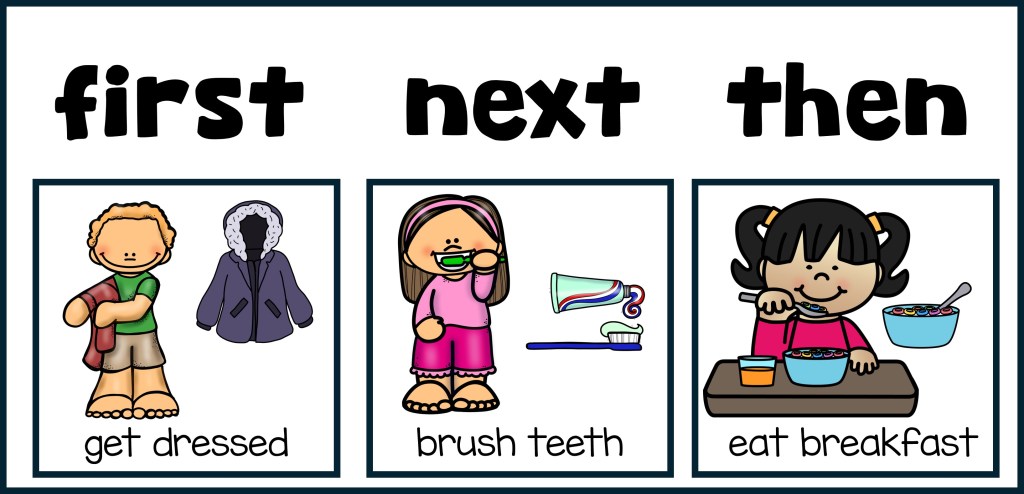
Morning Routine
First: Get dressed
Next: Brush teeth
Then: Eat breakfast
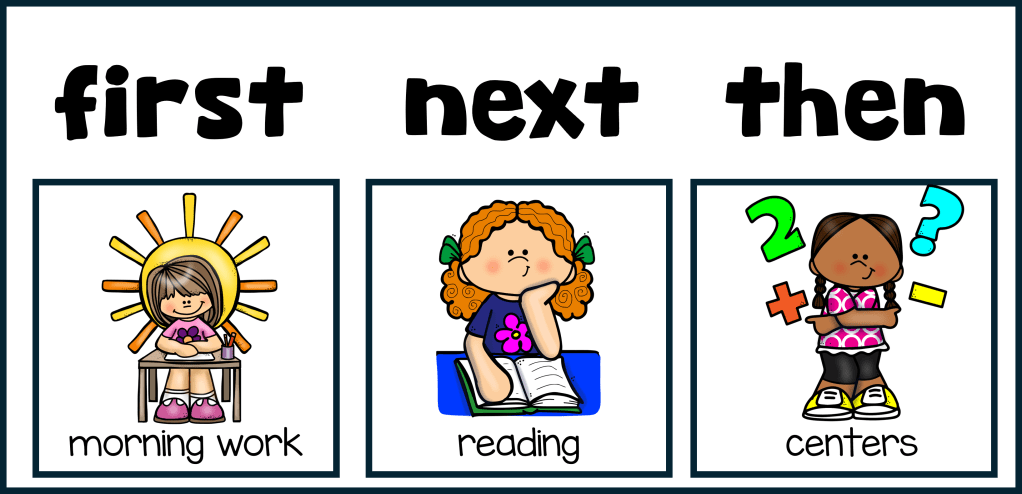
Classroom
First: Morning work
Next: Reading
Then: Centers
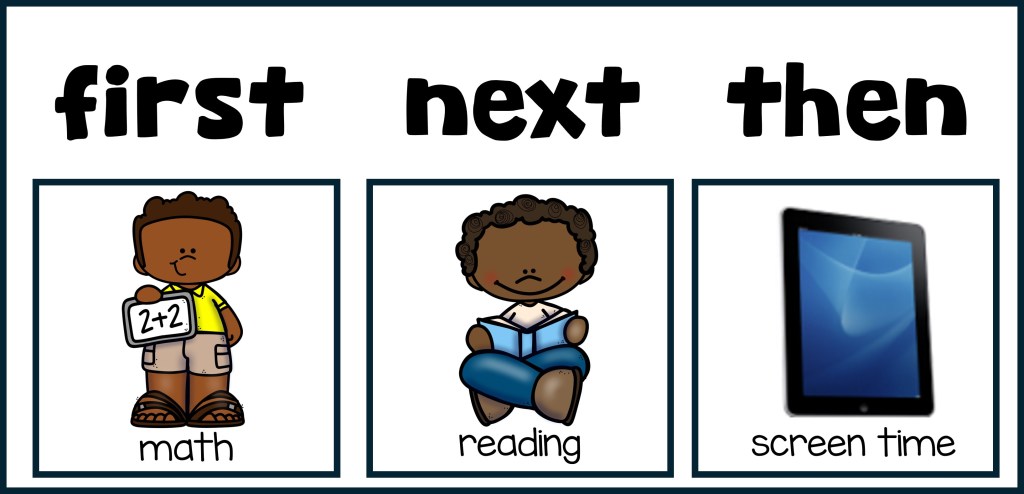
Homework Time
First: Math
Next: Reading
Then: Screen time
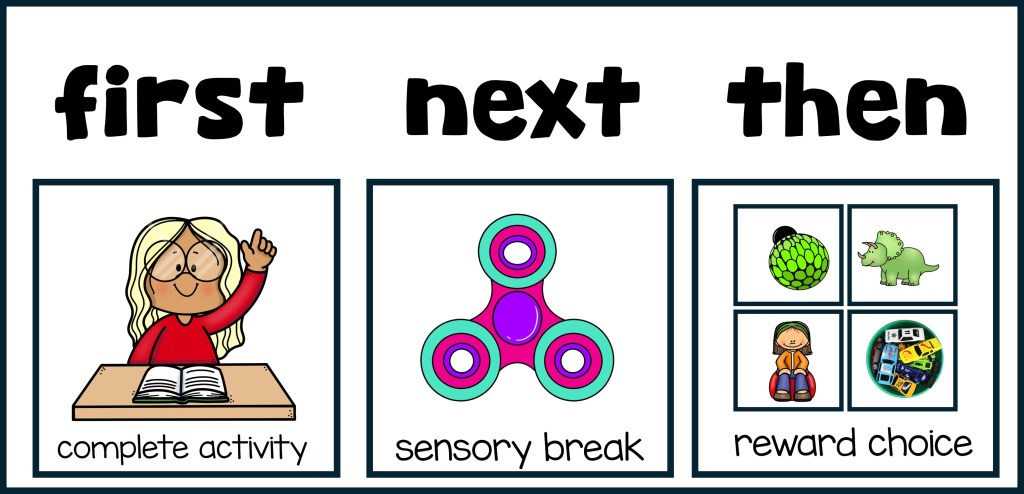
Therapy Sessions
First: Complete activity
Next: Sensory break
Then: Choice reward
Why Teachers Love Visual Schedules
Teachers often use visual supports because they:
Reduce repetitive instructions
Improve classroom routines
Help students transition calmly
Encourage independent work
Support inclusive classrooms
I always keep multiple First Next Then charts ready for individualized supports.
Features of This Printable First Next Then Visual Schedule
This resource is printable and designed to be practical, durable, and easy to customise.
Let children move or check off completed activities whenever possible.
Consistency is the key to making visual schedules successful.
Frequently Asked Questions
What age is a First Next Then chart for?
Most children ages 2–8 benefit, but visual schedules can support older students with additional learning needs as well.
Can I laminate it?
Yes! Laminating the chart allows you to use dry-erase markers or attach reusable picture cards with hook-and-loop dots.
Can it be used at home?
Absolutely. Parents often use First Next Then charts for bedtime, morning routines, chores, homework, and transitions.
Get Your Printable First Next Then Visual Schedule
If you’re looking for an easy way to reduce daily stress, encourage independence, and create smoother routines, this printable visual schedule is a great place to start.
It is designed for busy teachers, parents, therapists, and homeschool families who want an effective visual support that’s simple to print and use immediately.
Ready to simplify routines? Download your First Next Then Visual Schedule Chart today from my Teachers Pay Teachers store and start building more confident, independent learners.
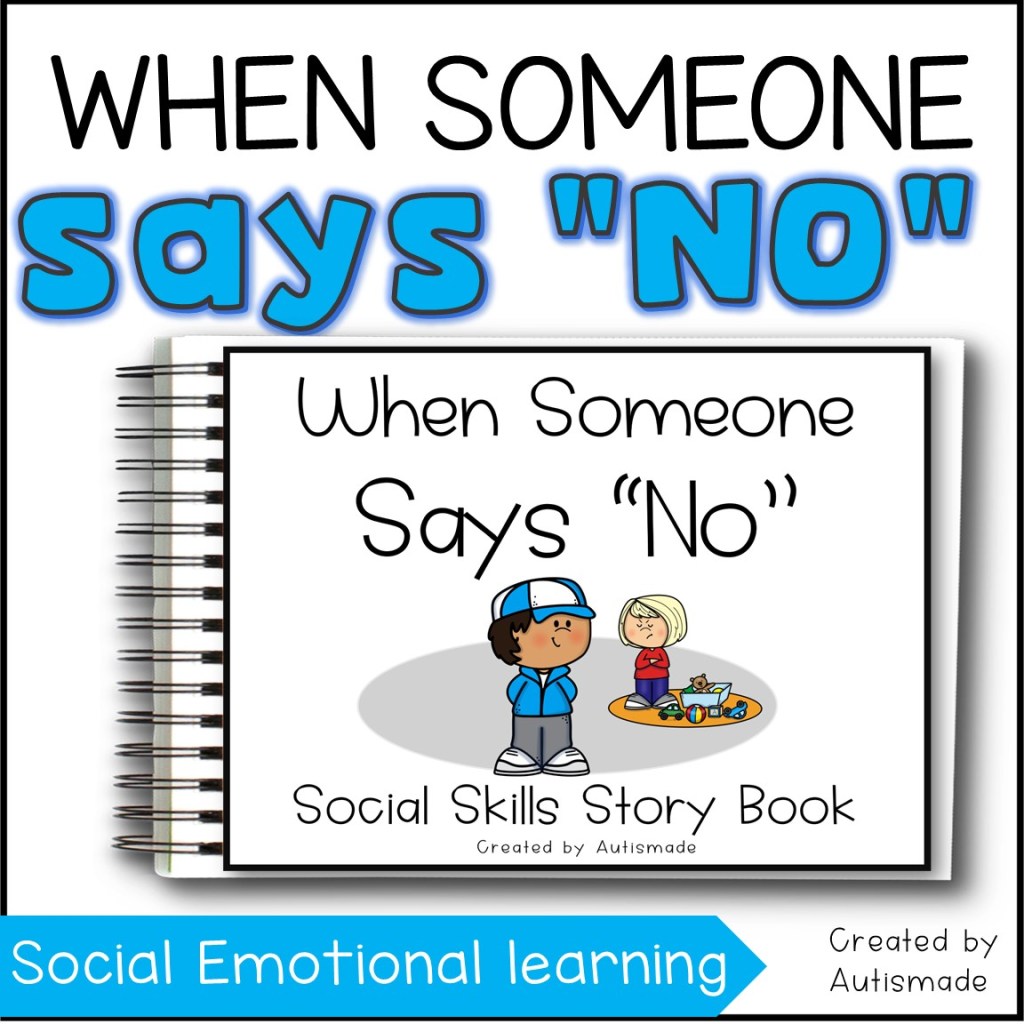
For many children, hearing the word “no” can be one of the biggest challenges they face each day. Whether it’s being told they can’t have another turn, can’t play with a preferred toy, or need to wait, these moments can lead to frustration, disappointment, or big emotions.
The good news is that accepting “no” is a skill that can be taught, practiced, and reinforced with consistent support.
Why Is Hearing “No” So Difficult?
Children are still developing the skills needed for emotional regulation, flexible thinking, and problem-solving. For many students, especially those with autism, ADHD, developmental delays, or other learning differences, unexpected changes or denied requests can feel overwhelming.
Instead of assuming children already know how to respond, we can explicitly teach:
How to stay calm.
Safe ways to express feelings.
Positive choices they can make next.
What expected behavior looks like in different situations.
The Power of Social Stories
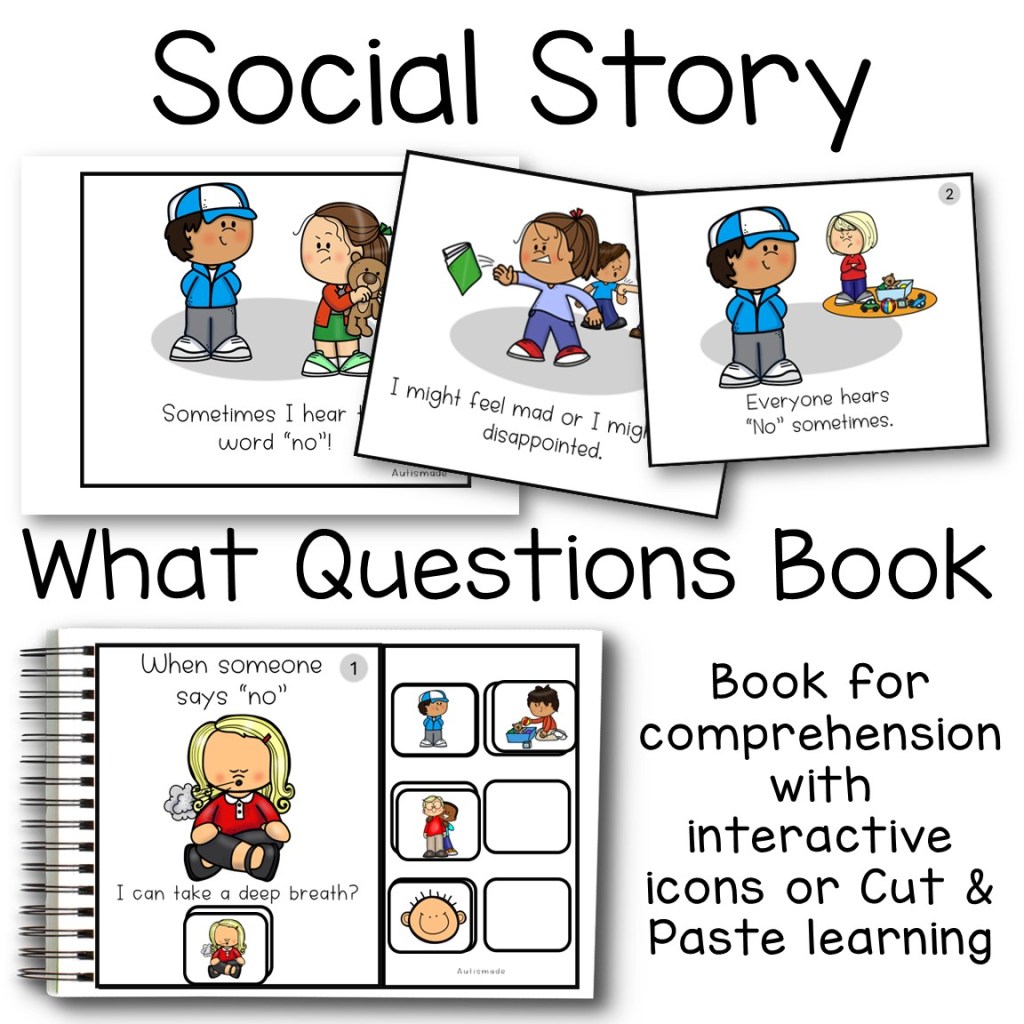
Social stories provide a clear, predictable way to introduce social expectations. They help children understand not only what is expected but also why certain behaviors are helpful.
Reading a social story before challenging situations gives students a chance to practice appropriate responses in a calm, supportive environment rather than learning in the middle of a difficult moment.
Reinforcement Makes the Difference
Learning doesn’t stop after reading a story. Children benefit from seeing and practicing the skill in different ways.
Activities such as:
Interactive comprehension books
Behavior sorting games
Visual reminder cards
Choice boards
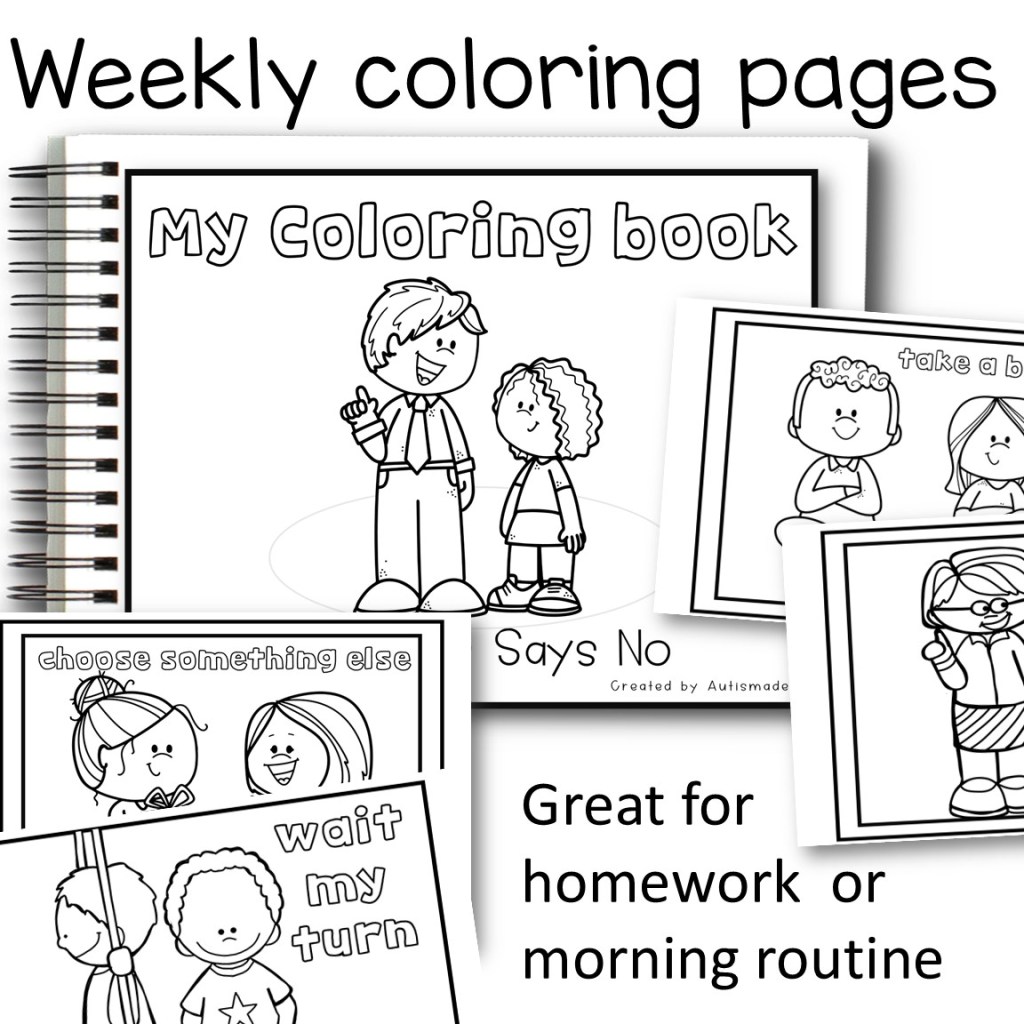
Coloring pages
help reinforce the same concept through repetition and hands-on learning. Using the same language and visuals across the classroom creates consistency, making it easier for students to remember what to do when they hear “no.”
Supporting Success Every Day
Teaching children to accept “no” isn’t about expecting perfect behavior. It’s about helping them build lifelong skills for handling disappointment, waiting patiently, solving problems, and communicating appropriately.
With consistent practice, encouragement, and visual supports, students gain confidence in managing their emotions and making positive choices, both in the classroom and beyond.
If you’re looking for ready-to-use resources, my “When Someone Says NO” Social Story and Activities includes an engaging social story, interactive comprehension book, behavior sorting game, lanyard visuals, choice boards, coloring pages, and printable visual supports designed to help students learn and practice this essential social skill in a meaningful way.
Click here For More Social Skills Stories and Activities
For many nonverbal students, challenging moments don’t come out of nowhere. They build quietly. Sensory overload, frustration, or just needing a pause. The challenge is not the feeling itself, it is not having a clear way to say, “I need a break.”
The good news? Asking for a break is a skill you can teach, and once it clicks, it can completely shift the tone of your classroom.
Start with a Simple Way to Communicate
Think of this as giving your student a “pause button.”
Choose one clear, consistent method:
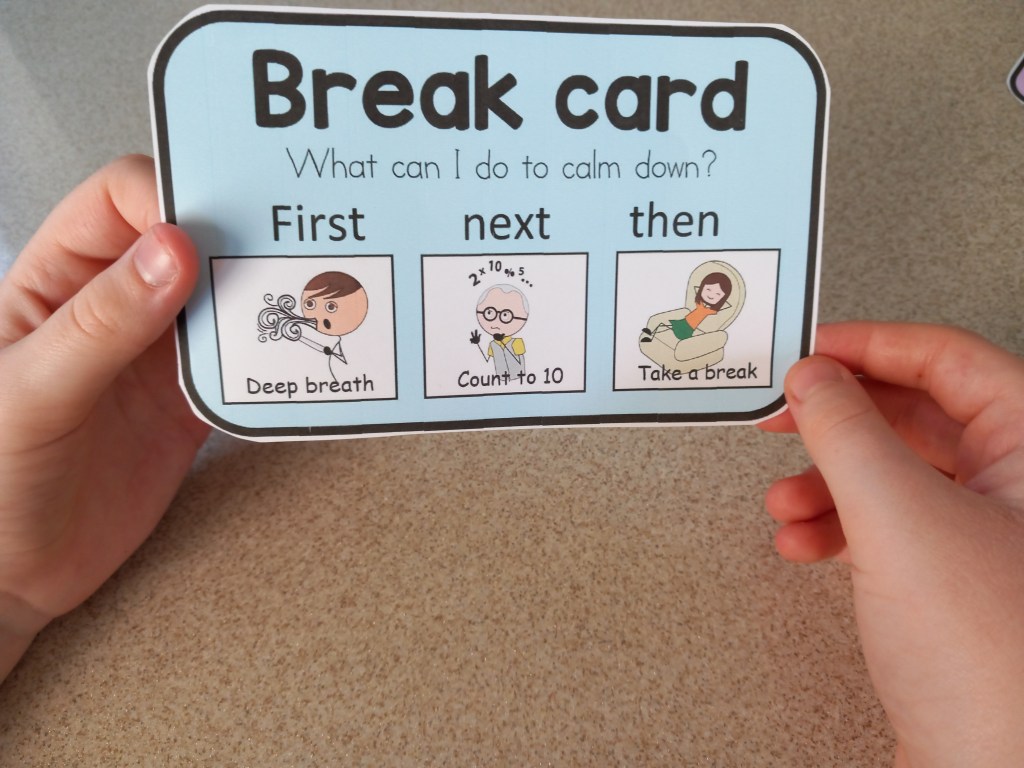
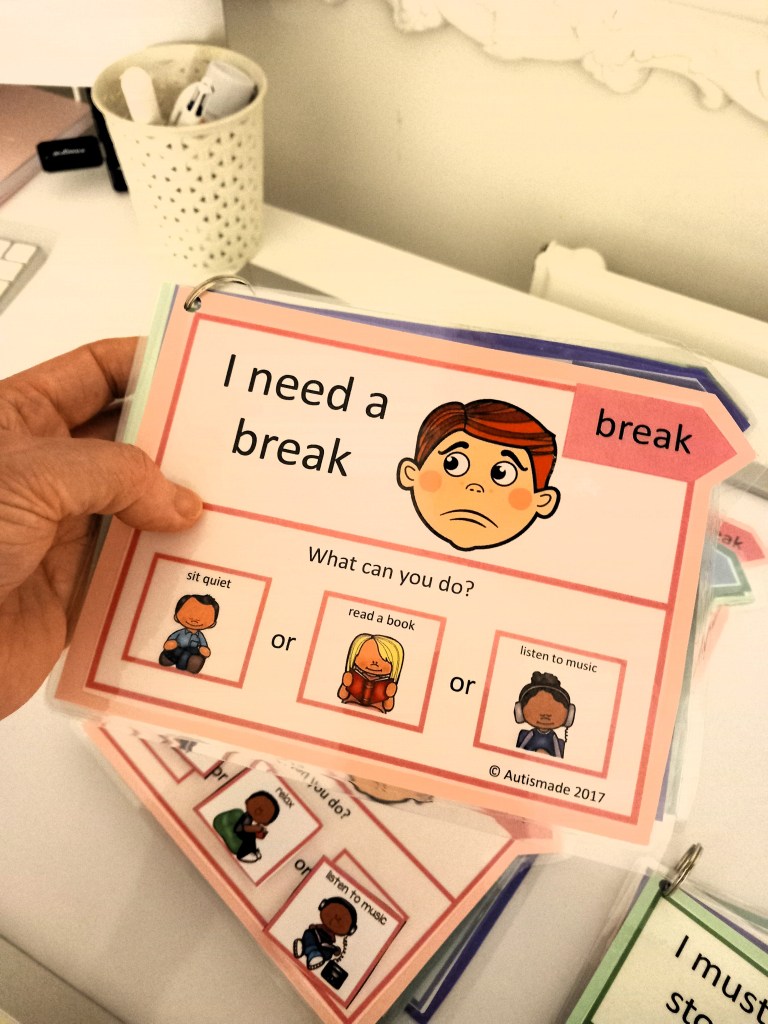
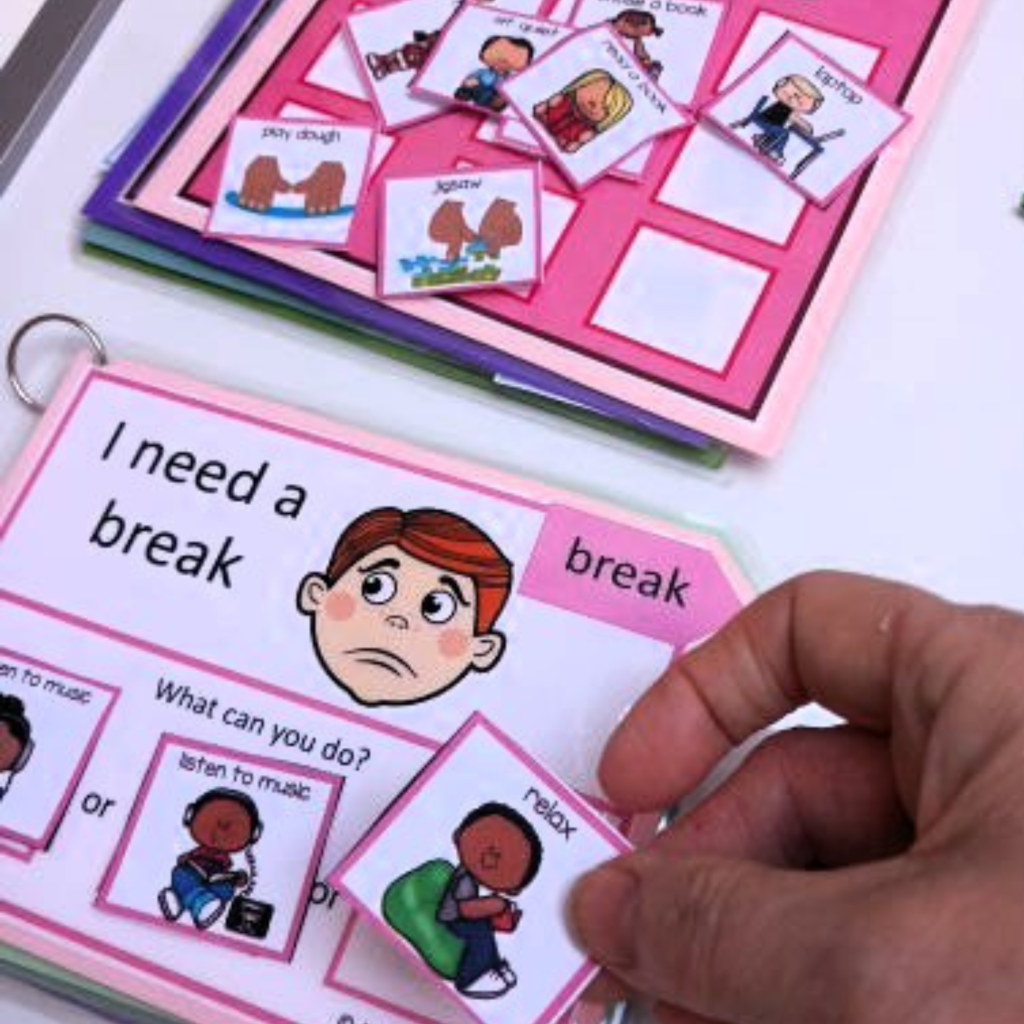
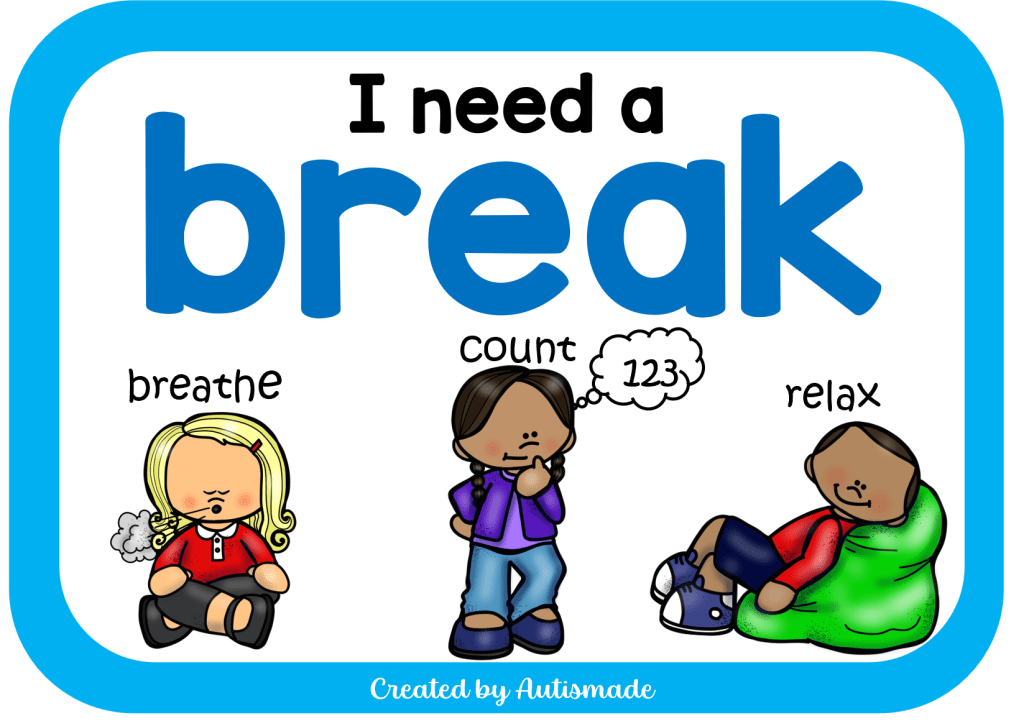
A break card with a simple symbol
A button on an AAC device
A sign or gesture
Keep it easy, accessible, and always within reach. If it takes effort to find, it will not get used when it matters most.
Model It Like It Matters (Because It Does)
Students will not magically know what the break card means. You need to show them.
Use it yourself. Yes, really.
Pick a calm moment and say, “I need a break,” while using the card or device. Keep the language short and consistent. You are building a connection between the action and the meaning.
Over time, start to fade that support. The goal is independence, not perfection.
Honour the Break (This Part Is Everything)
When a student asks for a break, respond like it matters. Because it does.
Give the break right away
Keep it short and predictable (around 3–5 minutes)
Use a consistent break space or activity
This teaches one powerful lesson: communication works.
Teach the “When,” Not Just the “How”
Once the skill is there, you can shape it.
Help students understand timing:
Use visuals like “first work, then break”
Start small (one task, then break)
Slowly build up tolerance
This keeps the strategy practical for real classroom routines.
Use Visual Supports to Make It Click
Visuals reduce guesswork and lower stress.
Helpful tools include:
Break cards
Visual timers
Simple schedules
These act like a roadmap, showing students what is happening now and what comes next.
A Few Pitfalls to Skip
Even great strategies can wobble if these sneak in:
Waiting until the student is already overwhelmed
Saying “not now” when they request a break
Turning breaks into a reward or punishment
Removing the communication tool
Consistency is what makes the skill stick
The Bigger Picture
Teaching a student to ask for a break is not just about avoiding meltdowns. It is about giving them a voice, a sense of control, and a safer way to navigate their day.
And once that “pause button” is in place, everything else becomes a little more manageable. For them, and for you.
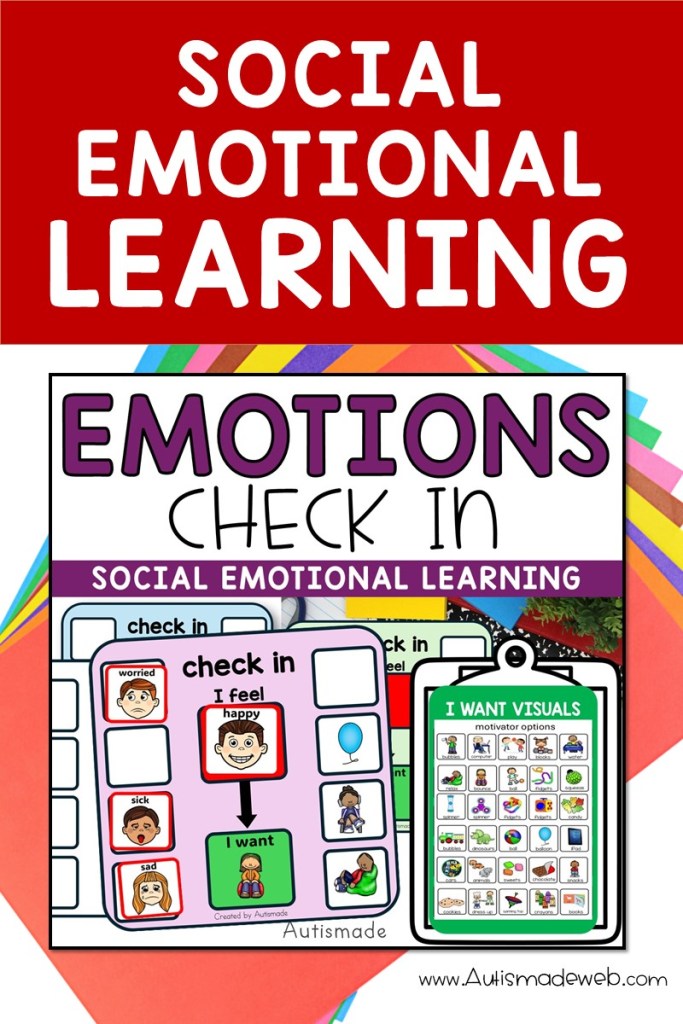
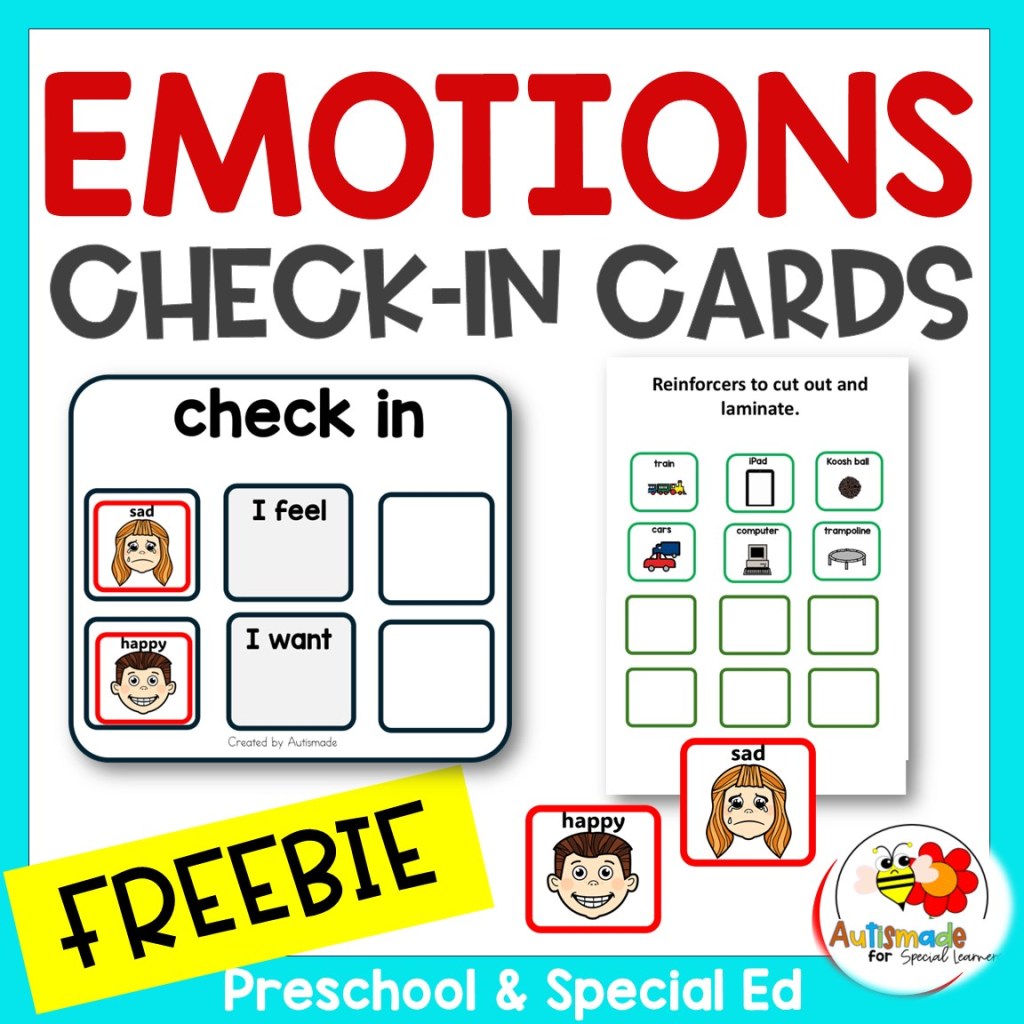
In Special Education classrooms, emotional regulation is not extra. It is foundational. Many of our students are still learning the language of feelings, and some of our learners with autism rely heavily on visual structure to make sense of their world.
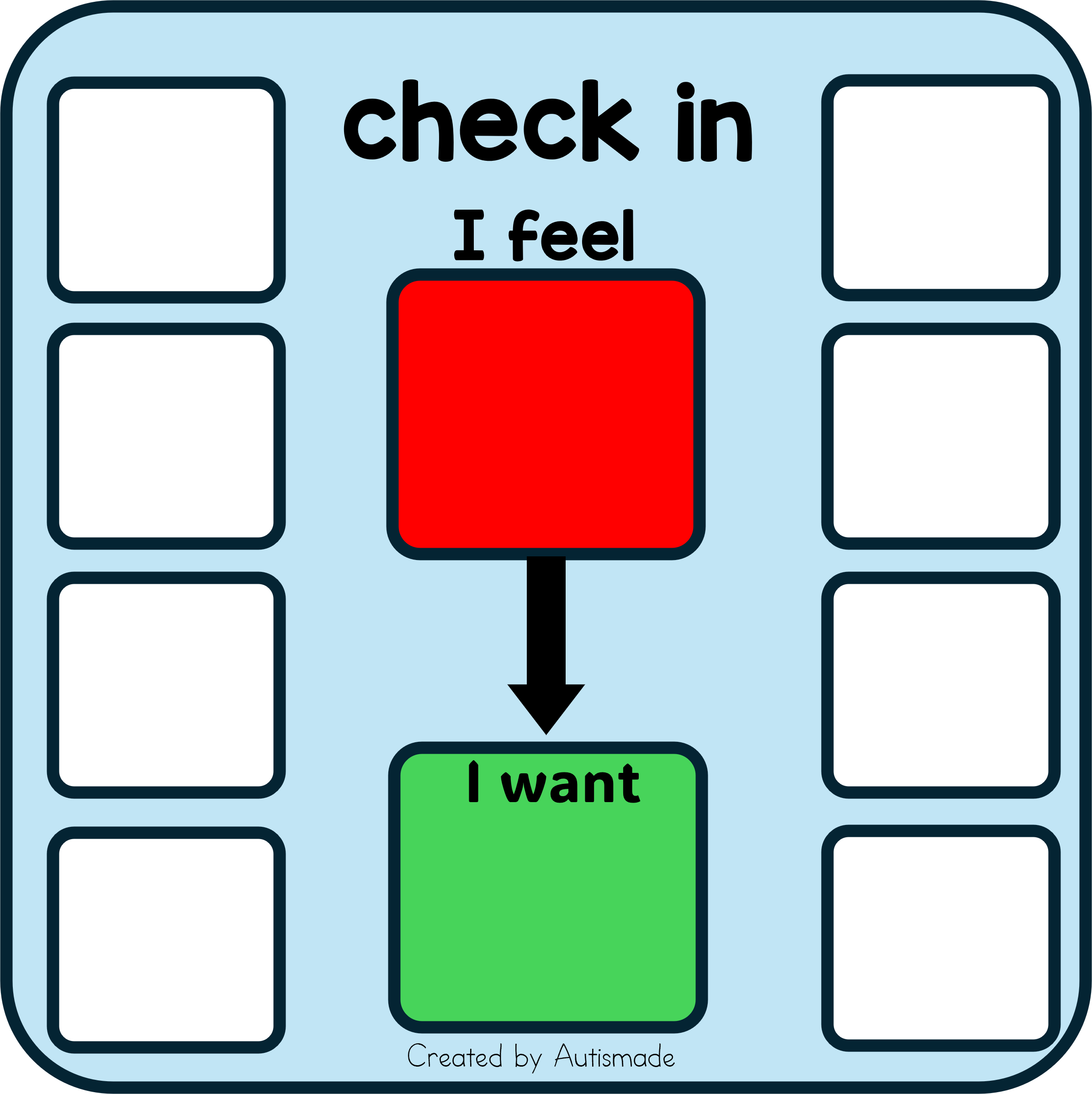
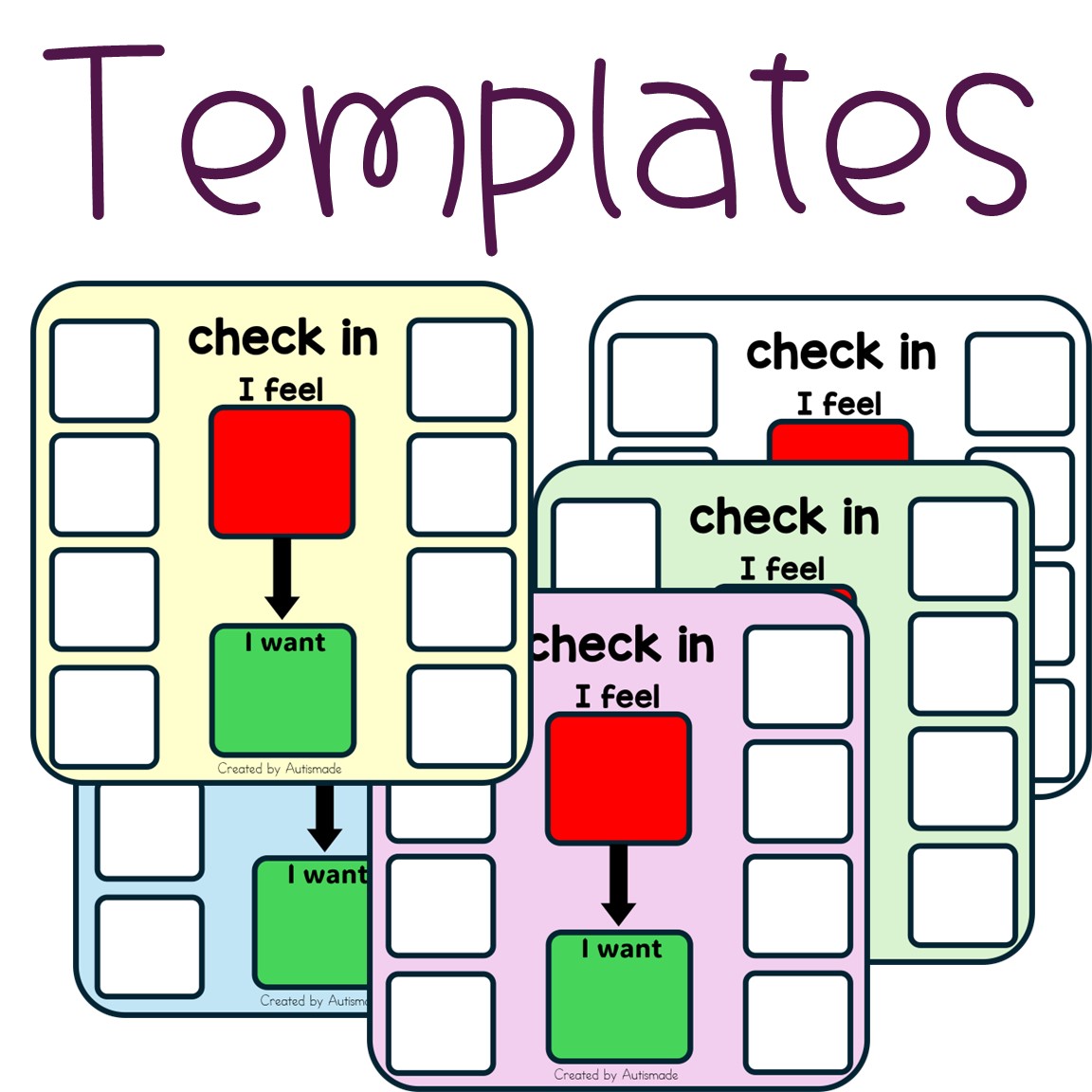
This visual, Emotions check-in tool gives students clear, concrete choices when emotions start to rise. Instead of saying, “Calm down,” we can say, “Let’s check in.” That small shift changes everything.
What Makes It Powerful
This resource includes:
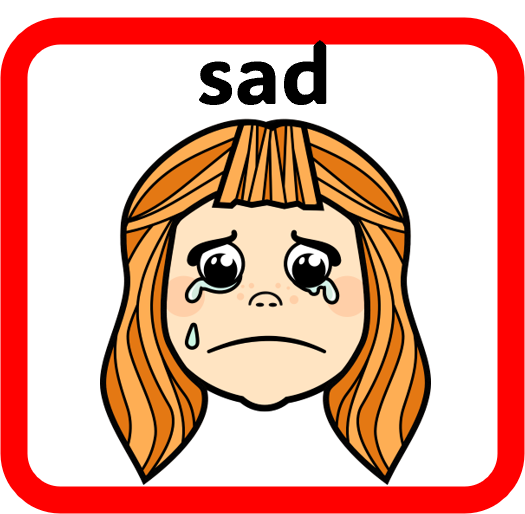
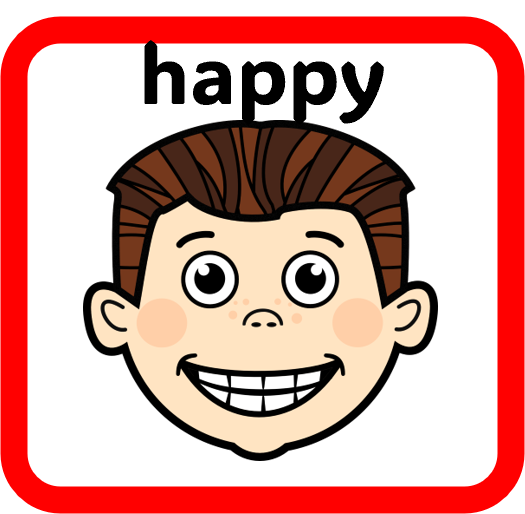
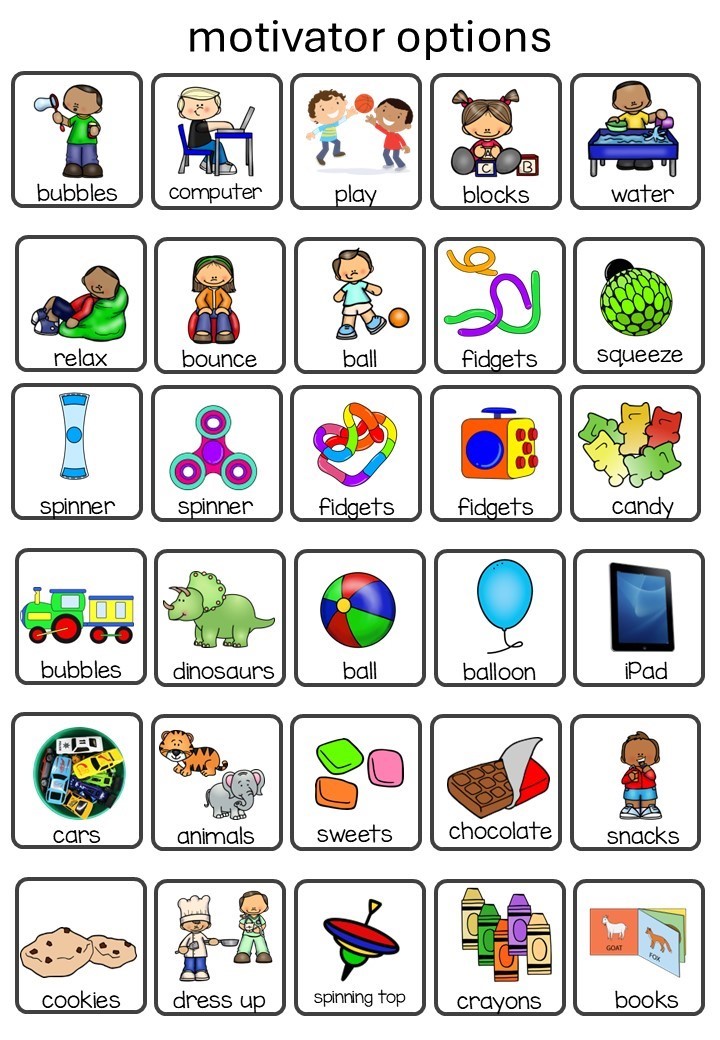
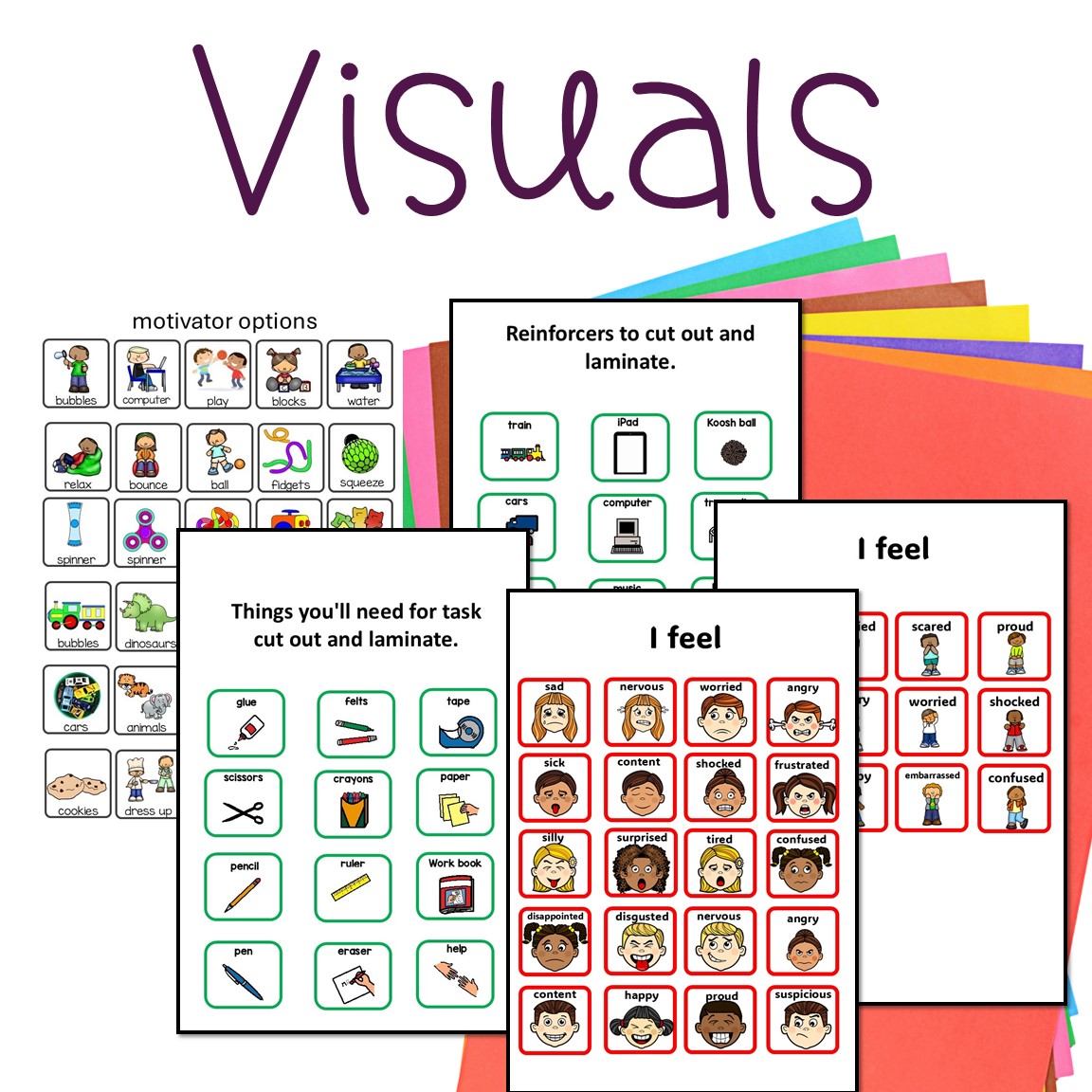
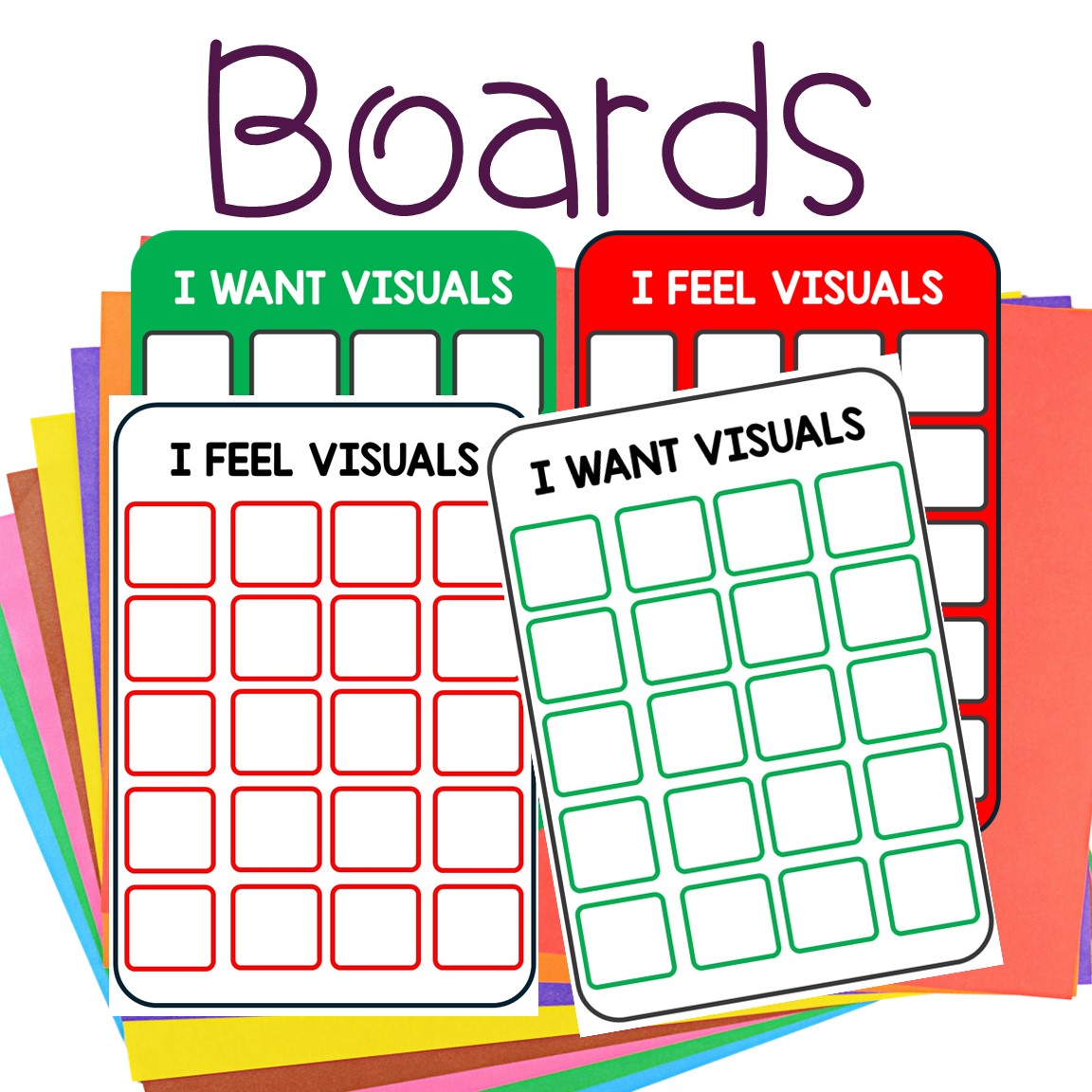
• Emotion visuals to identify • A Regulation Check-in List • Choice Boards with Visuals • Color board Choices
Each section uses clear visuals and simple language designed specifically for PreK through 2nd grade learners, especially those who benefit from structured supports.
For many students in special education settings, visuals reduce anxiety because they remove guesswork. When students can see their options, they feel more in control. And when they feel in control, regulation becomes possible.
Why It Works in Preschool and Special Ed
Young children are concrete thinkers. Abstract ideas like “self-regulation” can feel invisible. Visual supports turn coping strategies into something tangible they can point to, flip through, and choose.
This tool works beautifully in:
• Calm Down Corners • Autism Support Classrooms • Inclusion Settings • SEL Lessons • School Counseling Spaces
It also supports independence, which is gold in early childhood classrooms. Instead of relying solely on adult prompting, students begin to initiate strategies on their own.
When we give children visual tools, we are not just managing behavior. We are teaching lifelong skills. We are helping them build their own emotional toolbox, one choice at a time.
For More Ideas and Resources Check out my TPT Store Here
Use your email to subscribe and Download your FREEBIE today and try out this Emotions Check-in System!