
Positive Behavior in the Elementary Classroom
As an elementary teacher, you’re more than just an educator—you’re a guide, a mentor, and sometimes even a safe harbor for students navigating big emotions and complex social worlds. For students with autism spectrum disorder (ASD), the classroom can be both a place of opportunity and a source of sensory or social overwhelm.
The good news? With a few intentional strategies, you can make a huge difference. By fostering social growth and supporting positive behavior, you create an environment where students with autism feel seen, heard, and empowered.
1. Create Predictability with Visual Structure
Students with autism often feel most secure in environments that are structured and predictable. A consistent classroom routine reduces anxiety and helps them focus on learning.
Strategies You Can Use:
- Daily visual schedules (use icons or pictures for younger students).
- Timers for transitions between activities.
- “First-Then” boards (e.g., “First finish math, then iPad time”) to help with task motivation.

💡 Tip: Post the schedule at eye level and refer to it throughout the day.
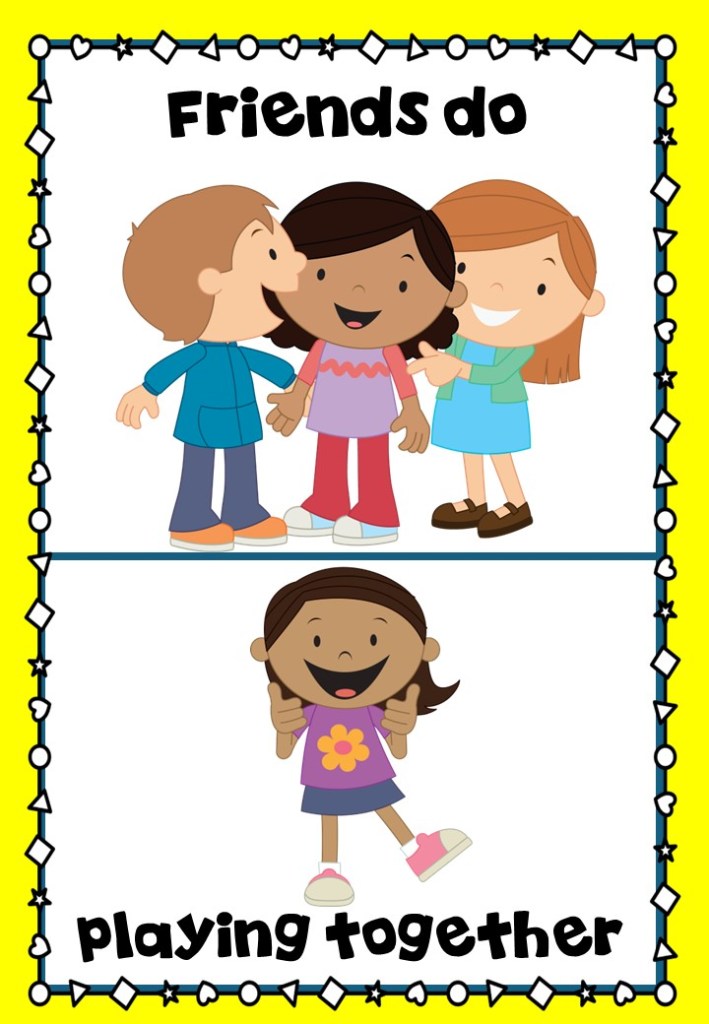
2. Teach Social Skills Explicitly
Social cues, like knowing when to speak or how to join a game, don’t always come naturally. These skills need to be taught just like reading or math.
Strategies You Can Use:
- Social stories tailored to your students’ needs (e.g., “How to ask for help”).
- Role-playing during morning meetings or small groups.
- Visual cue cards (e.g., “Stop,” “Wait,” “I need a break”).
💡 Use puppets, stories, or posters to model positive social behavior.
3. Reinforce the Behavior You Want to See
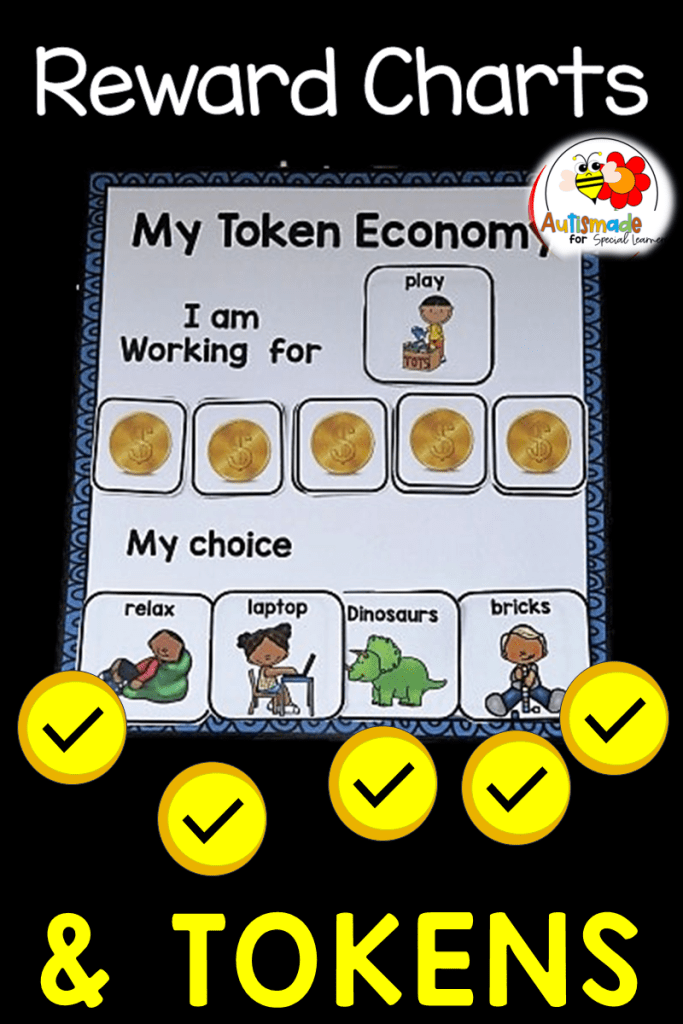
Students with autism may not always connect their behavior with social consequences. Positive reinforcement helps make that connection clear and motivating.
Strategies You Can Use:
- Immediate praise (“I love how you used your words to ask for help!”).
- Sticker charts or token boards with small rewards.
- Class-wide systems that include visual reminders and cues.
💡 Focus on effort and progress—not perfection.
4. Create a Calm Corner or Regulation Zone
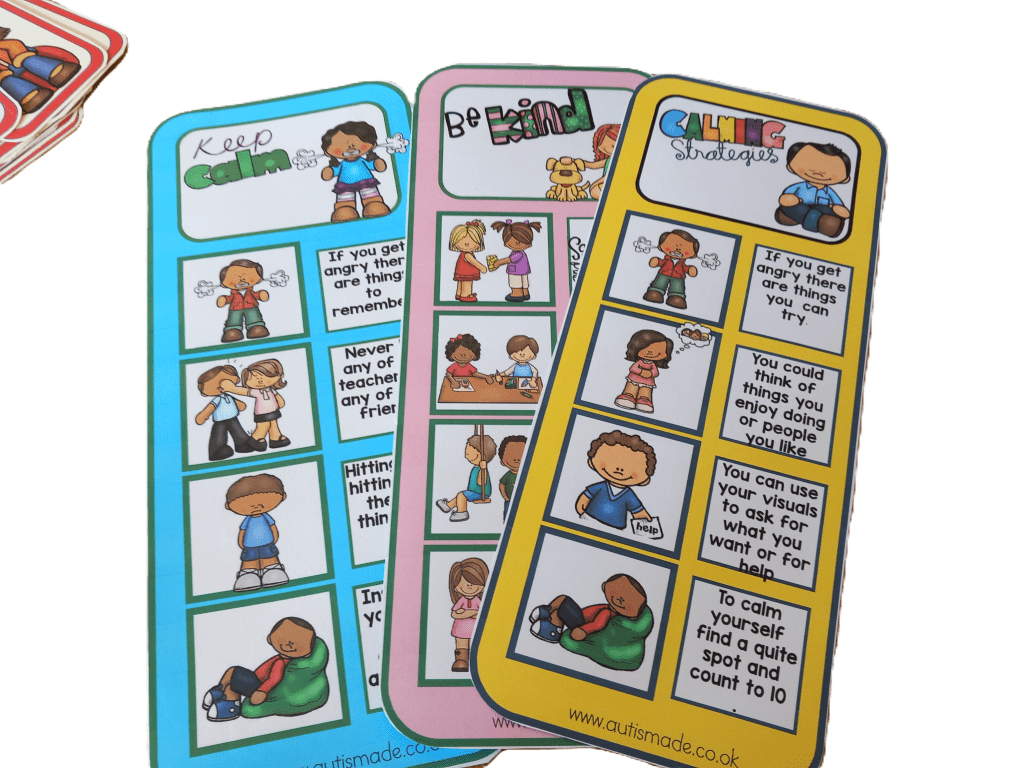
All students benefit from self-regulation tools, but for students with autism, a quiet, safe space is essential for managing sensory overload or emotional stress.
Strategies You Can Use:
- Set up a “calm corner” with noise-reducing headphones, fidgets, books, or a weighted lap pad.
- Practice calming strategies during calm moments (deep breathing, wall pushes, mindfulness).
- Offer regular sensory breaks, especially after transitions or assemblies.
💡 Make the calm space part of the routine—not just a place for “bad days.”
5. Support Peer Connections with Guidance
Friendships are important, but forming them can be tough. You can nurture social opportunities with a bit of structure.
Strategies You Can Use:
- Assign peer buddies for classroom activities.
- Use circle time to practice turn-taking and sharing ideas.
- Play cooperative games with clear rules and predictable outcomes.
💡 Pair students intentionally and coach them through interactions as needed.
6. Partner with Families and Support Staff
You don’t have to do it alone. Parents, special educators, and therapists are invaluable partners in supporting your students.
Strategies You Can Use:
- Share positive moments from the week via email or a home-school notebook.
- Ask parents what works at home—sometimes they have powerful insights!
- Use a consistent language and strategy across home and school if possible.
💡 Team meetings and IEPs are more productive when built on shared goals and mutual respect.
Bonus: Tools You Can Use Right Away
Here are a few free or low-cost resources to get you started:
- Autism Little Learners – Free visuals and social stories
- Teachers Pay Teachers – Free social skills visuals
- Do2Learn – Visual schedules and behavior tools
- FREE FROM TEACHER PAY TEACHER
Supporting students with autism isn’t about doing more—it’s about doing things intentionally. With clear expectations, visual supports, and compassionate teaching, you’re creating a classroom where everyone has the tools to grow.
You might not see change overnight—but each connection, each kind word, and each opportunity to succeed adds up.
Discover more from Autismade
Subscribe to get the latest posts sent to your email.

