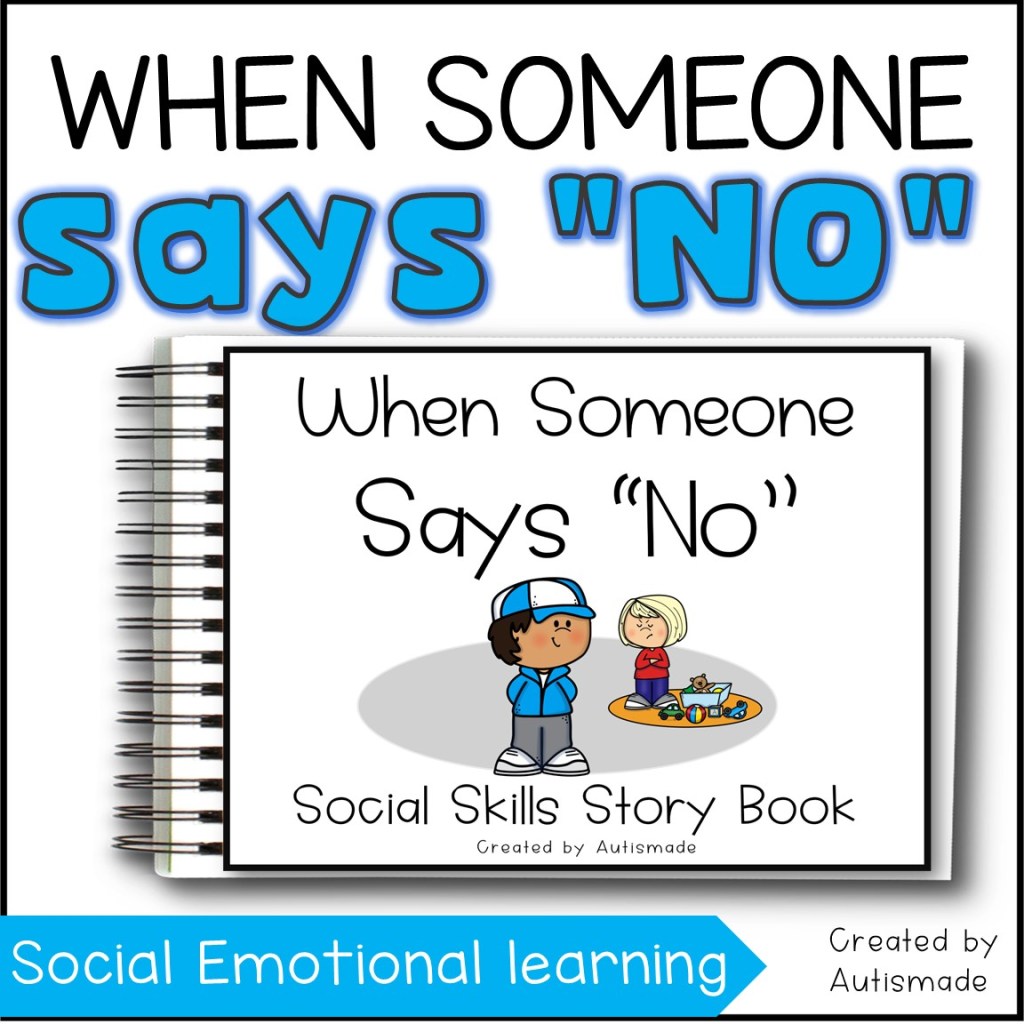
Teaching Children How to Handle Hearing “No”

For many children, hearing the word “no” can be one of the biggest challenges they face each day. Whether it’s being told they can’t have another turn, can’t play with a preferred toy, or need to wait, these moments can lead to frustration, disappointment, or big emotions.

The good news is that accepting “no” is a skill that can be taught, practiced, and reinforced with consistent support.

Why Is Hearing “No” So Difficult?

Children are still developing the skills needed for emotional regulation, flexible thinking, and problem-solving. For many students, especially those with autism, ADHD, developmental delays, or other learning differences, unexpected changes or denied requests can feel overwhelming.

Instead of assuming children already know how to respond, we can explicitly teach:

  • How to stay calm.
  • Safe ways to express feelings.
  • Positive choices they can make next.
  • What expected behavior looks like in different situations.

The Power of Social Stories

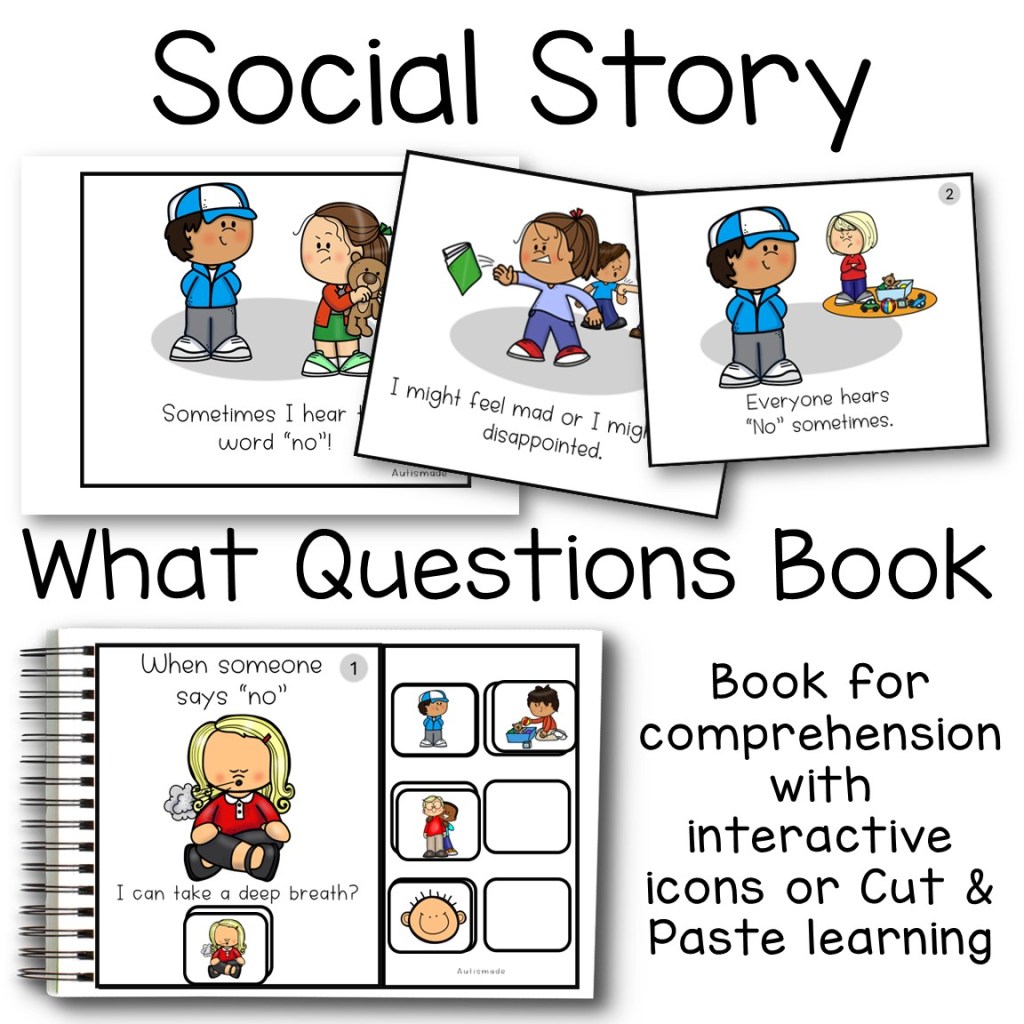
Social stories provide a clear, predictable way to introduce social expectations. They help children understand not only what is expected but also why certain behaviors are helpful.

Reading a social story before challenging situations gives students a chance to practice appropriate responses in a calm, supportive environment rather than learning in the middle of a difficult moment.

Reinforcement Makes the Difference

Learning doesn’t stop after reading a story. Children benefit from seeing and practicing the skill in different ways.

Activities such as:

  • Interactive comprehension books
  • Behavior sorting games
  • Visual reminder cards
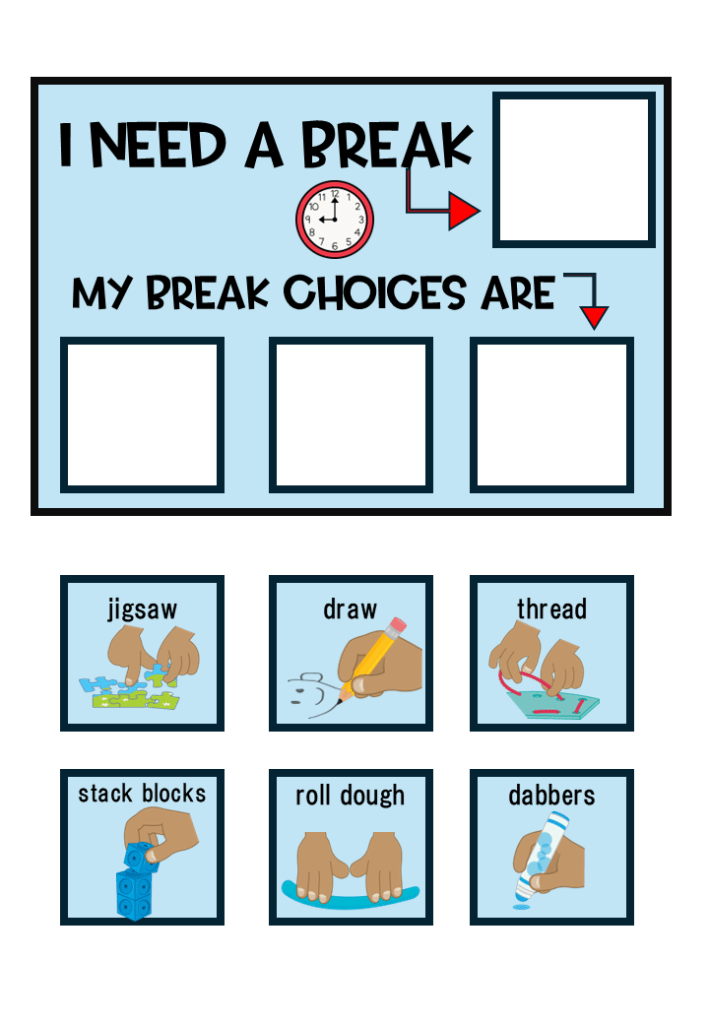
  • Choice boards
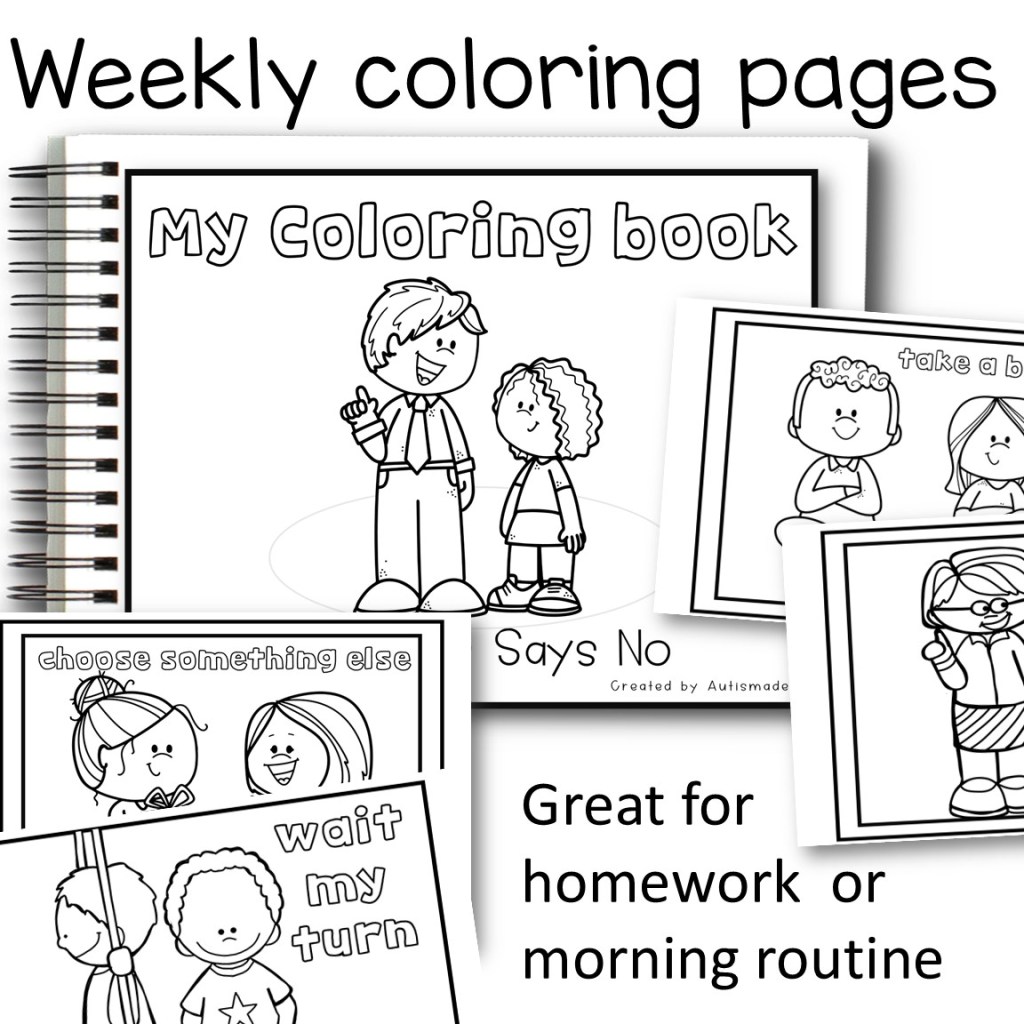
  • Coloring pages

help reinforce the same concept through repetition and hands-on learning. Using the same language and visuals across the classroom creates consistency, making it easier for students to remember what to do when they hear “no.”

Supporting Success Every Day

Teaching children to accept “no” isn’t about expecting perfect behavior. It’s about helping them build lifelong skills for handling disappointment, waiting patiently, solving problems, and communicating appropriately.

With consistent practice, encouragement, and visual supports, students gain confidence in managing their emotions and making positive choices, both in the classroom and beyond.

If you’re looking for ready-to-use resources, my “When Someone Says NO” Social Story and Activities includes an engaging social story, interactive comprehension book, behavior sorting game, lanyard visuals, choice boards, coloring pages, and printable visual supports designed to help students learn and practice this essential social skill in a meaningful way.

Click here For More Social Skills Stories and Activities

Asking for Help

Personal Space

Sharing

Safe Hands

Effective Communication Tools: Editable Behavior Supports

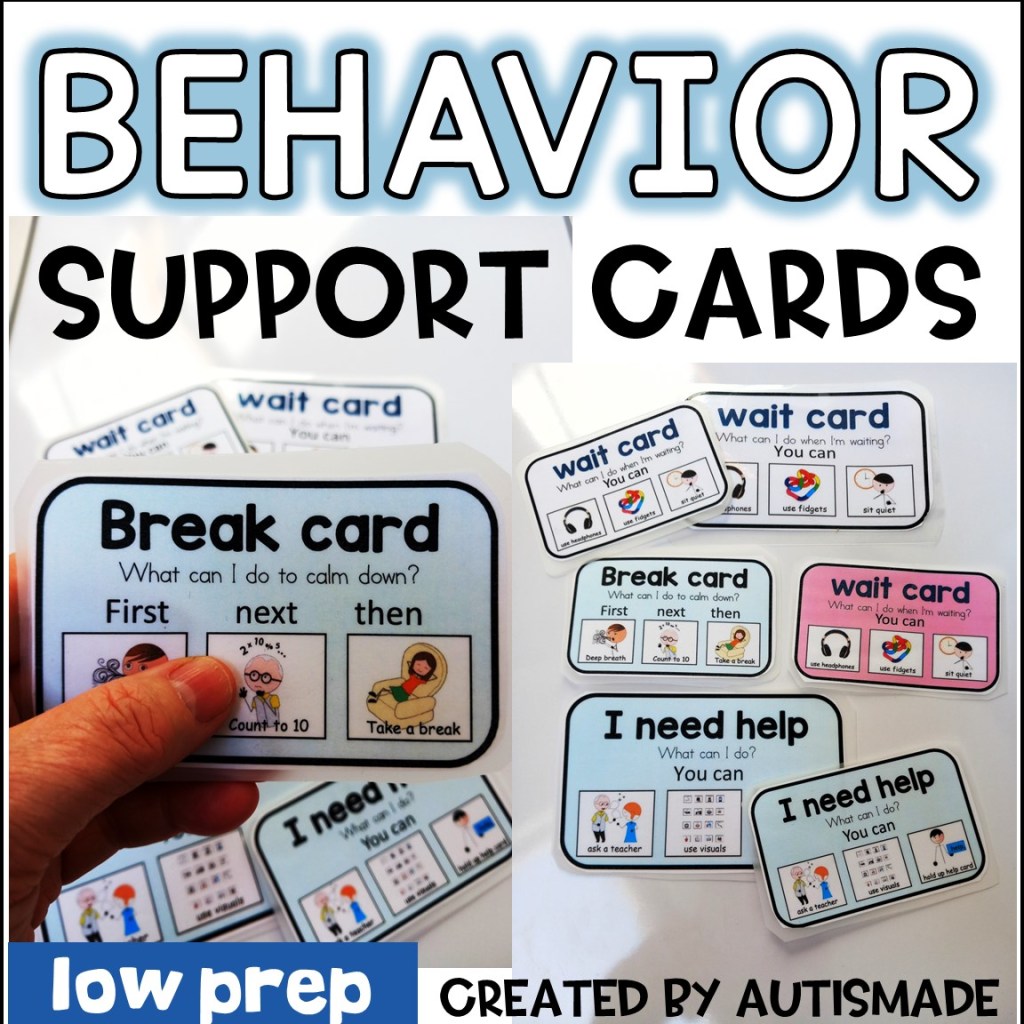
Support positive behavior, communication, and independence with this customizable set of visual behavior cards. Designed for special education, autism support, early learners, and students who benefit from visual supports, these resources help reinforce routines, encourage self-advocacy, and promote successful classroom participation.

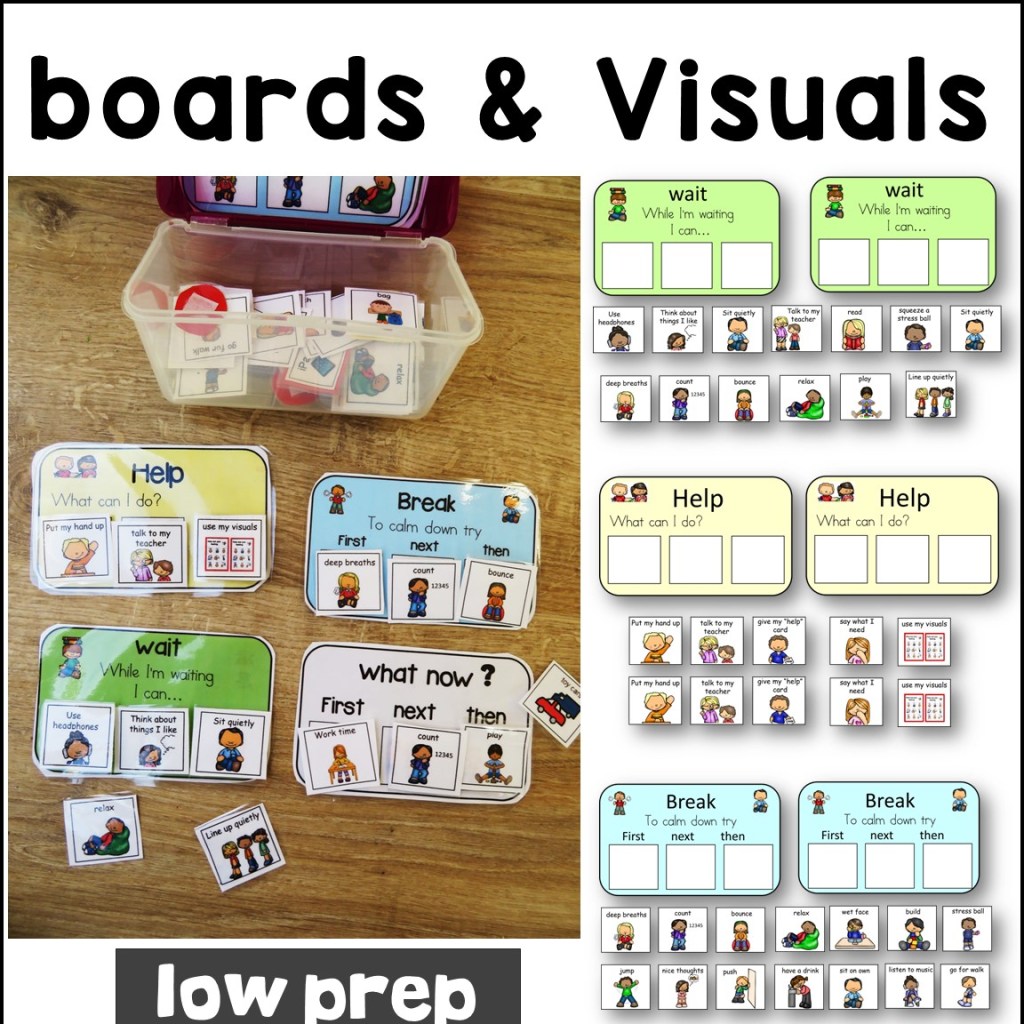
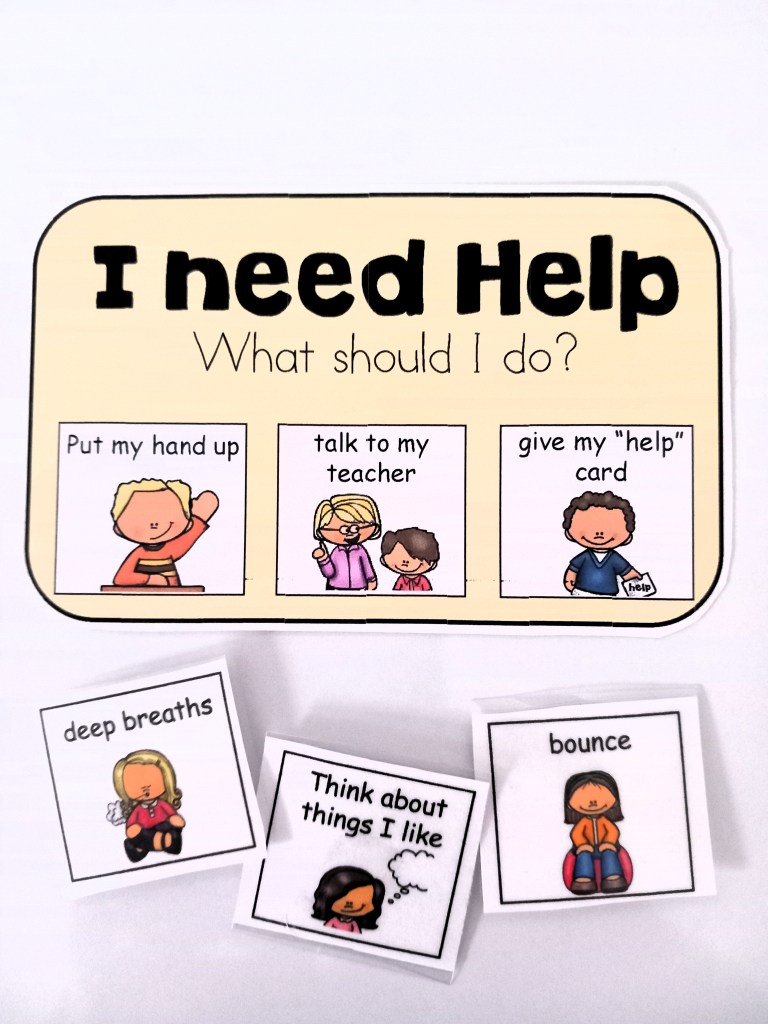
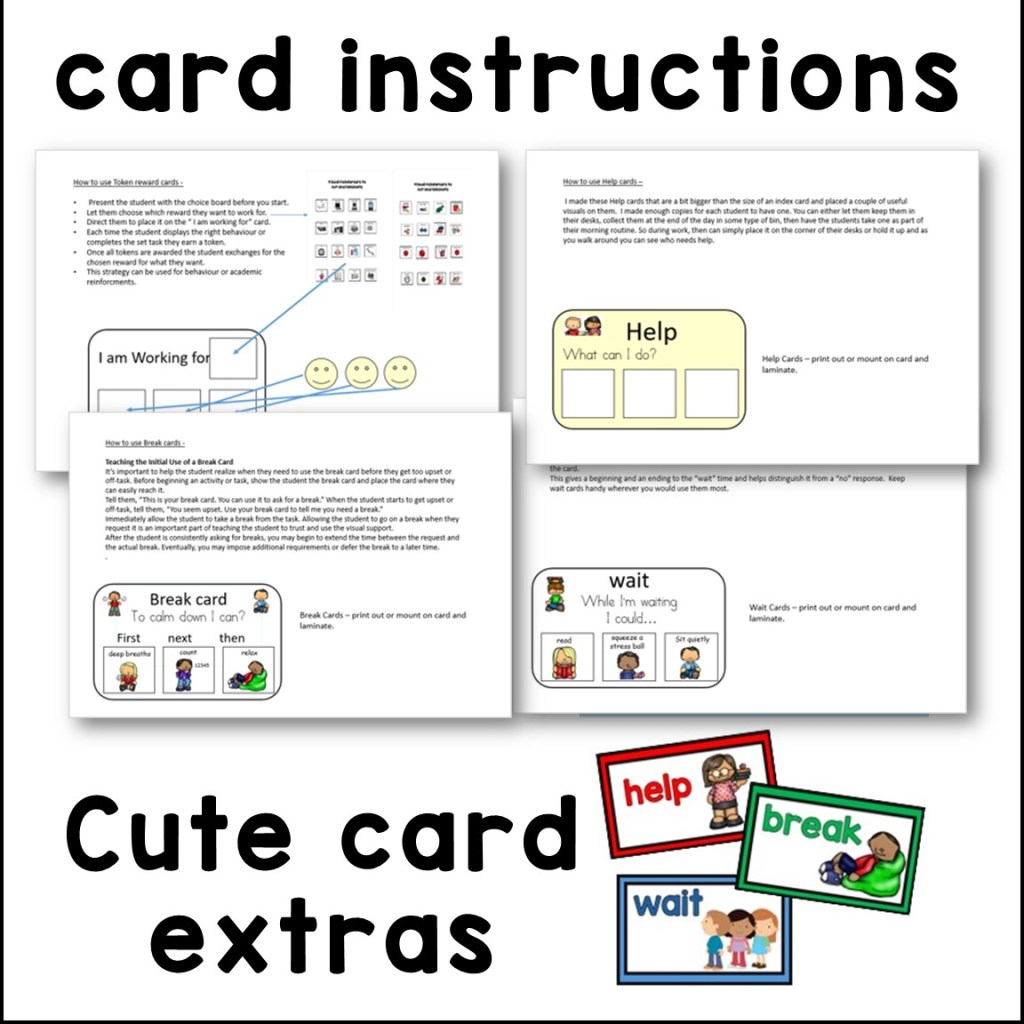
These Editable Behaviour Support Cards, Break Cards, Asking for Help all with visual cues are perfect for those on the spectrum or needing additional help. Customize these visual cue cards to fit your needs and watch the transformation happen right away!

They have been a life saver in my classroom management, students can ask for a break, help and understand when they need to wait and what comes next.

Included in this customizable behavior support cards package:

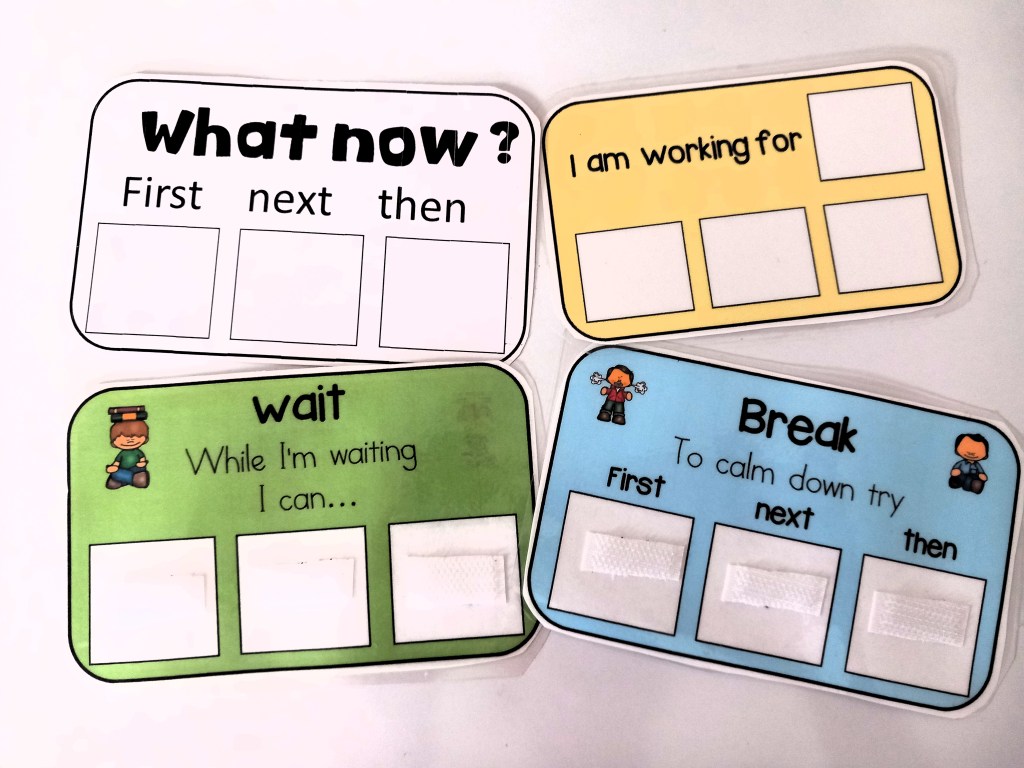
  • Wait Cards – Help students learn patience and understand when they need to wait for a turn, activity, instruction, or reward.
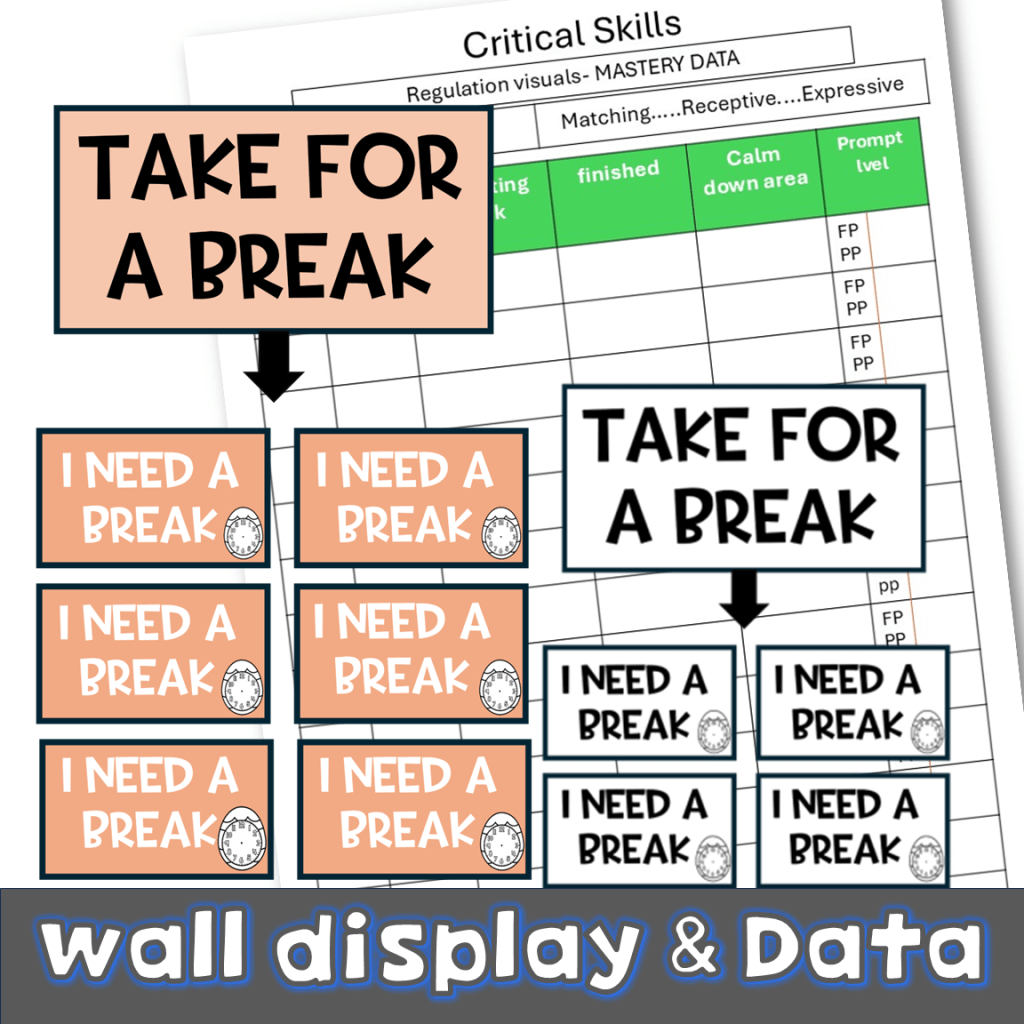
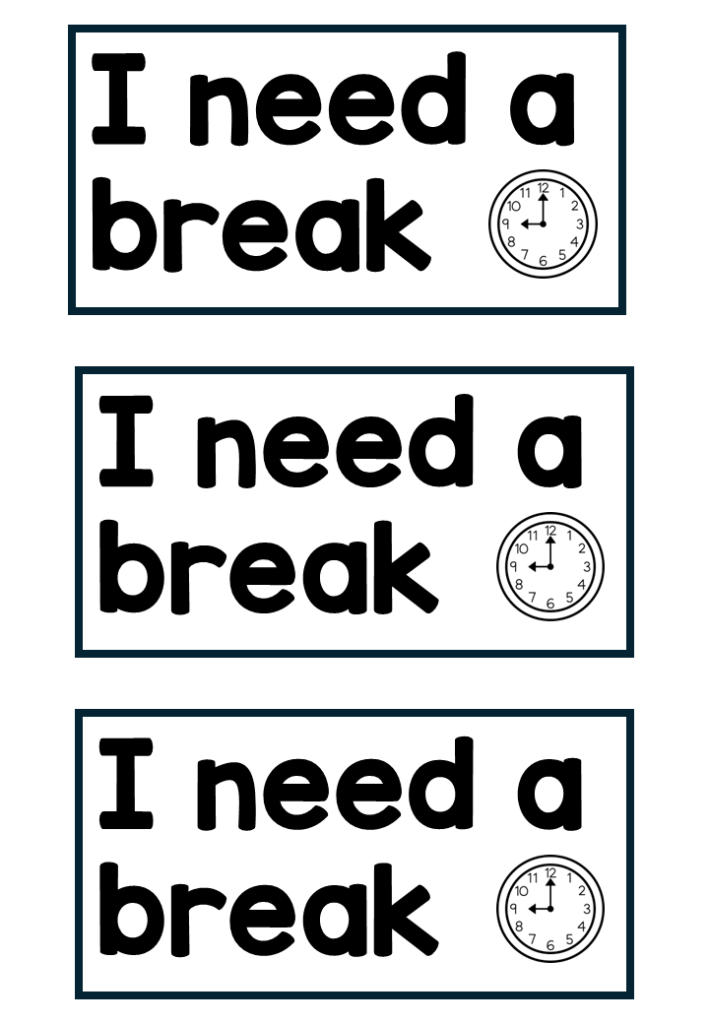
  • Break Cards – Support self-regulation by providing students with a visual way to request a break when needed.
  • Help Cards – Encourage functional communication by helping students appropriately ask for assistance.
  • First, Next, Then Cards – Visual sequencing tools that support routines, transitions, task completion, and understanding expectations.
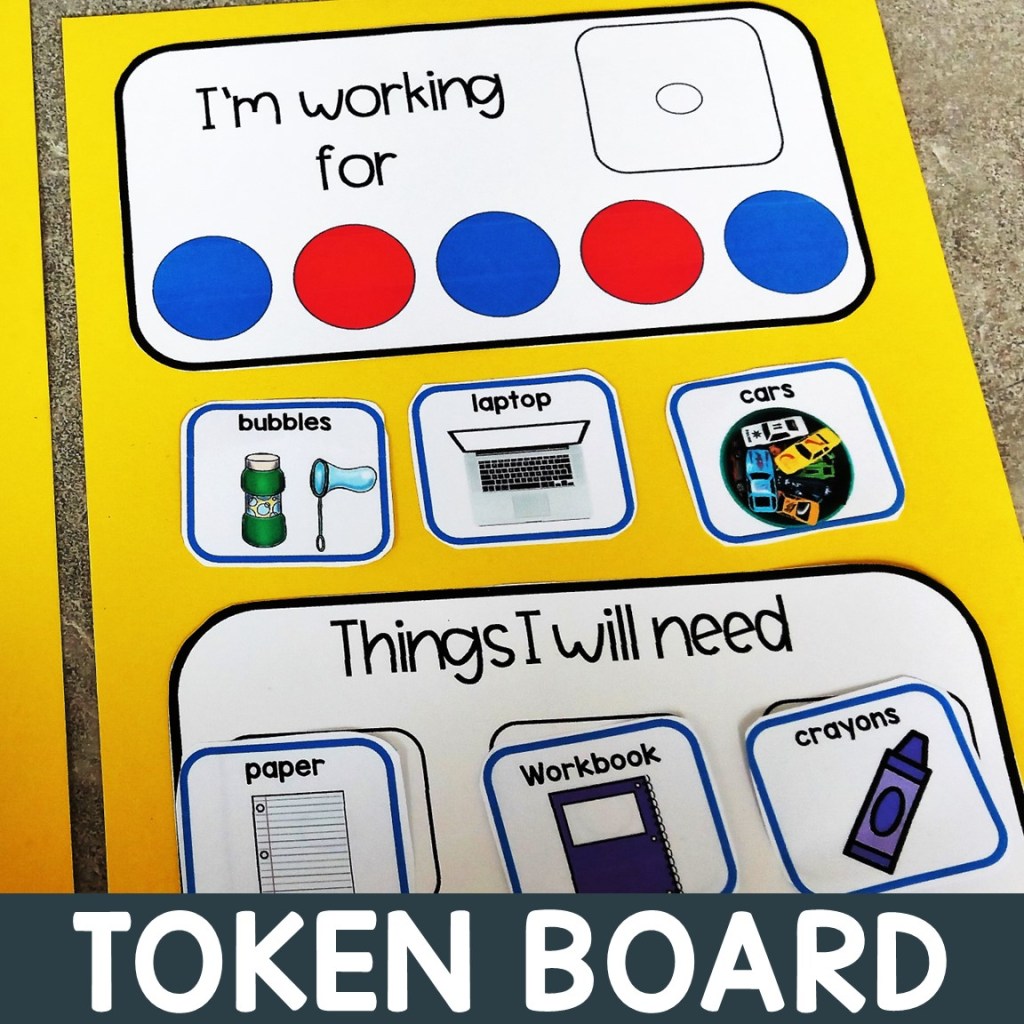
  • Token Reward Cards – Positive behavior support tools that allow students to earn and track tokens toward a chosen reward.
  • Reward Symbols (Visuals) – Visual representations of rewards and motivators that can be used with token boards and behavior management systems.
  • Card Visuals (44 Designs) – A set of 44 versatile visual icons that can be customized and used across schedules, behavior supports, communication aids, and classroom routines.

Ideal for special education classrooms, autism support programs, early intervention settings, speech therapy, behavior intervention plans, and home learning environments. Simply print, laminate, and customize to meet your students’ individual needs.

Effective Visual Supports for Behavior Management

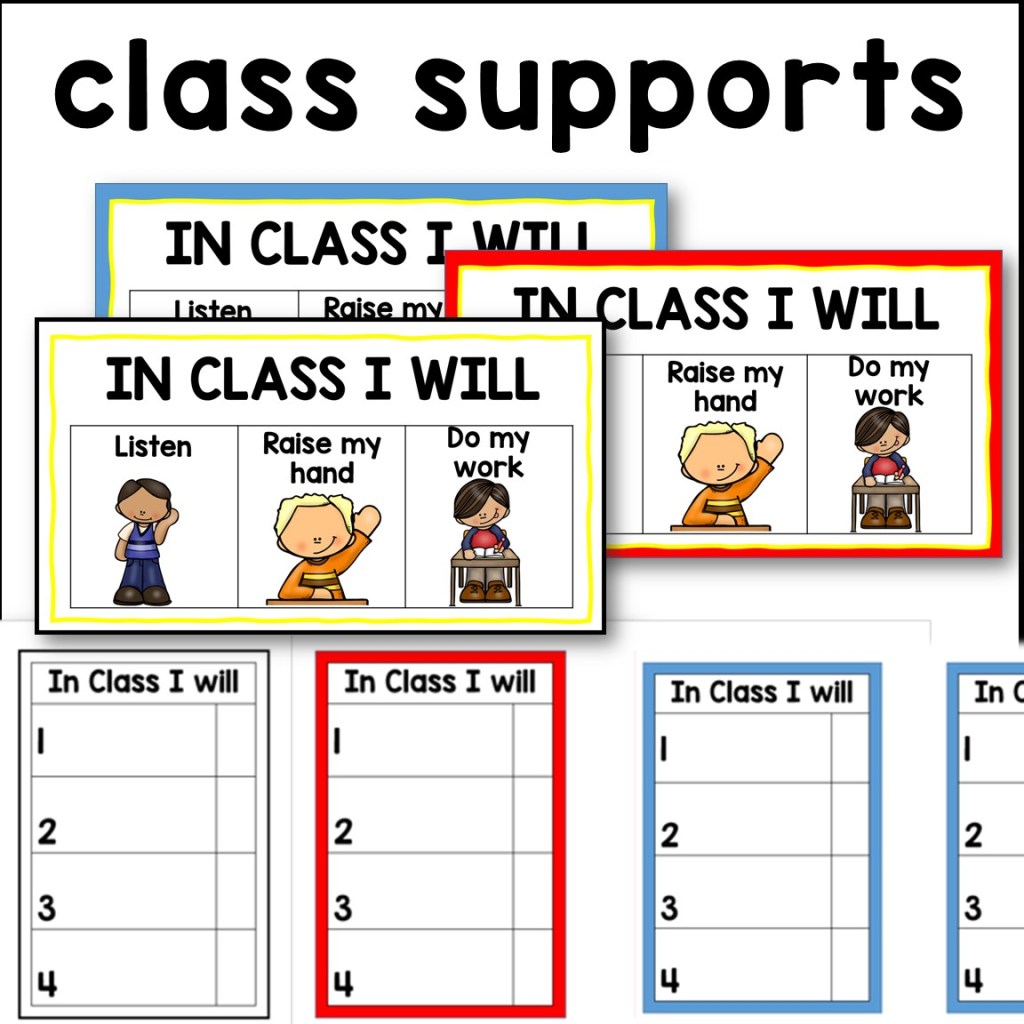
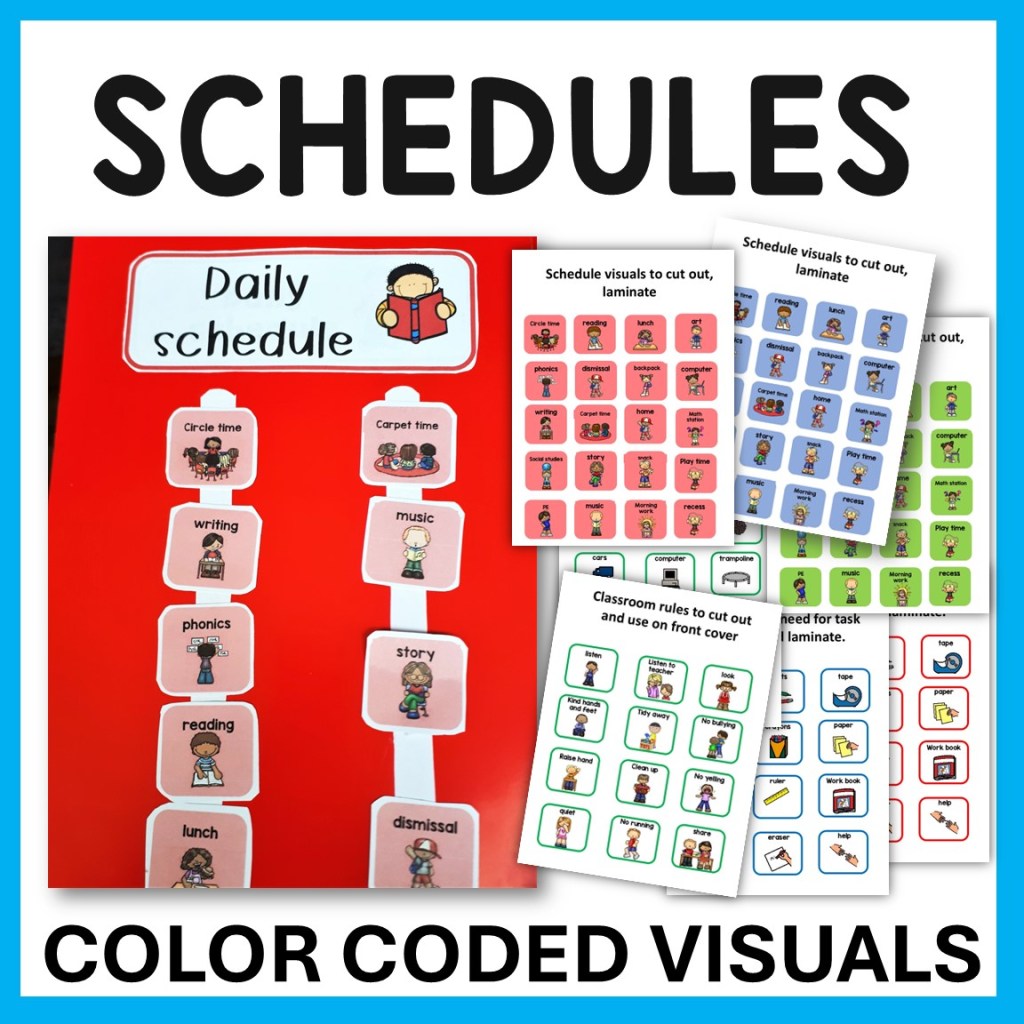
If your looking for an individual Behavior System, then this Visual ScheduleToken Board and First Then strategy, are all in this Behavior Support Folder. This Visual Schedule combination make behavior expectations clear and manageable.

Ideal for special education teachers, behavior therapists, this folder brings together the most effective visual supports in one place!

WHATS INCLUDED:

* Visual Schedule– with activity visuals to follow throughout the day.

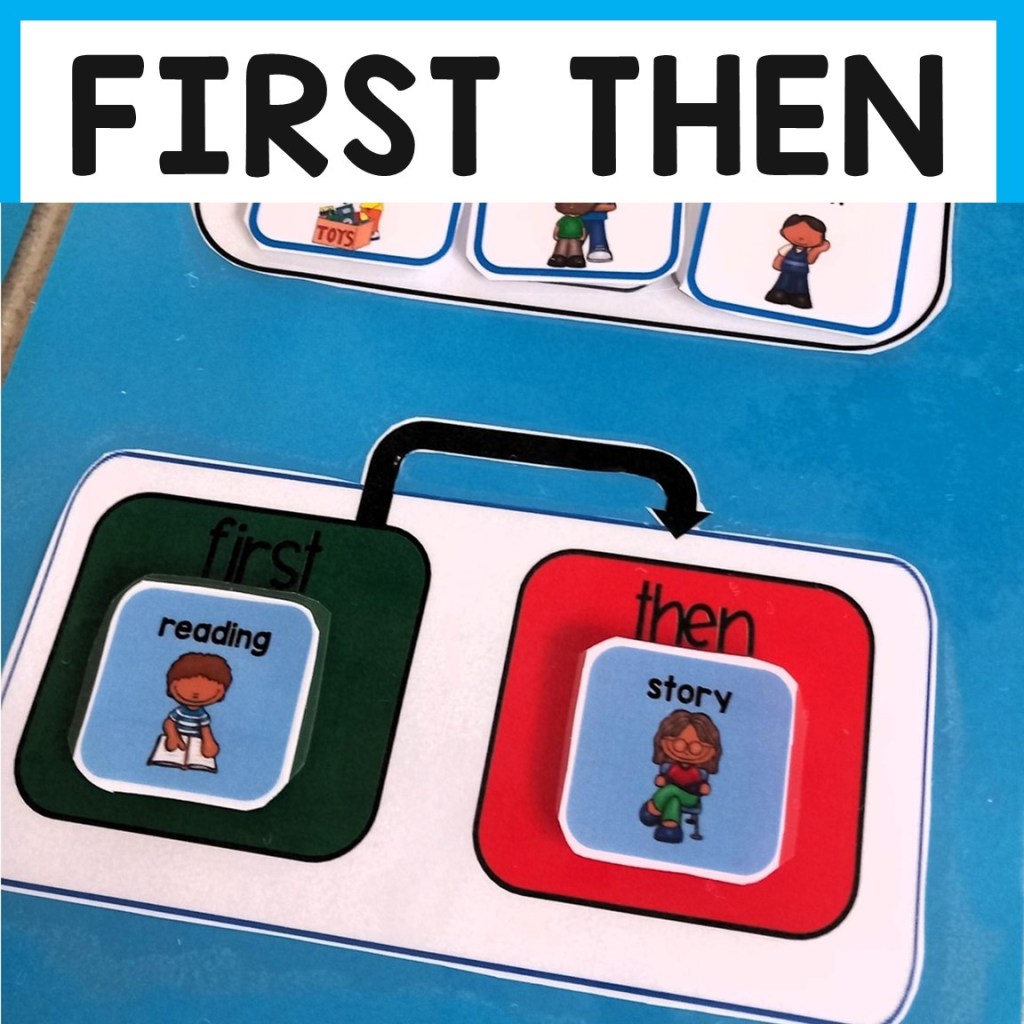
First Then Board – Help students understand task sequences and motivate

follow-through.

Token Boards– Encourage positive behavior with customizable

reinforcement systems.

Choice Boards– Promote autonomy and engagement

Break Cards– Support self-regulation and emotional

awareness

Printable Icons – Includes visuals for common tasks, rewards, and behavior

expectations with clear instructions.

Editable package – Open in PowerPoint and enable editing, for you to personalise with names, motivator

choices, target behaviors and schedule visuals.

* In 2 Size Options A5 and A4

IDEAL FOR

* Autism Support

* ABA Therapy

* Behavior Intervention Plans (BIP)

* Classroom & Special Ed Settings

WHY YOU’LL LOVE IT

For more Resources visit my Store by clicking here

Using First Then Boards to Improve Classroom Behavior

These First Then board templates with Visuals Cards are a simple, evidence-based schedule for classroom management, designed specifically for PreK–2 Special Education classrooms.

The First–Then strategy provides clear expectations, visual structure, and positive reinforcement to improve behavior and increase task completion — without constant verbal reminders.

Why Use a First–Then Board? 

Students with Autism spectrum disorder often benefit from predictable routines and visual supports. The First–Then strategy, commonly used in Applied Behavior Analysis (ABA), helps reduce anxiety and increase cooperation by clearly showing:

✔ What task must be completed
✔ What reinforcement comes next

What’s Included in This Resource 

🟢 TIER 1 – This printable First–Then board pack includes:

✅ Full-Size First–Then Cards (Color + Black & White)
✅ Desk-Sized Mini First–Then Strips
✅ Editable Templates (with Power point)
✅ Reinforcer Choice Page & Toolkit

1.Calm down corner visuals

2.Break cards

3. “all done” cards  
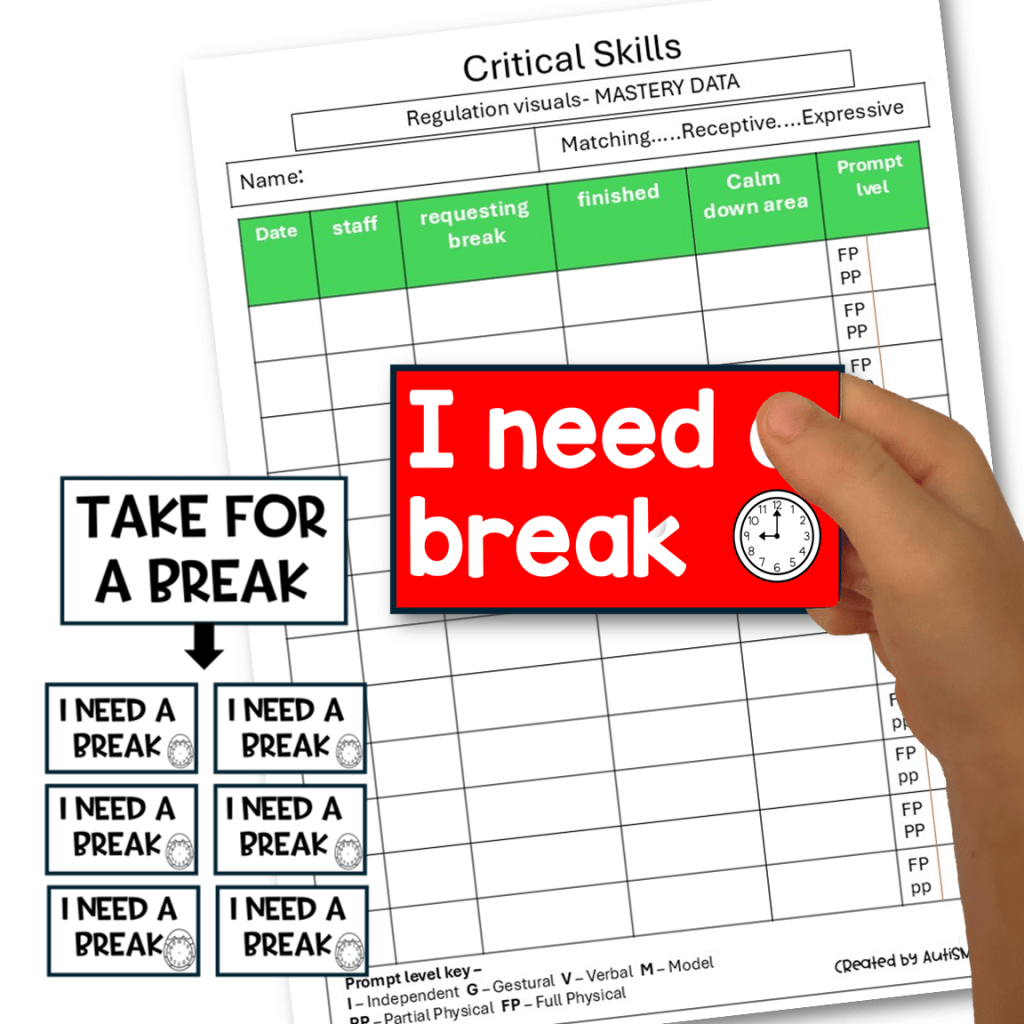
✅ Quick Teacher Implementation Guide and data sheets

Perfect For:

  • Autism classrooms
  • Self-contained special education
  • Resource rooms 
  • Early childhood special education
  • Behavior intervention support
  • Response to Intervention (RTI) Tier 2 behavior support

How to Use in Your Classroom 

Use these First–Then boards to:

✔ Reduce task refusal
✔ Improve transitions
✔ Increase work completion
✔ Support positive behavior plans
✔ Build independence in young learners

Data Sheets :

Track progress with the quick Teacher Implementation Guide and Data Sheets!

The Easy Way to Teach Nonverbal Students to Ask for a Break!

For many nonverbal students, challenging moments don’t come out of nowhere. They build quietly. Sensory overload, frustration, or just needing a pause. The challenge is not the feeling itself, it is not having a clear way to say, “I need a break.”

The good news? This is a skill you can teach, and once it clicks, it can completely shift the tone of your classroom.

Think of this as giving your student a “pause button.”

Choose one clear, consistent method:

  • A break card with a simple symbol
  • A button on an AAC device
  • A sign or gesture

Keep it easy, accessible, and always within reach. If it takes effort to find, it will not get used when it matters most.

Students will not magically know what the break card means. You need to show them.

Use it yourself. Yes, really.

Pick a calm moment and say, “I need a break,” while using the card or device. Keep the language short and consistent. You are building a connection between the action and the meaning.

Over time, start to fade that support. The goal is independence, not perfection.

When a student asks for a break, respond like it matters. Because it does.

  • Give the break right away
  • Keep it short and predictable (around 3–5 minutes)
  • Use a consistent break space or activity

This teaches one powerful lesson: communication works.

Once the skill is there, you can shape it.

Help students understand timing:

  • Use visuals like “first work, then break”
  • Start small (one task, then break)
  • Slowly build up tolerance

This keeps the strategy practical for real classroom routines.

Visuals reduce guesswork and lower stress.

Helpful tools include:

  • Break cards
  • Visual timers
  • Simple schedules

These act like a roadmap, showing students what is happening now and what comes next.

Even great strategies can wobble if these sneak in:

  • Waiting until the student is already overwhelmed
  • Saying “not now” when they request a break
  • Turning breaks into a reward or punishment
  • Removing the communication tool

Consistency is what makes the skill stick

Teaching a student to ask for a break is not just about avoiding meltdowns. It is about giving them a voice, a sense of control, and a safer way to navigate their day.

And once that “pause button” is in place, everything else becomes a little more manageable. For them, and for you.