
Tips for Setting up a Calm Down Corner
Creating a calm and supportive classroom environment is crucial for students with special needs, especially those with Autism. Sensory overload, anxiety and frustration can often trigger emotional reactions that make it more difficult for them to focus, learn and engage. This is where calming strategies are needed.
In this post we’ll explore easy to implement strategies that can help calm students and create a more tranquil classroom environment. These strategies can be used by Teachers, Teachers aides and parents to support children in Special Education and Autism Classrooms.
Setting Up a Calm-Down Area: The Basics
When setting up a calm-down area, start by choosing a space that’s away from busy areas and distractions. The space should be quiet, cozy, and inviting, a retreat where children can relax without added stress. Try to make it an inviting space that encourages students to want to spend time there when needed.
Key Elements to Include:
Here are some simple yet effective elements that can make the calm-down area more functional and calming:
- Sensory Tools: Sensory experiences can help children self-soothe and calm their nervous systems. Include items like weighted blankets, soft toys, squishy stress balls, or fidget spinners. A tactile or auditory experience can often help children feel grounded.
- Soft Lighting: Bright overhead lights can be harsh, so consider adding a small lamp with soft, warm light or even a string of fairy lights. This creates a peaceful atmosphere and reduces visual overstimulation.
- Comfort Items: Cushions, pillows, or a soft rug can make the area feel cozy. Some children may find comfort in having a favorite object like a stuffed animal or a familiar blanket.
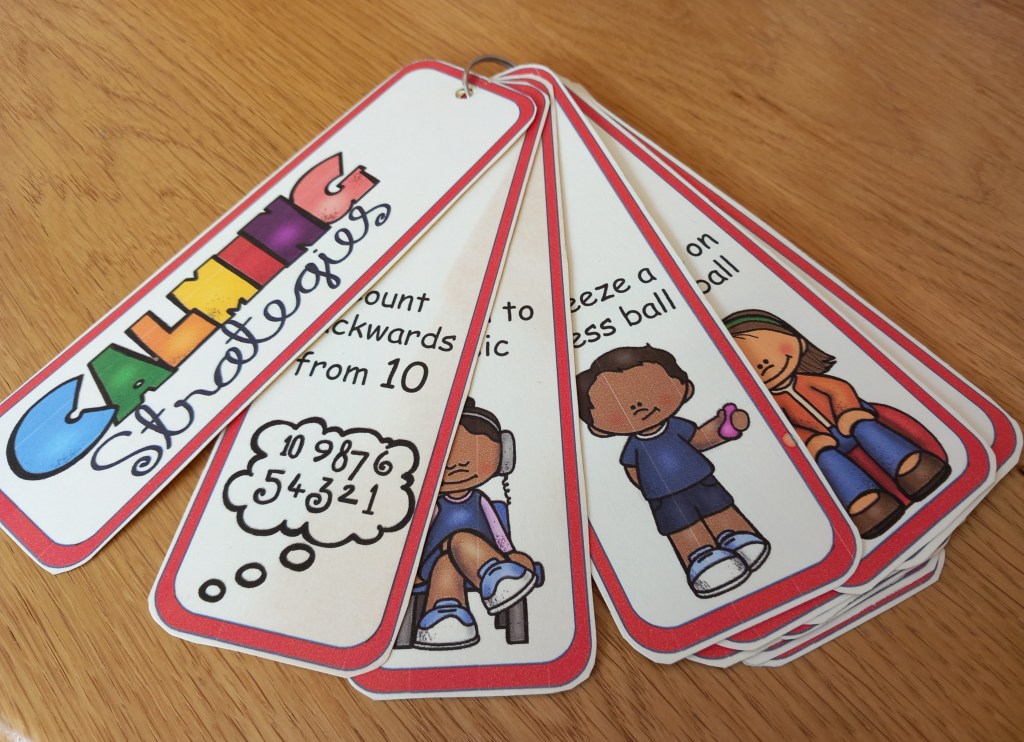
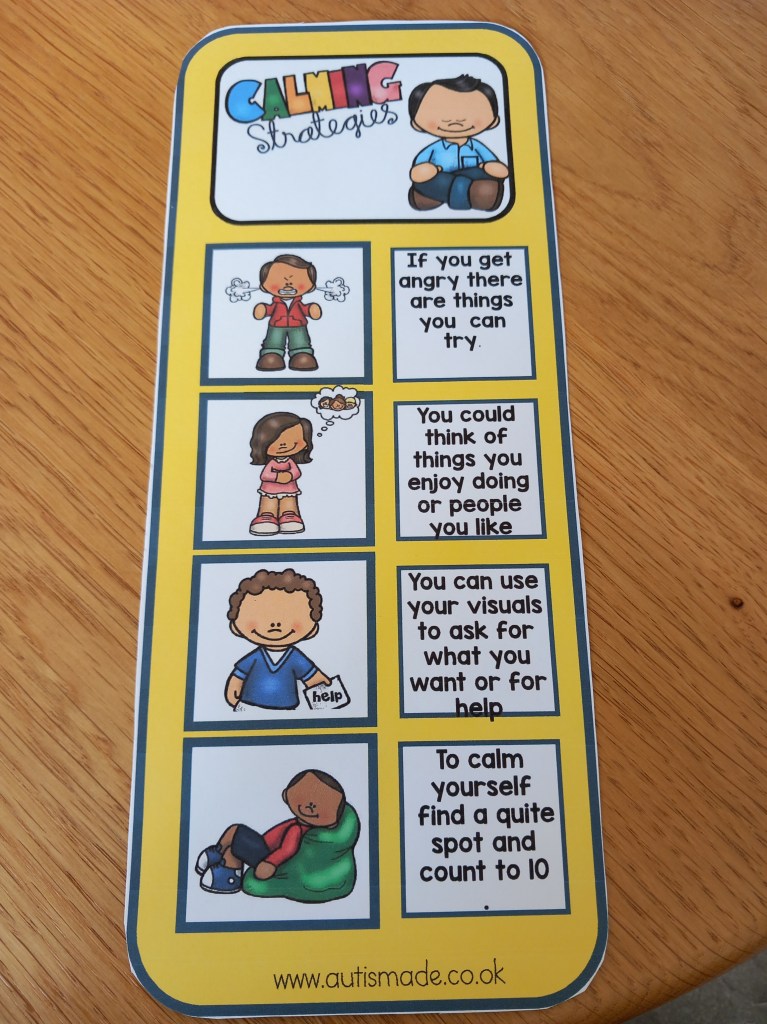
- Visual Cues: Add calming visuals, posters, calming charts (e.g., breathing exercises or social stories), or a timer to help children track their time spent in the area. For some students, these cues help to create structure and ease transitions.
The calm-down area is most effective when it’s introduced as a tool for emotional regulation rather than a time-out or punishment zone. It’s essential that children understand that it’s a space to use when they feel overwhelmed or need a break, not when they’re being “bad.”
When introducing the space, explain its purpose to the students. You might say something like, “This area is for when you need a break to calm your body. You can come here when you’re feeling upset or need to reset.”

Consider using visual or verbal reminders throughout the day to reinforce its use, such as a “calm down” card that students can hold up when they need a break. Having a routine for when and how to use the area helps students understand it’s a proactive tool for self-care.
Remember, the calm-down area should be flexible and adapt to the needs of each student. As children grow and develop, their emotional needs may change, and it’s important to be open to modifying the space as necessary. Whether it’s adding new sensory tools or adjusting the space to make it more comfortable, keeping the area evolving can keep it an effective resource for emotional well-being.
Creating a calm-down area in your classroom or home can have a powerful impact on emotional regulation and overall well-being for children with special needs. By providing a dedicated, safe space for children to retreat when needed, you’re helping them develop the skills to manage their emotions and build resilience. With a little creativity, flexibility, and collaboration, you can create a space that supports both learning and emotional health.
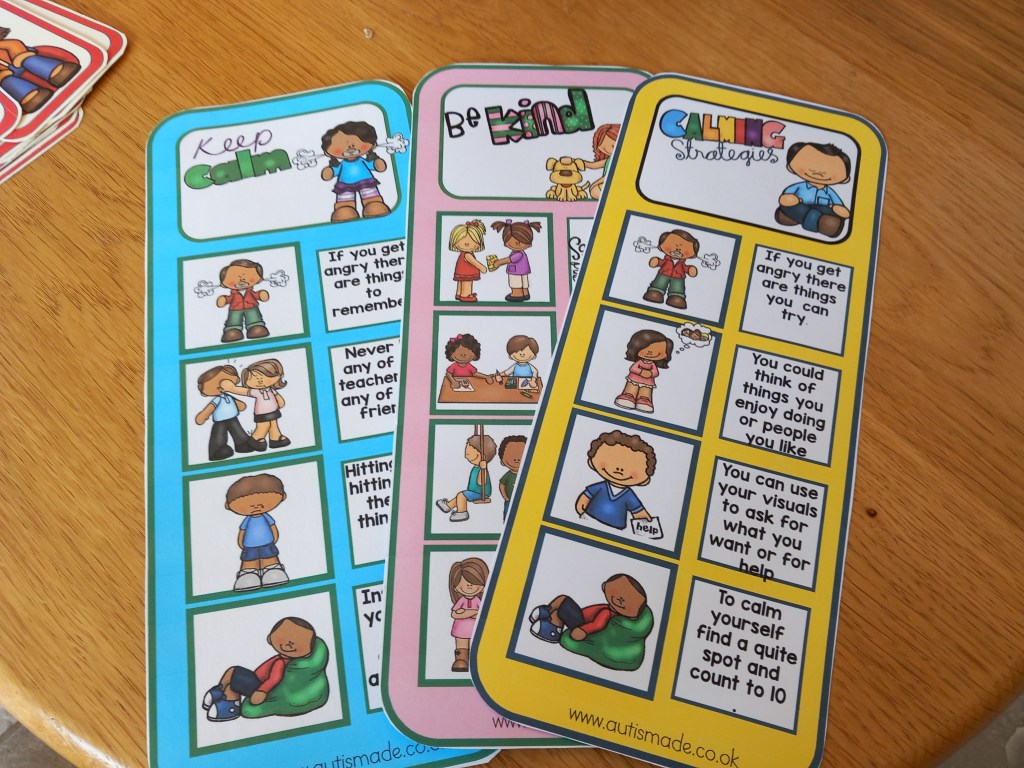
Handy Calm Down Resources linked for you to check out:-
Free Social Skills Poster | Class rules | Classroom Behavior Management
Calm Down Tools & Token Reward Boards for Classroom Behavior Management
Calm Down Corner Tab book & Posters
Calm Down check in / Social-Emotional learning, Posters and coping tools
Social Emotional Posters for being friends, classroom expectations
Visual Behavior Support cards – Break, Help & Wait Strategies for Autism
Discover more from Autismade
Subscribe to get the latest posts sent to your email.

