Social narratives are always available in my calm down area! I keep them on the book shelf ready to remind my young learners how to respond in difficult social situations. This type of visual guide describes social interactions helps with understanding social skills and cues that they might of missed.
Social supports help my young learners understand how to behave or respond in particular situations by using visuals to describe various social interactions, situations, behaviours, and skills.
The main goal of a Social narrative is to share social information that describes how to behave in them instances.
Reading these stories, one to one and as a whole class lesson has enabled me to reinforce these important social skills. I’ve displayed a poster on classroom rules as a quick reminder and added supporting activities to generalise learning.
“Class Rules and “Inside voice,” are the ones I often read within a class lesson, usually when a reminder is needed on how behavior affects the class and disrupts others.
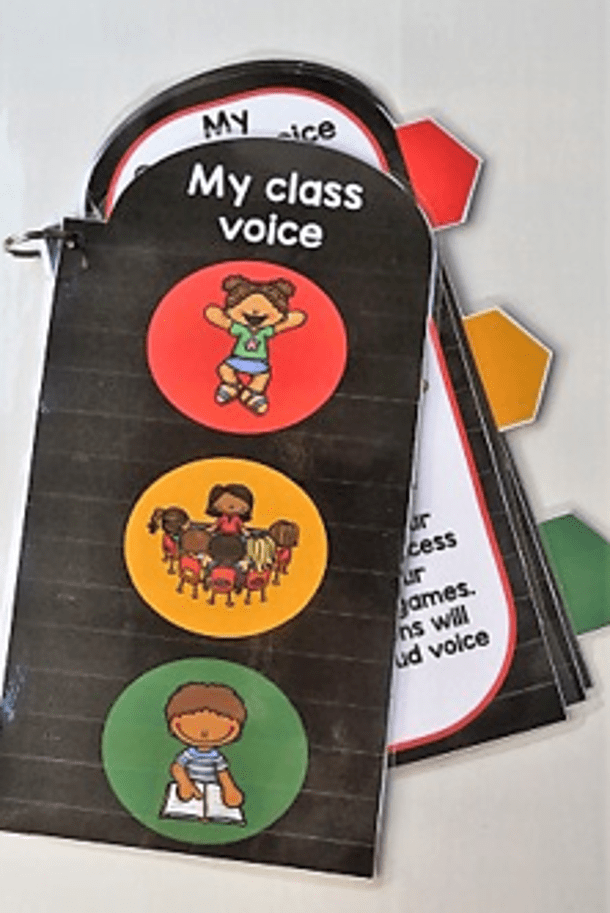
I use a quick reminder booklet to reinforce outside, inside and class voices!
Its not as hard as it sound to adapt any favourite book and make it interactive! You can target so many skills, like sentence starters, colour, shape, sentence structure, and sequencing, for Special Ed students.
I decided not to adapt a shop book but create and direct a version towards communication and understanding in more depth that would be more meaningful for young SPED students.
I loved simplifying these popular stories so my young learners could access them, especially Fairy-tale favourites. It was fantastic to seeing them learning to comment on what they were seeing in the book, remembering the story sequence, identifying the visuals to answer the “I can see questions, learning Story vocabulary and answer “who “questions about these characters.
I couldn’t stop incorporating more learning strategies into these story sets and added story words, (story vocab on a ring) to teach character recognition.
and sequencing boards and cards!
Once printed out on card stock they were quick and easy to laminate and assemble with a ring binders and Velcro for visuals.
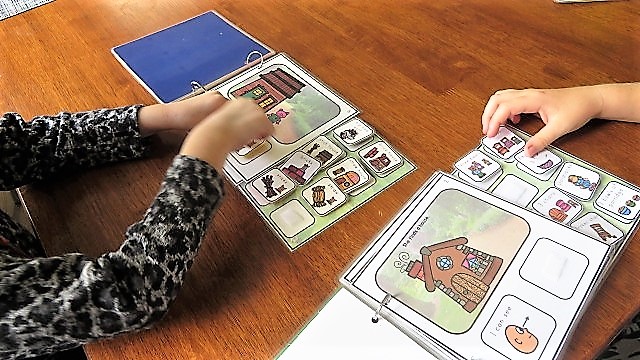
I use adapted Fairy Tale books in my classroom so my visual learners can access and understand the story in a simplified way. Each page of the story Ive added detachable visuals so young learners interact with their Fairy-tale favourites. The main objective of this lesson is to identify what’s on the page and to comment on what they see.
Sequencing Story Board
This board will help kids learn the sequence of the story with the detachable visuals
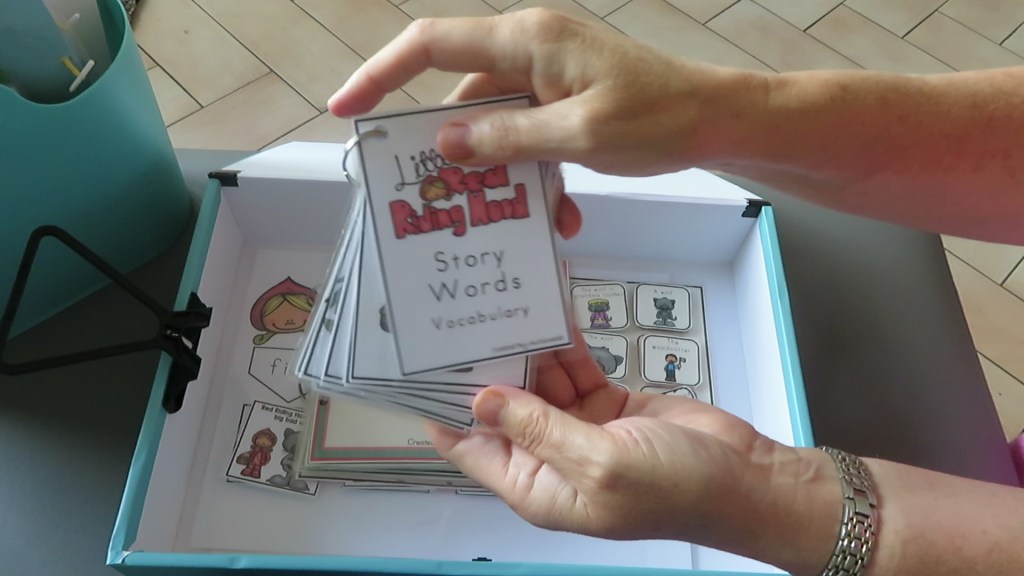
Story Words for Vocabulary practice
Vocabulary Keyrings are a handy way of teaching story words!
I have bundled 5 of my Fairy-tale Interactive Books, each one designed to involve students in learning about popular story characters and story sequences. For my Visual Students I’ve added a comprehensive interactive book, a ring of pictures for vocabulary and 2 sequencing boards.
The Standards targeted in these activities are:-
CCSSSL.K.5 Add drawings or other visual displays to descriptions as desired to provide additional detail.
CCSSSL.K.4 Describe familiar people, places, things, and events and, with prompting and support, provide additional detail.
CCSSSL.K.2 Confirm understanding of a text read aloud or information presented orally or through other media by asking and answering questions about key details and requesting clarification if something is not understood.
CCSSRL.1.9 Compare and contrast the adventures and experiences of characters in stories.
CCSSRL.1.5 Explain major differences between books that tell stories and books that give information, drawing on a wide reading of a range of text types.
CCSSRL.1.3 Describe characters, settings, and major events in a story, using key details.
CCSSRL.1.2 Retell stories, including key details, and demonstrate understanding of their central message or lesson.
CCSSRL.1.1 Ask and answer questions about key details in a text.
On the first day back to school I always introduce my Interactive Planner Binder to keep my young learners focused and motivated! Its full of visual strategies to help them plan their day, choose they’re reinforcer and stay in the area where they need to work.
I laminated the ones i made but you could easily place them in a pocket folder and use a dry wipe marker.
I’ve incorporated pages for my new students to jot down their name, grade and class, followed by their teachers name, their friends name, things they like and things they don’t.
There are pages with the days of the week for them to practice and tick off what day it is and same for seasons.
Having a schedule is so important so I’ve added spaces where i can write the order of the day and they can tick off as they go though it, handy to keep them on track!
Working for cards and reward choice keep them motivated!
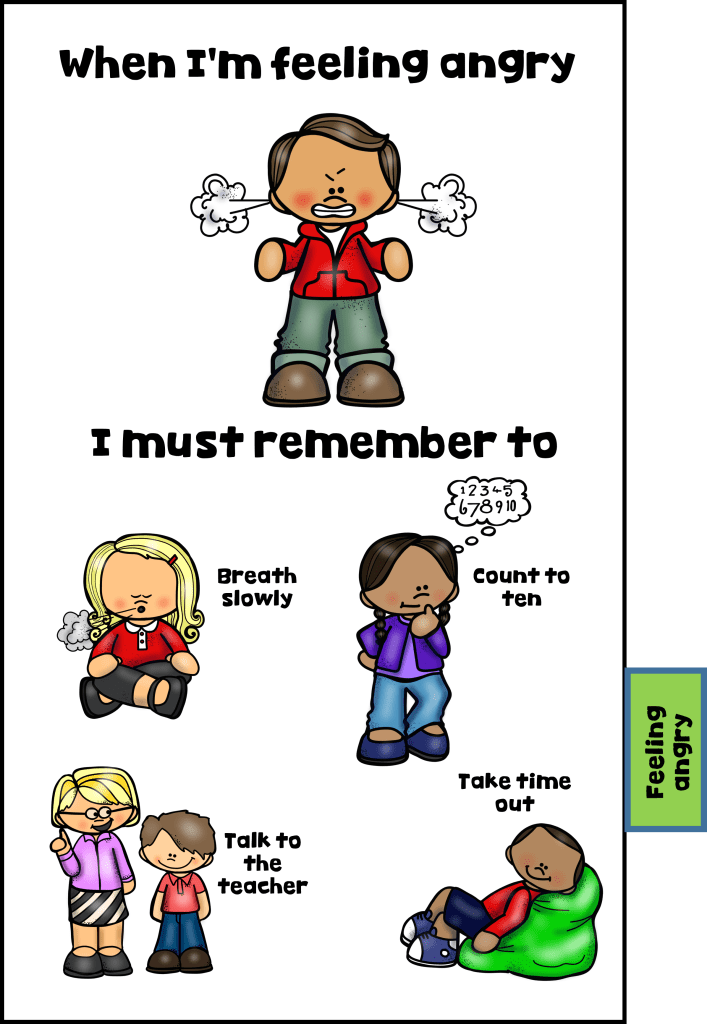
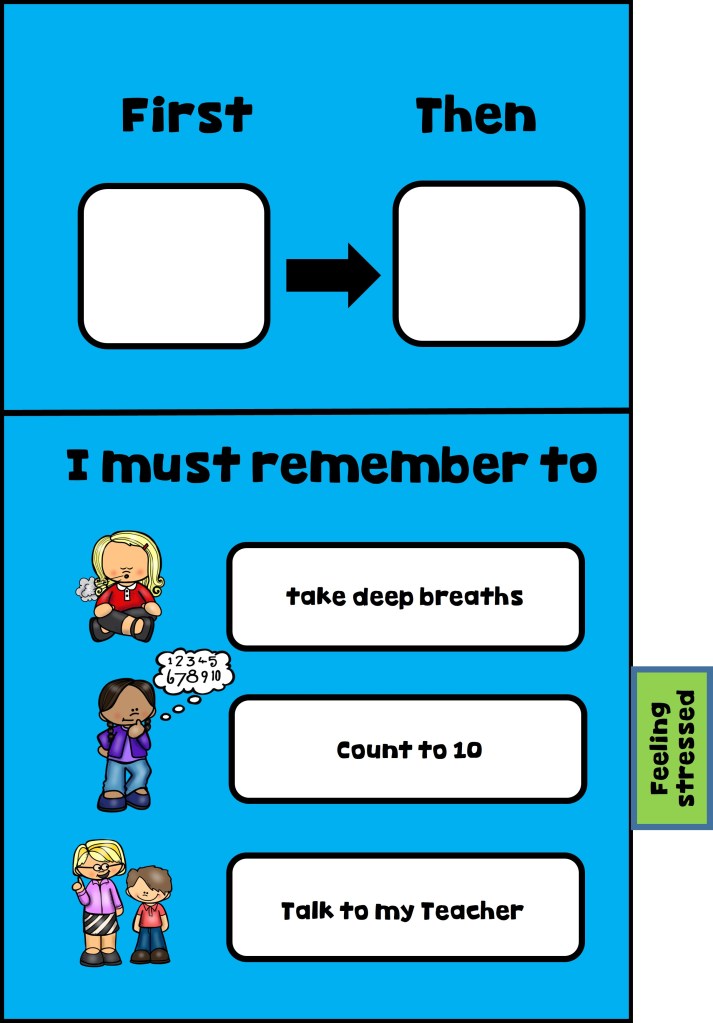
Reminders of what to do when they feel angry, “first and then” when they get frustrated and what “I need” visuals for them to choose from.
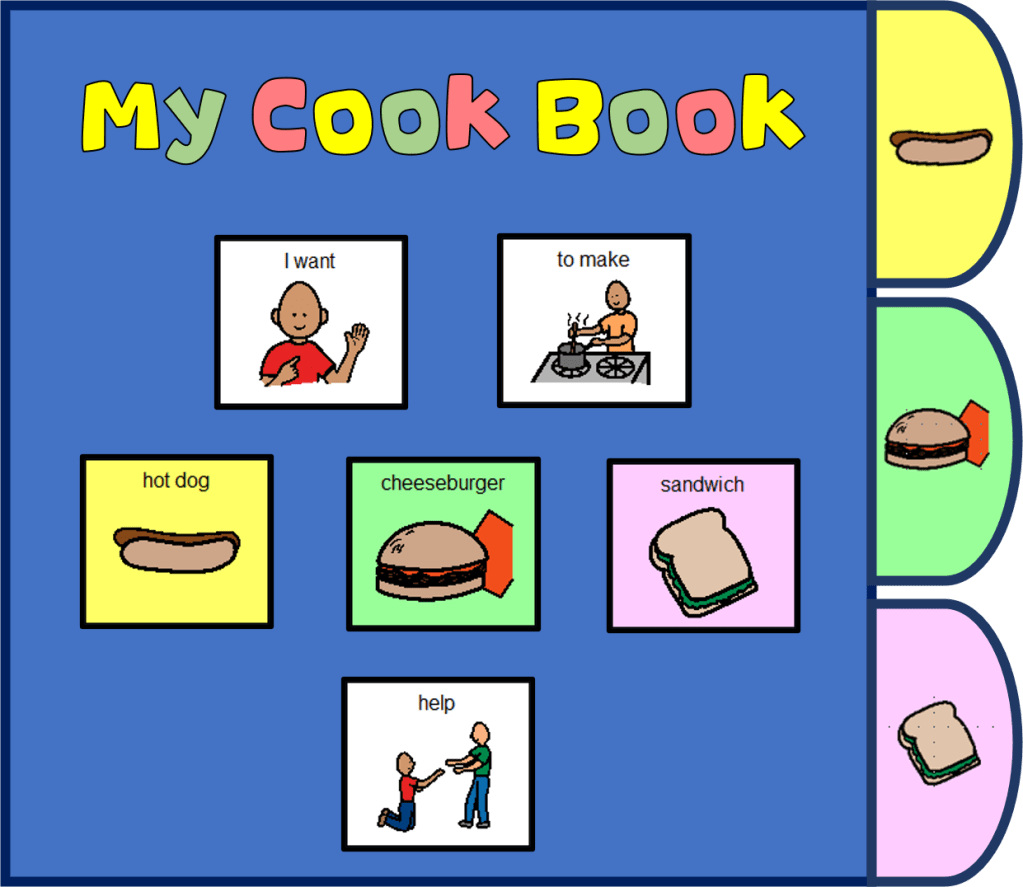
My Cook Book will Teach play skills using visual instructions.
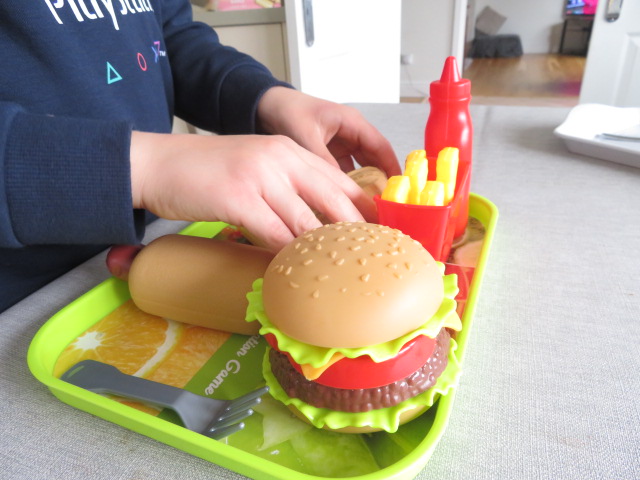
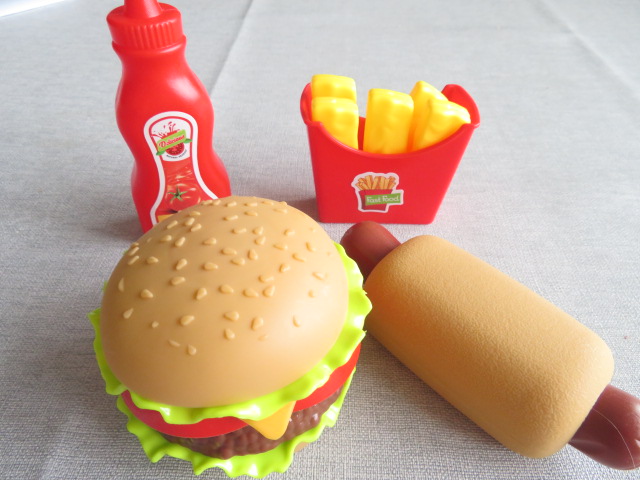
Home pretend play visuals for cooking and Communication. Students with Autism/Special Education often find pretend play difficult. I’ve found that using visuals and sequencing the lesson will assist in developing these play skills within your student.
Visuals and recipes Included
How to make a Beef burger
How to make a Hot dog
How to make fries
This Cook Book is designed for students who have limited play and verbal skills.
The visuals assists in the early stages of pretend play
learn the sequence of pretend play
Enable students to engage in play
They’re able to practice steps with common play food.
Can use visuals to request what they want to make, what they will need and practice vocabulary.