FUNCTIONS OF BEHAVIOR

Tips For Special Ed Teachers

The four functions of behavior are, Sensory, Escape, Attention and Tangible. Effective intervention involves identifying the function of a behavior and incorporating strategies to replace it.

Attention – if the student is pinching you to gain attention, then teach her to request attention appropriately with e.g. visuals such as “will you play with me” icon.

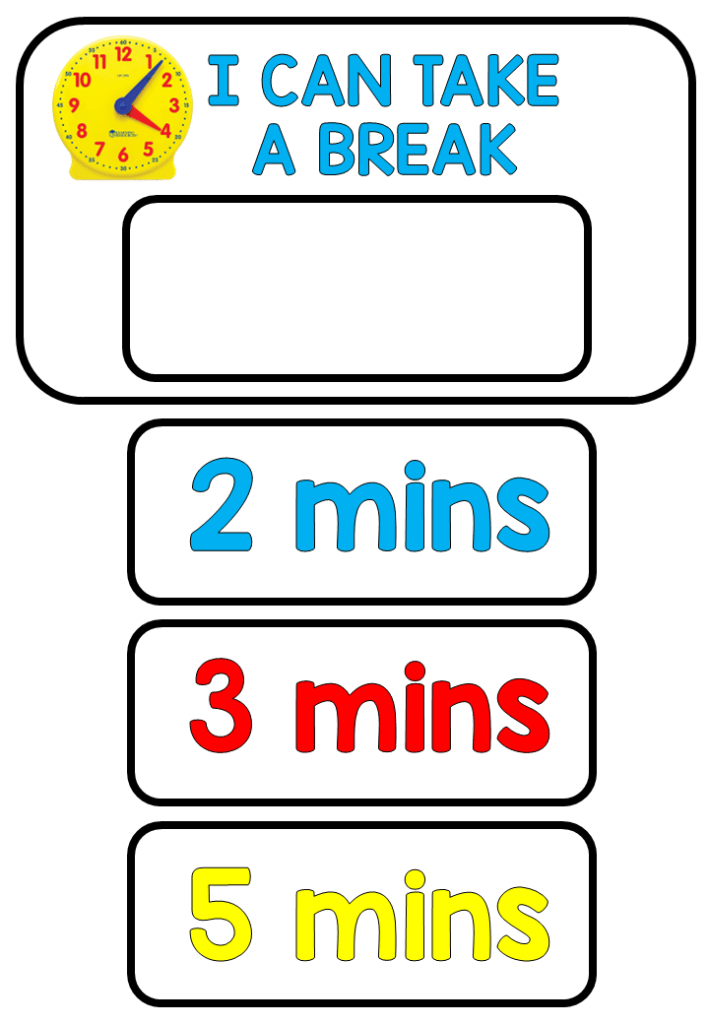
ESCAPE – if she’s hitting her head to avoid a task, teach her to request “help” or a “break” with a timer.

Tangible – crying while in a cue to get lunch, teach her to “wait”

Sensory – biting her hand, then teach her to request a “chewy toy”.

When planning these new skills always remember that the replacement behavior must serve the same function as the one displayed.

More Ideas

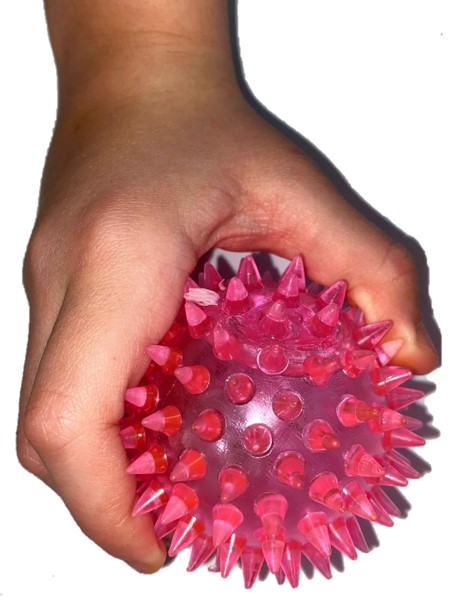
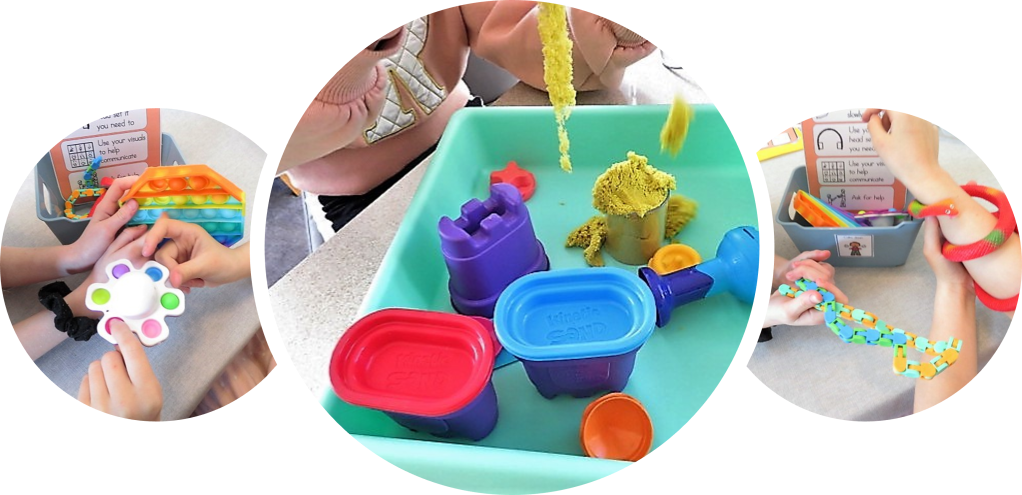
SENSORY SIMULATION – Offer opportunities for bouncing on a large ball or trampoline, spinning, squeezing sensory balls, chewy toys, sand play, water play, banging a drum.

ATTENTION SEEKING – Give non verbal students a voice with visuals to request time with a favourite person, play games or work together. Model with hand over hand instructions to tap your arm and get your attention in structured sessions.

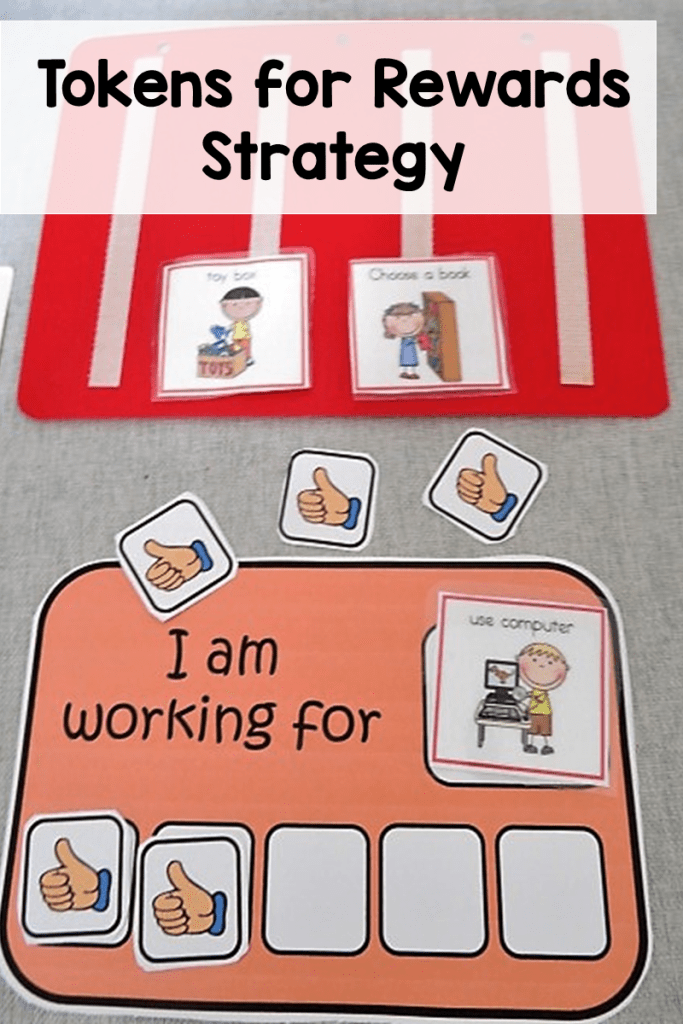
AVOIDANCE – Teach students to request a “break”, “help”, Give a choice of what to work for with a Token Reward system. Motivate with a choice of reinforcers and keep them fresh and handy.

Plan fun activities, maybe short to start with. Tailor learning with individual interest in mind.

TANGIBLE – Redirect to requesting items using visuals or voice, Use “First and Then” strategy and schedules. Token Economy with a reinforcer of their choice should incorporate their favourite items and snacks.

For more tips and ideas follow me on my TPT Store

Behavior Problems you can Fix

Tips for SPED Teachers

Number 1

Tantrums, anger and aggression can be triggered for a number of reasons, usually sensory stimulus, demands for items or food, are often communicated in these negative ways. Teaching more appropriate ways to recognise and communicate these feelings is one way to start fixing such behaviors.

Number 2

To prevent problems and support appropriate behavior there are general principles to keep in mind. Use structure, take control and set boundaries.

Number 3

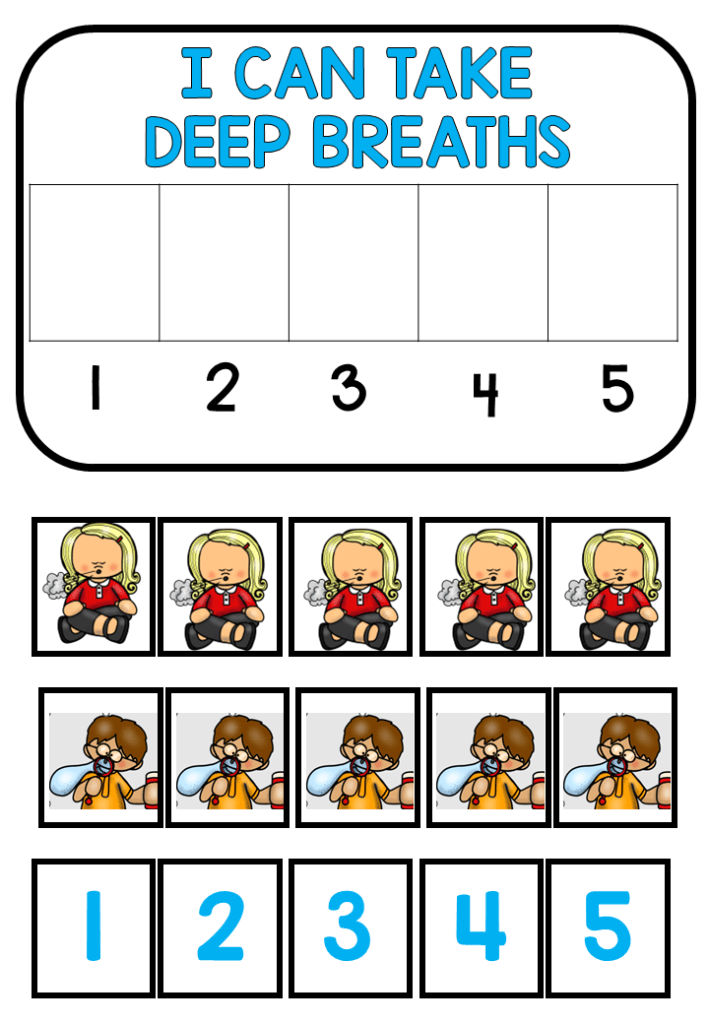
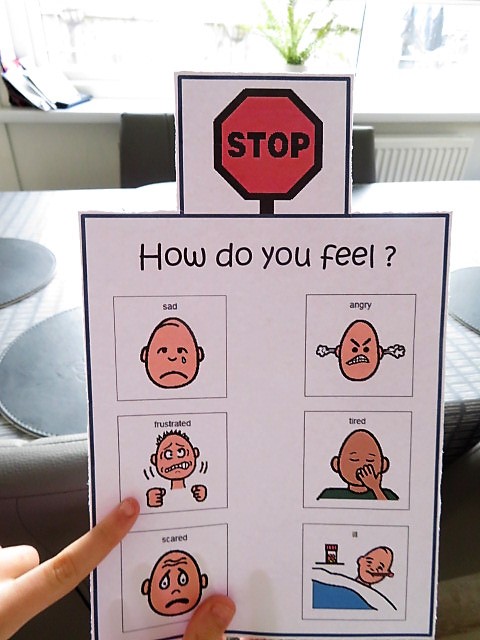
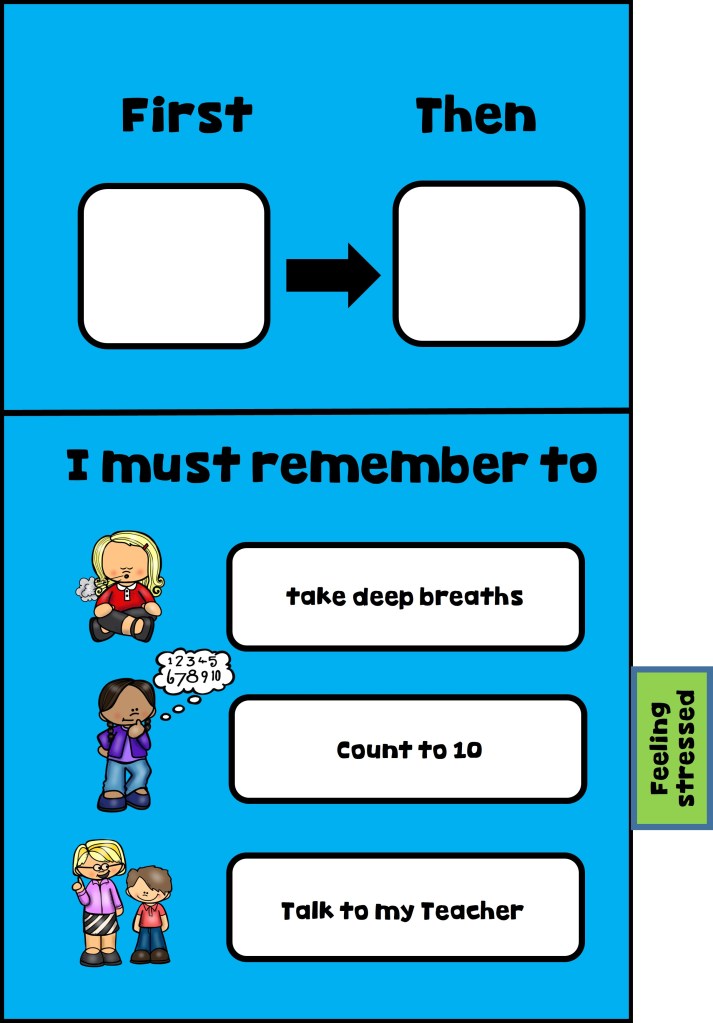
Once anger, fear or panic is displayed I redirect my student to a quiet area and give him opportunities to use these visuals to identify and understand how he is feeling and what he needs to help him feel better.

Number 4

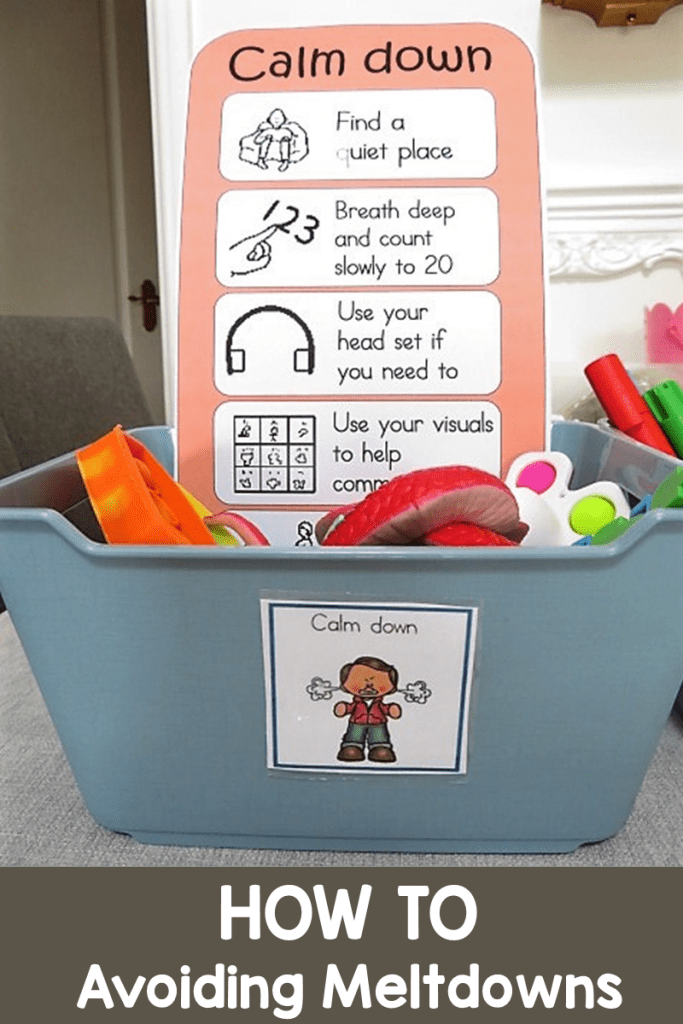
Reassuring students and offering opportunities to teach calming strategies should be taken often, even before situations arise.

Number 5

Learning these new skills using a visual support system will help your students to see what is expected and accept what’s needed to develop important functionable social skills and independence.

For more Tips and Ideas visit and follow my TPT Store

Improve the most Challenging Behavior

Being proactive is the key to avoiding a meltdown in your classroom, but you’ll need to know your students motivators, behaviors and triggers first!

Improving the most challenging behavior can be a challenge on its own ! Finding a strategy that suits individual needs can have you pulling your hair out.

Before I begin to implement any strategy I give each student a motivator assessment, keeping a note of the highest reinforcers to help them replace particular behaviors for positive ones.

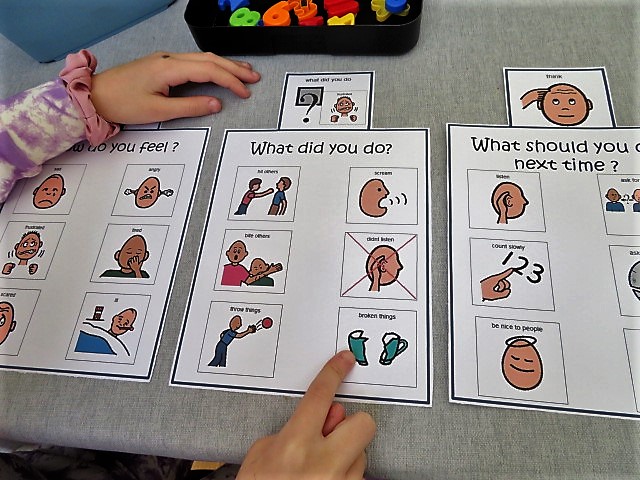
When a behavior does arise, I remind the student of what went wrong with visuals which allows them a choice of what would have been a better approach in that situation. Using a “How did you feel? What did you do? What should you do next time? strategy, students are able to point and reflect what should have happened.

Once established, Positive Behavior must be managed with a consistent approach to maintain these new learnt skills.

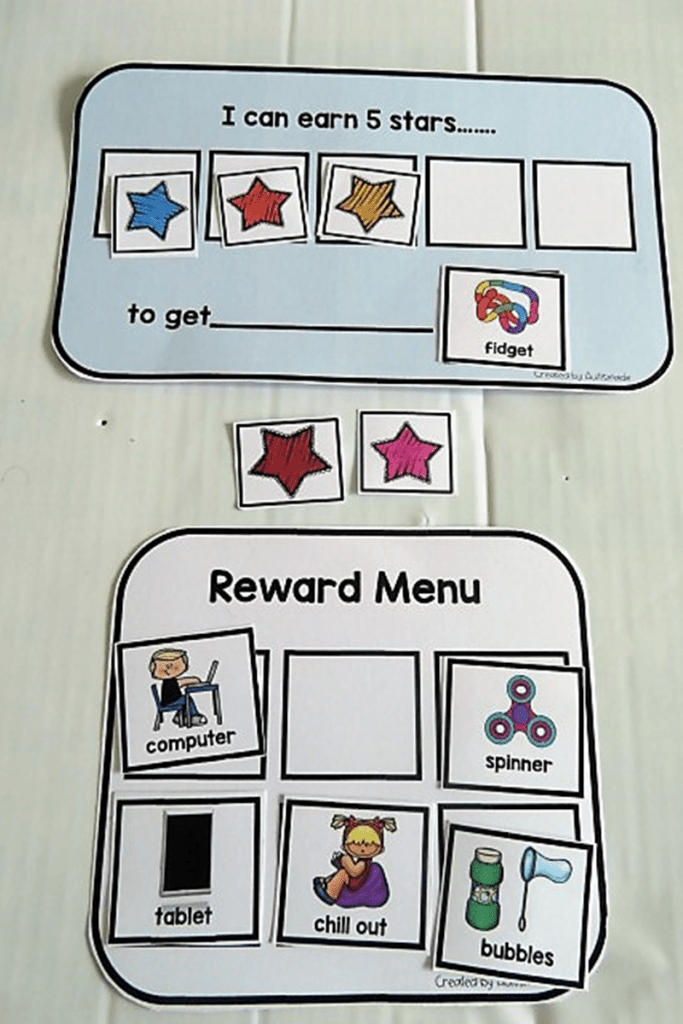
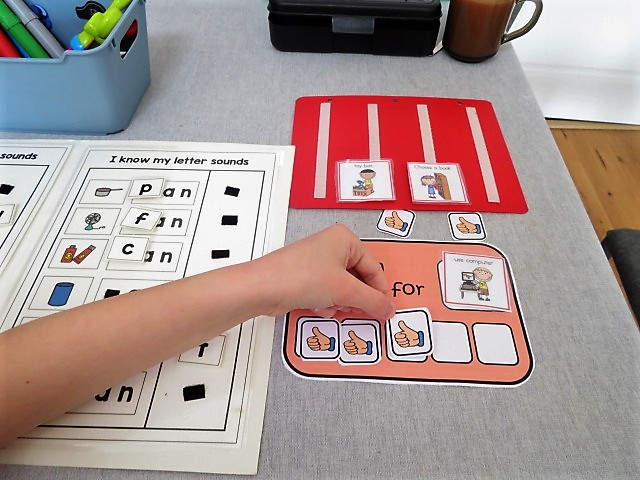
A Simple token board in my opinion is the life saver in my classroom. I always accompany this strategy with a reward choice board, where I give my student a choice from his rewards….. (the ones he’d chosen in the motivator assessment) at the beginning of an activity. The number of tokens I use with these boards are 3, 5, 10, to use with different abilities and are given during tasks, then exchanged for the motivator.

I use Token System during all teaching and learning throughout the day!

For more information on behavior tools you can visit my TPT Store where you will find many more strategies, tips and tools!

My Daily Planner Binder – Back to School for Kids with Autism

On the first day back to school I always introduce my Interactive Planner Binder to keep my young learners focused and motivated! Its full of visual strategies to help them plan their day, choose they’re reinforcer and stay in the area where they need to work.

I laminated the ones i made but you could easily place them in a pocket folder and use a dry wipe marker.

I’ve incorporated pages for my new students to jot down their name, grade and class, followed by their teachers name, their friends name, things they like and things they don’t.

There are pages with the days of the week for them to practice and tick off what day it is and same for seasons.

Having a schedule is so important so I’ve added spaces where i can write the order of the day and they can tick off as they go though it, handy to keep them on track!

Working for cards and reward choice keep them motivated!

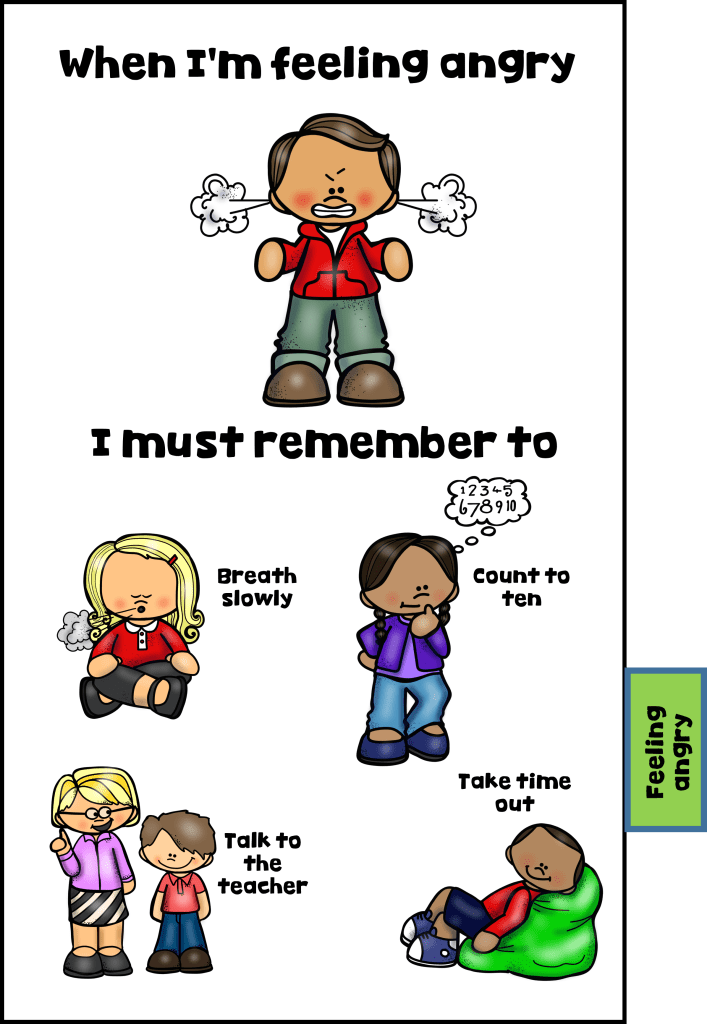
Reminders of what to do when they feel angry, “first and then” when they get frustrated and what “I need” visuals for them to choose from.

Self-Regulation strategies for Managing Behavior

Being able to regulate behavior is an essential critical skill to learn, so I’ve designed booklets for my students with Autism, Special Ed and the Preschool students in my school. This visual tool is intended to help them identify how they feel and what they would need to be ready for work! They turned out to be a great asset in my classroom calm down area.

Each of my kiddos are constantly using the visuals to remind themselves on how to get in the “ready” for work area. They can choose the supports they need and attach them on the page if they find themselves wandering out!
There are some books with three area tabs and some with four areas identified and each have visual supports for students to check how they feel, what area they are in and what they would need to do to get back area ready to work.

I’ve also added a “Tool Book” to this collection, which my kiddos equally love using!