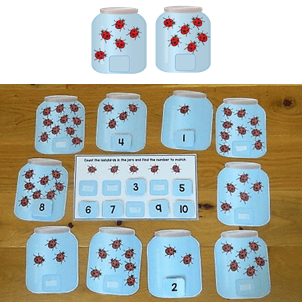
I love making Counting interesting and fun for little learners! So I’ve Created these counting jars with this in mind. Children learning to count and recognise numbers will be able to to use the number board to answer how many ladybirds they have in jars to 10, pre writing skills with the detachable numbers!
These counting jars will teach counting concepts as well as number correspondence to your young learners.
Ten jars with the numbers 1-10 displayed on a board for little fingers to remove and attach to the jar with the matching amount of ladybirds.
This counting activity can be used with a whole group, for independent practice, centres/stations, morning work tubs, early finishers, and 1 to 1.
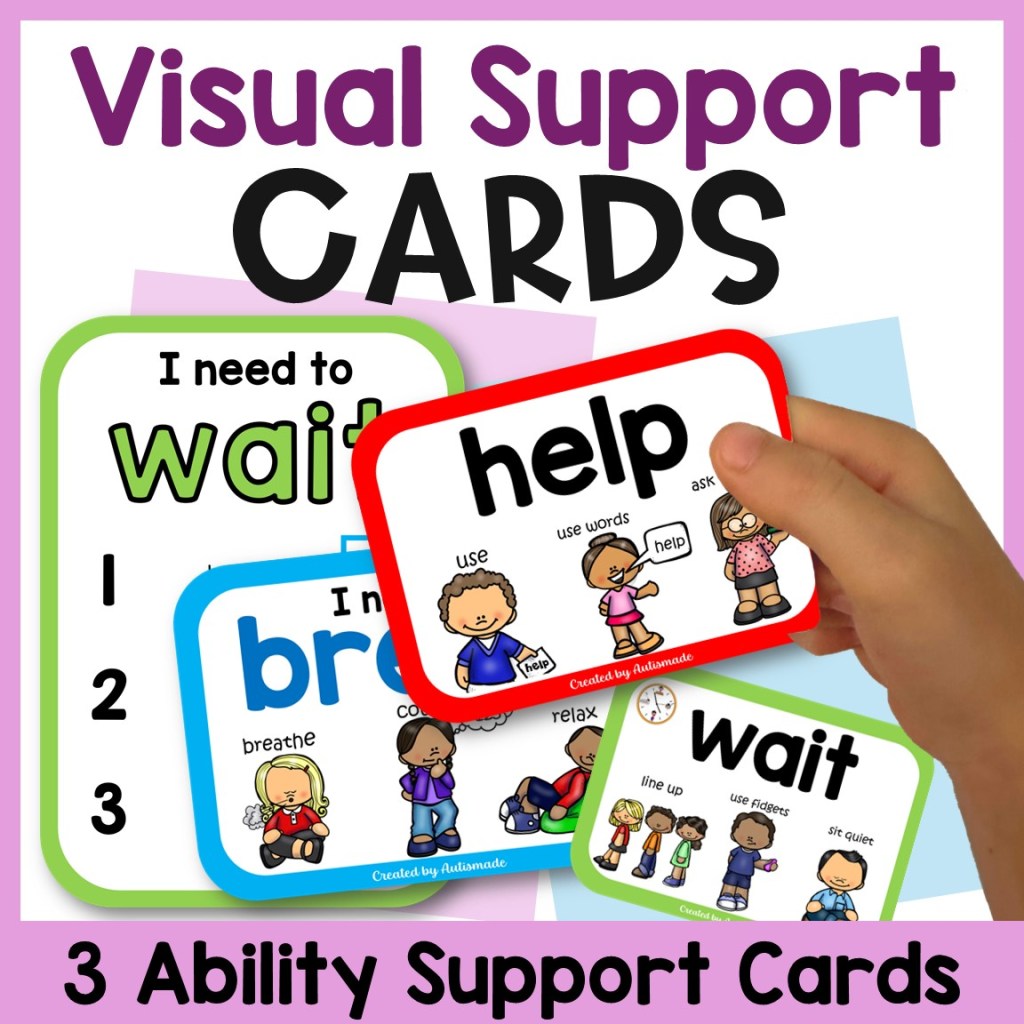
Learning new skills is so important for our students! Requesting “Help” “Break” “stop” or “wait” is a huge skill on its own.
This week I want to talk about how we made it a little easier and more fun to teach
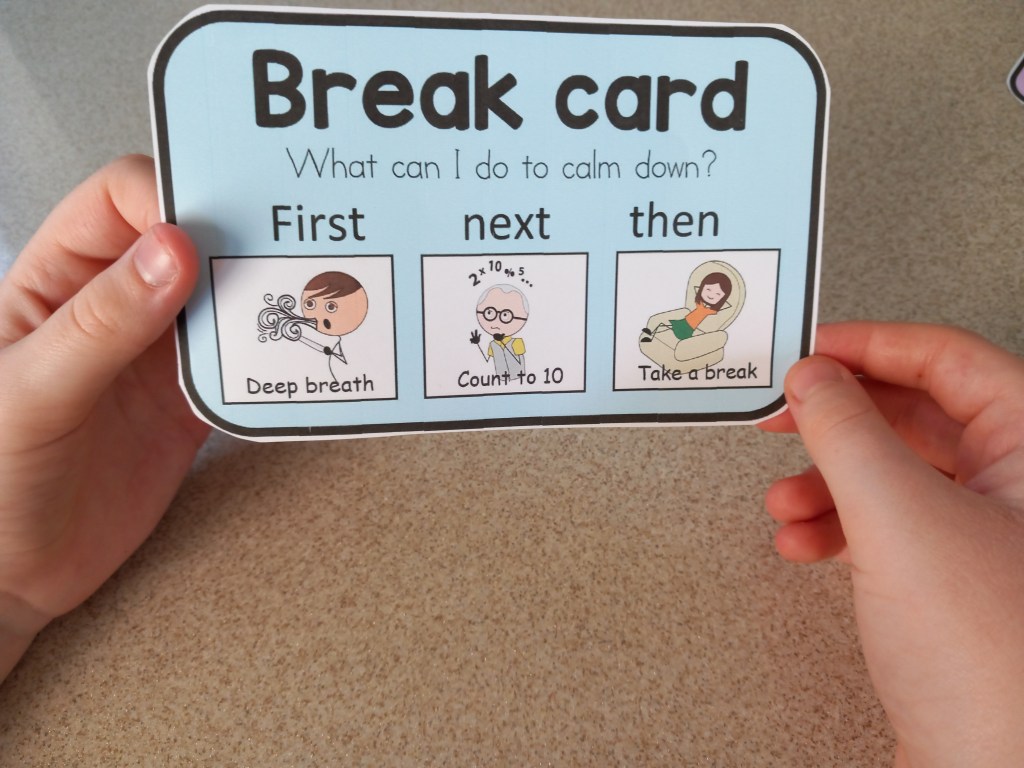
1. Help your student to realise when they need to use the break/help card, before they get too frustrated or loose concentration. At the start of any activity, show the student the break card and place the card where they can easily reach it.
2 Point to the break/help card and tell them, “This is your break/help card. You can use it to ask for a break.” When your student starts to get frustrated or loose interest, You say “If you are getting upset, use your break card to tell me you need a break/help.”
3. Immediately allow the student to take a break/help from his tasks, or allow the student to move away to the “break area.” I found that self regulating visuals on the bottom of the card is a fantastic way of calming your student while on a break.
4. Requesting is an important part of teaching the student to trust and use the visual support, once they are consistently asking for breaks, you may begin to extend the time between the request and the actual break.
These Support Cards I made a little bit bigger than the size of an index card and I placed a couple of useful visuals on them to use with my students in my Special Ed Classroom.
Using these cards in my class has been a life saver, students have learnt new skills such as requesting “a break”, “help” how to “wait” and the “first and then” strategies. These easy to use visual resources are portable and adaptable to individual needs!
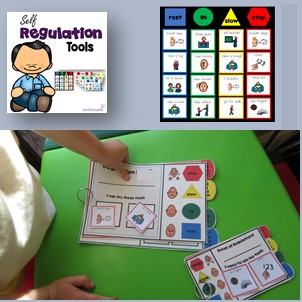
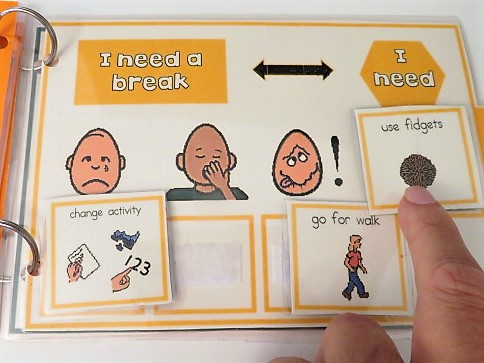
These booklets have been designed for students with Autism, Special Ed and preschool kids to help them identify how they feel and what they would need to be ready for work!
This self regulation booklet provides visual tools that are individually accessible for my young students to use throughout the day.
Each of my kiddos have popped their name on a booklet that I’ve tailored to individual needs, and use the visual detachable symbols to remind themselves of the positive behaviour needed. These supports and tools are a fantastic resource if they find themselves struggling in the classroom!
I’ve recently added a new bonus book for you to try out!
These Self Regulation booklets are used with visuals supports for non-verbal students, supporting them with theirneeds/wants and to help keep them on the right emotional track.
Behavior Management can become challenging on a daily basis, especially when you have a class full of busy little learners.
So here I’ve listed a couple of strategies and decided to share the most popular visual tools that my students use everyday.
1. Self Regulation Tools – This resource is for my students to use with self regulation. Using “how they feel” and “what is needed” visuals, they are encouraged to express their feelings and learn what they might need to help them get ready to learn.
2. Visual Key ring support– Learning new skills is so important for my little ones, Requesting “Help” “Break” “stop” or “wait” is a huge skill to learn. This support offers opportunities for them to learn these skills and regulate how they feel.
3. Visual support cards – I use these to teach new skills such as requesting “break please”, “help” and “wait” self -management strategies and added some visuals to help regulate behavior.
4. Visual support folder – Is a place for my students to keep all their daily and most used visuals and supports all in one folder, ideal for carrying with them throughout the day. It incorporates the token economy reward system, daily schedule and other handy visuals.
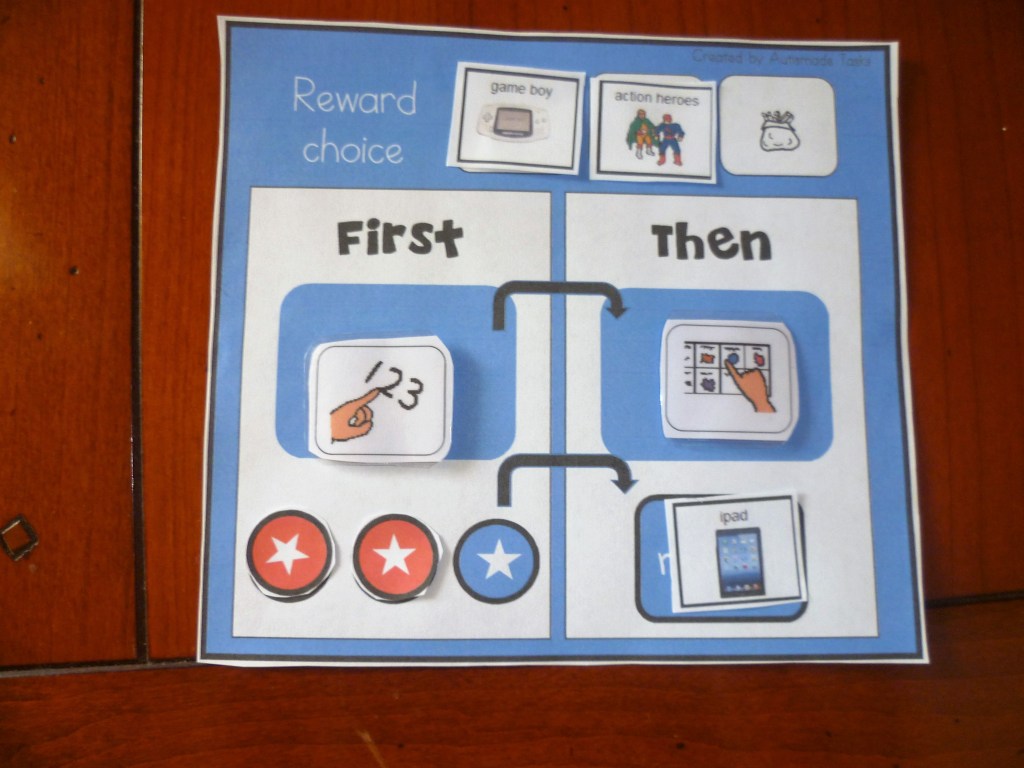
5. First and Then combined board – I combined a board with “First and Then” and Token Rewards. This helps with a more focused lessons and one to one work. By using this strategy my students know what they must complete before having the motivator they’ve chosen. It also provides me with the control over the distribution speed of tokens and become a successful part of my behaviour support plans.