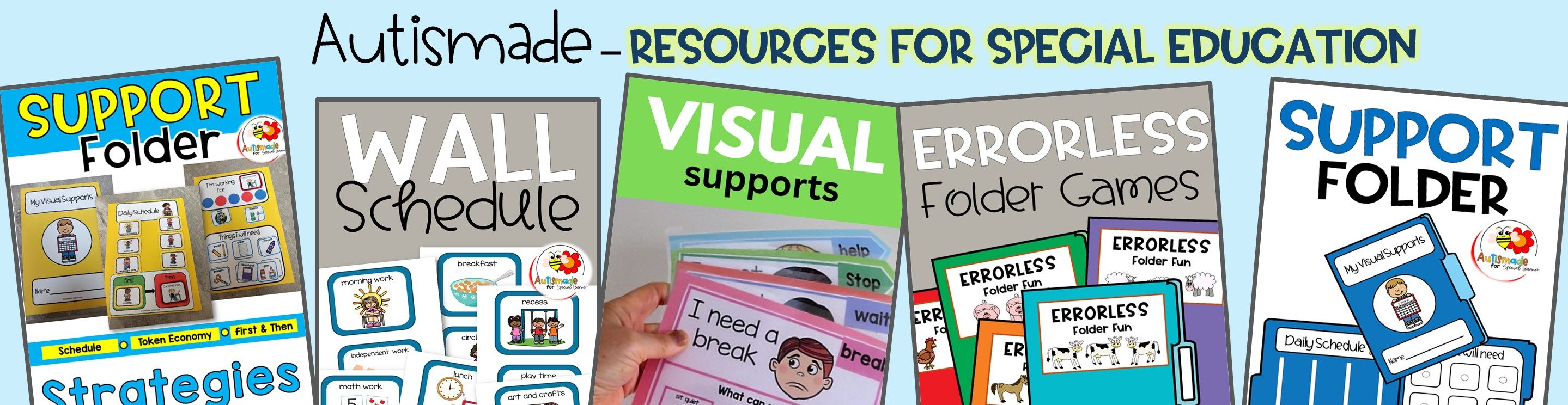
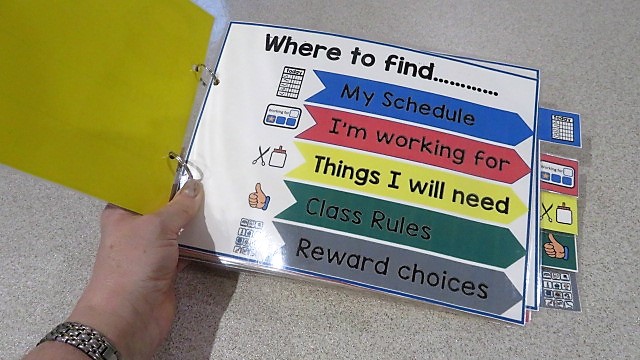
On the first day back to school I always introduce my Interactive Planner Binder to keep my young learners focused and motivated! Its full of visual strategies to help them plan their day, choose they’re reinforcer and stay in the area where they need to work.
I laminated the ones i made but you could easily place them in a pocket folder and use a dry wipe marker.
I’ve incorporated pages for my new students to jot down their name, grade and class, followed by their teachers name, their friends name, things they like and things they don’t.
There are pages with the days of the week for them to practice and tick off what day it is and same for seasons.
Having a schedule is so important so I’ve added spaces where i can write the order of the day and they can tick off as they go though it, handy to keep them on track!
Working for cards and reward choice keep them motivated!
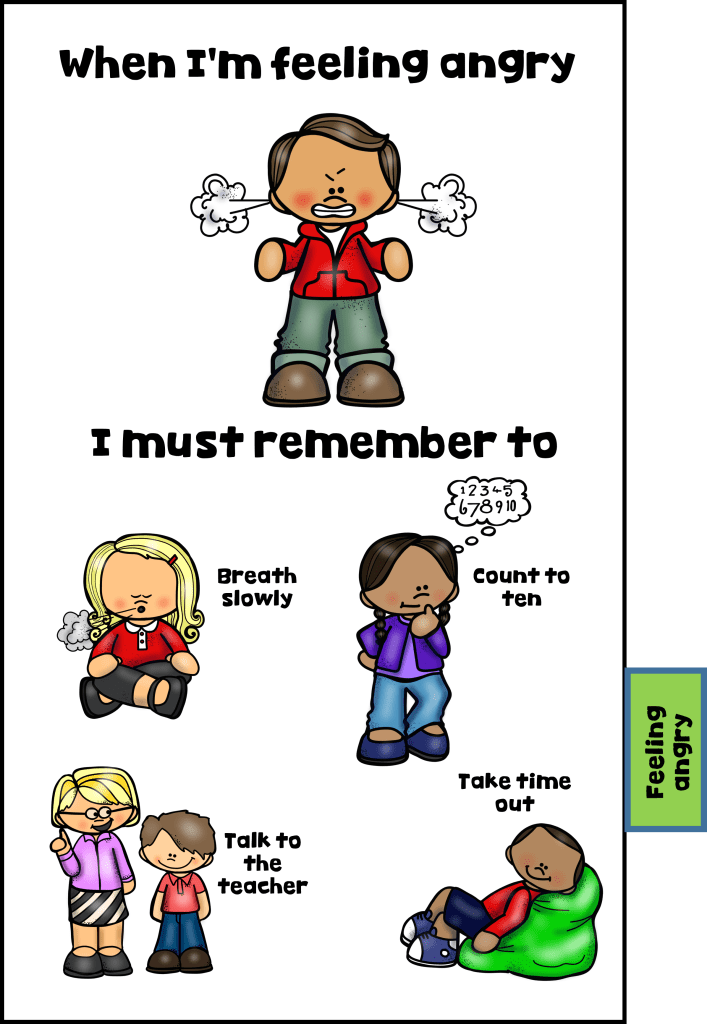
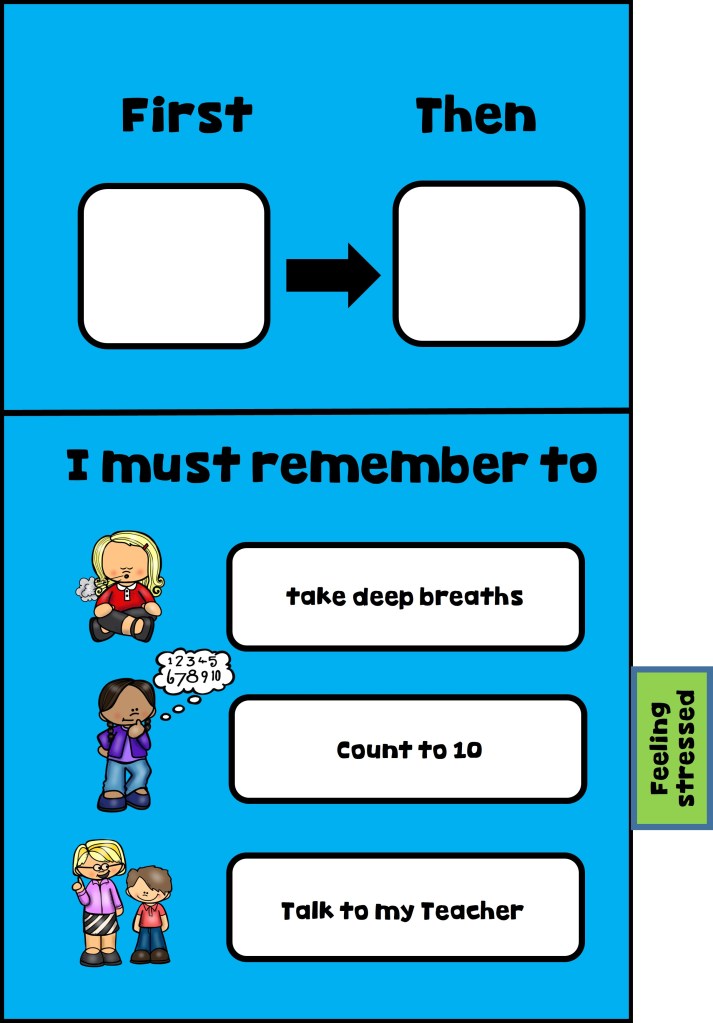
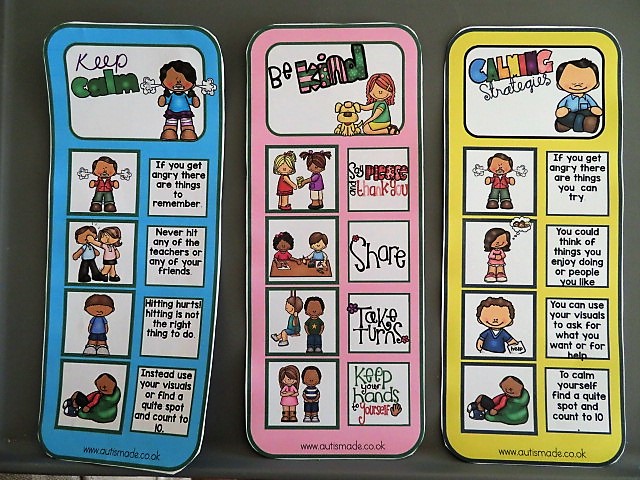
Reminders of what to do when they feel angry, “first and then” when they get frustrated and what “I need” visuals for them to choose from.
Being able to regulate behavior is an essential critical skill to learn, so I’ve designed booklets for my students with Autism, Special Ed and the Preschool students in my school. This visual tool is intended to help them identify how they feel and what they would need to be ready for work! They turned out to be a great asset in my classroom calm down area.
Each of my kiddos are constantly using the visuals to remind themselves on how to get in the “ready” for work area. They can choose the supports they need and attach them on the page if they find themselves wandering out!
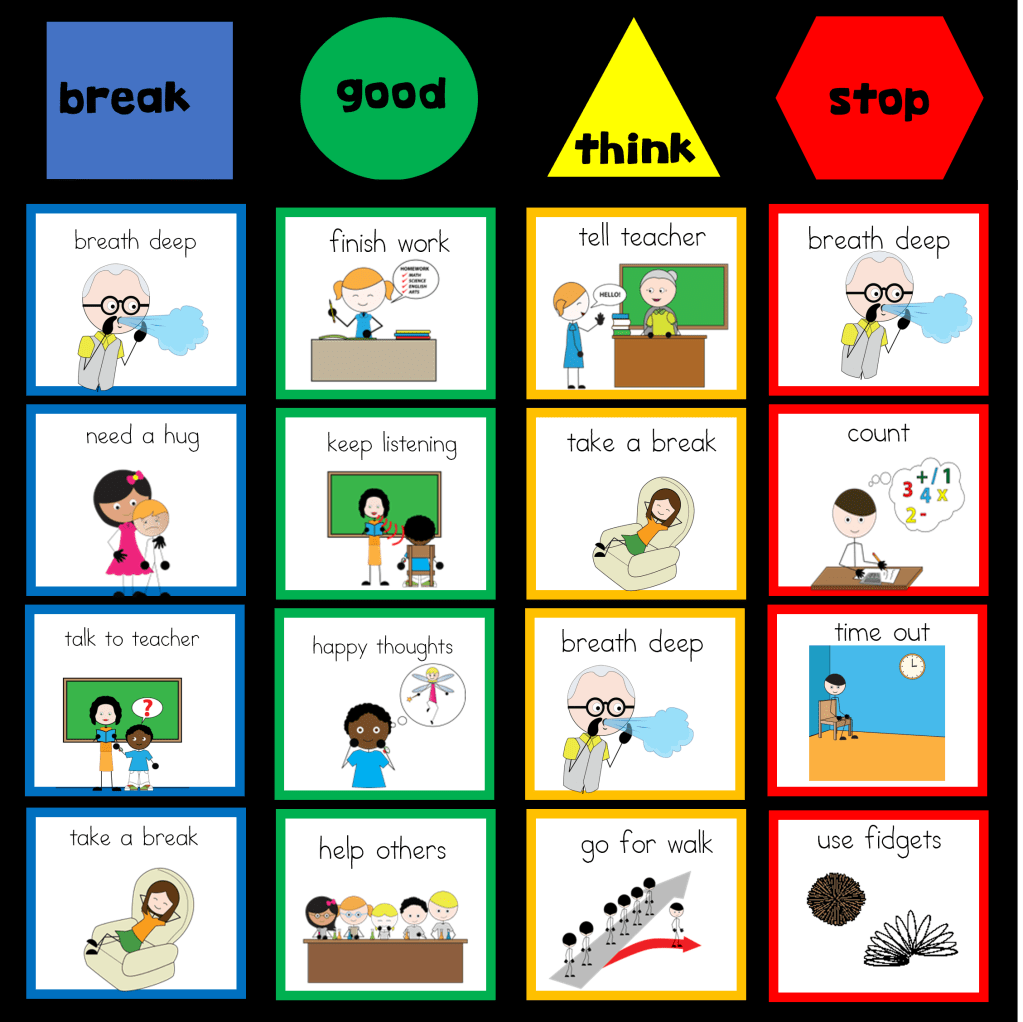
There are some books with three area tabs and some with four areas identified and each have visual supports for students to check how they feel, what area they are in and what they would need to do to get back area ready to work.
I’ve also added a “Tool Book” to this collection, which my kiddos equally love using!
How I use Fidget Toys as reinforcers in my Classroom
Sensory
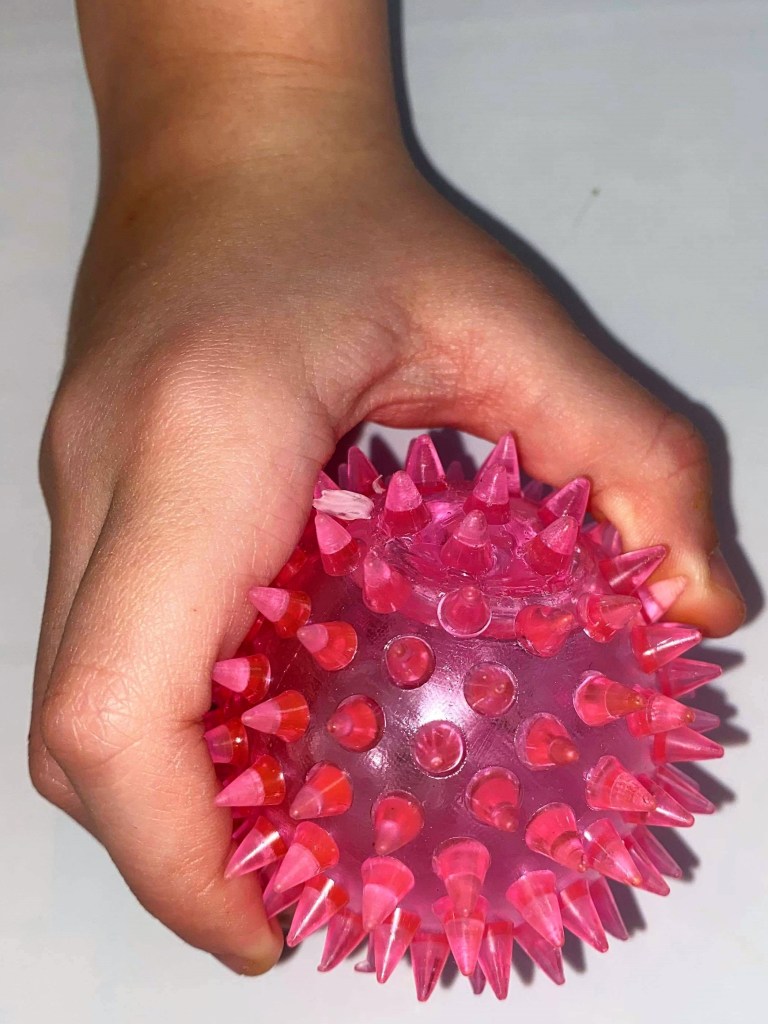
Help your students focus and keep calm while keeping little hands busy. When collecting fidget toys make sure they’re robust enough to withstand the strains they’ll be under. I buy toys that are strong enough for my students to bite, squeeze or stretch safely but still benefit their sensory needs.
Learning to Wait
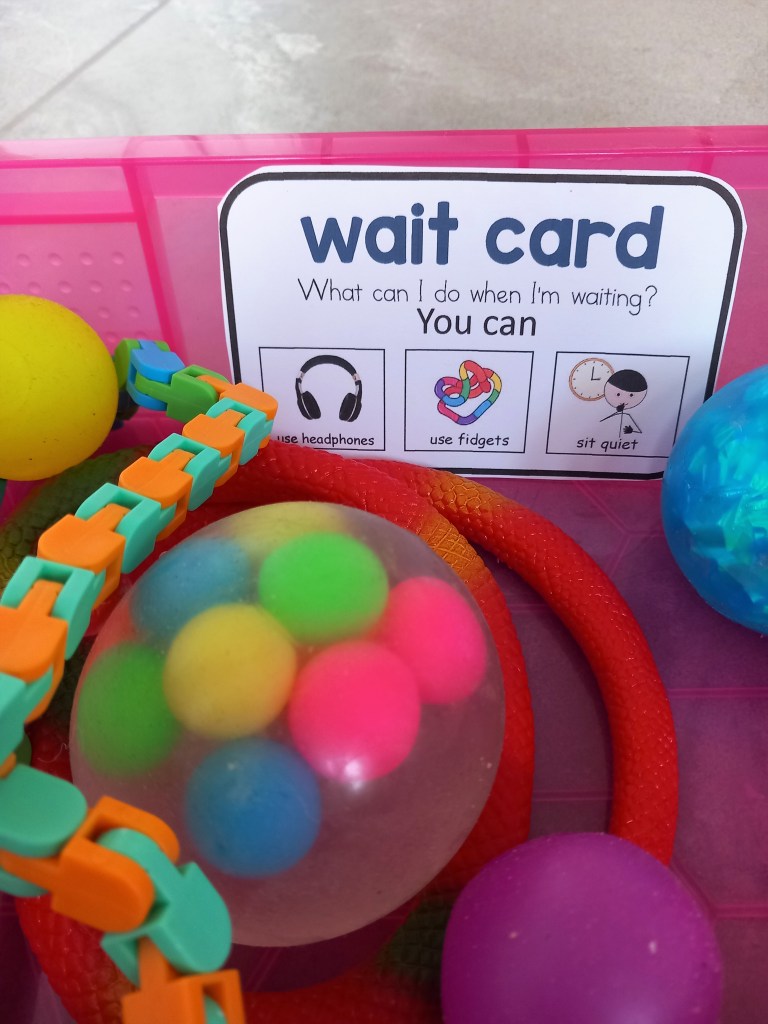
When student are learning to wait and have been given a “wait” card, having something to occupy fidgety hands will sometimes help. Using a “wait” box that is filled with fidget toys, can be offered during this time to allowing students to occupy themselves, and to gradually increase the “wait” time.
As a motivator
Teachers need to be clear on how to deliver a motivator for effective learning. When, where and how many reinforcers will determine how long the learning lasts and how rapidly they learn.
When I’m teaching something new the more frequently I reinforce. When presenting a new task or skill I arrange things so that every successful effort results in a powerful reinforcer.
I find the “Reward Board” works best! and I deliver it in a variety of ways, which I tailor with students individual interests.
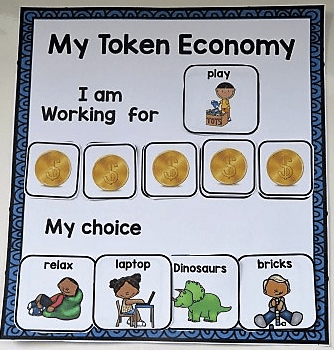
Token boards – A token is used like an IOU and once collected can be exchanged for the actual reinforcer. Students can start off collecting 1 token before gaining their reinforcer and build up to 10 tokens once the concept is mastered and they’re ready to learn longer.
Reinforcer icons are placed along the bottom of the card, students choose one before the task begins and tokens are distributed throughout the task!
First and Then strategies and Reward Board choices are also a great tool. I sometimes use it along side this reward system!
Visual supports can help reduce frustration by giving non verbal students a way to Communicate. Having a variety of activities that are available in class and being able to ask for what is wanted can help reduce behavior throughout the day.
This is why I always keep a selection of visual choices handy in my calm down area, ready for when problems arise! Struggling students are able to find the visual displayed on a board that will help them reduce these emotions to carry on learning.
I display only the visuals that are available to the students on given days and a wider choice throughout the week.
Are you overwhelmed by the amount of Behavior supports there are available out there! Are you looking for that particular one you need to help you manage behaviors and maintain structure in your classroom! These powerful strategies below might just help you create the classroom you want. Have a look at the different types of classroom management tools I use to achieve the Special Ed class I have.
# 1 Critical Communication Cards
Critical Communication Cards – To teach new skills such as requesting “break please”, “help” and “wait” self -management strategies.
QUICK TIP – I hang these cards close to my Calm Down Corner so my students have easy access.
Social Supports – To help my students understand how to behave or respond in a particular situation using a visual guide describing various social interactions, situations, behaviours, skills or concept.
QUICK TIP –I place them on the edge of tables to remind students on their choices.
#3 Visual Folder Supports
Visual folder supports – A place for my students to keep all their daily and most used visuals all in one place, ideal for quick support.
QUICK TIP – My students use these throughout the day and follow the schedule to stay on task. They choose a reward to use with the Token Economy system and have the visuals they might need ready to use.
#4 Self Regulation Tools
.Self regulation tools – I’ve made tools individually accessible for my students to use in a handy little booklet.
QUICK TIP –I bind then as a book and keep them on hand for self management, each one tailored to individual needs that help them to self-regulate.
#5 First and Then Strategies
First and Then –By using this strategy my students know what they must complete before having what they want, it also provides structure in their behaviour support plans.
QUICK TIP –If my students are finding it difficult to stay on track, I use the first and then strategy to remind them of what they are working for.
#6 Token Economy Rewards
Token Economy – A powerful method of strengthening new skills and behaviours, The tokens are a way of “paying” my students for completing tasks and then they can be used to trade for desired activities or items they choose.
QUICK TIP –I use this board when I start teaching the Token economy strategy, its a classroom resource that I can adapt with motivator choices for individual needs.
#7 Communication Binder
Communication Binder – My students can use their Daily Binders to aid Communication throughout the day and support them with any frustration or anxiety they may feel.
QUICK TIP –My student each have their own communication book which once laminated I place in a binder to keep the visuals safe
#8 Daily Visuals
Daily Visuals – A selection of visuals for Speech Therapy, Special Education and Autism to support communication in the classroom and at home. QUICK TIP –These have bigger visuals which are more suitable for students that are learning picture to item recognition. Students can point to what they want, need or feel.
#9 Token or Ticks Cards
Token or ticks – Point cards for some of my students to earn ticks for preferred behaviour.
QUICK TIP – I print a stack of these out to use when i need them, usually when I’m teaching a focused task. I ask before starting the task what they want to working for and tick off the boxes throughout to keep them motivated and earn the reward they’ve chosen..
#10 Daily Planner
Daily Planner – This Support folder is a place for my student to keep track of the days of the week, check their schedule, ask for task items they may need and support behavior before it arises.
QUICK TIP –A class daily organiser for my higher ability students. It helps them manage their day, hold motivator visuals, and reminds them of the rules in class.