How to Use Social Narratives for Behavior Management

Social narratives are always available in my calm down area! I keep them on the book shelf ready to remind my young learners how to respond in difficult social situations. This type of visual guide describes social interactions helps with understanding social skills and cues that they might of missed. 

Social supports help my young learners understand how to behave or respond in particular situations by using visuals to describe various social interactions, situations, behaviours, and skills.

The main goal of a Social narrative is to share social information that describes how to behave in them instances.

Reading these stories, one to one and as a whole class lesson has enabled me to reinforce these important social skills. I’ve displayed a poster on classroom rules as a quick reminder and added supporting activities to generalise learning.

“Class Rules and “Inside voice,” are the ones I often read within a class lesson, usually when a reminder is needed on how behavior affects the class and disrupts others.
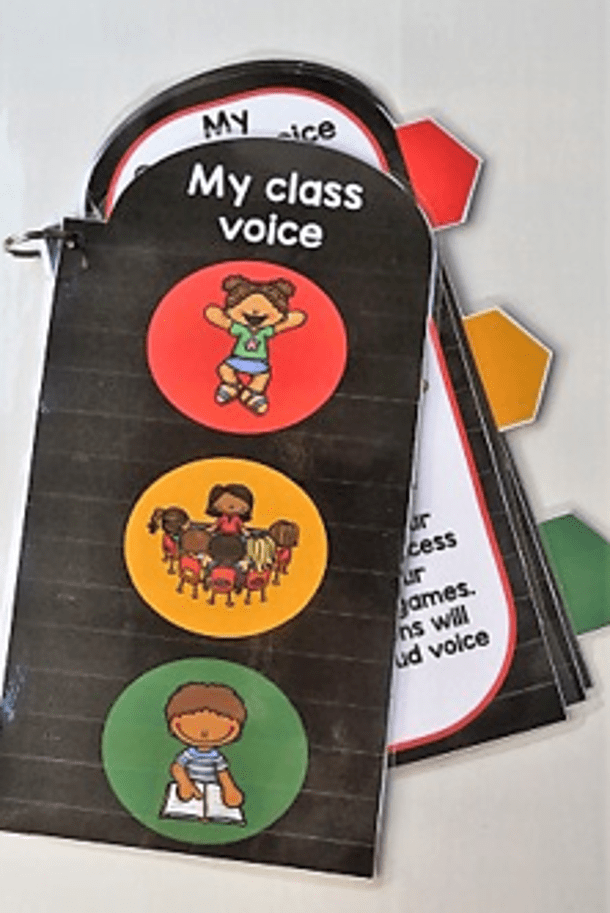
I use a quick reminder booklet to reinforce outside, inside and class voices!

“Be Kind” or “Listen to your Teacher” Might be needed for individuals or to target a more tricky behavior that is reoccurring.

I use Social Strips to support the skills outlined in the stories

My Daily Planner Binder – Back to School for Kids with Autism

On the first day back to school I always introduce my Interactive Planner Binder to keep my young learners focused and motivated! Its full of visual strategies to help them plan their day, choose they’re reinforcer and stay in the area where they need to work.

I laminated the ones i made but you could easily place them in a pocket folder and use a dry wipe marker.

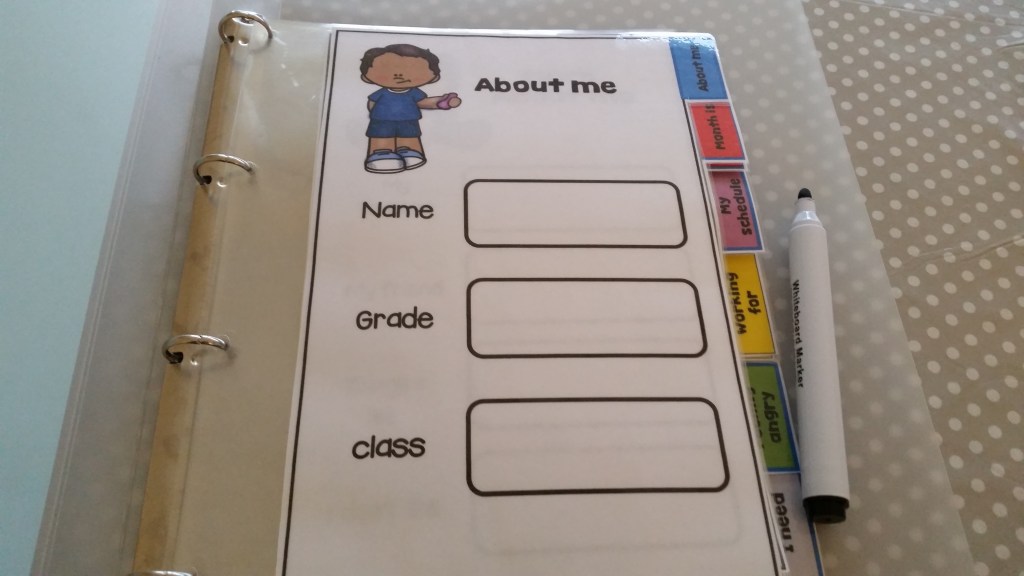
I’ve incorporated pages for my new students to jot down their name, grade and class, followed by their teachers name, their friends name, things they like and things they don’t.

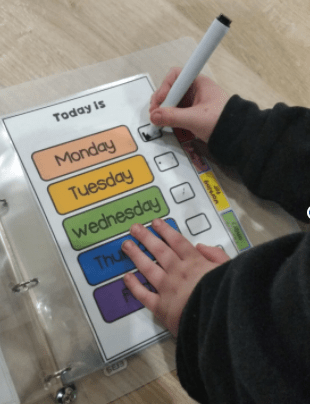
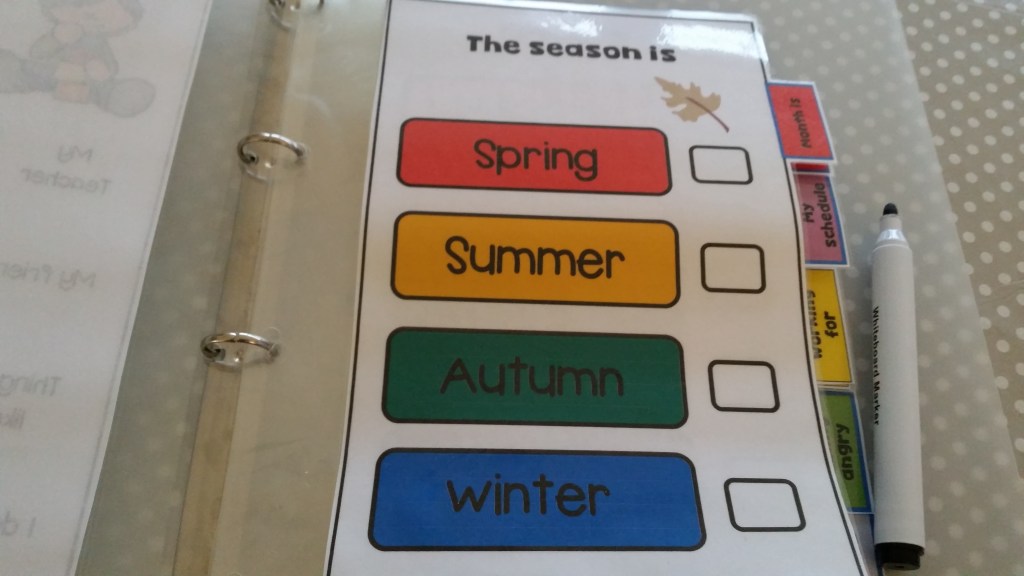
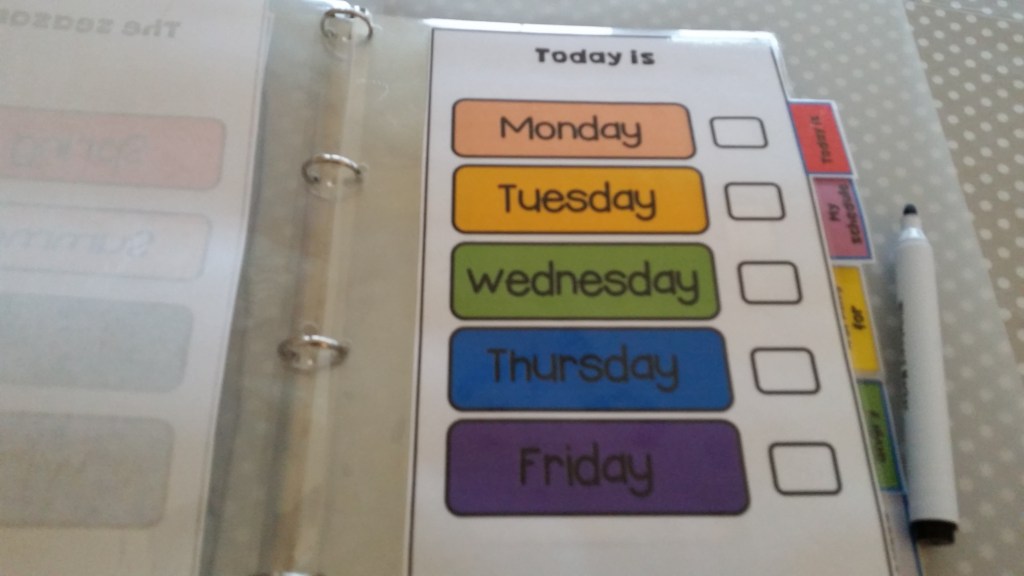
There are pages with the days of the week for them to practice and tick off what day it is and same for seasons.

Having a schedule is so important so I’ve added spaces where i can write the order of the day and they can tick off as they go though it, handy to keep them on track!

Working for cards and reward choice keep them motivated!

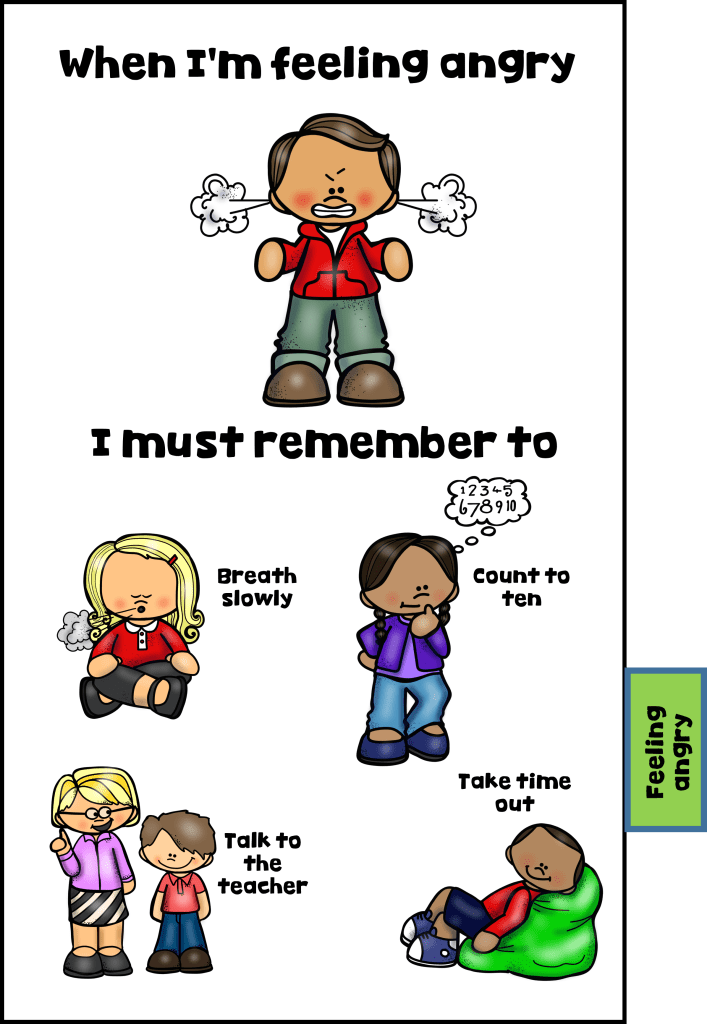
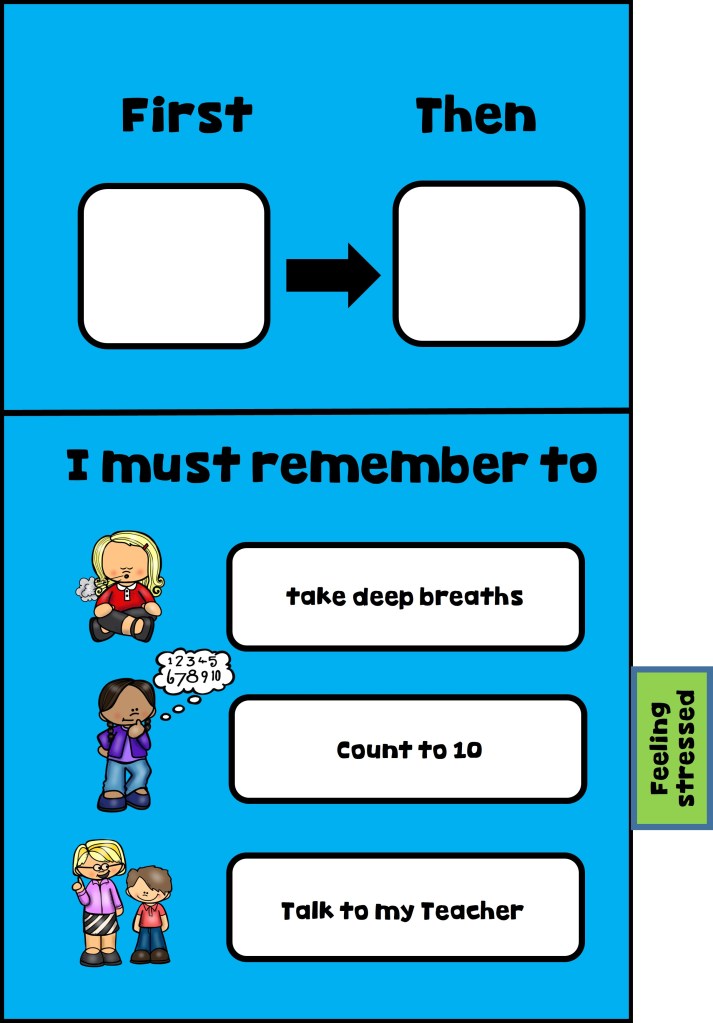
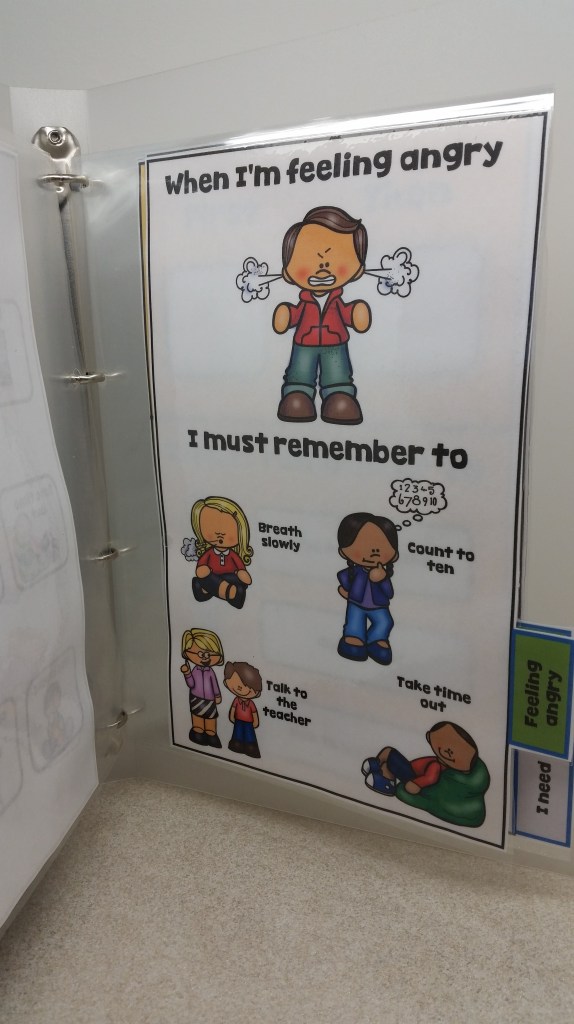
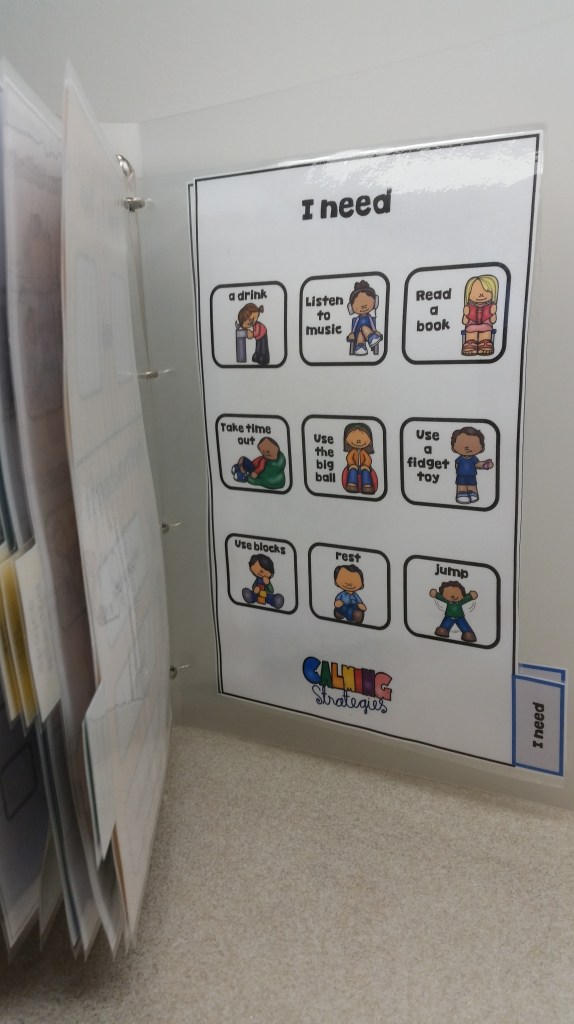
Reminders of what to do when they feel angry, “first and then” when they get frustrated and what “I need” visuals for them to choose from.

Back to School – All About me

A resource to help you get to know new students and for them to practice
sharing information about themselves.

These simple All about me passport pages are perfect for kids in pre-k, kindergarten and Special Education, I use these with my new students yearly and are a great way to start my morning lesson, especially now that I’ve popped them in a binder to use over and over again!

This interactive resource allows my kids with limited reading and writing skills use the visuals to share a few important things about themselves.  

I love getting to know my new kids and this activity binder make it quick and easy to find out their likes and dislikes and assess the visual learners basic skills!

I’ve adapt this activity for kids into 2 different levels of learning, one with pictures and the other with just the word. Included in these pages are:-

Name space (students can practice their name )
My gender is
My hair colour is
My eye colour is
My favorite colour
My favorite pet
My favorite toy
My favorite food
My favorite drink
My favorite snack
I know my shapes
I know my colours
I know my numbers
This is me (where your student can draw himself)

All About me

It is part of my All about me bundle in my TPT store.

Keep Students Organised in SPED

Keeping an organised class has been much easier since I created My daily planner for my young learners.

On Page 1,2 – About me

Pages 3-4 include days of the week and seasons

pg. 5-6 schedules

pg. 7-8 working for

pg. 9 -10 When I’m feeling angry

Once laminated I gave out dry wipe markers for my students to jot down their name, grade and class, followed by teachers name, their friends name, things they like and things they don’t.

There are pages with the days of the week for my student to practice and tick off what day it is and same for seasons.

I’ve added pages for them to write out their daily schedule and tick off as they go though it.

Working for cards and reward choice were a exciting addition!

What to remember when you feel angry, “first and then” when frustrations grow and what I need visuals has made “My Daily Planner” a valuable resource for any pre school, Autism or Special Ed Classroom.