Reward Strategies in Special Education

Making Learning Fun: Using Token Reward Systems in Special Education for Preschoolers

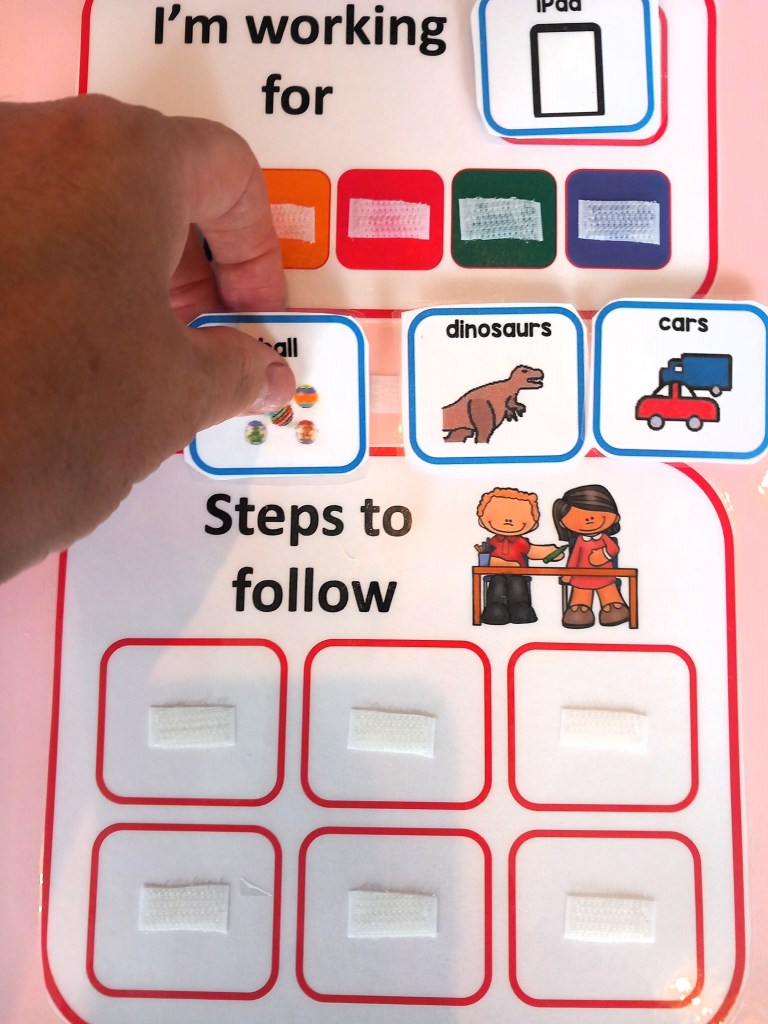
Helping young children stay engaged and motivated can feel like chasing bubblesโ€”joyful but fleeting! For preschoolers, especially those in special education, structure and predictability are key. Thatโ€™s where Token Reward Systems come in: they’re simple, effective, and incredibly adaptable.

Letโ€™s break it down into friendly, easy steps so you can bring smiles and success to your classroom or home environment.

What Is a Token Reward System?

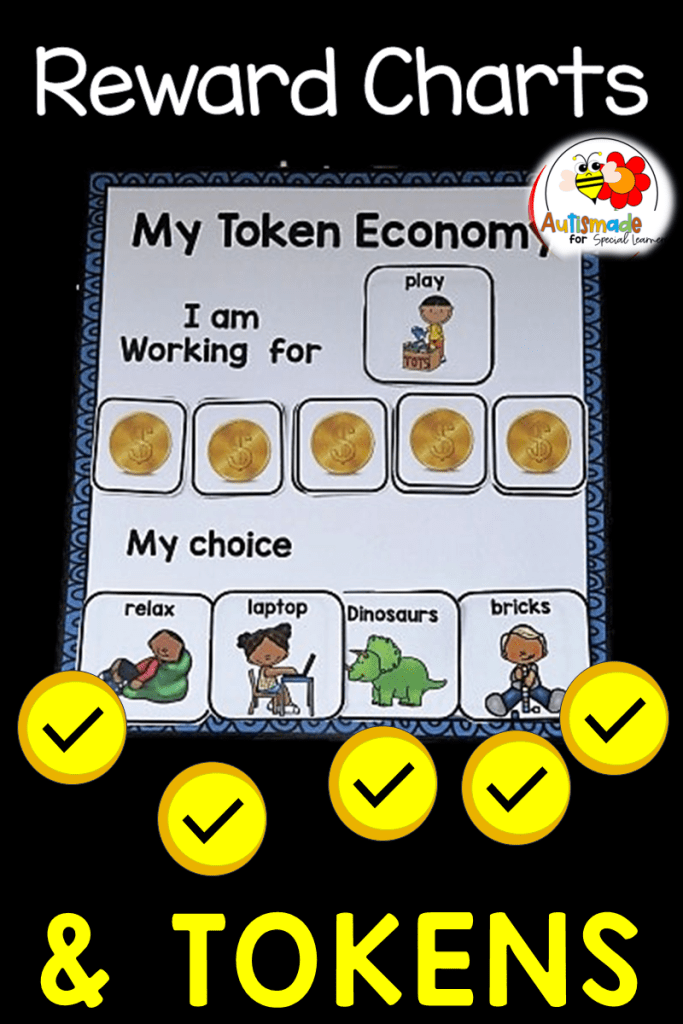
A token system uses small items (stickers, stars, check marks, coins, etc.) to reward positive behavior or task completion. Once a child earns enough tokens, they exchange them for a preferred item or activity.

Itโ€™s like earning stamps for good behavior and trading them in for extra playtime or a favorite book!


Why It Works for Preschoolers in Special Education

Preschoolers thrive on routine, visual cues, and positive reinforcement. Token systems work well because they:

  • Offer concrete visuals they can understand
  • Create consistent motivation
  • Encourage independence and decision-making
  • Reinforce specific behaviors or skills

Step-by-Step: How to Set It Up

Hereโ€™s a super simple plan:

  1. Choose a Target Behavior
    • Example: โ€œUse kind hands,โ€ โ€œStay seated during circle time,โ€ or โ€œAsk for help with words.โ€
  2. Pick Your Tokens
    • Use stickers, Velcro stars, plastic coinsโ€”anything tactile and fun.
    • Make sure theyโ€™re large and colorful for easy visibility.
  3. Create a Visual Chart
    • Use a laminated board or a sheet with empty boxes.
    • Label how many tokens are needed to earn the reward (e.g., โ€œ5 stars = 5 minutes on the swingโ€).
  4. Select Reinforcers
    • Offer choices: a toy, a song, playtime, cuddly reading time, or even a high-five parade!
    • Rotate them to keep it fresh.
  5. Start Using the System
    • Give tokens IMMEDIATELY after the behavior occurs.
    • Pair it with verbal praise: โ€œYou shared your crayonsโ€”great job! Here’s a star!โ€
  6. Celebrate the Success
    • When tokens are exchanged, make it a moment! Clap, cheer, and smile.

Visual Reinforcement Tips

Preschoolers are visual learnersโ€”so letโ€™s make it pop!

  • Use pictures of rewards (photos or symbols)
  • Create emotion faces to pair with behaviors (“happy face when we wait patiently”)
  • Display charts at eye level so kids can see their progress
  • Use gesture praise (thumbs up, high-fives, dance)

Every child is wonderfully unique. Some may respond to sticker stars; others might prefer putting Velcro apples on a felt tree. Adjust the system to fit each childโ€™s needs and celebrate the differencesโ€”itโ€™s part of the magic.


Token systems arenโ€™t just toolsโ€”theyโ€™re celebrations of growth, effort, and joy. With visuals, praise, and a bit of creativity, youโ€™ll turn everyday moments into milestones.

Welcome back-to-school season!

Itโ€™s such an exciting time, especially for our littlest learners who thrive with hands-on, visual, and sensory-rich activities. If youโ€™re working with children in a preschool/Kindergarten, special education setting, these transition table-top activities can be a gentle and engaging way to ease into routines while learning to transition between tasks. Hereโ€™s a list of 5 simple tabletop activities perfect for those early days back, with a focus on fine motor skills, early literacy, and numeracy:

1. Playdough letter & Number Mats

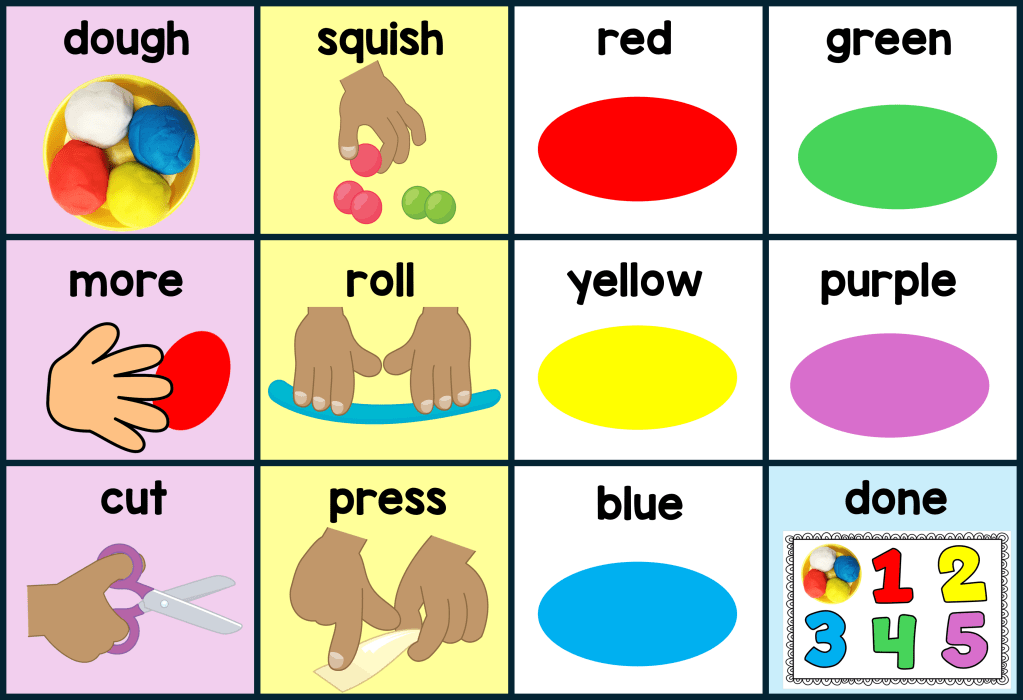
Squish, roll, press! Create custom laminated mats with each childโ€™s name and numbers 1โ€“5. Let them form the letters and numerals using playdough snakes, encouraging finger strength and shape recognition. Add cookie cutters or rollers for extra sensory fun.

2. Pom-Pom Drop with Tongs

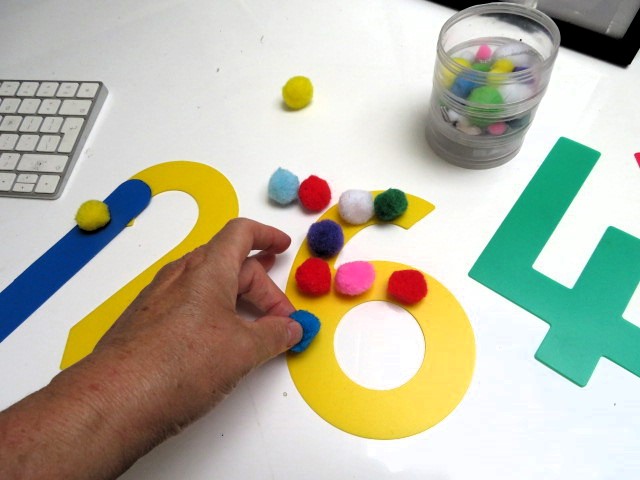
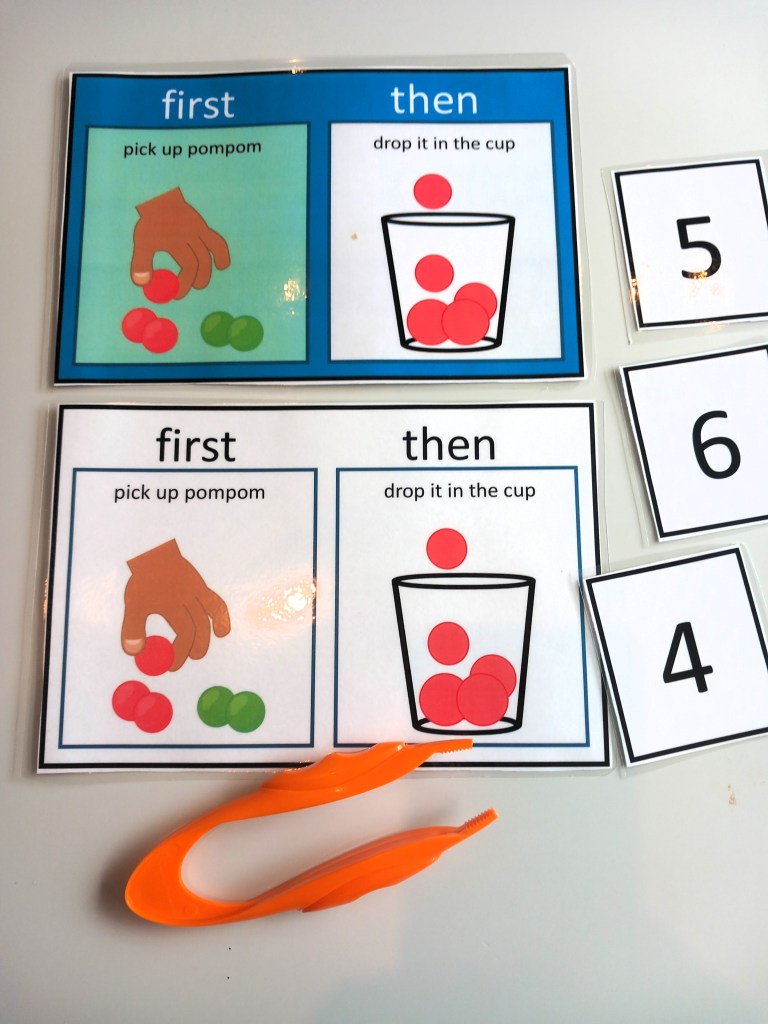
Set up cups labeled with numbers and a bin of colorful pom-poms. Children use tongs or adapted tweezers to transfer the pom-poms into the correct cupโ€”fantastic for counting practice and fine motor coordination. Try textured pom-poms for added tactile input.

3. Alphabet Soup Sensory Tray

Fill a shallow bin with dry pasta or rice and scatter plastic or foam letters inside. Provide spoons, scoops, or small ladles for learners to “scoop” letters out and match to visual cue cards or alphabet mats. Engages multiple senses while working on letter ID.

4. Stickers, Dots, Letters and Numbers

Offer large printouts of letters and numbers and invite children to place small circle stickers (like garage sale dots) along the lines. Itโ€™s calming, fun, and fantastic for developing finger dexterity and spatial awareness.

5. Build-a-Tower Counting Game

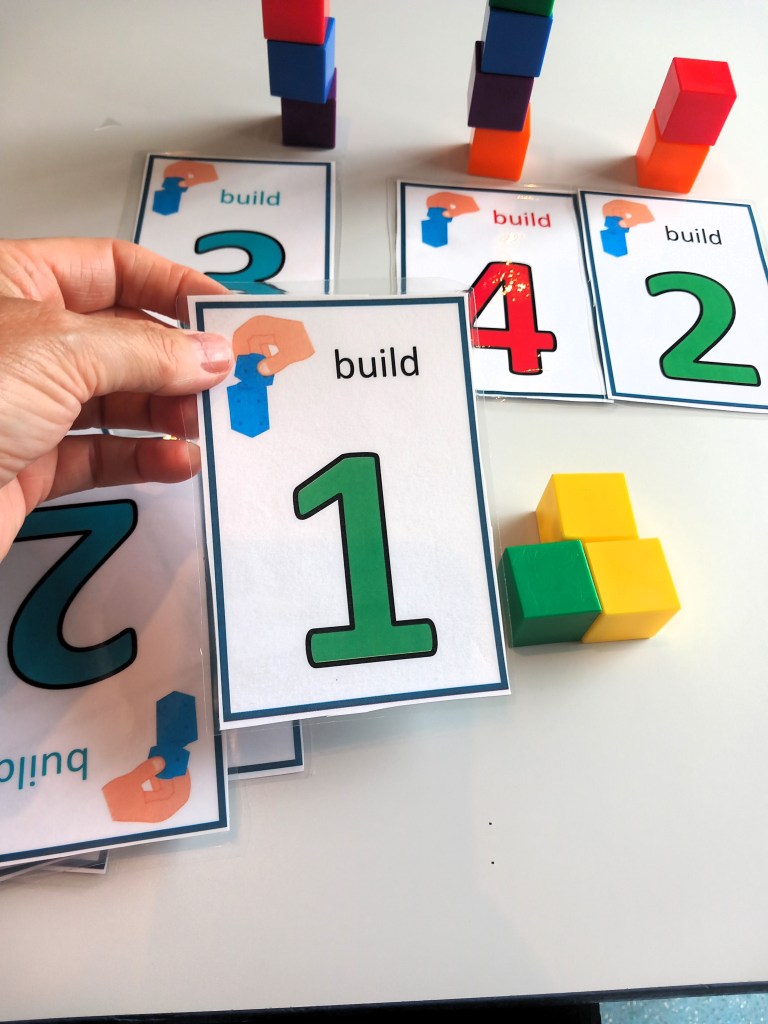
Provide numbered cards (1โ€“10) alongside a set of stacking blocks or Duplo bricks. Kids draw a card and build a tower with the matching number of blocks. Add visual supports for non-verbal communicationโ€”like number boards or thumbs-up visualsโ€”for celebrating each success.

Visual supports are a superpower in the special ed classroomโ€”especially for non-verbal learners! They make abstract concepts concrete, help with transitions and understanding, and boost independence.

These low-prep, hands-on activities are not only accessible for non-verbal kiddos, but theyโ€™re also filled with opportunities for choice-making, shared attention, and joyful participation.

For more back to school resources try my TPT Store

Helping Students with Autism Thrive:


Positive Behavior in the Elementary Classroom

As an elementary teacher, you’re more than just an educatorโ€”youโ€™re a guide, a mentor, and sometimes even a safe harbor for students navigating big emotions and complex social worlds. For students with autism spectrum disorder (ASD), the classroom can be both a place of opportunity and a source of sensory or social overwhelm.

The good news? With a few intentional strategies, you can make a huge difference. By fostering social growth and supporting positive behavior, you create an environment where students with autism feel seen, heard, and empowered.

1. Create Predictability with Visual Structure

Students with autism often feel most secure in environments that are structured and predictable. A consistent classroom routine reduces anxiety and helps them focus on learning.

Strategies You Can Use:

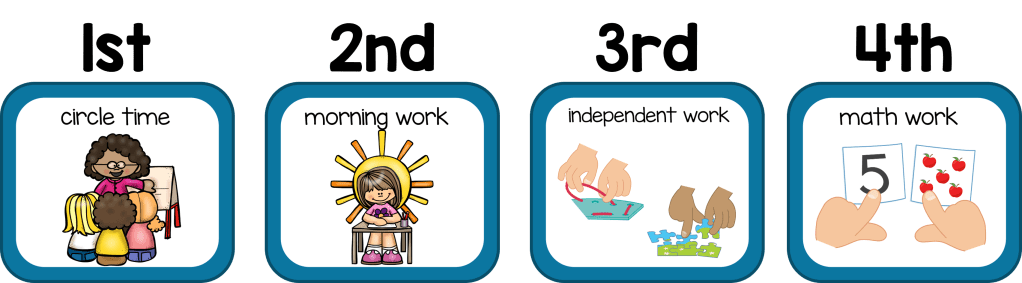
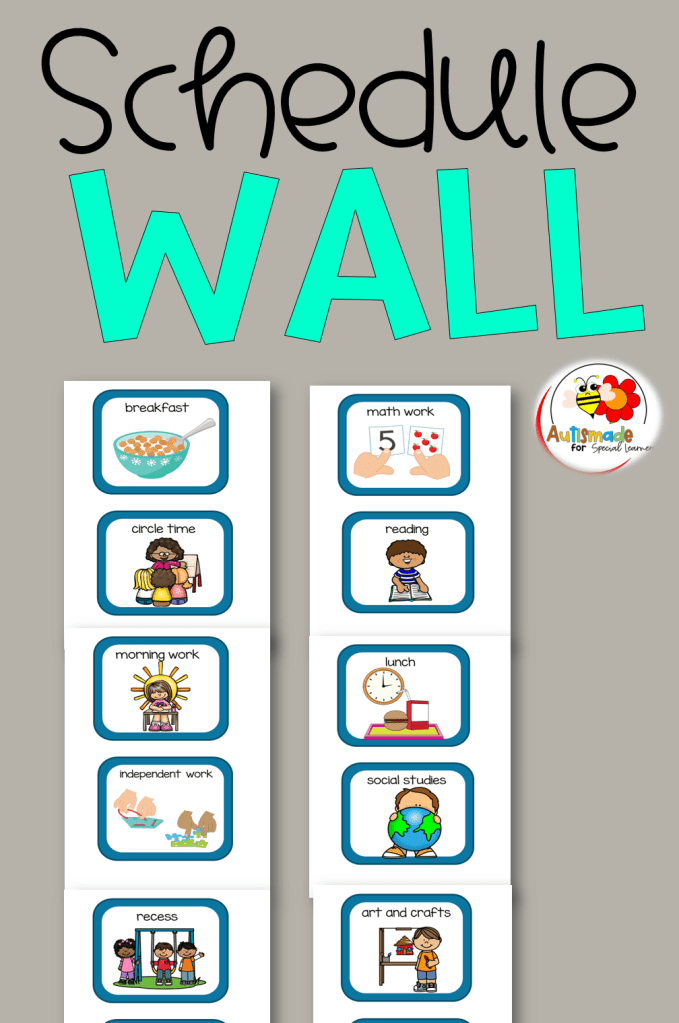
  • Daily visual schedules (use icons or pictures for younger students).
  • Timers for transitions between activities.
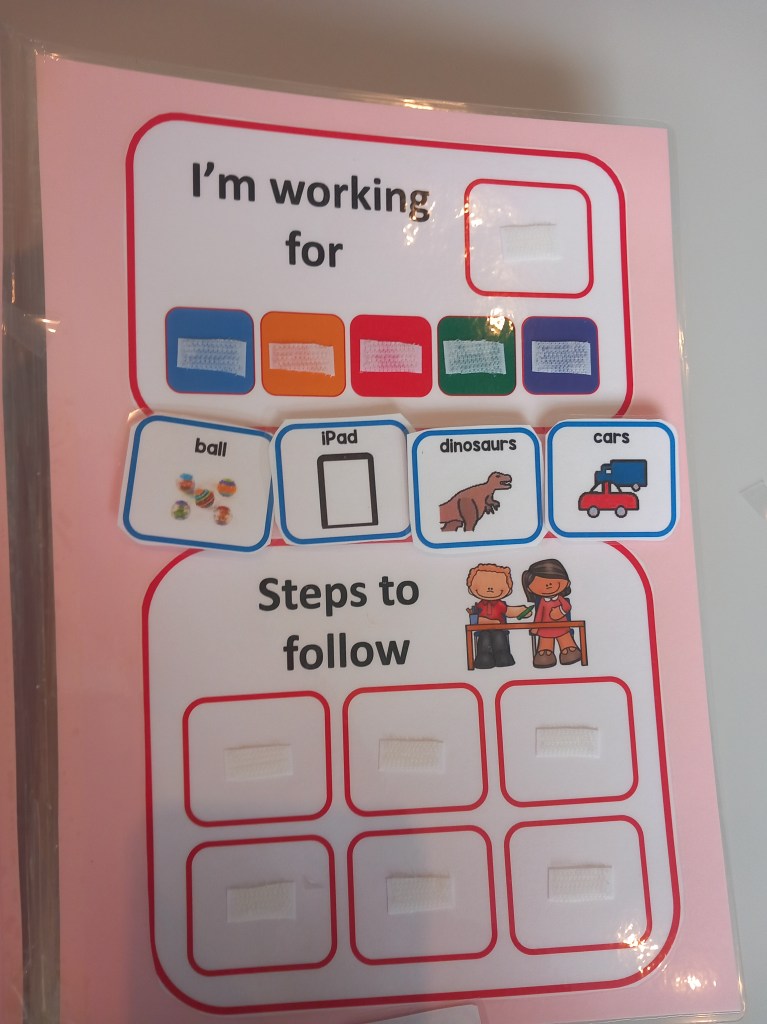
  • “First-Then” boards (e.g., โ€œFirst finish math, then iPad timeโ€) to help with task motivation.

๐Ÿ’ก Tip: Post the schedule at eye level and refer to it throughout the day.

Daily visual schedule

first and then boards


2. Teach Social Skills Explicitly

Social cues, like knowing when to speak or how to join a game, donโ€™t always come naturally. These skills need to be taught just like reading or math.

Strategies You Can Use:

  • Social stories tailored to your studentsโ€™ needs (e.g., โ€œHow to ask for helpโ€).
  • Role-playing during morning meetings or small groups.
  • Visual cue cards (e.g., โ€œStop,โ€ โ€œWait,โ€ โ€œI need a breakโ€).

๐Ÿ’ก Use puppets, stories, or posters to model positive social behavior.

social stories

cue cards

posters


3. Reinforce the Behavior You Want to See

Students with autism may not always connect their behavior with social consequences. Positive reinforcement helps make that connection clear and motivating.

Strategies You Can Use:

  • Immediate praise (โ€œI love how you used your words to ask for help!โ€).
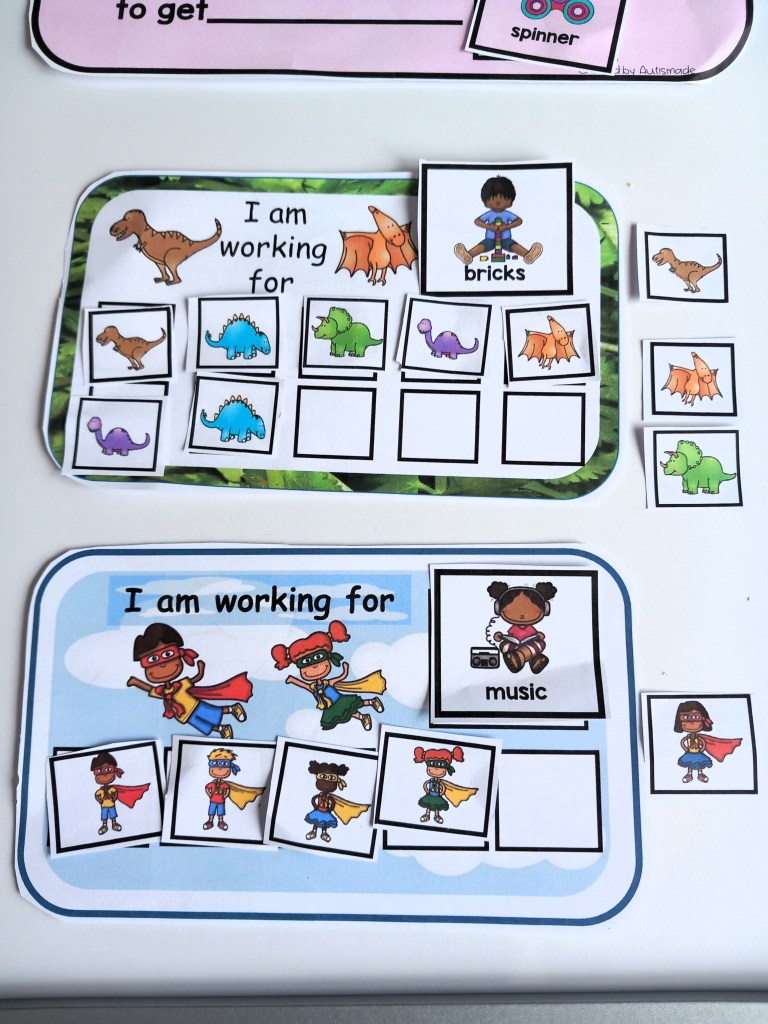
  • Sticker charts or token boards with small rewards.
  • Class-wide systems that include visual reminders and cues.

๐Ÿ’ก Focus on effort and progressโ€”not perfection.


4. Create a Calm Corner or Regulation Zone

All students benefit from self-regulation tools, but for students with autism, a quiet, safe space is essential for managing sensory overload or emotional stress.

Strategies You Can Use:

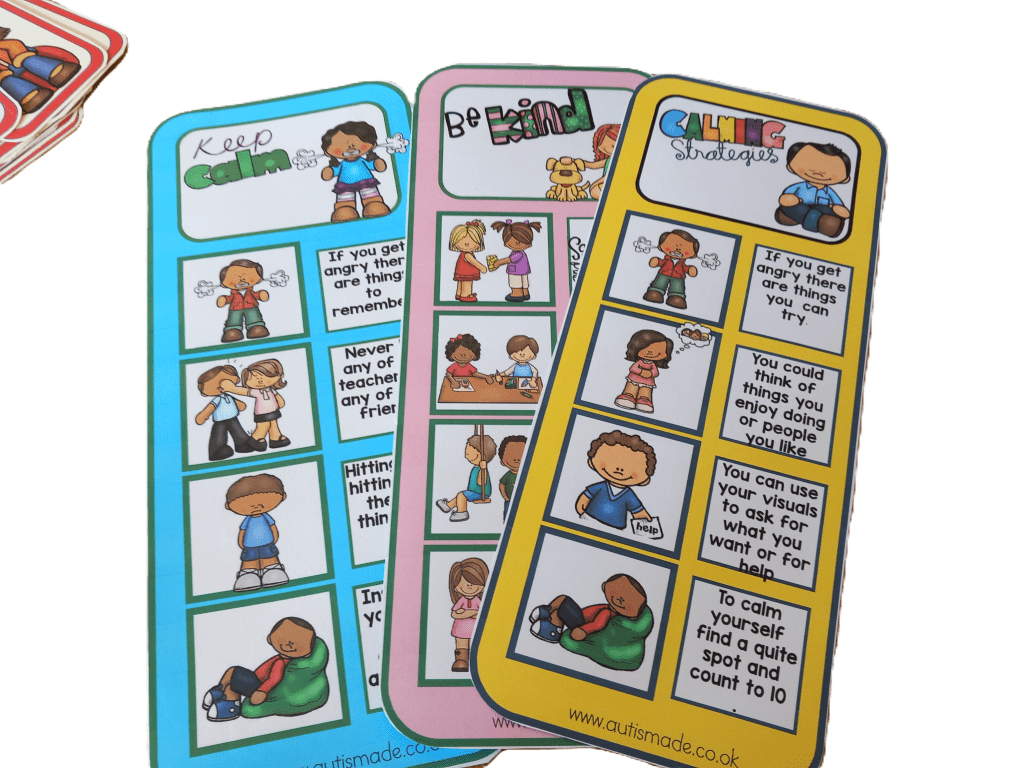
  • Set up a โ€œcalm cornerโ€ with noise-reducing headphones, fidgets, books, or a weighted lap pad.
  • Practice calming strategies during calm moments (deep breathing, wall pushes, mindfulness).
  • Offer regular sensory breaks, especially after transitions or assemblies.

๐Ÿ’ก Make the calm space part of the routineโ€”not just a place for โ€œbad days.โ€


5. Support Peer Connections with Guidance

Friendships are important, but forming them can be tough. You can nurture social opportunities with a bit of structure.

Strategies You Can Use:

  • Assign peer buddies for classroom activities.
  • Use circle time to practice turn-taking and sharing ideas.
  • Play cooperative games with clear rules and predictable outcomes.

๐Ÿ’ก Pair students intentionally and coach them through interactions as needed.


6. Partner with Families and Support Staff

You donโ€™t have to do it alone. Parents, special educators, and therapists are invaluable partners in supporting your students.

Strategies You Can Use:

  • Share positive moments from the week via email or a home-school notebook.
  • Ask parents what works at homeโ€”sometimes they have powerful insights!
  • Use a consistent language and strategy across home and school if possible.

๐Ÿ’ก Team meetings and IEPs are more productive when built on shared goals and mutual respect.


Bonus: Tools You Can Use Right Away

Here are a few free or low-cost resources to get you started:


Supporting students with autism isnโ€™t about doing moreโ€”itโ€™s about doing things intentionally. With clear expectations, visual supports, and compassionate teaching, youโ€™re creating a classroom where everyone has the tools to grow.

You might not see change overnightโ€”but each connection, each kind word, and each opportunity to succeed adds up.

Autismade TPT Store

Support Hands-On Learning with Visual Recipe Mats!

Looking for a fun and interactive way to help young learners build real-life skills? Our Visual Recipe Mats are the perfect addition to any early learning classroom!

These engaging, hands-on mats walk students through simple snack recipes using step-by-step picture instructions. Whether itโ€™s making a sandwich, mixing up some chocolate milk, or assembling a breakfast favorite, children will gain confidence and independence as they follow along.

Perfect for preschool, Special Education and early elementary ages, these mats are designed to:

  • Encourage sequencing and direction-following
  • Build basic cooking and fine motor skills
  • Promote independent learningโ€”with plenty of fun along the way!

Whatโ€™s Included?

  • ๐Ÿฅช I Can Make a Sandwich
  • ๐Ÿณ I Can Make Breakfast
  • ๐Ÿฅ› I Can Make Chocolate Milk

Each mat has 3 easy steps and is durable, easy to clean, and reusableโ€”just wipe and reuse! They’re great for small groups, life skills centers, or one-on-one support.

Bring real-world learning to life in your classroomโ€”one recipe at a time!

Ready to get cooking? Grab your set of Visual Recipe Mats today and make learning deliciously fun!

For more Resources visit my TPT Shop here

https://www.teacherspayteachers.com/Product/FREE-Recipe-Reminder-Visuals-Easy-no-bake-snacks-Cooking-Life-Skills-13947968#show-price-update

Free Recipe mats

An Ultimate Classroom Management Plan

For Special Education Teachers

Classroom management in a special education setting isn’t just about keeping orderโ€”it’s about creating a space where every student feels safe, supported, and empowered to learn. Whether you’re a new teacher or just looking for a refresher, this ultimate classroom management plan will help you build a strong foundation for success.

1. Set Clear Expectations from Day One

Students thrive when they know whatโ€™s expected of them. Establish clear, simple rules and routines early on. Use visual aids, pictures, or even role-playing to reinforce rules. Keep the language consistent and positiveโ€”for example:

  • Use kind words
  • Raise your hand to speak
  • Keep hands and feet to yourself

Repetition and reinforcement are key.

Grab a FREE Version here


2. Build Strong Relationships

Connection comes before correction. Get to know your studentsโ€”what they like, what triggers them, what helps them calm down. A strong teacher-student relationship is the cornerstone of good behavior. Take time to:

  • Greet students warmly each day
  • Show interest in their hobbies
  • Celebrate small wins

3. Structure the Environment for Success

A well-organized classroom can reduce distractions and promote independence. Try this:

  • Use labeled bins and clear visuals for materials
  • Create defined spaces (e.g., a calm-down corner, group work area)
  • Keep transitions smooth with visual schedules or timers

4. Be Proactive, Not Reactive

Anticipate challenges before they happen. For example:

  • Use sensory breaks for students who get overstimulated
  • Provide fidgets or alternative seating for students with focus issues
  • Modify tasks to meet individual needs

Being proactive also means recognizing and praising positive behaviors more often than correcting negative ones.


5. Use a Consistent Behavior Plan

Consistency is key. Choose a behavior management system that works for your group, such as:

  • Token economies (students earn points or stickers for positive behavior)
  • Color charts or behavior contracts
  • Positive reinforcement systems customized to the student (like earning extra iPad time)

Make sure to communicate the plan with paraprofessionals, parents, and anyone else working with your students.


6. Collaborate with Your Team

You’re not in this alone. Collaborate with:

  • Paraprofessionals
  • Therapists (OT, speech, etc.)
  • Parents and caregivers

Share strategies, stay consistent, and support one another.


7. Reflect and Adjust

No plan is perfectโ€”and thatโ€™s okay. What works for one group might not work for the next. Reflect regularly:

  • Whatโ€™s working well?
  • What needs tweaking?
  • How are the students responding?

Stay flexible and be willing to change whatโ€™s not working.


Final Thoughts

Effective classroom management in special education is all about structure, relationships, and consistency. When students feel safe and understood, real learning can happen. With a solid plan in place, you can build a classroom where every child has the opportunity to shine.


Resources For Special Education Teachers

Free Calm Down Poster

Free Social Skills Poster | Class rules | Classroom Behavior Management

Calm Down Tools & Token Reward Boards for Classroom Behavior Management

Calm Down Corner Tab book & Posters

Calm Down check in / Social-Emotional learning, Posters and coping tools

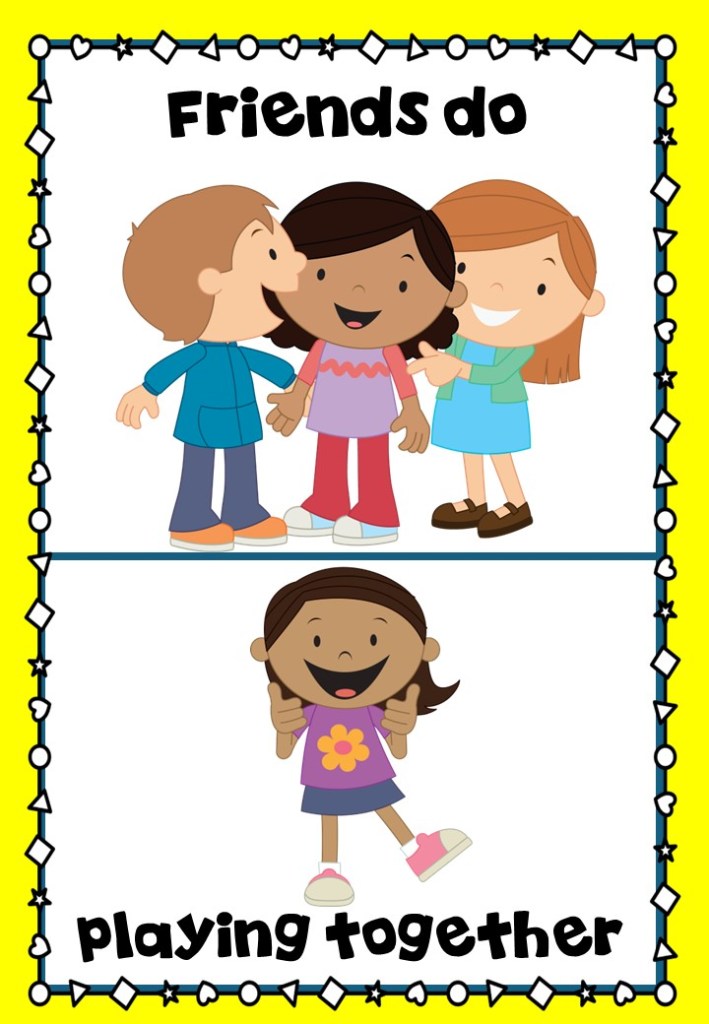
Social Emotional Posters for being friends, classroom expectations

Visual Behavior Support cards – Break, Help & Wait Strategies for Autism

A Bundle Social Skill Stories – Social-Emotional Learning

Classroom Support Cards