Keep Students Organised in SPED

Keeping an organised class has been much easier since I created My daily planner for my young learners.

On Page 1,2 – About me

Pages 3-4 include days of the week and seasons

pg. 5-6 schedules

pg. 7-8 working for

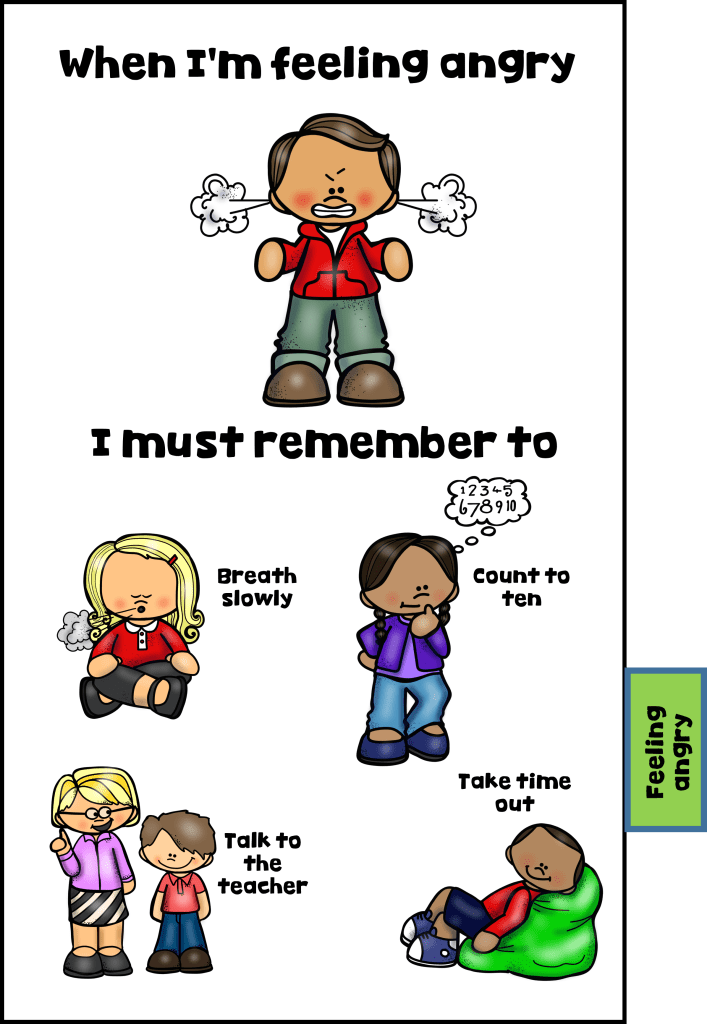
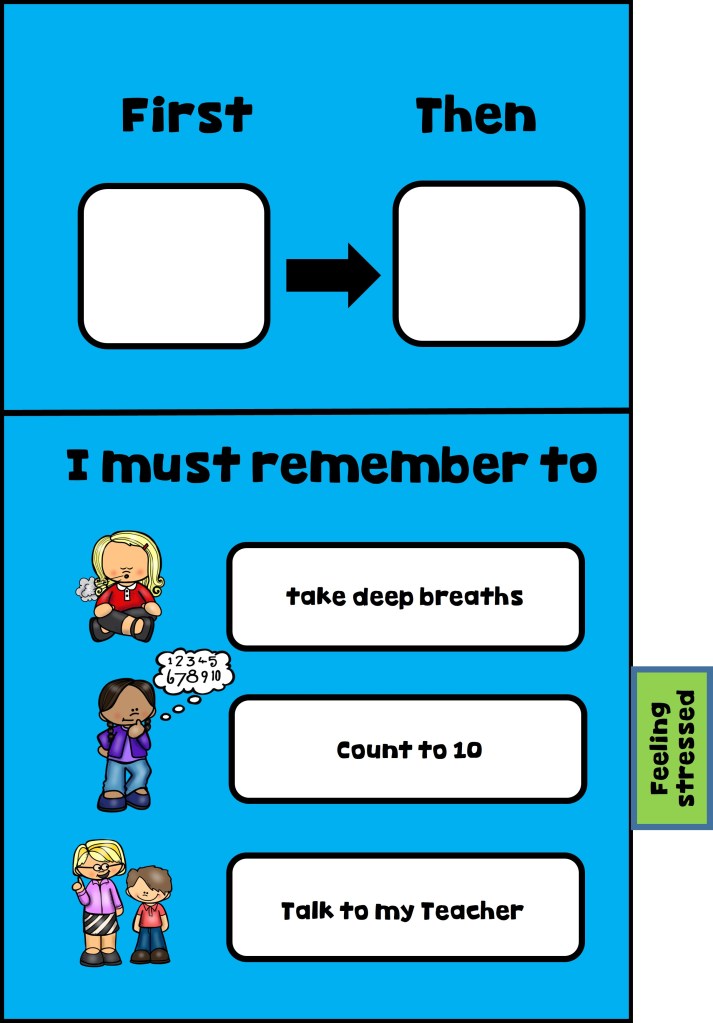
pg. 9 -10 When I’m feeling angry

Once laminated I gave out dry wipe markers for my students to jot down their name, grade and class, followed by teachers name, their friends name, things they like and things they don’t.

There are pages with the days of the week for my student to practice and tick off what day it is and same for seasons.

I’ve added pages for them to write out their daily schedule and tick off as they go though it.

Working for cards and reward choice were a exciting addition!

What to remember when you feel angry, “first and then” when frustrations grow and what I need visuals has made “My Daily Planner” a valuable resource for any pre school, Autism or Special Ed Classroom.

Visuals for Communication in the Classroom

Setting up Visuals

I started jotting down what visuals my students needed to help with frustration and classwork until I realised what a big task!   So I decided to cut down my list to a manageable workload and think about what things they wanted and needed the most.    Here are the categories I thought would be good to start off with –

  1. Things in the class,  2.Tasks in class,  3. I’m feeling, 4. fidget toys,  what I need

 1. Classroom Things

I wanted some visuals to include basic everyday class things so they could point out what they needed or having trouble finding.

2. Tasks

I wanted visuals of the tasks available so my students could indicate a choice and find things they liked doing.

3. Feelings

These are important visuals to understand, practice and use to communicate how they are feeling.

4. Fidgets

A selection of fidget toys could also be used as motivators to regulate themselves, calm down emotions, which I’ve found very handy.

5. Me

Things for themselves, such as their bag, the toilet, a tissue, time to relax and reduce some of their frustration using these visuals to support stress and anxiety.

Visual supports for Functional Communication!

Learning new skills is so important for my students!  Requesting “Help” “Break” “stop” or “wait” are huge skills to learn.
This week I want to share a couple of quick tips on how I teach these skills and how we made it a little easier and more fun to teach by adding a couple of visual supports.

How I Teach my students to use these Functional Communication Strategies to Regulate their behavior

#1. First I help my student to realise when they need to use the “break” or “help” card, which is usually just before they get frustrated or loose concentration. At the start of any activity, I will show them the break or help card, which ever one I’m working on, and place it where my student can easily reach it.

#2. I Point to the break/help card and tell them, “This is your break/help card. You can use it to ask for a break.” When my student starts to get frustrated or loose interest, I will say “If you are getting upset, use your break card to tell me you need a break/help.”

#3. I use physical and gestural Prompts for some of my students to take the break/help card and allow them to move away to the “break area.” or Help them. I found that self regulating visuals on the bottom of the card is a fantastic way of calming and redirecting my student while on a break.

#4. Being able to use functional communication is an important part of behavior management and teaching the student to trust and use the visual supports will help them self regulate.

#5. I will begin to withdraw prompts once students are consistently asking for breaks or help, its important that being able to initiating these requests independently to become an consistent communicator. Then you can begin to regulate the time between the request and the actual break.

My Store  Visit here

Visual Supports for Critical Communication

Classroom Management Cards – Functional Communication

Classroom Support Cards for kids with Autism/Special Ed