How Break Cards Support Students’ Self-Regulation

Sometimes a student doesn’t need another reminder to “try harder.”

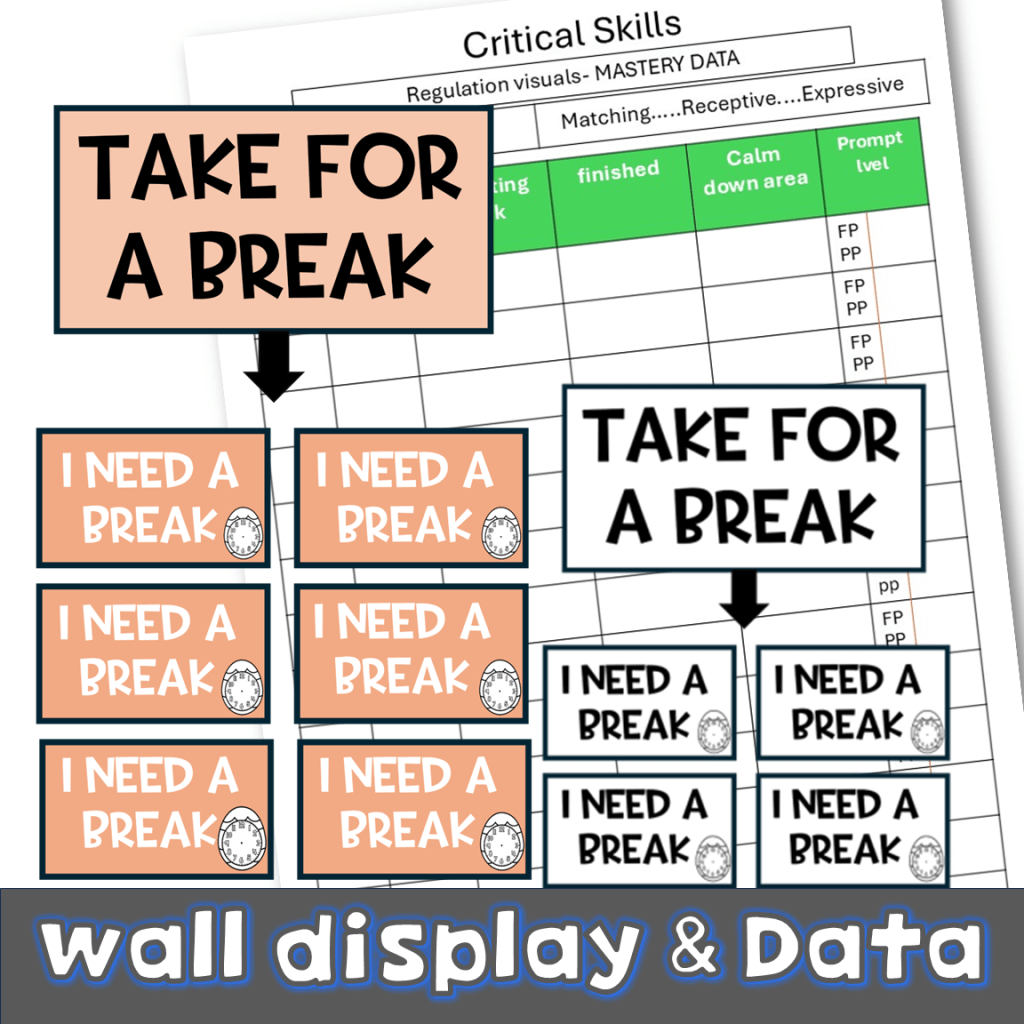
Sometimes they need a way to say, “I need a break.”

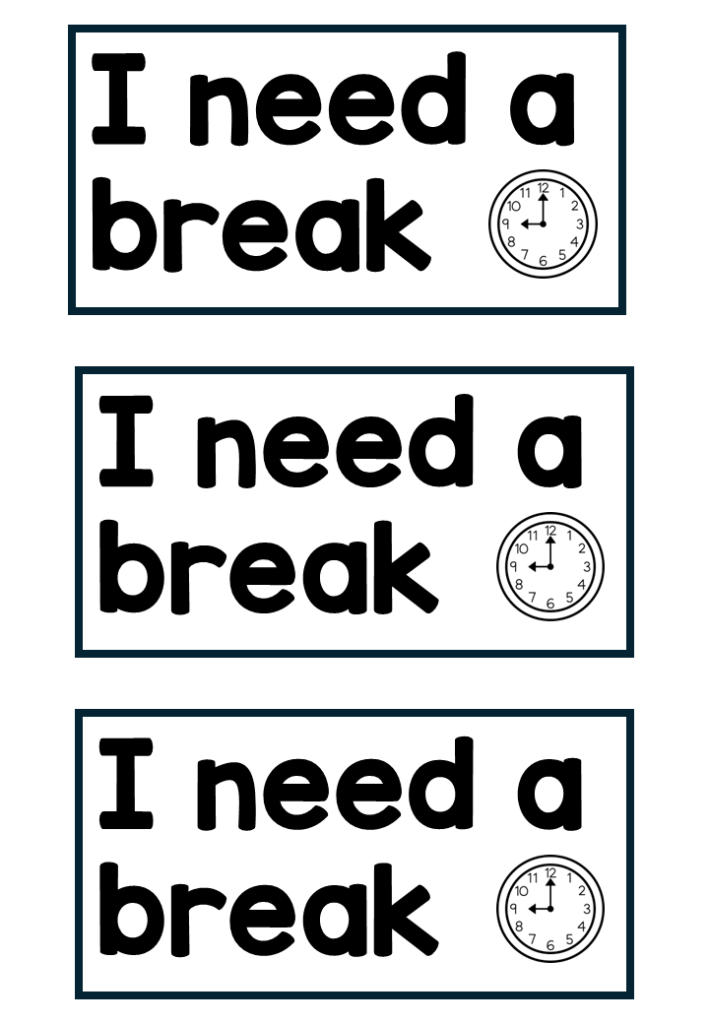
For students in special education, having a simple and consistent way to communicate this need can make a big difference. Visual break cards can give students a concrete way to request a break before frustration becomes overwhelming.

Students may struggle to communicate when they are frustrated, overwhelmed, tired, or having difficulty with a task. In those moments, finding the right words can be especially challenging.

A visual card provides another communication option.

Instead of expecting a student to explain what they need, they can simply point to or hand over an “I Need a Break” card.

This can support:

  • Self-advocacy
  • Functional communication
  • Self-regulation
  • Coping skills
  • Positive behavior support
  • Classroom independence
  • Make Breaks Predictable
  • Self-regulation
  • Coping skills
  • Positive behavior support
  • Classroom independence

One of the most helpful things about using a visual break system is that it creates a predictable routine.

Students can learn:

I am feeling overwhelmed → I communicate that I need a break → I take my break → I return to the activity.

The goal isn’t simply to give students a way to escape a difficult activity. Instead, you’re teaching them an appropriate replacement skill: communicating their needs.

Over time, this can become an important part of a student’s classroom routine.

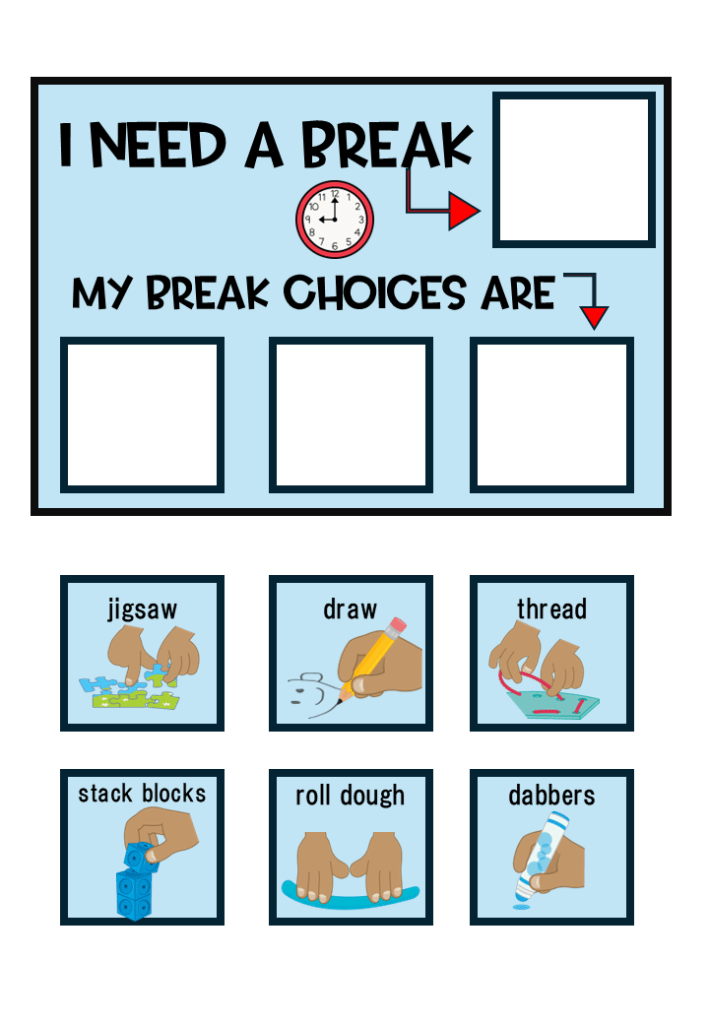
Some students may benefit from having visual choices for what they can do during their break.

For example:

🧘 Quiet time
🎧 Listen to music
📚 Look at a book
🖍️ Color or draw
🧸 Use a calming activity
🚶 Take a short movement break

Providing choices can help students become more independent and gives teachers an opportunity to teach appropriate coping strategies.

Visual supports can be wonderful for students, but teachers also need information

about what is happening in the classroom.

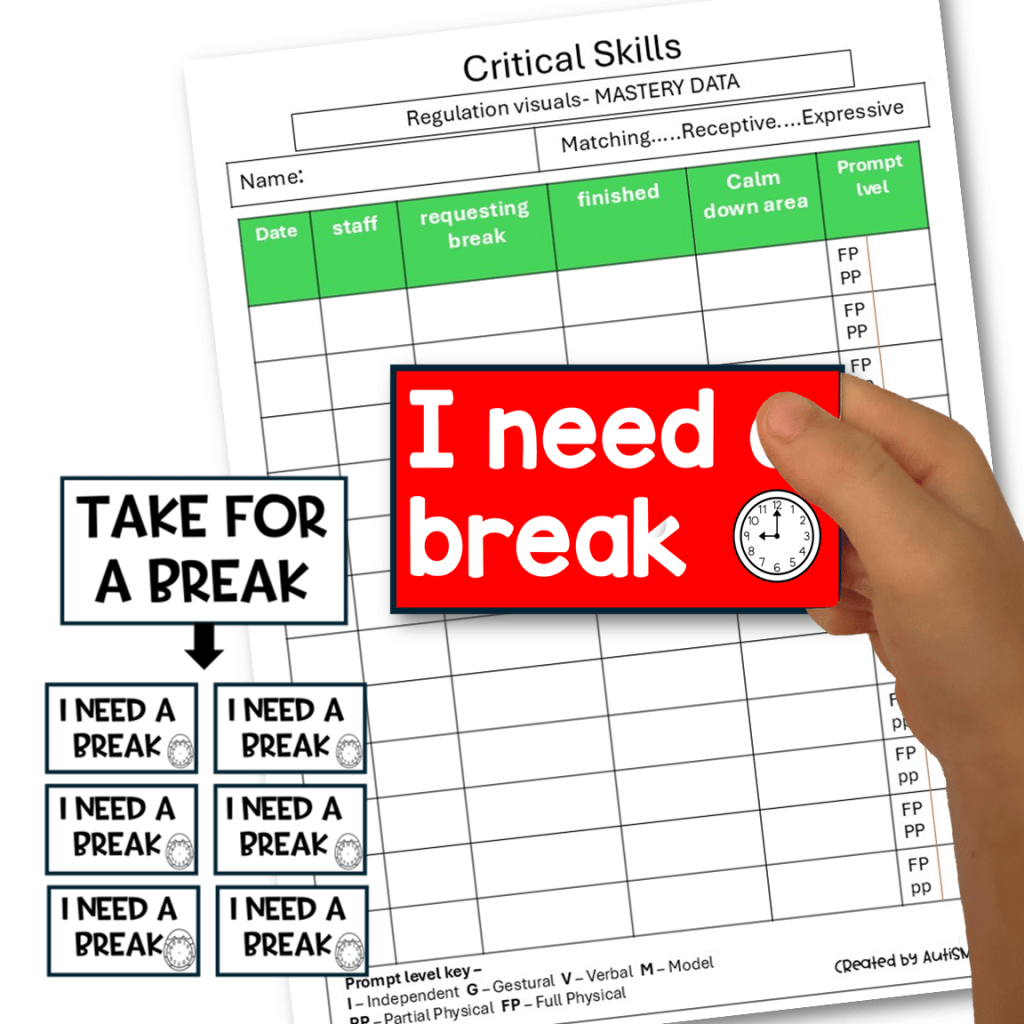
A simple break data sheet can help you track things such as:

  • When breaks are requested
  • How often breaks are requested
  • What activities happen before a break request
  • How long breaks last
  • Whether the student successfully returns to the activity

This information can help you look for patterns rather than simply guessing why a student is requesting frequent breaks.

You don’t need a complicated system to begin.

A clearly displayed “I Need a Break” visual, a few break choices, and a simple data sheet can create a consistent routine that students and staff can understand.

The most important part is teaching the routine when the student is calm, rather than waiting until they are already overwhelmed.

Practice it. Model it. Prompt it when appropriate. Celebrate successful communication.

And remember, requesting a break is not automatically a behavior that needs to be stopped. It can be a valuable communication skill that we can teach students to use appropriately.

I created these Break Card Visuals for Special Education to make it easier for teachers to introduce an “I Need a Break” system in their classrooms.

The resource includes break card visuals, break choices, and a data sheet to help you teach communication and keep track of break requests.

👉 [Break Card Visuals]

Top 10 Visual Behavior Supports for Autism Classrooms

Are you overwhelmed by the amount of Behavior supports there are available out there! Are you looking for that particular one you need to help you manage behaviors and maintain structure in your classroom! These powerful strategies below might just help you create the classroom you want. Have a look at the different types of classroom management tools I use to achieve the Special Ed class I have.

# 1 Critical Communication Cards

Critical Communication Cards – To teach new skills such as requesting “break please”, “help” and “wait” self -management strategies.

QUICK TIP – I hang these cards close to my Calm Down Corner so my students have easy access.

Subscribe and Pick up a FREE cute “Break” Sample Card and get notifications of all my freebies

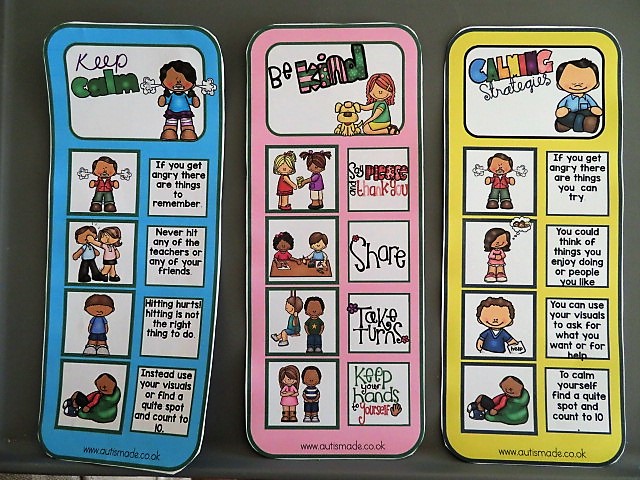
#2 Social Supports Strips

Social Supports – To help my students understand how to behave or respond in a particular situation using a visual guide describing various social interactions, situations, behaviours, skills or concept.

QUICK TIP – I place them on the edge of tables to remind students on their choices.

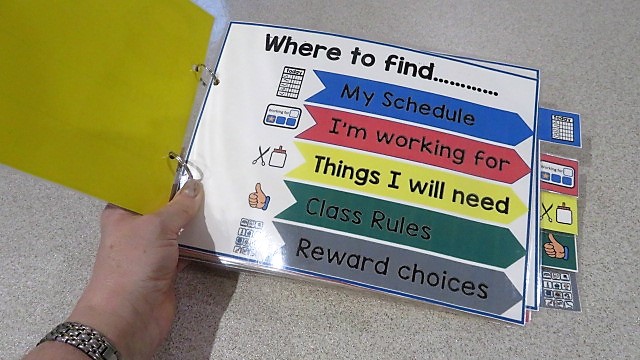
#3 Visual Folder Supports

Visual folder supports – A place for my students to keep all their daily and most used visuals all in one place, ideal for quick support.

QUICK TIP – My students use these throughout the day and follow the schedule to stay on task. They choose a reward to use with the Token Economy system and have the visuals they might need ready to use.

#4 Self Regulation Tools

.Self regulation toolsI’ve made tools individually accessible for my students to use in a handy little booklet.

QUICK TIP – I bind then as a book and keep them on hand for self management, each one tailored to individual needs that help them to self-regulate.

#5 First and Then Strategies

First and Then By using this strategy my students know what they must complete before having what they want, it also provides structure in their behaviour support plans.

QUICK TIP – If my students are finding it difficult to stay on track, I use the first and then strategy to remind them of what they are working for.

#6 Token Economy Rewards

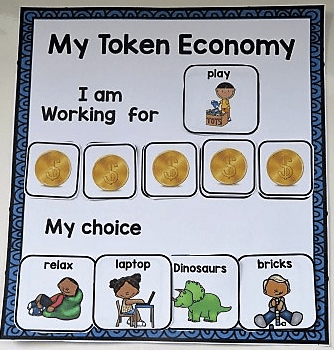
Token Economy – A powerful method of strengthening new skills and behaviours, The tokens are a way of “paying” my students for completing tasks and then they can be used to trade for desired activities or items they choose.

QUICK TIP – I use this board when I start teaching the Token economy strategy, its a classroom resource that I can adapt with motivator choices for individual needs.

#7 Communication Binder

Communication Binder – My students can use their Daily Binders to aid Communication throughout the day and support them with any frustration or anxiety they may feel.

QUICK TIP – My student each have their own communication book which once laminated I place in a binder to keep the visuals safe

#8 Daily Visuals

Daily Visuals – A selection of visuals for Speech Therapy, Special Education and Autism to support communication in the classroom and at home. QUICK TIP – These have bigger visuals which are more suitable for students that are learning picture to item recognition. Students can point to what they want, need or feel.

#9 Token or Ticks Cards

Token or ticks – Point cards for some of my students to earn ticks for preferred behaviour.

QUICK TIP – I print a stack of these out to use when i need them, usually when I’m teaching a focused task. I ask before starting the task what they want to working for and tick off the boxes throughout to keep them motivated and earn the reward they’ve chosen..

#10 Daily Planner

Daily Planner – This Support folder is a place for my student to keep track of the days of the week, check their schedule, ask for task items they may need and support behavior before it arises.

QUICK TIP – A class daily organiser for my higher ability students. It helps them manage their day, hold motivator visuals, and reminds them of the rules in class.

Use links below to visit my TPT Store

Visual Behavior Support Folder – Token Rewards Tools, schedules, First & Then,

Visual Supports: Token Reward System/First & Then – Strategies for Special Ed

Classroom Behavior Management Strategies: First, Next and Then Tools

Token Reward folder: Visual support tools with “first & then” Behavior Strategy

First, Next and Then table Schedule Templates with Visual Supports

First Then boards and Help cards: Autism visual supports

Visual Supports:”First, next, then” with Token Rewards Systems