Give your students clear expectations and motivating visual support with this First-Then Token Board System designed for autism and special education classrooms. This resource includes 10 printable First-Then boards, 7 token style choices, and 30 motivator visual cards—perfect for behavior reinforcement, task completion, transitions, and classroom routines.
These ready-to-use visual supports helps students understand what comes next, stay on task, and build independence. Ideal for autism classrooms, resource teachers, ABA therapists and SLPs.
Perfect for SPED, autism support, ABA, and behavior management
Perfect For
Autism support classrooms
ABA therapy sessions
Special Education teachers
Behavior intervention plans
Visual schedules and routines
Task completion and transitions
Reinforcement systems
Early childhood + Not Grade Specific
This printable First-Then Token Board is a must-have for autism support and special education! Visual schedules, motivator choices, and token options all included.
Download to
✔ Supports communication for nonverbal or minimally verbal learners ✔ Reduces challenging behaviors by clarifying expectations ✔ Increases student motivation and independence ✔ Flexible use with ANY classroom routine ✔ Easy to print, laminate, and reuse
One of the most effective tools to encourage good behavior and promote independence is a Token Reward System. This simple, visual system can be tailored to any age or ability level.
In this blog post, we’ll walk you through:
What a Token Reward System is
Why it works
Step-by-step instructions to create one
Ideas for classroom and home use
Tips to make it successful
What Is a Token Reward System?
A Token Reward System is a structured method where students earn tokens (e.g., stickers, coins, stars) for demonstrating specific, positive behaviors. Once they collect a certain number of tokens, they can trade them in for a preferred reward.
Think of it like a mini economy—students earn and “spend” tokens for desired outcomes.
Why It Works
Visual & tangible: Helps students see progress toward a goal
Predictable & consistent: Encourages routine and structure
Motivating: Taps into student interests and preferences
Teachable moments: Reinforces life skills like patience, saving, and goal-setting
Materials You’ll Need
Printable tokens or physical objects (stickers, plastic coins, Velcro stars)
Token board/chart (can be laminated paper, folder, or dry erase board)
List of reward choices (pictures and/or text)
Laminator (optional but helpful for durability)
Velcro dots or magnet tape (for attaching tokens)
Basket or menu of rewards (e.g., small toys, extra screen time, sensory items)
Step-by-Step: How to Set Up a Token Reward System
Step 1: Choose Target Behaviors
Pick 1–3 behaviors you want to reinforce, such as:
“Raise your hand before speaking”
“Complete tasks independently”
“Stay seated during circle time”
Keep it simple and positive. Phrase behaviors as things TO DO, not things to avoid.
Step 2: Design the Token Board
Here are two simple design ideas:
Design A: 5-Token Star Chart
Board has 5 empty star outlines
Each time the student earns a token, place a sticker/star in an outline
After 5 tokens, they get a reward
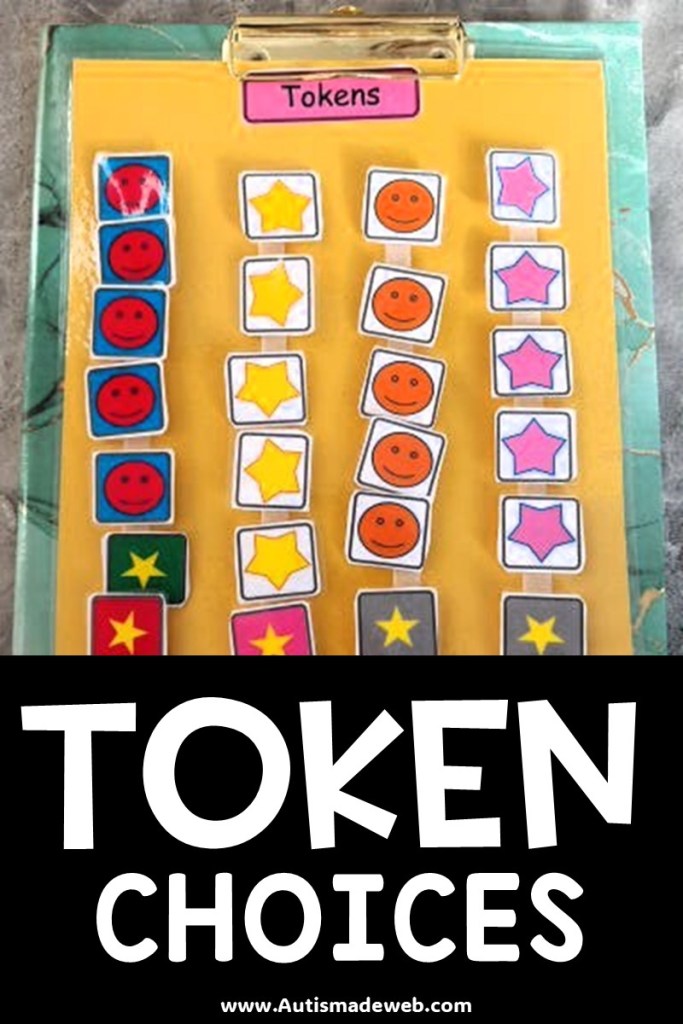
Design B: Velcro Token Strip
Use laminated board with 5–10 Velcro dots
Give a laminated token (smiley face, mini icon) to stick on each dot
You can find free token board templates online or create your own in Google Slides or Canva.
Step 3: Select Motivating Rewards
Pick 3–5 small, meaningful rewards. These could be:
Sensory toys (squish balls, fidget spinners)
5 minutes of iPad time
A favorite snack
Extra recess
A classroom job (line leader, helper)
Pro Tip: Use a visual menu so students can choose their reward.
Step 4: Teach the System
Before using the system, model how it works:
Explain the behavior you’re looking for
Show how the student earns a token
Demonstrate trading in tokens for a reward
Use visuals and social stories if needed. Practice a few rounds for fun!
Step 5: Start Using the System
Give immediate, specific praise when a token is earned: “Great job sitting quietly! Here’s a token!”
Help students track their progress
Let them choose a reward before you start
Consistency is key—make it part of your routine.
Ideas for Customization
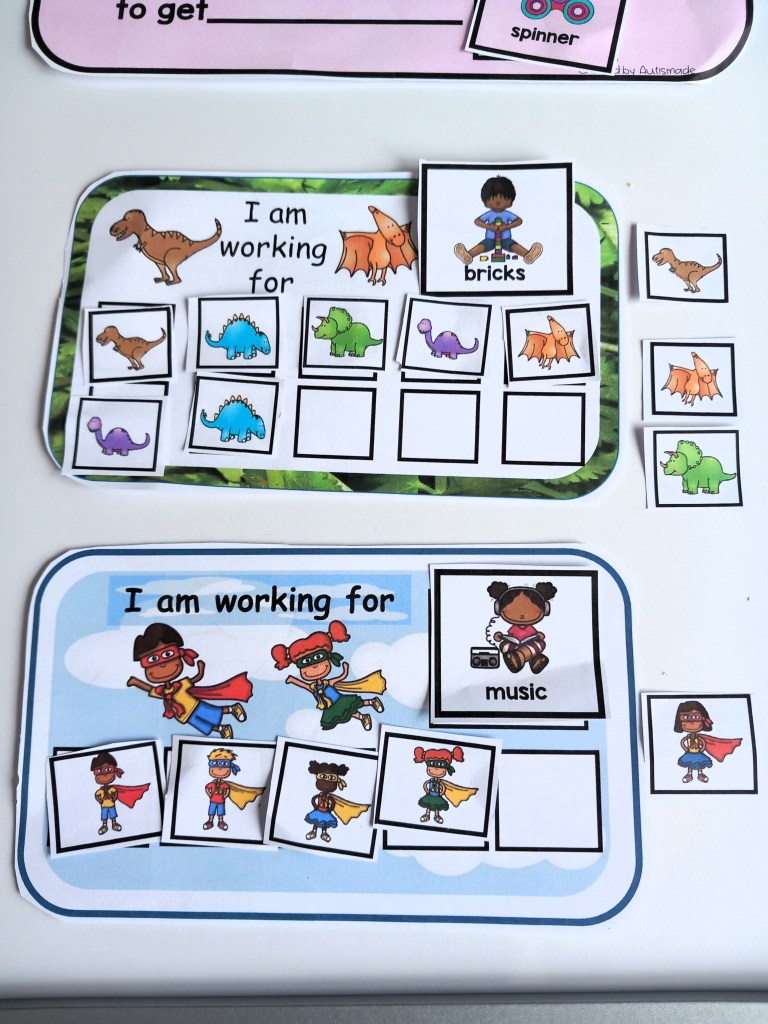
Use themes like dinosaurs, superheroes, or animals
Allow students to personalize their token board
Digital version: Use apps like ClassDojo or Google Sheets
Portable boards: Attach small boards to clipboards or folders for inclusion settings
Tips for Parents at Home
Use a smaller-scale version (3-token board)
Focus on daily routines (brushing teeth, homework, bedtime)
Rewards can be free (extra bedtime story, one-on-one play time)
Keep communication open with your child’s teacher for consistency
Common Pitfalls to Avoid
Too many target behaviors: Focus on just 1–2 at a time
Inconsistent token giving: Reinforce consistently or the system loses power
Rewards that don’t motivate: Choose what the student wants, not what you think they should want
Remember
A Token Reward System is more than just a behavior tool—it’s a way to build independence, self-esteem, and trust with your students. With a little preparation and consistency, this system can make a big difference in your classroom or home.
Making Learning Fun: Using Token Reward Systems in PreK & Special Education
Helping young children stay engaged and motivated can feel like chasing bubbles—joyful but fleeting! For preschoolers, especially those in special education, structure and predictability are key. That’s where Token Reward Systemscome in: they’re simple, effective, and incredibly adaptable.
Let’s break it down into friendly, easy steps so you can bring smiles and success to your classroom or home environment.
What Is a Token Reward System?
A token system uses small items (stickers, stars, check marks, coins, etc.) to reward positive behavior or task completion. Once a child earns enough tokens, they exchange them for a preferred item or activity.
It’s like earning stamps for good behavior and trading them in for extra playtime or a favorite book!
Why It Works for Preschoolers in Special Education
Preschoolers thrive on routine, visual cues, and positive reinforcement. Token systems work well because they:
Offer concrete visuals they can understand
Create consistent motivation
Encourage independence and decision-making
Reinforce specific behaviors or skills
Step-by-Step: How to Set It Up
Here’s a super simple plan:
Choose a Target Behavior
Example: “Use kind hands,” “Stay seated during circle time,” or “Ask for help with words.”
Pick Your Tokens
Use stickers, Velcro stars, plastic coins—anything tactile and fun.
Make sure they’re large and colorful for easy visibility.
Create a Visual Chart
Use a laminated board or a sheet with empty boxes.
Label how many tokens are needed to earn the reward (e.g., “5 stars = 5 minutes on the swing”).
Select Reinforcers
Offer choices: a toy, a song, playtime, cuddly reading time, or even a high-five parade!
Rotate them to keep it fresh.
Start Using the System
Give tokens IMMEDIATELY after the behavior occurs.
Pair it with verbal praise: “You shared your crayons—great job! Here’s a star!”
Celebrate the Success
When tokens are exchanged, make it a moment! Clap, cheer, and smile.
Visual Reinforcement Tips
Preschoolers are visual learners—so let’s make it pop!
Use pictures of rewards (photos or symbols)
Create emotion faces to pair with behaviors (“happy face when we wait patiently”)
Display charts at eye level so kids can see their progress
Use gesture praise (thumbs up, high-fives, dance)
Every child is wonderfully unique. Some may respond to sticker stars; others might prefer putting Velcro apples on a felt tree. Adjust the system to fit each child’s needs and celebrate the differences—it’s part of the magic.
How I use Fidget Toys as reinforcers in my Classroom
Sensory
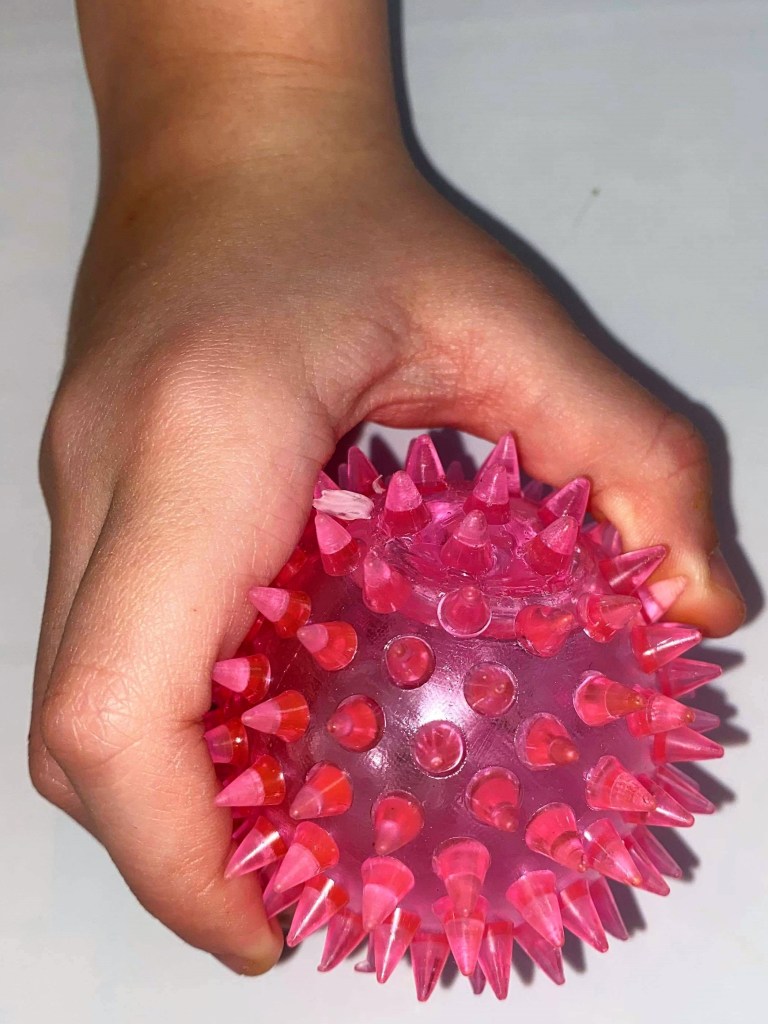
Help your students focus and keep calm while keeping little hands busy. When collecting fidget toys make sure they’re robust enough to withstand the strains they’ll be under. I buy toys that are strong enough for my students to bite, squeeze or stretch safely but still benefit their sensory needs.
Learning to Wait
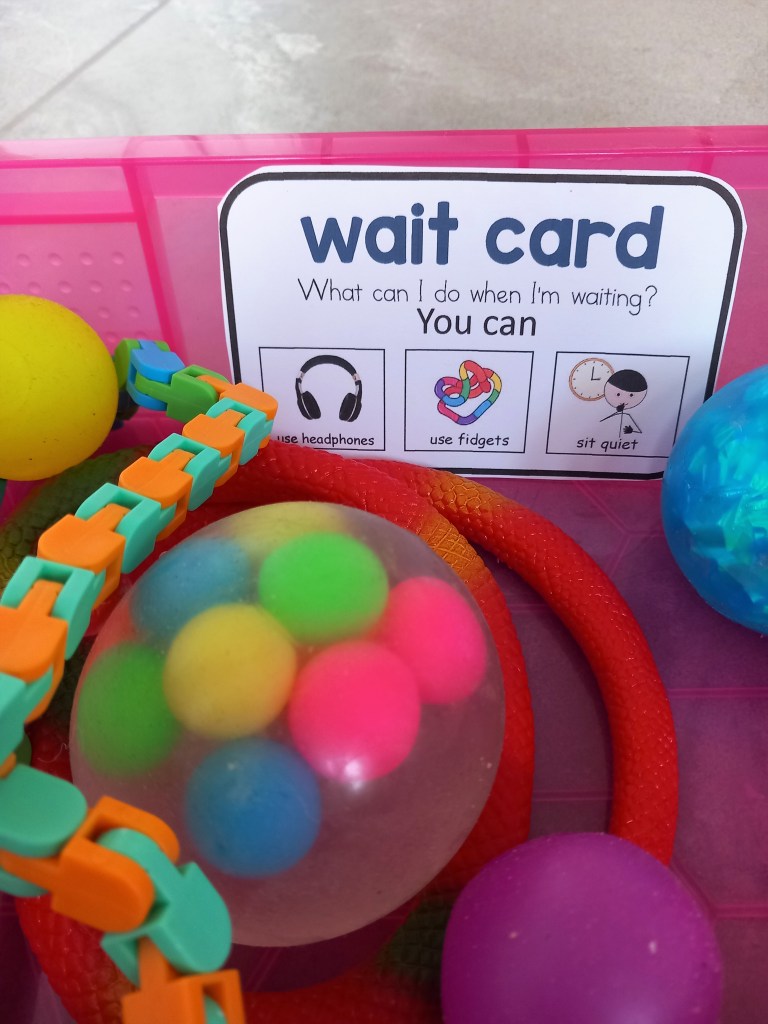
When student are learning to wait and have been given a “wait” card, having something to occupy fidgety hands will sometimes help. Using a “wait” box that is filled with fidget toys, can be offered during this time to allowing students to occupy themselves, and to gradually increase the “wait” time.
As a motivator
Teachers need to be clear on how to deliver a motivator for effective learning. When, where and how many reinforcers will determine how long the learning lasts and how rapidly they learn.
When I’m teaching something new the more frequently I reinforce. When presenting a new task or skill I arrange things so that every successful effort results in a powerful reinforcer.
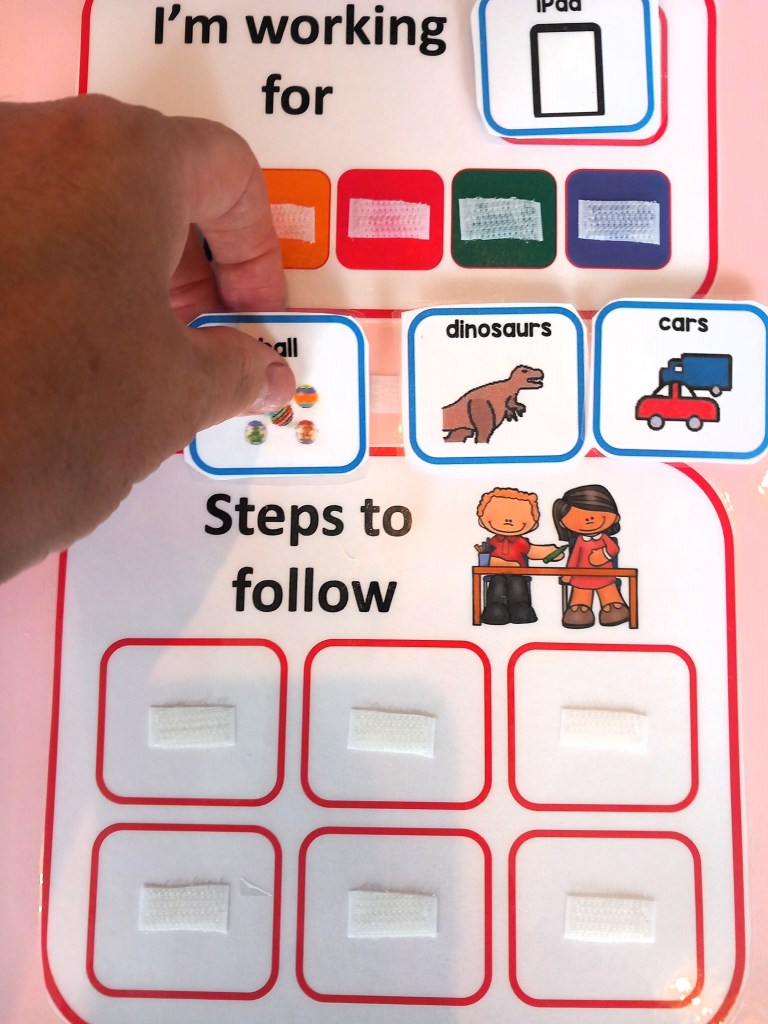
I find the “Reward Board” works best! and I deliver it in a variety of ways, which I tailor with students individual interests.
Token boards – A token is used like an IOU and once collected can be exchanged for the actual reinforcer. Students can start off collecting 1 token before gaining their reinforcer and build up to 10 tokens once the concept is mastered and they’re ready to learn longer.
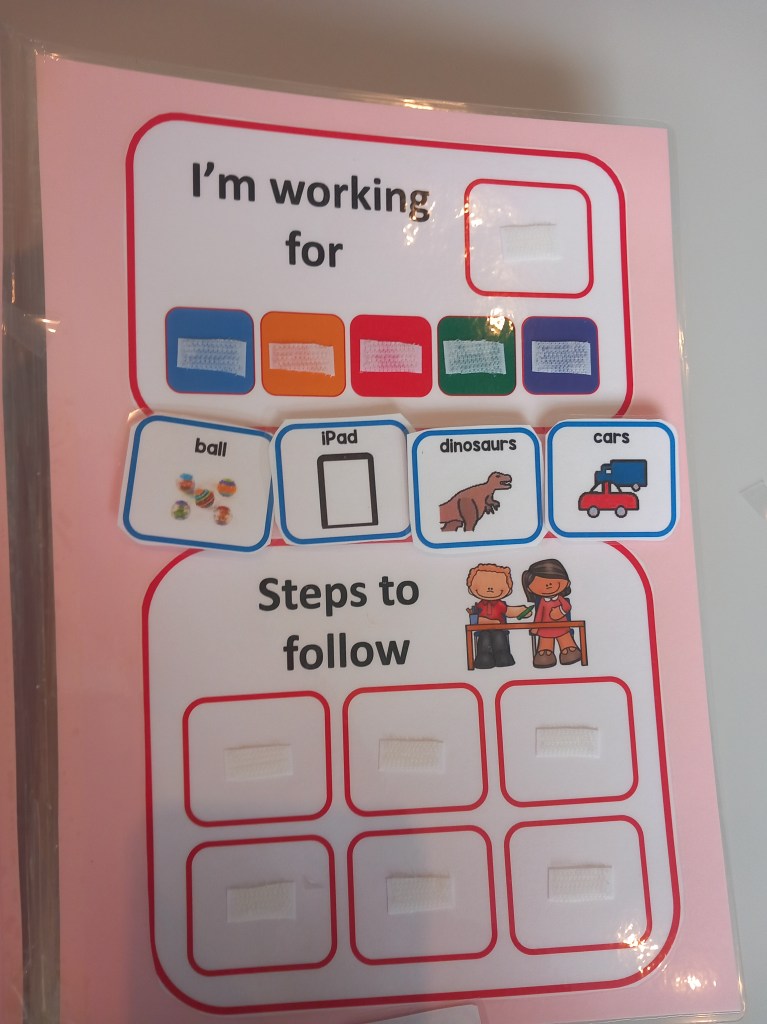
Reinforcer icons are placed along the bottom of the card, students choose one before the task begins and tokens are distributed throughout the task!
First and Then strategies and Reward Board choices are also a great tool. I sometimes use it along side this reward system!