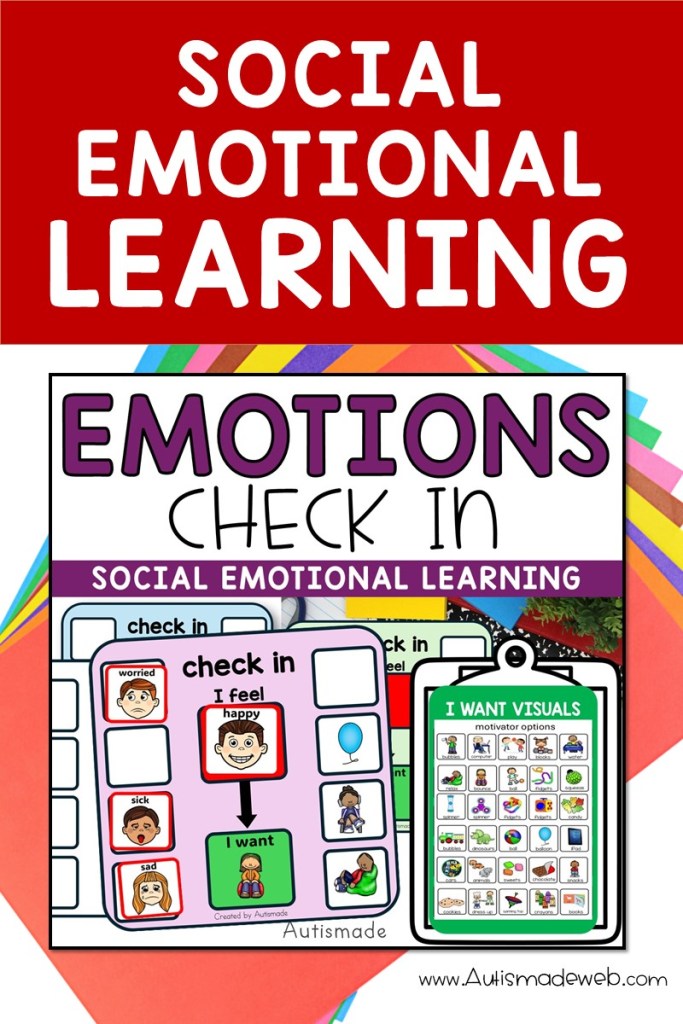
Building Functional Learning Skills in Autism Classrooms

Functional Learning

Teaching in my autism classroom is about more than academics — it’s about helping students build the functional learning skills they need to thrive in everyday life. These are the real-world abilities that foster independence, communication, and social participation.

What Are Functional Learning Skills?

Functional learning skills are practical, teachable skills that students use in their daily routines and community life.

Examples include:

  • Daily Living Skills – brushing teeth, making snacks, dressing for the weather
  • Communication Skills – asking for help, greeting others, using AAC or visuals
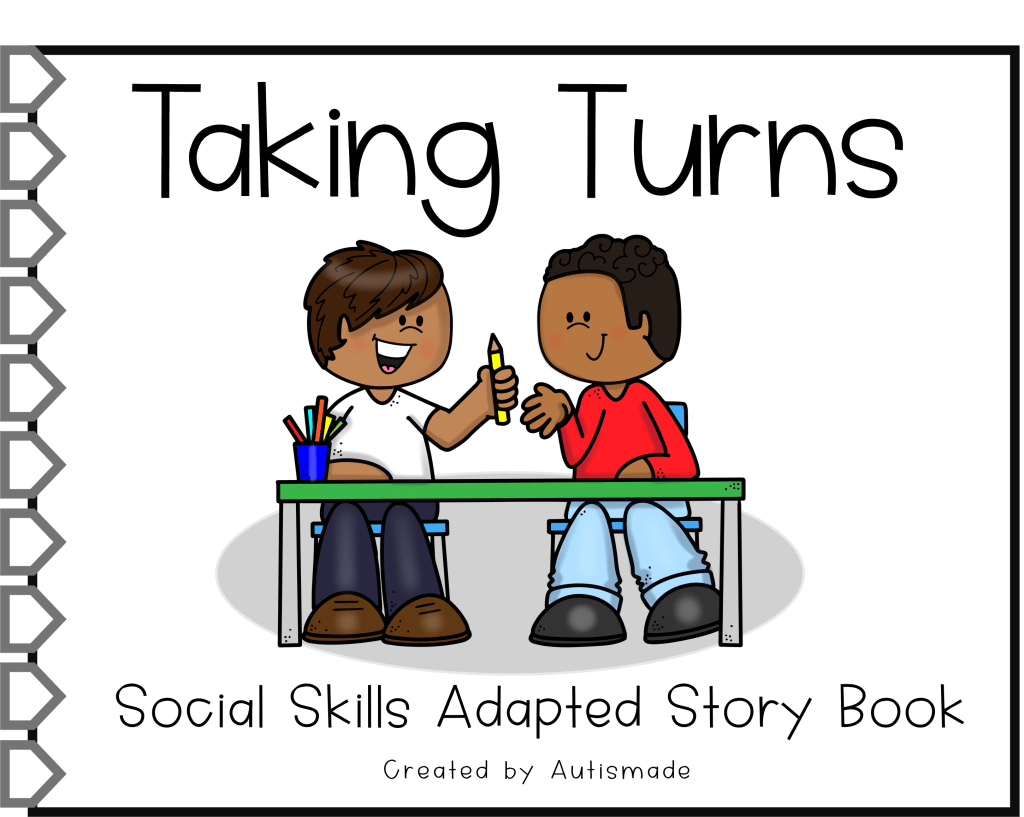
  • Social Skills – turn-taking, sharing, recognizing emotions
  • Functional Skills – counting money, reading signs, telling time
  • Community Skills – shopping, following safety rules, using transportation

Why Functional Learning Matters

For many students with autism or developmental disabilities, functional learning creates the bridge between classroom lessons and real-world independence. When we teach academics through hands-on, meaningful activities, students learn how to apply those concepts in their everyday lives.

Example: Instead of simply counting objects, have students count coins to buy a snack during a class store or community outing.

Strategies to Support Functional Learning

  1. Embed Skills in Daily Routines
    Use transitions, meal prep, or classroom jobs as natural teaching moments.
  2. Use Visuals and Structured Supports
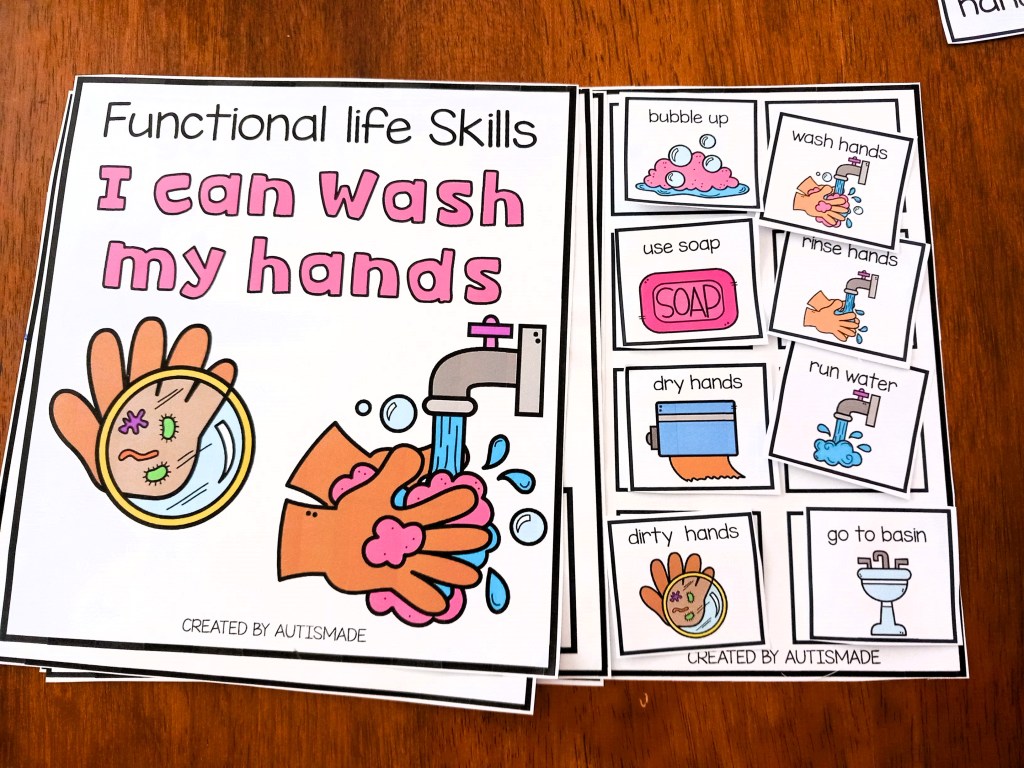
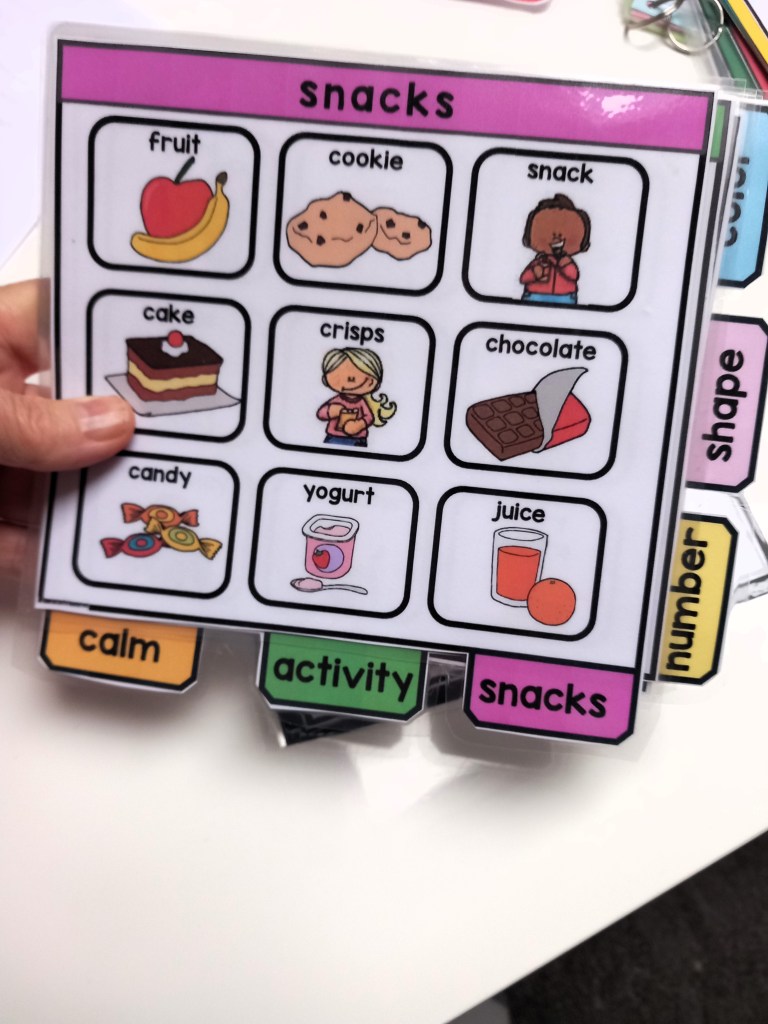
    Visual schedules, step-by-step task cards, and picture prompts make learning predictable and clear
  3. Incorporate Community-Based Learning
    Simulate real-world settings in the classroom or plan short, supported outings.
  4. Teach Functional Communication
    Embed language practice in authentic activities — like asking for a snack or greeting peers
  5. Celebrate Every Step of Progress
    Growth looks different for every student. Each new skill, no matter how small, builds toward independence.

Functional Learning in Action

Picture your students running a classroom snack shop to practice functional math, or preparing a simple lunch to develop daily living skills. These experiences encourage problem-solving, teamwork, and confidence.

My Tips for Teachers

  • Focus on real-world relevance in lessons
  • Use visual supports and structured teaching
  • Prioritize communication and social interaction
  • Teach daily living and community skills
  • Celebrate functional progress, not just test scores

Functional learning skills give students the tools to navigate life with greater confidence and independence. Every skill — from zipping a coat to paying for a snack — helps prepare them for a brighter independent future.

Empowering Independence with Visual Direction Cue Cards in Special Education

Classroom management in a special education setting often requires creative, student-centered strategies that support diverse learning needs. One highly effective and versatile tool that special educators use is visual direction cards.

Visual direction cards are more than just classroom aides — they are tools that foster independence, reduce behavioral challenges, and create a more structured and inclusive learning environment.

What Are Visual Direction cue Cards?

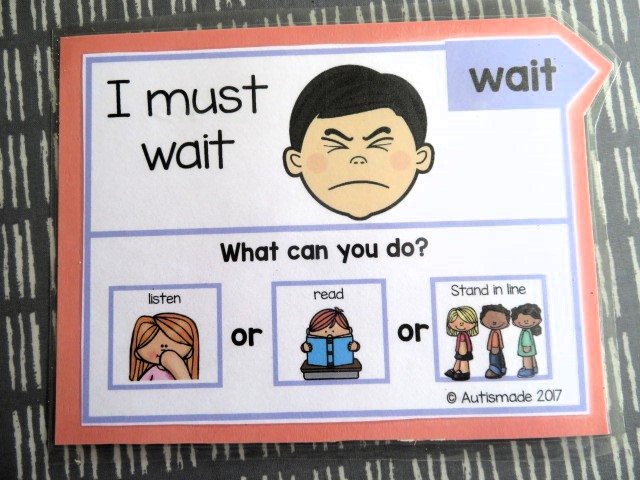
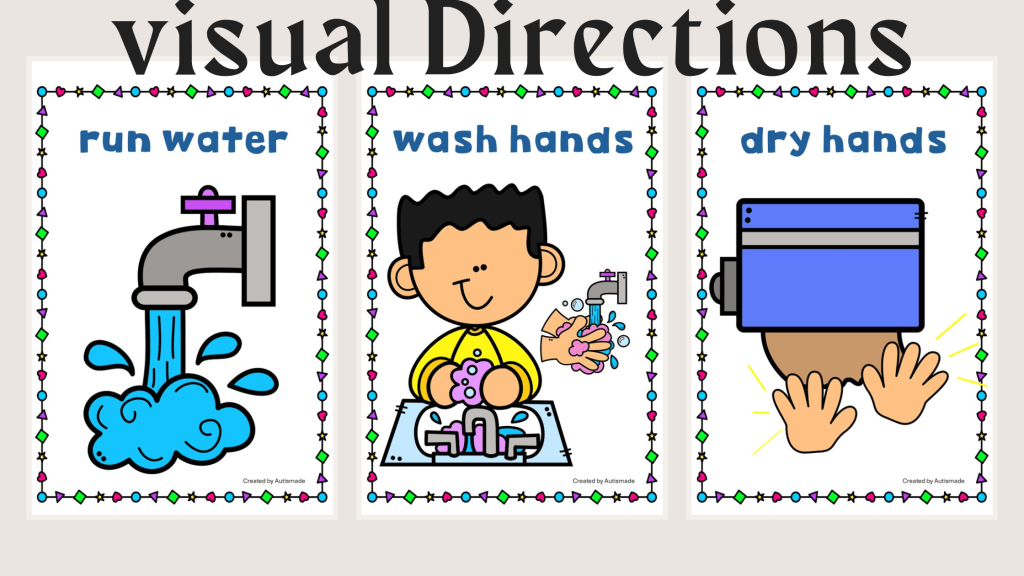
Visual direction cards are simple, illustrated cues that provide clear, step-by-step instructions or expectations. They often use a combination of text and images or symbols to help students understand what is being asked of them, even if they struggle with verbal instructions or have limited language skills.

Examples include:

“Sit down”

“Raise your hand”

“Get your materials”

“Take a break”

“All done”

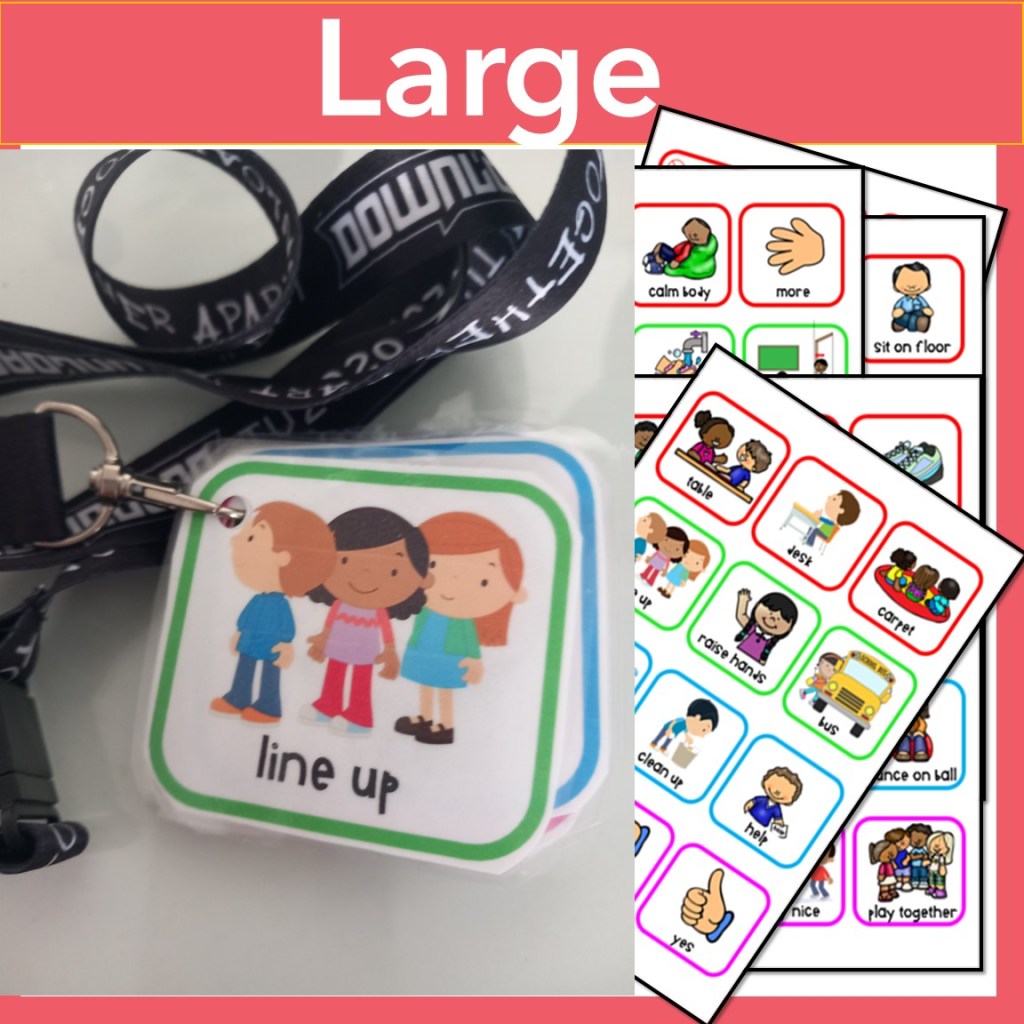
They can be printed on cardstock, laminated, attached to lanyards, placed on desks, or mounted on Velcro boards for easy access and use

Why Use Visual Direction Cards?

1. Promote Independence
Visuals allow students to process information at their own pace. Instead of relying on adult prompting, they can refer to cards to understand what to do next. This boosts confidence and helps them develop problem-solving skills.

2. Reduce Verbal Overload
Many students in special ed settings experience sensory processing or language delays. Visual directions minimize stress by providing clear, concise instructions without relying on verbal cues.

3. Support Positive Behavior
When expectations are clear, students are more likely to engage in appropriate behavior. Visual cards can be used proactively to guide transitions, routines, and self-regulation.

4. Increase Classroom Efficiency
With visual directions in place, teachers can spend less time repeating instructions and more time facilitating learning.

Grab a free Classroom visual Direction card

Strategies for Using Visual Direction Cards Effectively

1. Teach the Cards
Introduce cards one at a time during calm, structured parts of the day. Model the behavior and have students practice using them until they become familiar.

2. Make It Student-Centered
Personalize cards for individual needs. Some students may need large icons, others may benefit from first-person phrasing (“I need a break”), or even real photos instead of clipart.

3. Create a Visual Schedule
Use direction cards to build a daily schedule that students can follow independently. This supports executive functioning and helps reduce anxiety during transitions.

4. Pair with Reinforcement Systems
When students successfully follow visual directions, reinforce their efforts with praise, token boards, or other motivators. This strengthens the connection between visual cues and positive behavior.

5. Encourage Generalization
Use direction cards in different settings — during centers, specials, lunch, or community outings or for personal hygiene — so students learn to apply the skills beyond the classroom.

Visual direction cards may seem simple, but their impact is profound. They empower students with the tools they need to be more independent, confident, and successful in and out of the classroom.

As a special education teacher, your ability to adapt tools like visual cards can transform daily routines and build lifelong skills for your students.

Strategies for Teachers: Supporting Students In Special Education

Every child has their own way of learning and as teachers, we play a powerful role in helping them feel safe, seen, and successful. Here are 5 strategies that I use to promote inclusive learning for my Special Ed Classroom.

1. In my Classroom we:

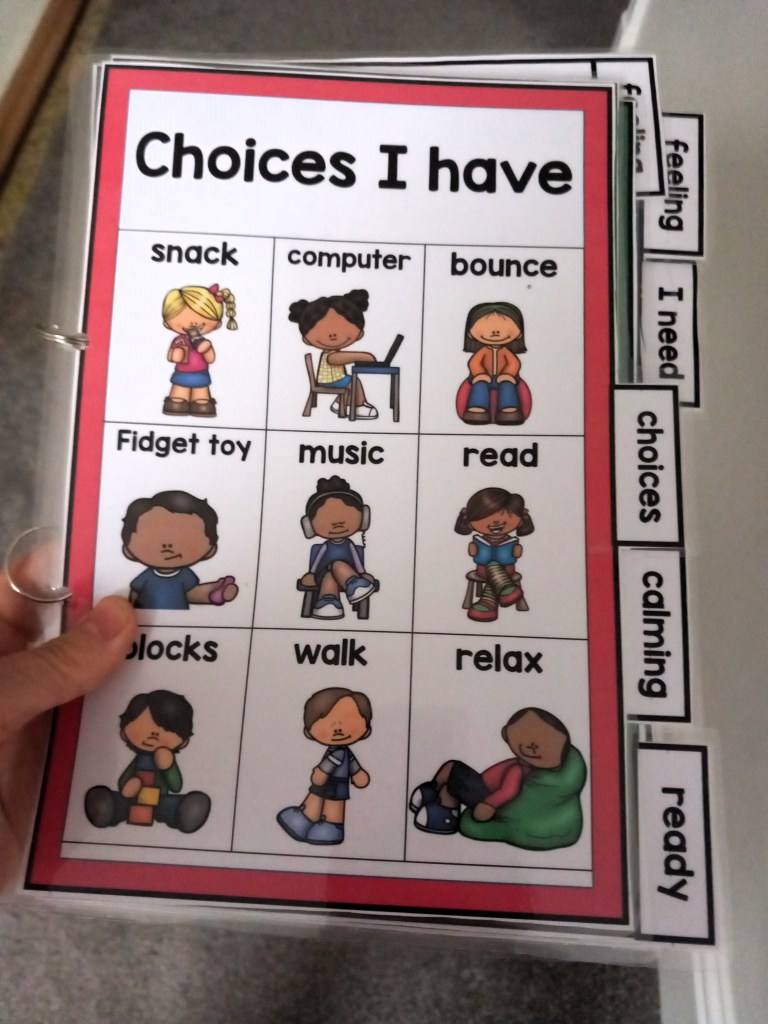
  • Offer choices in how students learn (visuals, hands-on, listening, movement).
  • Use visual schedules and clear routines to help reduce anxiety.
  • Allow extra time for transitions or assignments.
  • Create quiet spaces or “calm corners” for breaks.

2. We Celebrate Strengths by:

  • Focusing on what each student can do, not just where they struggle.
  • Share positive feedback often — even for small steps.
  • Highlight special interests to motivate learning (e.g., dinosaurs, trains, superheroes).
  • Encourage peer recognition of everyone’s strengths.

3. We Use Clear, Supportive Communication

  • Speak in simple language.
  • Give one instruction at a time, when needed.
  • Use visual aids (pictures, icons, charts) to support understanding.
  • Offer choices when possible (“Do you want to write with a pencil or a marker?”).

5. Friendship & Kindness

  • Build a classroom culture where differences are normal and celebrated.
  • Teach and model kindness, sharing and friendship . Use buddy systems to promote friendships and cooperative learning.
  • Read inclusive books and discuss different ways of thinking.

Visit my TPT Store

Bringing Pictures to Life: Using Interactive, Adapted Books.

For many children with autism or other special needs, traditional books can sometimes be a passive experience. But what if books could become hands-on, engaging, and tailored to each child’s communication and learning style? Enter *interactive, adapted books with detachable visuals*—a game-changer in special education classrooms.

What Are Interactive, Adapted Books?

Interactive books are modified versions of regular storybooks or nonfiction texts that include:

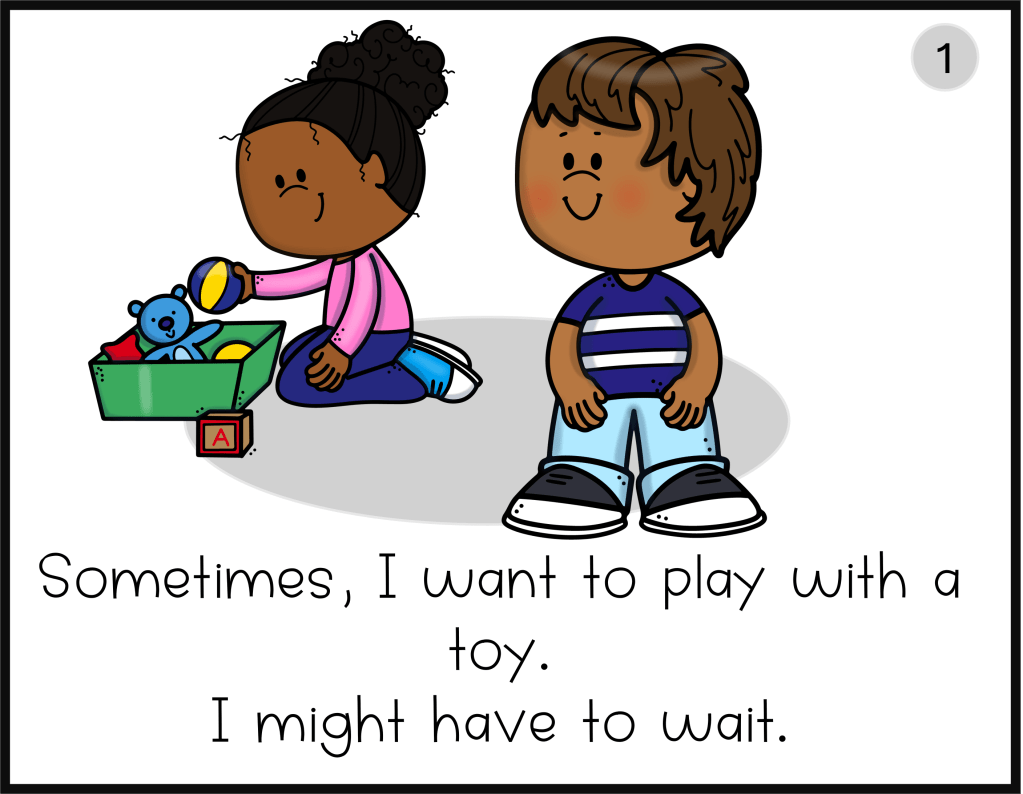
1. Velcro-backed visuals** (like symbols, pictures, or words)

2. Interactive elements** (like flaps, matching tasks, or fill-in-the-blank pages)

3. Simple, repetitive language** to build understanding

These books are especially helpful for:

* Students with autism

* Nonverbal or minimally verbal learners

* Kids working on expressive and receptive language skills

Detachable visuals allow students to:

* **Actively participate** in reading by matching, choosing, or sequencing pictures

* **Reinforce communication** with photos, pictures or symbols

* **Improve attention span** by making reading more dynamic

* **Practice fine motor skills** by pulling and placing Velcro-backed pieces

How to Use Adapted Books in the Classroom

Here’s a simple step-by-step guide:

1. **Choose the Right Book**

   * Pick a story or concept that matches the student’s interest and comprehension level.

   * Common themes include: feelings, animals, routines, weather, or food.

2. **Prepare the Book**

   * Print and laminate each page.

   * Add Velcro dots to the detachable visuals and matching spots in the book.

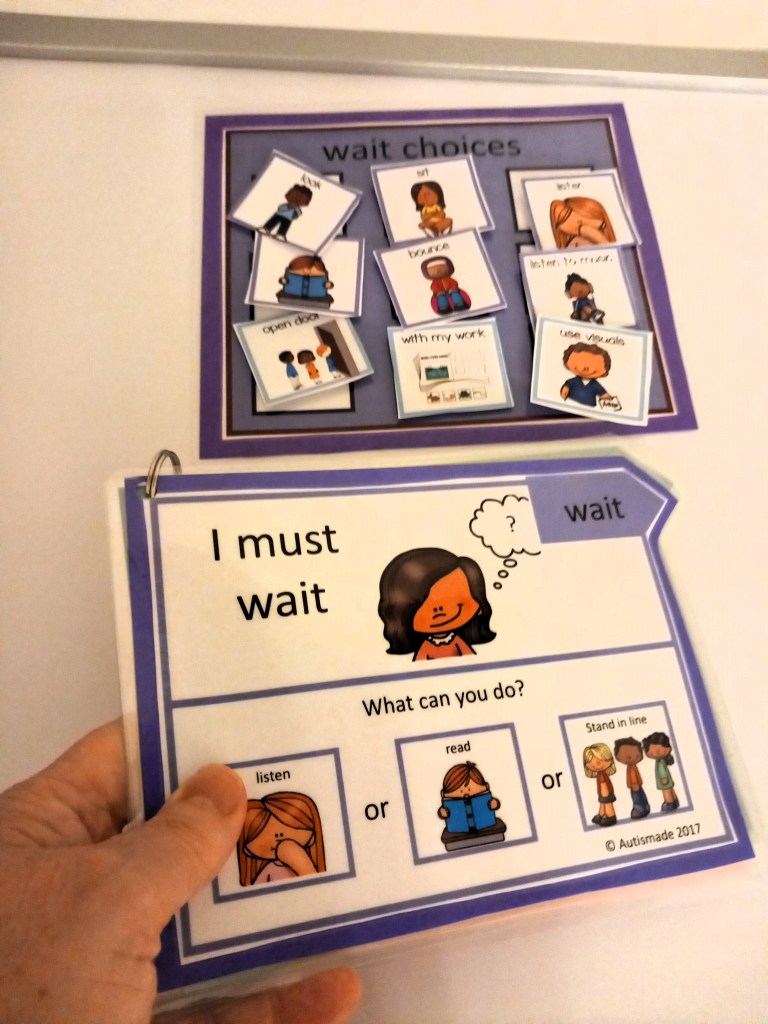
   * Organize visuals on a “choice board” or in a binder for easy access.

3. **Model and Prompt**

   * Read the book aloud and model how to match or place visuals.

   * Prompt students to interact (“Can you find the red apple?” or “What comes next?”).

4. **Encourage Communication**

   * Use visuals to practice answering WH-questions (What? Where? Who?).

   * Offer sentence starters or AAC support to promote expressive language.

5. **Make it Routine**

   * Use adapted books during circle time, one-on-one sessions, or independent work stations.

### Tips for Success

* **Start simple**: Use 2–3 visuals per page and gradually increase as the student grows more confident.

* **Use themes**: Rotate books based on seasons, holidays, or IEP goals.

* **Personalize visuals**: Include real photos of students or classroom objects when possible.

* **Celebrate participation**: Use praise, tokens, or sensory breaks as reinforcement.

### Free & Low-Cost Resources

Looking for ready-made templates or printable adapted books? Try:

* **Teachers Pay Teachers (TpT)**

* **Tarheel Reader**

* **Twinkl or Boardmaker**

* **Pinterest for DIY ideas**

Interactive, adapted books don’t just teach literacy—they create meaningful, hands-on learning experiences that build communication, confidence, and connection. Whether you’re working with a pre-verbal preschooler or a student learning to use AAC, these books offer a powerful tool for inclusive, engaging education.

Adapted books on TPT

Free Summer adapted book

Free Adapted resources on TPT

All my TPT Resources

An Ultimate Classroom Management Plan

For Special Education Teachers

Classroom management in a special education setting isn’t just about keeping order—it’s about creating a space where every student feels safe, supported, and empowered to learn. Whether you’re a new teacher or just looking for a refresher, this ultimate classroom management plan will help you build a strong foundation for success.

1. Set Clear Expectations from Day One

Students thrive when they know what’s expected of them. Establish clear, simple rules and routines early on. Use visual aids, pictures, or even role-playing to reinforce rules. Keep the language consistent and positive—for example:

  • Use kind words
  • Raise your hand to speak
  • Keep hands and feet to yourself

Repetition and reinforcement are key.

Grab a FREE Version here


2. Build Strong Relationships

Connection comes before correction. Get to know your students—what they like, what triggers them, what helps them calm down. A strong teacher-student relationship is the cornerstone of good behavior. Take time to:

  • Greet students warmly each day
  • Show interest in their hobbies
  • Celebrate small wins

3. Structure the Environment for Success

A well-organized classroom can reduce distractions and promote independence. Try this:

  • Use labeled bins and clear visuals for materials
  • Create defined spaces (e.g., a calm-down corner, group work area)
  • Keep transitions smooth with visual schedules or timers

4. Be Proactive, Not Reactive

Anticipate challenges before they happen. For example:

  • Use sensory breaks for students who get overstimulated
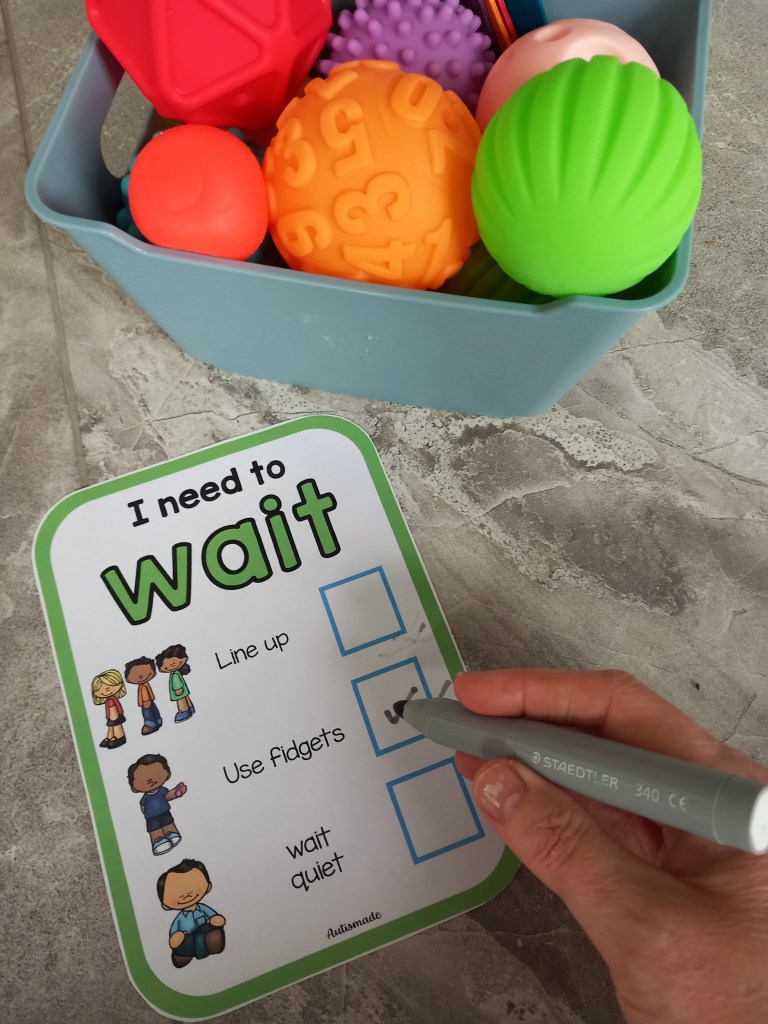
  • Provide fidgets or alternative seating for students with focus issues
  • Modify tasks to meet individual needs

Being proactive also means recognizing and praising positive behaviors more often than correcting negative ones.


5. Use a Consistent Behavior Plan

Consistency is key. Choose a behavior management system that works for your group, such as:

  • Token economies (students earn points or stickers for positive behavior)
  • Color charts or behavior contracts
  • Positive reinforcement systems customized to the student (like earning extra iPad time)

Make sure to communicate the plan with paraprofessionals, parents, and anyone else working with your students.


6. Collaborate with Your Team

You’re not in this alone. Collaborate with:

  • Paraprofessionals
  • Therapists (OT, speech, etc.)
  • Parents and caregivers

Share strategies, stay consistent, and support one another.


7. Reflect and Adjust

No plan is perfect—and that’s okay. What works for one group might not work for the next. Reflect regularly:

  • What’s working well?
  • What needs tweaking?
  • How are the students responding?

Stay flexible and be willing to change what’s not working.


Final Thoughts

Effective classroom management in special education is all about structure, relationships, and consistency. When students feel safe and understood, real learning can happen. With a solid plan in place, you can build a classroom where every child has the opportunity to shine.


Resources For Special Education Teachers

Free Calm Down Poster

Free Social Skills Poster | Class rules | Classroom Behavior Management

Calm Down Tools & Token Reward Boards for Classroom Behavior Management

Calm Down Corner Tab book & Posters

Calm Down check in / Social-Emotional learning, Posters and coping tools

Social Emotional Posters for being friends, classroom expectations

Visual Behavior Support cards – Break, Help & Wait Strategies for Autism

A Bundle Social Skill Stories – Social-Emotional Learning

Classroom Support Cards