Chaos to Calm: Mastering Behavior Management in Special Education Classrooms,

Are you a Special Education teacher who feels like your classroom is constantly in chaos? Do you struggle to manage behavior and create a calm learning environment for your students? If so, you’re not alone! Behavior management is a never ending challenge for special education teachers, but there are strategies and practical tips that can help you transform chaos into calm.

Throughout this post, I’ll help you with practical strategies and steps for you to start implementing them in your class today. From creating a structured and supportive environment to implementing effective interventions, I will guide you through the process of helping you master behavior management.

Creating a Structured and Supportive Environment

. Set time to build a structured environment by establishing clear expectations and routines. . . Provide your students with a sense of structure and predictability by clearly communicating the rules and procedures to your students you provide them with a sense of structure and predictability. This helps to minimize confusion and allows students to focus on their learning. . Consider creating visual supports, such as posters or charts, to display these expectations and refer to them regularly.

Click here to pick up these FREEBIE Posters

. To further promote structure and support, consider implementing classroom organization strategies. Ensure that your classroom is arranged in a way that allows for easy movement and minimizes distractions. . Provide designated spaces for different activities, such as quiet reading areas or group workstations with centre signs. This helps students understand where and how they should engage in different tasks, promoting a more focused and productive learning environment.

. Additionally, incorporating visual supports can be highly beneficial in creating a structured and supportive classroom. Visual aids, such as schedules, rules, and task boards, can assist students in understanding expectations and managing their time effectively. Furthermore, visual prompts can be particularly helpful for students with communication difficulties or those who struggle with transitions.

. Another valuable intervention is the implementation of social skills training. Many students in special education classrooms struggle with social interactions, making it difficult for them to navigate social situations and establish positive relationships with their peers. . By incorporating social skills training into the curriculum, students can learn important skills such as active listening, turn-taking, and conflict resolution. . Role-playing exercises and real-life scenarios can also help students practice applying these skills in a safe and supportive environment.

By implementing these effective interventions, Teachers can enhance behavior management in special education classrooms. These interventions address the specific needs of students, providing them with the support, strategies, and tools necessary to help them succeed academically and socially. When students are equipped with the skills and resources they need, they are more empowered to make positive choices and engage in behaviors that promote a calm and productive learning environment.
7 End of Year Gift Ideas for Kids in Special Education

Giving gifts to your students can be a great way to show how much you care when saying “goodbye” at the end of a busy school year!  It only takes a token gift to say enjoy your summer break, see you next term or good luck in your new class for students to feel appreciated.

Sometimes though it can be overwhelming trying to find that one meaningful gift that is appropriate in a class with such varying abilities and needs.

Receiving gifts is exciting for both you and your students, but making each gift special depends on your budget, your time and the pupil its for, so I’ve listed some ideas for you to think about:

Gifts Ideas

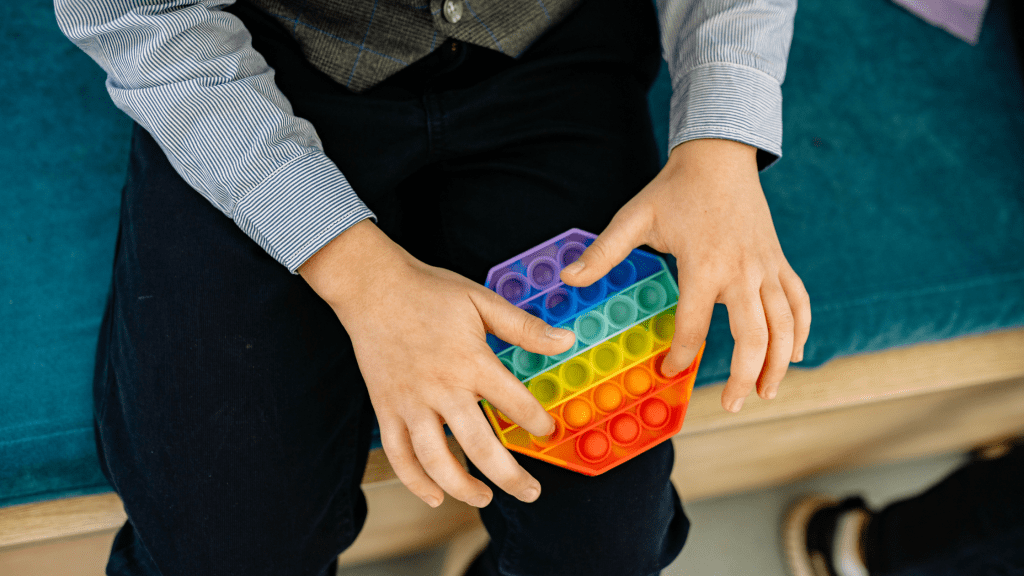
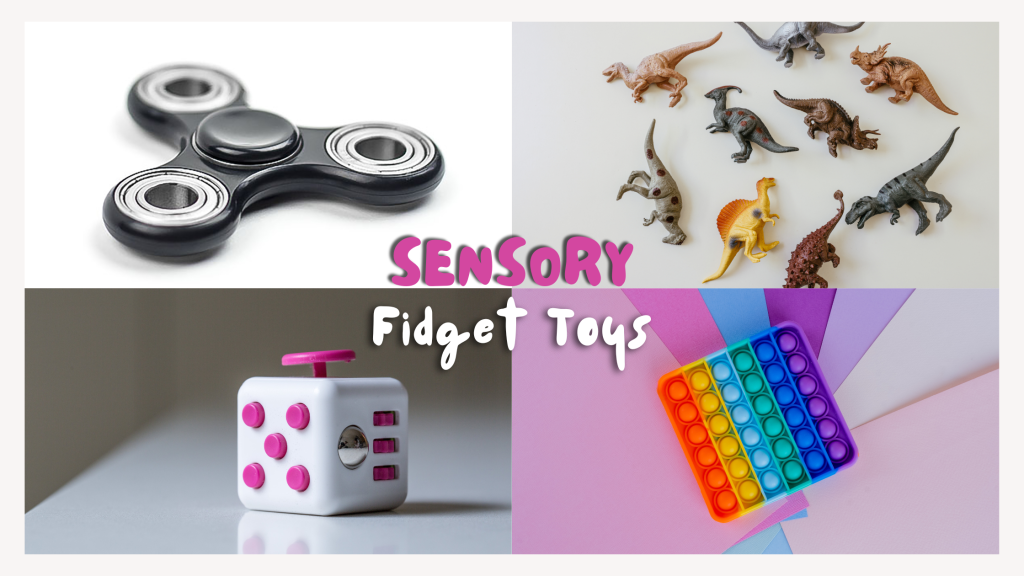
1. FIDGET TOYS – Sensory toys such as fidget spinners, stress balls, or tactile balls can be helpful for students who need sensory stimulation to focus or calm down.  You can find these in various textures, shapes, and sizes to suit different needs.

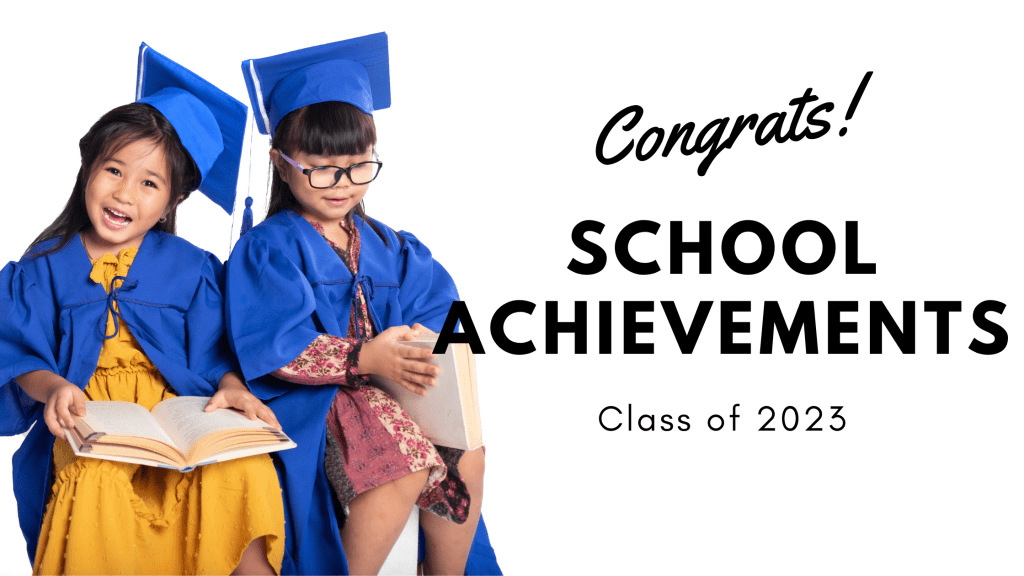
2. CERTIFICATES AND MEDALS – Create personalized certificates that recognize each student’s unique strengths and accomplishments. Draped medals for an added touch and certificates can look great framed and presented to students at a ceremony or graduation.

3. MEMORY BOOKS – A memory book that captures the special moments and achievements of the school year. Include any pictures, drawings,  from the students and add photos to make the book more personal and meaningful.

4. GIFT BAGS – Create gift bag! tailored to each student’s interests and preferences. Fill the bag with items such as books, toys, fidgets, and snacks to make them more enjoyable.

5. ART SUPPLIES – Art supplies such as adaptive scissors, pencil grips, or weighted crayons can help students with fine motor difficulties to participate in art activities. These supplies can be helpful for developing their hand-eye coordination and creativity.

6. PUZZLES – Board games and puzzles are great gifts for promoting social skills and cognitive development. Choose games and puzzles that are age-appropriate and have clear rules and instructions to ensure turn taking and waiting.

7. BOOKS – Reading materials with favourite characters. Choose books with large text, pictures and simple language to make them accessible. Personalise them with class, who its from and dates on the inside cover. 

Choosing gifts for students in Special Ed requires careful consideration, and personalized gifts are all excellent options for Special Education students. Whatever gift you choose the most important thing is to show your students that you care and support them in their learning journey!

Creating a Welcoming Classroom for Special Education

I always look forward to the start of the school year, but I also know that it can be a challenging time for new little learners. So, I always make it my priority to provide a welcoming environment on their very first day in my classroom.

My plan usually involves spending countless hours decorating my classroom with colorful posters, charts, and other visuals that will make my students feel comfortable and supported. I also like to make sure I establish daily routines by using visual schedules that my students can learn to follow throughout the day.

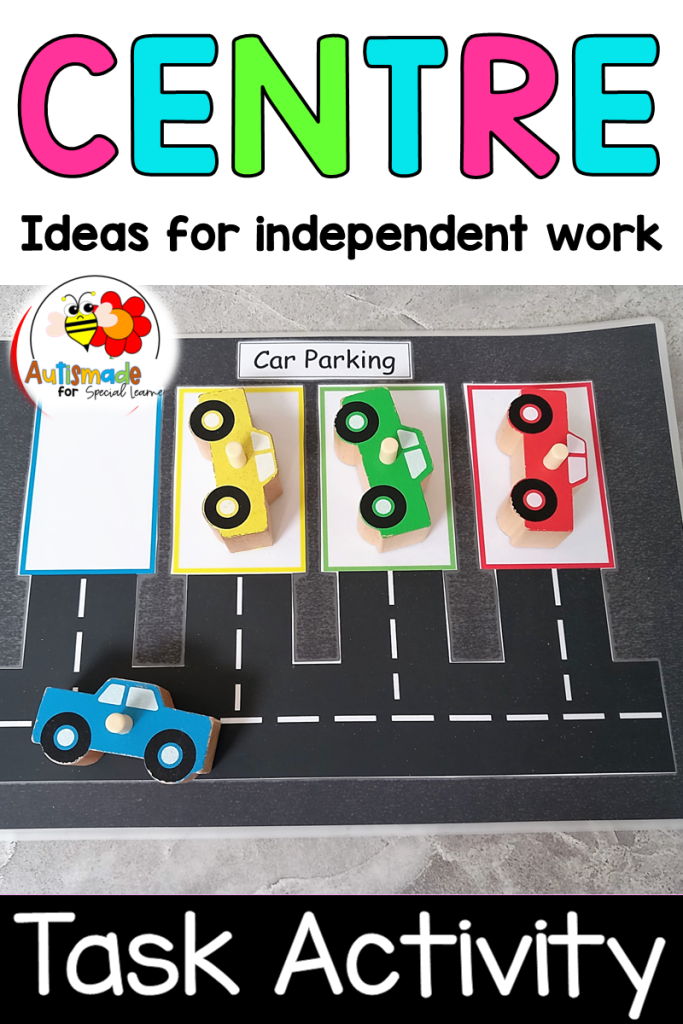
Using visual aids and hands-on activities in my centres are always a hit with my students, and I enjoy incorporating small play items into their learning. I use toys and classroom resources as matching and sorting tasks, which helps my students to engage with the material in a fun and interactive way.

Maintaining a positive relationship with my students’ parents is also important to me. I make sure to keep them informed of their child’s progress and phone or email regularly with them. I found that by working with parents we help each other meet the needs of their child.

Proudly, celebrating my students’ accomplishments are always the highlights of the school year for me. Seeing my students’ progress and growth makes all the hard work put in from the start worth it. Whether it was a simple high-five or a special treat, I made sure to recognize and celebrate each and everyone’s work.

Preparing for the back-to-school season can be challenging I know, but I wouldn’t miss the opportunity to create this positive learning environment for my Special Education students. Incorporating all the personal touches and prioritizing the needs of my students, I do my best to make the start of the school year an exciting and memorable time for everyone.

Pick up Free Matching Boards for the first week of fun – CLICK HERE

Visual Behavior Support Folder – Token Rewards Tools, schedules, First & Then,

Visual Supports: Token Reward System/First & Then – Strategies for Special Ed

Classroom Behavior Management Strategies: First, Next and Then Tools

Token Reward folder: Visual support tools with “first & then” Behavior Strategy

First, Next and Then table Schedule Templates with Visual Supports

First Then boards and Help cards: Autism visual supports

Visual Supports:”First, next, then” with Token Rewards Systems

Teaching Functional Communication in Behavior Management

Functional Communication is an important skill to master in any successful Behavior Management Plan. Here’s a brief description on how I teach theses skills with my young learners.

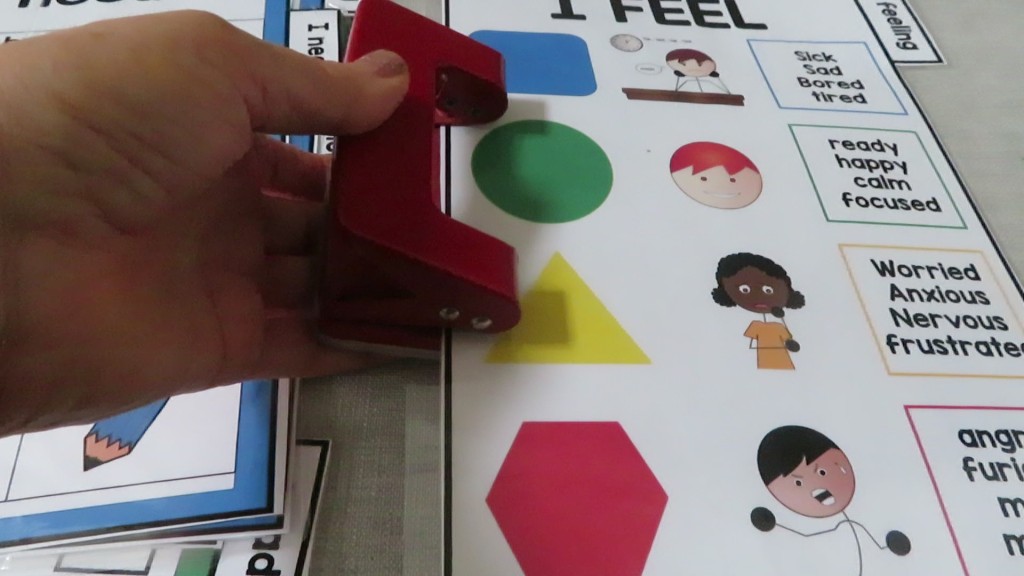
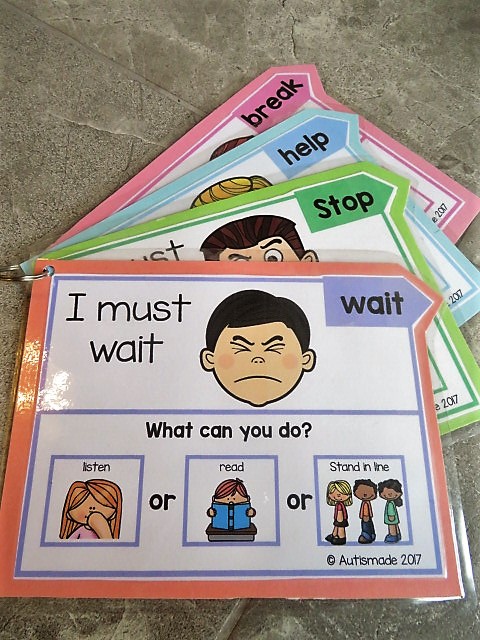
How I Teach students to use a “Break or Help” card

1. Firstly you need to help your student realise when they need to use the break/help card, preferably before they get too frustrated or loose concentration. At the start of any activity, show the student the break card and place the card where they can easily reach it.

2. Point to the break/help card and tell them, “This is your break/help card. You can use it to ask for a break.” When your student starts to get frustrated or loose interest, You say “If you are getting upset, use your break card to tell me you need a break/help.”

3. Once he requests the card allow the student to take a break/help from his tasks, or direct the student to move away to the “break area.” I found that self regulating visuals on the bottom of the card is a fantastic way of calming your student while on a break.

4. Requesting is an important part of teaching the student to trust and use the visual support, once they are consistently asking for breaks, you may begin to extend the time between the request and the actual break.

5. Visuals to the bottom of the support cards help redirect the student to what he can do instead, or while using the card. I hang them up on a keyring for easy access in my calm down corner!

Visit my TPT Store for more details

How to Use Social Narratives for Behavior Management

Social narratives are always available in my calm down area! I keep them on the book shelf ready to remind my young learners how to respond in difficult social situations. This type of visual guide describes social interactions helps with understanding social skills and cues that they might of missed. 

Social supports help my young learners understand how to behave or respond in particular situations by using visuals to describe various social interactions, situations, behaviours, and skills.

The main goal of a Social narrative is to share social information that describes how to behave in them instances.

Reading these stories, one to one and as a whole class lesson has enabled me to reinforce these important social skills. I’ve displayed a poster on classroom rules as a quick reminder and added supporting activities to generalise learning.

“Class Rules and “Inside voice,” are the ones I often read within a class lesson, usually when a reminder is needed on how behavior affects the class and disrupts others.

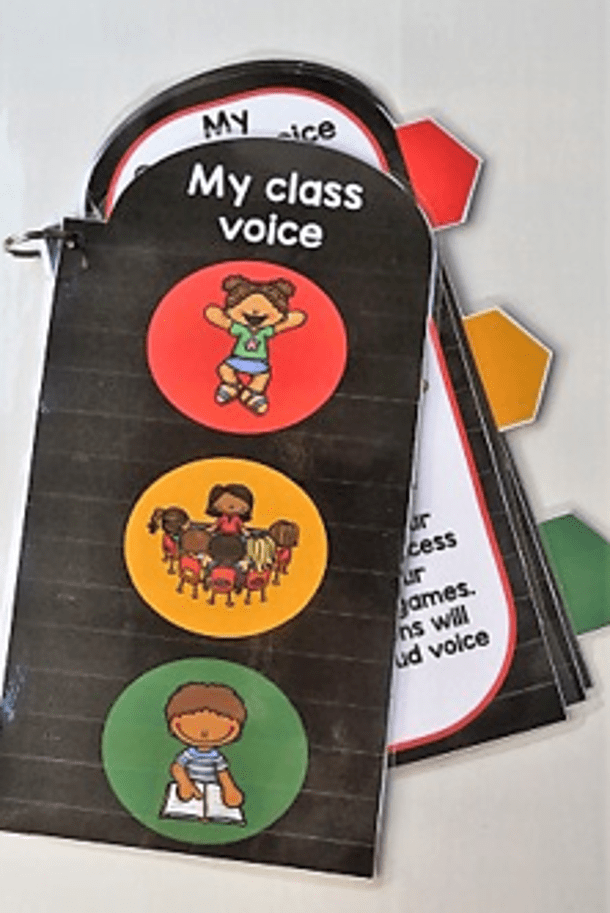
I use a quick reminder booklet to reinforce outside, inside and class voices!

“Be Kind” or “Listen to your Teacher” Might be needed for individuals or to target a more tricky behavior that is reoccurring.

I use Social Strips to support the skills outlined in the stories