Setting up Behavior Resources & Visual Directions in the Classroom

As a Teacher you know you need to have a well stocked toolbox!  But for a Special Ed teacher this is especially true in order to run a successful classroom.

Students with such diverse needs will need more specialised resources to support their learning. In this article I would like to share with you a handful of essential tools that I’ve discovered, created and have helped with behavior management in my Special Ed classroom.

  1. Calm Down check in / Social-Emotional learning, Posters and coping tools
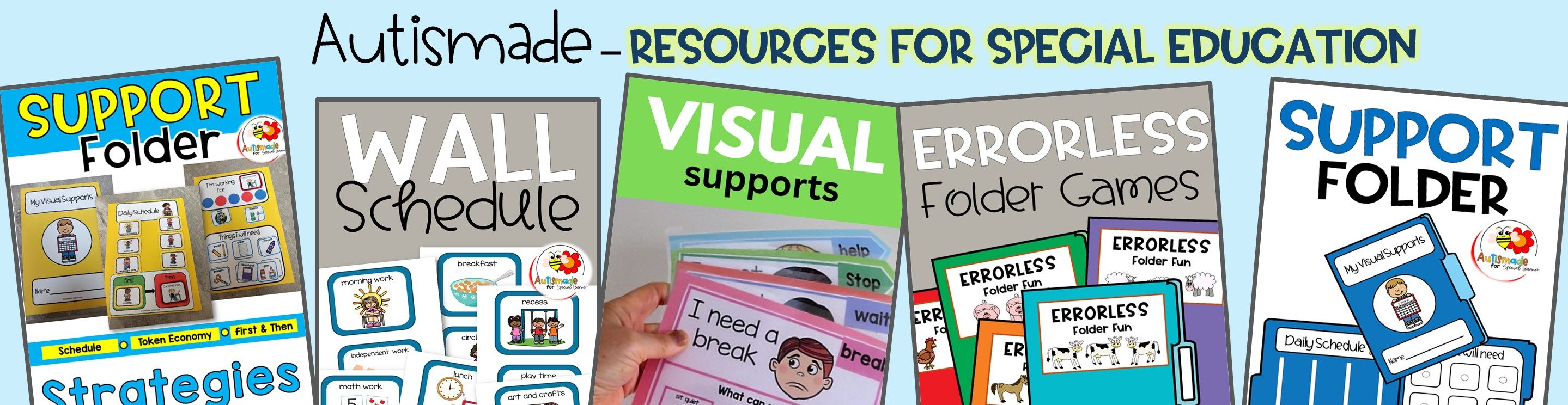
  2. Classroom Behavior Management Tools | Reward charts, First and Then, schedules)
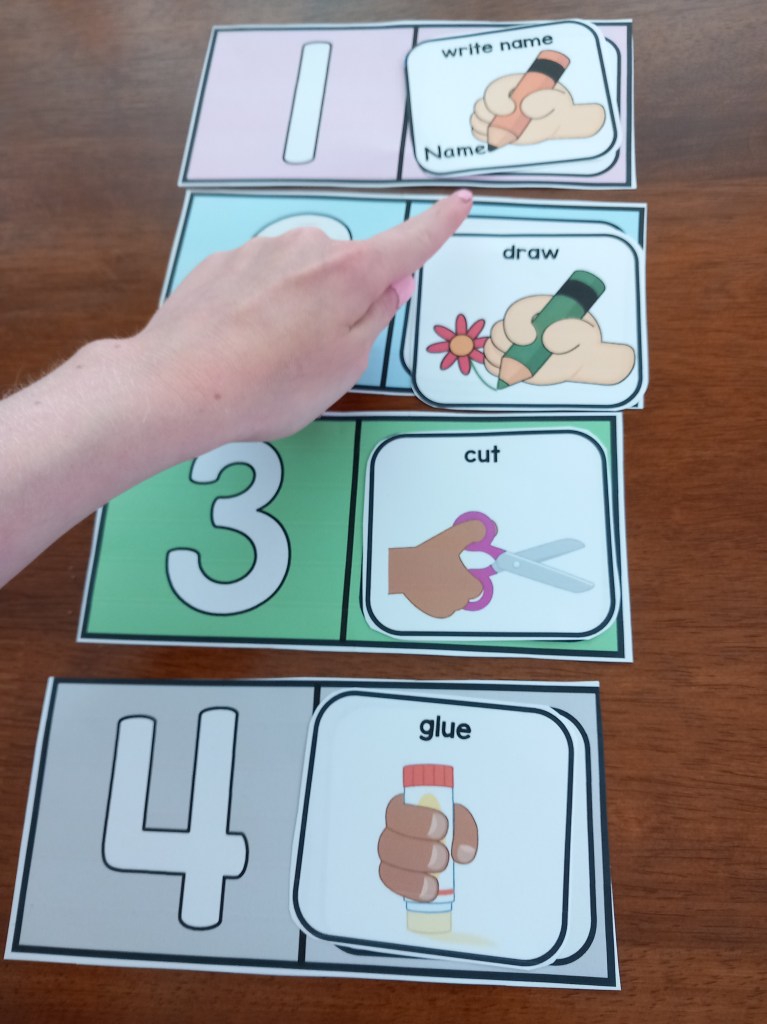
  3. Visual Direction | Cue card instructions
  4. Editable Visual Schedules
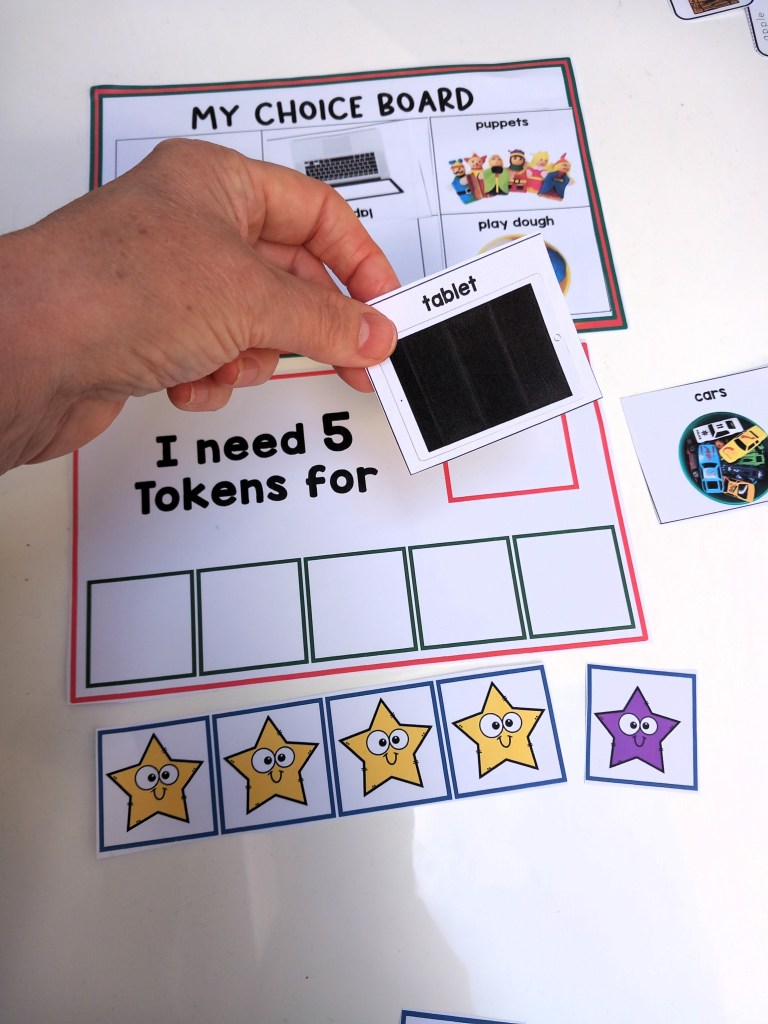
  5. Token Reward Boards a Positive Reinforcement System for Autism/Special Ed
  6. Classroom Support Cards | Classroom Behavior Management | Special Education
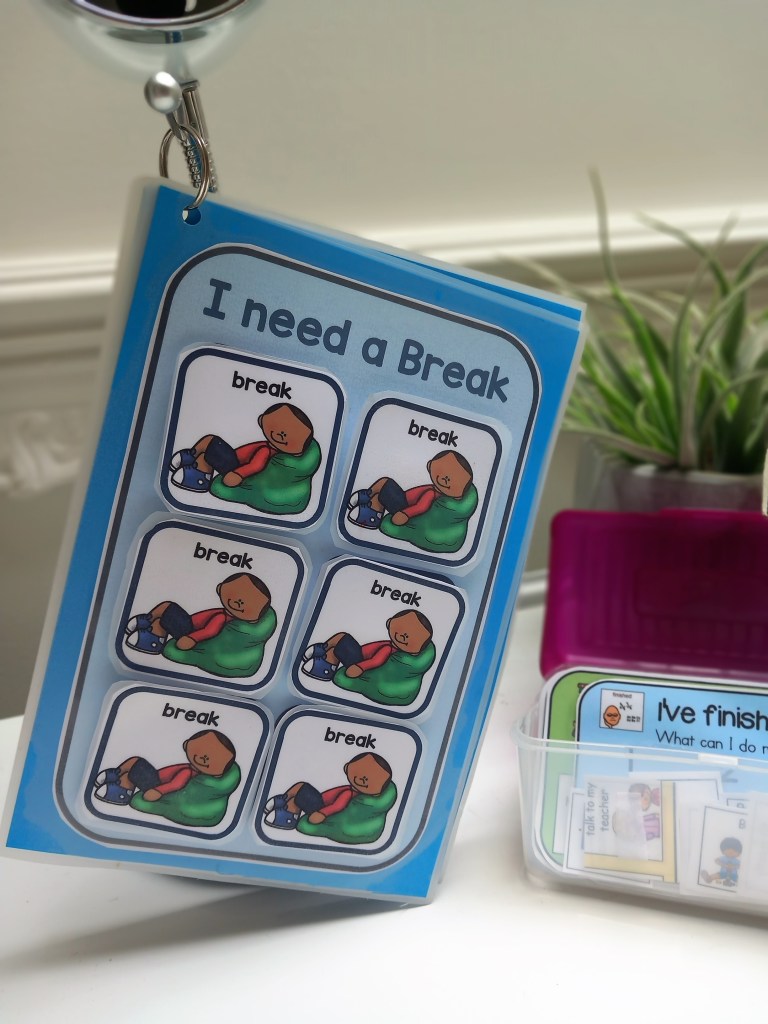
  7. Classroom Support Visuals on a Ring | Behavior Management
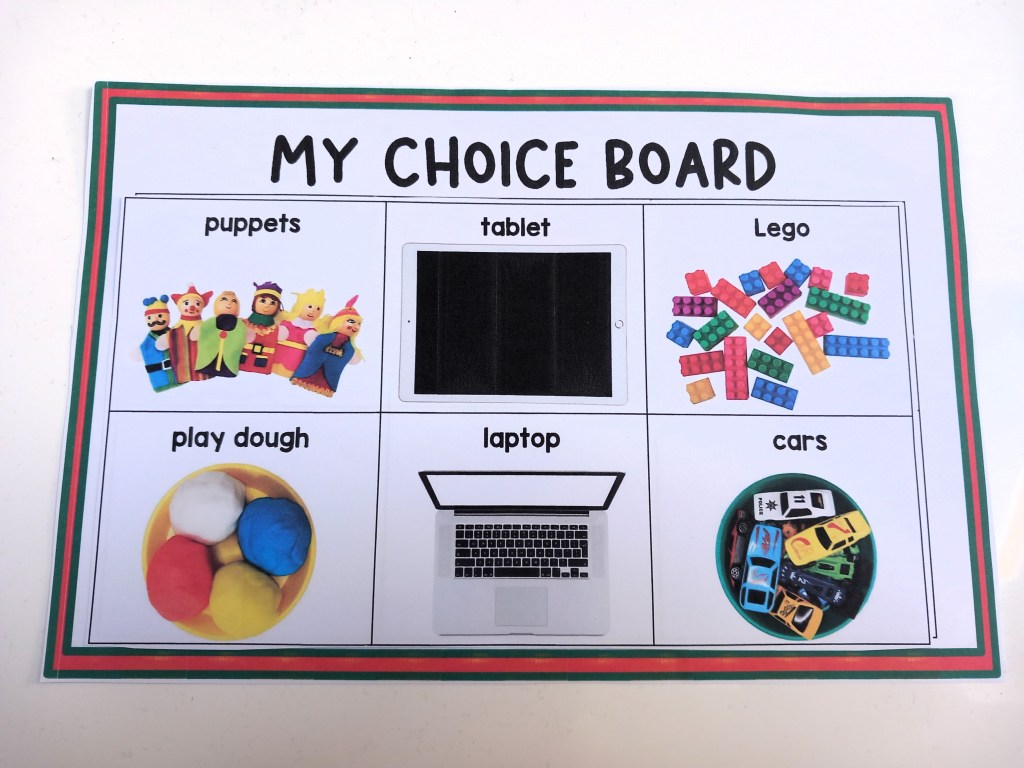
  8. Behavior Support Pack – Token Boards, Choice cards and How are you feeling?
  9. Editable Schedules for Classroom Management
  10. Socials Skill Stories for Classroom Behavior Management

5 FREE resources for you to download and try

  1. Help me calm down | Free Poster
  2. 2 Free Classroom Management Posters for Back to School
  3. Reward Boards – Free Token Economy for Behavior Management
  4. How are you feeling Emoji Free cards
  5. FREE – Good Choice, Bad Choice Activity Boards

It is important to remember that these resources are not just tools, but opportunities to empower and uplift students, and an opportunity for you to explore and implement them in your own classroom.

Schedule Templates for Preschool Special Education Classrooms

You can now enjoy a more structured day for your special needs preschooler with these printable schedule templates! An easy-to-use guide will help you create individualized, fun learning experiences tailored to your child’s specific needs and capabilities.

This quick rundown will provide you with a few tips and strategies to help you create the perfect routine for your little learner.

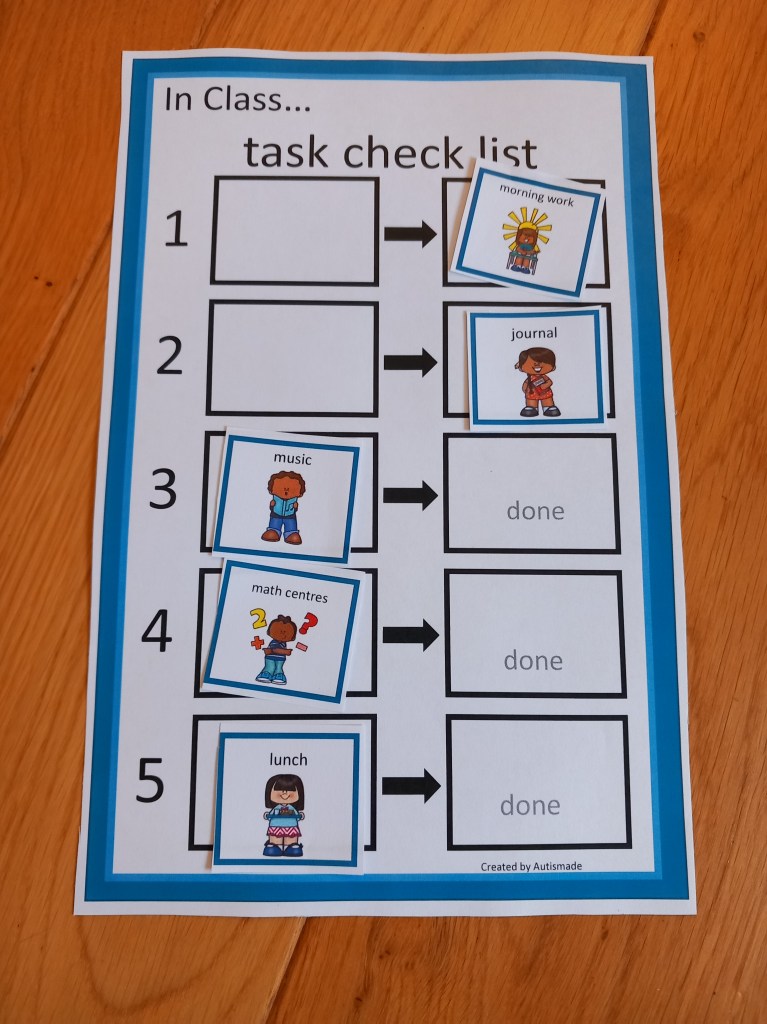
1. START SIMPLE – Make visuals for just meaningful times of the day eg, morning work, break, lunch etc,  this will help your young learner to recognise and correspond each picture with each of the activities.

2. BUY A LAMINATOR – Your laminator will become your friend! If you want all your hard work to last, laminate all mounts and visuals because they are going to go through a tough time!

3. WALL MOUNT  – Mount on a wall, the schedule must be low enough for your student to access and take away finished symbols.

4. USE A FINISHED BOX – Attach a finished box at the end or side of the schedule to drop the finished visuals in before starting a new activity. 

5. TRY A FILE FOLDER – A portable schedule can be used in a file folder in the same way as a wall mounted one. I find these easier with older children to check into the activities and more efficient in busy classrooms. Pop their name on it and keep all their individual support visuals in one place. 

6. MODLE AND PRACTICE – Always model, practice and remind your busy student at the beginning of each activity to, “check in”, or “check your schedule“.   Make a plan to pull back on all prompting until they begin to use this system independently!

Ask yourself questions to find the right types of schedule to fit the learners needs.

  1. Are your students able to pull off visuals when finished or can they tick a box?
  2. Do they need visuals?
  3. Can they read or write out the schedule?
  4. Can they tell the time and follow the order of the day?

For more resources visit my TPT Store!

Editable Visual Schedules

Editable Schedules for Classroom Management

Reward Chart Systems for Behavior Management|schedule|Token Economy|First & Then
Daily Planner Binder – Back to School for Kindergarten & Special Education

Engaging Students: A Guide to Creating Interactive Adapted Books for kids

“Are you struggling to keep your special education students engaged in pre-reading material? Look no further! In this post, we will guide you through creating interactive adapted books that will effortlessly engage your students and make reading fun and exciting.”

Not only will these adapted books provide a fun and interactive pre-reading experience for your students, but they will also meet the specific needs and abilities of each individual student. By incorporating visual aids, manipulatives, and other interactive elements, these books will enhance comprehension and build a love for learning. Follow along as we break down the steps to creating your own adapted books.

Incorporating Interactive Elements for Enhanced Learning

An adapted book can be simplified for young learners and kids in Special Education to access. The main objectives of these type of adapted books is to comment on what they see on the page, identify the visual to answer the “I can see” question, learn story vocabulary and answer “who”questions about the animal characters in the story.

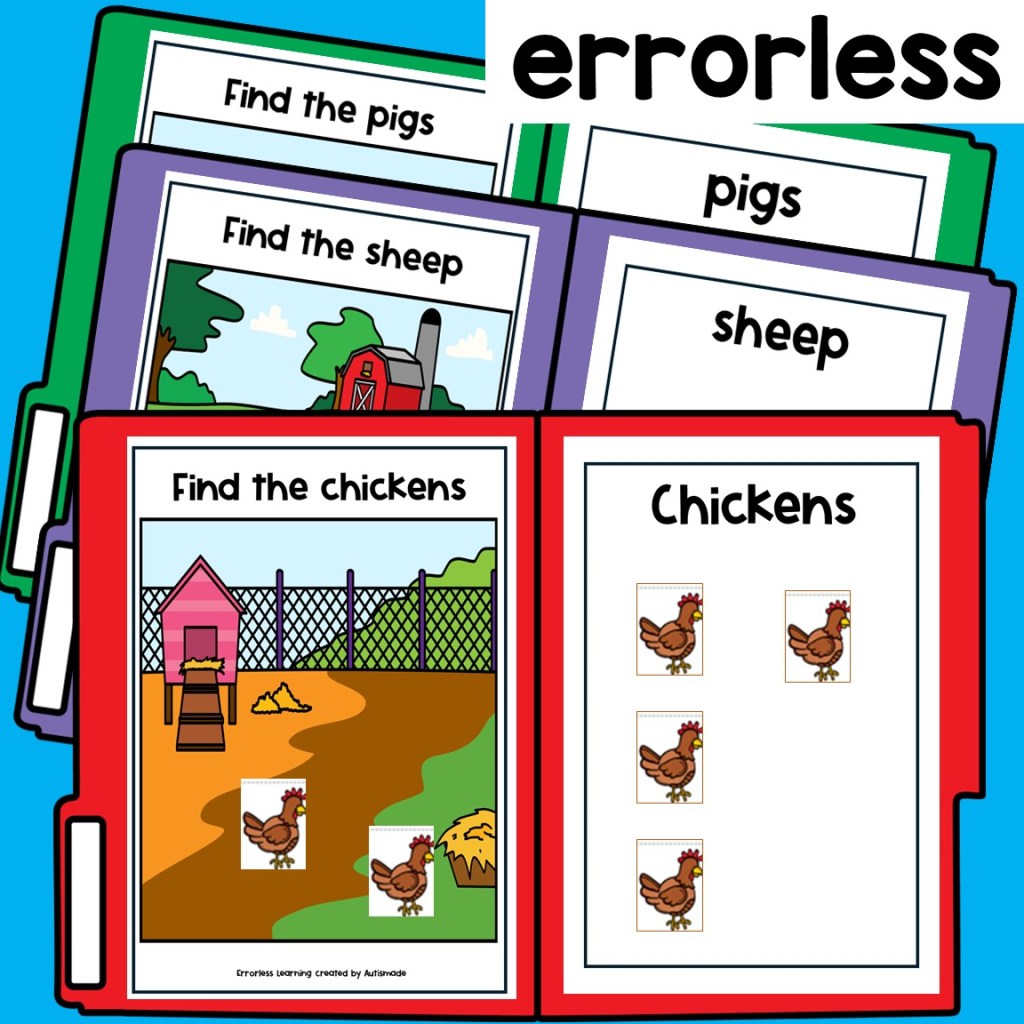
  • So attaching detachable visuals will enable the learner to answer questions.
  • Having a selection of visuals to choose from will establish a correspondence check for accuracy.
  • Using a comprehensive accompanied book with visuals will check understanding.
  • Vocabulary check cards can help with naming the corresponding characters, items or animals.
  • The Benefits of these Interactive Adapted Books
  1. Using interactive resources can help your young learners and non verbal students access popular stories and their characters, practice story sequencing skills, increasing motivation and interest, promote independence, and enhancing comprehension.
  2. Learners are able to practice receptive and expressive language skills, Vocabulary, sequencing and Math and Literacy.

Fun & Engaging Life Skills Activities for Special Education Classrooms

Discover how our functional life skills resources in special education can help your child master their emotions and thrive in everyday life. Our interactive books, worksheets and activities are designed to build essential emotional recognition and management skills for a brighter, more confident future.

Equip your special learners with the tools to understand and express their emotions with our collection of functional life skills

Check out these amazing interactive books that make learning about facial expressions and emotions a blast! Students use attachable visuals to answer questions and complete tasks, perfect for independent work or more focused activities. Dive into a world where emotions come alive!

Learning about one’s own feelings and emotions can be daunting, particularly for young people with special needs. Our comprehensive guide to recognizing emotions and developing functional life skills is tailored explicitly for learners in special education, providing invaluable tools and techniques to foster understanding and independence.

For more resources visit my Store

Tips on How to Promote Positive Behavior in Preschool and Special Ed Classrooms

The main aim in my classroom is to create a positive friendly environment to begin teaching, sometimes I find myself going around in circles… but I love it! Running a successful Special Ed class, in my opinion, requires a combination of effective communication and visual supports and I know by incorporating both I can significantly enhance positive behavior in my class. In this blog, I’ll guide you through how I combine critical communication skills with visual supports to promote behavior management in my wonderful class!

I always start by establishing clear behavioral expectations through visual supports and by engaging students with visuals of my classroom rules.

Then I teaching critical communication skills to ensure that every student’s perspective, abilities and needs are considered.

I always Involve my students in creating visual aids and support systems of their preferences to promote a sense of ownership, decorated with pictures of their interests and motivators. Through discussions and choosing sessions, I guide them in designing posters, charts, or cards that visually represent each behavioral expectation. I find this collaborative approach offers a deeper understanding of the rules and a sense of responsibility for them to follow.

By strategically placing visual aids in areas where they can be easily seen and accessed. A choice of support cards, critical communication aids such as “Break” and “Help” are always easy for students to find and I discuss with staff how the visual aids will help everyone remember and adhere to the agreed-upon behavioral expectations.

Utilize critical communication skills to teach and model positive behavior. I engage my students when behaviors are demonstrated to the supporting visuals, and encourage them to share their thoughts and solutions, promoting critical thinking with self regulation supports.

I work with my students to design a reward system that aligns with their preferences. Use critical communication skills I gather their input on incentives and rewards for positive behavior to establish a system where students feel empowered to make decisions about their own motivation. An individualised Visual Schedule, Token Economy Support are particularly valuable for my Classroom Behavior Management. It lets students know what activity they need to do, what motivator they can work for and supports them throughout the school day.

Its been hard work with many an hour planning and preparing but its been worth every second!

For More information on resources visit my Store