Summer Themed Number Games for Preschoolers and Special Education

Fun with Numbers! Easy & Engaging Number Games for Preschoolers and Kids in Special Education

Learning numbers can be a blastโ€”especially when we turn it into a game! Whether you’re a parent, teacher, or caregiver, these playful number activities are perfect for preschoolers and children in special education settings. They’re designed to build number recognition, counting skills, and confidenceโ€ฆ all while having FUN! These summer-themed number activities are designed for preschoolers and students in special education, with a focus on visual supports, matching, and hands-on fun.

The best part? Most of these can be laminated and reused as file folder games, worksheets, or task boxesโ€”perfect for classrooms, therapy sessions, or at home!


Materials Needed:

  • Printable ice cream cones with numbers (1โ€“10)
  • Printable scoops with dots, ten frames, or number words

How to Play: Students match the correct number of scoops to the cone by counting the dots or reading the number word. Velcro makes it interactive!

Skills Targeted: Number recognition, one-to-one correspondence, visual matching

Math Games 1 to 10 Counting Activities:Number Recognition, 1-1 Correspondence


Materials Needed:

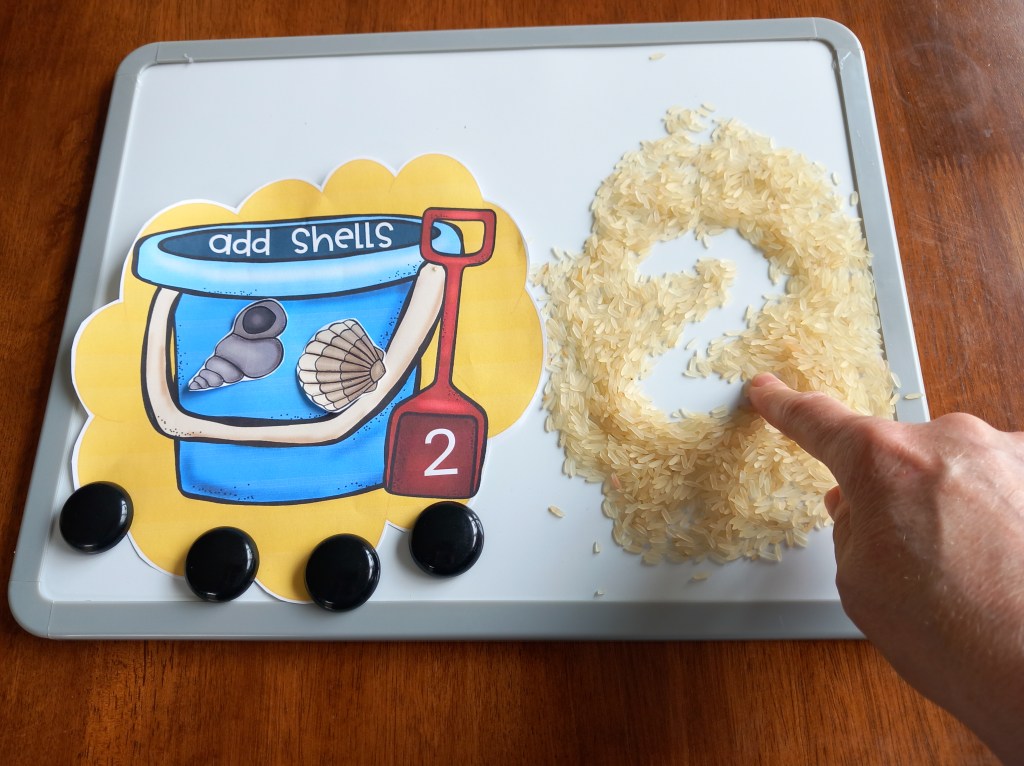
  • Printable beach scene or bucket
  • Cut-out shells
  • Number prompts (e.g., โ€œAdd 4 shells to the bucket!โ€)

How to Play: Give kids a scene and a number. They count and glue the correct number of shells onto the picture. Bonus: You can reuse this with different animals (like turtles or starfish)!

Skills Targeted: Counting, following directions, fine motor skills

Fun Math Games: Low Prep, 10 Frame Learning Activities


Materials Needed:

  • Watermelon slices with numbers
  • Seeds with matching dots or number words

How to Play: Kids match seeds to the correct watermelon slice. You can also make it a โ€œpuzzleโ€ where they have to match pieces that fit together.

Skills Targeted: Number ID, matching quantities to numerals, visual discrimination


Materials Needed:

  • Printable sand pails labeled with numbers
  • Small images (like shells, flip-flops, or sunglasses) in sets of 1โ€“10

How to Play: Students “sort” the correct number of summer items into each bucket. Laminate and use Velcro dots for a reusable file folder activity.

Skills Targeted: Sorting, counting, number sense


Materials Needed:

  • Printable suns with ten frames
  • Clothespins or cards with numerals 1โ€“10

How to Play: Students count how many โ€œraysโ€ or dots are on the sun and clip or match the correct number. Easy to turn into a file folder or dry-erase activity.
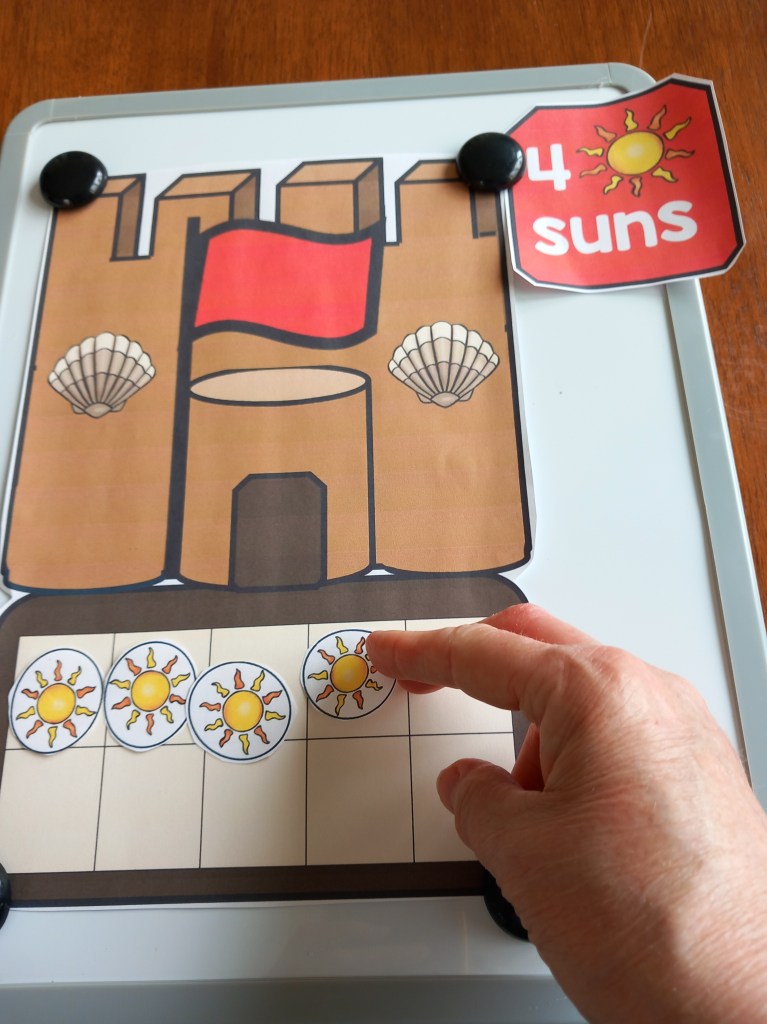
Skills Targeted: Counting, ten frame recognition, fine motor coordination

Fun Math Games: Low Prep, 10 Frame Learning Activities


Materials Needed:

  • Sandpaper numbers or laminated tracing sheets
  • Sand tray or printed โ€œbeachโ€ background

How to Play: Students trace the number with their finger or a crayon. Add a sensory element by tracing numbers in a shallow tray filled with sand or salt!

Skills Targeted: Number formation, sensory input, pre-writing skills.

๐Ÿ’ก BONUS TIP:

For extra durability, laminate your materials and store them in labeled file folders or task boxes. Add visuals and step-by-step instructions for independence!


Wrap-Up: Summer learning can be low-stress and high-fun! These file folder games and worksheets bring sunshine into math timeโ€”helping children strengthen number skills while keeping things seasonal and playful. Perfect for your summer school setup or at-home activities!

For more Summer Themed Resources click the links below

Summer Fine Motor skills: Fun activity printable sheets

Summer Maths Activities

Sequencing Adapted Book – Summer themed

Fun Summer Activity sheets FREE

Tabletop Activities – Apple counting, Task cards and color sorting.

Same-Different-Big-Small Sorting
Fun Math Games: Low Prep, 10 Frame Learning Activities

Fun Math Games: Low Prep, 10 Frame Learning Activities

Special Education | Winter Fun Activities for Centers and workstations.

We’ve been trying out our Christmas themed activities this week and have had lots of fun learning!

My little learners love hands on activities and was excited to try this one out on Monday!

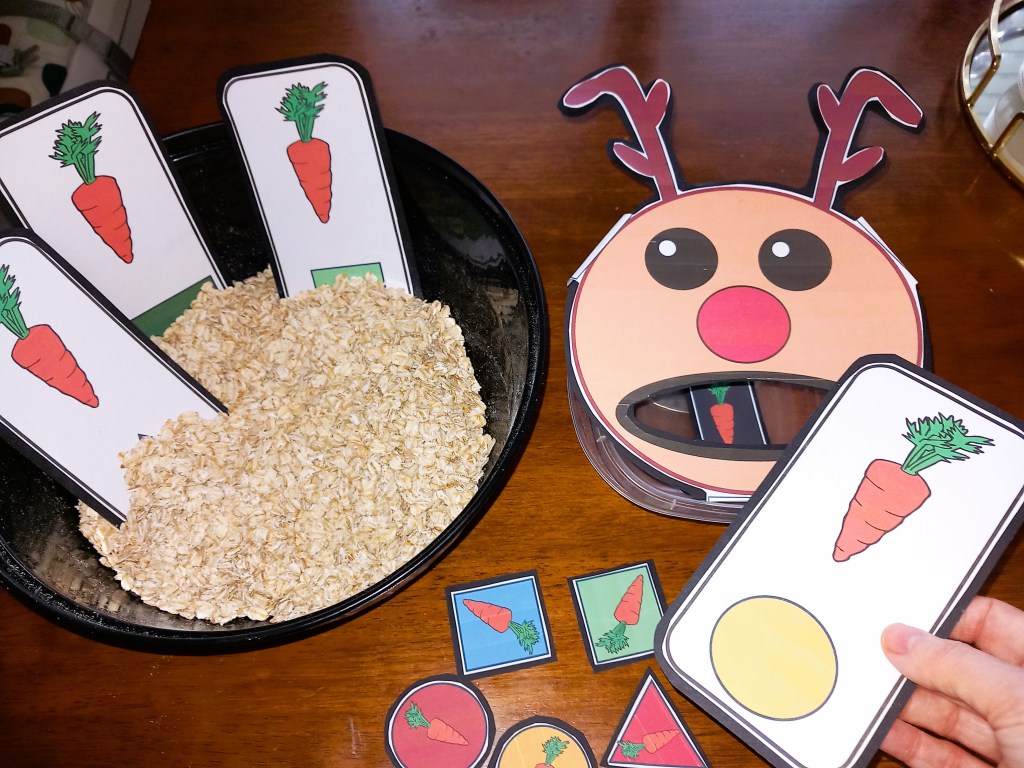
They loved pulling up carrots to find the shape and feeding the reindeer. Seeing them so engaged and until all the carrots were pulled was well worth the effort of putting this resource together!

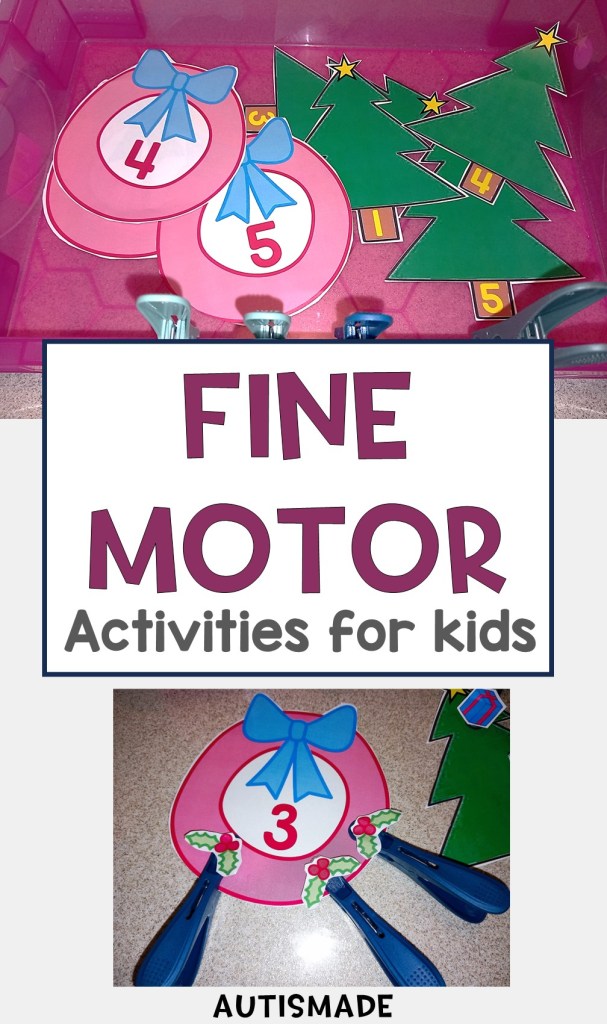
On Tuesday we tried some Christmassy number corresponding tasks! I thought I’d incorporated some pegs into this activity to practice our Fine Motor skills at the same time.

Pegs made the activity more interesting to engage my speedy students longer!

Wednesday we carried on the counting theme with these Snowman building cards, using cotton wool as pretend snow!

and a game of matching Santa to his black and white photo on Thursday!

Friday we had some fun and practiced our scissor skills on some festive shapes.

I’m pleased to say we’ve had a productive week of Christmas fun!

Reindeer Feeding Activity

Number Correspondence to 10

Christmas crafts and Activities

Fun Activities and Resources for Back to School

Its that time of year again – the panic of building back to school lessons, fresh new resources and a shiny clean classroom! But a new class list of children in Special Education can mean new challenges and worries, so be prepared with hands on resources, learn as much as you can about each student and relax into teaching!

This interactive Daily Binder is full of visual strategies to help your students plan their day ahead and keep them focused throughout. Once laminated or placed in a pocket folder a dry wipe marker can be used for students to jot down their name, grade and class, followed by their teachers name, their friends name, things they like and things they don’t. There are pages with the days of the week for your student to practice and tick off what day it is and same for seasons. Handy pages for students to write out their daily schedule and tick off as they go though it. Working for cards and reward choice. What to remember when you feel angry, “first and then” when they get frustrated and what I need visuals for them to choose from.

About Me – Back to school activity sheets especially designed for new class members to fill in and share information about themselves.

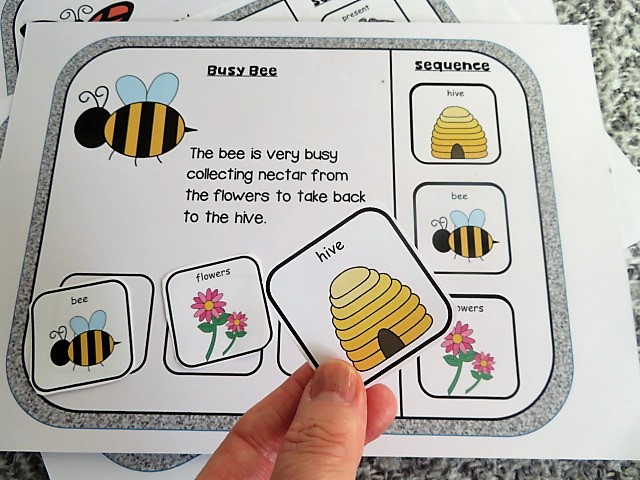
Adapted books will enable your students to practice sequencing, curriculum tasks, stories and everyday activities. Instead of laminating and binding use them as cut and paste activities!

The ability to organise, sequence and prioritise helps us to plan daily activities and manage our time effectively. however, a lot of preschool/Special Education children may find communicating, organising, sequencing and prioritising difficult. This visual binder can support students with everyday basic needs.

FREE Back to School Download Activity sheet

Why I make Adapted Books for my Literacy Area

I use adapted Fairy Tale books in my classroom so my visual learners can access and understand the story in a simplified way. Each page of the story Ive added detachable visuals so young learners interact with their Fairy-tale favourites. The main objective of this lesson is to identify what’s on the page and to comment on what they see.

Sequencing Story Board

This board will help kids learn the sequence of the story with the detachable visuals

Story Words for Vocabulary practice

Vocabulary Keyrings are a handy way of teaching story words!

I have bundled 5 of my Fairy-tale Interactive Books, each one designed to involve students in learning about popular story characters and story sequences. For my Visual Students I’ve added a comprehensive interactive book, a ring of pictures for vocabulary and 2 sequencing boards.

The Standards targeted in these activities are:-

CCSSSL.K.5 Add drawings or other visual displays to descriptions as desired to provide additional detail.

CCSSSL.K.4 Describe familiar people, places, things, and events and, with prompting and support, provide additional detail.

CCSSSL.K.2 Confirm understanding of a text read aloud or information presented orally or through other media by asking and answering questions about key details and requesting clarification if something is not understood.

CCSSRL.1.9 Compare and contrast the adventures and experiences of characters in stories.

CCSSRL.1.5 Explain major differences between books that tell stories and books that give information, drawing on a wide reading of a range of text types.

CCSSRL.1.3 Describe characters, settings, and major events in a story, using key details.

CCSSRL.1.2 Retell stories, including key details, and demonstrate understanding of their central message or lesson.

CCSSRL.1.1 Ask and answer questions about key details in a text.

INCLUDED in this Bundle –

1. Goldilocks and the Three Bears (With interactive pages and visuals)

2. Comprehension Book with “Who” questions and visuals

3. Story Key-ring for vocabulary

4.Story sequence card with “first, next and last” with story visuals.

5.Story sequence card with “first, next, then and last” with story visuals.

Little Red Riding Hood. (With interactive pages and visuals)

The three little pigs (With interactive pages and visuals)

Match Picture to picture

Hansel and Gretel. (With interactive pages and visuals)

Match Picture to word and small picture

Match word to picture

8 sequencing cards

Sequencing story board with small sequencing cards.

1. Jack and the Beanstalk (With interactive pages and visuals)

2. Comprehension Book with “Who” questions and visuals

3. Story Key-ring for vocabulary

4.Story sequence card with “first, next and last” with story visuals.

5.Story sequence card with “first, next, then and last” with story visuals.

***********************************************************************************************

Or you can get them separately

Little Red Riding Hood

Hansel and Gretel

The Three Little Pigs

Goldilocks and The Three Bears

Jack and the Beanstalk

Ideas for Independent Work Centres in Special Education (PreK-2nd Grade)

Independent work time in a special education classroom can feel a bit like conducting a tiny orchestra, each student playing their own part, at their own pace, with just the right amount of structure and support. When done well, independent work centers build confidence, reinforce skills, and give teachers a moment to breathe (and maybe sip that now-lukewarm coffee).

If youโ€™re setting up or refreshing your centers, here are engaging, low-prep, and effective ideas designed specifically for PreKโ€“2nd grade special education learners.

Independent work systems help students:

  • Build independence and task completion skills
  • Strengthen fine motor and early math abilities
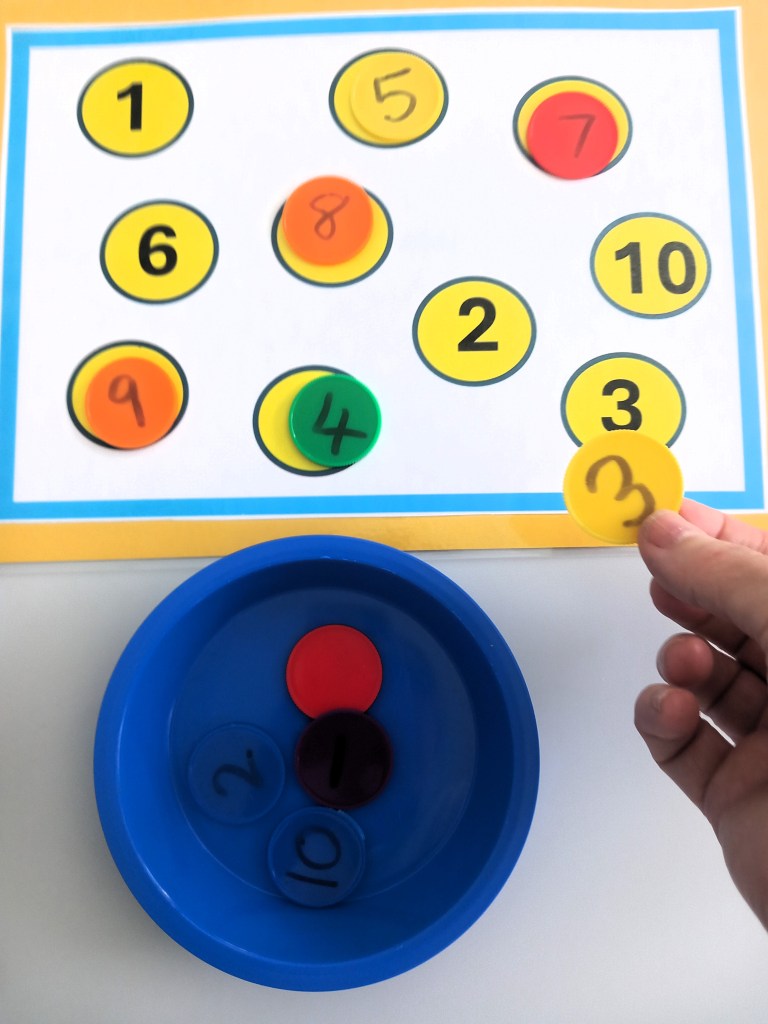
  • Practice number recognition and counting
  • Develop confidence through predictable routines

Using structured systems also reduces behaviors and increases student successโ€”win-win!

Tip: Keep rotations consistent each day.

Rotation Systems That Actually Work

A smooth rotation system is the backbone of your centers.

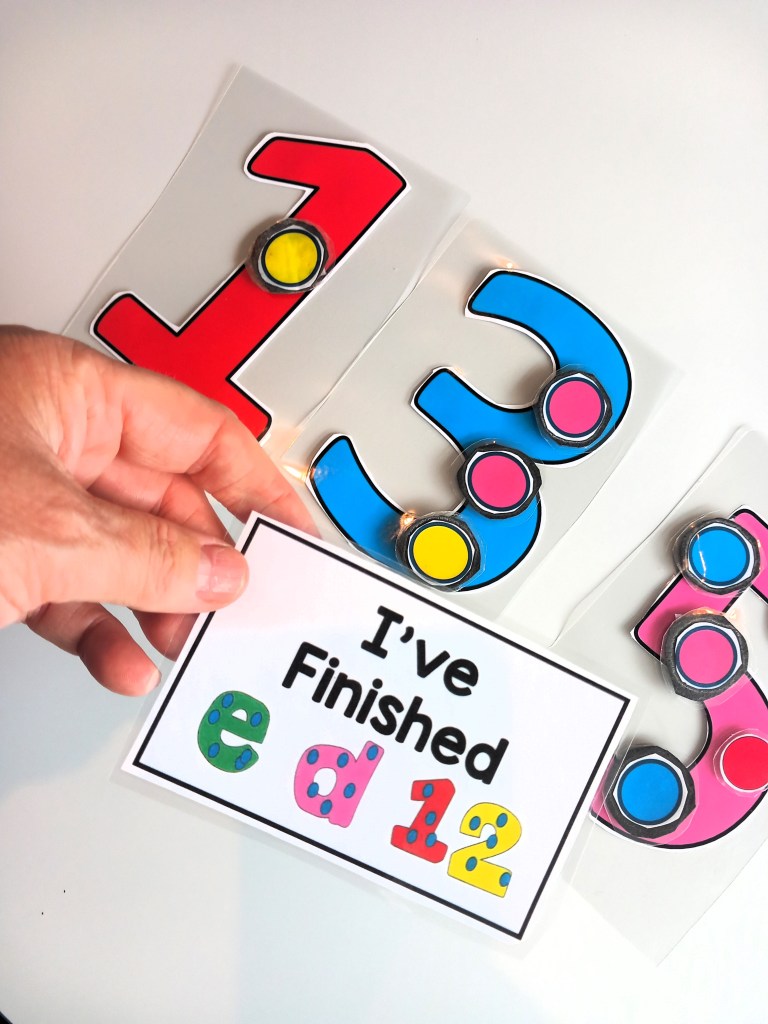
Enter: Finished Cards.

Try these simple options:

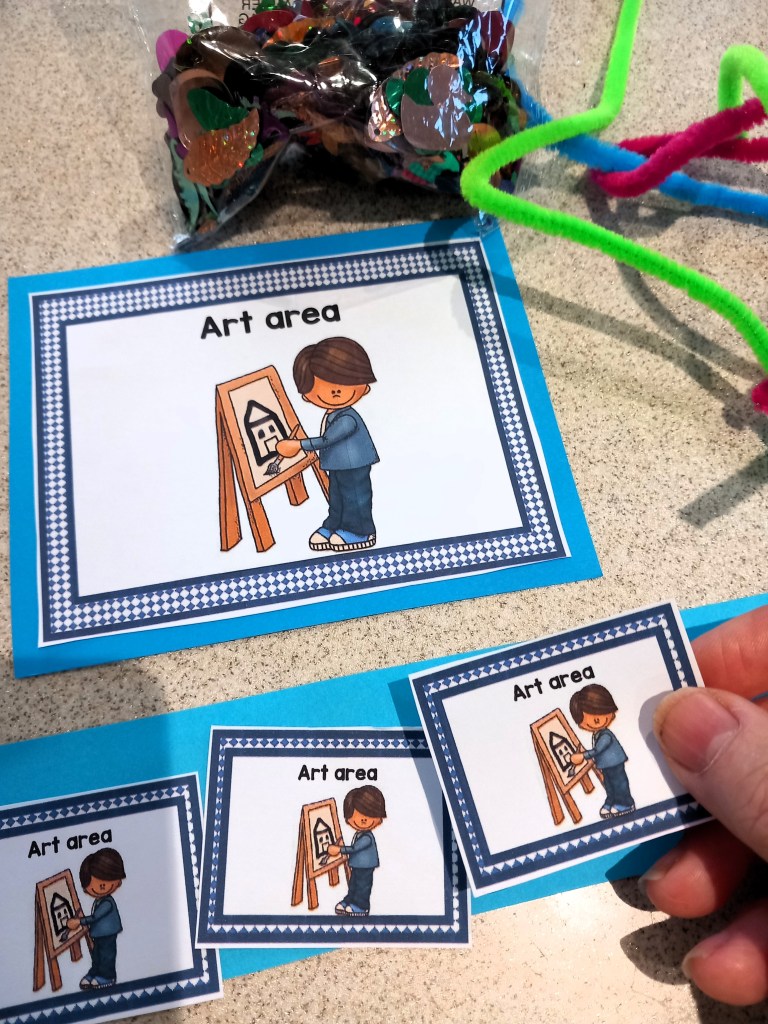
  • Visual Rotation Charts: Use icons or photos to show students where to go next
  • Color-Coded Groups: Red group = math, blue group = fine motor, etc.
  • Timer-Based Rotations: 10โ€“15 minute intervals work well for younger learners

โ€œAm I done yet?โ€โ€”weโ€™ve all heard it.

  • Students place the card in a bin when done
  • Provides a clear visual endpoint
  • Encourages independence and reduces interruptions

You can even add a โ€œCheck Workโ€ step for students ready for that extra responsibility.

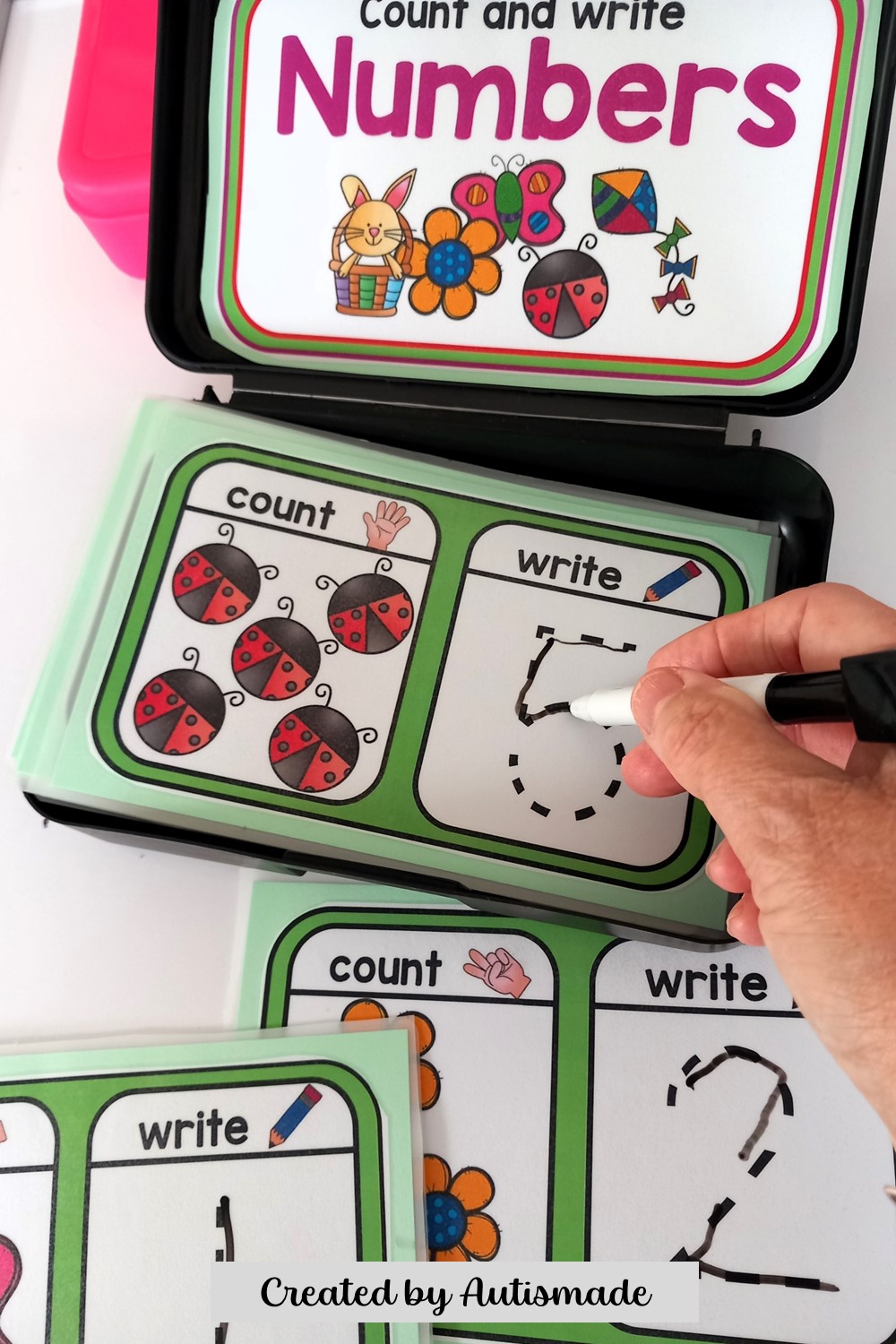
Math Binders (Numbers to 10)

Math binders are like tiny skill gyms for little learners

Include:

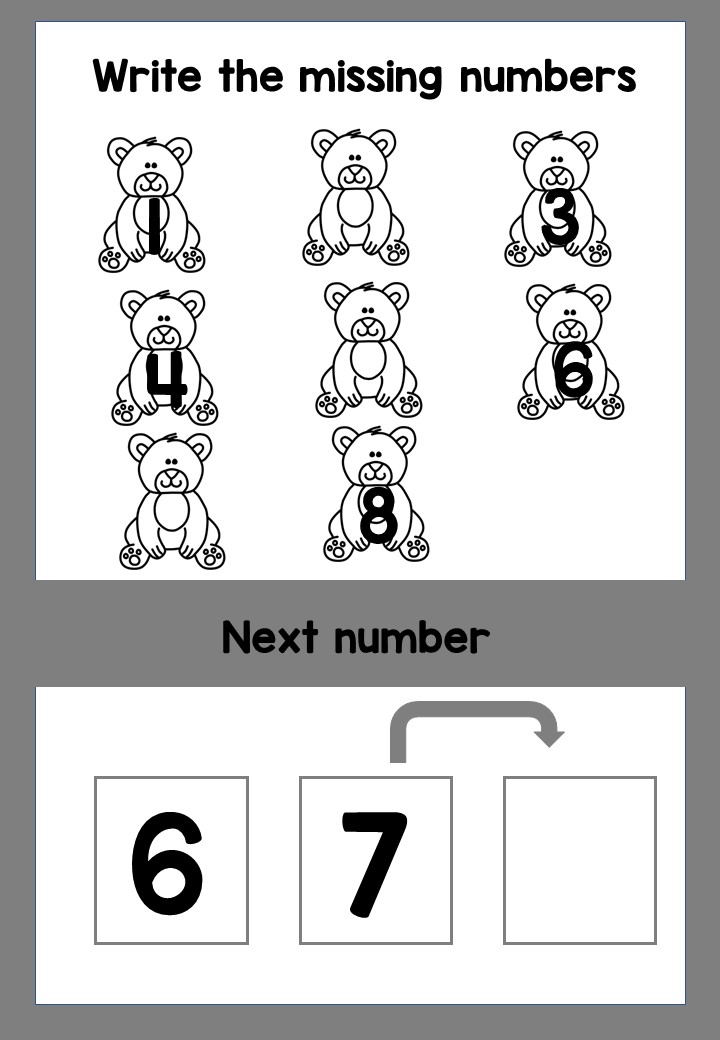
  • Number tracing (1โ€“10)
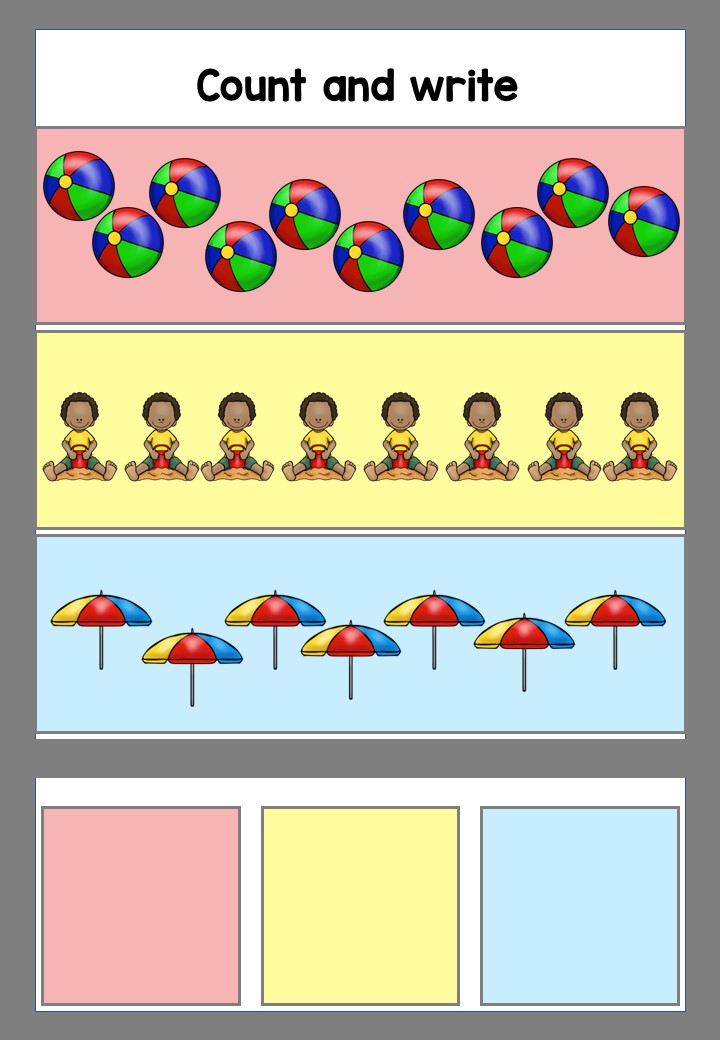
  • Counting objects
  • Matching numbers to quantities
  • Simple ten-frame activities

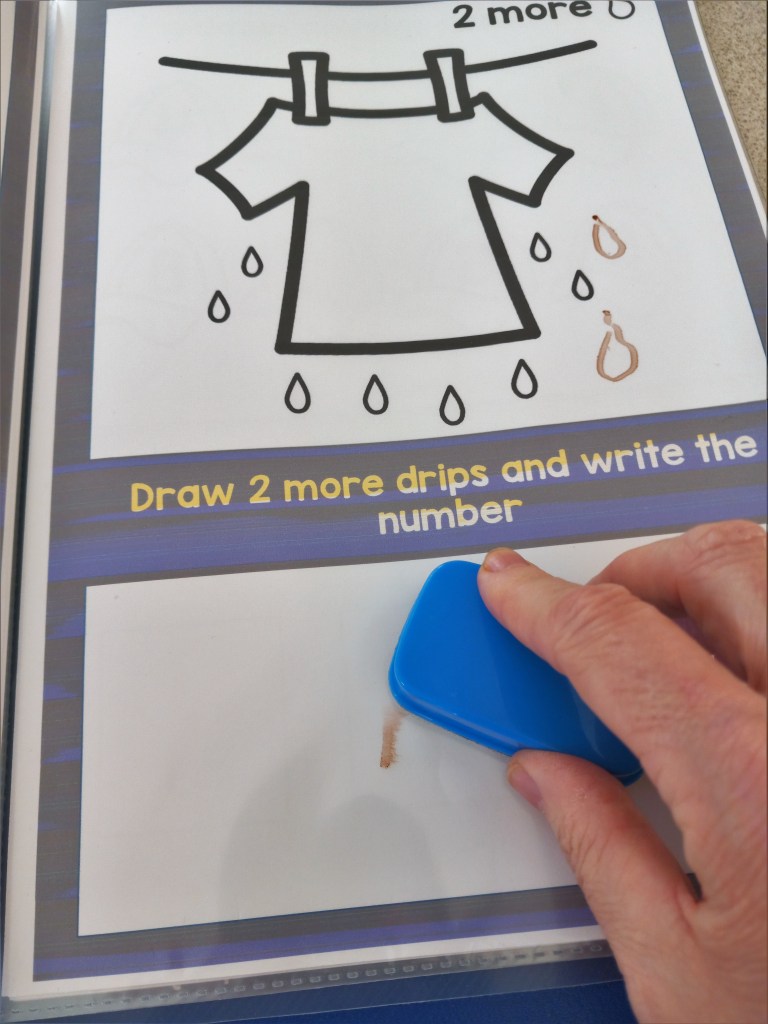
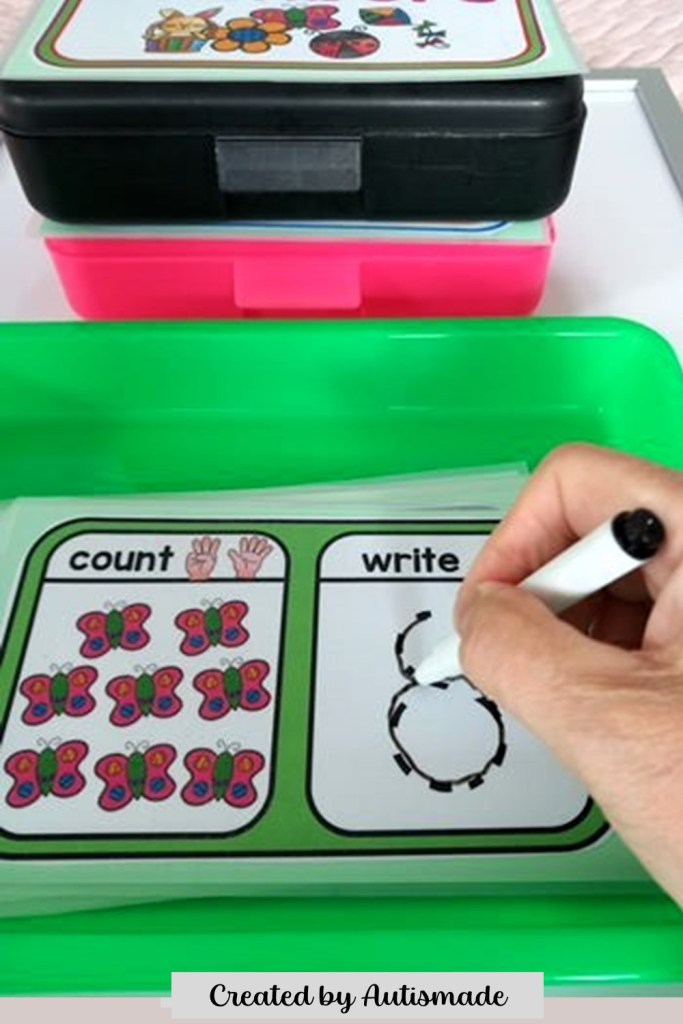
Laminate pages and use dry-erase markers for easy reuse. These are perfect for reinforcing early math skills in a structured way.

Hands-On Counting Tasks

Abstract numbers? Not today. Weโ€™re going tactile!

Try:

  • Counting bears or linking cubes
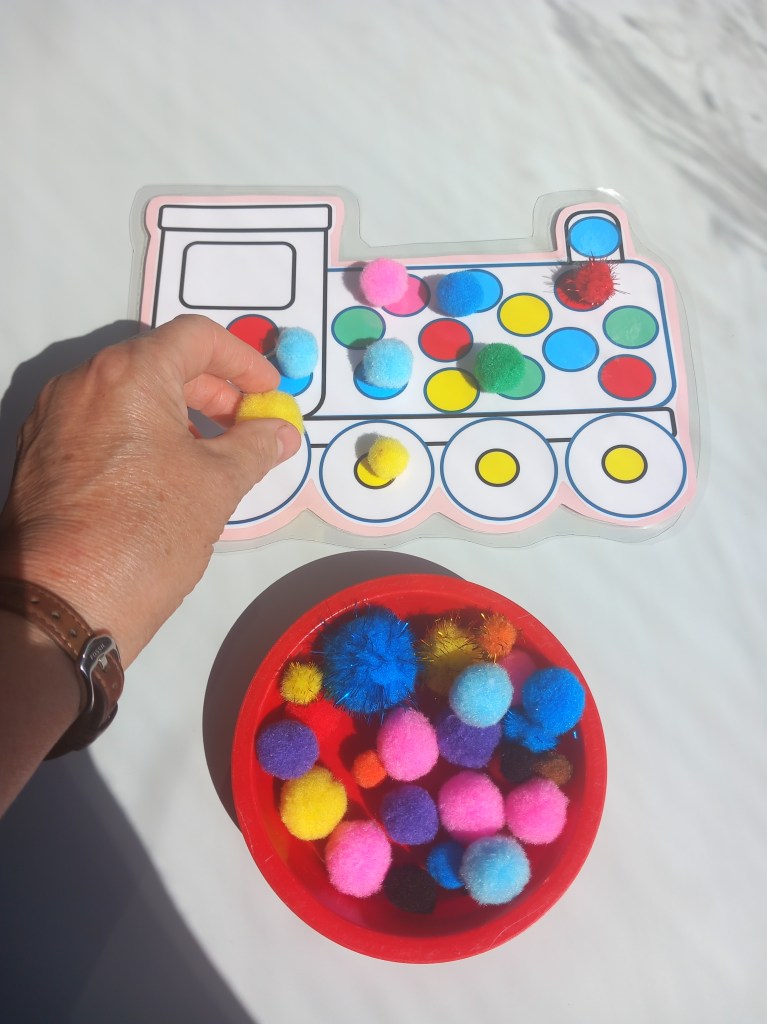
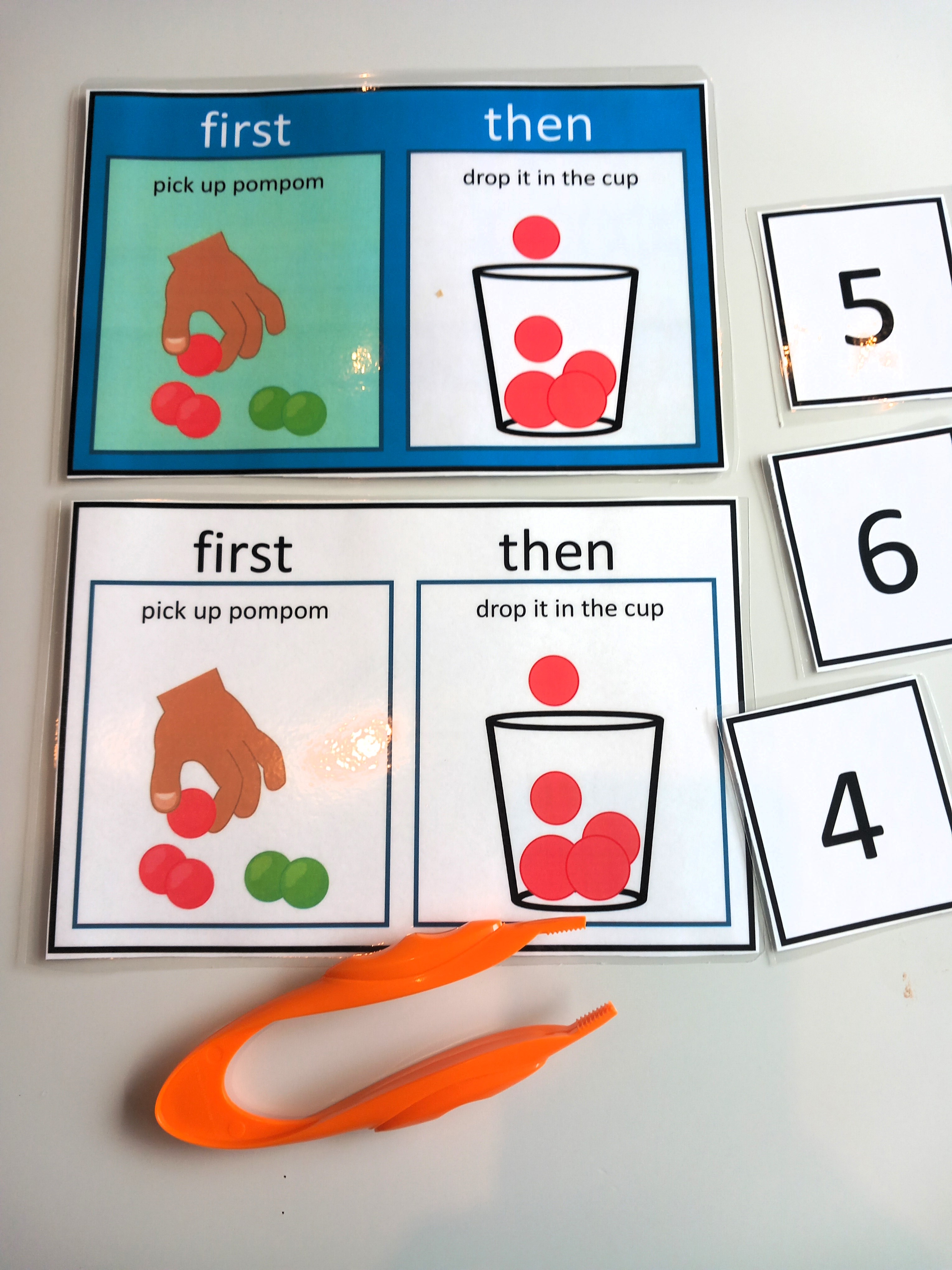
  • Pom-poms with tweezers (fine motor + math!)
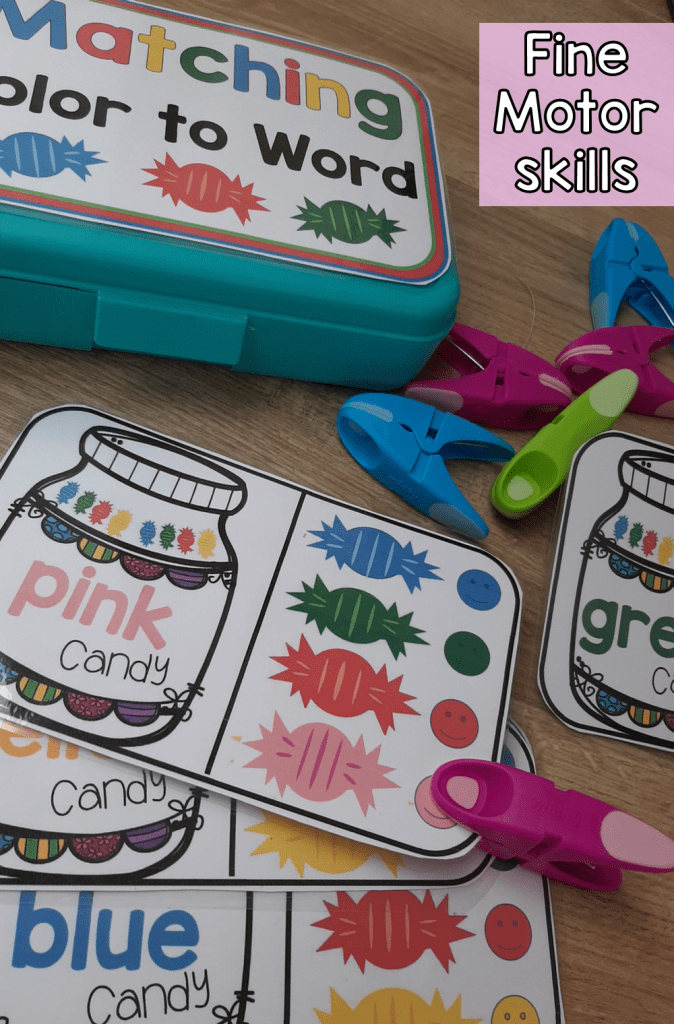
  • Clip cards (color word clip the correct color)
  • Counting mats with real objects

These activities support both number recognition and one-to-one correspondence.

Different learners, different needsโ€”thatโ€™s where leveled file folders shine.

Create three levels:

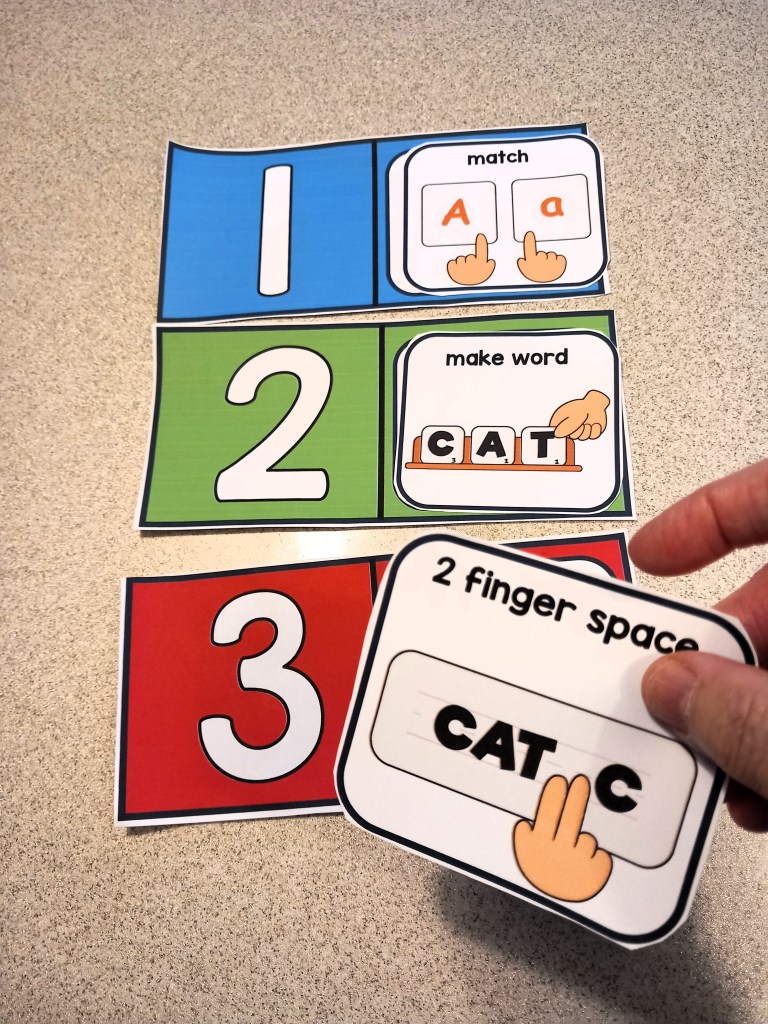
  • Level 1: Matching (number to number, picture to picture)
  • Level 2: Counting and identifying numbers
  • Level 3: Simple addition or comparing numbers

Store them in labeled bins so you can quickly grab the right level for each student.

Task boxes are the MVPs of independent work centers.

Each box includes:

  • One clear task
  • Visual directions
  • All materials needed

Ideas:

  • Sort by color or shape
  • Match uppercase to lowercase letters
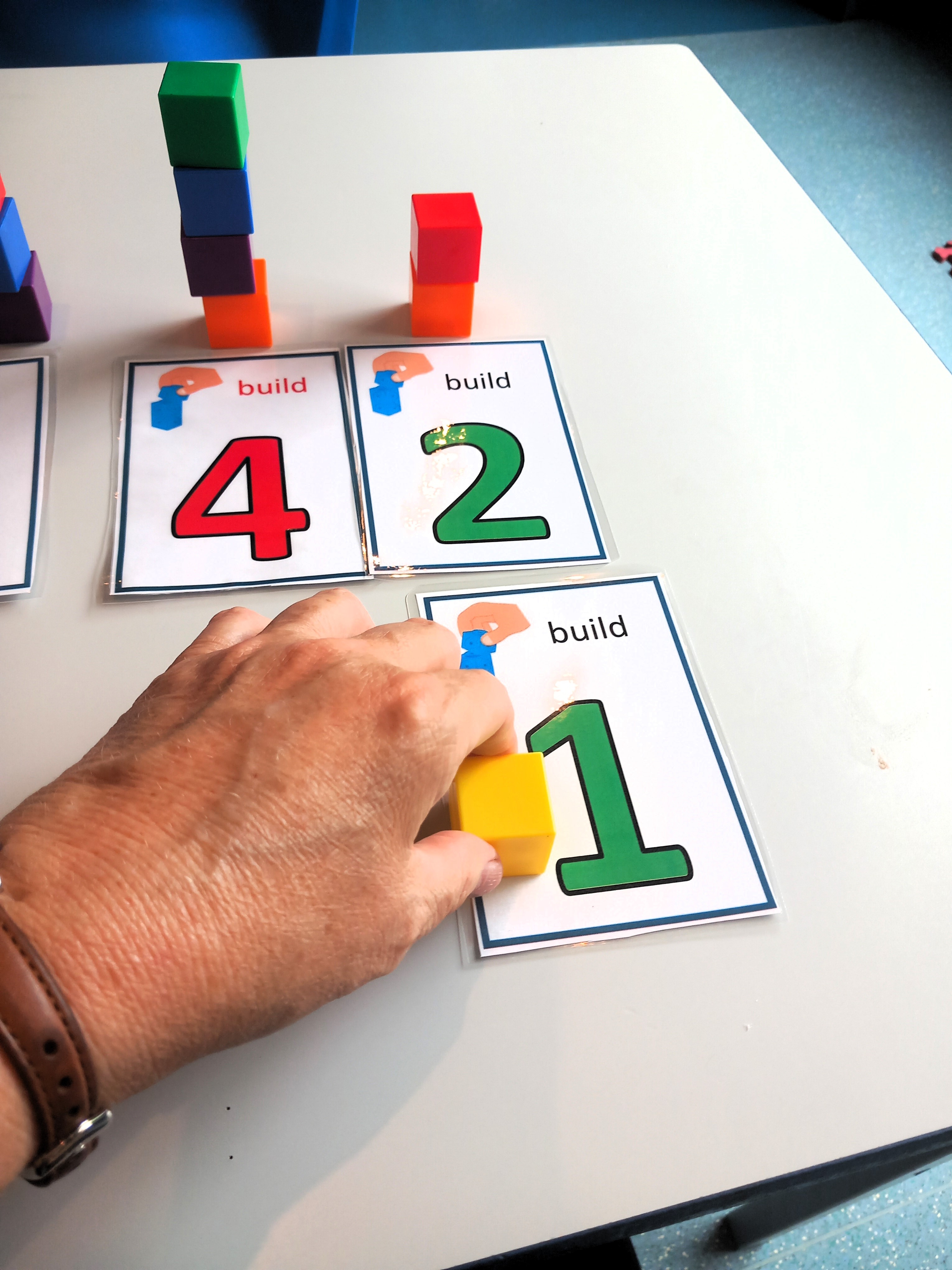
  • Build numbers using manipulatives

Students learn to complete, close, and move onโ€”independence in action!

Sorting is simple, satisfying, and packed with learning.
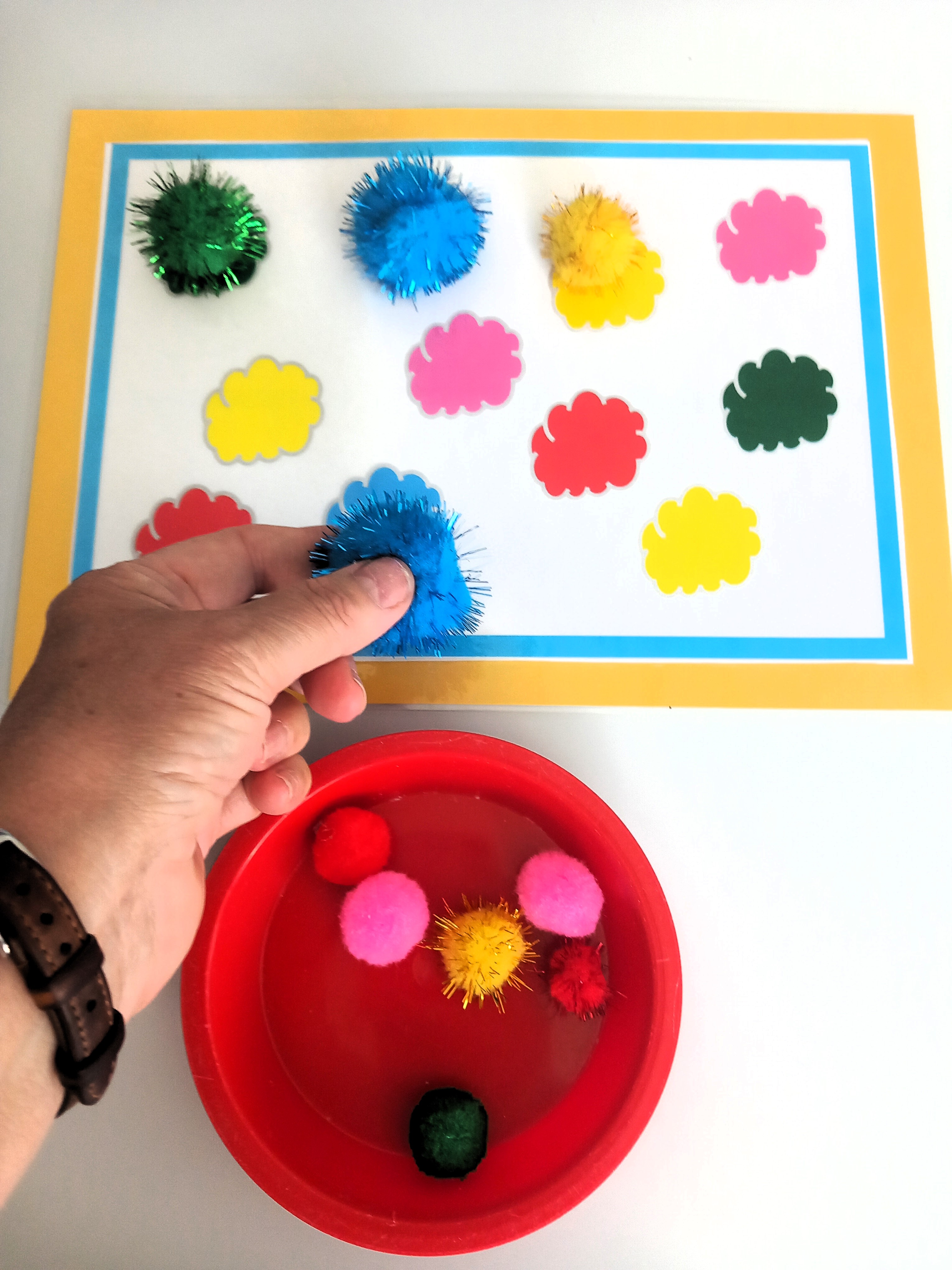
Try sorting:

  • Colors
  • Shapes
  • Sizes
  • Objects vs. pictures

Add tongs or clothespins to sneak in fine motor practice while building cognitive skills.

Fine motor practice is essential at this ageโ€”and easy to incorporate.

Include:

  • Playdough mats
  • Beading activities
  • Cutting strips
  • Sticker scenes
  • Tweezer transfers

These strengthen hand muscles for writing while keeping students engaged.
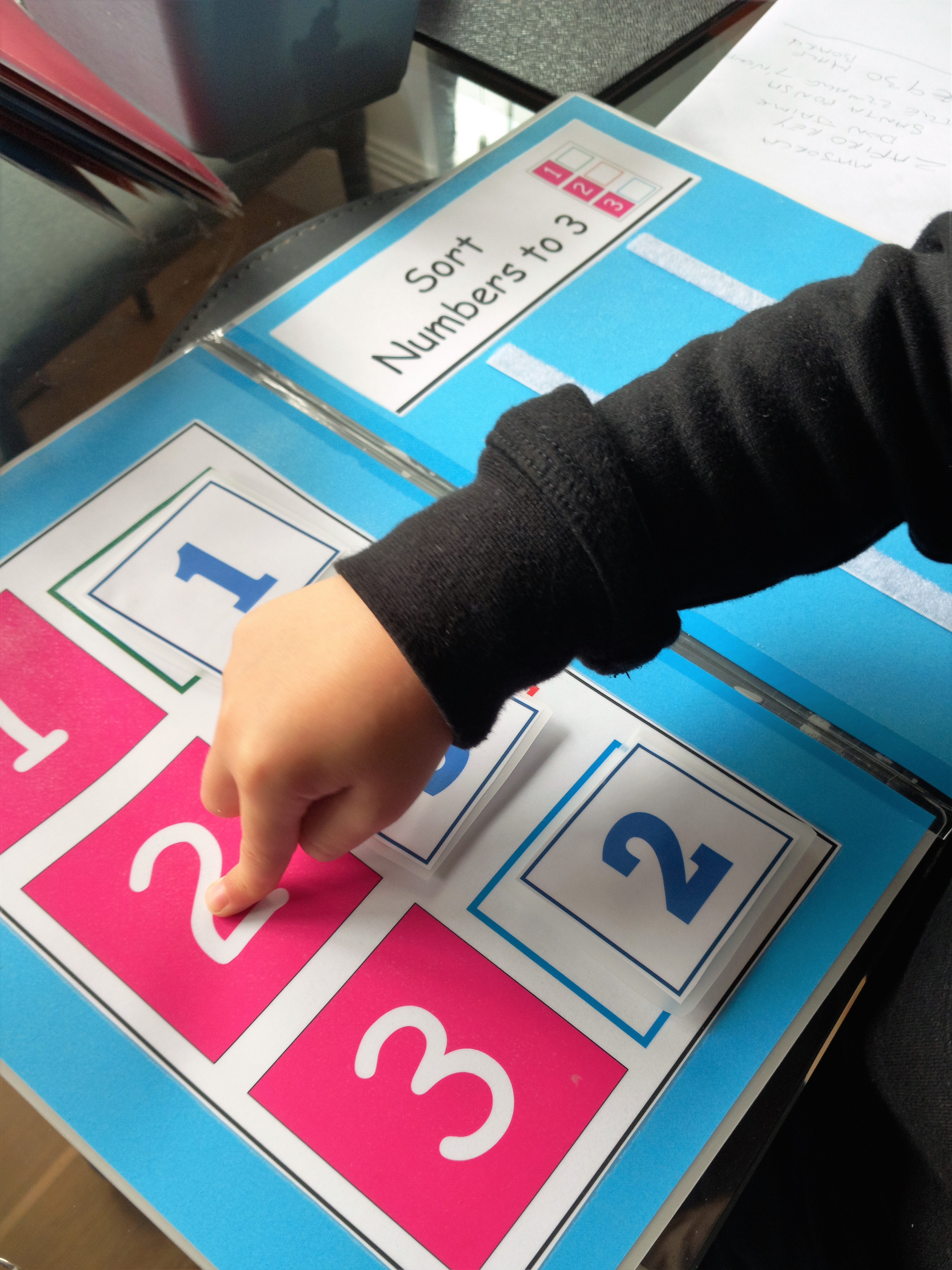
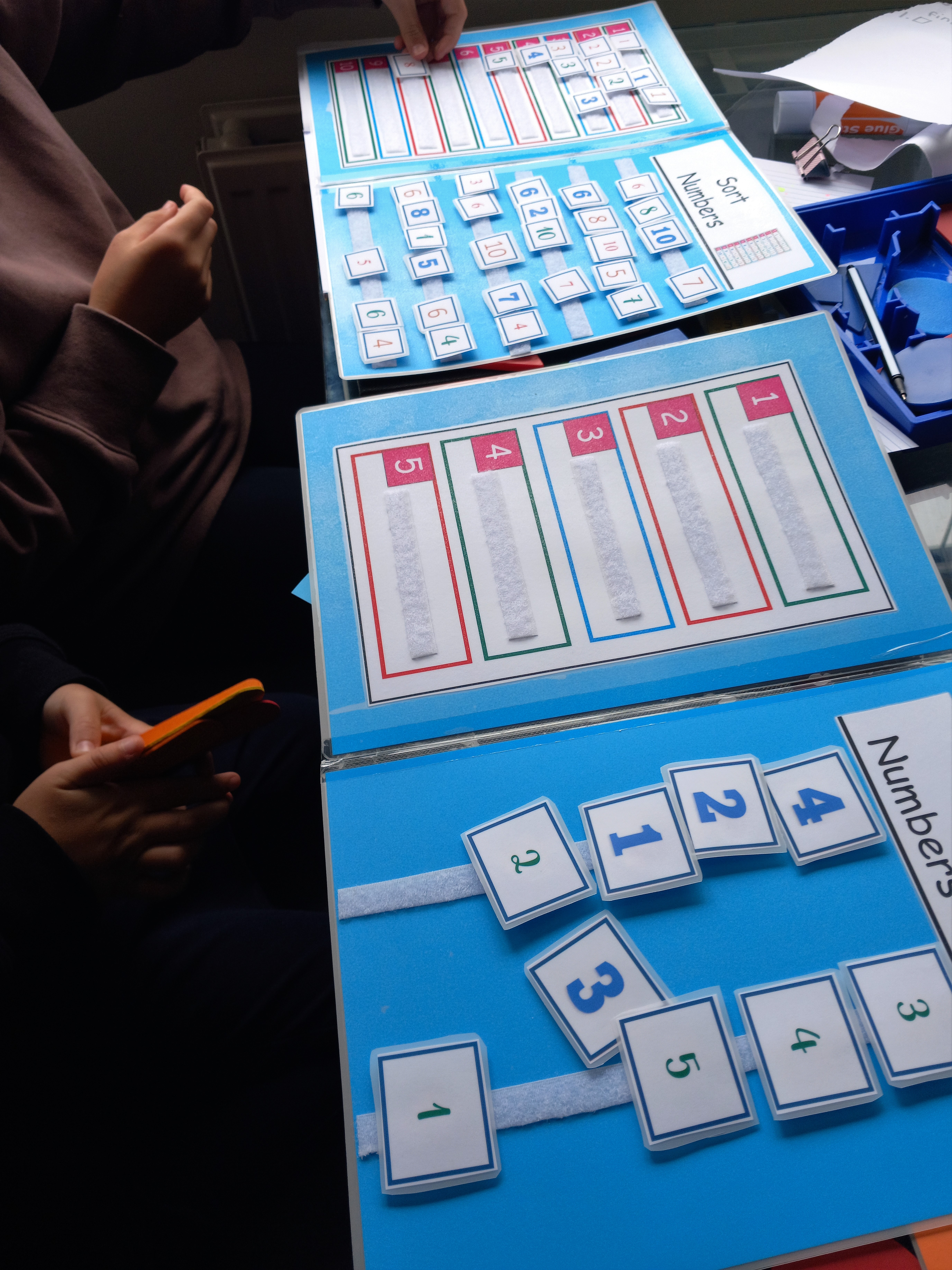
Make it fun with:

  • Number puzzles
  • Flashcards with visuals
  • โ€œFind the Numberโ€ sensory bins
  • Dot marker sheets

Repetition + variety = mastery.

A few quick tips:

  • Use labeled bins or drawers
  • Keep materials consistent week to week
  • Rotate activities, not systems
  • Model expectations often

Remember, the goal is independenceโ€”not perfection.


Independent work centers in a special education classroom donโ€™t have to be complicated to be effective. With the right structure, engaging materials, and a little creativity, your students will grow in confidence, skills, and independence.
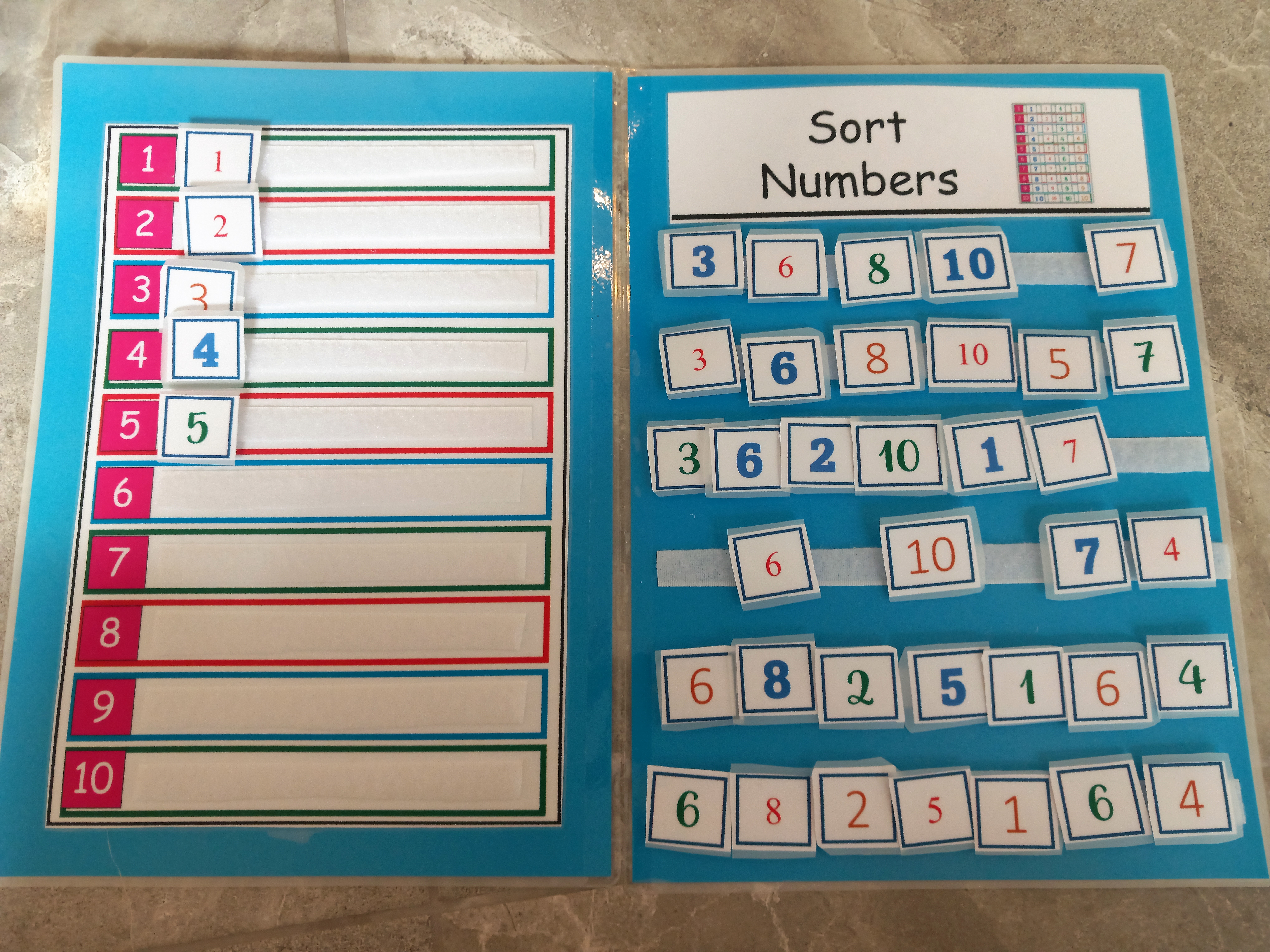
And you? Youโ€™ll gain a smoother classroom flow and a few extra moments to actually enjoy teaching again.

Click here to visit my Store