Fun and Easy Halloween Activities for Centers in Preschool and Kindergarten

Halloween is such a magical time for young children, filled  with pumpkins, spooky decorations, and fun costumes. It’s also a perfect opportunity to introduce hands-on activities that engage kids’ imaginations, foster creativity, and support early learning. Here’s a couple of  easy Halloween activities and worksheet ideas for preschoolers and kindergartners to enjoy in the classroom or at home!

  1. PUMPKIN COLOR SORTING

A classic hands-on activity that helps with color recognition, sorting, and fine motor skills!

Materials Needed:

•Paper cut-out pumpkins in different colors (or small pumpkin toys)

•Small containers or bowls

How to Play:

•Have the children sort the pumpkins by color.

•Ask them to name the colors out loud as they sort them (e.g., “This one is orange!”).

You can increase the challenge by introducing a “mystery color” where kids have to find pumpkins that match a color you describe, like “Find the pumpkin that’s as yellow as the sun!”

Why It’s Great:

•This activity helps kids develop color recognition and basic sorting skills.

•It’s also a good exercise for hand-eye coordination.

2. BUILD A SCARY PUMPKIN FACE
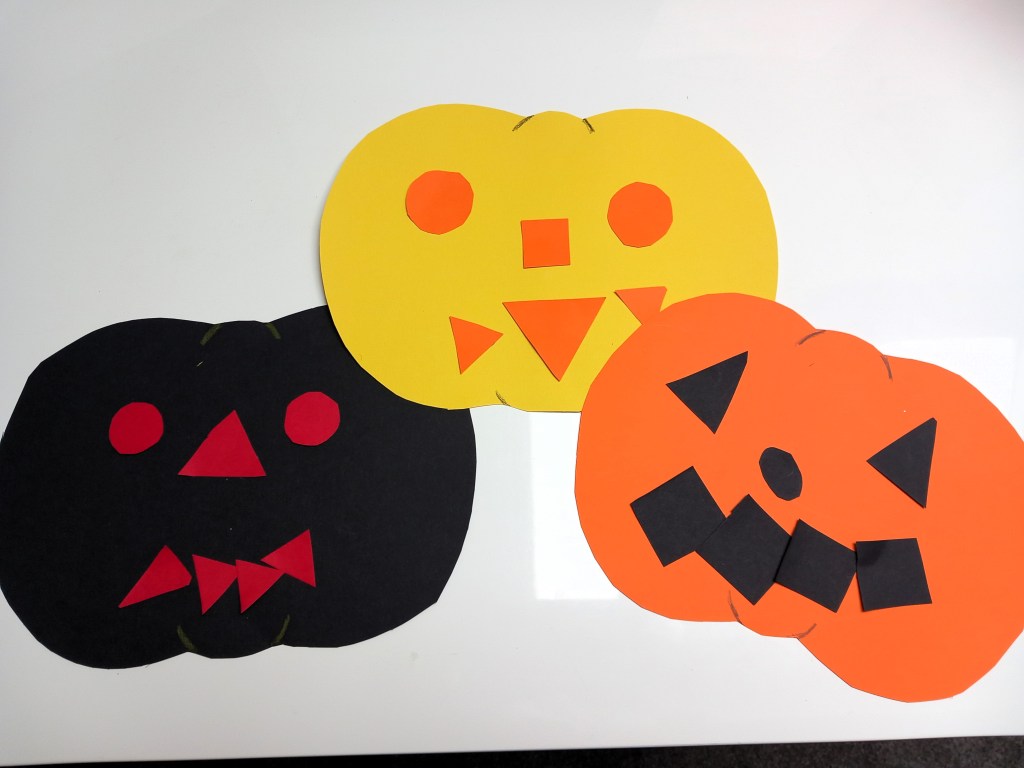
Hands on activity that will help with shape recognition, fine motor skills, follow directions and shape orientation!

Materials needed:

•Cut out large pumpkins in different colors

•Prepare Small shapes (squares, circles, triangles, stars) card or paper.

•Bowls to hold the different shapes

•Paste/glue stick

How to play:

•Have children choose the color pumpkin they want to design.

•Let them choose the visual direction cue cards of what face they want to make.

•Offer the cut out shapes for them to paste to their pumpkin face following the direction cue card.
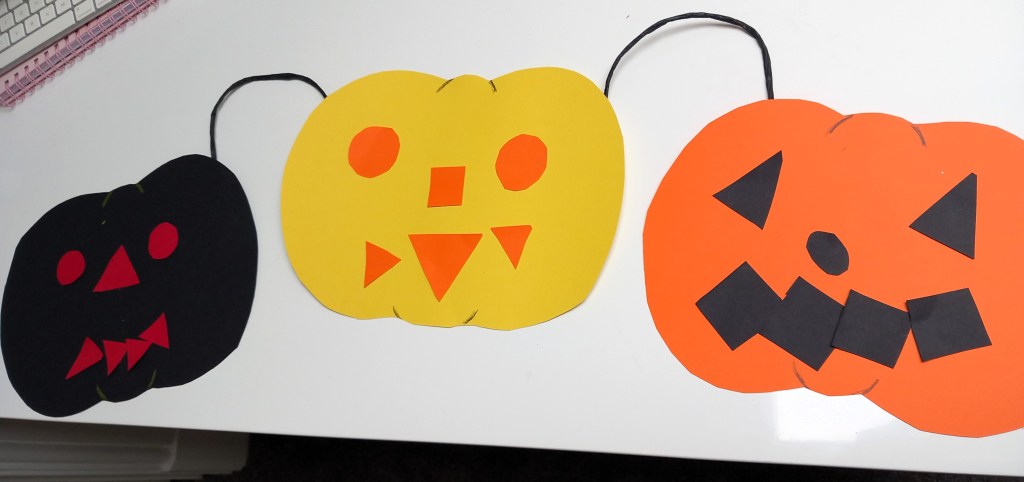
Why its great! This activity is great for shape recognition and manipulation, following instructions and fine motor skills.

3. CREEPY HALLOWEEN WORKSHEETS

Dressing up, what you want to wear, List your favourite Halloween games, List your favourite Halloween treats, Write a creepy story sheet, Color coded coloring sheet, Count and write the number of Halloween items they see.

Why they’re great!

fine motor skills, color recognition, writing skills, counting and number recognition

These Halloween activities and worksheets are easy, fun, and educational for preschool and kindergarten children. They provide opportunities for creativity, fine motor development, and early learning in a way that makes the holiday extra special. 

Subscribe for latest Freebies

Visit my TPT Store

Halloween Worksheets

Building a pumpkin face with shapes

FREE Halloween writing patterns

Empowering Independence with Visual Direction Cue Cards in Special Education

Classroom management in a special education setting often requires creative, student-centered strategies that support diverse learning needs. One highly effective and versatile tool that special educators use is visual direction cards.

Visual direction cards are more than just classroom aides — they are tools that foster independence, reduce behavioral challenges, and create a more structured and inclusive learning environment.

What Are Visual Direction cue Cards?

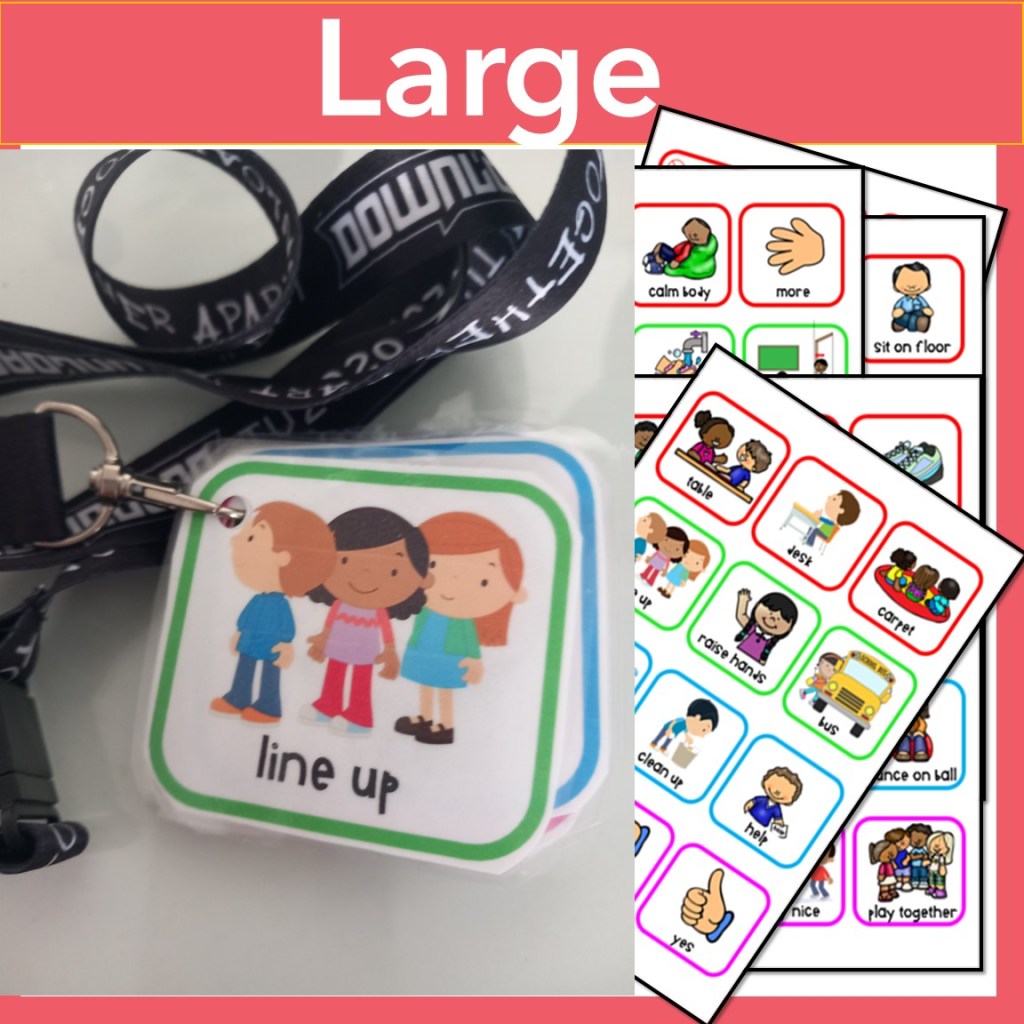
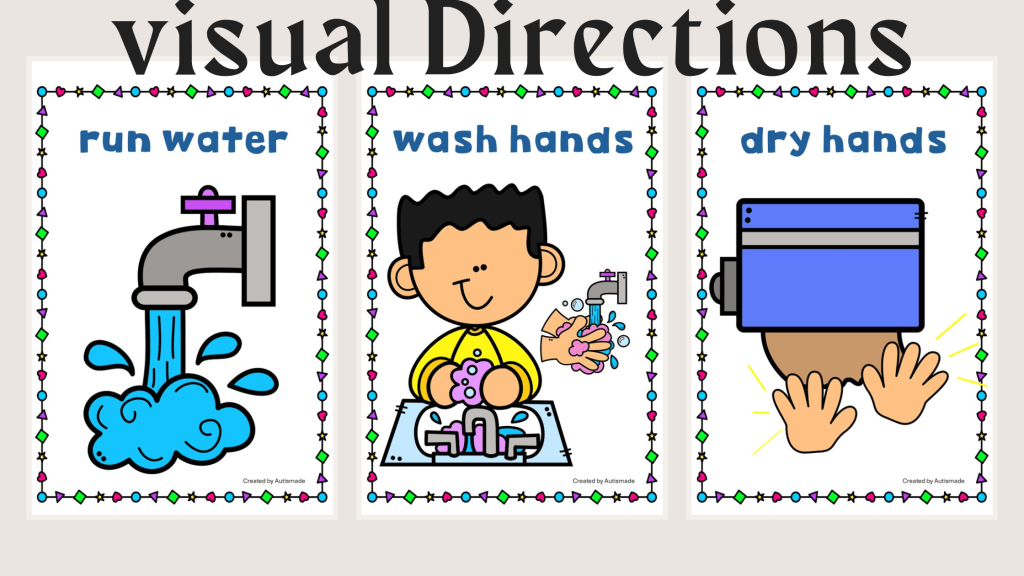
Visual direction cards are simple, illustrated cues that provide clear, step-by-step instructions or expectations. They often use a combination of text and images or symbols to help students understand what is being asked of them, even if they struggle with verbal instructions or have limited language skills.

Examples include:

“Sit down”

“Raise your hand”

“Get your materials”

“Take a break”

“All done”

They can be printed on cardstock, laminated, attached to lanyards, placed on desks, or mounted on Velcro boards for easy access and use

Why Use Visual Direction Cards?

1. Promote Independence
Visuals allow students to process information at their own pace. Instead of relying on adult prompting, they can refer to cards to understand what to do next. This boosts confidence and helps them develop problem-solving skills.

2. Reduce Verbal Overload
Many students in special ed settings experience sensory processing or language delays. Visual directions minimize stress by providing clear, concise instructions without relying on verbal cues.

3. Support Positive Behavior
When expectations are clear, students are more likely to engage in appropriate behavior. Visual cards can be used proactively to guide transitions, routines, and self-regulation.

4. Increase Classroom Efficiency
With visual directions in place, teachers can spend less time repeating instructions and more time facilitating learning.

Grab a free Classroom visual Direction card

Strategies for Using Visual Direction Cards Effectively

1. Teach the Cards
Introduce cards one at a time during calm, structured parts of the day. Model the behavior and have students practice using them until they become familiar.

2. Make It Student-Centered
Personalize cards for individual needs. Some students may need large icons, others may benefit from first-person phrasing (“I need a break”), or even real photos instead of clipart.

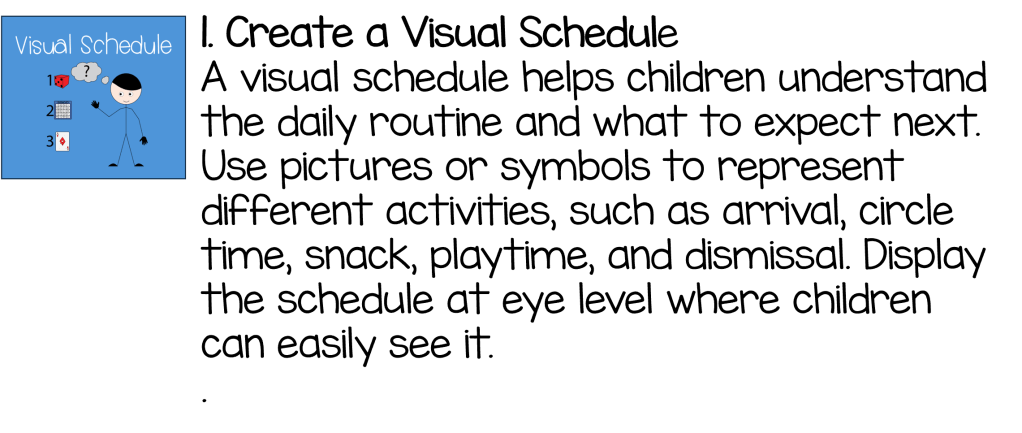
3. Create a Visual Schedule
Use direction cards to build a daily schedule that students can follow independently. This supports executive functioning and helps reduce anxiety during transitions.

4. Pair with Reinforcement Systems
When students successfully follow visual directions, reinforce their efforts with praise, token boards, or other motivators. This strengthens the connection between visual cues and positive behavior.

5. Encourage Generalization
Use direction cards in different settings — during centers, specials, lunch, or community outings or for personal hygiene — so students learn to apply the skills beyond the classroom.

Visual direction cards may seem simple, but their impact is profound. They empower students with the tools they need to be more independent, confident, and successful in and out of the classroom.

As a special education teacher, your ability to adapt tools like visual cards can transform daily routines and build lifelong skills for your students.

Starting School: Simple Steps for Success with Visual Supports!

Starting school can be an exciting yet challenging time for kids with autism and special needs. Visual supports can play a crucial role in helping early learners feel more comfortable and successful in the classroom. Here are some simple steps to ensure a smooth start to the school year:

By incorporating these simple steps and visual supports, you can create a positive and structured learning environment for kids with autism and special needs. Remember, every child is unique, so be flexible and adjust the supports as needed to meet each child’s individual needs.

Visit My TPT Store

FREE Printable Posters

Spring Math Ideas for Pre-K

Spring Math ideas for my Pre-K Classroom

I’m bring Bugs to my independent Math centre! I’ve added creepy crawlers to an interactive selection of pages that cover some basic math skills that my young learners can practice and enjoy!

I’ve laminated these boards and popped them in a binder for my Kido’s to practice over and over again. For other students I print them out so they can use them as a cut and paste activities while my high level can write the answers using dry wipe markers.

These games are quick and easy to make up, simply laminate and Velcro and pop in a binder or printout for worksheets.

Matching numbers to 5 with the ladybugs

Match numbers to 5 with the caterpillar

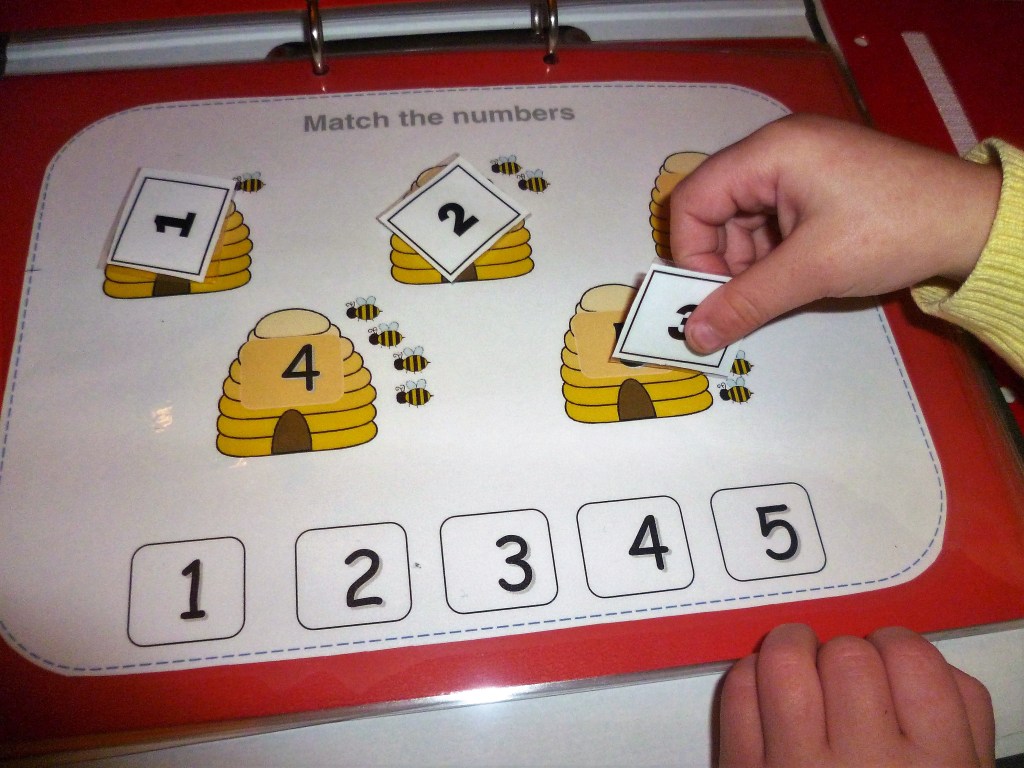
Count and Match numbers to 5 with the bees

Ordering numbers to 5

Order numbers to 5

Find the missing number to 5

Counting to 5

Sequencing bugs

plus more games and matching pieces