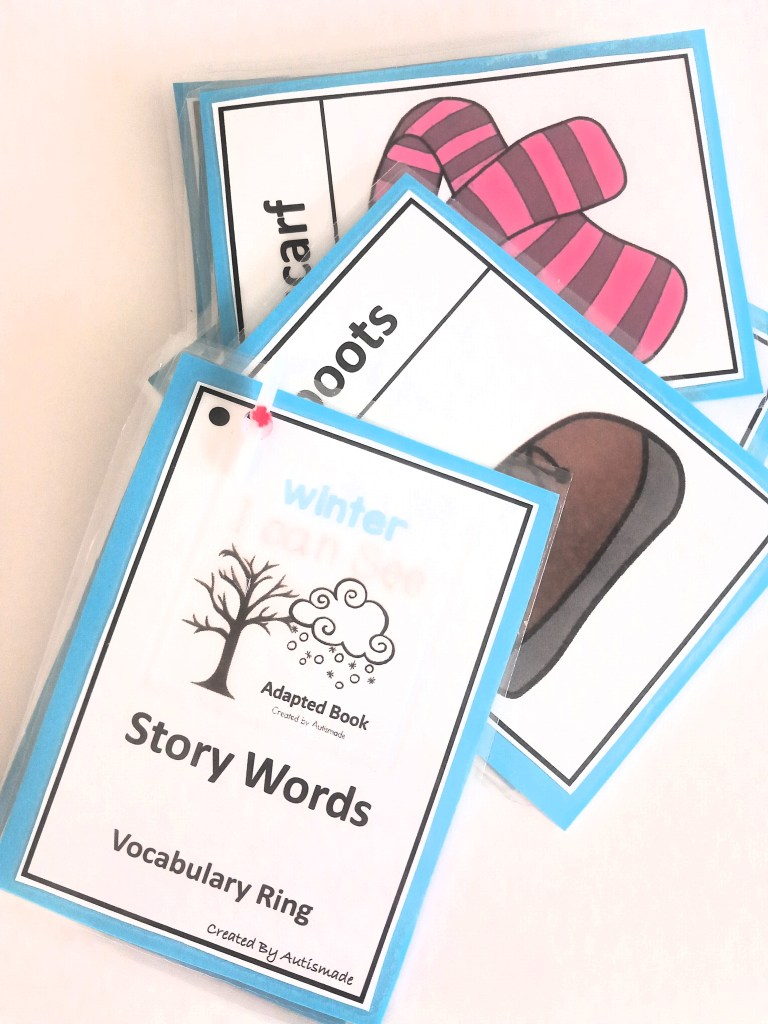
Winter mornings in the classroom always tell a story. Coats on backwards, boots on the wrong feet, and lots of practice figuring out what we wear when it’s cold outside. That’s exactly why I love using winter adapted books to teach clothing life skills in my special education classroom.
This Winter Clothing Adapted Book gives students with autism and special education needs a hands-on way to practice winter clothing vocabulary, sorting, and functional life skills in a predictable, visual format. The simple structure helps students focus, build confidence, and work more independently.
I use this adapted book during morning work, centers, task boxes, and small group instruction. It’s low-prep, easy to reuse, and perfect for reinforcing real-life skills students actually need. The best part is watching students start to recognize which clothes belong in winter, then proudly make those same choices when it’s time to go outside.
If you’re looking for an engaging, meaningful way to teach life skills using adapted books, this winter resource fits seamlessly into daily routines and supports learning that lasts beyond the classroom.
“Are you struggling to keep your special education students engaged in pre-reading material? Look no further! In this post, we will guide you through creating interactive adapted books that will effortlessly engage your students and make reading fun and exciting.”
Not only will these adapted books provide a fun and interactive pre-reading experience for your students, but they will also meet the specific needs and abilities of each individual student. By incorporating visual aids, manipulatives, and other interactive elements, these books will enhance comprehension and build a love for learning. Follow along as we break down the steps to creating your own adapted books.
Incorporating Interactive Elements for Enhanced Learning
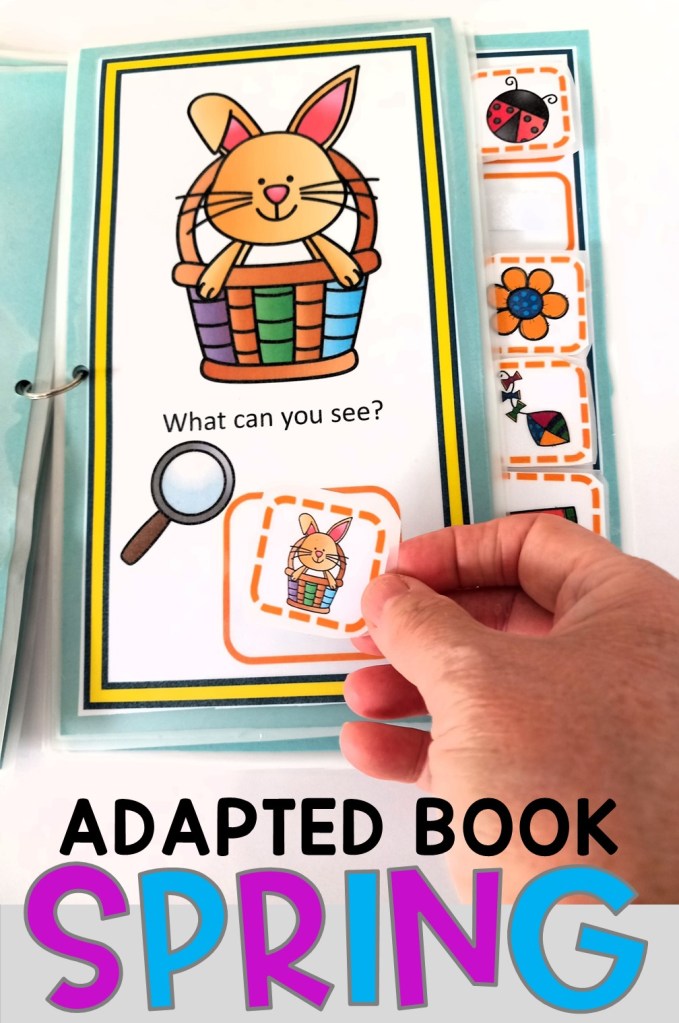
An adapted book can be simplified for young learners and kids in Special Education to access. The main objectives of these type of adapted books is to comment on what they see on the page, identify the visual to answer the “I can see” question, learn story vocabulary and answer “who”questions about the animal characters in the story.
So attaching detachable visuals will enable the learner to answer questions.
Having a selection of visuals to choose from will establish a correspondence check for accuracy.
Using a comprehensive accompanied book with visuals will check understanding.
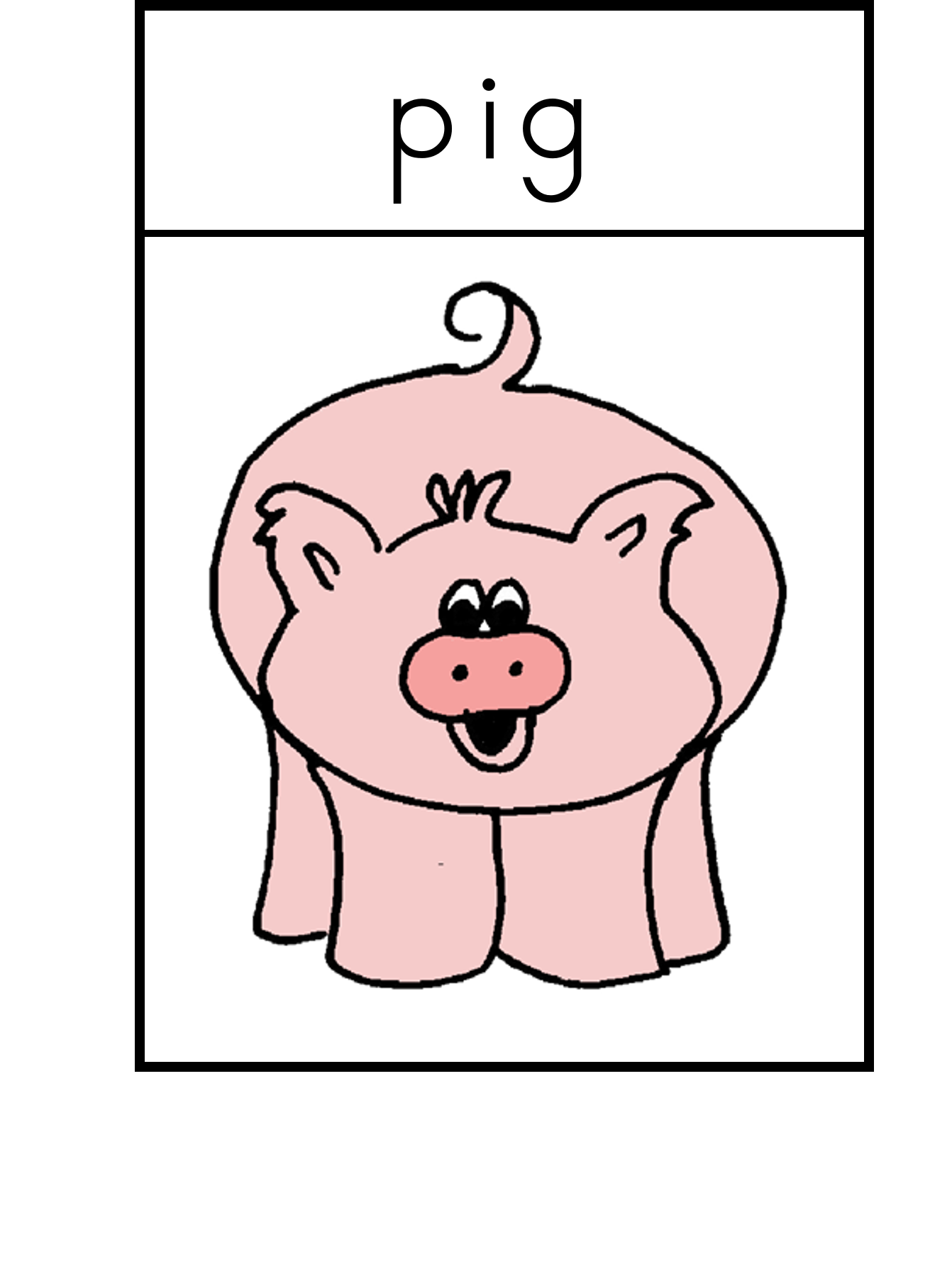
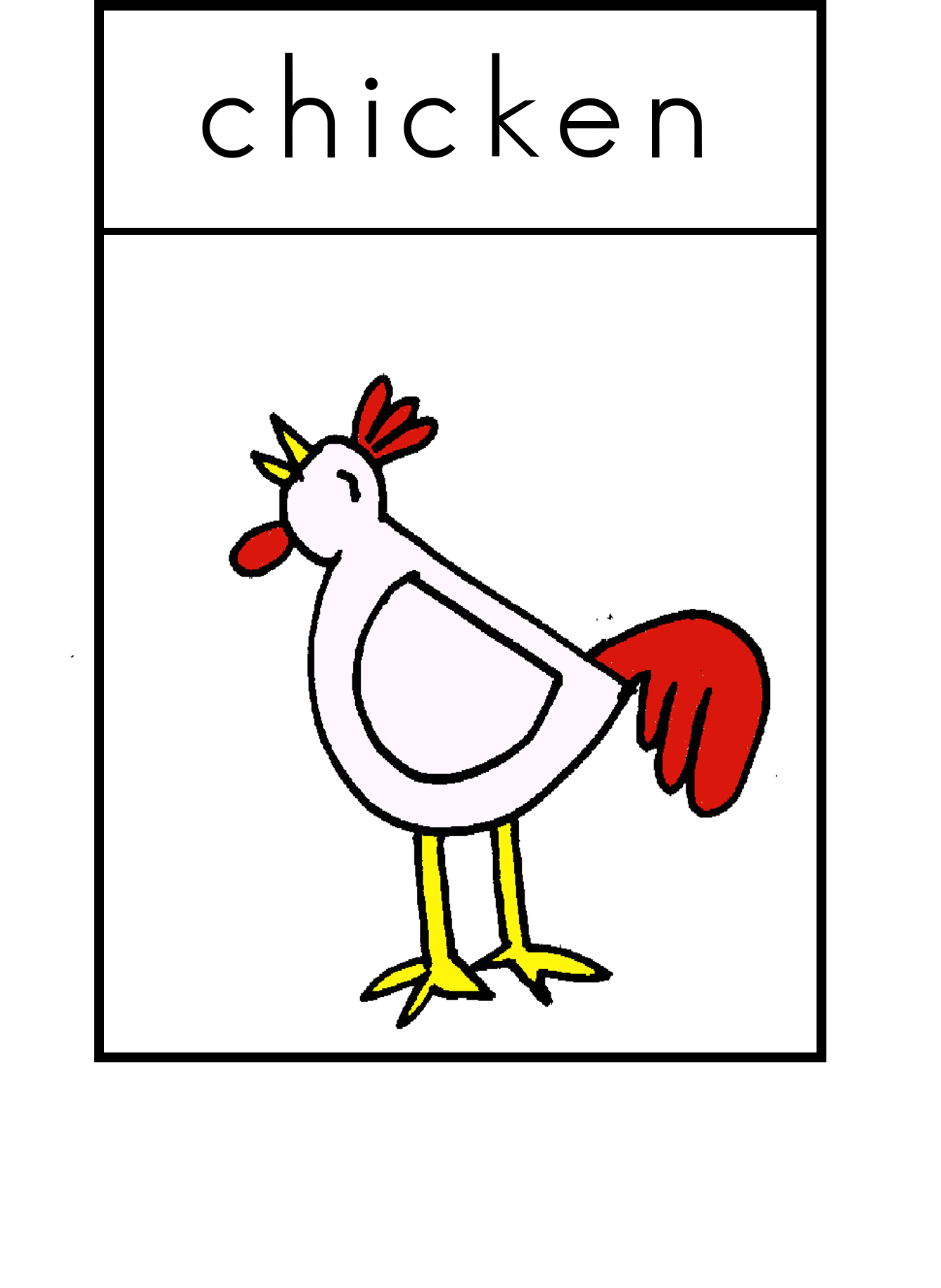
Vocabulary check cards can help with naming the corresponding characters, items or animals.
The Benefits of these Interactive Adapted Books
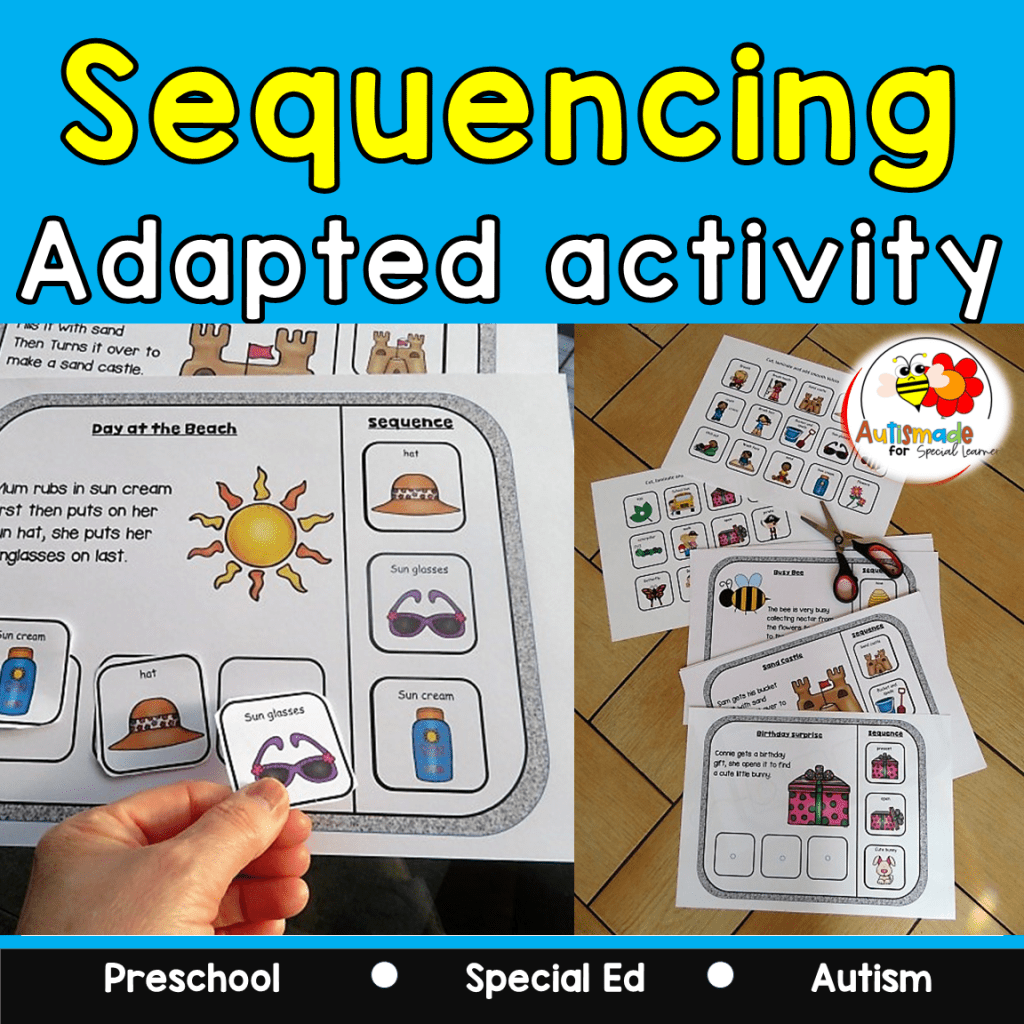
Using interactive resources can help your young learners and non verbal students access popular stories and their characters, practice story sequencing skills, increasing motivation and interest, promote independence, and enhancing comprehension.
Learners are able to practice receptive and expressive language skills, Vocabulary, sequencing and Math and Literacy.
Its not as hard as it sound to adapt any favourite book and make it interactive! You can target so many skills, like sentence starters, colour, shape, sentence structure, and sequencing, for Special Ed students.
I decided not to adapt a shop book but create and direct a version towards communication and understanding in more depth that would be more meaningful for young SPED students.
I loved simplifying these popular stories so my young learners could access them, especially Fairy-tale favourites. It was fantastic to seeing them learning to comment on what they were seeing in the book, remembering the story sequence, identifying the visuals to answer the “I can see questions, learning Story vocabulary and answer “who “questions about these characters.
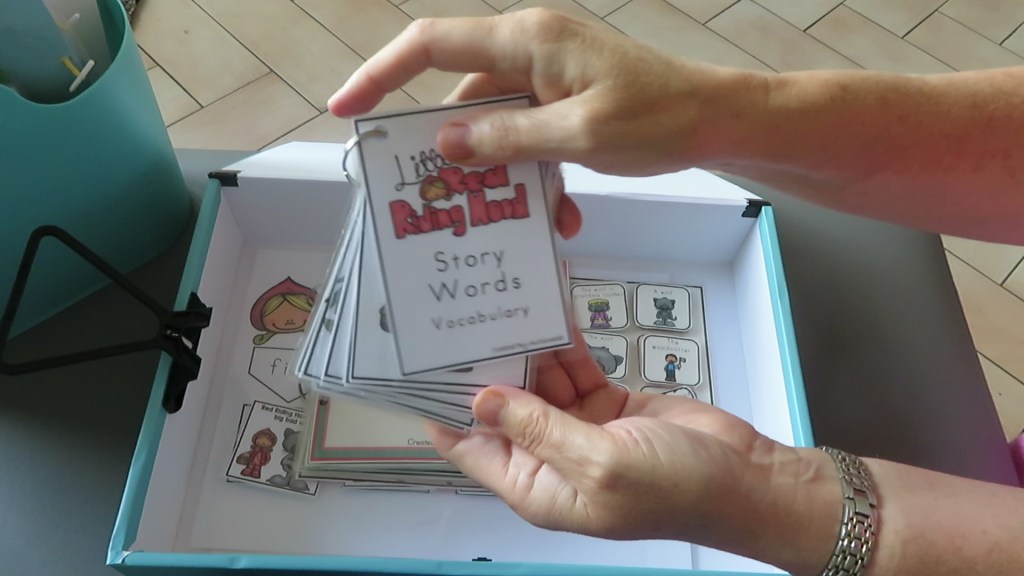
I couldn’t stop incorporating more learning strategies into these story sets and added story words, (story vocab on a ring) to teach character recognition.
and sequencing boards and cards!
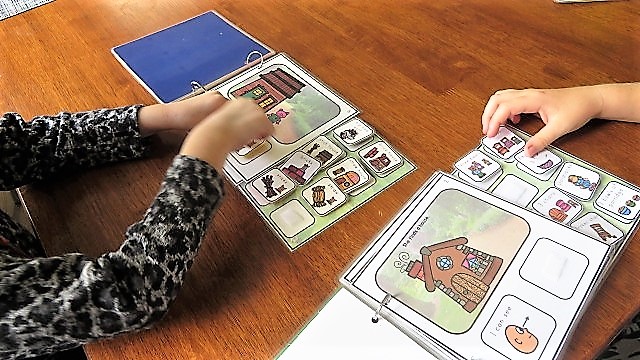
Once printed out on card stock they were quick and easy to laminate and assemble with a ring binders and Velcro for visuals.
I use adapted Fairy Tale books in my classroom so my visual learners can access and understand the story in a simplified way. Each page of the story Ive added detachable visuals so young learners interact with their Fairy-tale favourites. The main objective of this lesson is to identify what’s on the page and to comment on what they see.
Sequencing Story Board
This board will help kids learn the sequence of the story with the detachable visuals
Story Words for Vocabulary practice
Vocabulary Keyrings are a handy way of teaching story words!
I have bundled 5 of my Fairy-tale Interactive Books, each one designed to involve students in learning about popular story characters and story sequences. For my Visual Students I’ve added a comprehensive interactive book, a ring of pictures for vocabulary and 2 sequencing boards.
The Standards targeted in these activities are:-
CCSSSL.K.5 Add drawings or other visual displays to descriptions as desired to provide additional detail.
CCSSSL.K.4 Describe familiar people, places, things, and events and, with prompting and support, provide additional detail.
CCSSSL.K.2 Confirm understanding of a text read aloud or information presented orally or through other media by asking and answering questions about key details and requesting clarification if something is not understood.
CCSSRL.1.9 Compare and contrast the adventures and experiences of characters in stories.
CCSSRL.1.5 Explain major differences between books that tell stories and books that give information, drawing on a wide reading of a range of text types.
CCSSRL.1.3 Describe characters, settings, and major events in a story, using key details.
CCSSRL.1.2 Retell stories, including key details, and demonstrate understanding of their central message or lesson.
CCSSRL.1.1 Ask and answer questions about key details in a text.