Christmas Center Activities for Special Ed

The most wonderful time of the year is just around the corner, and teachers all over the world are gearing up to make the holiday season fun with fresh activities for their students.  But for special education teachers, this can be a particularly challenging task.  

Finding ways to engage and teach about holidays can be a daunting task. So here  I present Task Boxes as a solution that will not only bring holiday cheer and excitement to your classroom, but will also cater to the unique needs of your special education students.

Get ready to add these 6 holiday-themed center activities for Christmas to your rotation this year, and watch your students thrive and learn in a fun and inclusive environment.”

Simple crafts are always messy but fun! Christmas Themed will bring excitement!
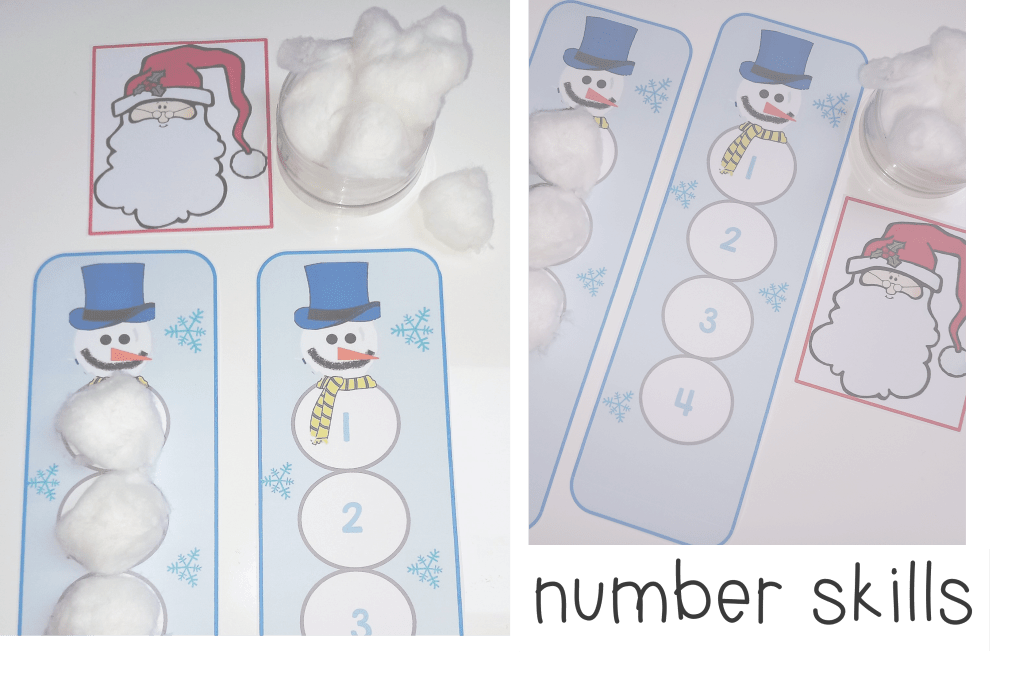
Hands on counting for young learners will engage and motivate them to practice their number skills.
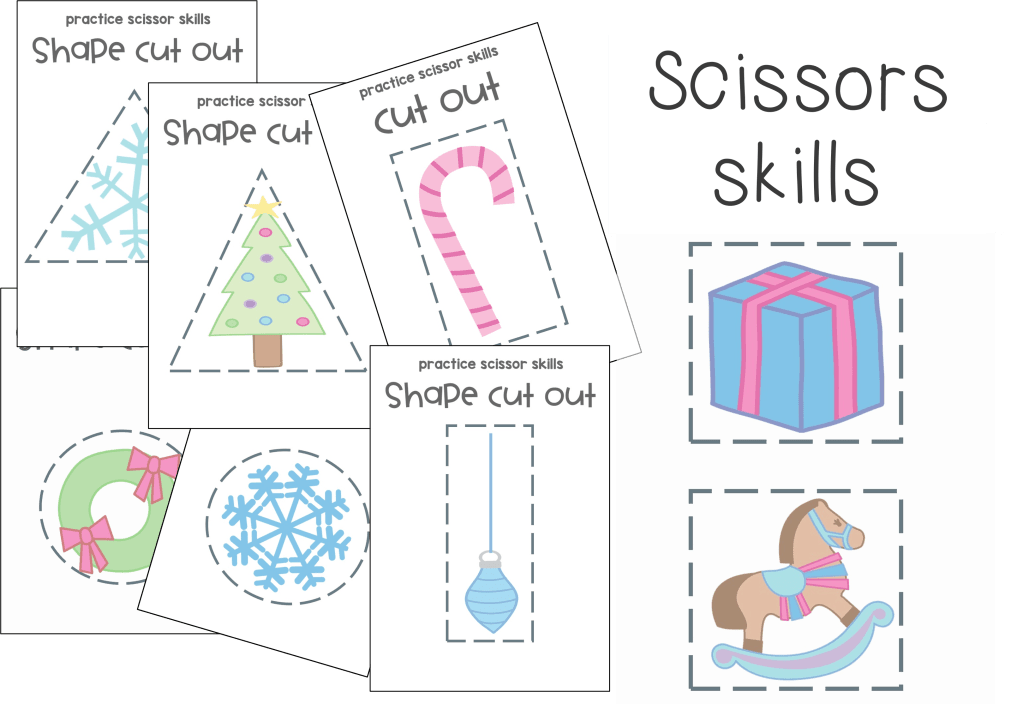
Cutting out shapes for the Christmas cheer can be tricky for little fingers so practice, practice, practice!
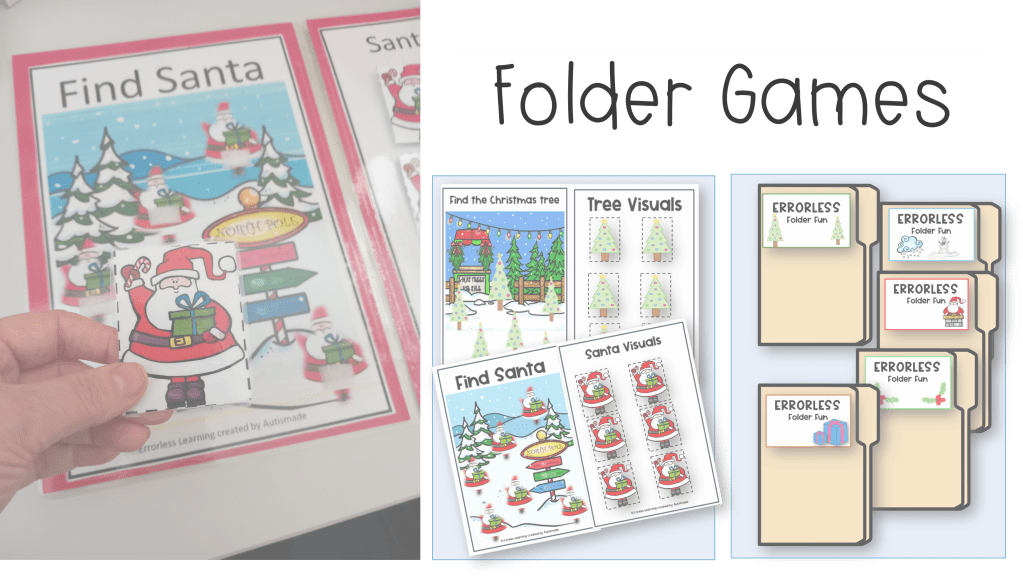
Centers wouldn’t be centers with out some folder games to finish the rotation!

Autismade for you

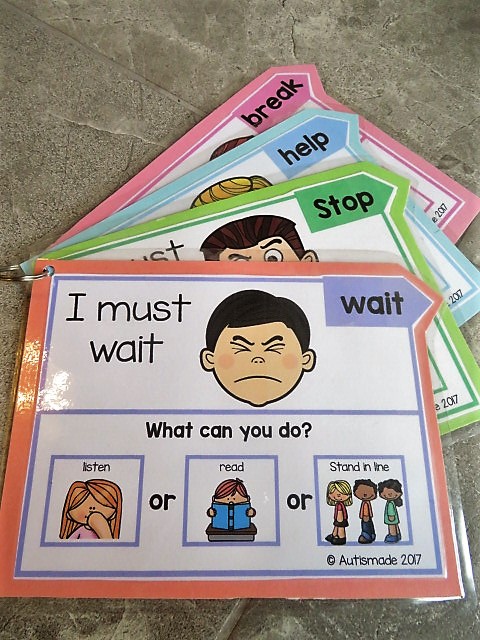
Self Regulating key-ring with visual support!

keyring

Learning new skills is so important for our students!  Requesting “Help” “Break” “stop” or “wait” is a huge skill on its own.
This week I want to talk about how we made it a little easier and more fun to teach

“I want a Break/Help”

See Here

keyring vis

How to teach students to use a “Break/help” Card

1. Help your student to realise when they need to use the break/help card, before they get too frustrated or loose concentration. At the start of any activity, show the student the break card and place the card where they can easily reach it.

2 Point to the break/help card and tell them, “This is your break/help card. You can use it to ask for a break.” When your student starts to get frustrated or loose interest, You say “If you are getting upset, use your break card to tell me you need a break/help.”

3. Immediately allow the student to take a break/help from his tasks, or allow the student to move away to the “break area.” I found that self regulating visuals on the bottom of the card is a fantastic way of calming your student while on a break.

4. Requesting is an important part of teaching the student to trust and use the visual support, once they are consistently asking for breaks, you may begin to extend the time between the request and the actual break.

My Store  Visit here

Visual supports for Functional Communication!

Learning new skills is so important for my students!  Requesting “Help” “Break” “stop” or “wait” are huge skills to learn.
This week I want to share a couple of quick tips on how I teach these skills and how we made it a little easier and more fun to teach by adding a couple of visual supports.

How I Teach my students to use these Functional Communication Strategies to Regulate their behavior

#1. First I help my student to realise when they need to use the “break” or “help” card, which is usually just before they get frustrated or loose concentration. At the start of any activity, I will show them the break or help card, which ever one I’m working on, and place it where my student can easily reach it.

#2. I Point to the break/help card and tell them, “This is your break/help card. You can use it to ask for a break.” When my student starts to get frustrated or loose interest, I will say “If you are getting upset, use your break card to tell me you need a break/help.”

#3. I use physical and gestural Prompts for some of my students to take the break/help card and allow them to move away to the “break area.” or Help them. I found that self regulating visuals on the bottom of the card is a fantastic way of calming and redirecting my student while on a break.

#4. Being able to use functional communication is an important part of behavior management and teaching the student to trust and use the visual supports will help them self regulate.

#5. I will begin to withdraw prompts once students are consistently asking for breaks or help, its important that being able to initiating these requests independently to become an consistent communicator. Then you can begin to regulate the time between the request and the actual break.

My Store  Visit here

Visual Supports for Critical Communication

Classroom Management Cards – Functional Communication

Classroom Support Cards for kids with Autism/Special Ed