Teaching Break and Help Cards for Young Learners

Functional Communication is an important skill to master in any successful Behavior Management Plan. Here’s a brief description on how I teach theses skills with my young learners.

How I Teach students to use a “Break or Help” card

1. Firstly you need to help your student realise when they need to use the break/help card, preferably before they get too frustrated or loose concentration. At the start of any activity, show the student the break card and place the card where they can easily reach it.

2. Point to the break/help card and tell them, “This is your break/help card. You can use it to ask for a break.” When your student starts to get frustrated or loose interest, You say “If you are getting upset, use your break card to tell me you need a break/help.”

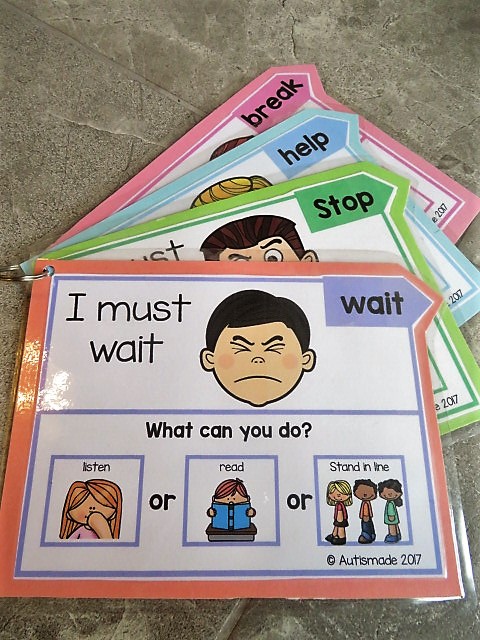
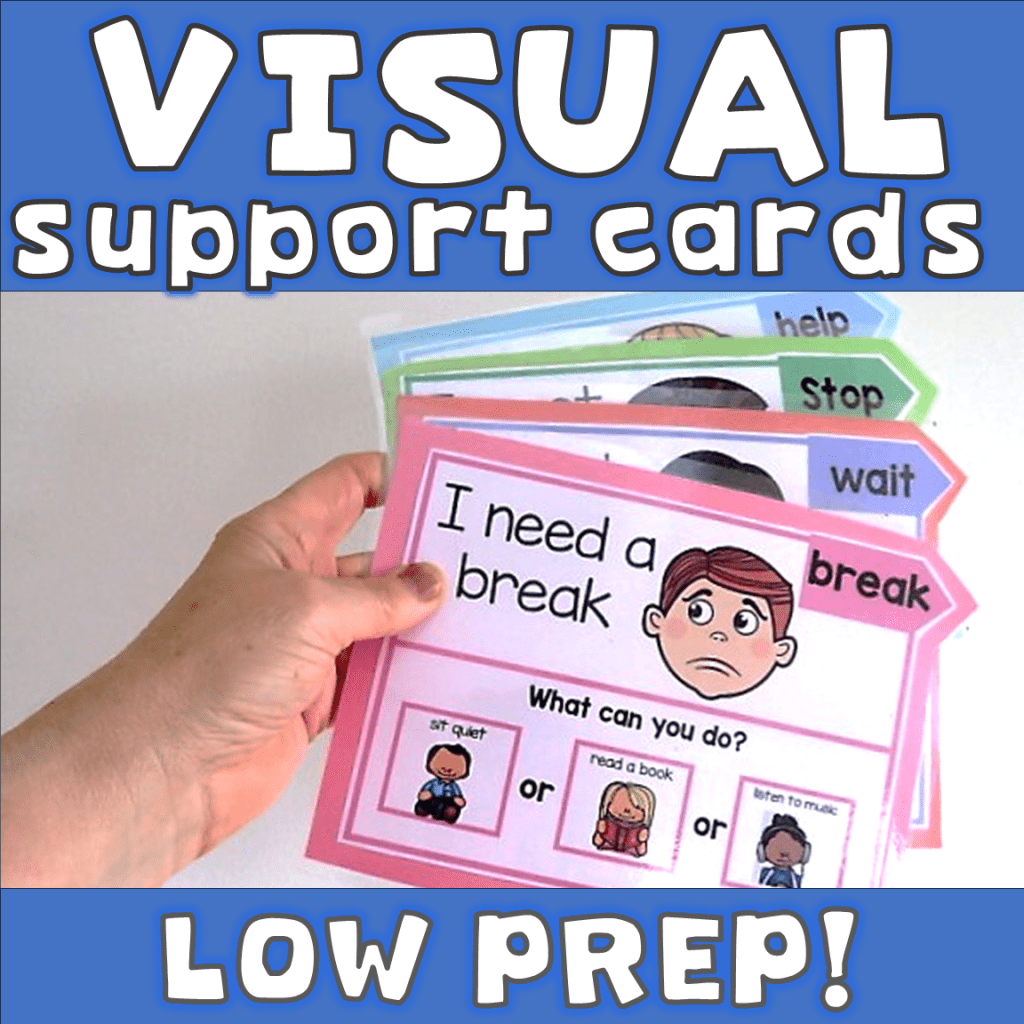
3. Once he requests the card allow the student to take a break/help from his tasks, or direct the student to move away to the “break area.” I found that self regulating visuals on the bottom of the card is a fantastic way of calming your student while on a break.

4. Requesting is an important part of teaching the student to trust and use the visual support, once they are consistently asking for breaks, you may begin to extend the time between the request and the actual break.

5. Visuals to the bottom of the support cards help redirect the student to what he can do instead, or while using the card. I hang them up on a keyring for easy access in my calm down corner!

Visit my TPT Store for more details

Asking for Help, Break Cards with Visual Supports, Printable Cards for Autism

Visual Support Cards, Asking for Help or Break | Functional Communication Cards

Break Card Visuals: Special Education Choices for I need a Break & Data Sheet

How to Use Social Narratives for Behavior Management

Social narratives are always available in my calm down area! I keep them on the book shelf ready to remind my young learners how to respond in difficult social situations. This type of visual guide describes social interactions helps with understanding social skills and cues that they might of missed. 

Social supports help my young learners understand how to behave or respond in particular situations by using visuals to describe various social interactions, situations, behaviours, and skills.

The main goal of a Social narrative is to share social information that describes how to behave in them instances.

Reading these stories, one to one and as a whole class lesson has enabled me to reinforce these important social skills. I’ve displayed a poster on classroom rules as a quick reminder and added supporting activities to generalise learning.

“Class Rules and “Inside voice,” are the ones I often read within a class lesson, usually when a reminder is needed on how behavior affects the class and disrupts others.

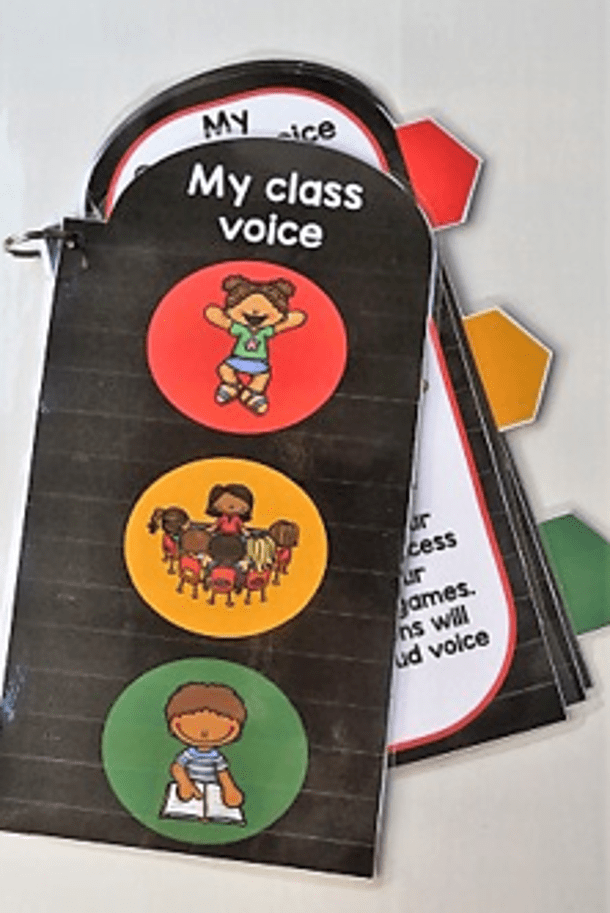
I use a quick reminder booklet to reinforce outside, inside and class voices!

“Be Kind” or “Listen to your Teacher” Might be needed for individuals or to target a more tricky behavior that is reoccurring.

I use Social Strips to support the skills outlined in the stories

My Daily Planner Binder – Back to School for Kids with Autism

On the first day back to school I always introduce my Interactive Planner Binder to keep my young learners focused and motivated! Its full of visual strategies to help them plan their day, choose they’re reinforcer and stay in the area where they need to work.

I laminated the ones i made but you could easily place them in a pocket folder and use a dry wipe marker.

I’ve incorporated pages for my new students to jot down their name, grade and class, followed by their teachers name, their friends name, things they like and things they don’t.

There are pages with the days of the week for them to practice and tick off what day it is and same for seasons.

Having a schedule is so important so I’ve added spaces where i can write the order of the day and they can tick off as they go though it, handy to keep them on track!

Working for cards and reward choice keep them motivated!

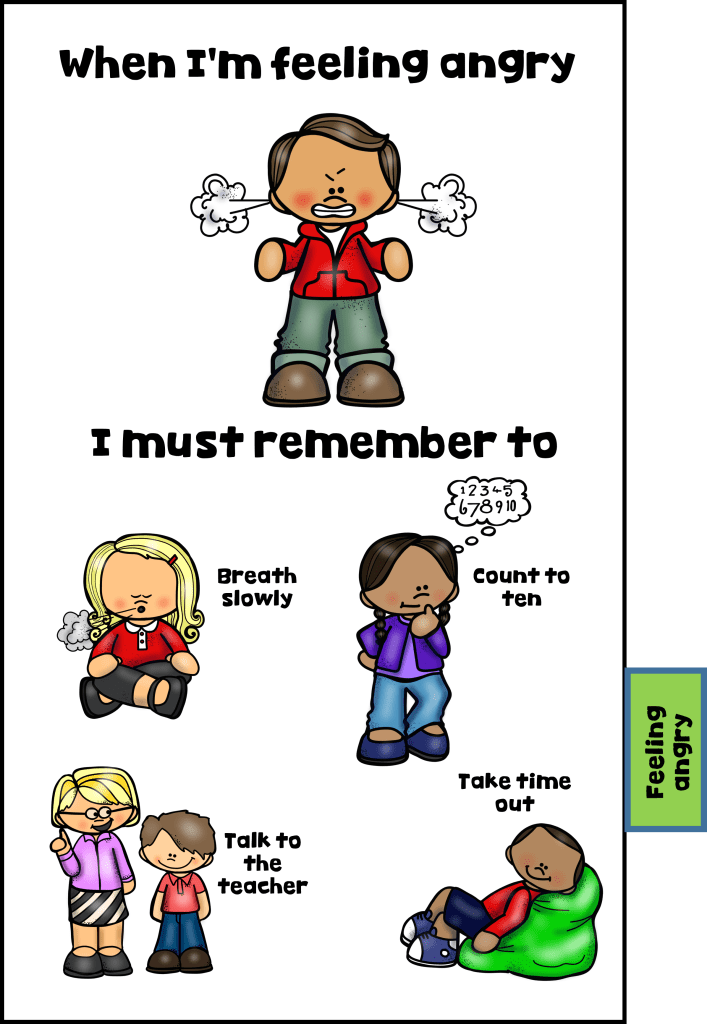
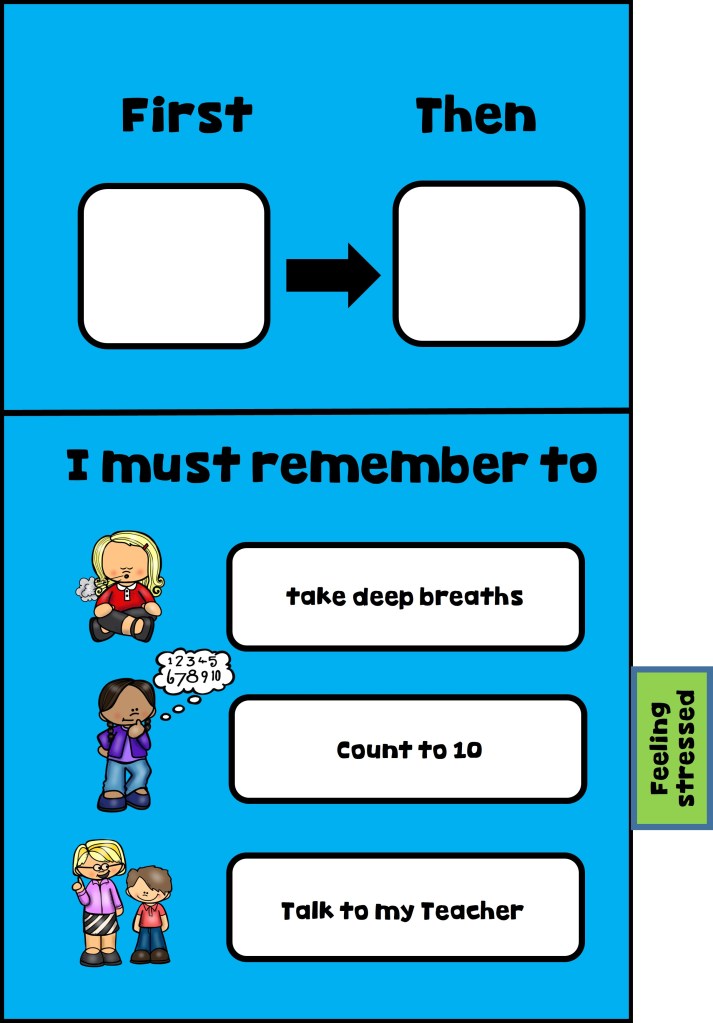
Reminders of what to do when they feel angry, “first and then” when they get frustrated and what “I need” visuals for them to choose from.

Self-Regulation strategies for Managing Behavior

Being able to regulate behavior is an essential critical skill to learn, so I’ve designed booklets for my students with Autism, Special Ed and the Preschool students in my school. This visual tool is intended to help them identify how they feel and what they would need to be ready for work! They turned out to be a great asset in my classroom calm down area.

Each of my kiddos are constantly using the visuals to remind themselves on how to get in the “ready” for work area. They can choose the supports they need and attach them on the page if they find themselves wandering out!
There are some books with three area tabs and some with four areas identified and each have visual supports for students to check how they feel, what area they are in and what they would need to do to get back area ready to work.

I’ve also added a “Tool Book” to this collection, which my kiddos equally love using!

Reduce Frustration with Calm Down Strategies

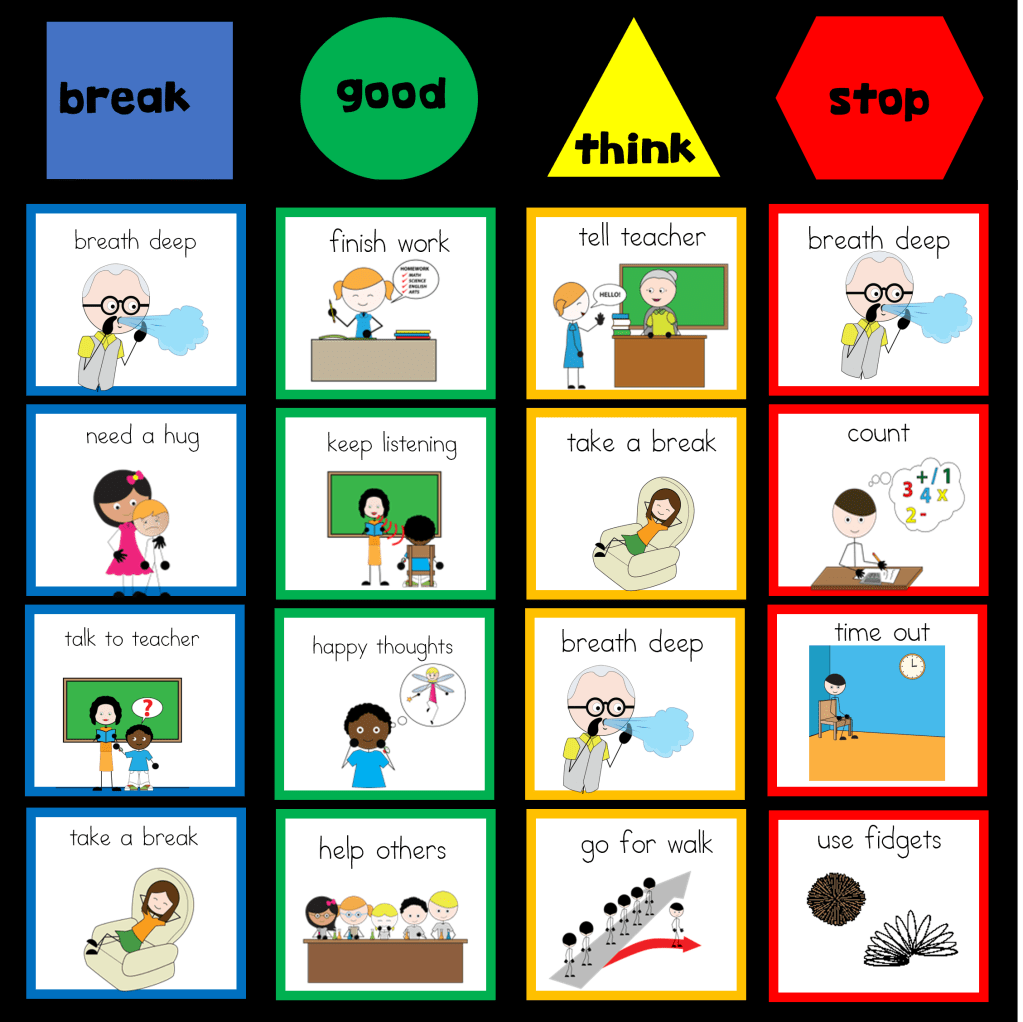
Visual supports can help reduce frustration by giving non verbal students a way to Communicate. Having a variety of activities that are available in class and being able to ask for what is wanted can help reduce behavior throughout the day.

This is why I always keep a selection of visual choices handy in my calm down area, ready for when problems arise! Struggling students are able to find the visual displayed on a board that will help them reduce these emotions to carry on learning.

I display only the visuals that are available to the students on given days and a wider choice throughout the week.

Visit my TPT store for more information