Setting up Behavior Resources & Visual Directions in the Classroom

As a Teacher you know you need to have a well stocked toolbox!  But for a Special Ed teacher this is especially true in order to run a successful classroom.

Students with such diverse needs will need more specialised resources to support their learning. In this article I would like to share with you a handful of essential tools that I’ve discovered, created and have helped with behavior management in my Special Ed classroom.
  1. Calm Down check in / Social-Emotional learning, Posters and coping tools
  2. Classroom Behavior Management Tools | Reward charts, First and Then, schedules)
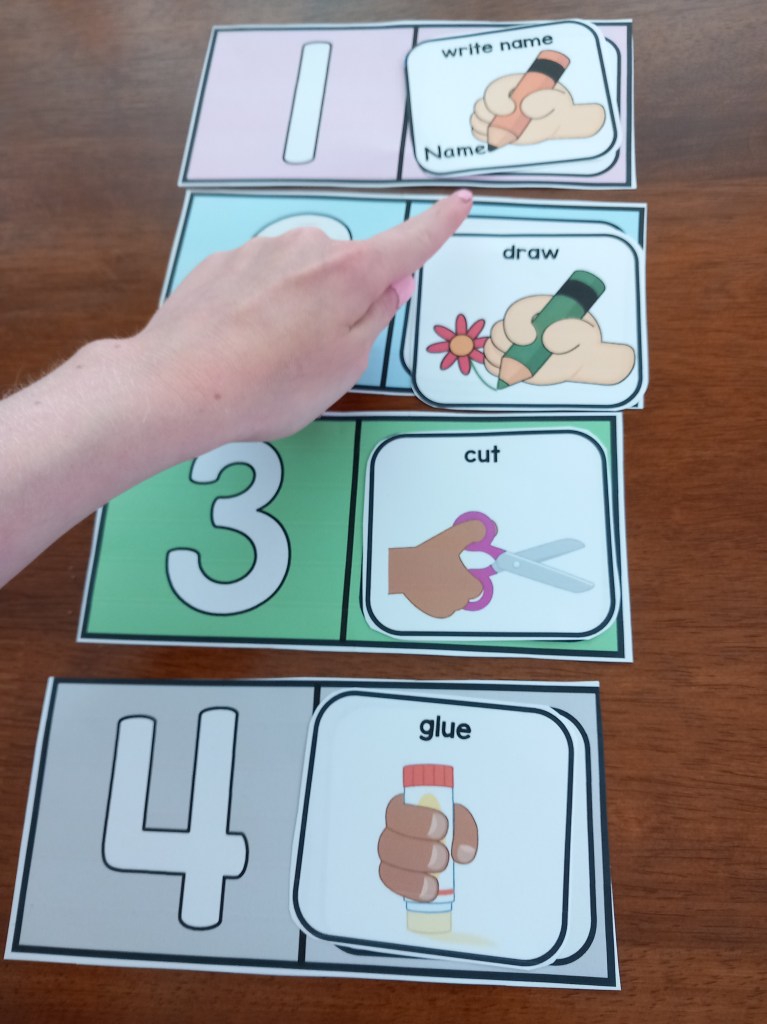
  3. Visual Direction | Cue card instructions
  4. Editable Visual Schedules
  5. Token Reward Boards a Positive Reinforcement System for Autism/Special Ed
  6. Classroom Support Cards | Classroom Behavior Management | Special Education
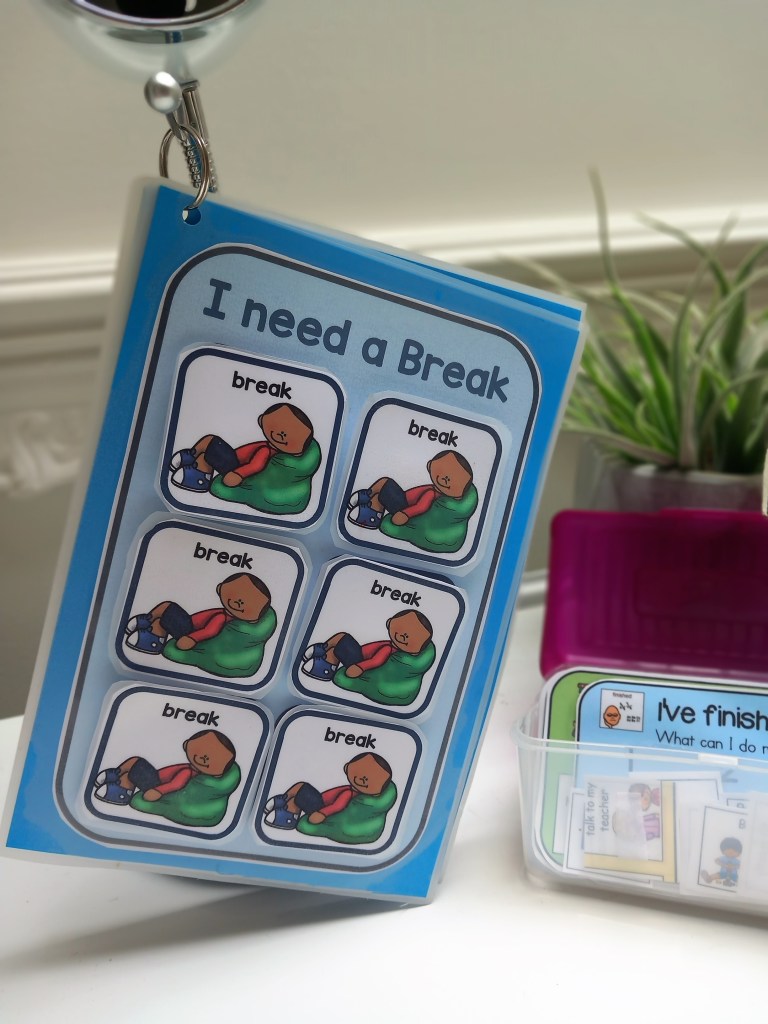
  7. Classroom Support Visuals on a Ring | Behavior Management
  8. Behavior Support Pack – Token Boards, Choice cards and How are you feeling?
  9. Editable Schedules for Classroom Management
  10. Socials Skill Stories for Classroom Behavior Management

5 FREE resources for you to download and try

  1. Help me calm down | Free Poster
  2. 2 Free Classroom Management Posters for Back to School
  3. Reward Boards – Free Token Economy for Behavior Management
  4. How are you feeling Emoji Free cards
  5. FREE – Good Choice, Bad Choice Activity Boards

It is important to remember that these resources are not just tools, but opportunities to empower and uplift students, and an opportunity for you to explore and implement them in your own classroom.

Schedule Templates for Preschool Special Education Classrooms

You can now enjoy a more structured day for your special needs preschooler with these printable schedule templates! An easy-to-use guide will help you create individualized, fun learning experiences tailored to your child’s specific needs and capabilities.

This quick rundown will provide you with a few tips and strategies to help you create the perfect routine for your little learner.

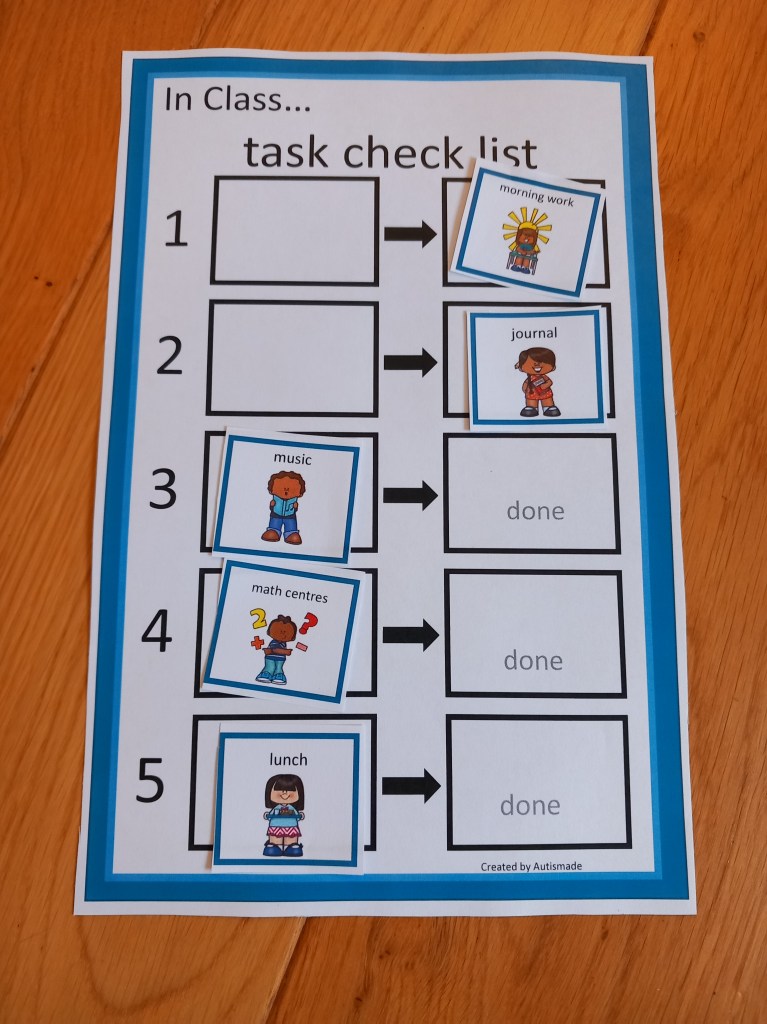
1. START SIMPLE – Make visuals for just meaningful times of the day eg, morning work, break, lunch etc,  this will help your young learner to recognise and correspond each picture with each of the activities.

2. BUY A LAMINATOR – Your laminator will become your friend! If you want all your hard work to last, laminate all mounts and visuals because they are going to go through a tough time!

3. WALL MOUNT  – Mount on a wall, the schedule must be low enough for your student to access and take away finished symbols.

4. USE A FINISHED BOX – Attach a finished box at the end or side of the schedule to drop the finished visuals in before starting a new activity. 

5. TRY A FILE FOLDER – A portable schedule can be used in a file folder in the same way as a wall mounted one. I find these easier with older children to check into the activities and more efficient in busy classrooms. Pop their name on it and keep all their individual support visuals in one place. 

6. MODLE AND PRACTICE – Always model, practice and remind your busy student at the beginning of each activity to, “check in”, or “check your schedule“.   Make a plan to pull back on all prompting until they begin to use this system independently!

Ask yourself questions to find the right types of schedule to fit the learners needs.

  1. Are your students able to pull off visuals when finished or can they tick a box?
  2. Do they need visuals?
  3. Can they read or write out the schedule?
  4. Can they tell the time and follow the order of the day?

For more resources visit my TPT Store!

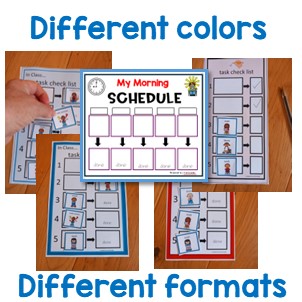
Editable Visual Schedules

Editable Schedules for Classroom Management

Reward Chart Systems for Behavior Management|schedule|Token Economy|First & Then

Daily Planner Binder – Back to School for Kindergarten & Special Education

How to Use Social Narratives for Behavior Management

Social narratives are always available in my calm down area! I keep them on the book shelf ready to remind my young learners how to respond in difficult social situations. This type of visual guide describes social interactions helps with understanding social skills and cues that they might of missed. 

Social supports help my young learners understand how to behave or respond in particular situations by using visuals to describe various social interactions, situations, behaviours, and skills.

The main goal of a Social narrative is to share social information that describes how to behave in them instances.

Reading these stories, one to one and as a whole class lesson has enabled me to reinforce these important social skills. I’ve displayed a poster on classroom rules as a quick reminder and added supporting activities to generalise learning.

“Class Rules and “Inside voice,” are the ones I often read within a class lesson, usually when a reminder is needed on how behavior affects the class and disrupts others.

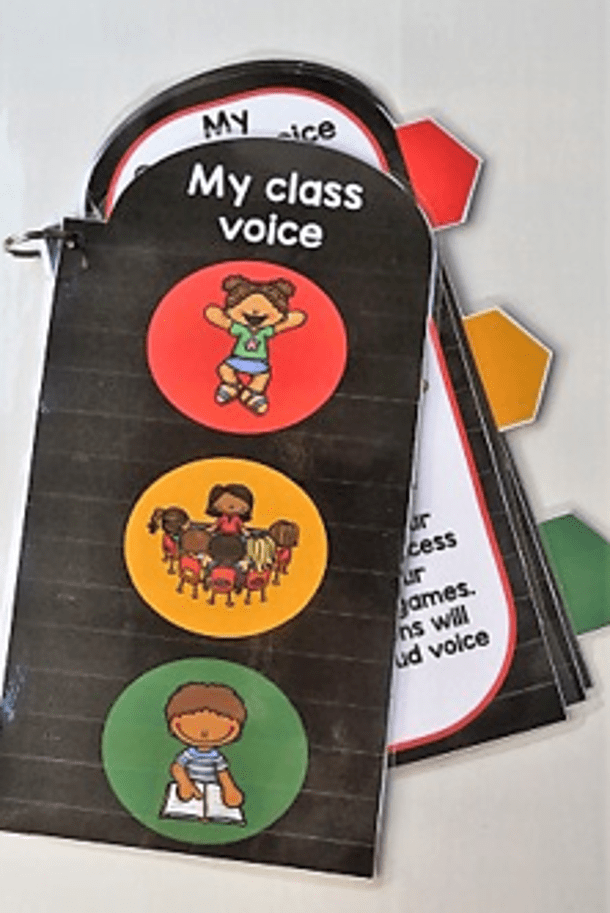
I use a quick reminder booklet to reinforce outside, inside and class voices!

“Be Kind” or “Listen to your Teacher” Might be needed for individuals or to target a more tricky behavior that is reoccurring.

I use Social Strips to support the skills outlined in the stories

Using Powerful Reinforcers!

How I use Fidget Toys as reinforcers in my Classroom

Sensory

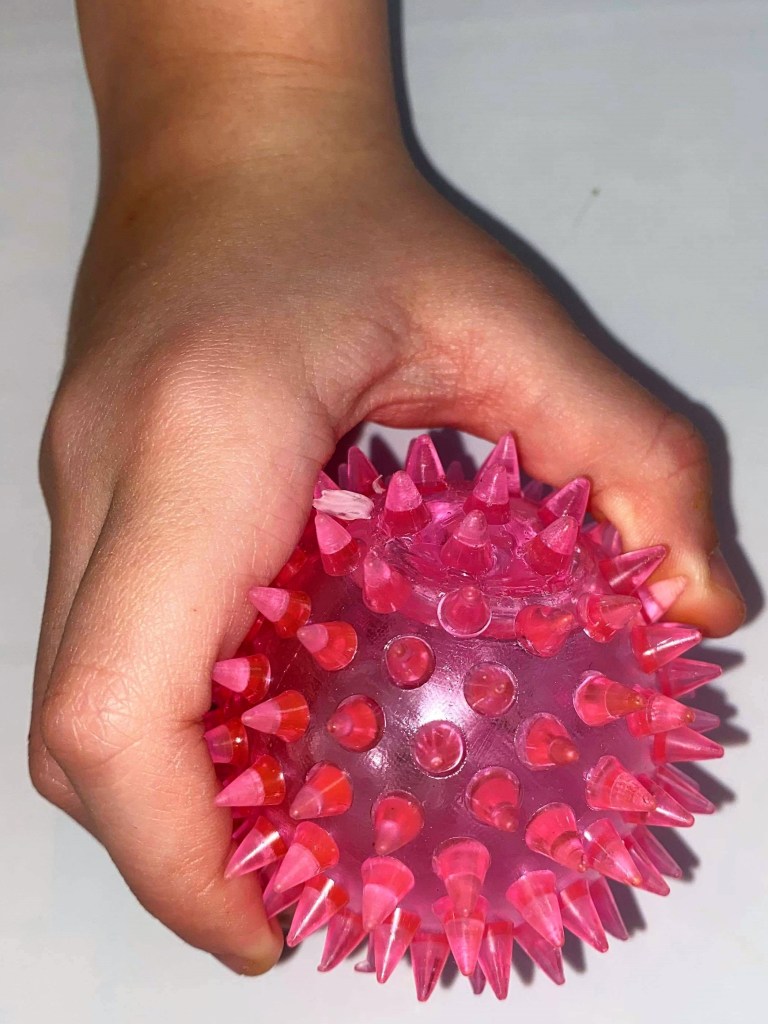
Help your students focus and keep calm while keeping little hands busy. When collecting fidget toys make sure they’re robust enough to withstand the strains they’ll be under. I buy toys that are strong enough for my students to bite, squeeze or stretch safely but still benefit their sensory needs.

Learning to Wait

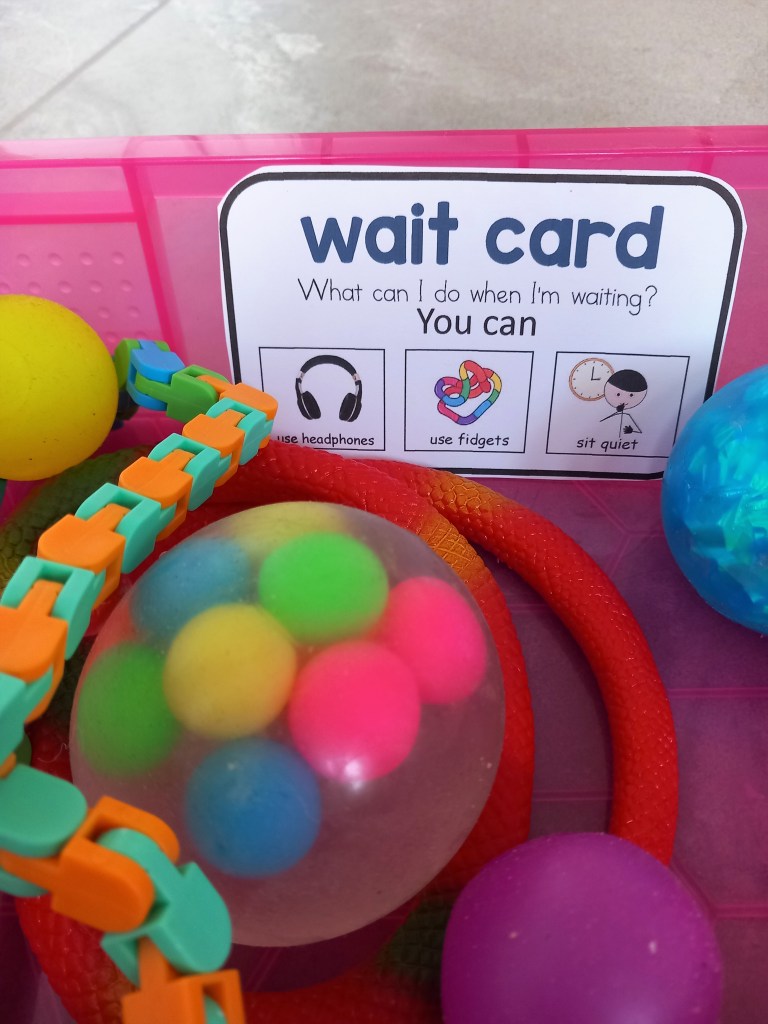
When student are learning to wait and have been given a “wait” card, having something to occupy fidgety hands will sometimes help. Using a “wait” box that is filled with fidget toys, can be offered during this time to allowing students to occupy themselves, and to gradually increase the “wait” time.

As a motivator

Teachers need to be clear on how to deliver a motivator for effective learning. When, where and how many reinforcers will determine how long the learning lasts and how rapidly they learn.

When I’m teaching something new the more frequently I reinforce. When presenting a new task or skill I arrange things so that every successful effort results in a powerful reinforcer.

I find the “Reward Board” works best! and I deliver it in a variety of ways, which I tailor with students individual interests.

Token boards – A token is used like an IOU and once collected can be exchanged for the actual reinforcer. Students can start off collecting 1 token before gaining their reinforcer and build up to 10 tokens once the concept is mastered and they’re ready to learn longer.

Reinforcer icons are placed along the bottom of the card, students choose one before the task begins and tokens are distributed throughout the task!

First and Then strategies and Reward Board choices are also a great tool. I sometimes use it along side this reward system!

Reduce Frustration with Calm Down Strategies

Visual supports can help reduce frustration by giving non verbal students a way to Communicate. Having a variety of activities that are available in class and being able to ask for what is wanted can help reduce behavior throughout the day.

This is why I always keep a selection of visual choices handy in my calm down area, ready for when problems arise! Struggling students are able to find the visual displayed on a board that will help them reduce these emotions to carry on learning.

I display only the visuals that are available to the students on given days and a wider choice throughout the week.

Visit my TPT store for more information