Using First Then Boards to Improve Classroom Behavior

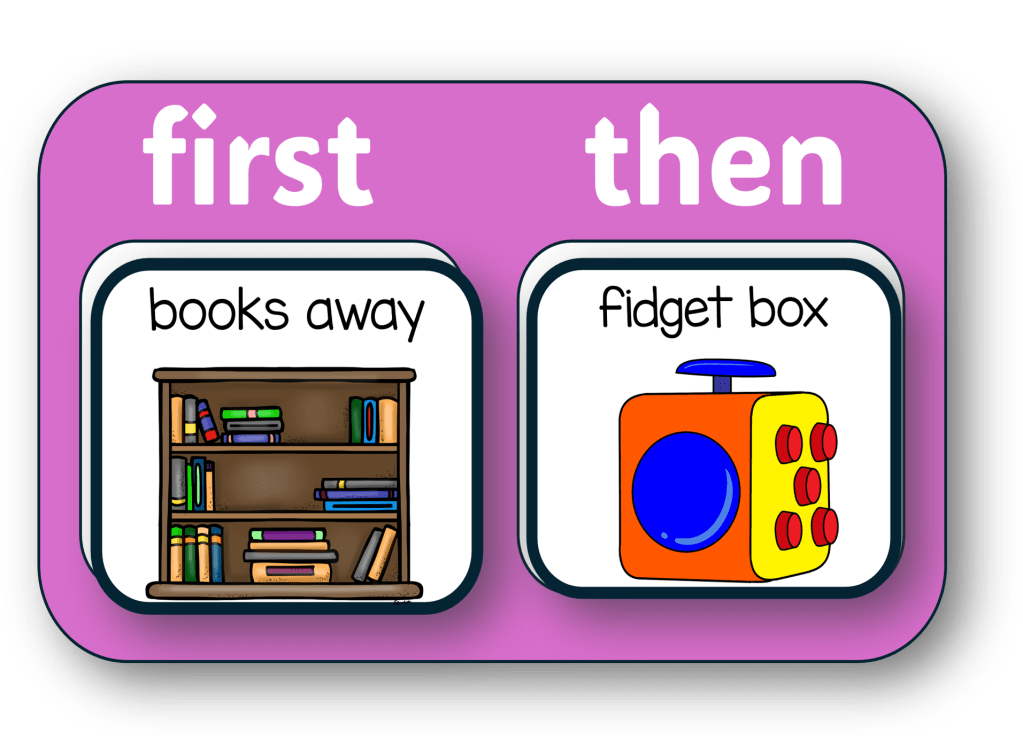
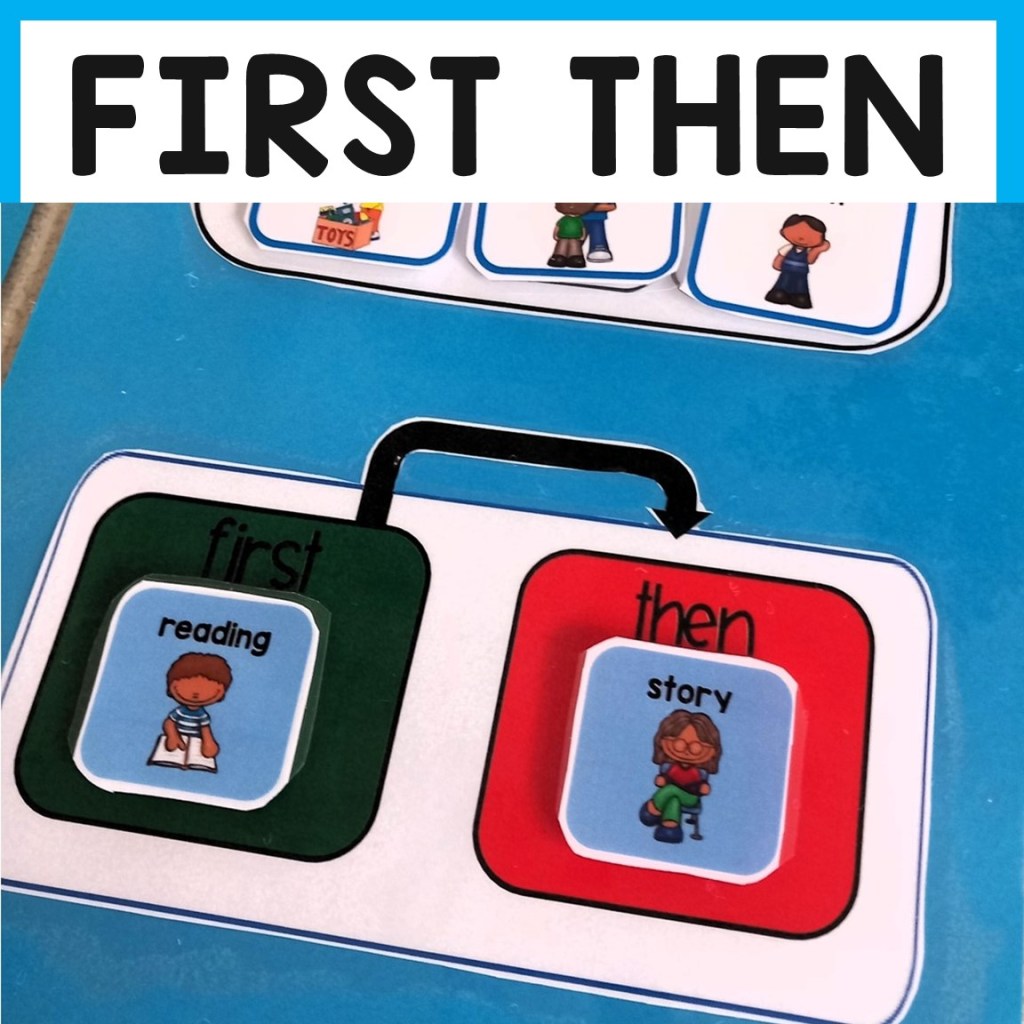
These First Then board templates with Visuals Cards are a simple, evidence-based schedule for classroom management, designed specifically for PreK–2 Special Education classrooms.

The First–Then strategy provides clear expectations, visual structure, and positive reinforcement to improve behavior and increase task completion — without constant verbal reminders.

Why Use a First–Then Board? 

Students with Autism spectrum disorder often benefit from predictable routines and visual supports. The First–Then strategy, commonly used in Applied Behavior Analysis (ABA), helps reduce anxiety and increase cooperation by clearly showing:

✔ What task must be completed
✔ What reinforcement comes next

What’s Included in This Resource 

🟢 TIER 1 – This printable First–Then board pack includes:

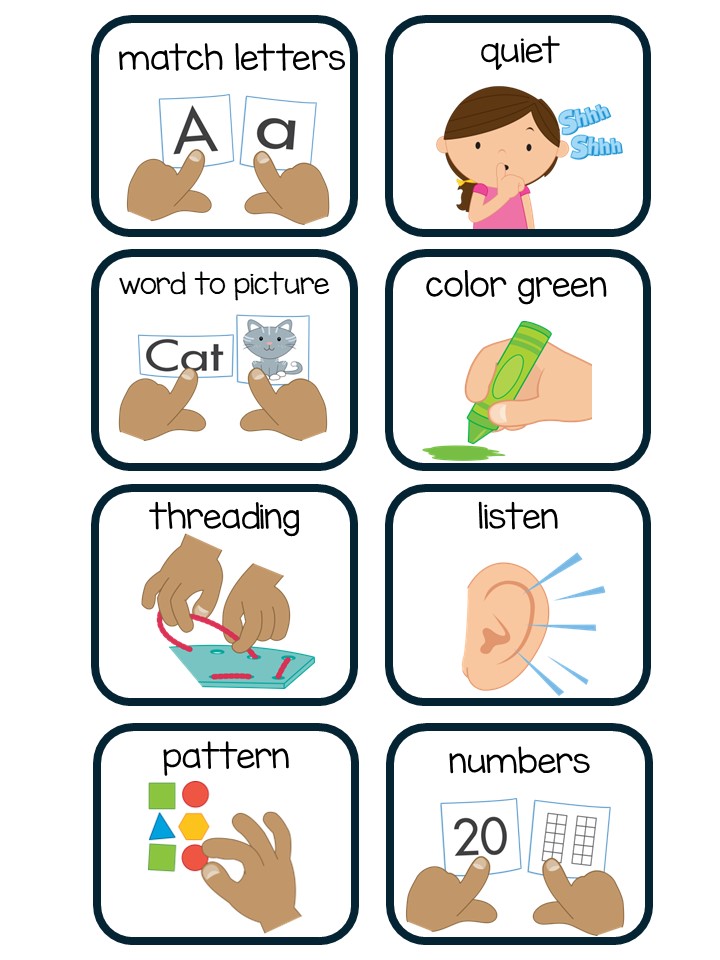
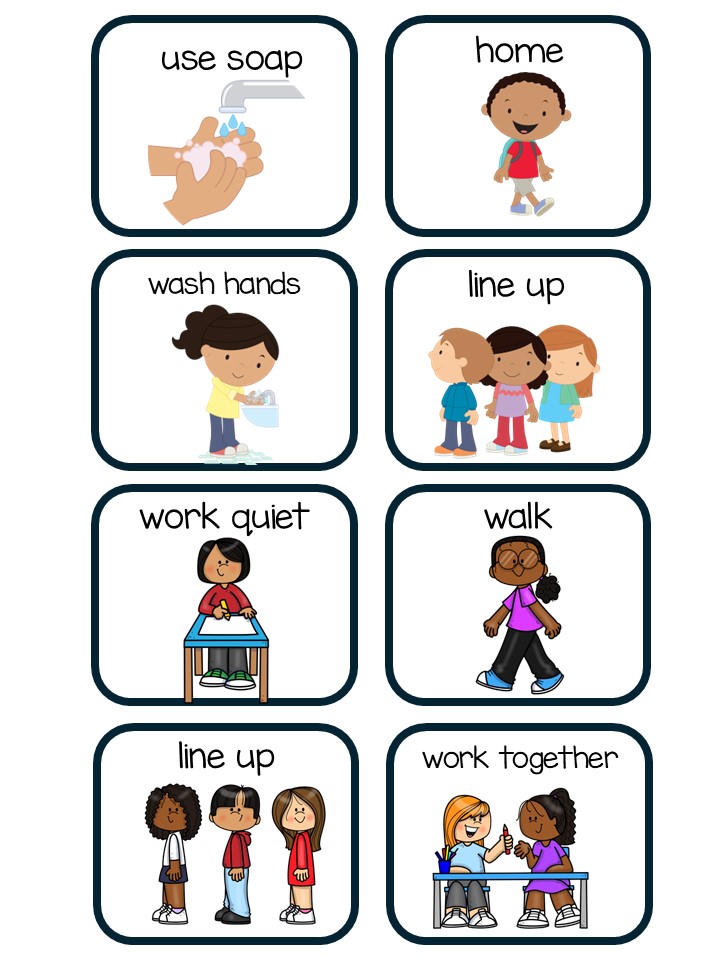
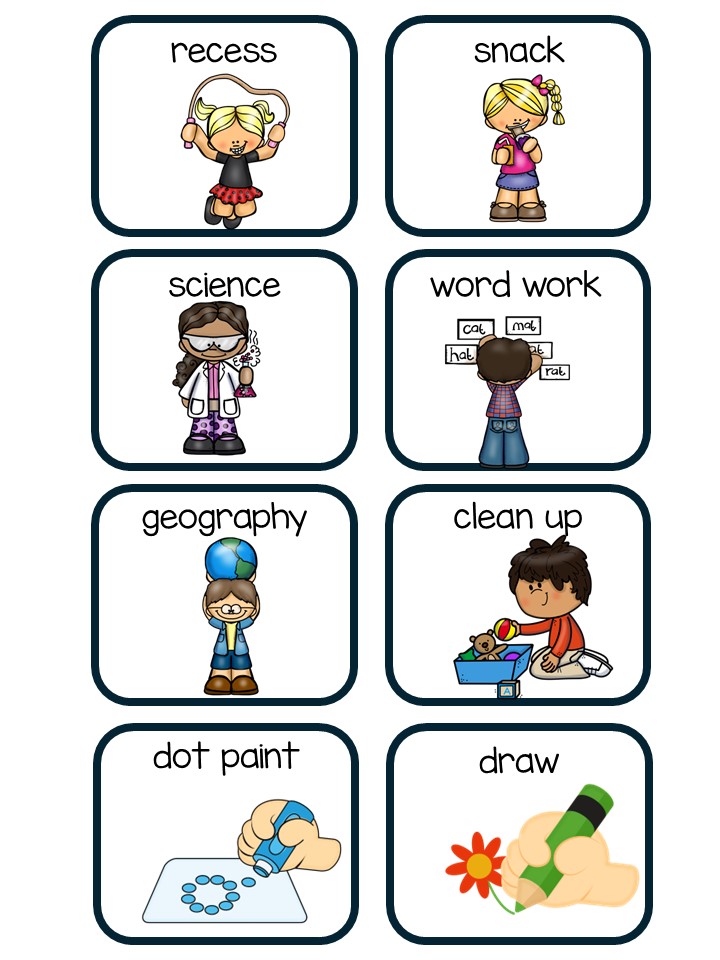
✅ Full-Size First–Then Cards (Color + Black & White)
✅ Desk-Sized Mini First–Then Strips
✅ Editable Templates (with Power point)
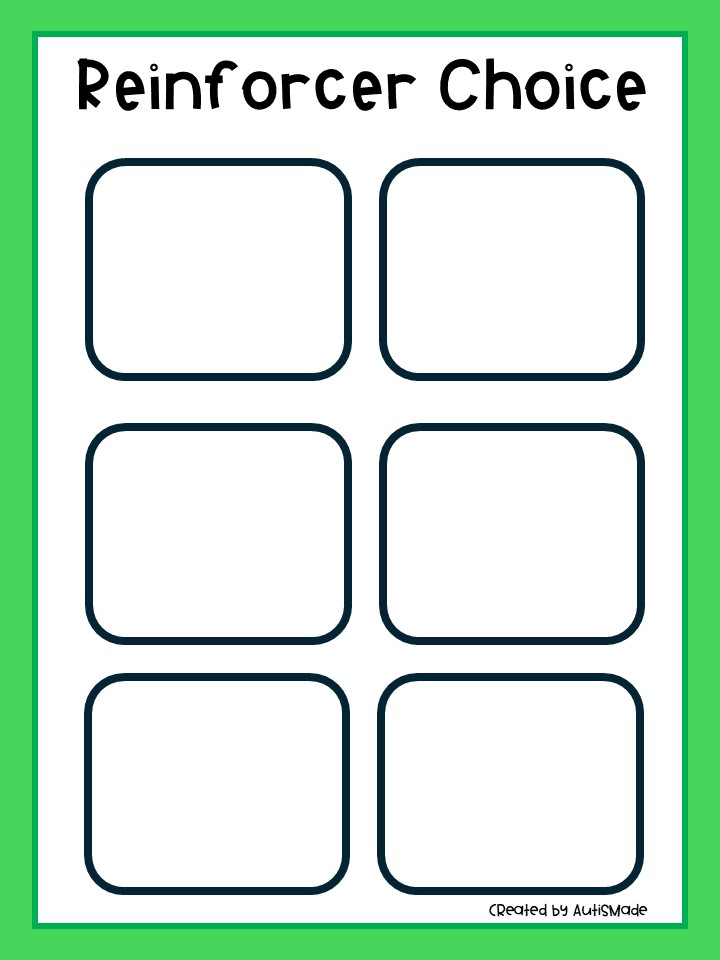
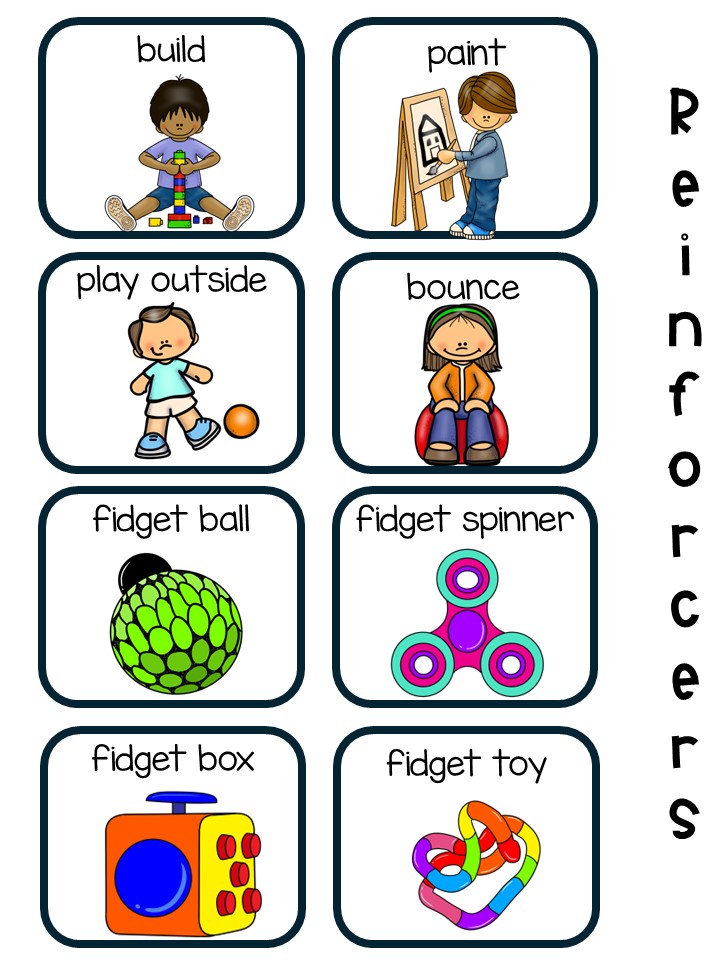
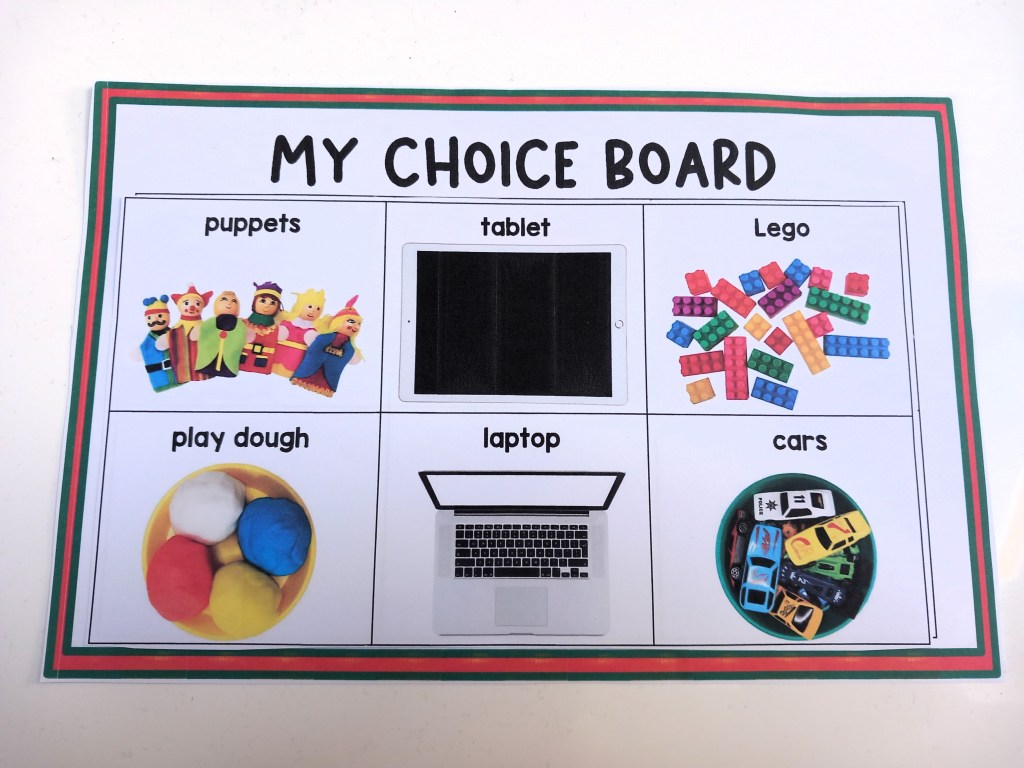
✅ Reinforcer Choice Page & Toolkit

1.Calm down corner visuals

2.Break cards

3. “all done” cards  
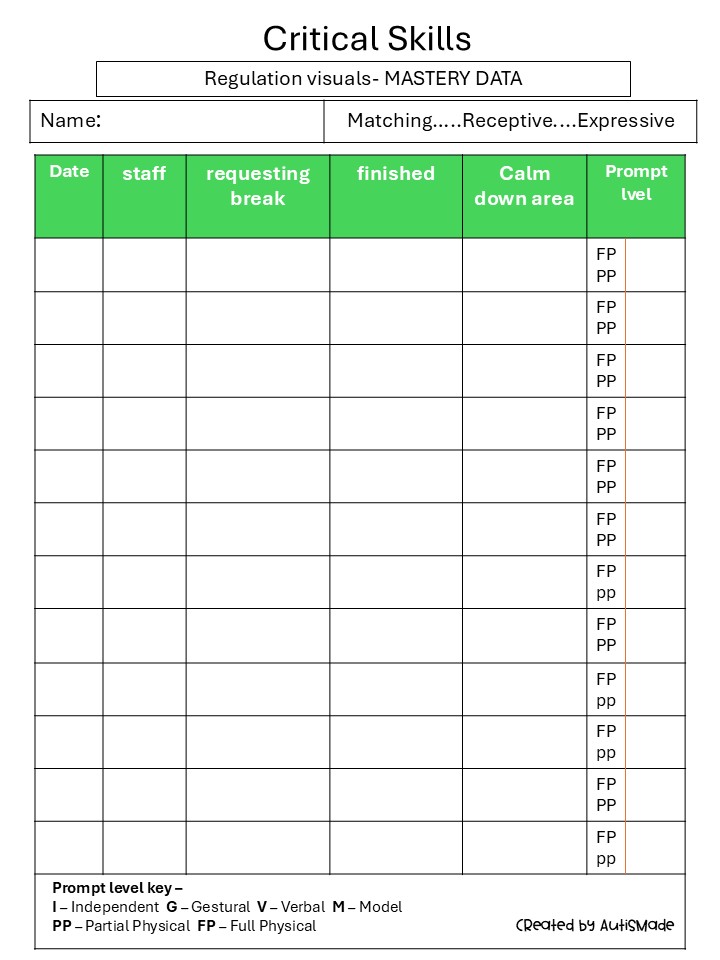
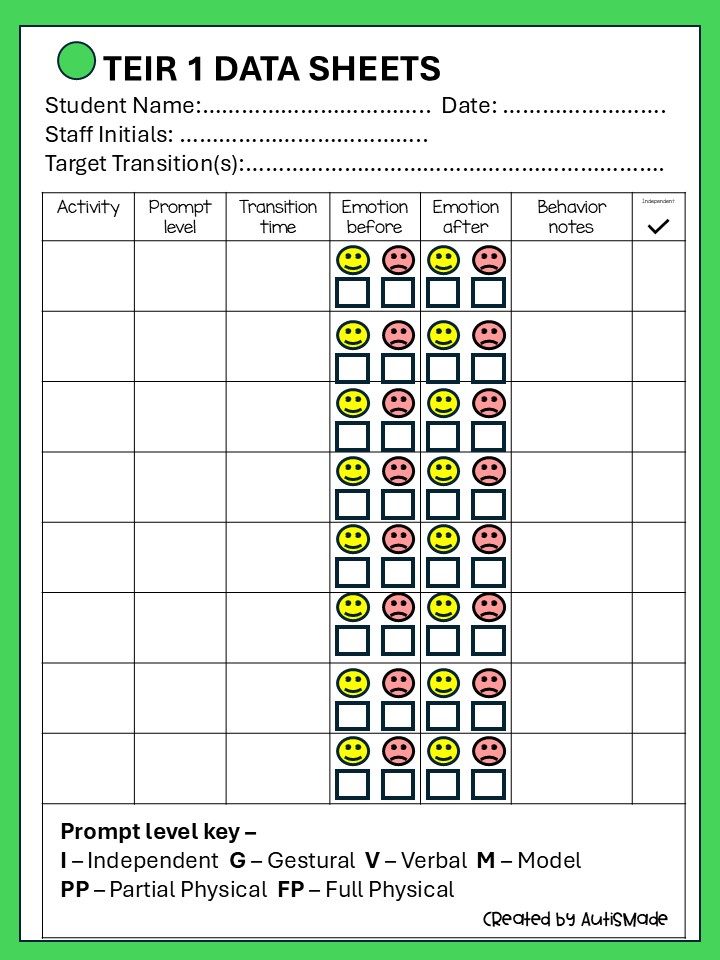
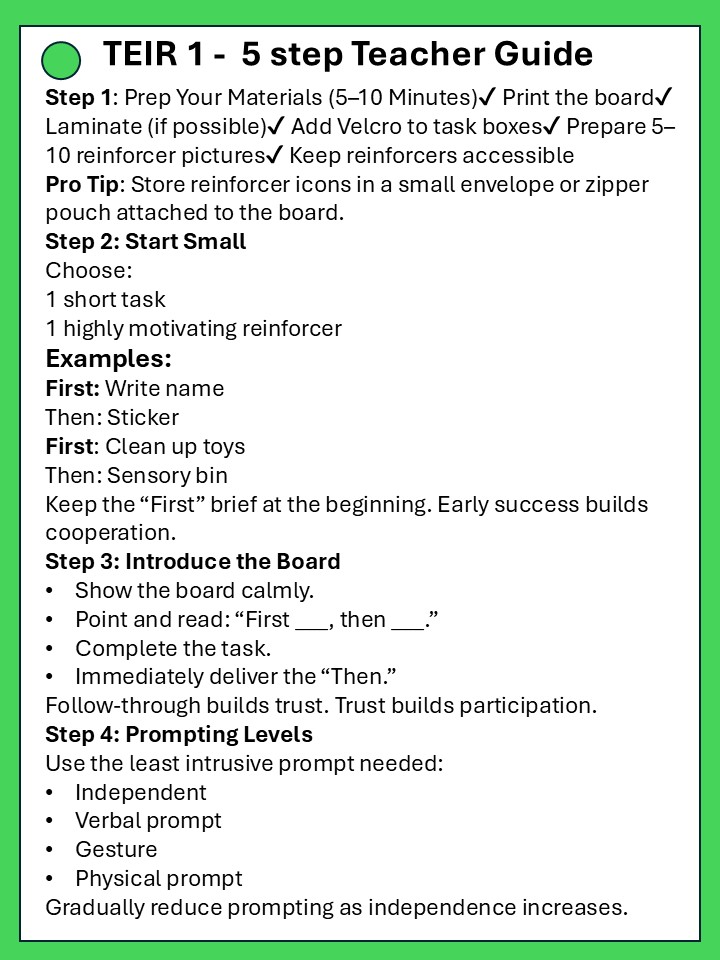
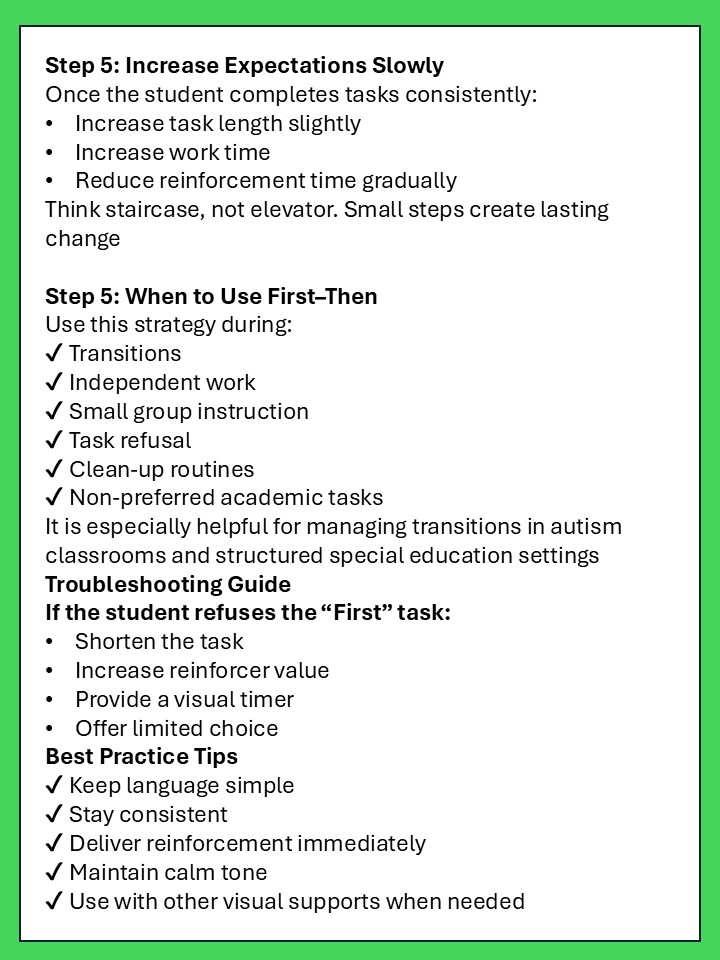
✅ Quick Teacher Implementation Guide and data sheets

Perfect For:

  • Autism classrooms
  • Self-contained special education
  • Resource rooms 
  • Early childhood special education
  • Behavior intervention support
  • Response to Intervention (RTI) Tier 2 behavior support

How to Use in Your Classroom 

Use these First–Then boards to:

✔ Reduce task refusal
✔ Improve transitions
✔ Increase work completion
✔ Support positive behavior plans
✔ Build independence in young learners

Data Sheets :

Track progress with the quick Teacher Implementation Guide and Data Sheets!

Effective Behavior Management Tips for Special Ed Teachers

Are you tired of spending your day as a teacher constantly battling disruptive student behaviors! Well, you’re not alone. In this article, we’ll provide you with some handy ideas for behavior management in your Special Ed Classroom!

As educators we understand the importance of creating an inclusive and positive learning environment for our students, particularly those with Special Needs. So with this logical flow of ideas, lets dive in and explore some creative and effective strategies for Behavior Management you can use.

1. Token Rewards

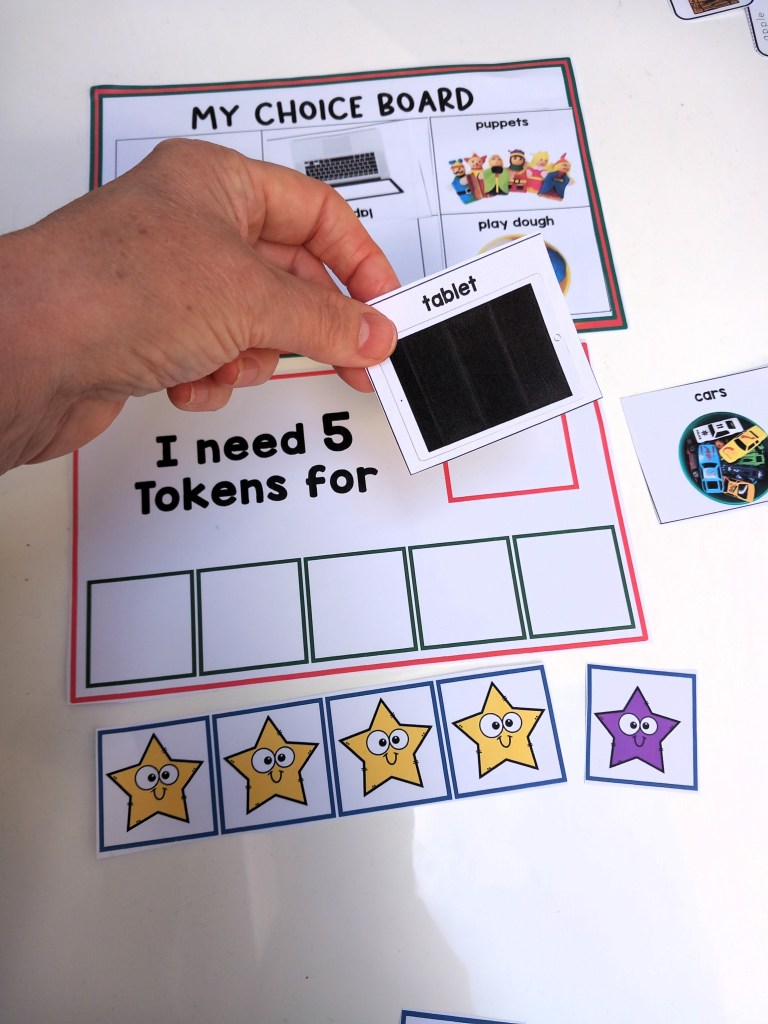
Token Rewards – A powerful method of strengthening new skills, the tokens are a way of reinforcing positive behavior and rewarding students for completing tasks, they then trade the tokens for desired activities or items they choose beforehand.

QUICK TIP – I use this board when I start teaching the Token Reward strategy, its a classroom resource that I can adapt with motivator choices that’s adapted for individual needs.

2. Critical Communication Cards

Critical Communication Cards – To teach new skills such as requesting “break please”, “help” and “wait” self -management strategies.

QUICK TIP – I place them on the edge of tables to remind students on their choices.

3. Self Regulation Tools

Self regulation toolsI’ve made tools individually accessible for my students to use in a handy little booklet.

QUICK TIP – I bind then as a book and keep them on hand for self management, each one tailored to individual needs that help them to self-regulate.

4. First and Then Strategies

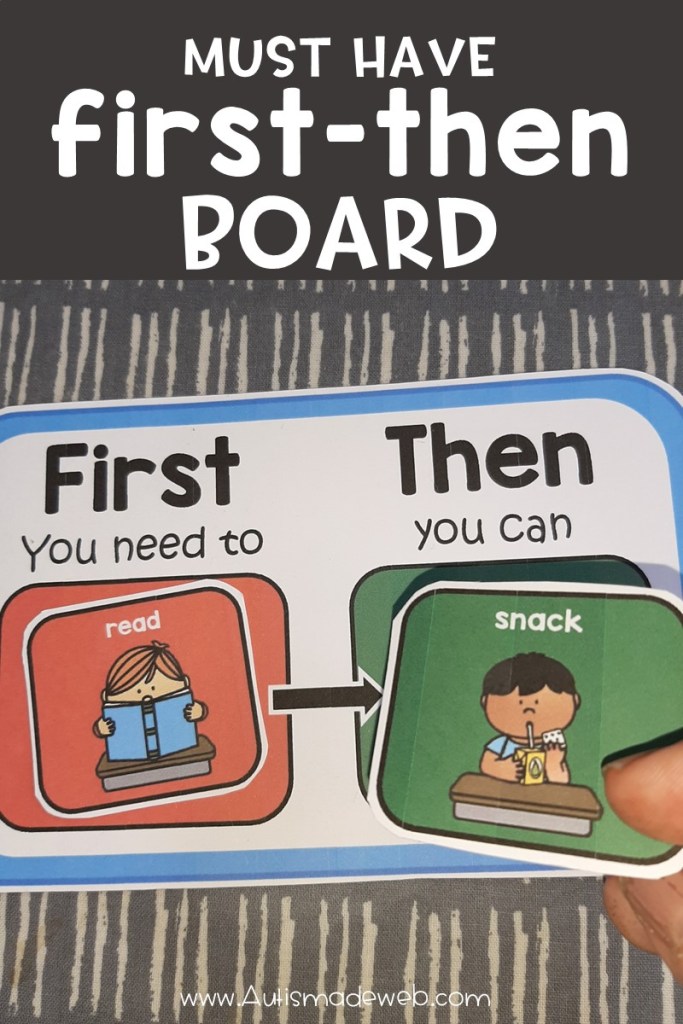
First and Then By using this strategy my students know what they must complete before having what they want, it also provides structure in their behaviour support plans.

QUICK TIP – If my students are finding it difficult to stay on track, I use the first and then strategy to remind them of what they are working for before they can get the item or activity they want.

5. Calm Down Corner

Calm Down Area Sort out a corner of the room with a beanbag on the floor and a little book shelf for privacy, I kept it very plain and simple with just the calm down tools on hand… WOW it looks great, and my kids love it! Next I wanted to gave my kids a chance to take a break before things got to tricky, so I made these colourful break cards and purchased a sand timer.

QUICK TIP – Have a visual choice board ready with pictures of nice, peaceful activities that would help to distract from upset and some visual calm down tools to practice.

6. Classroom Posters

Posters Visual Support reminders to Teach essential emotional regulation techniques and set them up in calm areas, display class rules and social skills posters in easy to see areas.

QUICK TIP – Print and display posters around the classroom or in a calm down area, use them to remind students of your classroom behavior expectations.

Reward Systems

Self Regulation

Bundles

All TPT Resources

Visual Behavior Support Folder – Token Rewards Tools, schedules, First & Then,

Visual Supports: Token Reward System/First & Then – Strategies for Special Ed

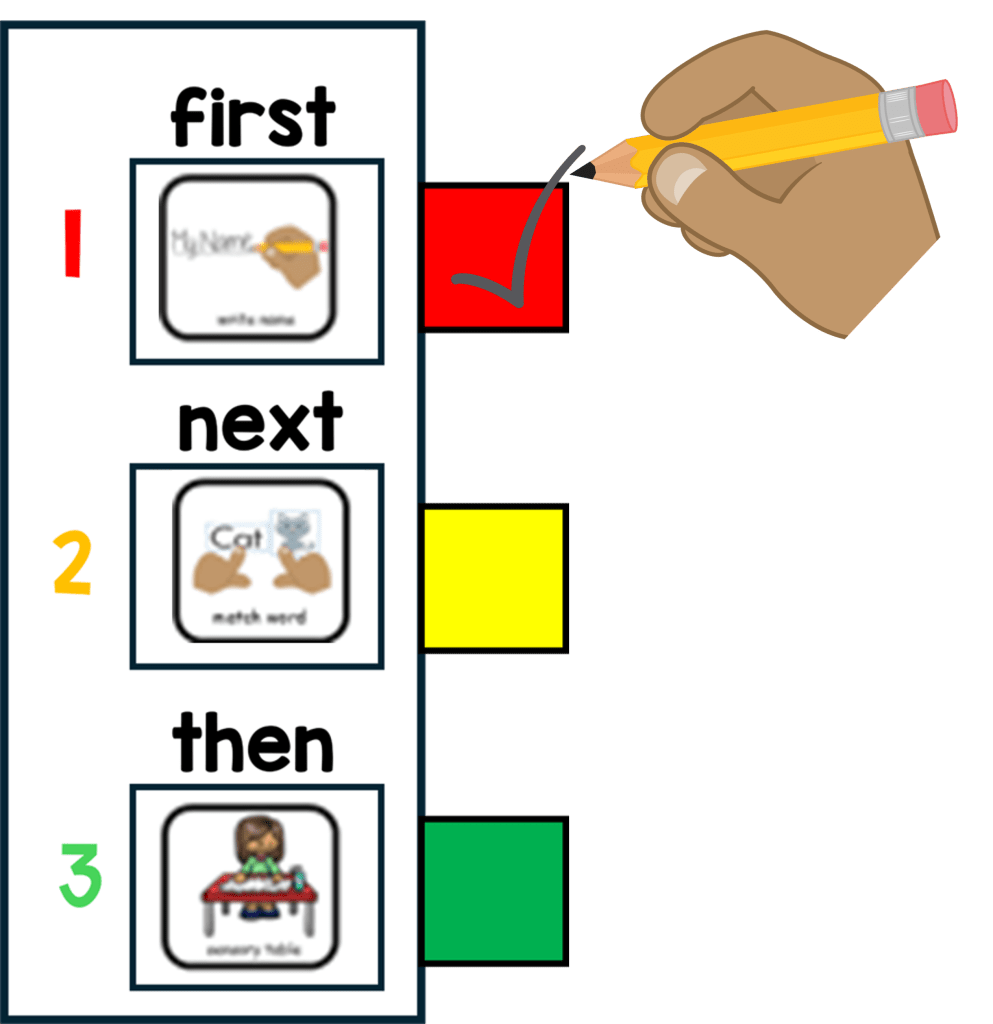
Classroom Behavior Management Strategies: First, Next and Then Tools

Token Reward folder: Visual support tools with “first & then” Behavior Strategy

First, Next and Then table Schedule Templates with Visual Supports

First Then boards and Help cards: Autism visual supports

Visual Supports:”First, next, then” with Token Rewards Systems
Effective Visual Cards for Non-Verbal Kids

These printable cards help non-verbal children to communicate and regulate in Preschool, kindergarten and Special Education.

As a teacher our goal is to plan and make lessons accessible and these visual support cards are made to teach Functional communication skills to enable students with Special needs, be ready for the lessons you’ve planned.

These supports for social and emotional learning each have visual directions at the bottom of each card, which can help before unwanted behavior escalates by giving cue images for kids to know what alternative behaviors they can follow to regulate.

To prepare these cards, print out on cardstock, cut out and laminate for durability.

How to use

Add to Calm Down Corners. Have them handy on workstations and centers. Use “Wait” cards with a fidget box for students to use while they wait.

Visit my TPT Store for more great Classroom Behavior Management Tools

Visual Behavior Support Folder – Token Rewards Tools, schedules, First & Then,

Visual Supports: Token Reward System/First & Then – Strategies for Special Ed

Classroom Behavior Management Strategies: First, Next and Then Tools

Token Reward folder: Visual support tools with “first & then” Behavior Strategy

First, Next and Then table Schedule Templates with Visual Supports

First Then boards and Help cards: Autism visual supports

Visual Supports:”First, next, then” with Token Rewards Systems
How to use First and Then Visuals

Children with SPED can sometimes find a classroom a bit confusing and can quickly become distressed with all the changes that are taking place around the room. My job is to help keep them calm and cope with what is happening. Sometimes I use visual supports to prepare and explain what is happening next.

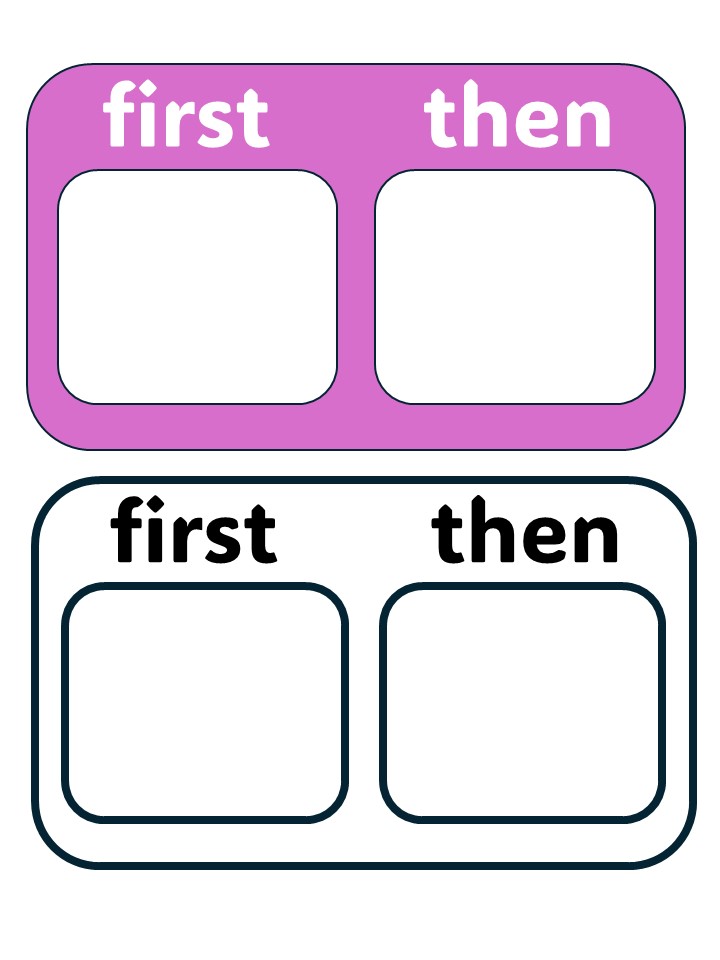
I have found the “First and Then” Strategy a visual way of understanding what is expected throughout the day and a simple start to scheduling. As part of my structured teaching environment I use this simple timetable with individual work and in class activities.

Before starting a task and after a motivator assessment my young learners are offered a selection of visual reinforcers to choose from, this icon is placed in the “Then” side of the board.

And I place the icon of the task to be completed on the “First” side of the board. While teaching this strategy for the first few times I use quick errorless tasks and partially prompt my student if they become distressed.

Once established, my student will learn to follow the first activity independently and transfer to the next activity shown.

For More information click here

Self-Regulation strategies for Managing Behavior

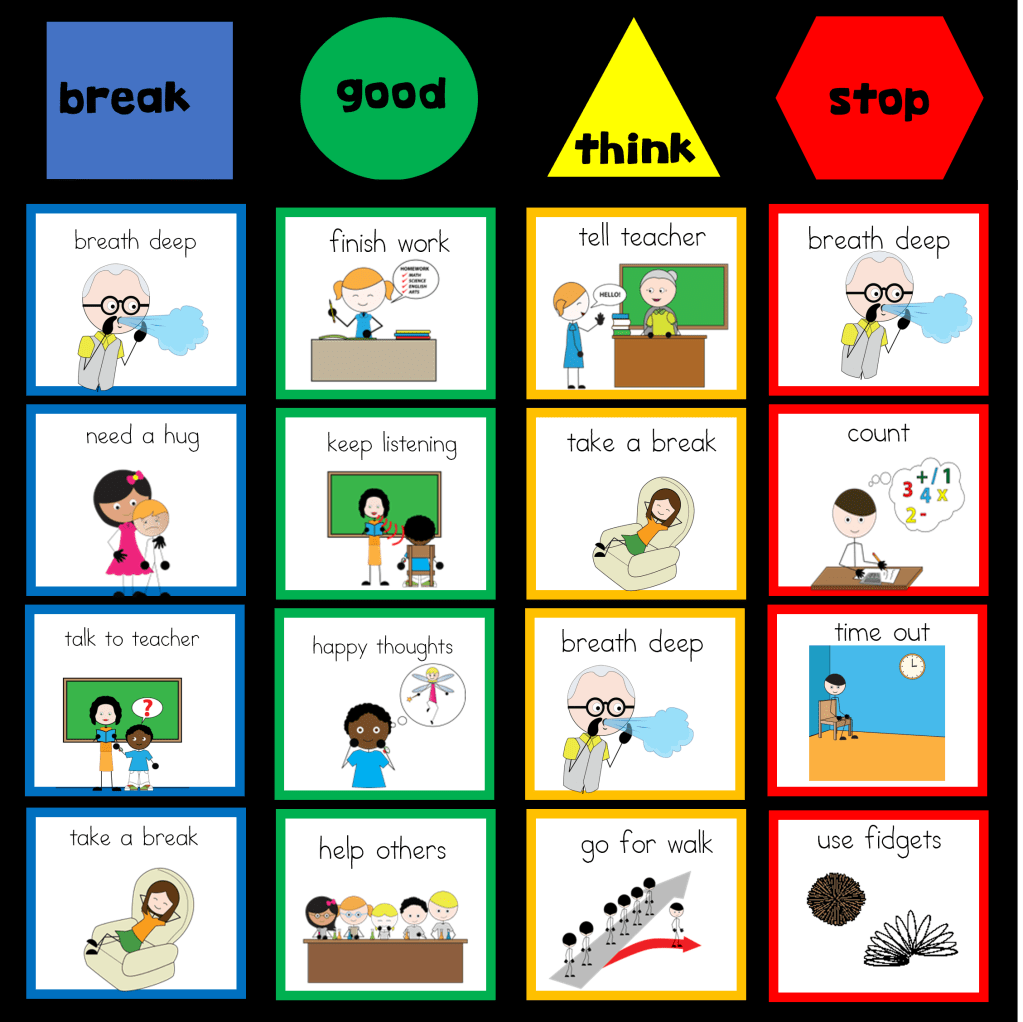
Being able to regulate behavior is an essential critical skill to learn, so I’ve designed booklets for my students with Autism, Special Ed and the Preschool students in my school. This visual tool is intended to help them identify how they feel and what they would need to be ready for work! They turned out to be a great asset in my classroom calm down area.

Each of my kiddos are constantly using the visuals to remind themselves on how to get in the “ready” for work area. They can choose the supports they need and attach them on the page if they find themselves wandering out!
There are some books with three area tabs and some with four areas identified and each have visual supports for students to check how they feel, what area they are in and what they would need to do to get back area ready to work.

I’ve also added a “Tool Book” to this collection, which my kiddos equally love using!