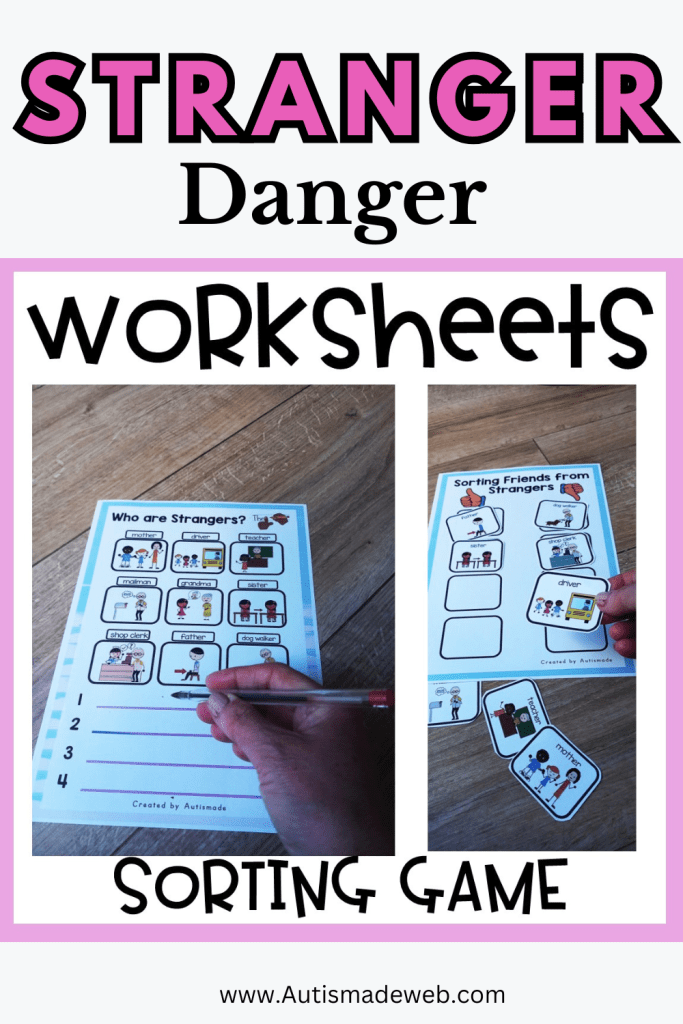
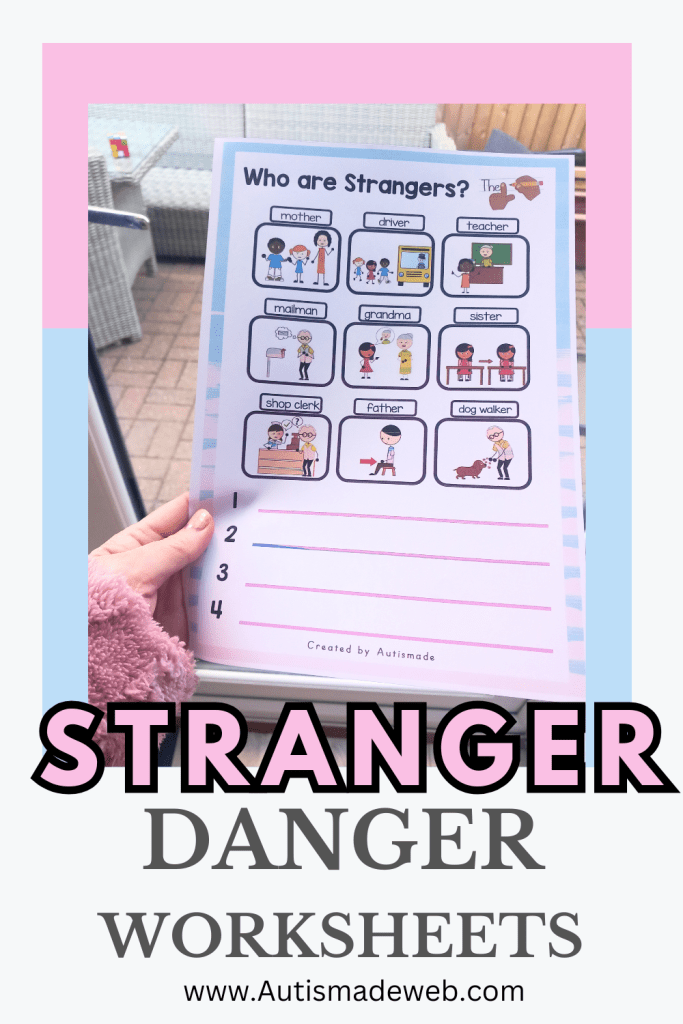
Teach young learners how to stay safe around strangers with this engaging Stranger Danger Social Skills Story! Perfect for students with autism, special needs, or early learners (PreK–2nd grade), this easy-to-understand story uses clear visuals, simple language, and social narratives to help children recognize safe vs. unsafe situations.
What I’ve included:
Printable Social Skills Story
Visual supports for comprehension
Identifying trusted adults vs. strangers worksheets
Strangers sorting Game with visuals
Who’s it perfect for?
Autism classrooms & special education settings
Speech & language therapy sessions
Social-emotional learning (SEL) lessons
Home or community safety practice
This social skills story is designed with clear visuals, repetitive phrasing, and real-world examples to support comprehension and engagement. Ideal for introducing safety topics in a gentle, non-scary way.
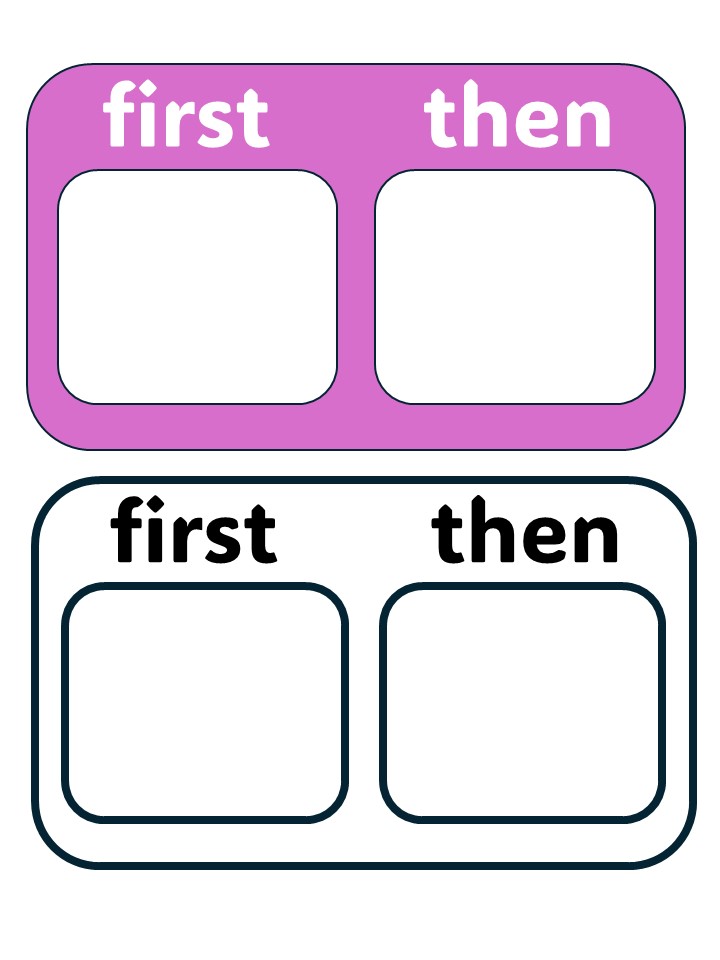
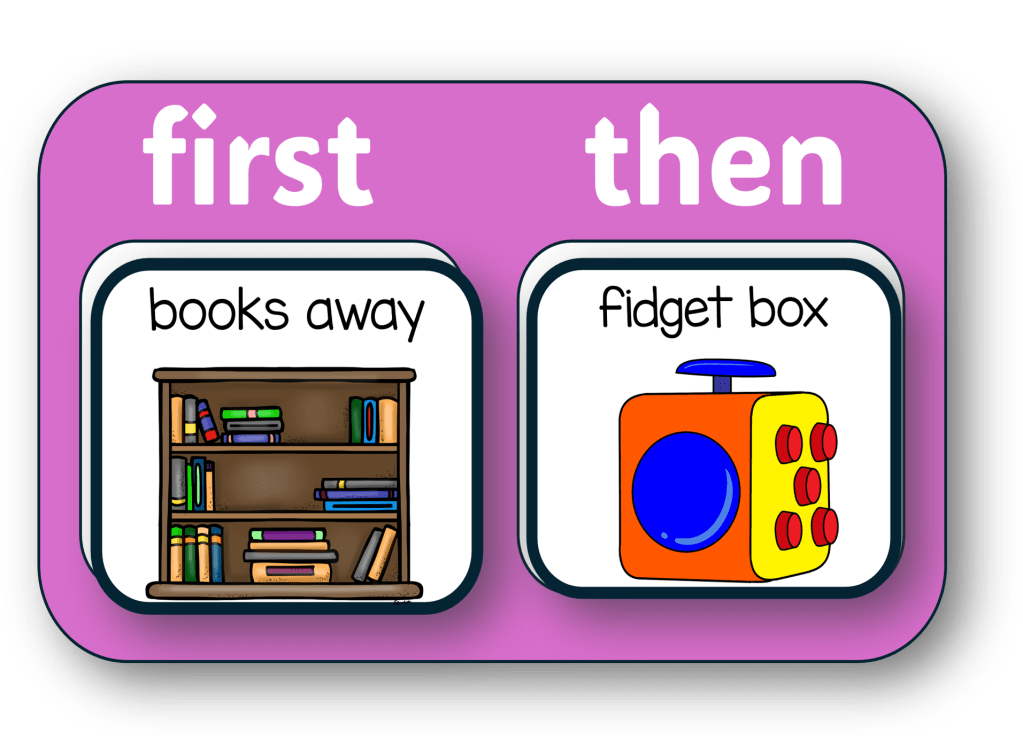
These First Then board templates with Visuals Cards are a simple, evidence-based schedule for classroom management, designed specifically for PreK–2 Special Education classrooms.
The First–Then strategy provides clear expectations, visual structure, and positive reinforcement to improve behavior and increase task completion — without constant verbal reminders.
Why Use a First–Then Board?
Students with Autism spectrum disorder often benefit from predictable routines and visual supports. The First–Then strategy, commonly used in Applied Behavior Analysis (ABA), helps reduce anxiety and increase cooperation by clearly showing:
✔ What task must be completed ✔ What reinforcement comes next
What’s Included in This Resource
🟢 TIER 1 – This printable First–Then board pack includes:
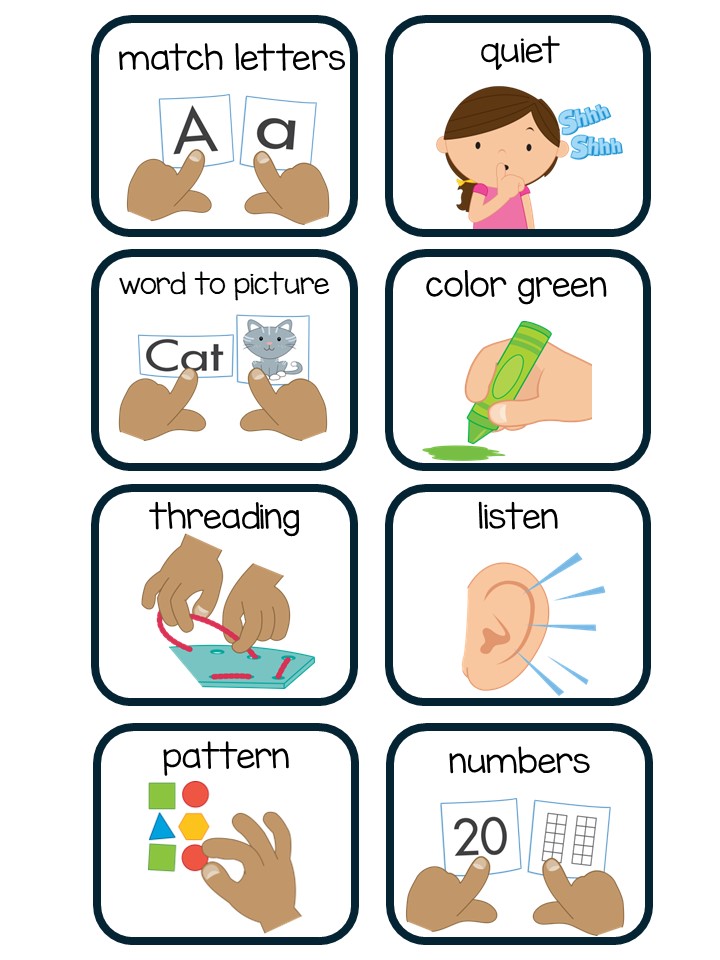
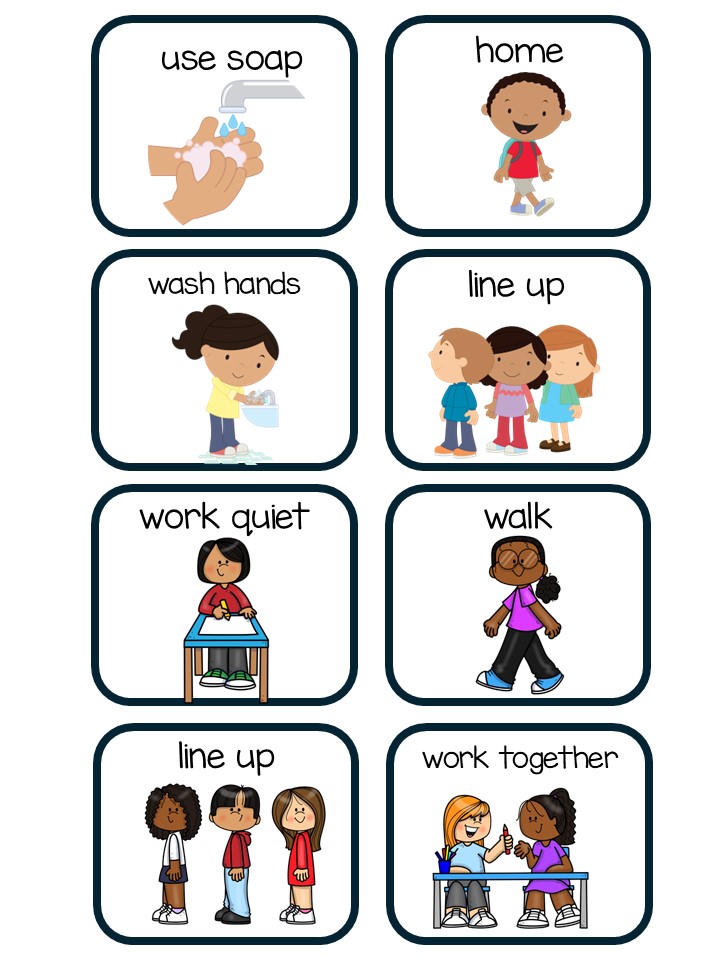
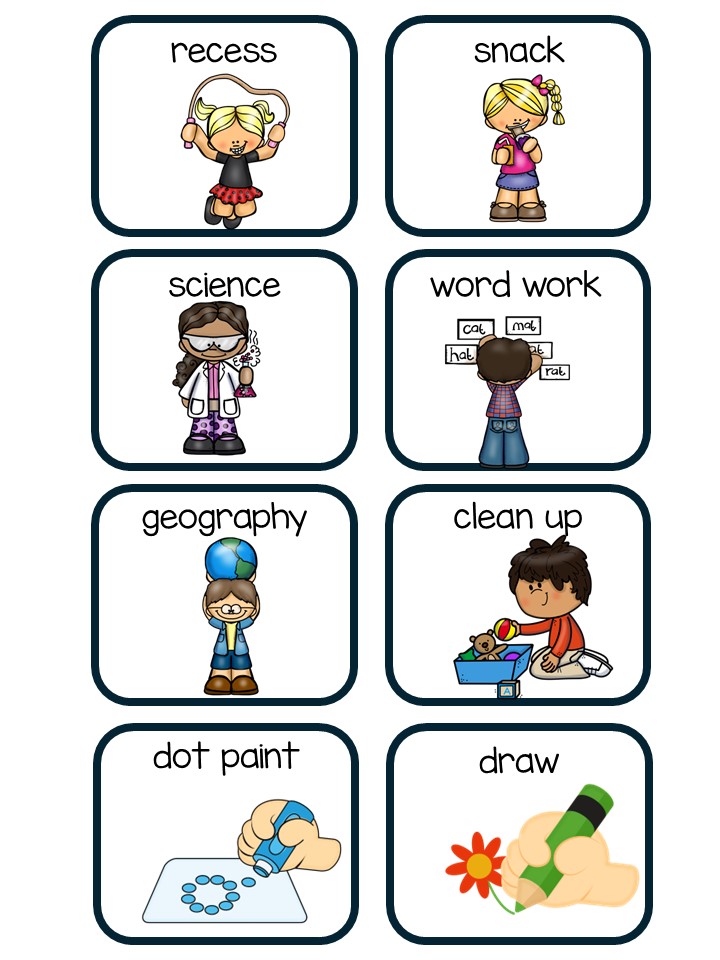
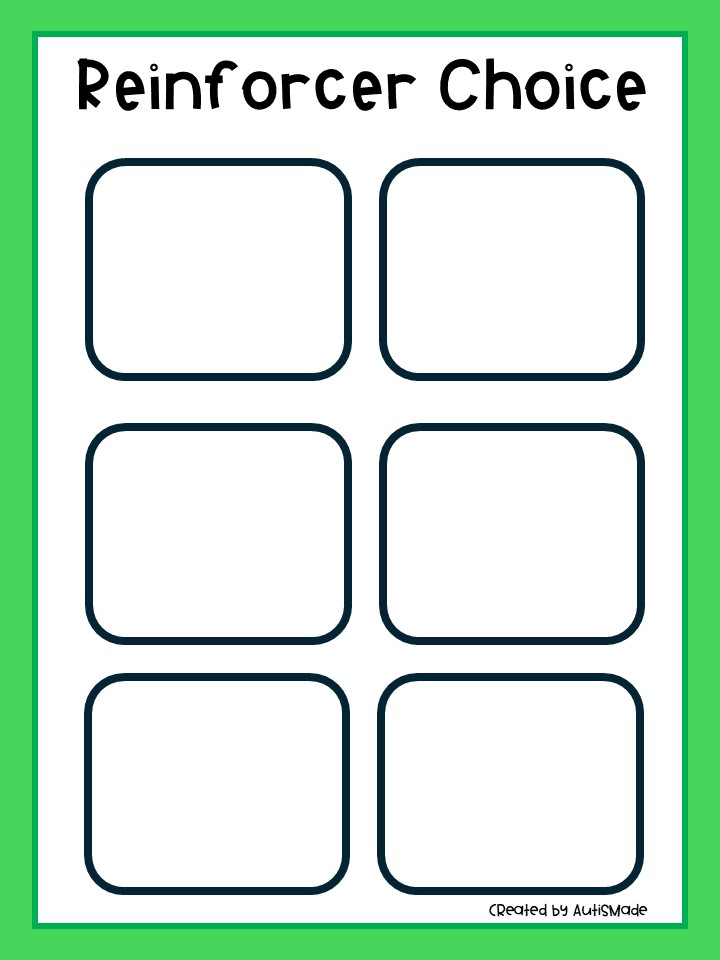
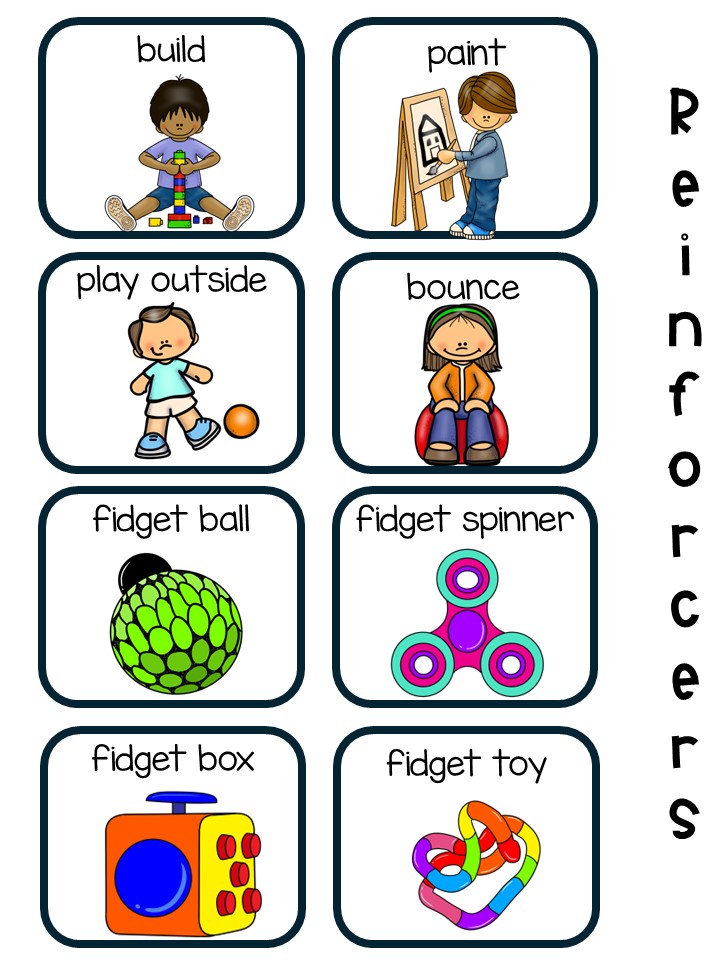
✅ Full-Size First–Then Cards (Color + Black & White) ✅ Desk-Sized Mini First–Then Strips ✅ Editable Templates (with Power point) ✅ Reinforcer Choice Page & Toolkit
1.Calm down corner visuals
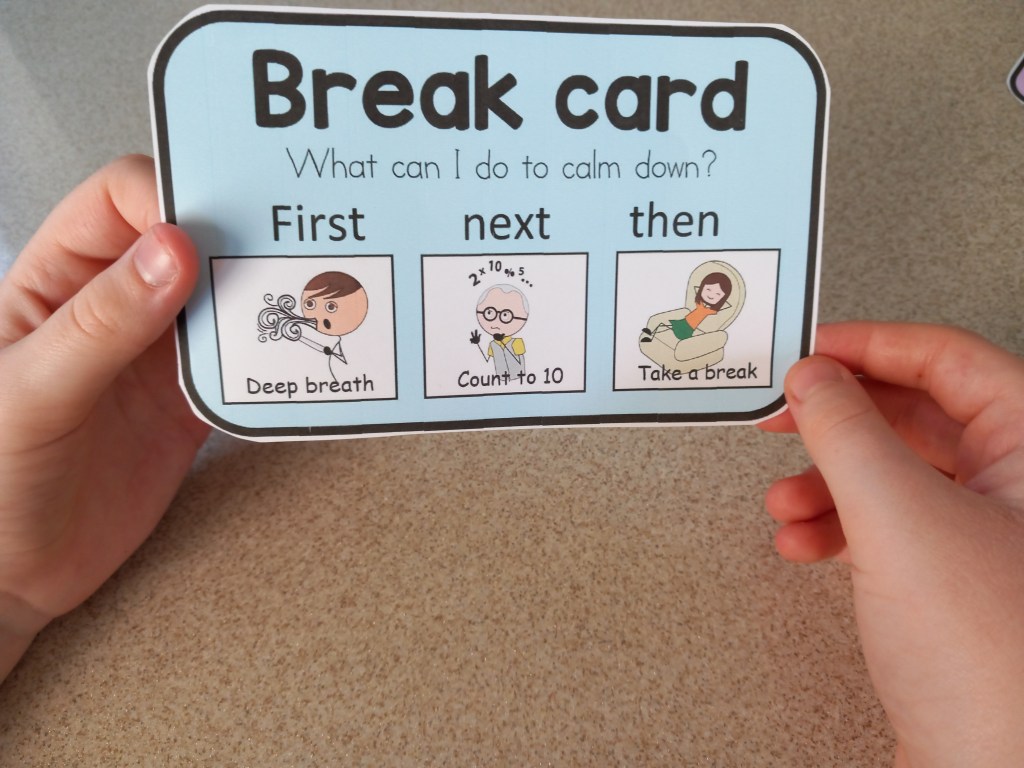
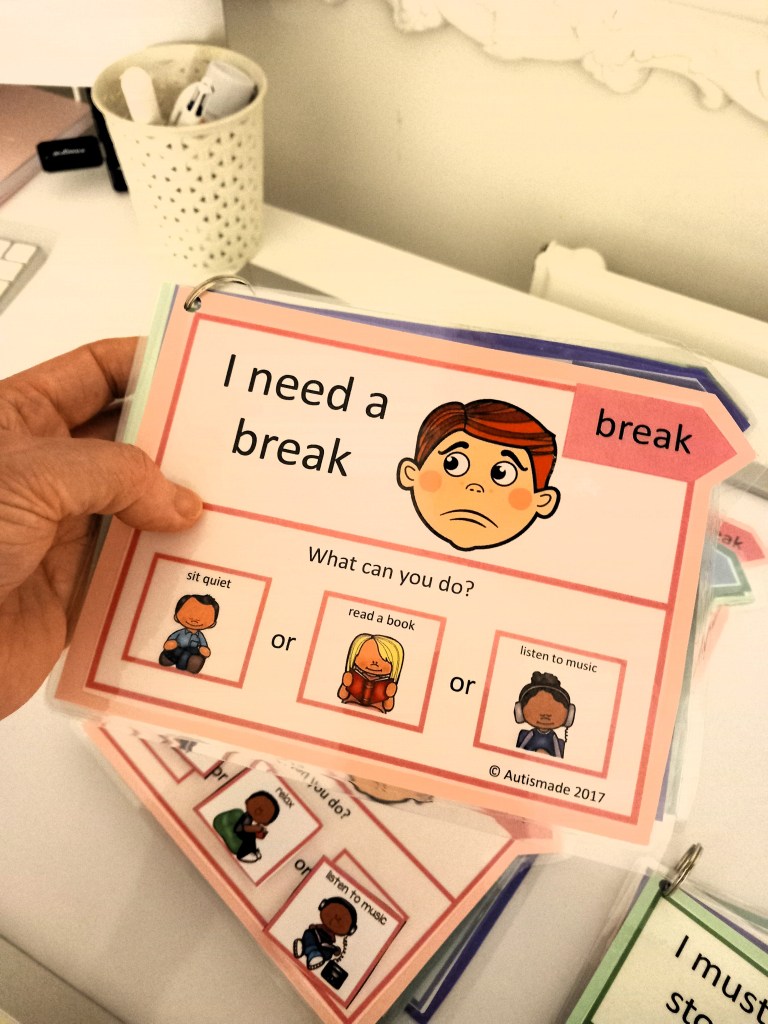
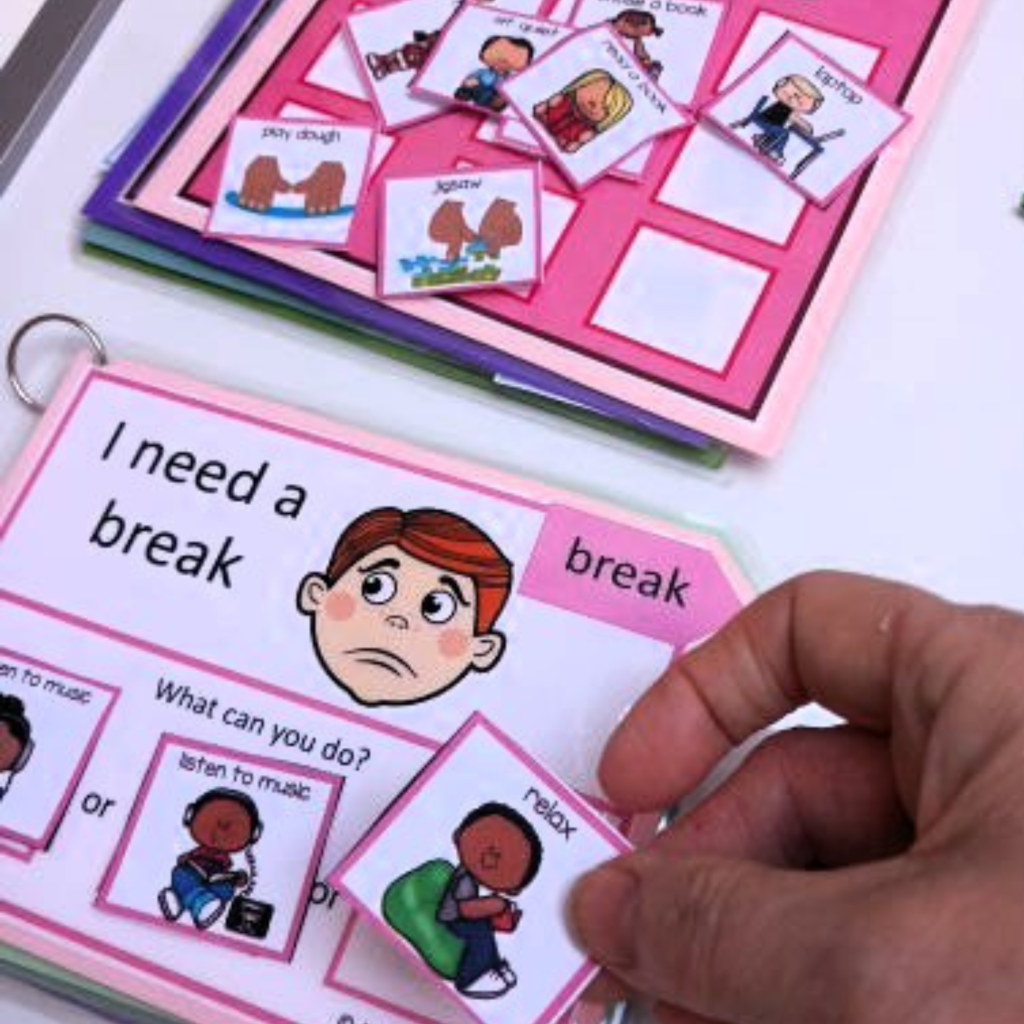
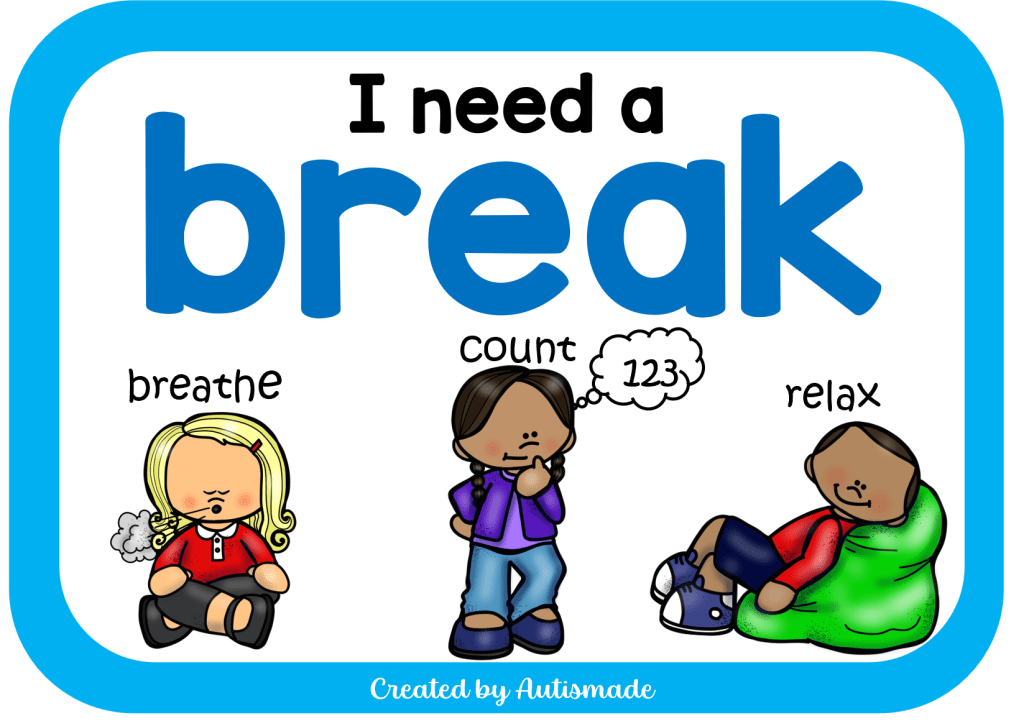
2.Break cards
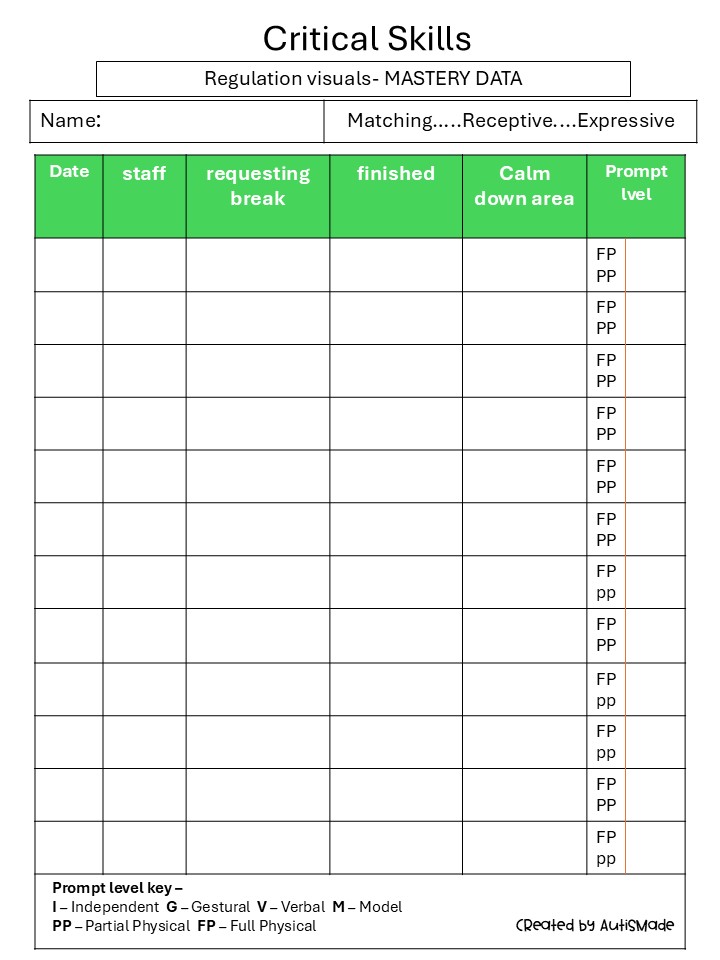
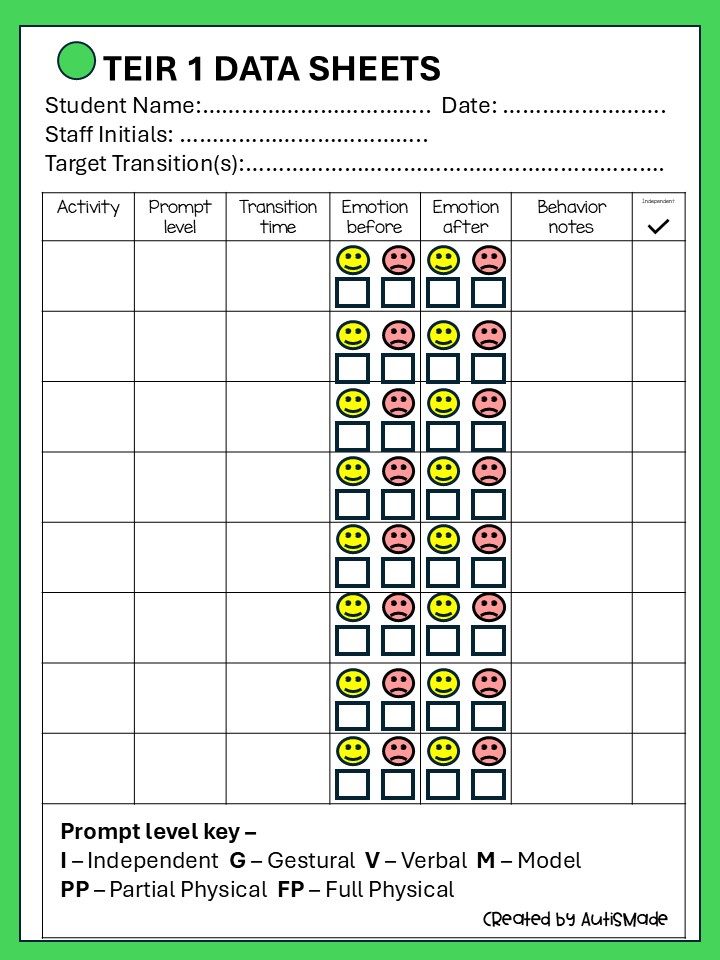
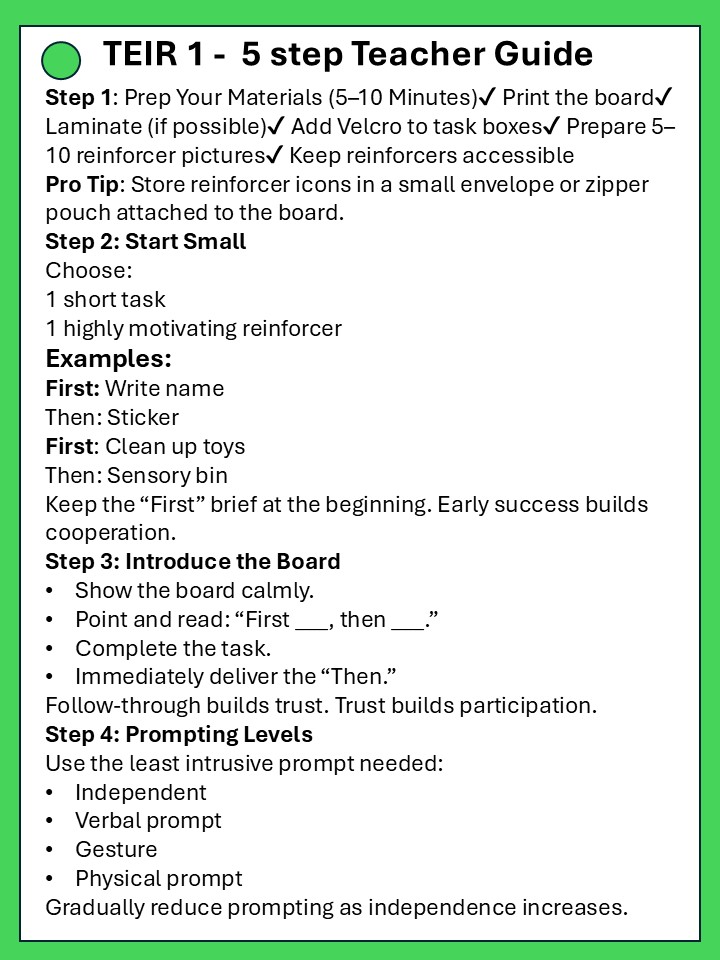
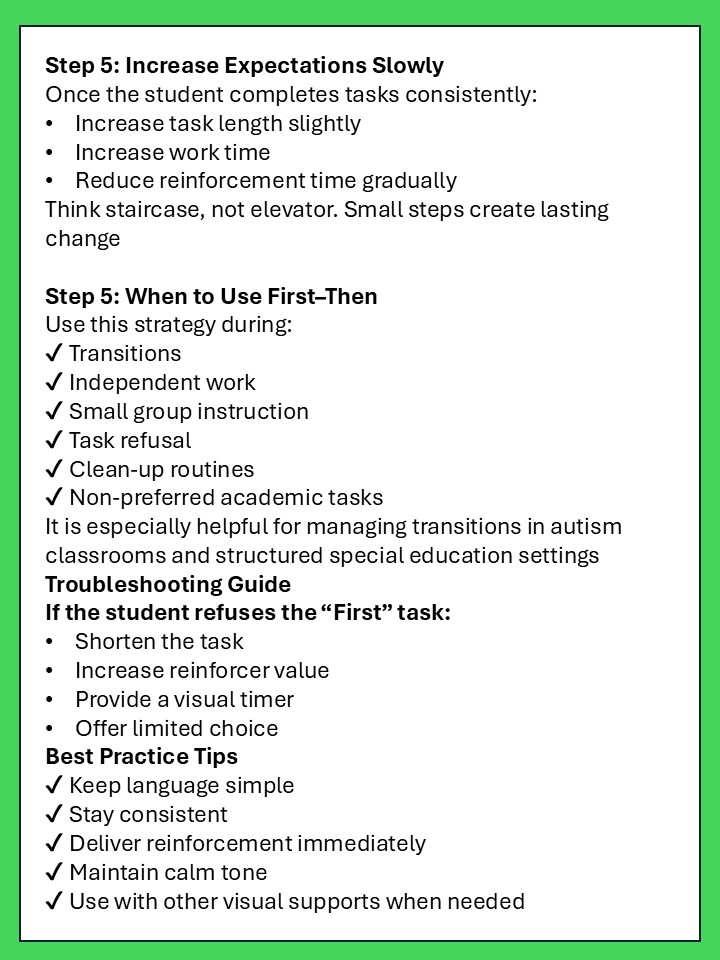
3. “all done” cards ✅ Quick Teacher Implementation Guide and data sheets
Perfect For:
Autism classrooms
Self-contained special education
Resource rooms
Early childhood special education
Behavior intervention support
Response to Intervention (RTI) Tier 2 behavior support
How to Use in Your Classroom
Use these First–Then boards to:
✔ Reduce task refusal ✔ Improve transitions ✔ Increase work completion ✔ Support positive behavior plans ✔ Build independence in young learners
Data Sheets :
Track progress with the quick Teacher Implementation Guide and Data Sheets!
For many nonverbal students, challenging moments don’t come out of nowhere. They build quietly. Sensory overload, frustration, or just needing a pause. The challenge is not the feeling itself, it is not having a clear way to say, “I need a break.”
The good news? Asking for a break is a skill you can teach, and once it clicks, it can completely shift the tone of your classroom.
Start with a Simple Way to Communicate
Think of this as giving your student a “pause button.”
Choose one clear, consistent method:
A break card with a simple symbol
A button on an AAC device
A sign or gesture
Keep it easy, accessible, and always within reach. If it takes effort to find, it will not get used when it matters most.
Model It Like It Matters (Because It Does)
Students will not magically know what the break card means. You need to show them.
Use it yourself. Yes, really.
Pick a calm moment and say, “I need a break,” while using the card or device. Keep the language short and consistent. You are building a connection between the action and the meaning.
Over time, start to fade that support. The goal is independence, not perfection.
Honour the Break (This Part Is Everything)
When a student asks for a break, respond like it matters. Because it does.
Give the break right away
Keep it short and predictable (around 3–5 minutes)
Use a consistent break space or activity
This teaches one powerful lesson: communication works.
Teach the “When,” Not Just the “How”
Once the skill is there, you can shape it.
Help students understand timing:
Use visuals like “first work, then break”
Start small (one task, then break)
Slowly build up tolerance
This keeps the strategy practical for real classroom routines.
Use Visual Supports to Make It Click
Visuals reduce guesswork and lower stress.
Helpful tools include:
Break cards
Visual timers
Simple schedules
These act like a roadmap, showing students what is happening now and what comes next.
A Few Pitfalls to Skip
Even great strategies can wobble if these sneak in:
Waiting until the student is already overwhelmed
Saying “not now” when they request a break
Turning breaks into a reward or punishment
Removing the communication tool
Consistency is what makes the skill stick
The Bigger Picture
Teaching a student to ask for a break is not just about avoiding meltdowns. It is about giving them a voice, a sense of control, and a safer way to navigate their day.
And once that “pause button” is in place, everything else becomes a little more manageable. For them, and for you.
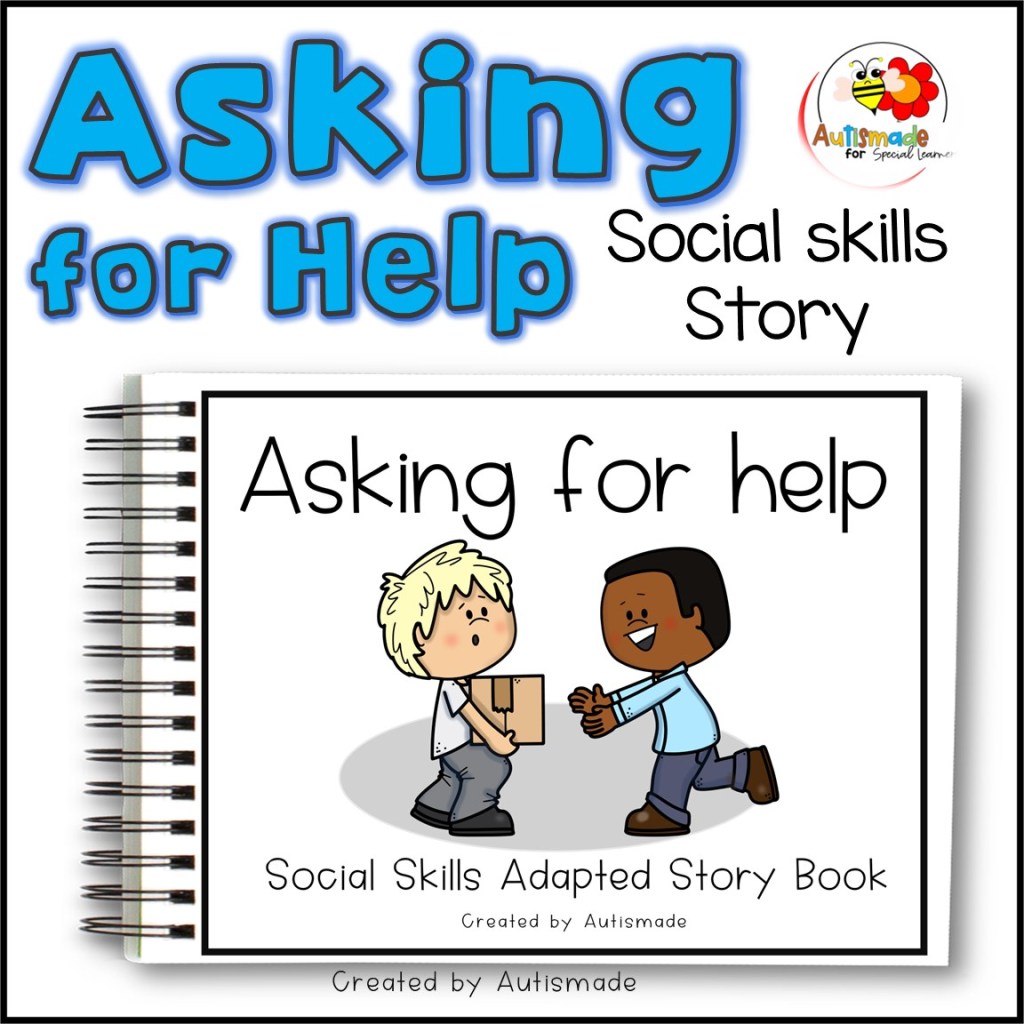
Support students with additional needs in developing essential communication skills with this “Asking for Help” social skills narrative. Created with clear language, visual supports, and structured activities, this resource helps learners understand how and when to ask for help in a calm, appropriate, and effective way. Ideal for SEN settings, it promotes emotional regulation, independence, and functional communication skills in a supportive learning environment.
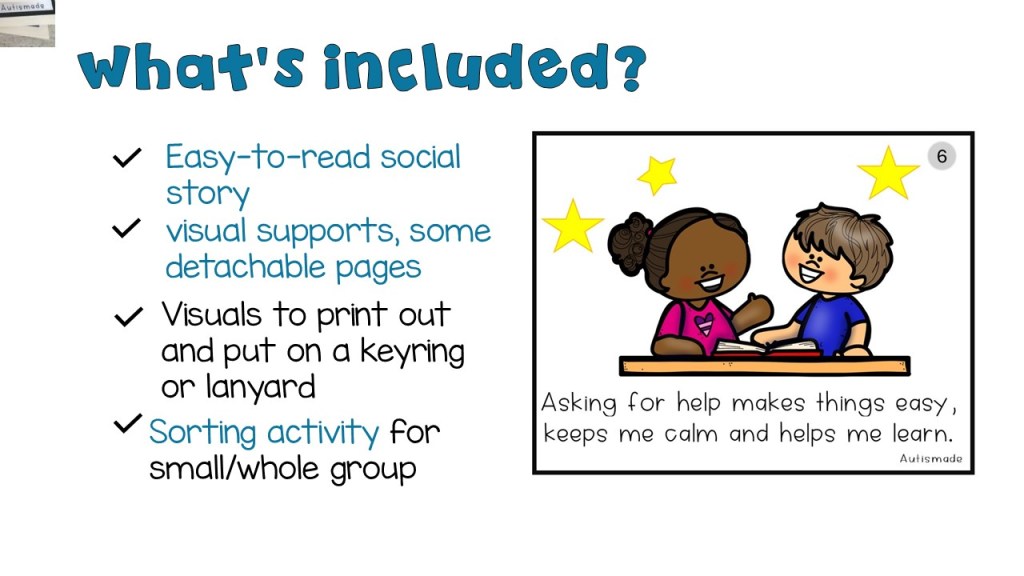
* Easy-to-read social story (kid-friendly text)
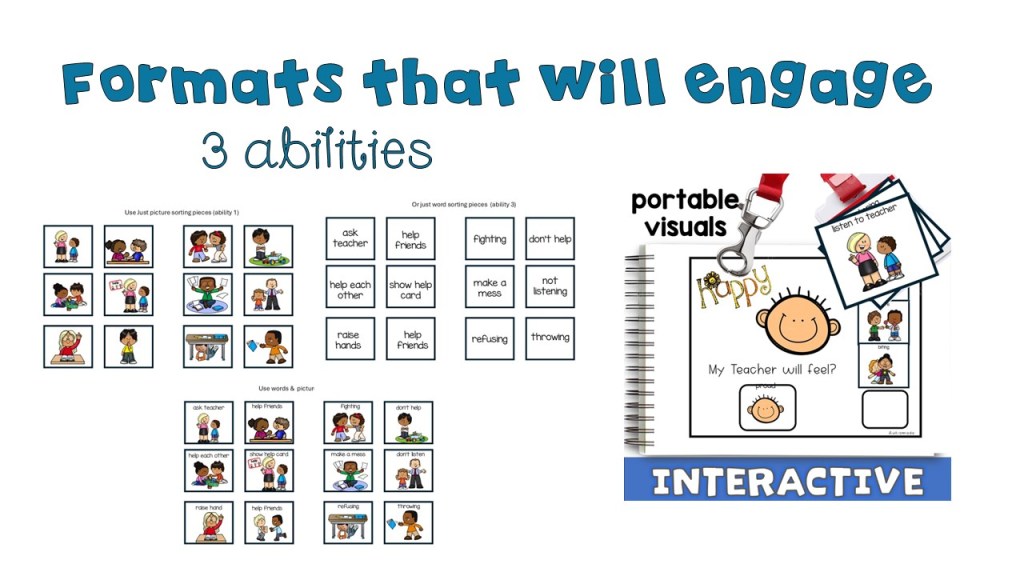
* Visual supports on every page, some detachable
* Printable with some interactive pages
* Great for whole-group lessons, small groups, or one-on-one use
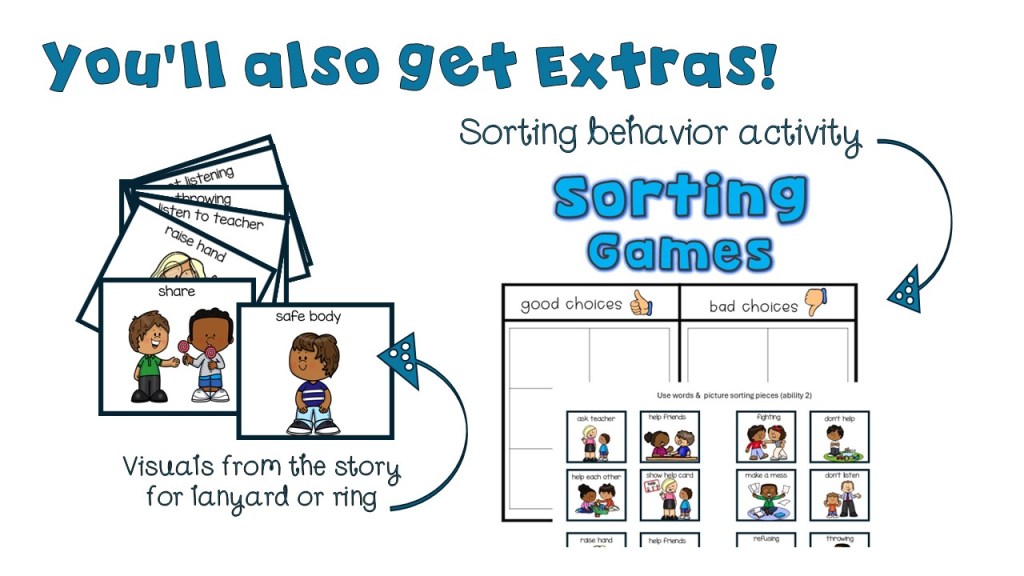
* Behavior sorting game with visual cards!
These added resources helps teachers, therapists, and parents gently guide children through real-life situations where they can make good and bad choices. Great for supporting classroom expectations or helping individual students who need extra practice.
Perfect for:
Preschool and Pre-K Early Childhood Special Education (ECSE) Social-emotional learning (SEL) Behavior support and classroom Expectations
Why you’ll Love It: Clear visuals support comprehension Repetitive and predictable text builds confidence
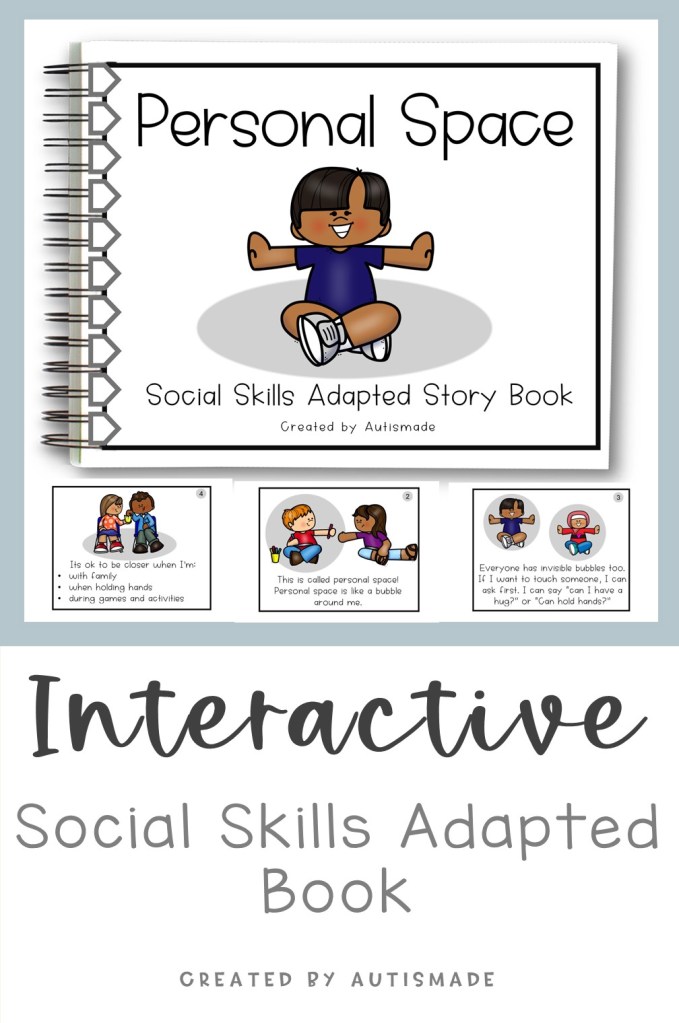
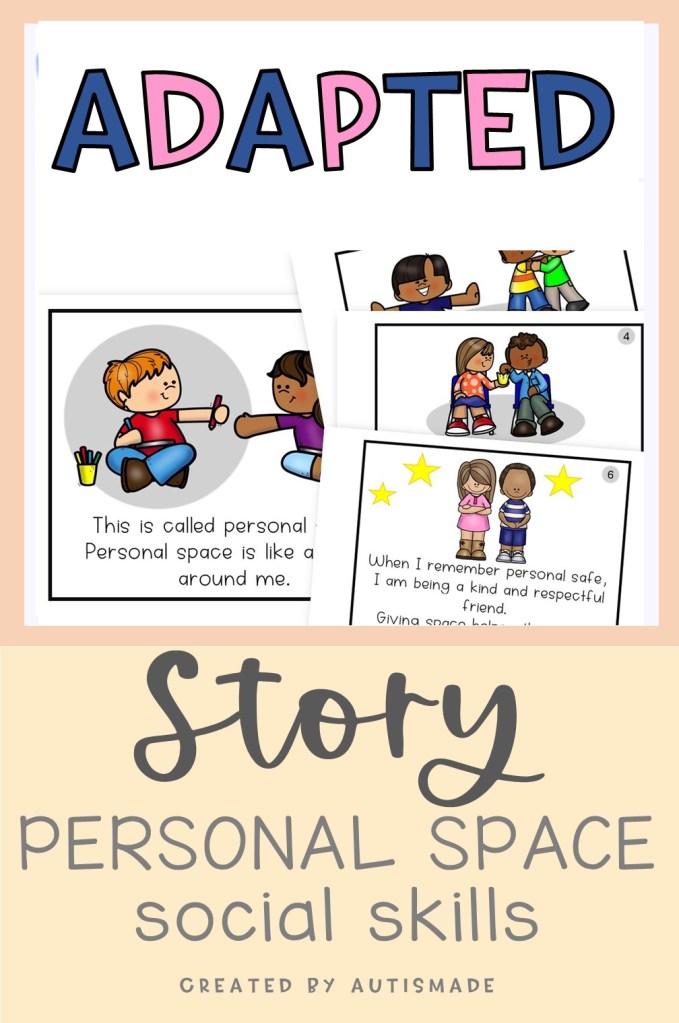
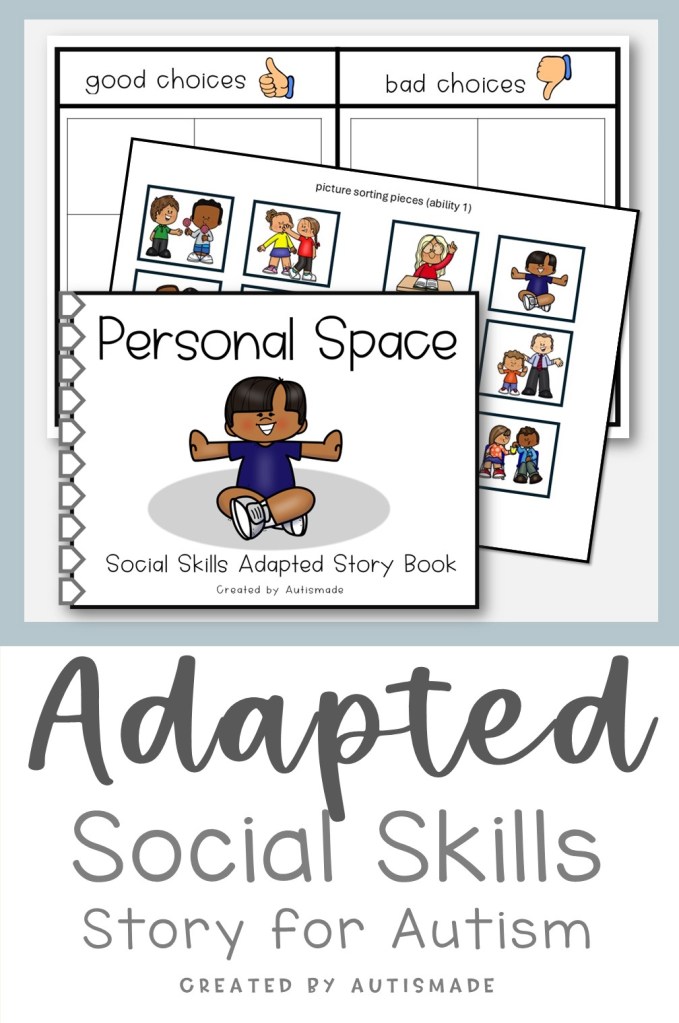
In my SEN setting, I’ve been helping young learners understand personal space through a simple and engaging Adapted social skills story. This adapted narrative uses clear language, repetition and visual supports to make the concept of keeping a respectful distance from others more accessible and meaningful.
Designed with accessibility in mind, this narrative uses clear, structured language and visual supports to promote awareness of appropriate boundaries in a positive and developmentally appropriate way.
It isPerfect for:
Preschool and Pre-K Early Childhood Special Education (ECSE) Social-emotional learning (SEL) Behavior support and classroom Expectations
What Ive Included in this product:
✅ Easy-to-read social story (kid-friendly text)
✅Sorting behavior game with visual cards
✅ Printable with some Adaptable pages
✅ Great for whole-group lessons, small groups, or one-on-one use
This resource helps teachers, therapists, and parents gently guiding children through real-life situations where they can make safe and respectable choices. Great for supporting classroom expectations or helping individual students who need extra practice.
Why You’ll Love It: Clear visuals support comprehension Repetitive and predictable text builds confidence Easy to print, laminate, or use digitally
Start building safe habits with this friendly, visual social story your kids will love!