Visual Choice Boards for Learning about Numbers, Colors and Shapes

Learning with Visual Choice Boards

Math can look very different from one learner to another. For some students, especially children in special education, autism, or students who are non-speaking or use AAC, a traditional worksheet may not always be the best way to show what they know.

Thatโ€™s where math visual choice boards can make a big difference.

Visual choice boards give students clear, simple choices while helping make math activities more predictable and accessible. They can be especially helpful for students who benefit from visual supports, AAC, structured activities, and reduced language demands.

If youโ€™re looking for an easy way to bring more visual support into your math routine, these Math Visual Choice Boards from ClassroomTab Books are designed with accessibility in mind.

A visual choice board uses pictures, symbols, words, or a combination of these to help students understand their options.

Instead of asking a student a broad question like, โ€œWhat math activity would you like to do?โ€, a choice board can provide a few clear options.

For example, a student might choose between:

  • Counting
  • Matching numbers
  • Number identification
  • Shapes

The visual format can help students understand what is expected and communicate their choice more independently.

For children who are non-speaking or use AAC, visual choices can also provide another meaningful way to participate and communicate during math.

Math instruction can sometimes involve a lot of verbal directions, abstract concepts, and multiple steps. For students with autism and other learning needs, visual supports can help make those expectations easier to understand.

Math visual choice boards can help students:

Practice functional communication

Make a choice independently

Understand the activity before beginning

  • Reduce the amount of verbal prompting needed
  • Participate in math activities in a more accessible way
  • Build confidence with independent work
  • Connect communication and academic learning

The goal isn’t to make math easier just for the sake of making it easier. The goal is to give students a way into the activity.

One of the helpful features of these printable math visual choice boards is that they are available for two ability levels.

This makes it easier to provide the same type of visual structure while adjusting the activity to meet individual student needs.

That can be especially useful in special education classrooms where students may be working on very different skills during the same math block. You can use the choice boards for:

One-to-one instruction

Special education math instruction

Autism classrooms

Self-contained classrooms

Resource rooms

  • One-to-one instruction
  • Small-group math
  • Independent work
  • Visual schedules and structured work systems
  • AAC-supported learning

The printable choice boards come in two sizes, giving you flexibility depending on how you plan to use them.

A larger format can work well when the board needs to be displayed or easily seen during a lesson. A smaller format can be useful for individual student work, desks, binders, folders, or portable communication supports.

Having different sizes means you can choose what works best for your classroom setup and your students.

For students who use AAC, academic activities can be an important opportunity for communication.

A math activity doesn’t have to be separate from communication practice.

A student can use a visual choice board to communicate:

โ€œI want this.โ€

โ€œI choose counting.โ€

โ€œIโ€™m finished.โ€

โ€œI need help.โ€

Or simply make a choice between two activities/answers.

These small moments can create meaningful opportunities for students to practice functional communication while participating in academic learning.

Visual supports can also help reduce the pressure of having to understand a long

verbal question before responding.

Teachers and support staff often need resources that are simple to prepare and easy to use.

Thatโ€™s one reason printable resources can be so helpful.

You can print the Math Visual Choice Boards, prepare them for your classroom, and add them to the routines you already have in place.

For many students, knowing what is going to happen next can make classroom routines feel more manageable.

A visual choice board gives students information before they begin. Instead of math feeling like an unexpected demand, students can see their options and have a role in deciding what comes next.

That little bit of control can be powerful.

And sometimes the simplest classroom supports are the ones we reach for again and again.

If you’re looking for printable math activities for special education, visual supports for students with autism, or resources that can be paired with AAC, take a look at the Math Visual Choice Boards – ClassroomTab Books AAC resource on Teachers Pay Teachers.

With two ability levels and two printable sizes, the resource is designed to give you flexibility while supporting students with different learning and communication needs.

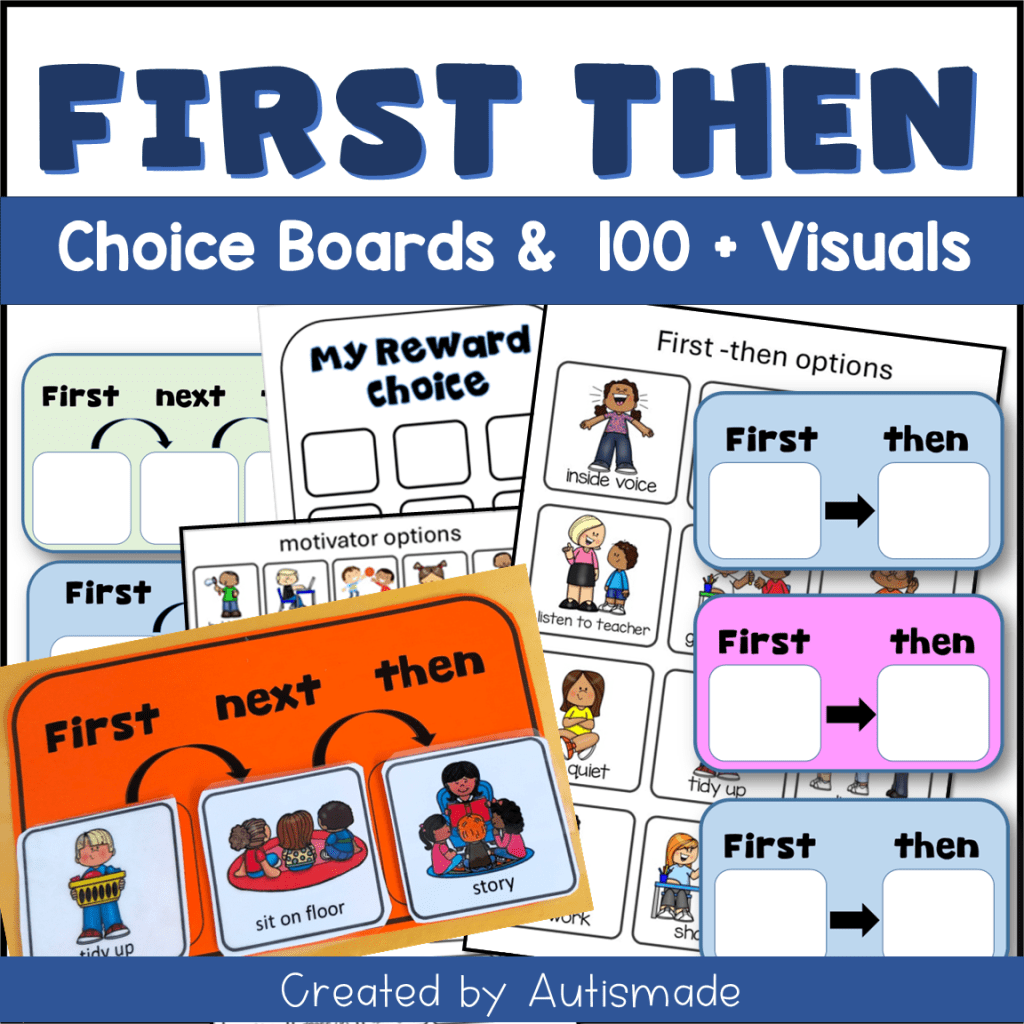
Simplify Routines with First Next Then Visual Schedules

If you’ve ever found yourself repeating, “First put your shoes on, then we can play,” you’re not alone. I have! My children need clear, visual reminders of what comes nextโ€”especially those who thrive on routine and predictability.
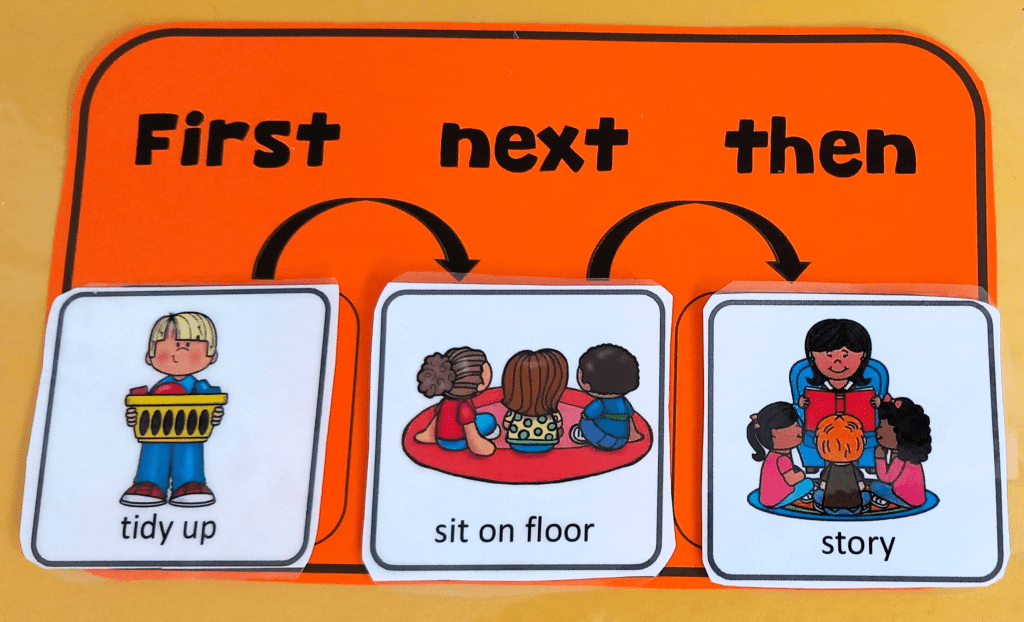
A First Next Then visual schedule chart is one of the most effective tools I’ve used for helping young students understand expectations, transition between activities, and build independence in the classroom, at home or during therapy sessions.

Whether you’re a teacher, parent, homeschooler, or therapist, try these simple visual support to make your daily routines smoother and reduce frustration for everyone.

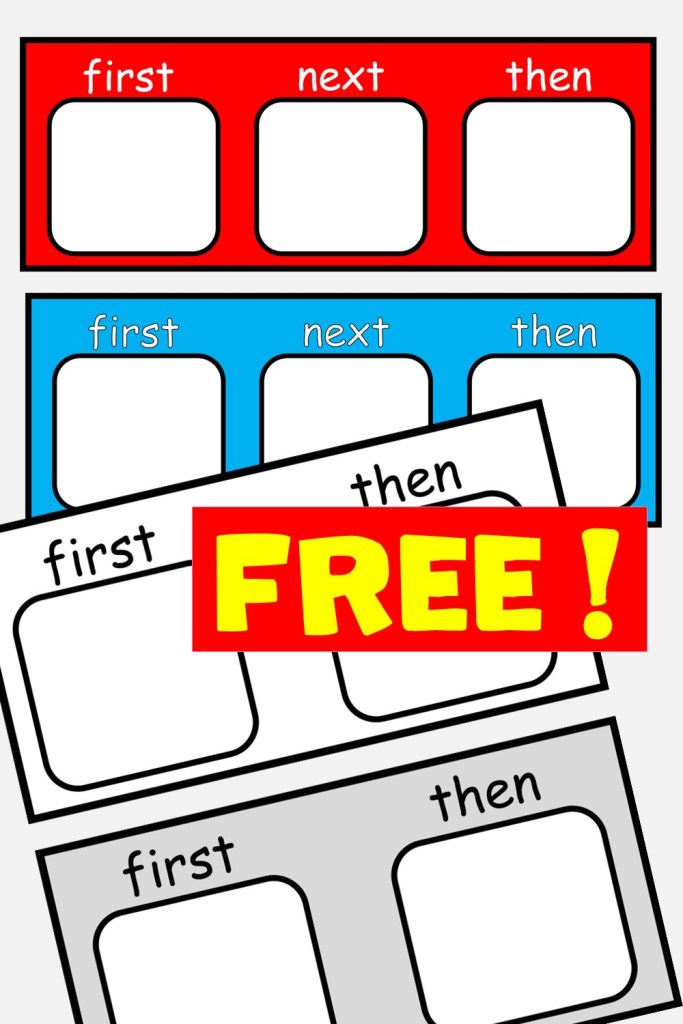
A First Next Then chart is a visual schedule that breaks tasks into manageable steps.

Instead of giving multiple verbal directions, children see exactly what happens:

First: Complete the current task.

Next: See what comes after.

Then: Enjoy a preferred activity or continue with the daily routine.

Simple sequences helps children understand that every activity has a beginning, middle, and end.
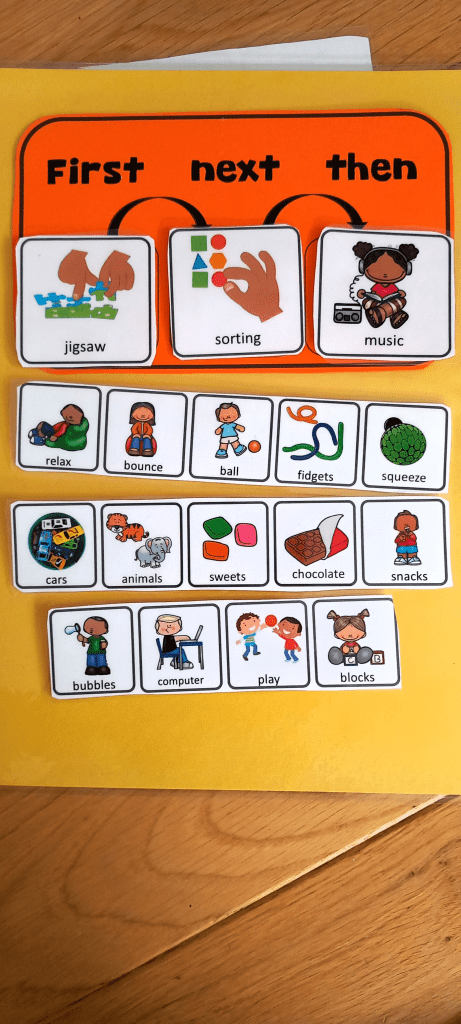
Visual schedules are helpful for many children, including:

  • Special Education
  • Children with autism
  • Students with ADHD
  • Preschool and kindergarten learners
  • Children with speech or language delays
  • Early learners building independence
  • Any child who benefits from predictable routines

Because visuals stay consistent, I often find my students refering back to them without relying on repeated verbal reminders.

Reduces Anxiety –

Knowing what comes next helps children feel more secure during transitions.

Encourages Independence

Children begin checking the chart instead of asking what they should do next.

Supports Positive Behavior

Clear expectations often reduce power struggles and improve cooperation.

Builds Executive Function Skills

Children practice planning, sequencing, and completing tasks independently.

Makes Transitions Easier

Moving from preferred to non-preferred activities becomes more predictable.


Your visual schedule can be used throughout the day in class or at home.

Examples include:

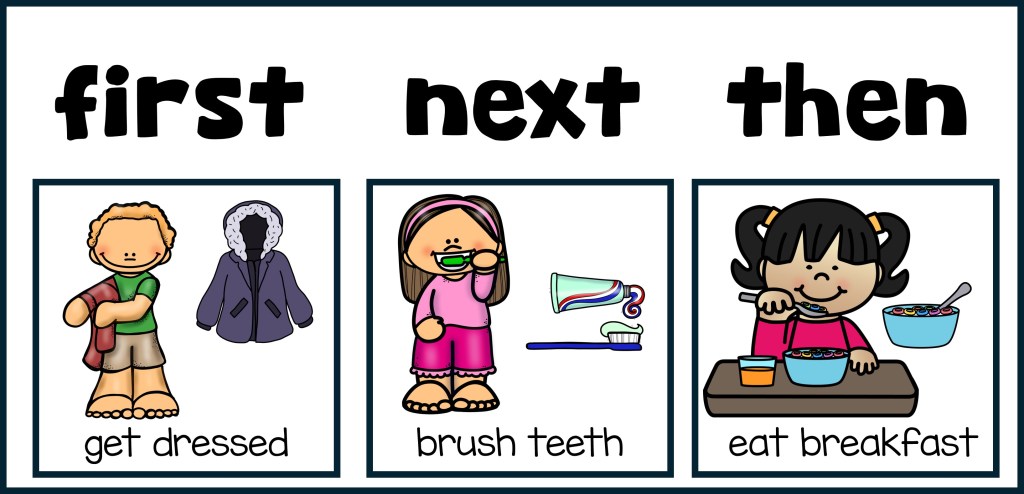
Morning Routine

  • First: Get dressed
  • Next: Brush teeth
  • Then: Eat breakfast

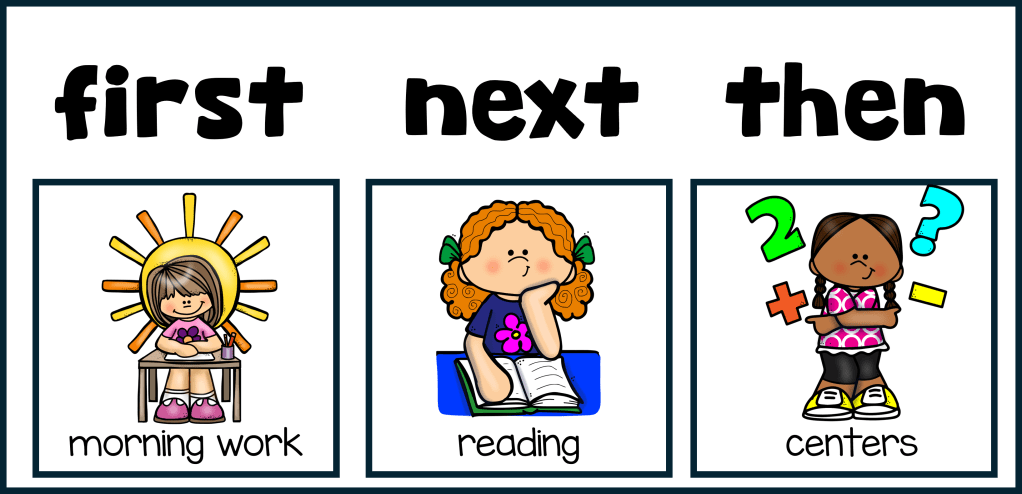
Classroom

  • First: Morning work
  • Next: Reading
  • Then: Centers

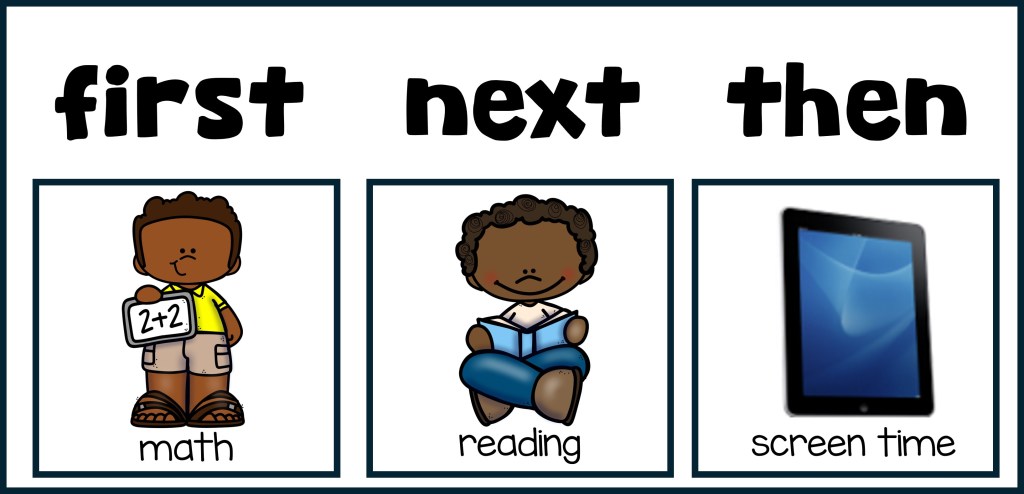
Homework Time

  • First: Math
  • Next: Reading
  • Then: Screen time

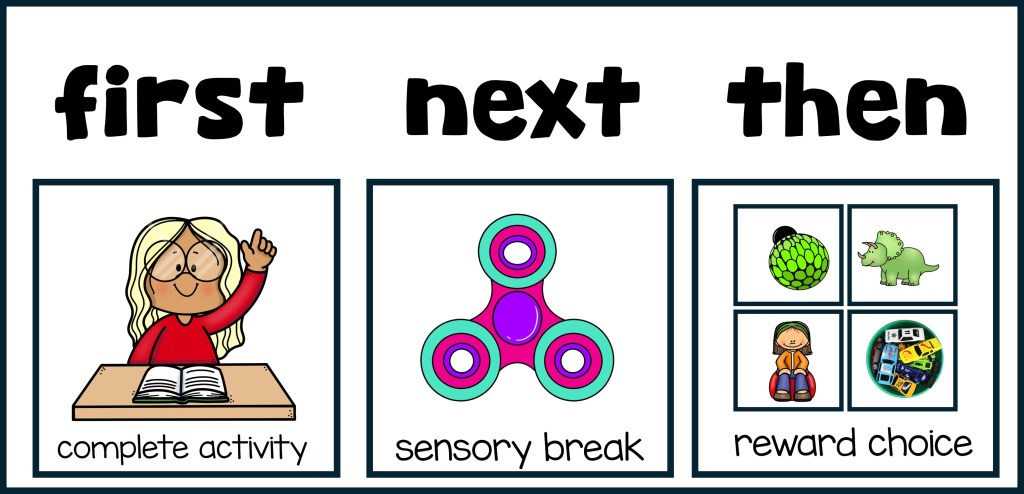
Therapy Sessions

  • First: Complete activity
  • Next: Sensory break
  • Then: Choice reward

Teachers often use visual supports because they:

  • Reduce repetitive instructions
  • Improve classroom routines
  • Help students transition calmly
  • Encourage independent work
  • Support inclusive classrooms

I always keep multiple First Next Then charts ready for individualized supports.

This resource is printable and designed to be practical, durable, and easy to customise.

Included:

  • Printable First Next Then chart
  • Simple visual layout
  • Easy-to-read design
  • Black-and-white friendly option
  • Classroom and home use
  • Laminating-friendly pages for repeated use

Perfect for:

  • Special education classrooms
  • Preschool
  • Kindergarten
  • HomeschoolOccupational therapySpeech therapyABA sessionsHome routines

To get the best results with this support:

  • Introduce one routine at a time.
  • Keep language simple.
  • Pair visuals with consistent verbal prompts.
  • Celebrate completed tasks.
  • Let children move or check off completed activities whenever possible.

Consistency is the key to making visual schedules successful.


What age is a First Next Then chart for?

Most children ages 2โ€“8 benefit, but visual schedules can support older students with additional learning needs as well.

Can I laminate it?

Yes! Laminating the chart allows you to use dry-erase markers or attach reusable picture cards with hook-and-loop dots.

Can it be used at home?

Absolutely. Parents often use First Next Then charts for bedtime, morning routines, chores, homework, and transitions.


If you’re looking for an easy way to reduce daily stress, encourage independence, and create smoother routines, this printable visual schedule is a great place to start.

It is designed for busy teachers, parents, therapists, and homeschool families who want an effective visual support that’s simple to print and use immediately.

Ready to simplify routines? Download your First Next Then Visual Schedule Chart today from my Teachers Pay Teachers store and start building more confident, independent learners.
Pick up A FREEBIE – First next then visual schedules on TPT
Teaching Children to Accept No: Essential Skills for Success

For many children, hearing the word “no” can be one of the biggest challenges they face each day. Whether it’s being told they can’t have another turn, can’t play with a preferred toy, or need to wait, these moments can lead to frustration, disappointment, or big emotions.

The good news is that accepting “no” is a skill that can be taught, practiced, and reinforced with consistent support.

Children are still developing the skills needed for emotional regulation, flexible thinking, and problem-solving. For many students, especially those with autism, ADHD, developmental delays, or other learning differences, unexpected changes or denied requests can feel overwhelming.

Instead of assuming children already know how to respond, we can explicitly teach:

  • How to stay calm.
  • Safe ways to express feelings.
  • Positive choices they can make next.
  • What expected behavior looks like in different situations.

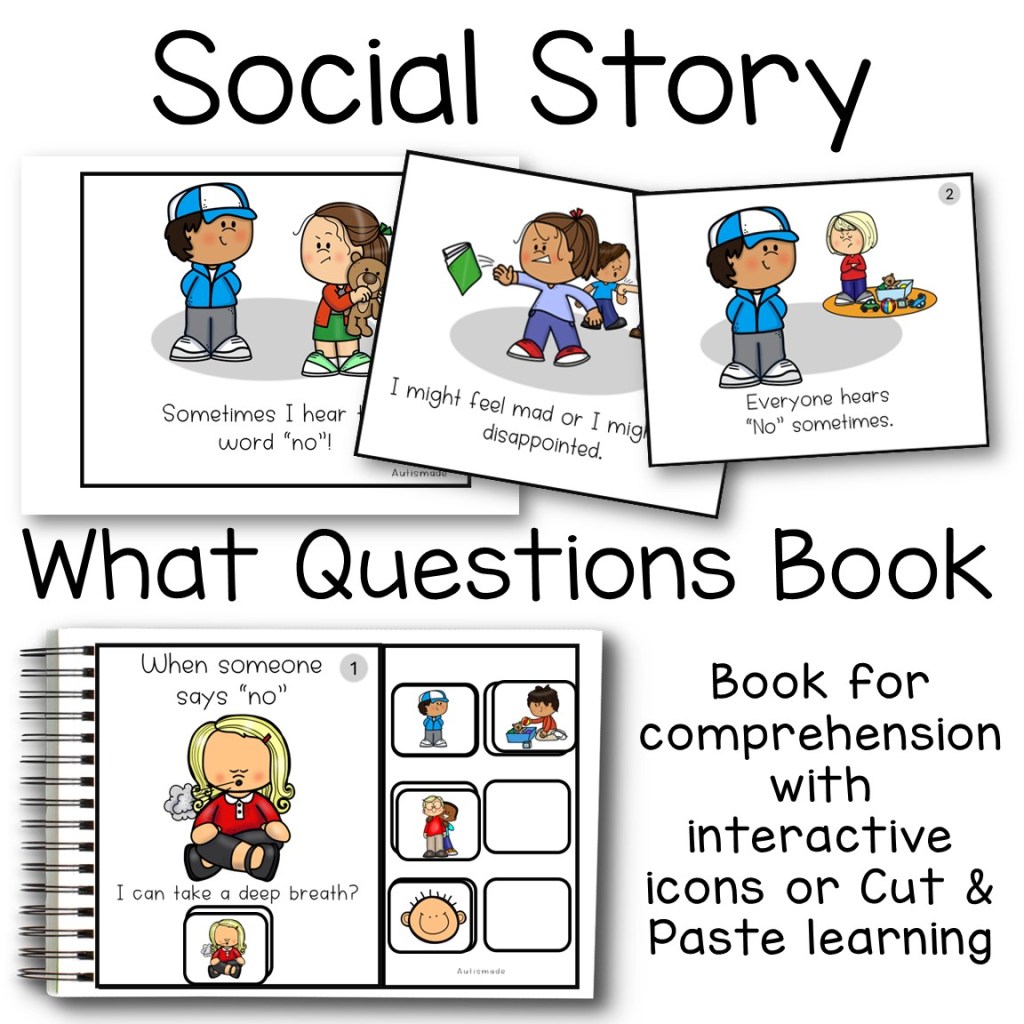
Social stories provide a clear, predictable way to introduce social expectations. They help children understand not only what is expected but also why certain behaviors are helpful.

Reading a social story before challenging situations gives students a chance to practice appropriate responses in a calm, supportive environment rather than learning in the middle of a difficult moment.

Learning doesn’t stop after reading a story. Children benefit from seeing and practicing the skill in different ways.

Activities such as:

  • Interactive comprehension books
  • Behavior sorting games
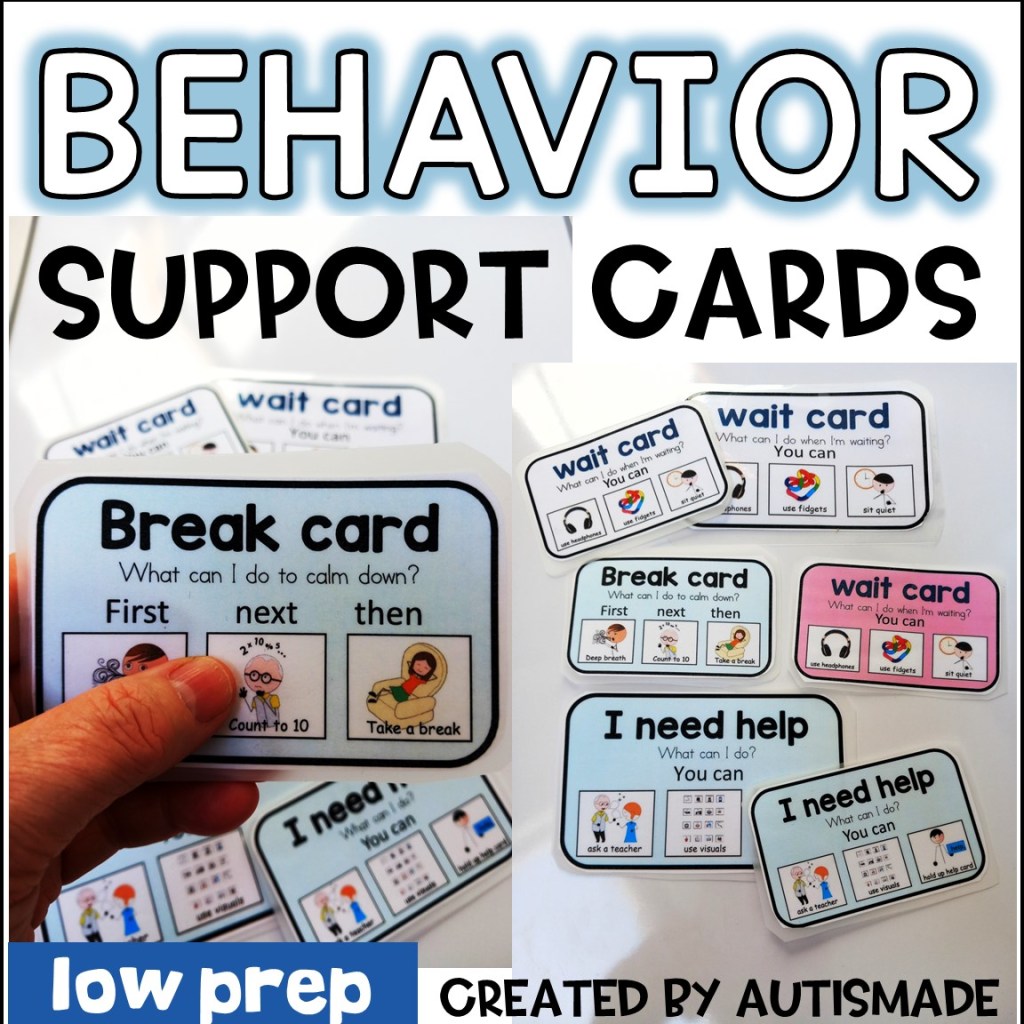
  • Visual reminder cards
  • Choice boards
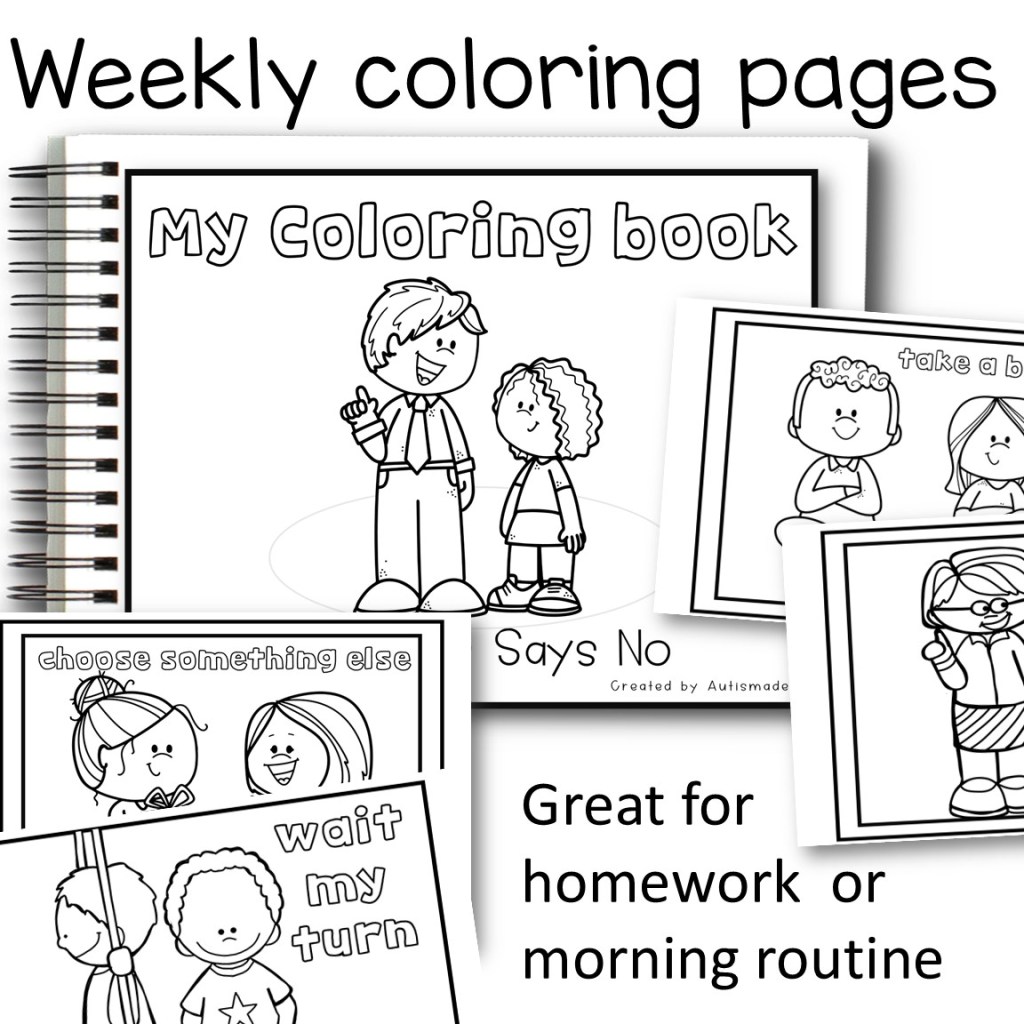
  • Coloring pages

help reinforce the same concept through repetition and hands-on learning. Using the same language and visuals across the classroom creates consistency, making it easier for students to remember what to do when they hear “no.”

Teaching children to accept “no” isn’t about expecting perfect behavior. It’s about helping them build lifelong skills for handling disappointment, waiting patiently, solving problems, and communicating appropriately.

With consistent practice, encouragement, and visual supports, students gain confidence in managing their emotions and making positive choices, both in the classroom and beyond.

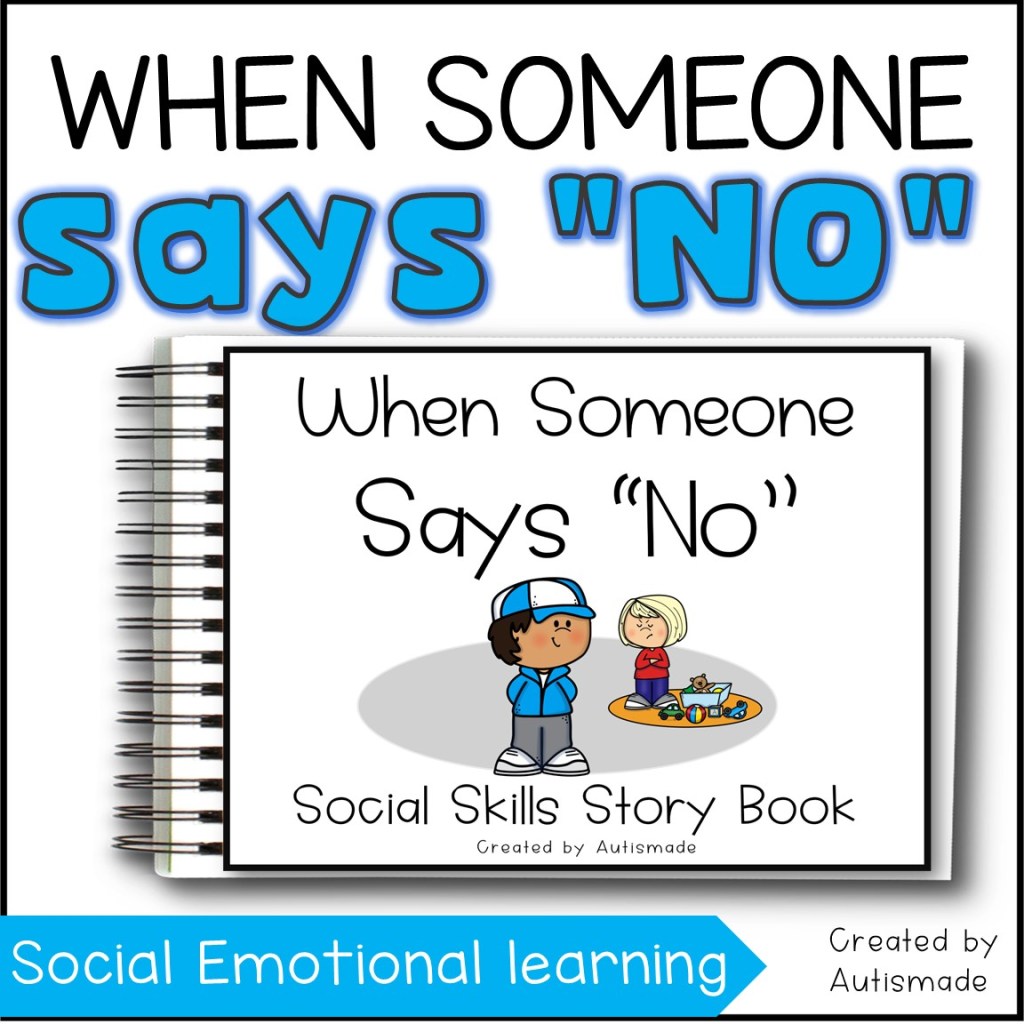
If you’re looking for ready-to-use resources, my “When Someone Says NO” Social Story and Activities includes an engaging social story, interactive comprehension book, behavior sorting game, lanyard visuals, choice boards, coloring pages, and printable visual supports designed to help students learn and practice this essential social skill in a meaningful way.

Click here For More Social Skills Stories and Activities

Asking for Help

Personal Space

Sharing

Safe Hands

Customizable Visual Behavior Cards for Special Education

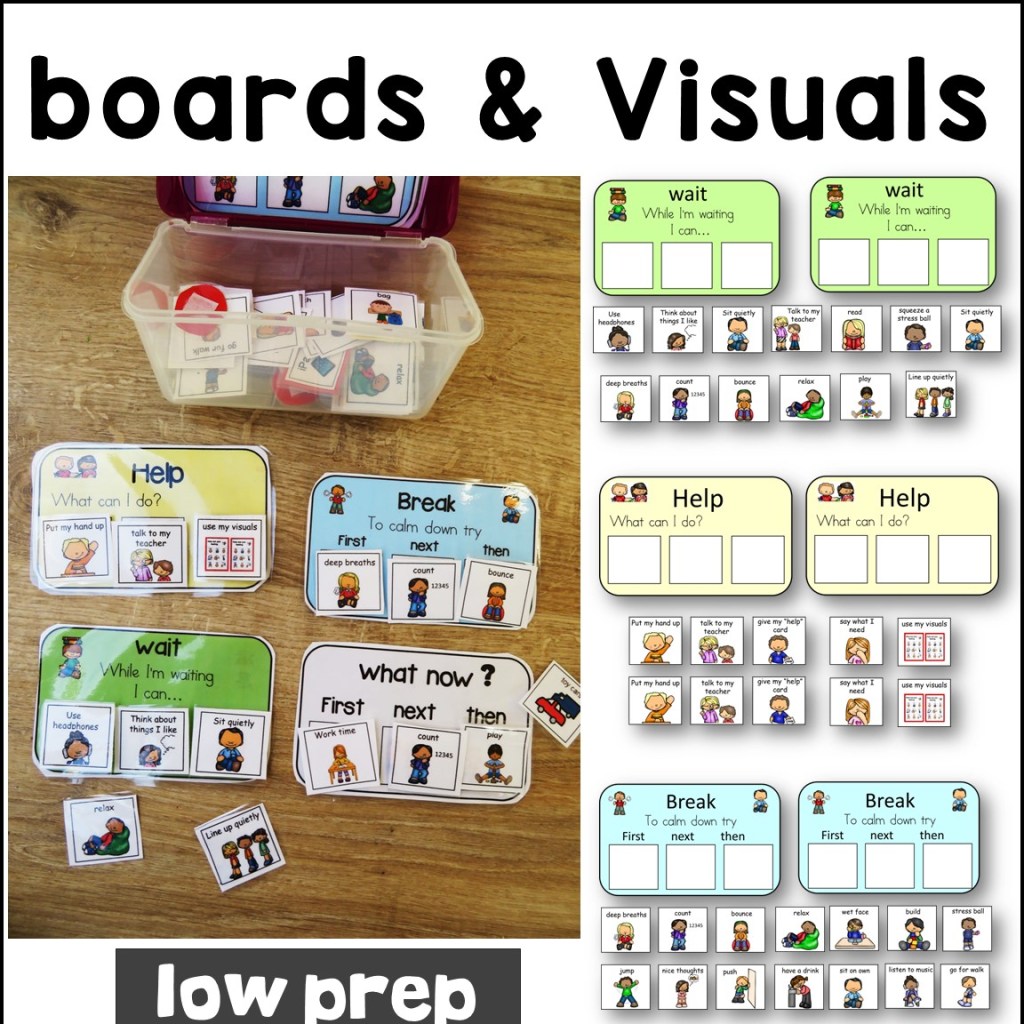
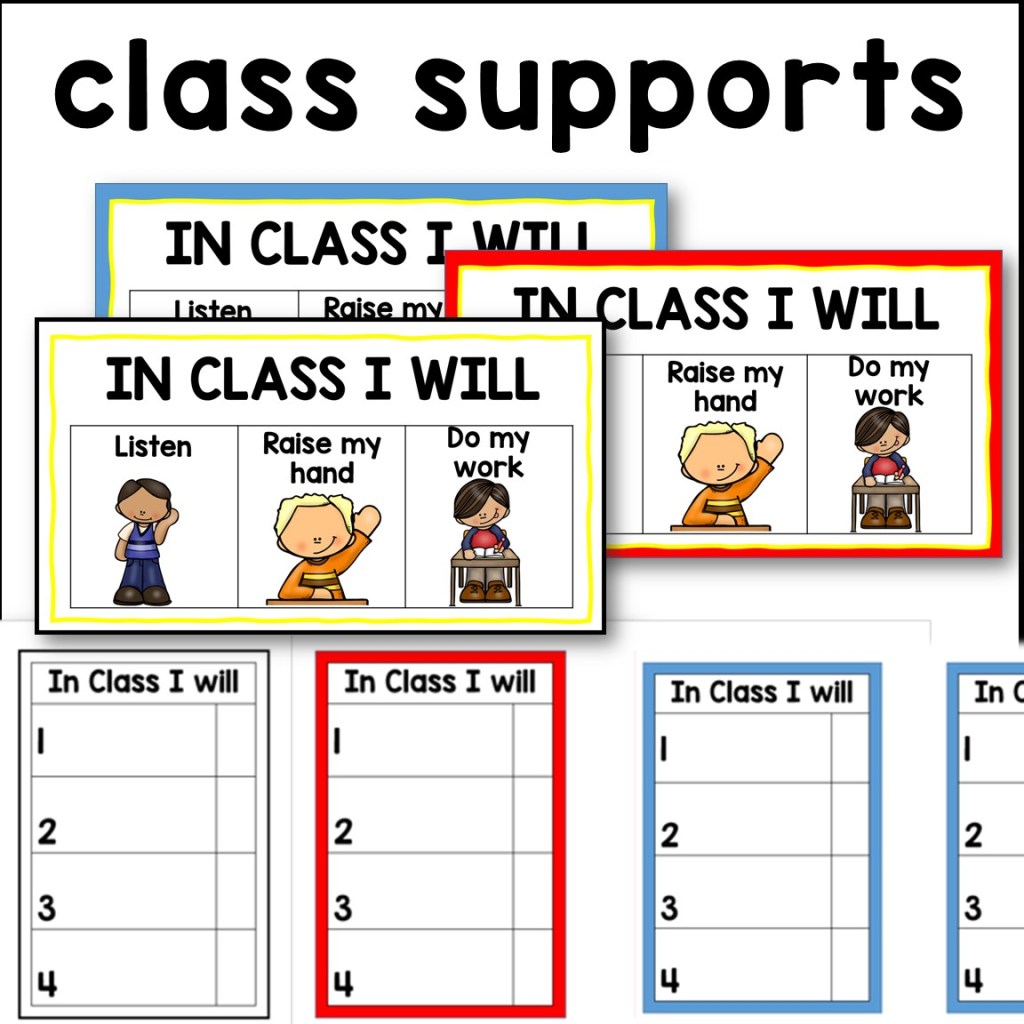
Support positive behavior, communication, and independence with this customizable set of visual behavior cards. Designed for special education, autism support, early learners, and students who benefit from visual supports, these resources help reinforce routines, encourage self-advocacy, and promote successful classroom participation.

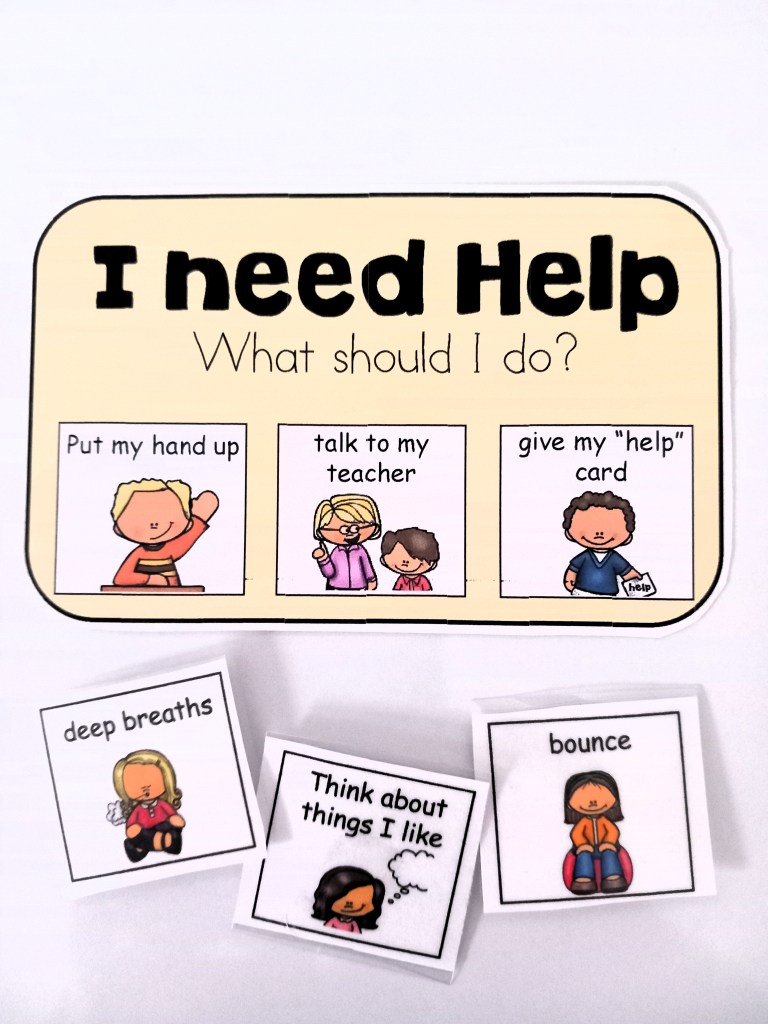
These Editable Behaviour Support Cards, Break Cards, Asking for Help all with visual cues are perfect for those on the spectrum or needing additional help. Customize these visual cue cards to fit your needs and watch the transformation happen right away!

They have been a life saver in my classroom management, students can ask for a break, help and understand when they need to wait and what comes next.

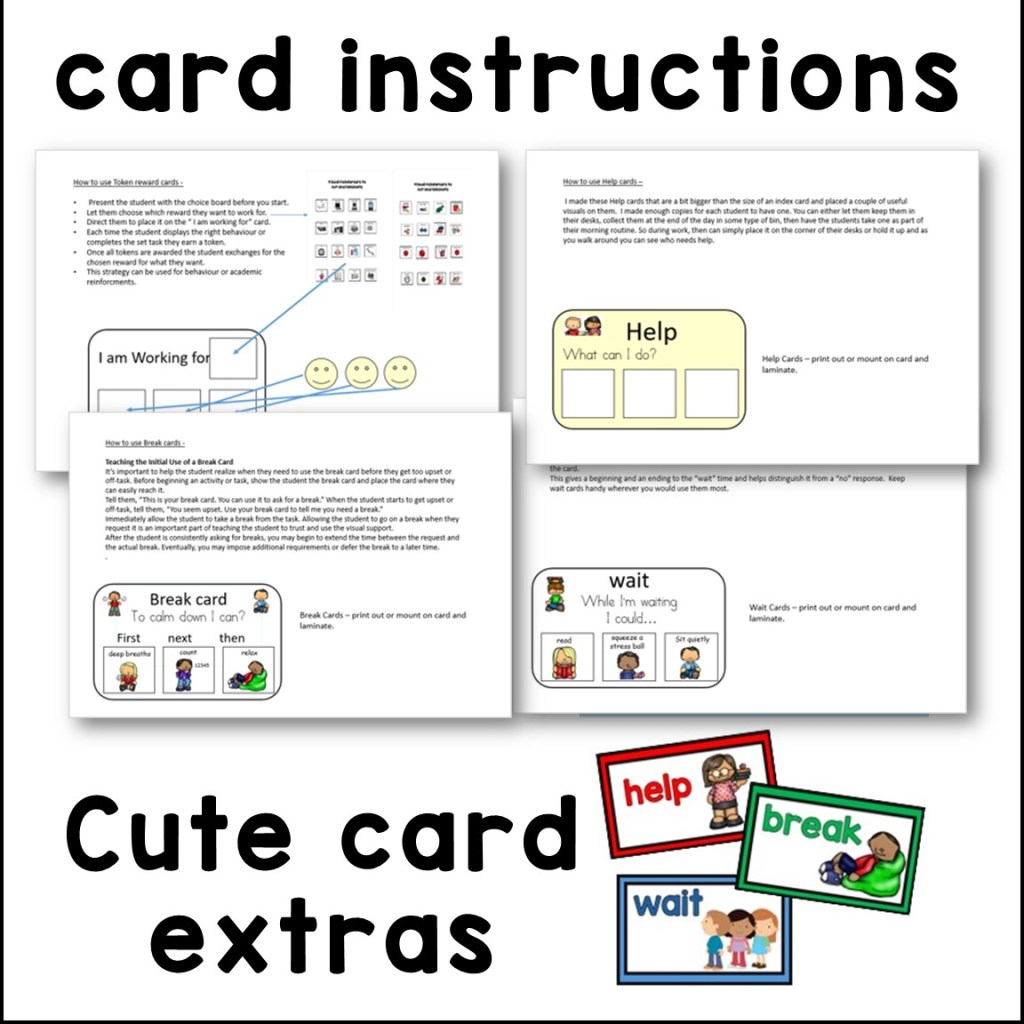
Included in this customizable behavior support cards package:

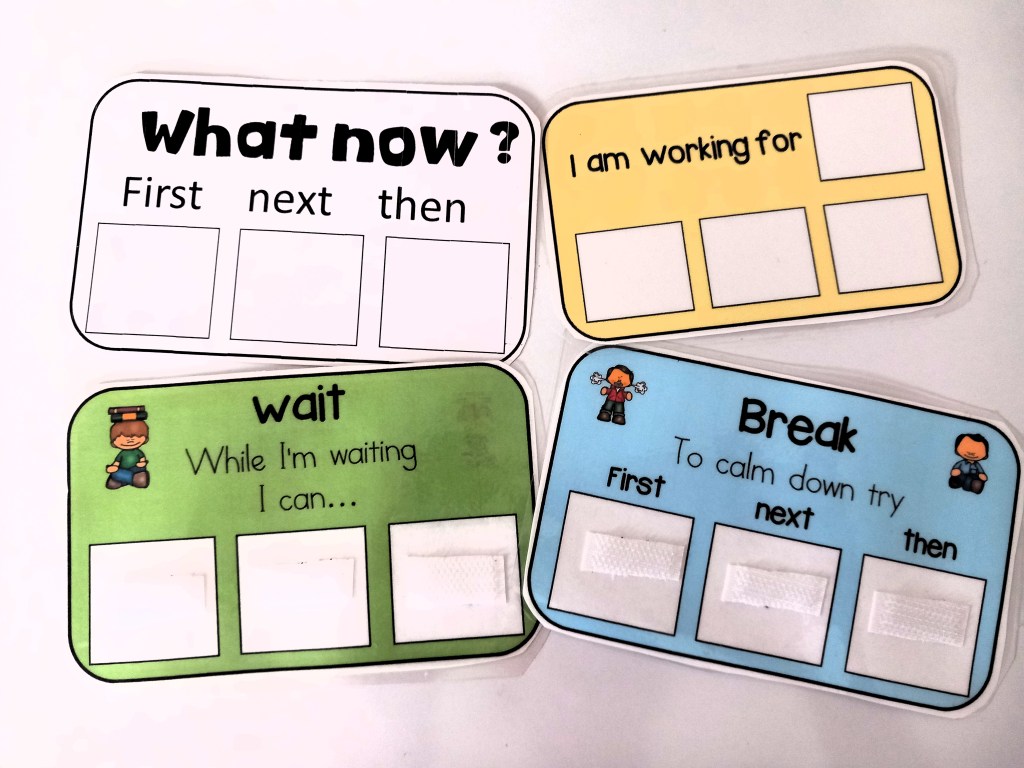
  • Wait Cards โ€“ Help students learn patience and understand when they need to wait for a turn, activity, instruction, or reward.
  • Break Cards โ€“ Support self-regulation by providing students with a visual way to request a break when needed.
  • Help Cards โ€“ Encourage functional communication by helping students appropriately ask for assistance.
  • First, Next, Then Cards โ€“ Visual sequencing tools that support routines, transitions, task completion, and understanding expectations.
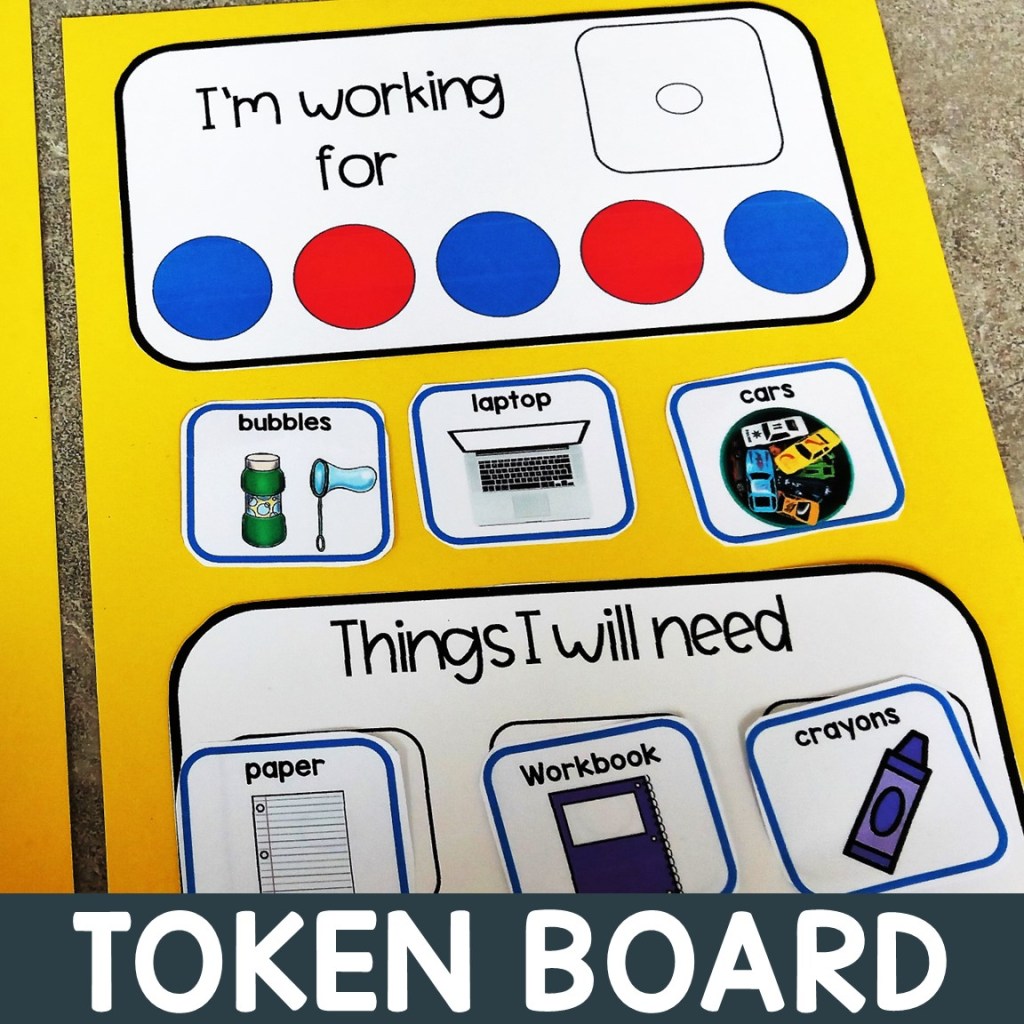
  • Token Reward Cards โ€“ Positive behavior support tools that allow students to earn and track tokens toward a chosen reward.
  • Reward Symbols (Visuals) โ€“ Visual representations of rewards and motivators that can be used with token boards and behavior management systems.
  • Card Visuals (44 Designs) โ€“ A set of 44 versatile visual icons that can be customized and used across schedules, behavior supports, communication aids, and classroom routines.

Ideal for special education classrooms, autism support programs, early intervention settings, speech therapy, behavior intervention plans, and home learning environments. Simply print, laminate, and customize to meet your students’ individual needs.

Effective Visual Supports for Behavior Management

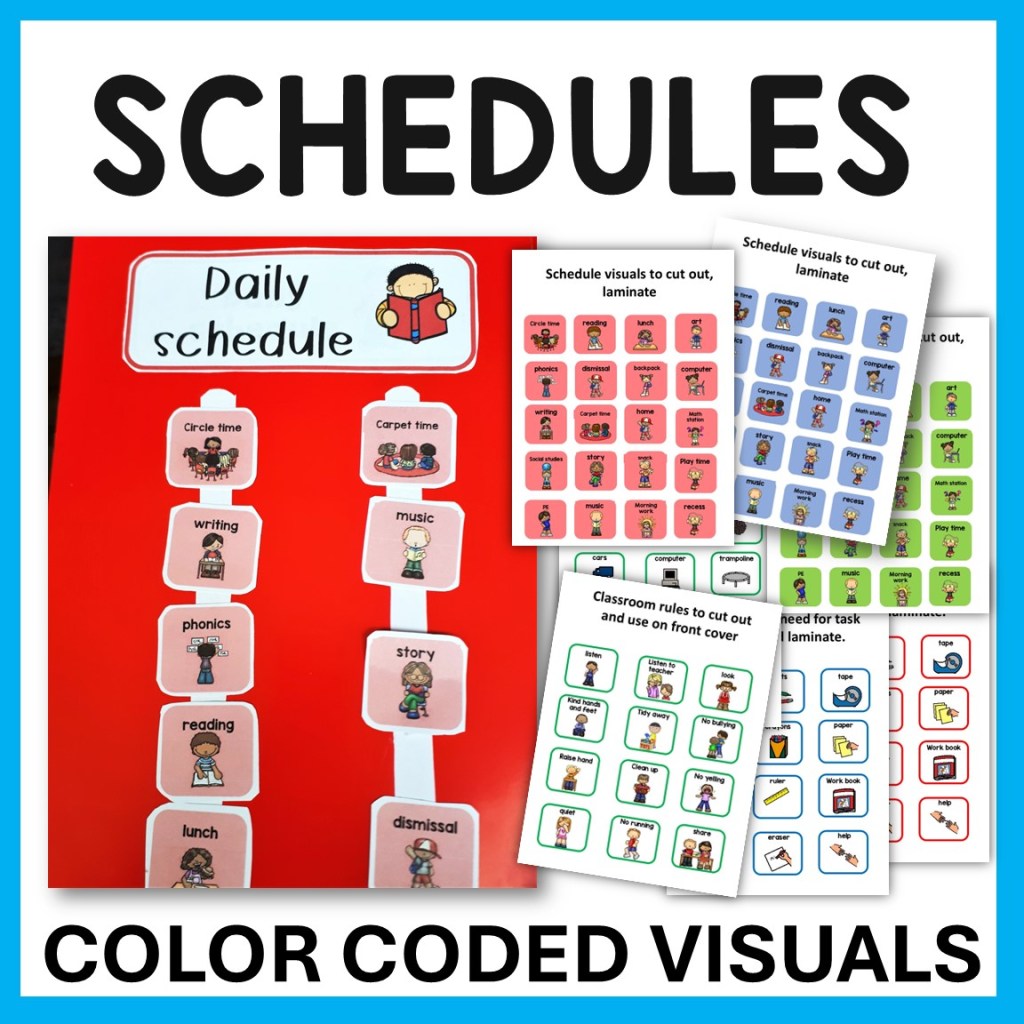
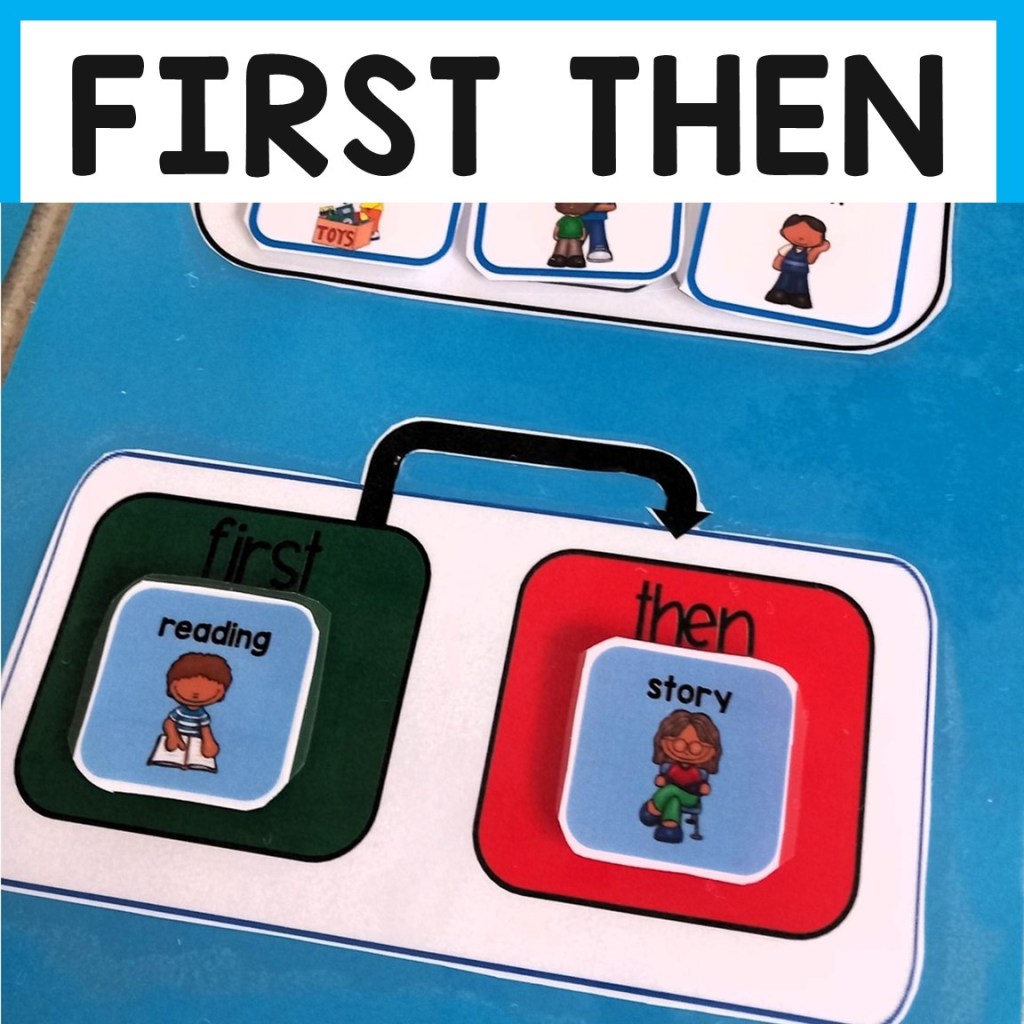
If your looking for anย individualย Behavior System, then thisย Visual Schedule,ย Token Board and First Then strategy, are all in thisย Behavior Support Folder. This Visual Scheduleย combination make behavior expectations clear and manageable.

Ideal for special educationย teachers, behavior therapists, this folder brings together the most effective visual supports in one place!

WHATS INCLUDED:

* Visual Schedule– with activity visuals to follow throughout the day.

*ย First Then Boardย โ€“ Help students understand task sequences and motivate

follow-through.

*ย Token Boardsโ€“ Encourage positive behavior with customizable

reinforcement systems.

*ย Choice Boardsโ€“ Promote autonomy and engagement

*ย Break Cardsโ€“ Support self-regulation and emotional

awareness

*ย Printable Iconsย โ€“ Includes visuals for common tasks, rewards, and behavior

expectations with clear instructions.

*ย Editable packageย – Open in PowerPoint and enable editing, for you to personalise with names, motivator

choices, target behaviors and schedule visuals.

* In 2 Size Options A5 and A4

IDEAL FOR

* Autism Support

* ABA Therapy

* Behavior Intervention Plans (BIP)

* Classroom & Special Ed Settings

WHY YOU’LL LOVE IT

For more Resources visit my Store by clicking here