Making Mornings Magical: Resources for Preschoolers in Special Education

Mornings can be tough for little ones and grown-ups alike! For preschoolers in special education, having a predictable, engaging morning routine can make a *big* difference in how the day goes. Whether you’re a parent, caregiver, or teacher, here are some simple, supportive resources to help start the day with confidence, joy, and calm.

Why Morning Routines Matter

  • Builds predictability.
  • Supports transitions
  • Encourages communication
  • Creates a sense of accomplishment

Here are some ideas to make mornings easier and more fun:

1. VISUAL SCHEDULES

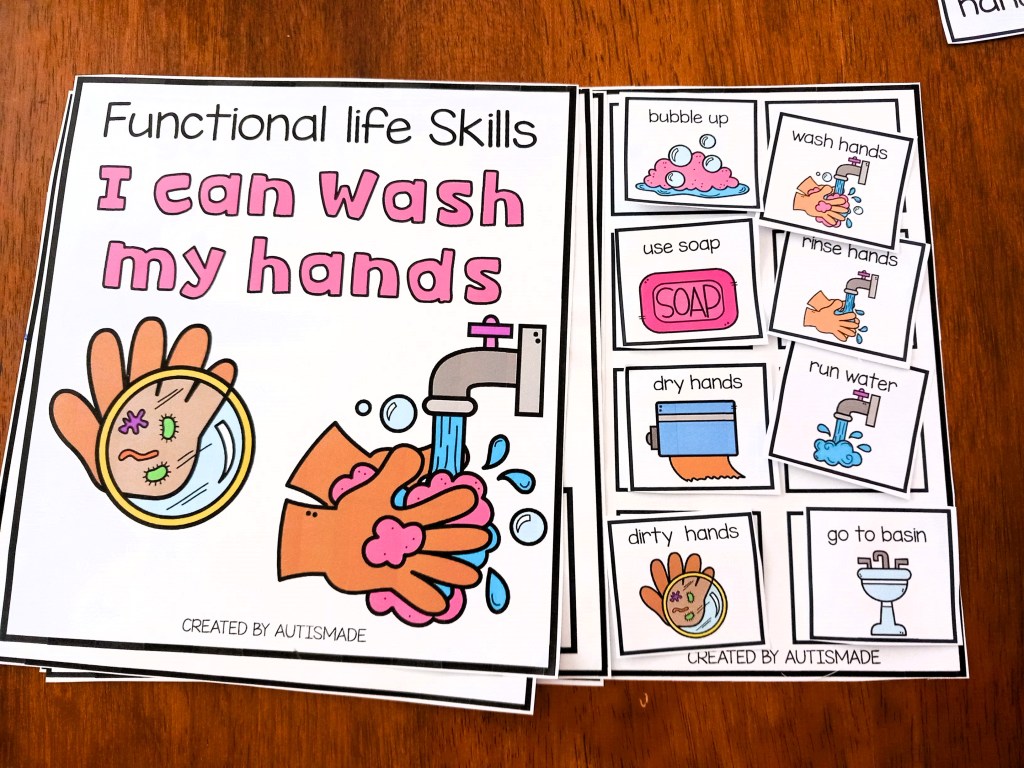
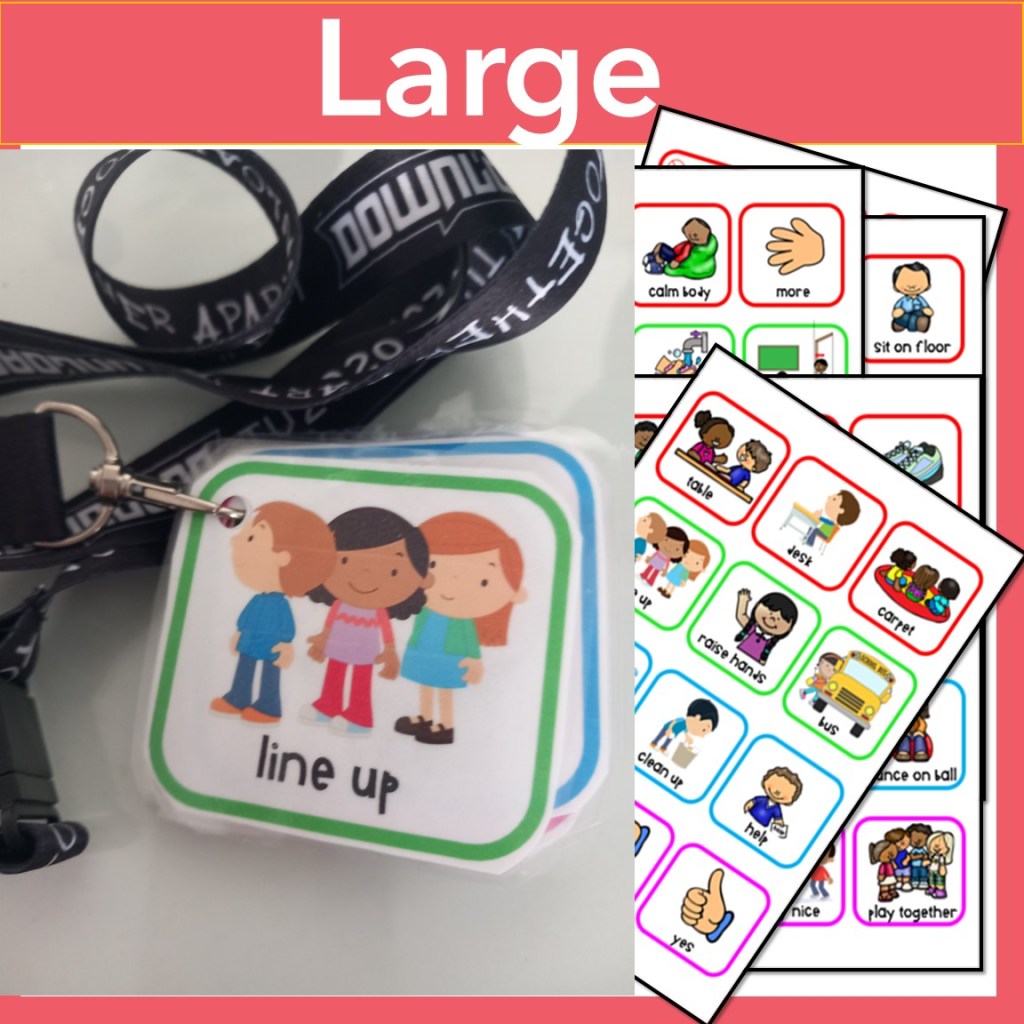
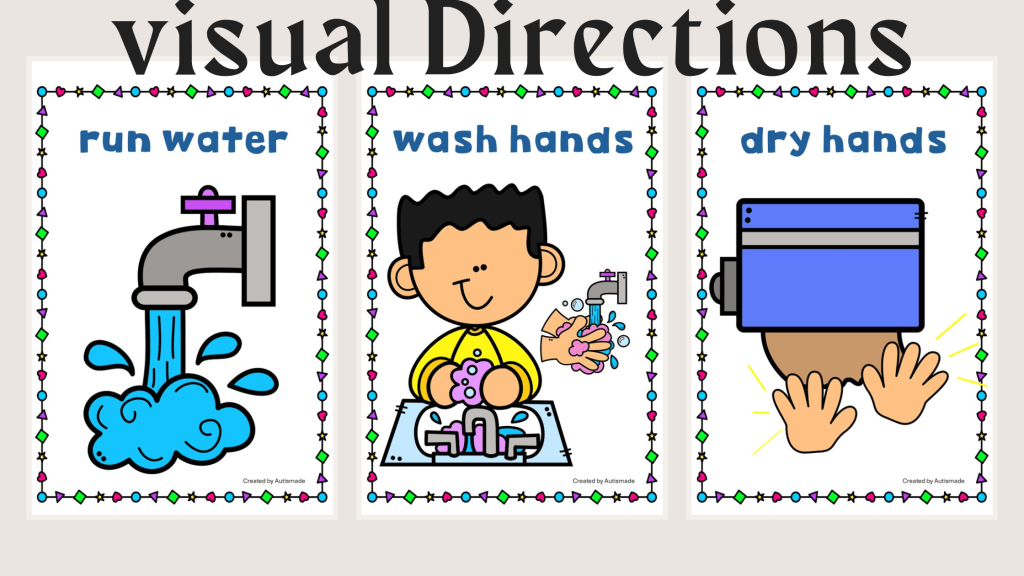
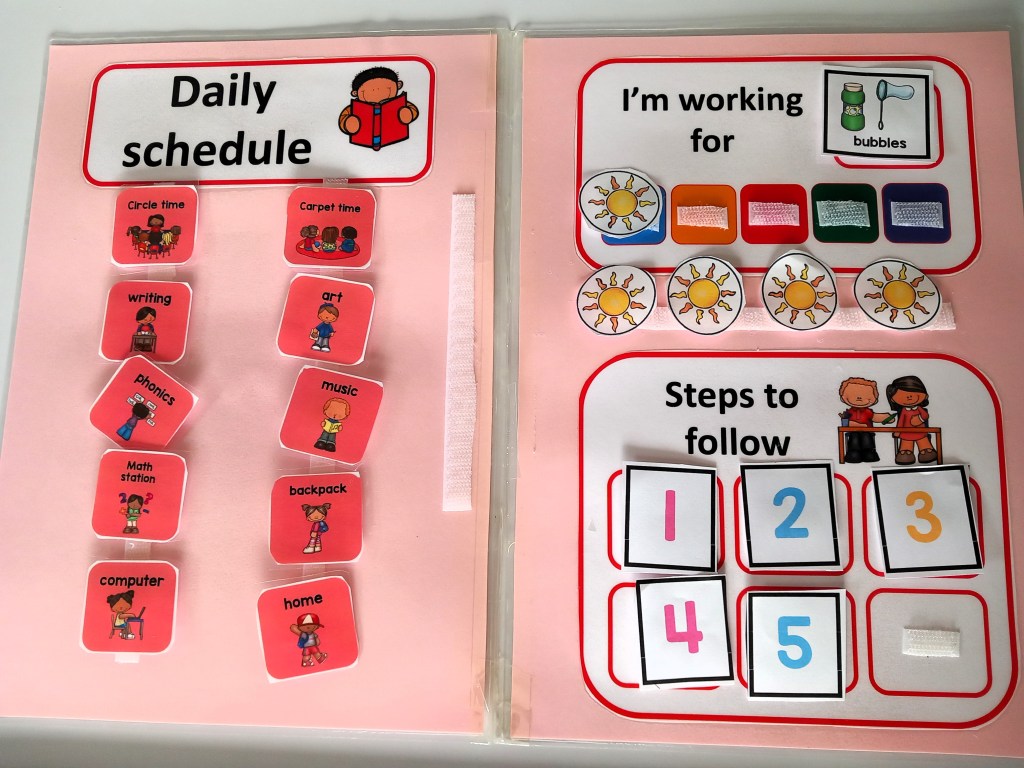
  • Use pictures to show each step of the morning—wake up, brush teeth, get dressed, eat breakfast, etc.
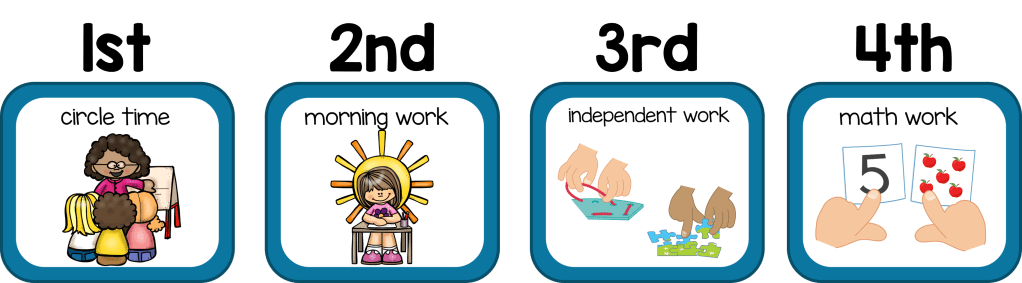
  • Daily Classroom SCHEDULE

2. MORNING SONGS AND MOVEMENT

Start the day with music and motion to wake up the body and brain!

Songs to Try

“Hello Song” by Super Simple Songs

  “Good Morning” by The Learning Station

  “Wake Up Shake Up” by Kiboomu

3. MORNING WORK BINS

Simple, hands-on bins that children can explore after arriving at school or getting ready at home.

IDEAS FOR BINS AND TASK BOXES:

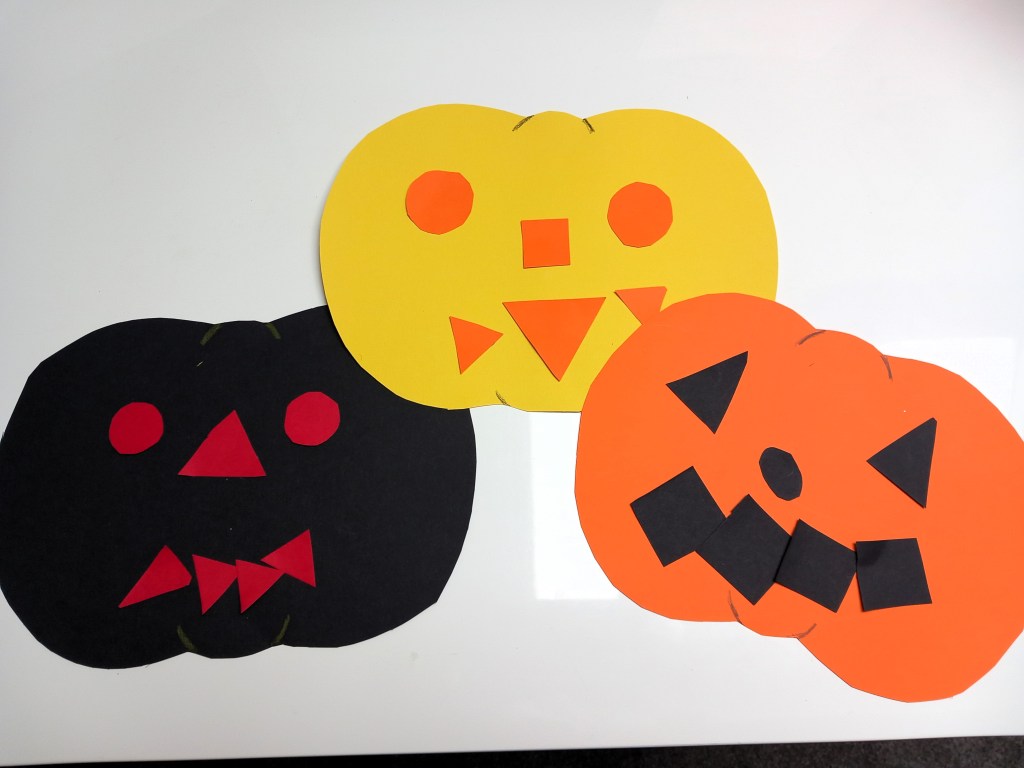
* MATCHING SHAPES AND COLORS

* Simple puzzles or stacking

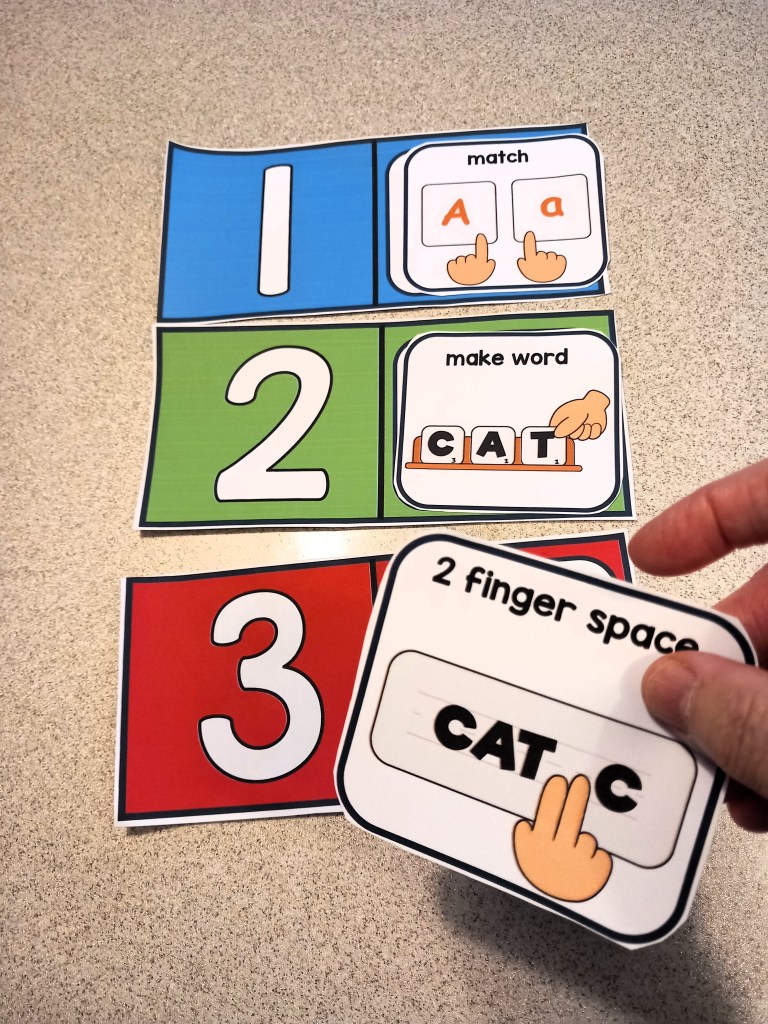
* Velcro letter boards

* Sensory bins (rice, beans, water beads)

* Printable Worksheets & Activities

* PEG TASK CARDS

While WORKSHEETS need to be short and engaging for preschoolers, there are great modified versions available for all learners.

Try This Morning tracing (lines, shapes, names), matching, simple counting or weather charts.

A simple, consistent home routine helps bridge the gap between home and school.

1. Wake Up

2. Use the Bathroom

3. Brush Teeth

4. Get Dressed

5. Eat Breakfast

6. Put on Shoes

7. Pack Bag

You can create your own chart or grab a FREE TEMPLATE from my TPT Store

Every child is different—what works for one may not work for another. But with a little creativity, structure, and patience, mornings can become a positive and empowering part of the day.

How to Create and Use a Token Reward System for Positive Behavior.

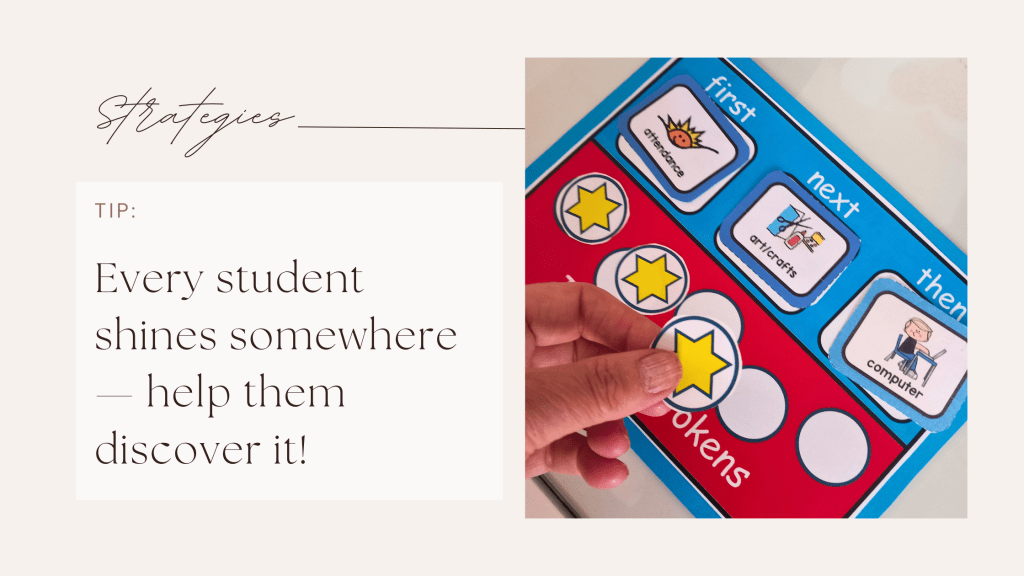
One of the most effective tools to encourage good behavior and promote independence is a Token Reward System. This simple, visual system can be tailored to any age or ability level.

In this blog post, we’ll walk you through:

  • What a Token Reward System is
  • Why it works
  • Step-by-step instructions to create one
  • Ideas for classroom and home use
  • Tips to make it successful

A Token Reward System is a structured method where students earn tokens (e.g., stickers, coins, stars) for demonstrating specific, positive behaviors. Once they collect a certain number of tokens, they can trade them in for a preferred reward.

Think of it like a mini economy—students earn and “spend” tokens for desired outcomes.


  • Visual & tangible: Helps students see progress toward a goal
  • Predictable & consistent: Encourages routine and structure
  • Motivating: Taps into student interests and preferences
  • Teachable moments: Reinforces life skills like patience, saving, and goal-setting

Materials You’ll Need

  • Printable tokens or physical objects (stickers, plastic coins, Velcro stars)
  • Token board/chart (can be laminated paper, folder, or dry erase board)
  • List of reward choices (pictures and/or text)
  • Laminator (optional but helpful for durability)
  • Velcro dots or magnet tape (for attaching tokens)
  • Basket or menu of rewards (e.g., small toys, extra screen time, sensory items)

Step 1: Choose Target Behaviors

Pick 1–3 behaviors you want to reinforce, such as:

  • “Raise your hand before speaking”
  • “Complete tasks independently”
  • “Stay seated during circle time”

Keep it simple and positive. Phrase behaviors as things TO DO, not things to avoid.


Step 2: Design the Token Board

Here are two simple design ideas:

Design A: 5-Token Star Chart

  • Board has 5 empty star outlines
  • Each time the student earns a token, place a sticker/star in an outline
  • After 5 tokens, they get a reward

Design B: Velcro Token Strip

  • Use laminated board with 5–10 Velcro dots
  • Give a laminated token (smiley face, mini icon) to stick on each dot

You can find free token board templates online or create your own in Google Slides or Canva.


Step 3: Select Motivating Rewards

Pick 3–5 small, meaningful rewards. These could be:

  • Sensory toys (squish balls, fidget spinners)
  • 5 minutes of iPad time
  • A favorite snack
  • Extra recess
  • A classroom job (line leader, helper)

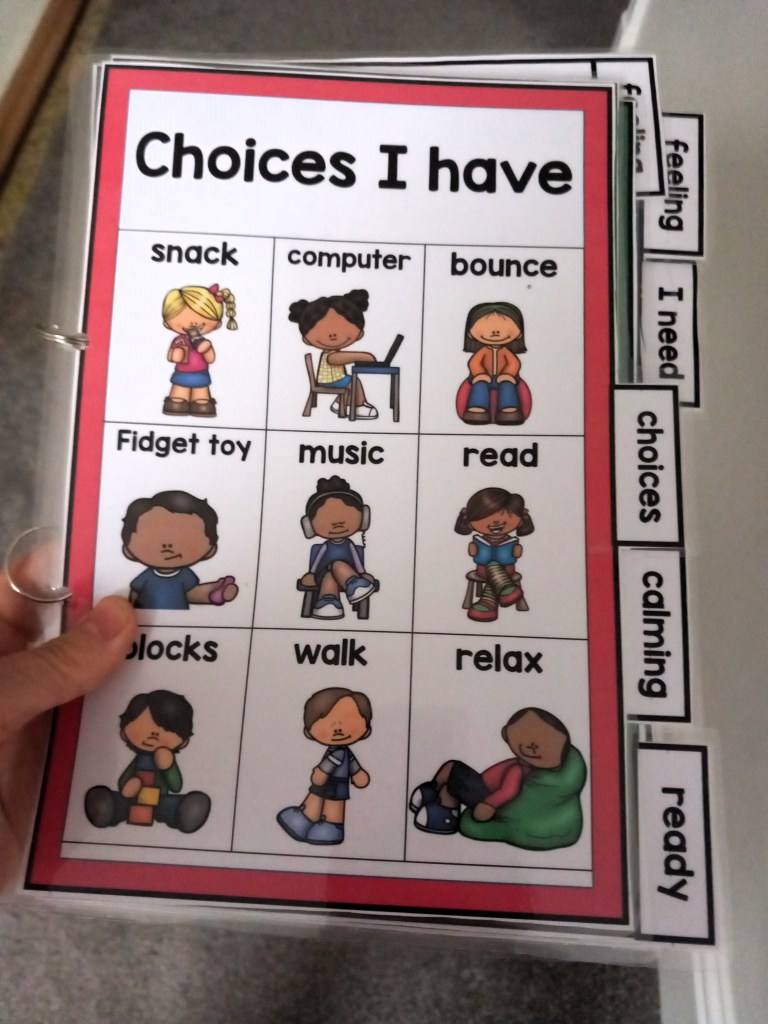
Pro Tip: Use a visual menu so students can choose their reward.


Step 4: Teach the System

Before using the system, model how it works:

  1. Explain the behavior you’re looking for
  2. Show how the student earns a token
  3. Demonstrate trading in tokens for a reward

Use visuals and social stories if needed. Practice a few rounds for fun!


Step 5: Start Using the System

  • Give immediate, specific praise when a token is earned:
    “Great job sitting quietly! Here’s a token!”
  • Help students track their progress
  • Let them choose a reward before you start

Consistency is key—make it part of your routine.


  • Use themes like dinosaurs, superheroes, or animals
  • Allow students to personalize their token board
  • Digital version: Use apps like ClassDojo or Google Sheets
  • Portable boards: Attach small boards to clipboards or folders for inclusion settings

  • Use a smaller-scale version (3-token board)
  • Focus on daily routines (brushing teeth, homework, bedtime)
  • Rewards can be free (extra bedtime story, one-on-one play time)
  • Keep communication open with your child’s teacher for consistency

  • Too many target behaviors: Focus on just 1–2 at a time
  • Inconsistent token giving: Reinforce consistently or the system loses power
  • Rewards that don’t motivate: Choose what the student wants, not what you think they should want

A Token Reward System is more than just a behavior tool—it’s a way to build independence, self-esteem, and trust with your students. With a little preparation and consistency, this system can make a big difference in your classroom or home.

Start small. Be consistent. Celebrate the wins.


Here I’ve included a free printable template for a token board.

Reward Strategies in Special Education

Making Learning Fun: Using Token Reward Systems in Special Education for Preschoolers

Helping young children stay engaged and motivated can feel like chasing bubbles—joyful but fleeting! For preschoolers, especially those in special education, structure and predictability are key. That’s where Token Reward Systems come in: they’re simple, effective, and incredibly adaptable.

Let’s break it down into friendly, easy steps so you can bring smiles and success to your classroom or home environment.

What Is a Token Reward System?

A token system uses small items (stickers, stars, check marks, coins, etc.) to reward positive behavior or task completion. Once a child earns enough tokens, they exchange them for a preferred item or activity.

It’s like earning stamps for good behavior and trading them in for extra playtime or a favorite book!


Why It Works for Preschoolers in Special Education

Preschoolers thrive on routine, visual cues, and positive reinforcement. Token systems work well because they:

  • Offer concrete visuals they can understand
  • Create consistent motivation
  • Encourage independence and decision-making
  • Reinforce specific behaviors or skills

Step-by-Step: How to Set It Up

Here’s a super simple plan:

  1. Choose a Target Behavior
    • Example: “Use kind hands,” “Stay seated during circle time,” or “Ask for help with words.”
  2. Pick Your Tokens
    • Use stickers, Velcro stars, plastic coins—anything tactile and fun.
    • Make sure they’re large and colorful for easy visibility.
  3. Create a Visual Chart
    • Use a laminated board or a sheet with empty boxes.
    • Label how many tokens are needed to earn the reward (e.g., “5 stars = 5 minutes on the swing”).
  4. Select Reinforcers
    • Offer choices: a toy, a song, playtime, cuddly reading time, or even a high-five parade!
    • Rotate them to keep it fresh.
  5. Start Using the System
    • Give tokens IMMEDIATELY after the behavior occurs.
    • Pair it with verbal praise: “You shared your crayons—great job! Here’s a star!”
  6. Celebrate the Success
    • When tokens are exchanged, make it a moment! Clap, cheer, and smile.

Visual Reinforcement Tips

Preschoolers are visual learners—so let’s make it pop!

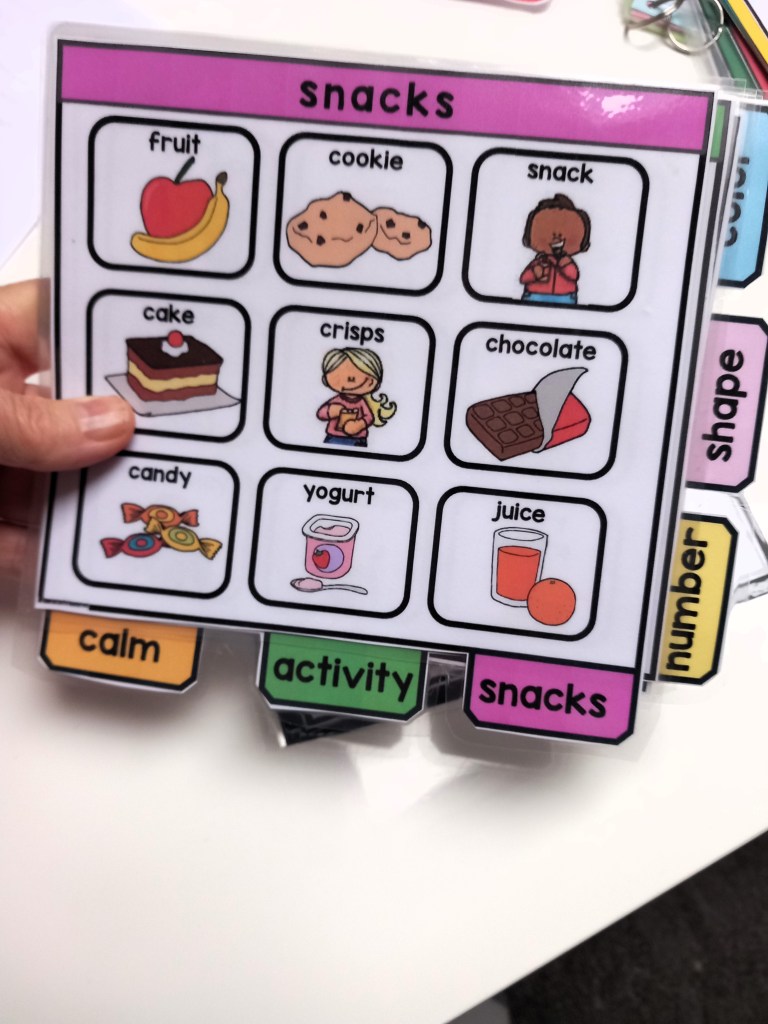
  • Use pictures of rewards (photos or symbols)
  • Create emotion faces to pair with behaviors (“happy face when we wait patiently”)
  • Display charts at eye level so kids can see their progress
  • Use gesture praise (thumbs up, high-fives, dance)

Every child is wonderfully unique. Some may respond to sticker stars; others might prefer putting Velcro apples on a felt tree. Adjust the system to fit each child’s needs and celebrate the differences—it’s part of the magic.


Token systems aren’t just tools—they’re celebrations of growth, effort, and joy. With visuals, praise, and a bit of creativity, you’ll turn everyday moments into milestones.

Starting School: Simple Steps for Success with Visual Supports!

Starting school can be an exciting yet challenging time for kids with autism and special needs. Visual supports can play a crucial role in helping early learners feel more comfortable and successful in the classroom. Here are some simple steps to ensure a smooth start to the school year:

By incorporating these simple steps and visual supports, you can create a positive and structured learning environment for kids with autism and special needs. Remember, every child is unique, so be flexible and adjust the supports as needed to meet each child’s individual needs.

Visit My TPT Store

FREE Printable Posters

Welcome back-to-school season!

It’s such an exciting time, especially for our littlest learners who thrive with hands-on, visual, and sensory-rich activities. If you’re working with children in a preschool/Kindergarten, special education setting, these transition table-top activities can be a gentle and engaging way to ease into routines while learning to transition between tasks. Here’s a list of 5 simple tabletop activities perfect for those early days back, with a focus on fine motor skills, early literacy, and numeracy:

1. Playdough letter & Number Mats

Squish, roll, press! Create custom laminated mats with each child’s name and numbers 1–5. Let them form the letters and numerals using playdough snakes, encouraging finger strength and shape recognition. Add cookie cutters or rollers for extra sensory fun.

2. Pom-Pom Drop with Tongs

Set up cups labeled with numbers and a bin of colorful pom-poms. Children use tongs or adapted tweezers to transfer the pom-poms into the correct cup—fantastic for counting practice and fine motor coordination. Try textured pom-poms for added tactile input.

3. Alphabet Soup Sensory Tray

Fill a shallow bin with dry pasta or rice and scatter plastic or foam letters inside. Provide spoons, scoops, or small ladles for learners to “scoop” letters out and match to visual cue cards or alphabet mats. Engages multiple senses while working on letter ID.

4. Stickers, Dots, Letters and Numbers

Offer large printouts of letters and numbers and invite children to place small circle stickers (like garage sale dots) along the lines. It’s calming, fun, and fantastic for developing finger dexterity and spatial awareness.

5. Build-a-Tower Counting Game

Provide numbered cards (1–10) alongside a set of stacking blocks or Duplo bricks. Kids draw a card and build a tower with the matching number of blocks. Add visual supports for non-verbal communication—like number boards or thumbs-up visuals—for celebrating each success.

Visual supports are a superpower in the special ed classroom—especially for non-verbal learners! They make abstract concepts concrete, help with transitions and understanding, and boost independence.

These low-prep, hands-on activities are not only accessible for non-verbal kiddos, but they’re also filled with opportunities for choice-making, shared attention, and joyful participation.

For more back to school resources try my TPT Store