Special Education Activities for the First Week of School!

I know that the start of a new school year can be a stressful time for students and teachers alike. But with a little bit of planning and creativity, we can make the first week of school a fun and engaging time for everyone.

I’ve come up with some fun activities over the years that help my students get to know each other, build relationships with their peers, and feel comfortable in their new Classroom. Not only are these activities great to start off a new school year, but they also provide opportunities to show individual levels of social skills and understanding.

One of my favorite first-week activities is the name game. It’s a simple icebreaker that involves each student sharing their name and one thing they like. It’s a great way to help students learn each other’s names and interests, and it often leads to some fun and unexpected conversations.

Another activity that I love is the classroom scavenger hunt. I create a list of items for students to find around the classroom, such as a pencil, a sharpener, and they can tick off when they find them. This activity helps students become familiar with their surroundings and encourages them to work together.

Click here for a FREE Download

I often have my students create an all about me poster, I give them a template to start their “All about me Poster” with place for “My Name”, what I like, favorite things and hobbies. Once everyone has finished we hang the posters around the room so everyone can see them.

I hope these activities inspire you with your planning for the first week back to school after a long Summer Break. But remember, get creative and make the classroom inviting too, with a little bit of work you can create a positive environment that will help your student feel welcome and supported!

Back-to-School Ideas for Creating a Positive Learning Environment!

7 End of Year Gift Ideas for Kids in Special Education

Giving gifts to your students can be a great way to show how much you care when saying “goodbye” at the end of a busy school year!  It only takes a token gift to say enjoy your summer break, see you next term or good luck in your new class for students to feel appreciated.

Sometimes though it can be overwhelming trying to find that one meaningful gift that is appropriate in a class with such varying abilities and needs.

Receiving gifts is exciting for both you and your students, but making each gift special depends on your budget, your time and the pupil its for, so I’ve listed some ideas for you to think about:

Gifts Ideas

1. FIDGET TOYS – Sensory toys such as fidget spinners, stress balls, or tactile balls can be helpful for students who need sensory stimulation to focus or calm down.  You can find these in various textures, shapes, and sizes to suit different needs.

2. CERTIFICATES AND MEDALS – Create personalized certificates that recognize each student’s unique strengths and accomplishments. Draped medals for an added touch and certificates can look great framed and presented to students at a ceremony or graduation.

3. MEMORY BOOKS – A memory book that captures the special moments and achievements of the school year. Include any pictures, drawings,  from the students and add photos to make the book more personal and meaningful.

4. GIFT BAGS – Create gift bag! tailored to each student’s interests and preferences. Fill the bag with items such as books, toys, fidgets, and snacks to make them more enjoyable.

5. ART SUPPLIES – Art supplies such as adaptive scissors, pencil grips, or weighted crayons can help students with fine motor difficulties to participate in art activities. These supplies can be helpful for developing their hand-eye coordination and creativity.

6. PUZZLES – Board games and puzzles are great gifts for promoting social skills and cognitive development. Choose games and puzzles that are age-appropriate and have clear rules and instructions to ensure turn taking and waiting.

7. BOOKS – Reading materials with favourite characters. Choose books with large text, pictures and simple language to make them accessible. Personalise them with class, who its from and dates on the inside cover. 

Choosing gifts for students in Special Ed requires careful consideration, and personalized gifts are all excellent options for Special Education students. Whatever gift you choose the most important thing is to show your students that you care and support them in their learning journey!

Creating a Welcoming Classroom for Special Education

I always look forward to the start of the school year, but I also know that it can be a challenging time for new little learners. So, I always make it my priority to provide a welcoming environment on their very first day in my classroom.

My plan usually involves spending countless hours decorating my classroom with colorful posters, charts, and other visuals that will make my students feel comfortable and supported. I also like to make sure I establish daily routines by using visual schedules that my students can learn to follow throughout the day.

Using visual aids and hands-on activities in my centres are always a hit with my students, and I enjoy incorporating small play items into their learning. I use toys and classroom resources as matching and sorting tasks, which helps my students to engage with the material in a fun and interactive way.

Maintaining a positive relationship with my students’ parents is also important to me. I make sure to keep them informed of their child’s progress and phone or email regularly with them. I found that by working with parents we help each other meet the needs of their child.

Proudly, celebrating my students’ accomplishments are always the highlights of the school year for me. Seeing my students’ progress and growth makes all the hard work put in from the start worth it. Whether it was a simple high-five or a special treat, I made sure to recognize and celebrate each and everyone’s work.

Preparing for the back-to-school season can be challenging I know, but I wouldn’t miss the opportunity to create this positive learning environment for my Special Education students. Incorporating all the personal touches and prioritizing the needs of my students, I do my best to make the start of the school year an exciting and memorable time for everyone.

Pick up Free Matching Boards for the first week of fun – CLICK HERE

Visual Behavior Support Folder – Token Rewards Tools, schedules, First & Then,

Visual Supports: Token Reward System/First & Then – Strategies for Special Ed

Classroom Behavior Management Strategies: First, Next and Then Tools

Token Reward folder: Visual support tools with “first & then” Behavior Strategy

First, Next and Then table Schedule Templates with Visual Supports

First Then boards and Help cards: Autism visual supports

Visual Supports:”First, next, then” with Token Rewards Systems
Effective Token Reward Strategies for SPED Classrooms

Using Token Reward Strategies can help your students learn new skills, develop positive habits, and build confidence. Below I’ve listed some of the Token Reward Boards that we find effective in our SPED classroom:

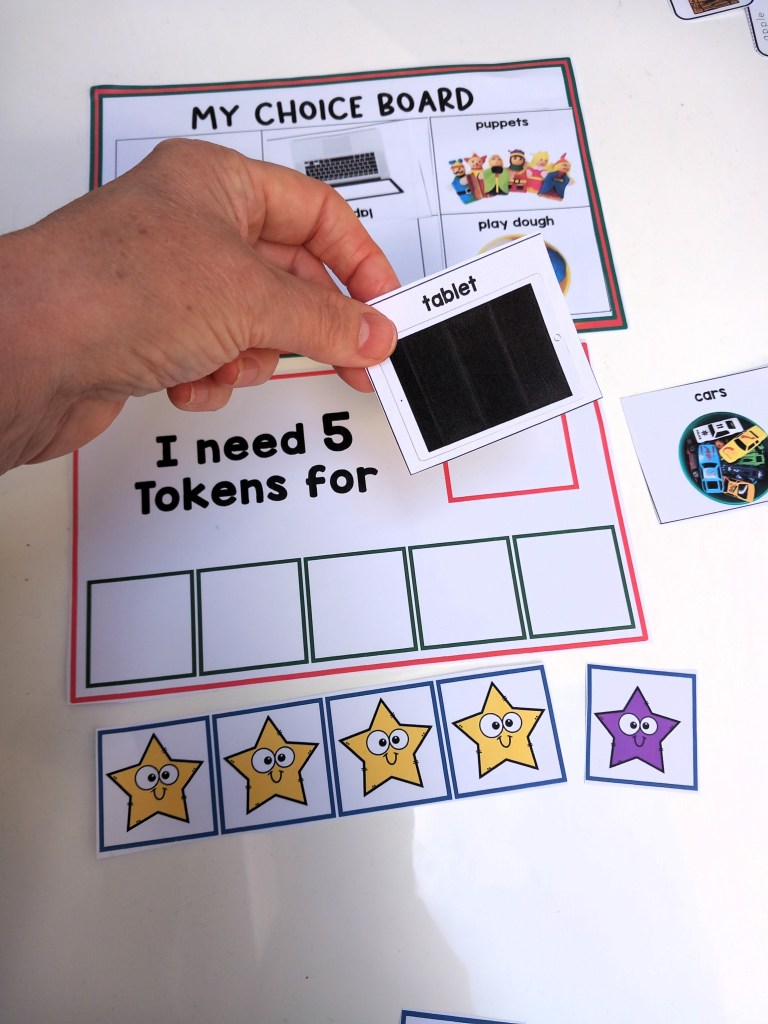
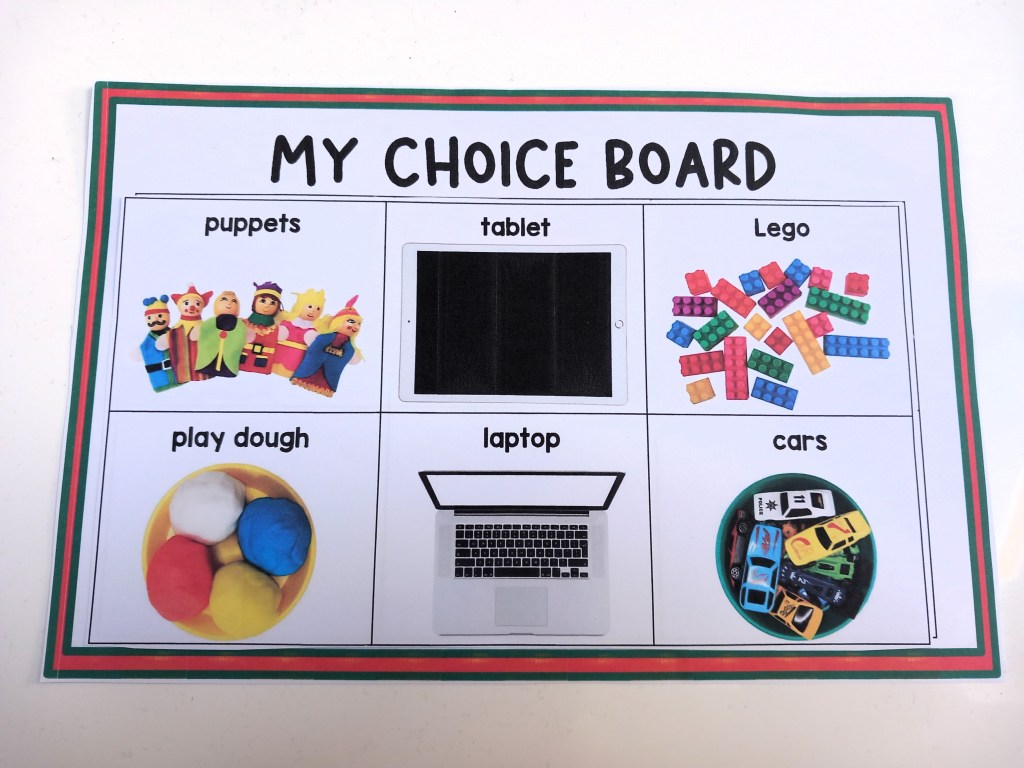
  1. The Picture Board: A picture board is an excellent way to engage young learners who are still developing their reading skills. You can create a board with pictures of various rewards, such as stickers, small toys, or even a favorite activity. When a student earns a certain number of tokens, they can choose a picture from the board as their reward.
  2. The Themed Board: A themed board can be a fun and creative way to encourage positive behavior. You can create a board that corresponds with a current unit of study, such as Summer Time or the Farm Animals. Each time a student demonstrates positive behavior, they can earn a token that corresponds to the theme.
  3. The Color-Coded Board: A color-coded board can be a simple and effective way to track progress and reward positive behavior. You can assign each student a color, and when they earn a token, they can add it to their designated color section. This can help students see their progress and encourage healthy competition.
  4. The Token Exchange: This token reward board involves giving students the ability to exchange their earned tokens for rewards that they value. For example, students can earn tokens for positive behavior, and then exchange these tokens for privileges or items such as extra computer time, or a favourite toy.
  5. The Goal Board: A goal board can be a powerful tool for helping students set and achieve their goals. You can create a board with specific goals, such as not shouting out, completing tasks, sharing with friends or listening to Teacher. Each time a student reaches a goal, they can earn a token towards a larger reward.

The key to making successful boards is to make them engaging and personalized for students, so they are motivated to earn tokens and achieve their goals.

By incorporating fun and engaging themes, colors, and rewards, you can help students develop new skills, build confidence, and achieve their goals.

For Resource ideas visit my TPT Store

Token Board Ideas

Token Boards can come in all shapes and sizes but they all should do the same thing… Motivate, Regulate and Reinforce Positive Behavior.

With the Summer term fast approaching I wanted to incorporate some fun and uniqueness into my Boards!

ICE LOLLIE AND BUBBLE GUM TOKEN BOARDS

Funny looking I know! but fresh and engaging for the last term with my little brigade.

Children in my class learn and work at different levels and use token reward systems with motivators they’ve chosen, so I made sure there was a place for the motivator picture and a bunch of others to alternate between if needed. I always adapt the Boards to meet each child’s interests and needs, this in its self makes them unique enough to motivate them to learn in my busy classroom.

Token are used like an IOU and once collected can be exchanged for the actual reinforcer they’ve chosen. Students can start off collecting 3 token before gaining their reinforcer and build up to 10 tokens once the concept is mastered and they’re ready to learn a little longer.

Reinforcers are offered before the task starts and tokens are distributed throughout.