
For many children with autism or other special needs, traditional books can sometimes be a passive experience. But what if books could become hands-on, engaging, and tailored to each child’s communication and learning style? Enter interactive, adapted books with detachable visuals—a game-changer in special education classrooms.
What Are Interactive, Adapted Books?
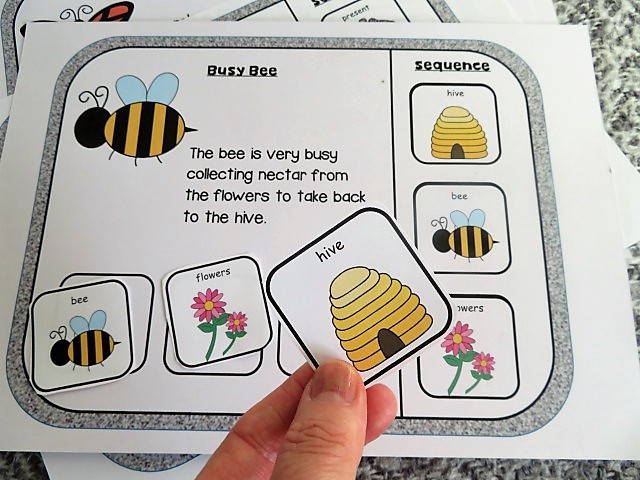
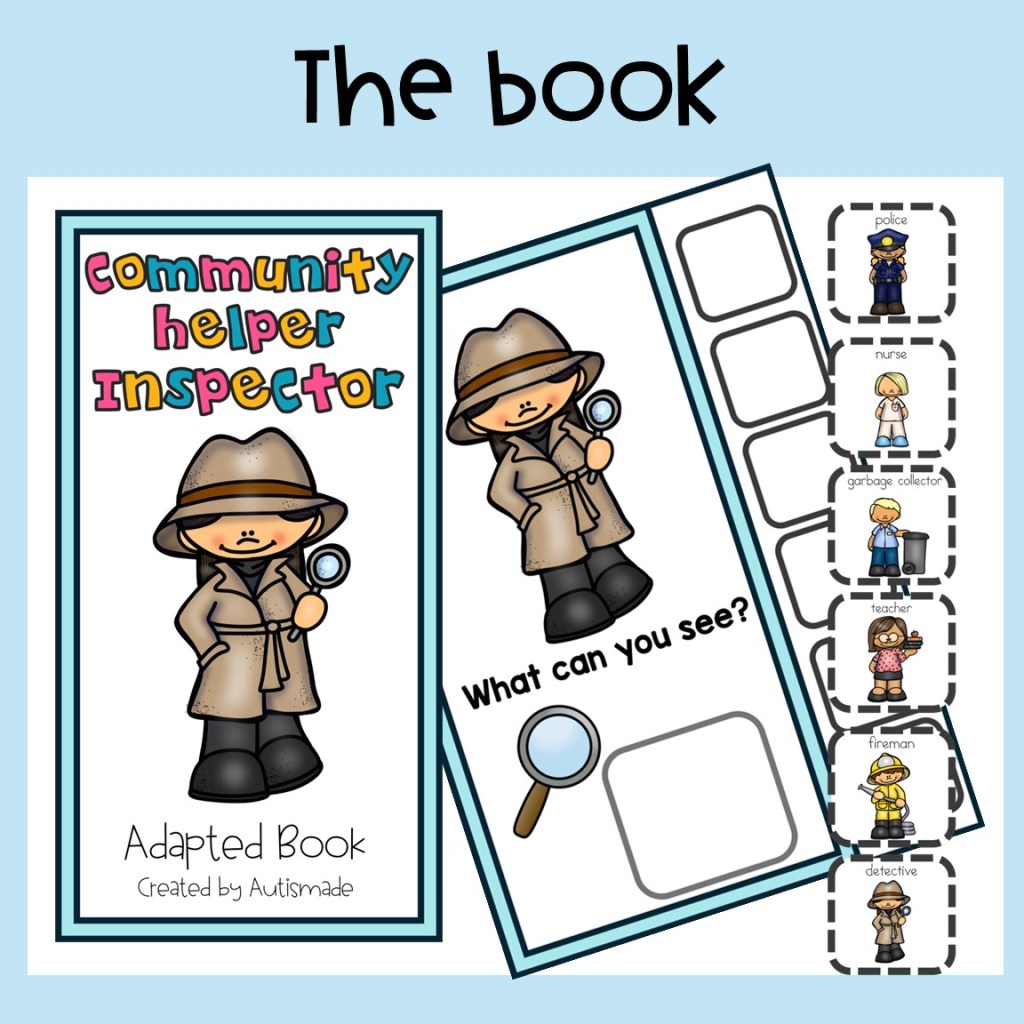
Interactive books are modified versions of regular storybooks or nonfiction texts that include:
1. Velcro-backed visuals (like symbols, pictures, or words)
2. Interactive elements (like flaps, matching tasks, or fill-in-the-blank pages)
3. Simple, repetitive language to build understanding

These books are especially helpful for:
* Students with autism
* Nonverbal or minimally verbal learners
* Kids working on expressive and receptive language skills
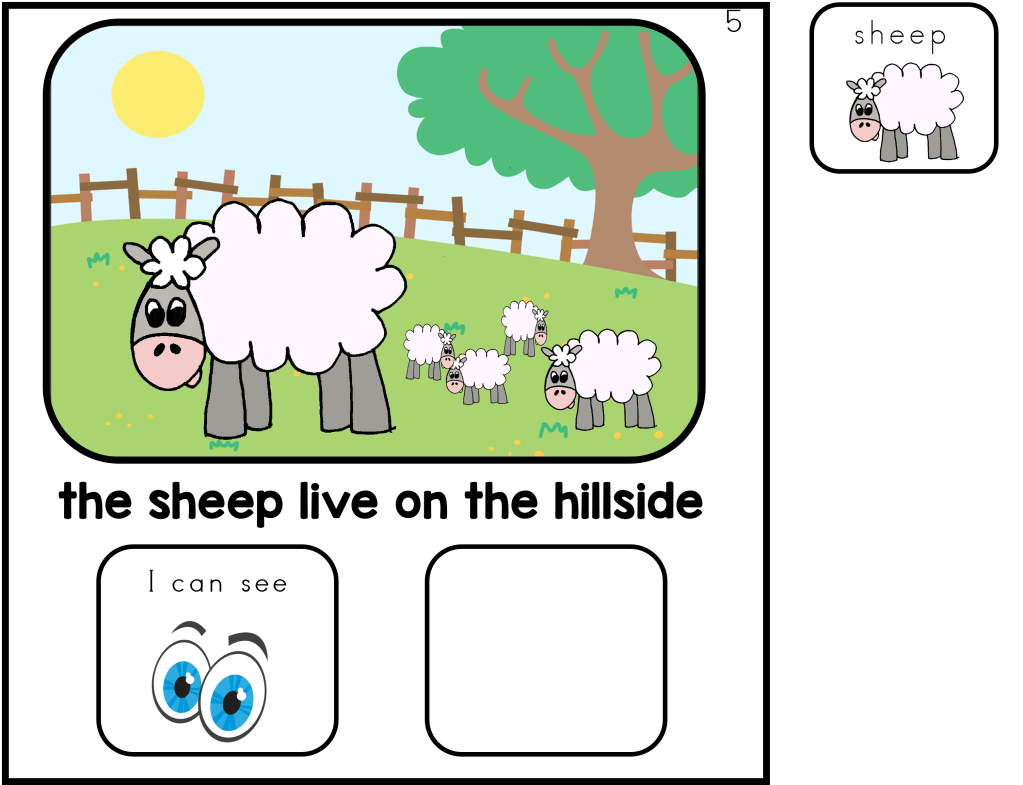
Detachable visuals allow students to:
Actively participate in reading by matching, choosing, or sequencing pictures
Reinforce communication with photos, pictures or symbols
Improve attention span by making reading more dynamic
Practice fine motor skills by pulling and placing Velcro-backed pieces
How to Use Adapted Books in the Classroom
Here’s a simple step-by-step guide:
1. Choose the Right Book
* Pick a story or concept that matches the student’s interest and comprehension level.
* Common themes include: feelings, animals, routines, weather, or food.

2. Prepare the Book
* Print and laminate each page.
* Add Velcro dots to the detachable visuals and matching spots in the book.
* Organize visuals on a “choice board” or in a binder for easy access.
3. Model and Prompt
* Read the book aloud and model how to match or place visuals.
* Prompt students to interact (“Can you find the red apple?” or “What comes next?”).

4. Encourage Communication
* Use visuals to practice answering WH-questions (What? Where? Who?).
* Offer sentence starters or AAC support to promote expressive language.
5. Make it Routine
* Use adapted books during circle time, one-on-one sessions, or independent work stations.
Tips for Success
* Start simple: Use 2–3 visuals per page and gradually increase as the student grows more confident.
* Use themes: Rotate books based on seasons, holidays, or IEP goals.
* Personalize visuals: Include real photos of students or classroom objects when possible.
* Celebrate participation: Use praise, tokens, or sensory breaks as reinforcement.
Free & Low-Cost Resources
Looking for ready-made templates or printable adapted books? Try:
* Teachers Pay Teachers (TpT)
* Tarheel Reader
Interactive, adapted books don’t just teach literacy—they create meaningful, hands-on learning experiences that build communication, confidence, and connection. Whether you’re working with a pre-verbal preschooler or a student learning to use AAC, these books offer a powerful tool for inclusive, engaging education.
Discover more from Autismade
Subscribe to get the latest posts sent to your email.

