Effective Communication Tools: Editable Behavior Supports

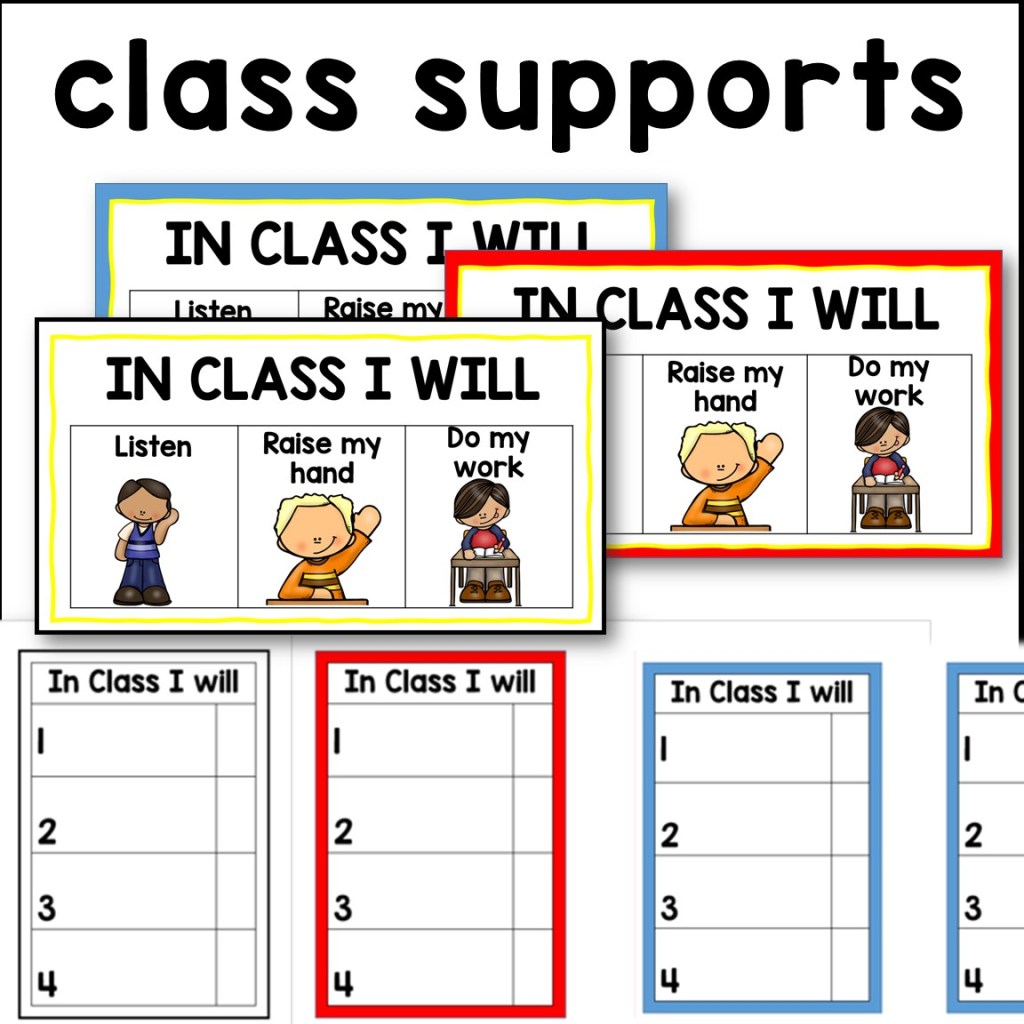
Support positive behavior, communication, and independence with this customizable set of visual behavior cards. Designed for special education, autism support, early learners, and students who benefit from visual supports, these resources help reinforce routines, encourage self-advocacy, and promote successful classroom participation.

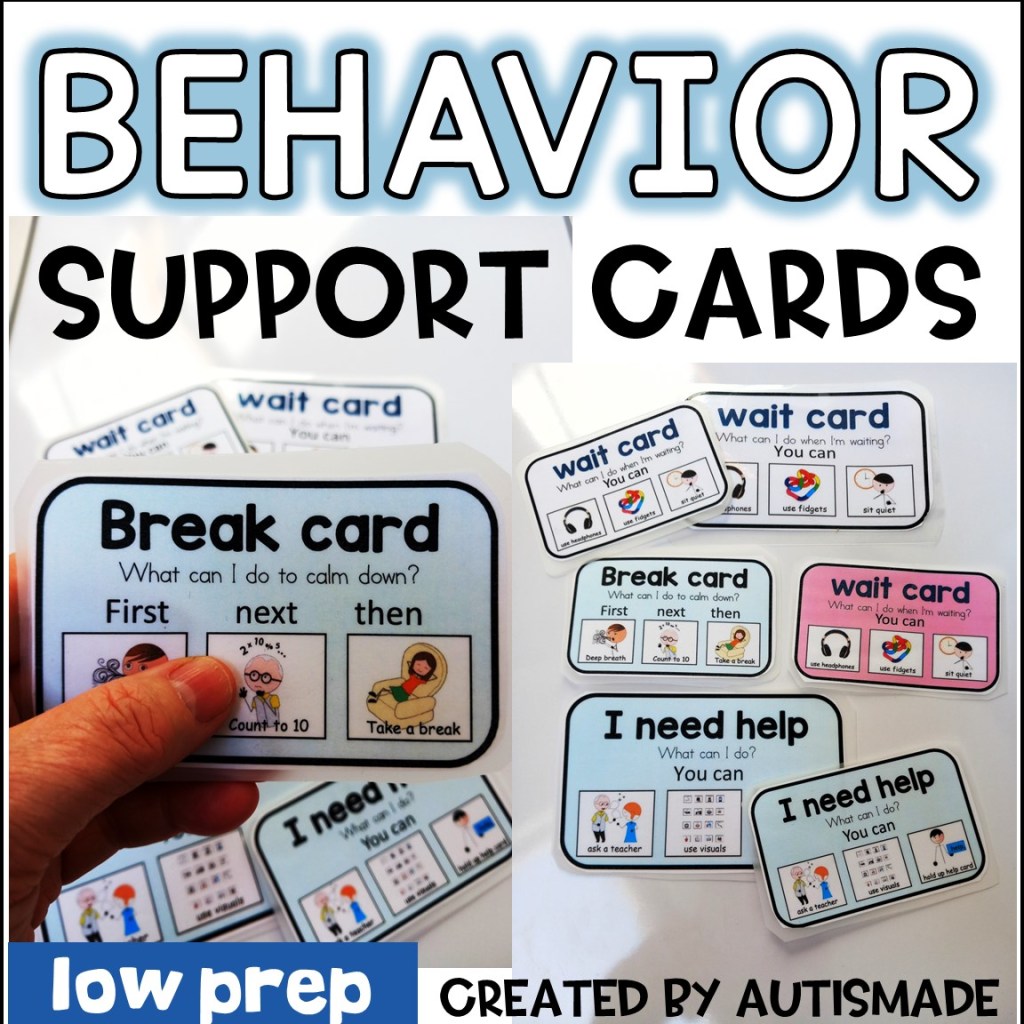
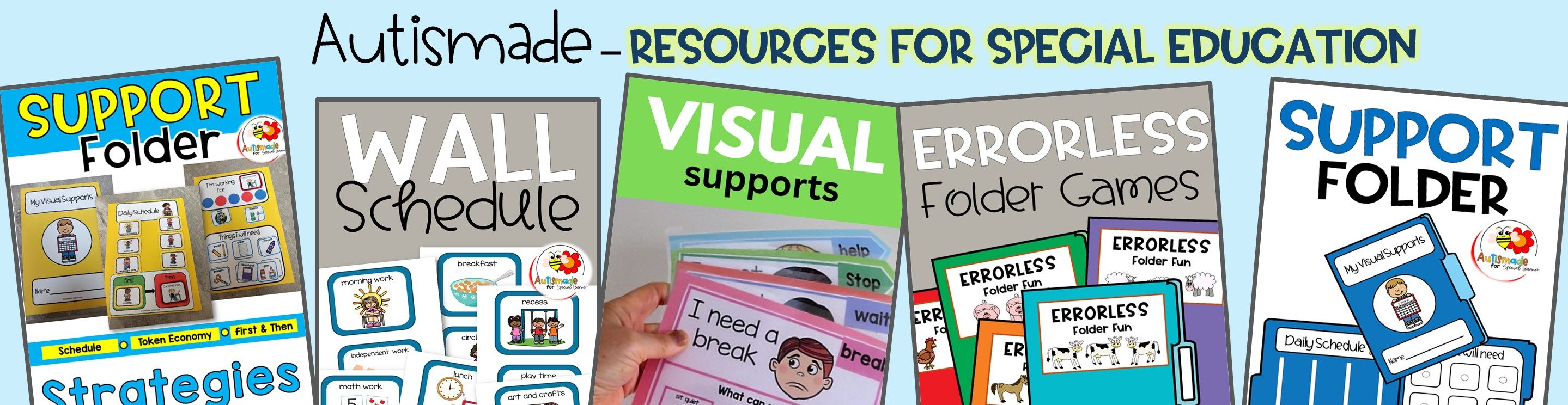
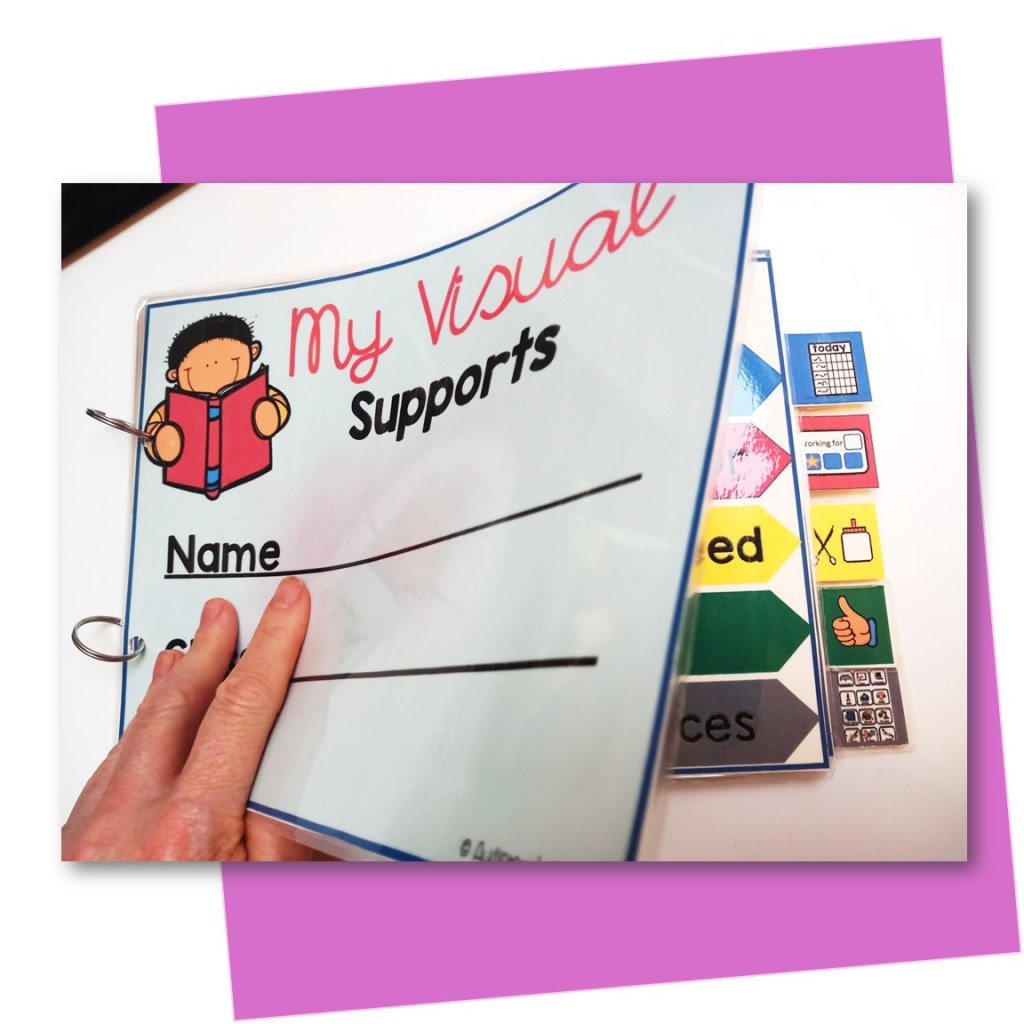
These Editable Behaviour Support Cards, Break Cards, Asking for Help all with visual cues are perfect for those on the spectrum or needing additional help. Customize these visual cue cards to fit your needs and watch the transformation happen right away!

They have been a life saver in my classroom management, students can ask for a break, help and understand when they need to wait and what comes next.

Included in this customizable behavior support cards package:

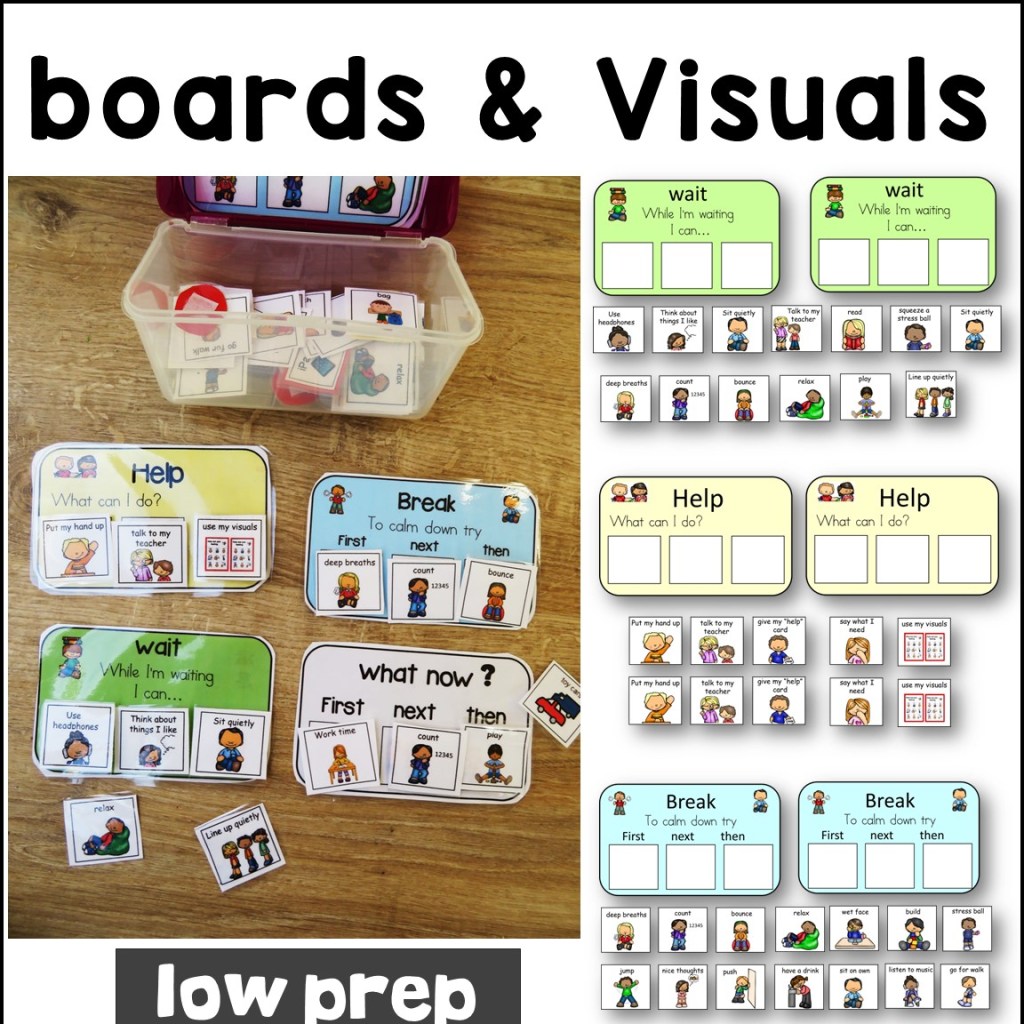
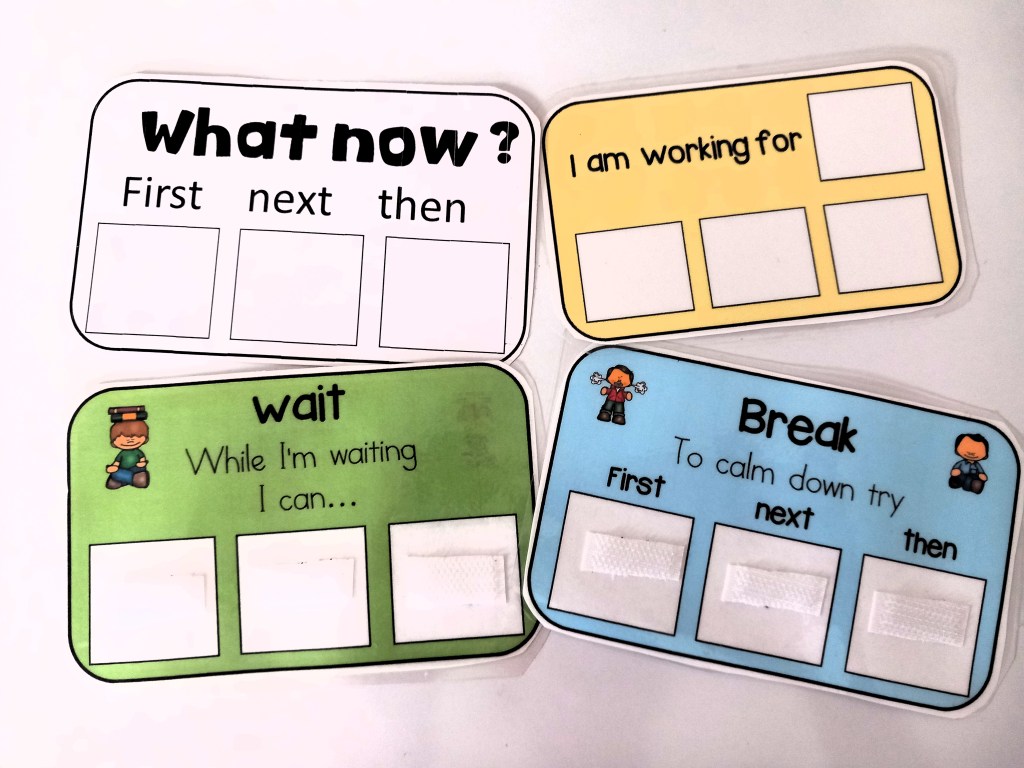
  • Wait Cards – Help students learn patience and understand when they need to wait for a turn, activity, instruction, or reward.
  • Break Cards – Support self-regulation by providing students with a visual way to request a break when needed.
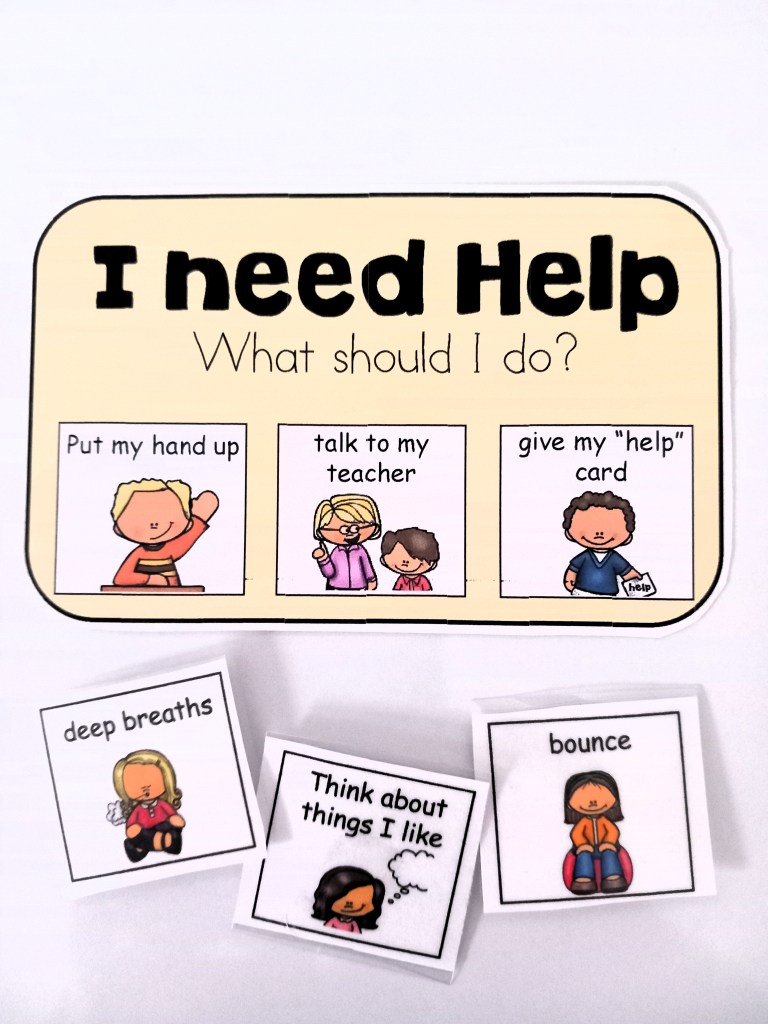
  • Help Cards – Encourage functional communication by helping students appropriately ask for assistance.
  • First, Next, Then Cards – Visual sequencing tools that support routines, transitions, task completion, and understanding expectations.
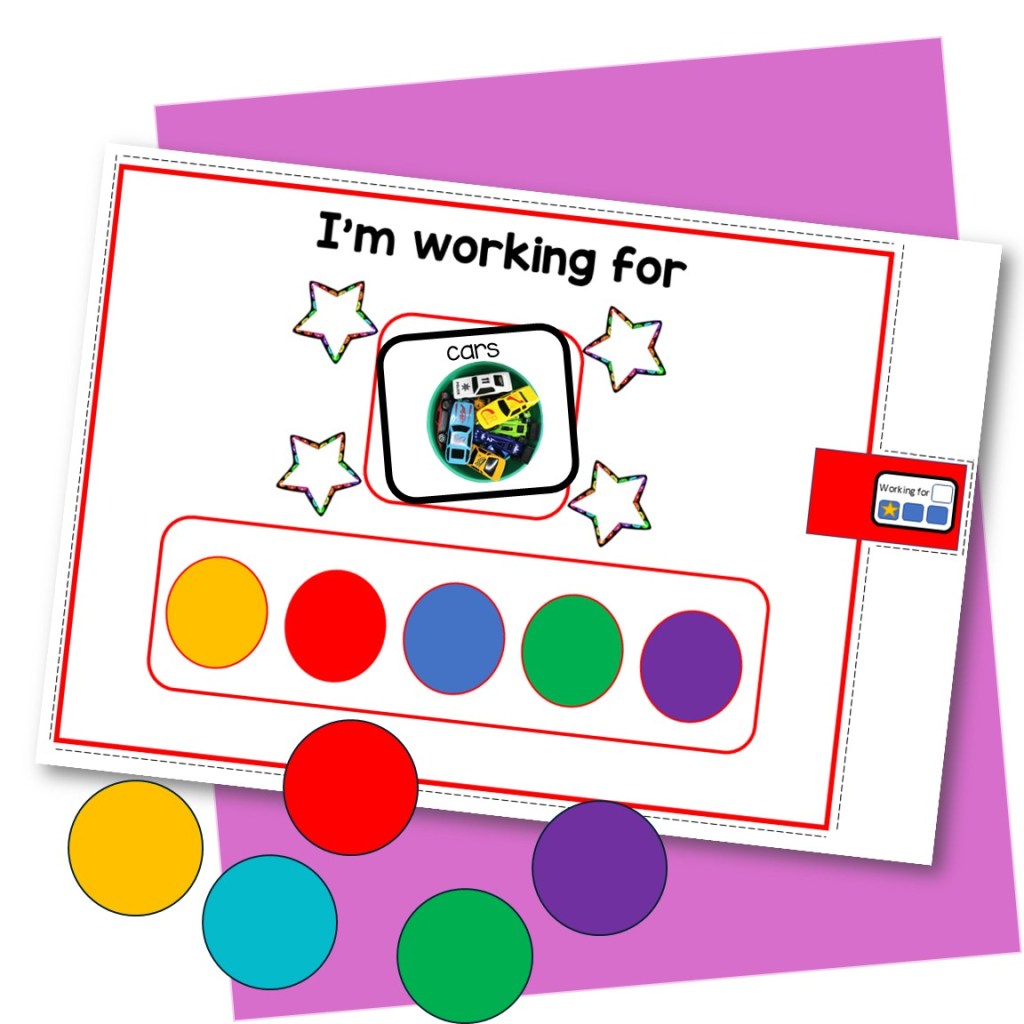
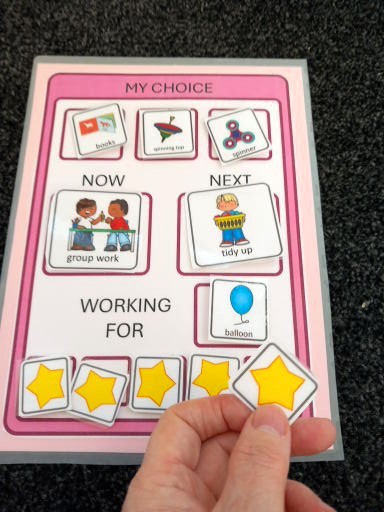
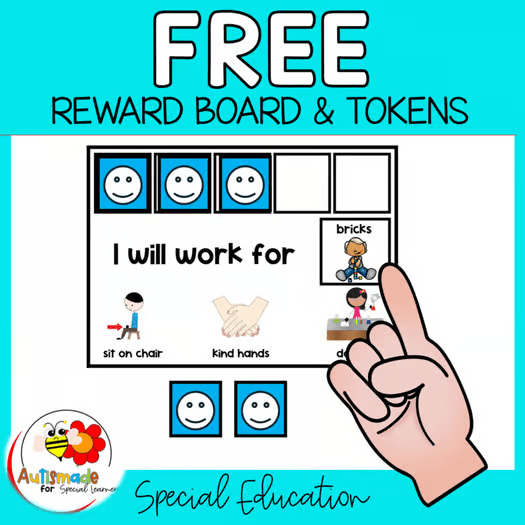
  • Token Reward Cards – Positive behavior support tools that allow students to earn and track tokens toward a chosen reward.
  • Reward Symbols (Visuals) – Visual representations of rewards and motivators that can be used with token boards and behavior management systems.
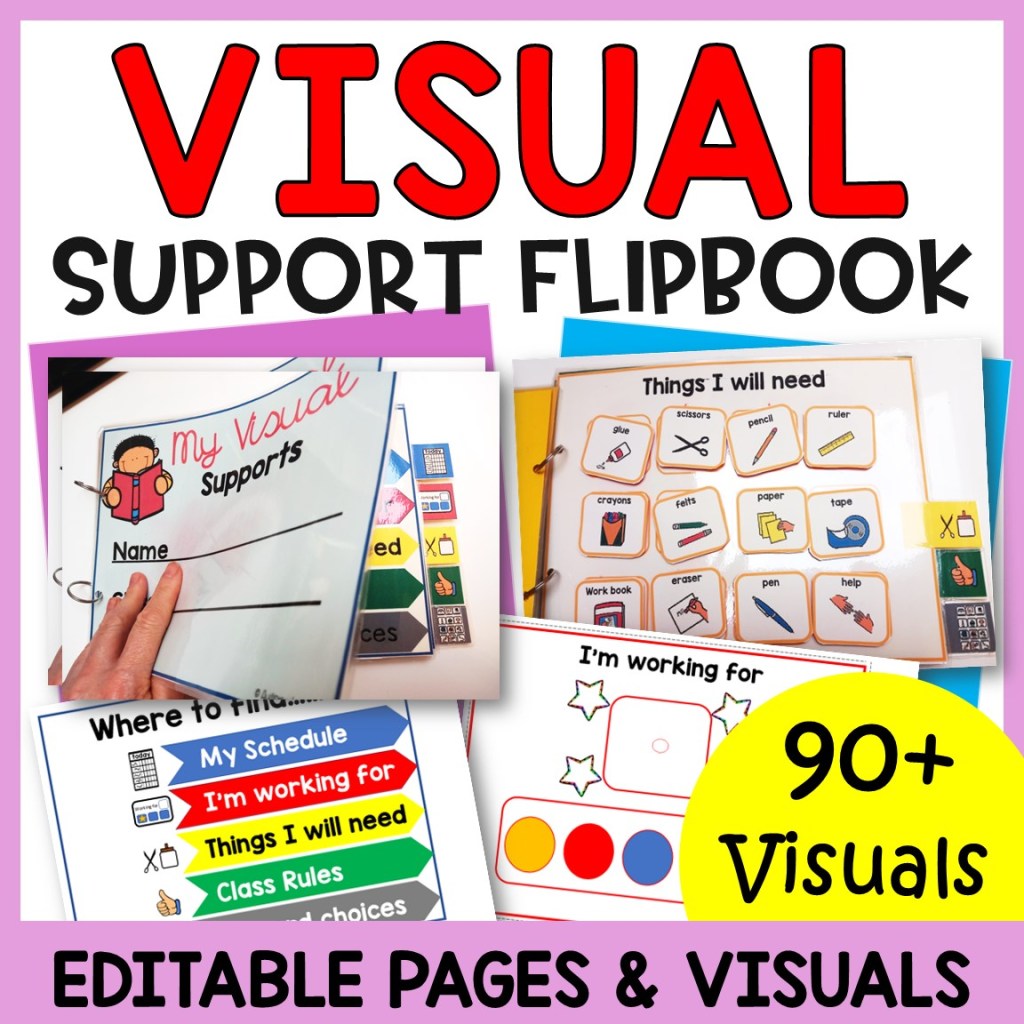
  • Card Visuals (44 Designs) – A set of 44 versatile visual icons that can be customized and used across schedules, behavior supports, communication aids, and classroom routines.

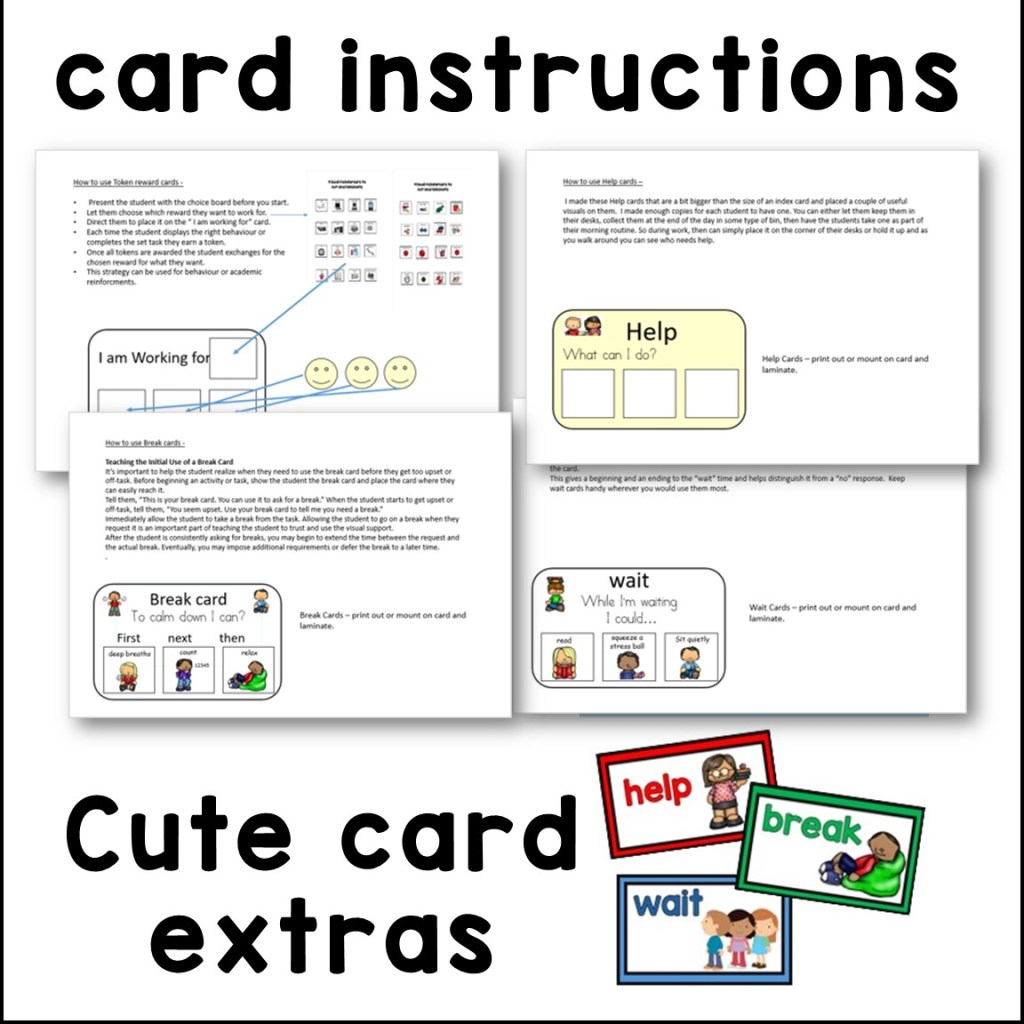
Ideal for special education classrooms, autism support programs, early intervention settings, speech therapy, behavior intervention plans, and home learning environments. Simply print, laminate, and customize to meet your students’ individual needs.

Effective Token Boards for Special Education Learners

(And How I Use 3, 5, and 10 Token Boards to Support Every Learner)

There was a time in my classroom when motivation felt like a moving target. One student needed constant reminders, another shut down halfway through a task, and my AAC users were clearly trying to tell me something I hadn’t quite figured out yet.

Then I pulled out a token board!

Not a flashy one. Not complicated. Just a clear, visual way to show expectations, progress, and success. And honestly? It changed everything.

What Is a Token Board and Why It Works

A token board is a visual behavior support tool that helps students see their progress toward a goal. Instead of abstract reminders like “almost done” or “keep trying,” students can see how close they are to earning a reward or preferred activity.

For my Special Education students, AAC users, and visual learners, that clarity made all the difference.

Token boards support:

Positive behavior reinforcement

Task completion

Self-regulation and emotional regulation

Motivation for nonverbal and AAC users

Clear expectations in the classroom

Why I Use 3, 5, and 10 Token Boards

Not all students need the same level of support, and that’s where differentiated token boards come in.

3-token boards are my go-to for:

  • Early learners
  • Students new to behavior supports
  • Quick tasks and instant reinforcement

5-token boards work beautifully for:

  • Building stamina
  • Short work sessions
  • Transitional activities

10-token boards are perfect for:

  • Longer tasks
  • Goal-setting
  • Students ready for delayed reinforcement

Editable Visual Choices Matter (More Than You Think)

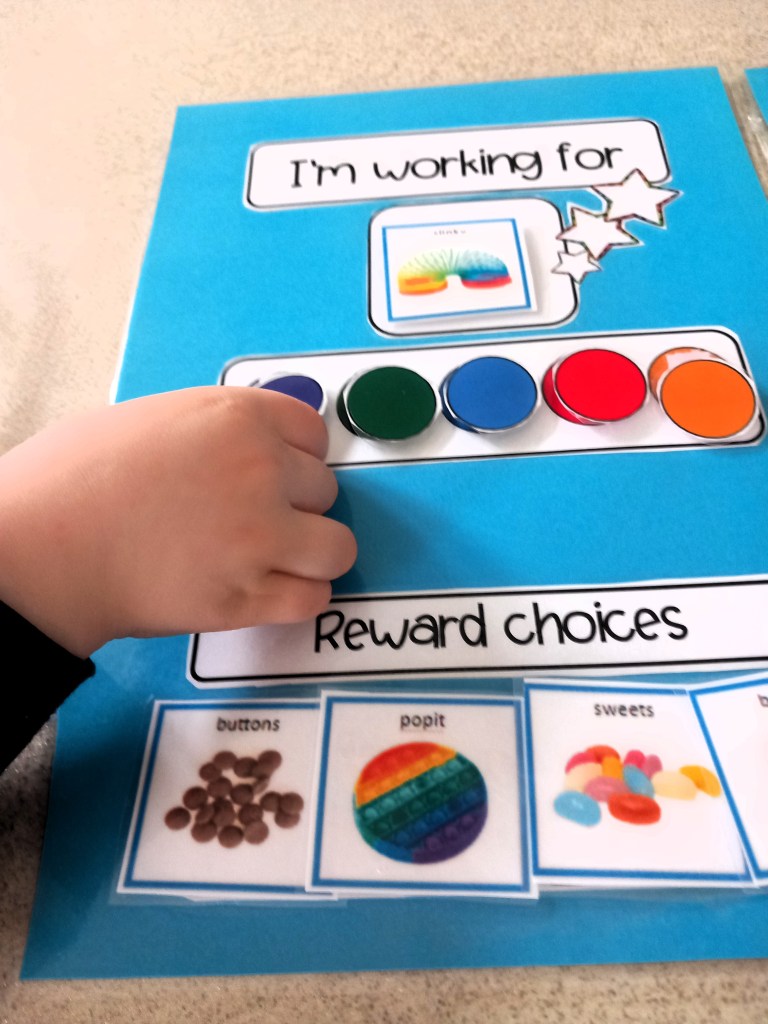
One of the biggest game-changers in my classroom was using editable token boards with visual choices.

When students can see their motivators, whether it’s a favorite activity, sensory break, or preferred item, engagement skyrockets. This is especially powerful for:

  • AAC users
  • Autistic students
  • Students with limited expressive language

Visual choices give students a voice before they even place the first token.

How Token Boards Support AAC and Special Education Classrooms

In AAC and Special Education settings, visuals are not extras. They’re access tools.

The Token board helps me:

  • Reduce verbal overload
  • Support receptive language
  • Create predictable routines
  • Reinforce communication attempts
  • Build independence over time

Instead of constant verbal prompting, the board does the talking. And students respond to that consistency.

A Real Classroom Win

Thoughts for other Teachers

If you’re feeling stretched, juggling behavior support, AAC needs, and a room full of learners who all need something different, start simple.

A clear token board, matched to the right level, with meaningful visual choices can turn chaos into calm and effort into progress.

Click here for more token board ideas