Being a special education teacher can be both rewarding and challenging. Teaching in Special education will require a unique set of approaches to effectively support young learners with diverse learning needs. Whether you’re newly graduated or moving from a general education setting, here you’ll find some valuable tips to help you thrive in your new classroom role.
Build Relationships:
A meaningful connection with your students is essential. Take the time to learn and understand their individual needs, preferences, and communication styles. Build a positive learning environment and spend time finding ways to motivate and encourages students using their own preferences and interests.

Collaborate with Support Staff:
As a Special education Teacher you will often collaboration with speech therapists, occupational therapists, behavior specialists, and other professionals. Work closely with these experts to create comprehensive education plans and implement effective strategies for your students.
Individualized Education Plans (IEPs):
Get to know IEPs of your students. IEPs will outline goals, accommodations, and modifications necessary for each student’s success. Regularly review and update IEPs based on student progress and needs.


Differentiated Instruction:
Adapt your teaching methods for each of your students, learning styles and abilities. Use a variety of instructional techniques, materials, and technologies to ensure that each student can access the curriculum at their own level and style.


Patience and Flexibility:
Working in special education requires patience and adaptability. Be prepared to modify your lessons quickly, as student needs may change from day to day.

Positive Behavior Support:
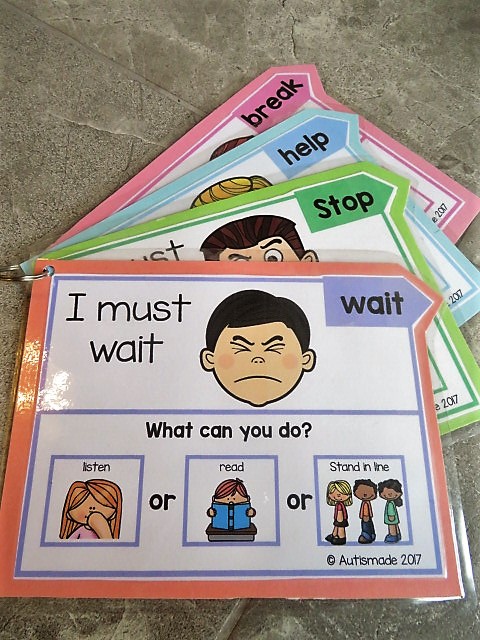
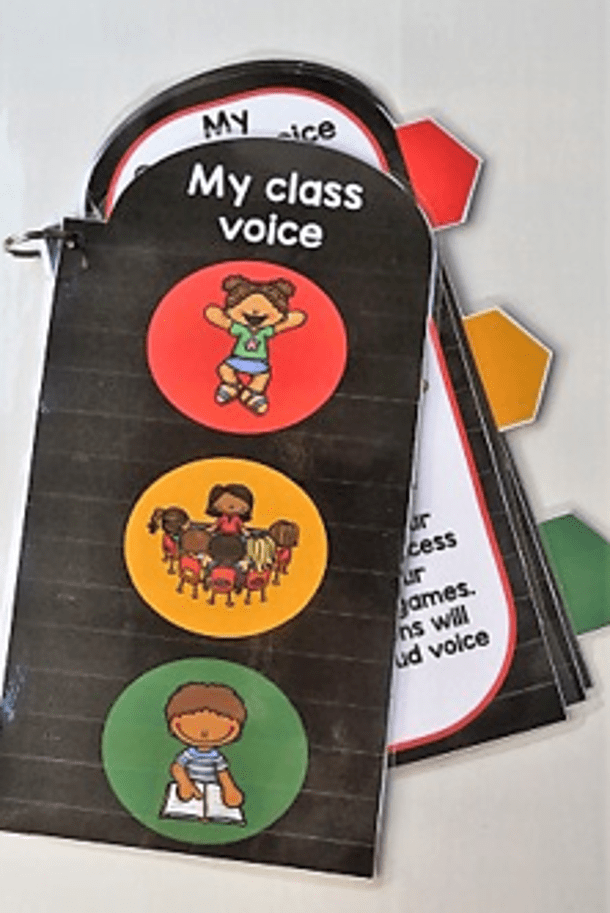
Implement a proactive approach to behavior management. Focus on reinforcing positive behaviors through praise, reward boards, reward choices, and self regulation strategies, along with running a structured classroom environment. Develop clear and consistent routines to help students feel secure.


Self-Care:
Caring for yourself is crucial for maintaining your well-being and effectiveness as a teacher. Balancing the demands of the job by setting time for yourself, will help to ensure you can continue making a positive impact on your students.
A career as a special education teacher requires dedication, compassion, and a willingness to carry on learning. By building strong relationships, collaborating with support staff, and implementing effective strategies, you can create an inclusive and supportive classroom environment where all students can thrive and reach their full potential. Remember that every day is an opportunity to make a meaningful difference in the lives of your students.