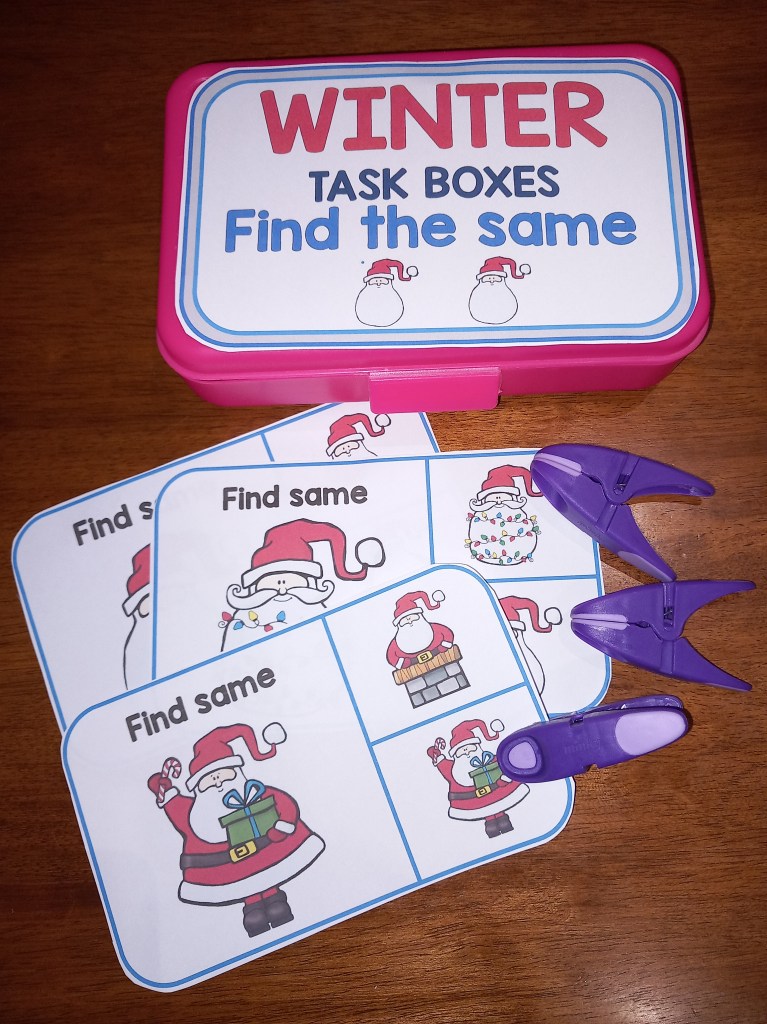
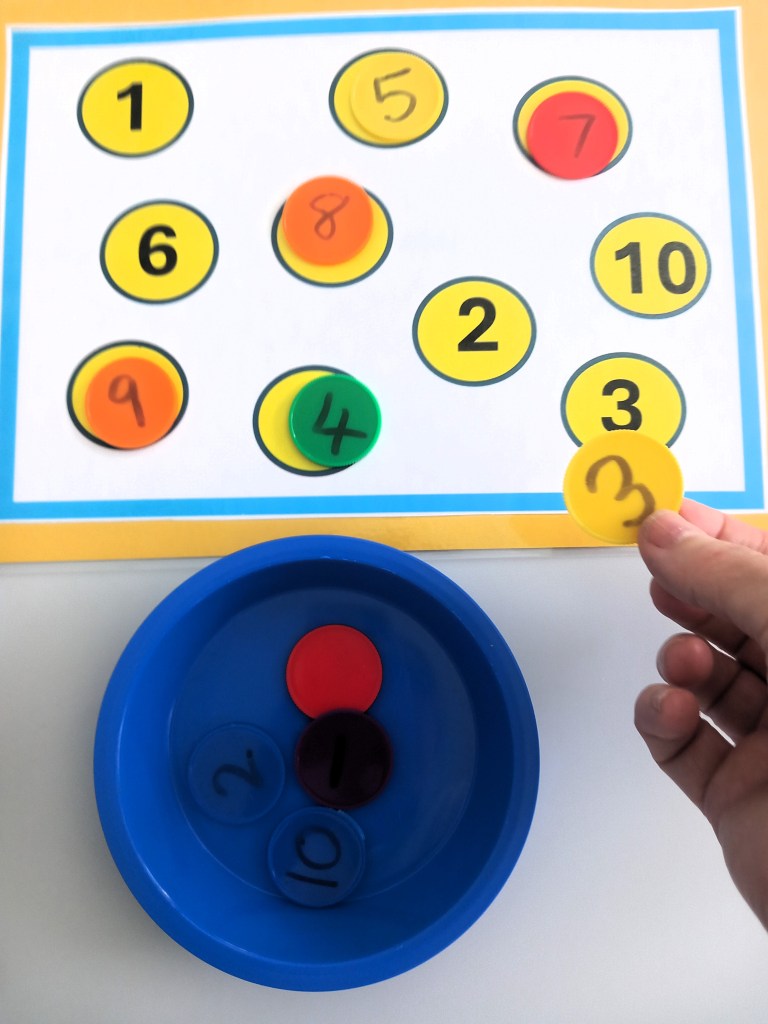
Get ready for snow filled fun with these winter themed task boxes! These hands on task cards will keep your students busy and learning while exploring their favourite time of the year!
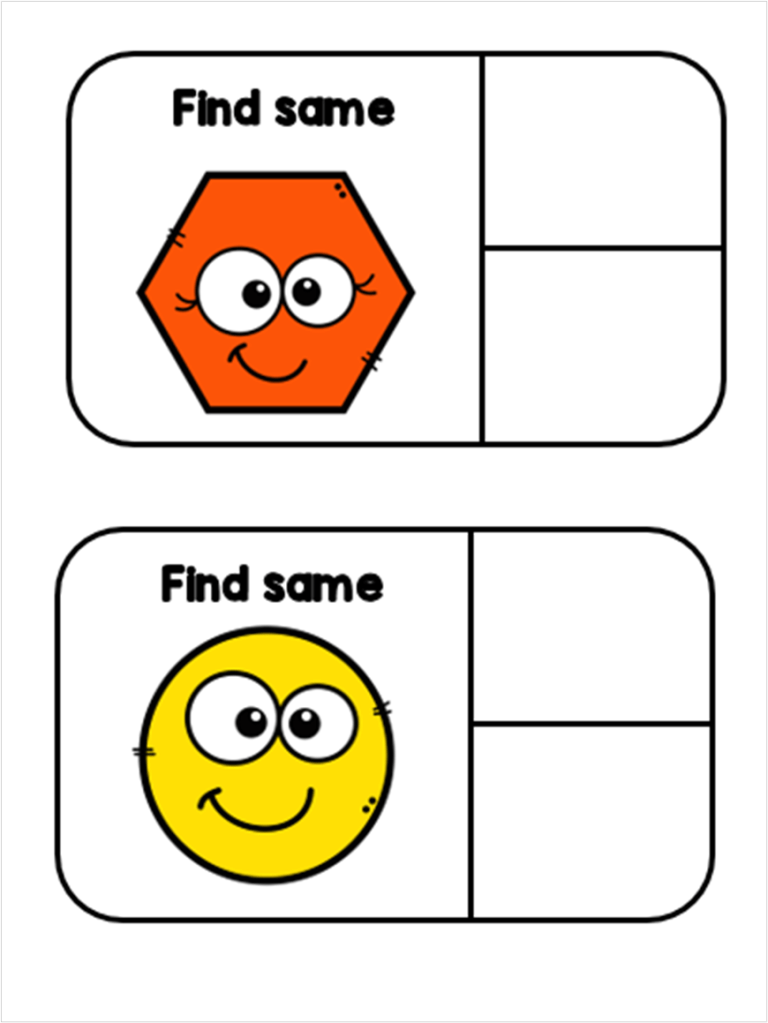
Your kids will love practicing their fine motor skills and have a blast hunting the for the same pictures.
Bring winter indoors and keep the kids entertained with these engaging and inclusive tasks for workstations, centers and fine motor stations.
Each task is thoughtfully designed to enhance motor, cognitive, and communication skills while adding to the festive cheer. Join us in making this holiday season a memorable one!
When helping a child in Special Education to learn a new skill you need to give clear and simple instructions. A visually structured task can provide the small steps needed for them to understand, stay on track and complete an activity.
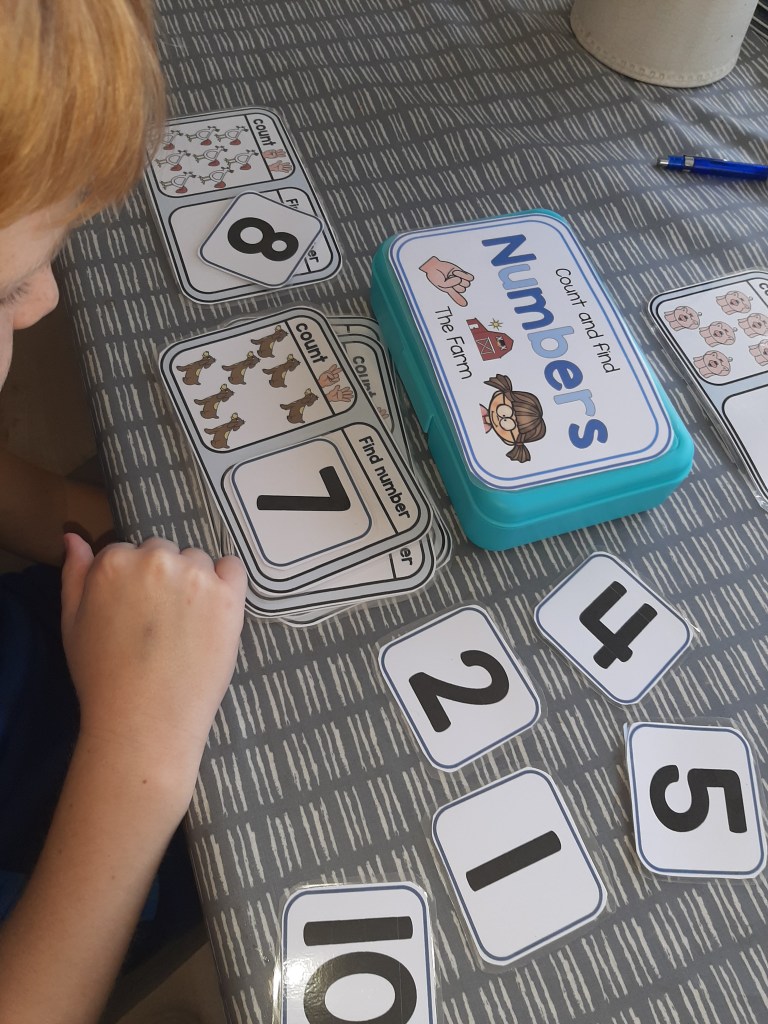
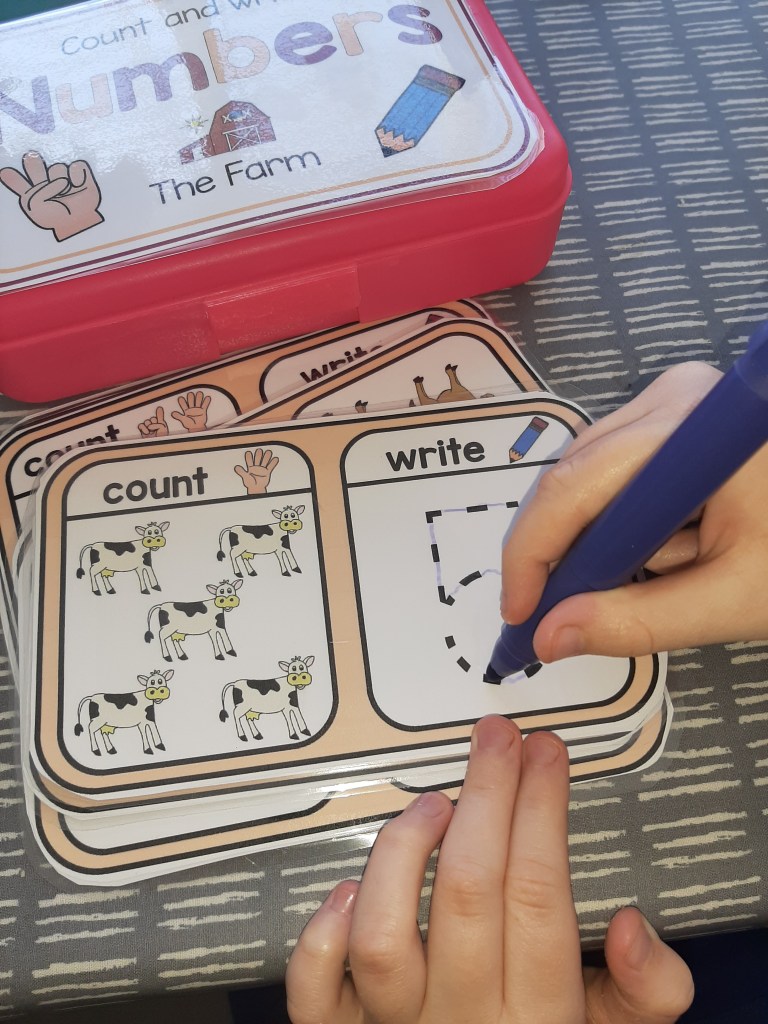
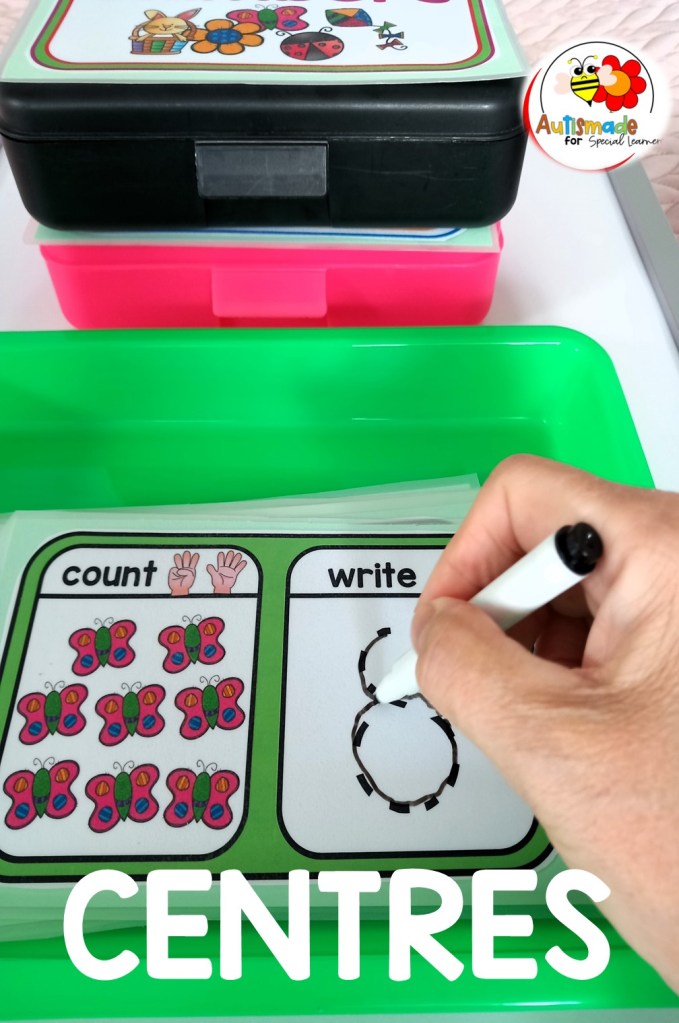
These type of Task box activities are broken down with one question to answer on each card as not to overload the learner. They enable the child to focus not only on the basic academic skills in front of them but strengthen fine motor skills, help the student develop self esteem and promote the independence I love to see in my classroom.
My workstations provide a calm area that has clear and specific visuals to help my students focus and learn. Adding these type of self-contained tasks at stations have provided continuous structure for my students to learn and master basic skills with no need for them to wander off and find other materials!
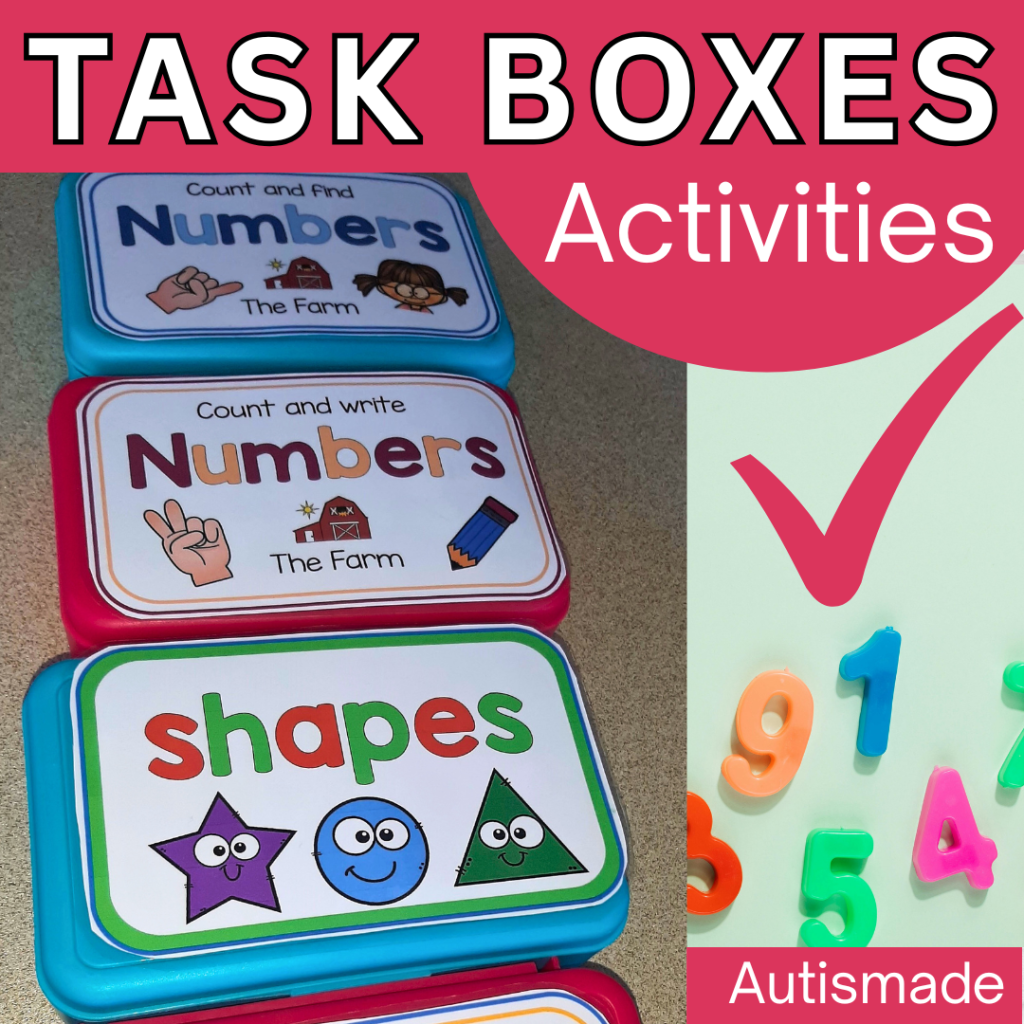
They are so handy to grab for my small group sessions as well as in the independent centres. I’ve organized them into their Curriculum groups and were able to fit into sandwich size containers! Now they’re labelled, easily stored and always ready and on hand.
It took some time to prepare them all in the beginning but now they’re just always ready to grab and go!
Independent work time in a special education classroom can feel a bit like conducting a tiny orchestra, each student playing their own part, at their own pace, with just the right amount of structure and support. When done well, independent work centers build confidence, reinforce skills, and give teachers a moment to breathe (and maybe sip that now-lukewarm coffee).
If you’re setting up or refreshing your centers, here are engaging, low-prep, and effective ideas designed specifically for PreK–2nd grade special education learners.
Why Independent Work Centers Matter
Independent work systems help students:
Build independence and task completion skills
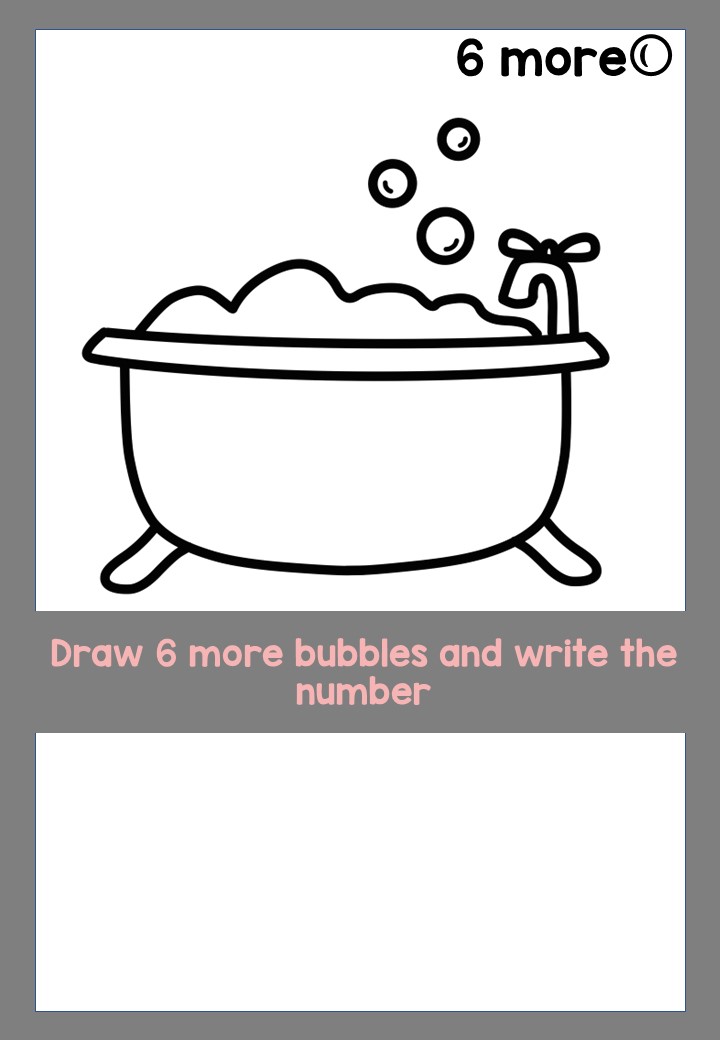
Strengthen fine motor and early math abilities
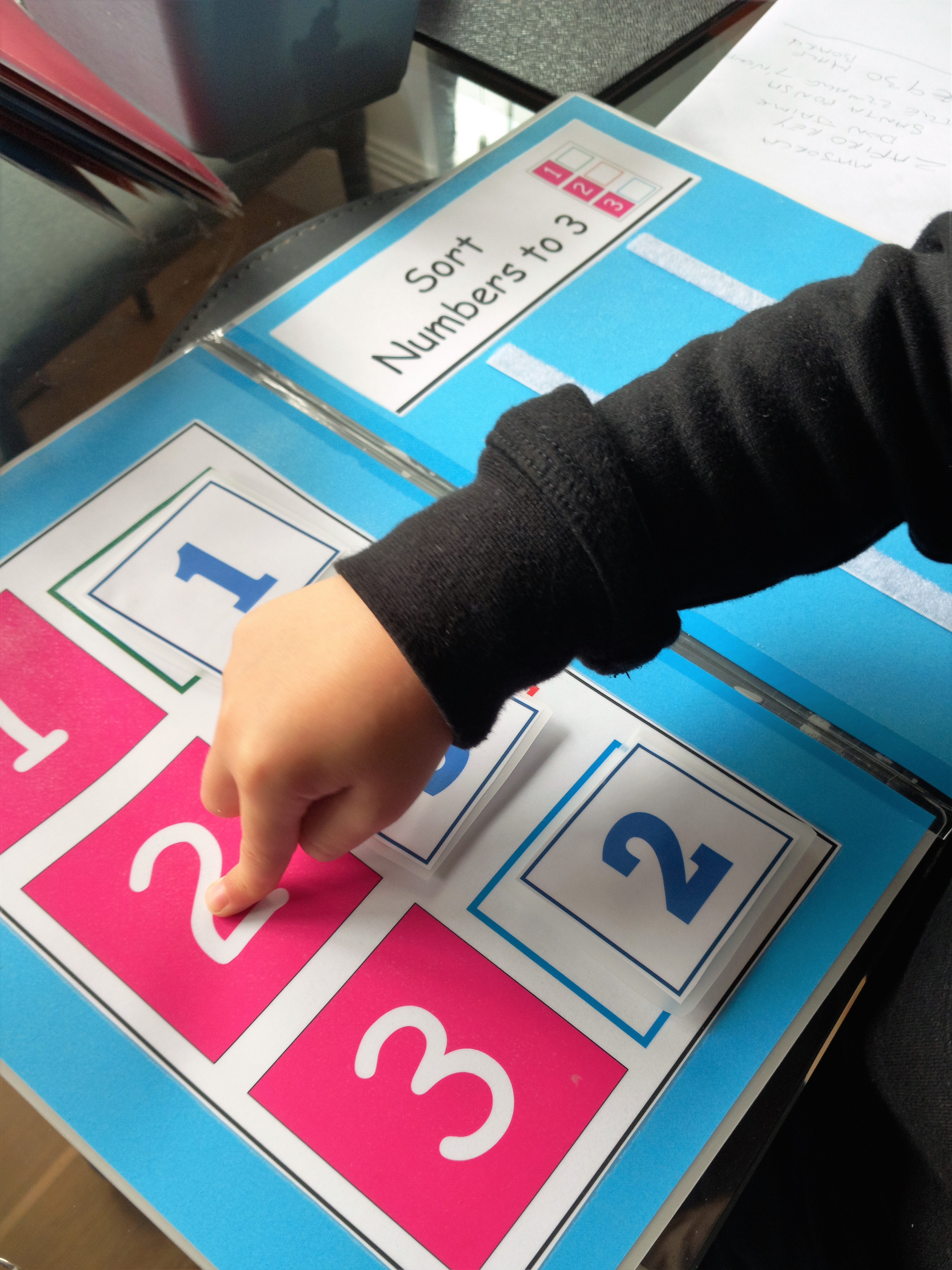
Practice number recognition and counting
Develop confidence through predictable routines
Using structured systems also reduces behaviors and increases student success—win-win!
Tip: Keep rotations consistent each day.
Rotation Systems That Actually Work
A smooth rotation system is the backbone of your centers.
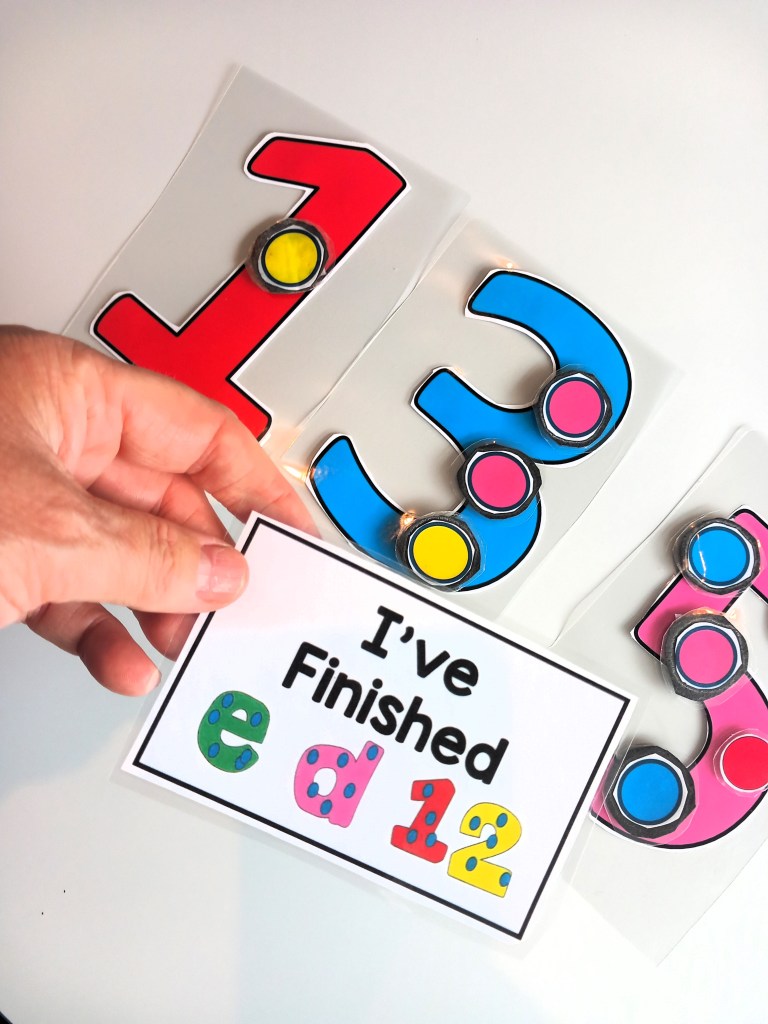
Enter: Finished Cards.
Try these simple options:
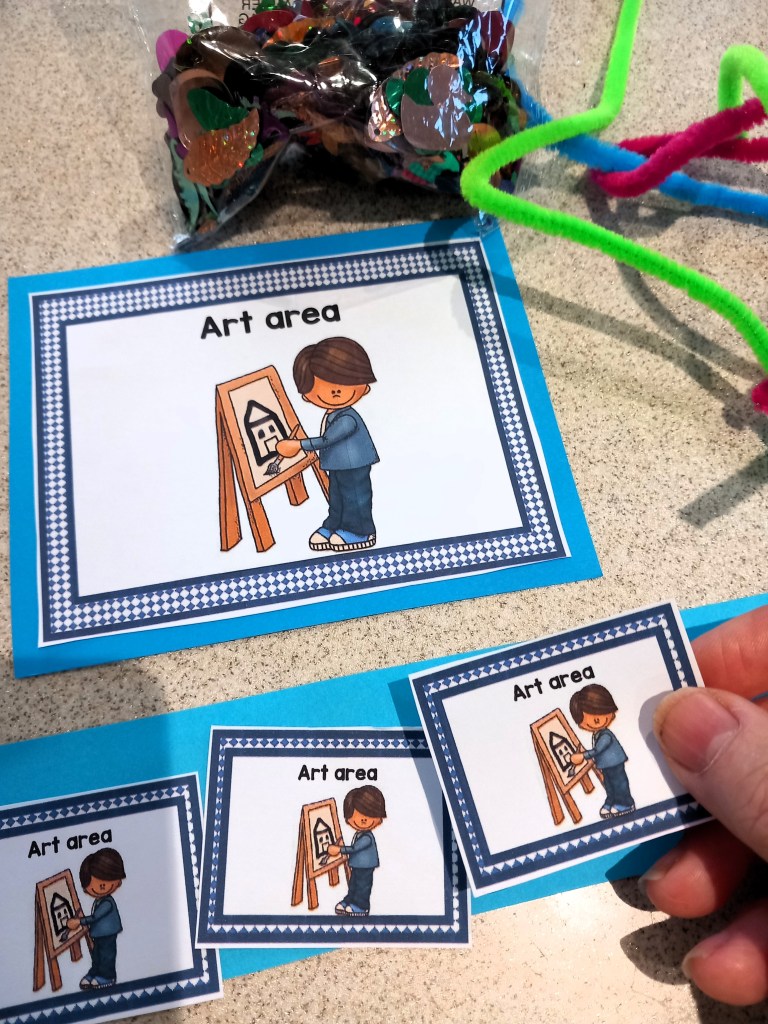
Visual Rotation Charts: Use icons or photos to show students where to go next
Color-Coded Groups: Red group = math, blue group = fine motor, etc.
Timer-Based Rotations: 10–15 minute intervals work well for younger learners
“Finished” Cards for Clear Expectations
“Am I done yet?”—we’ve all heard it.
Students place the card in a bin when done
Provides a clear visual endpoint
Encourages independence and reduces interruptions
You can even add a “Check Work” step for students ready for that extra responsibility.
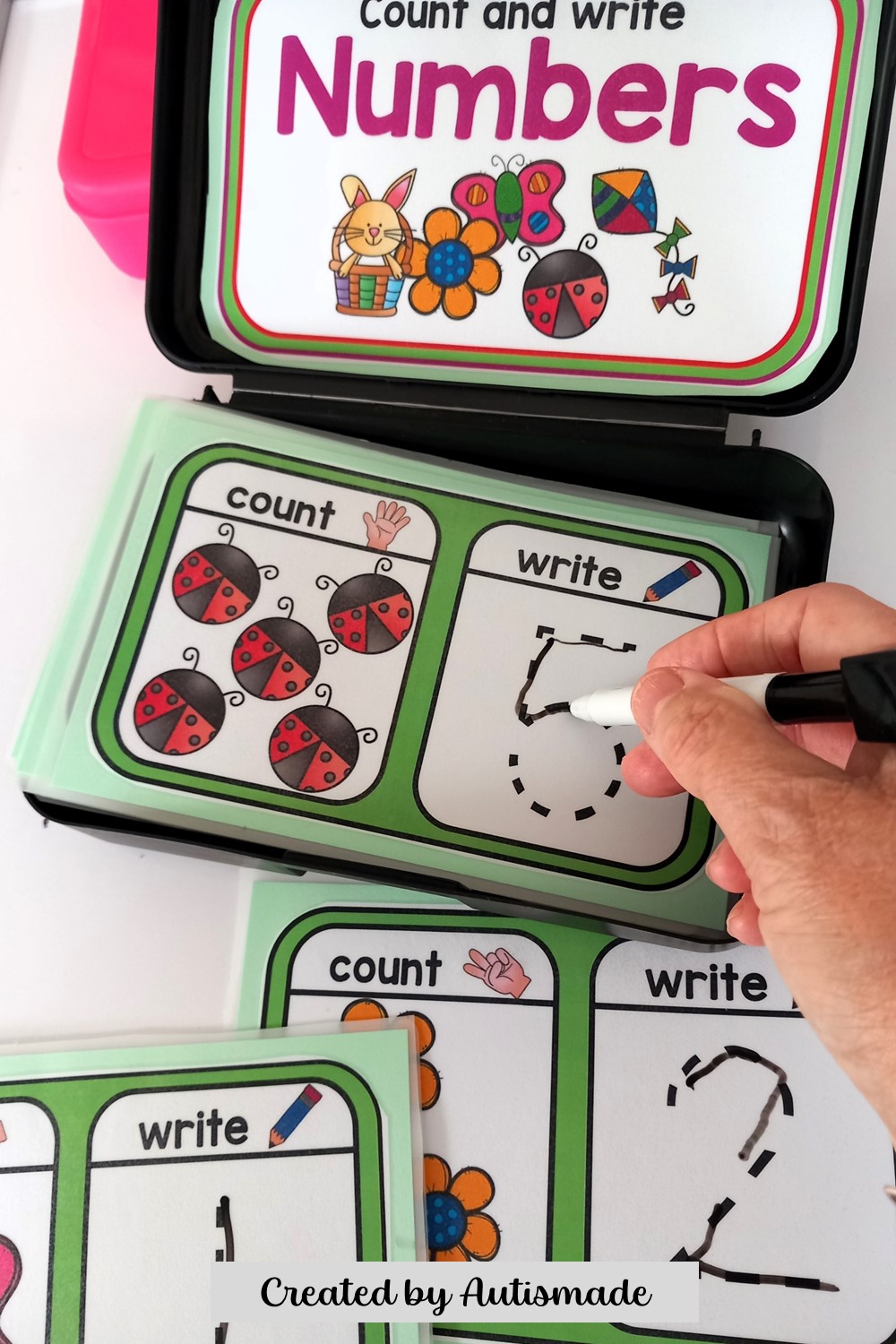
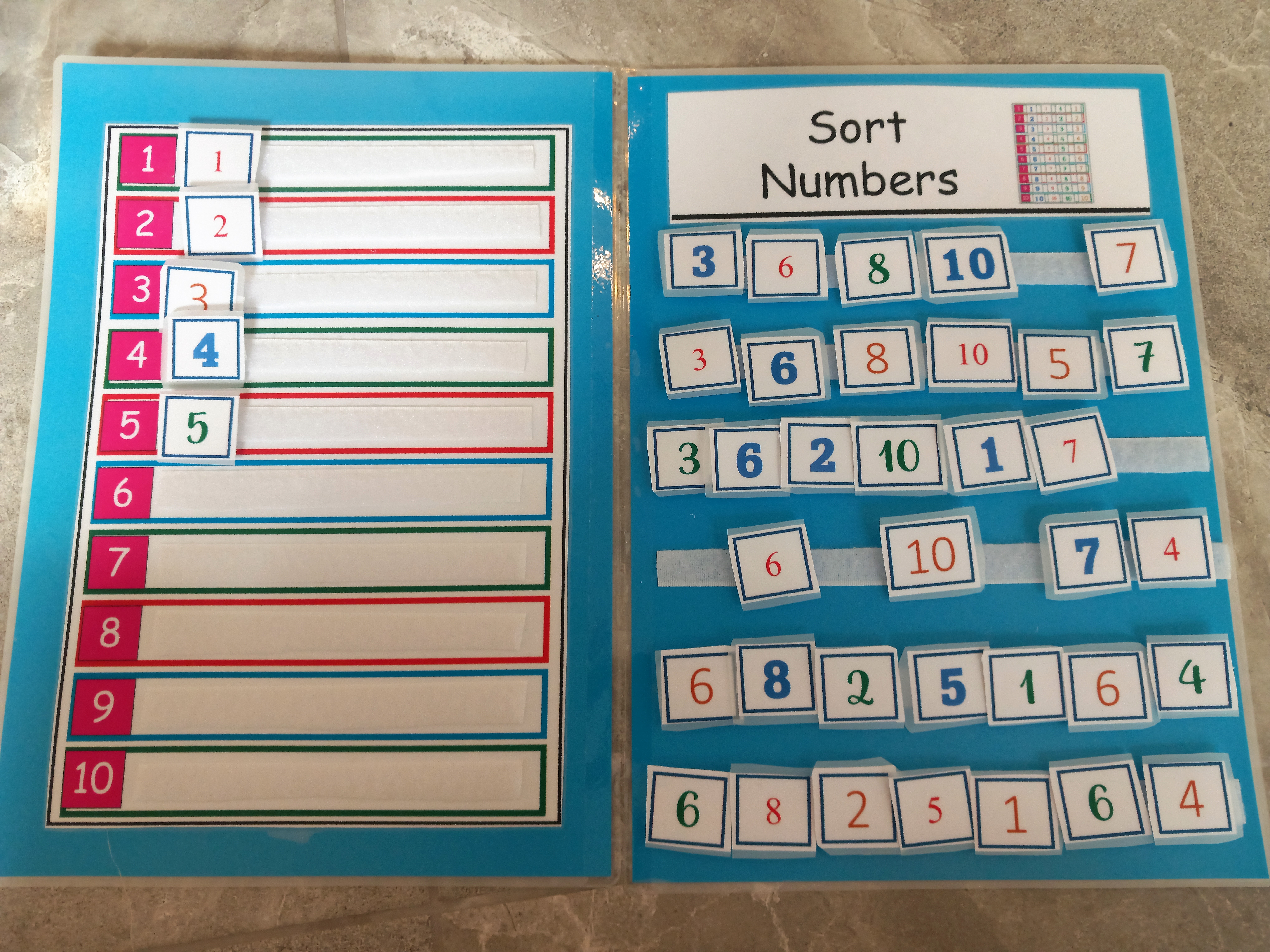
Math Binders (Numbers to 10)
Math binders are like tiny skill gyms for little learners
Include:
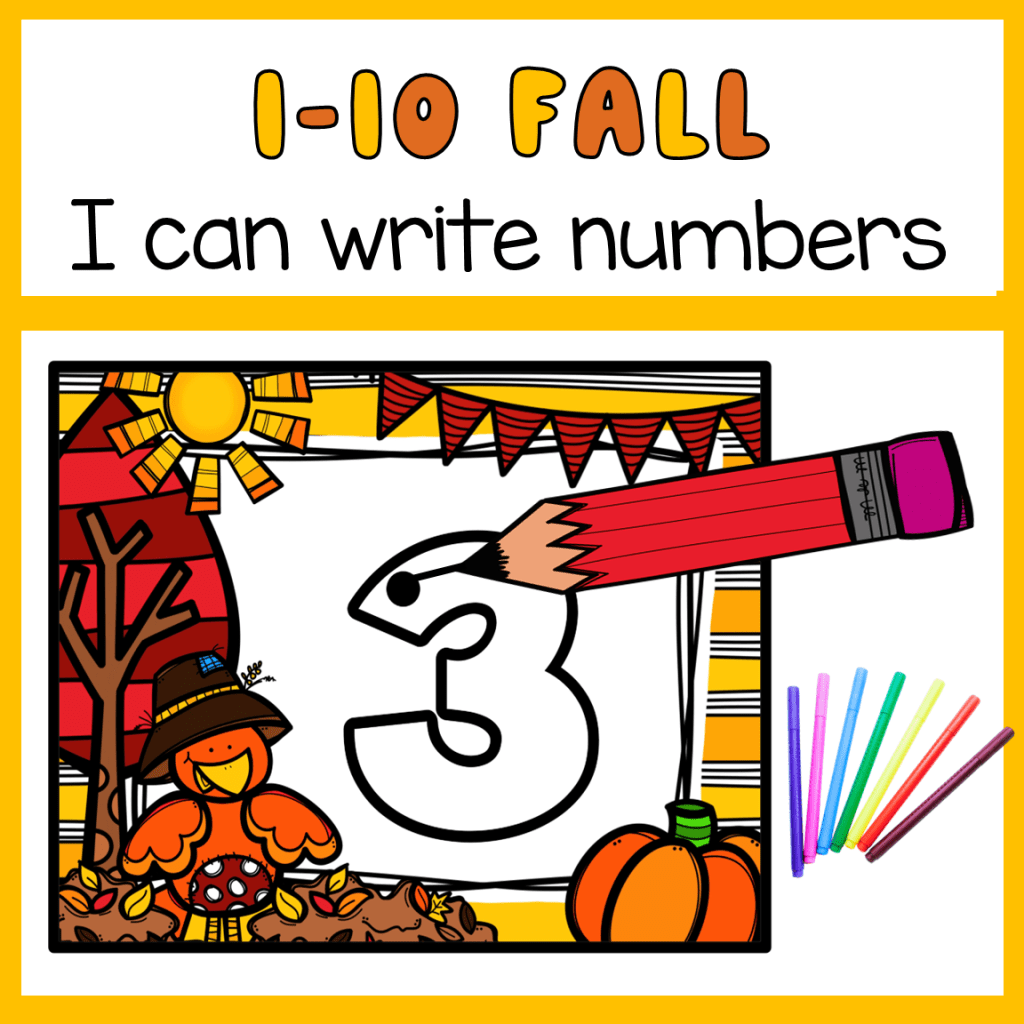
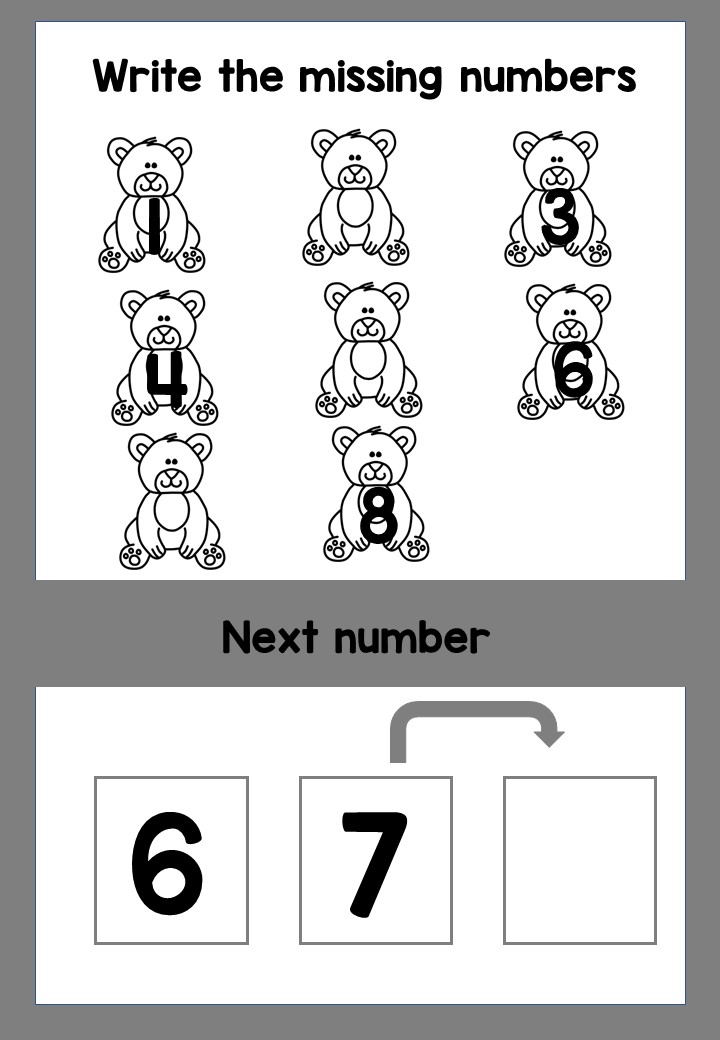
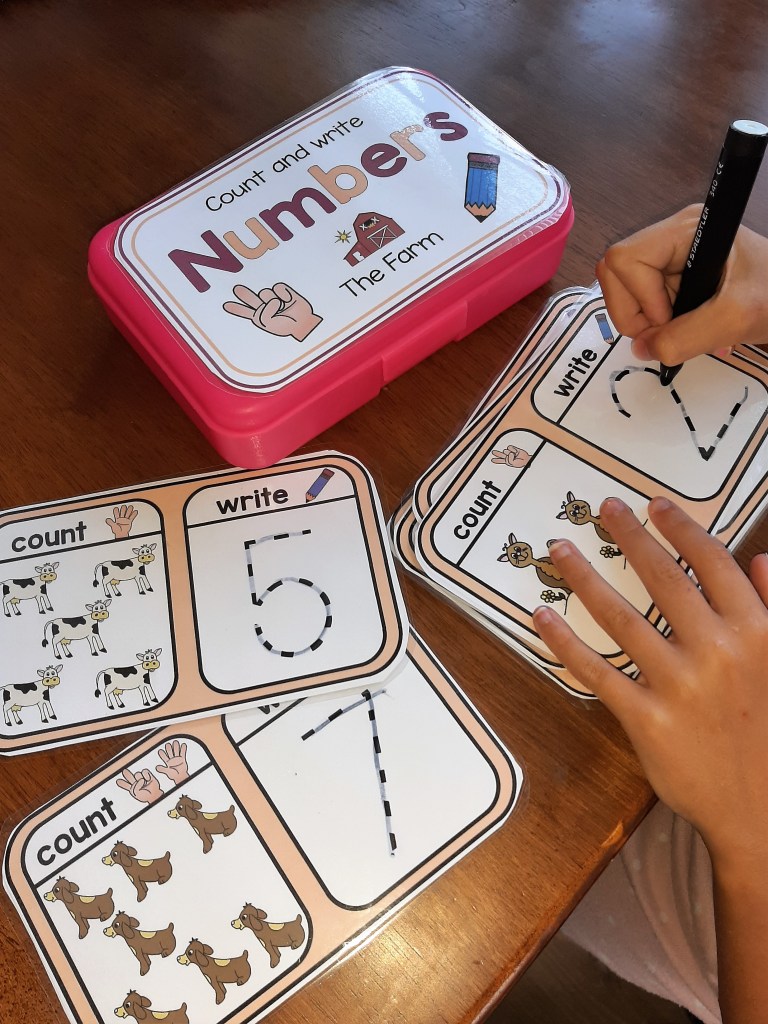
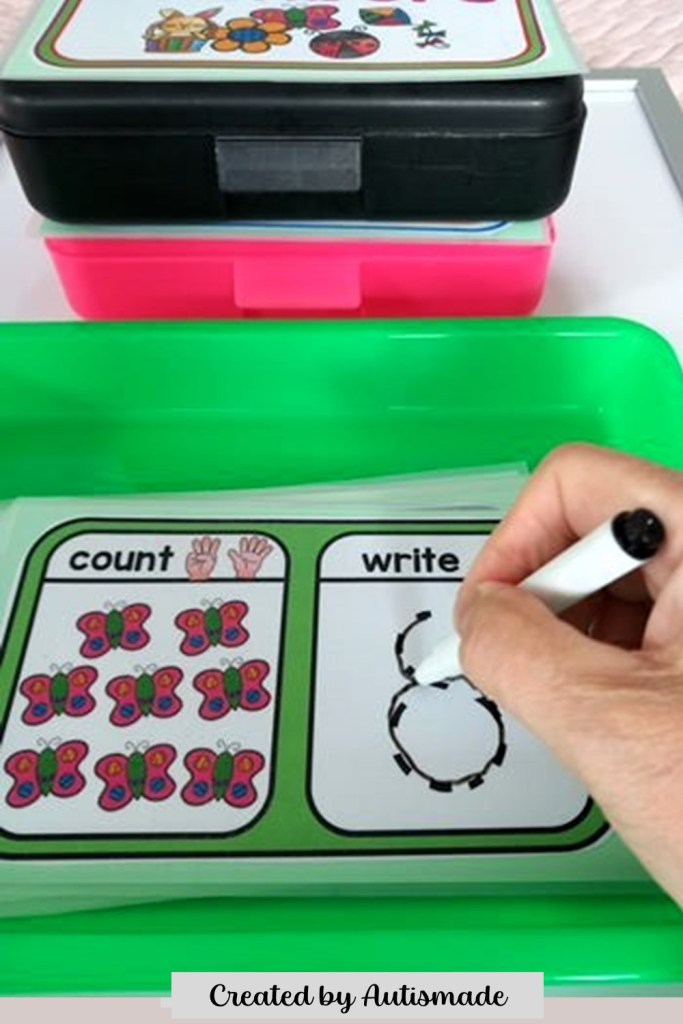
Number tracing (1–10)
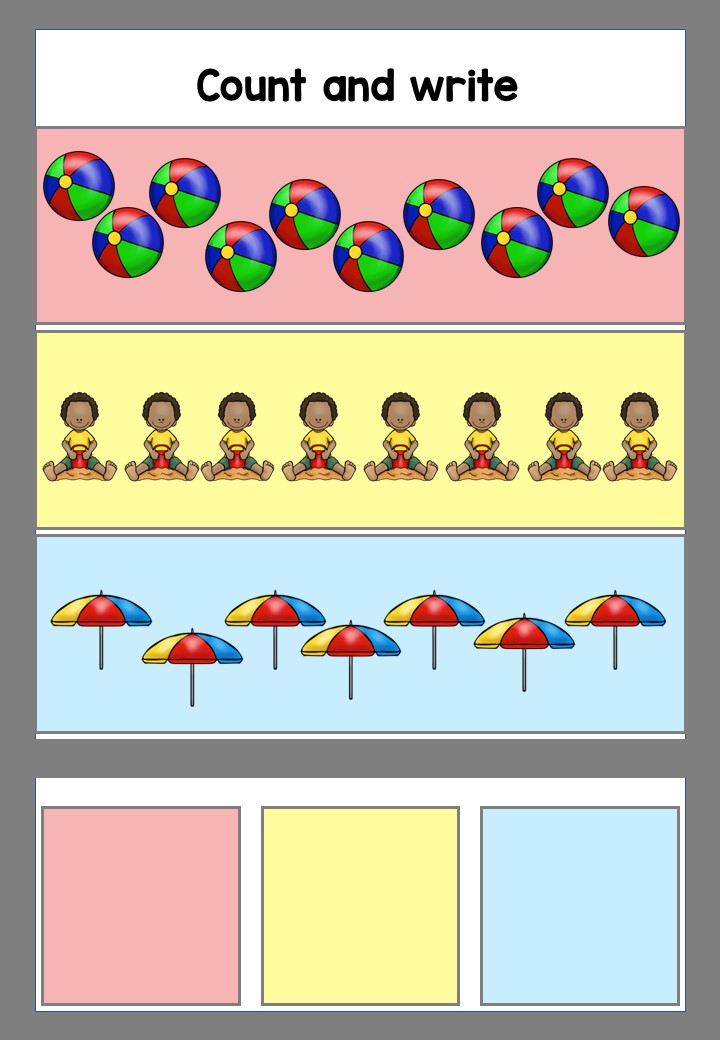
Counting objects
Matching numbers to quantities
Simple ten-frame activities
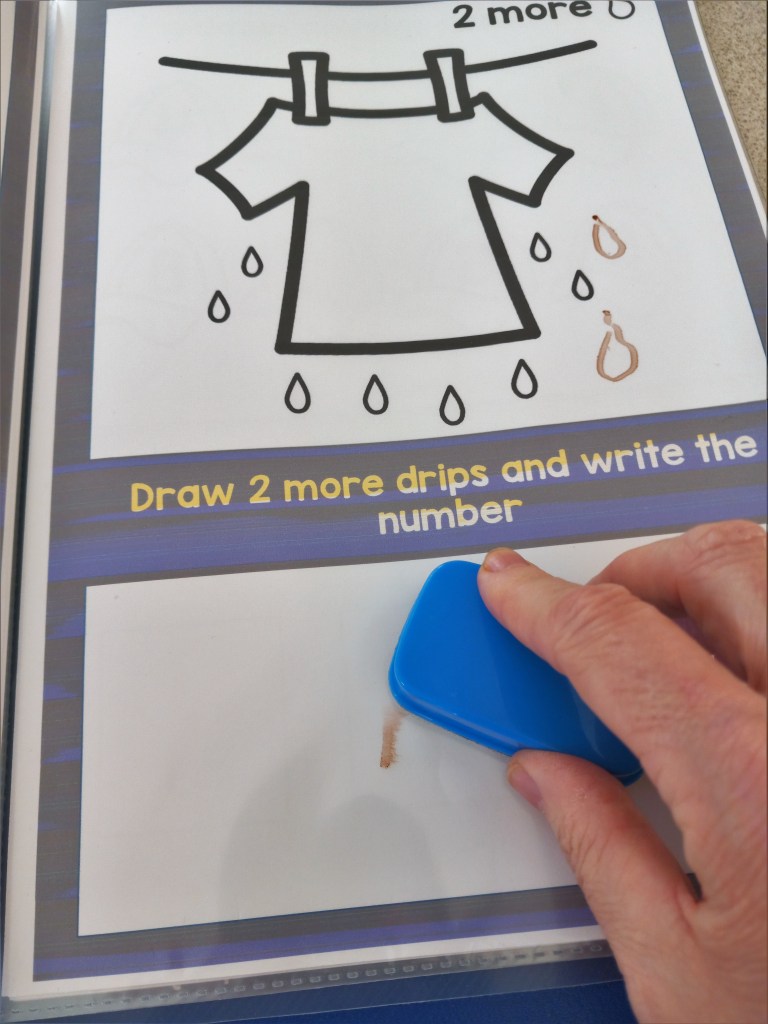
Laminate pages and use dry-erase markers for easy reuse. These are perfect for reinforcing early math skills in a structured way.
Hands-On Counting Tasks
Abstract numbers? Not today. We’re going tactile!
Try:
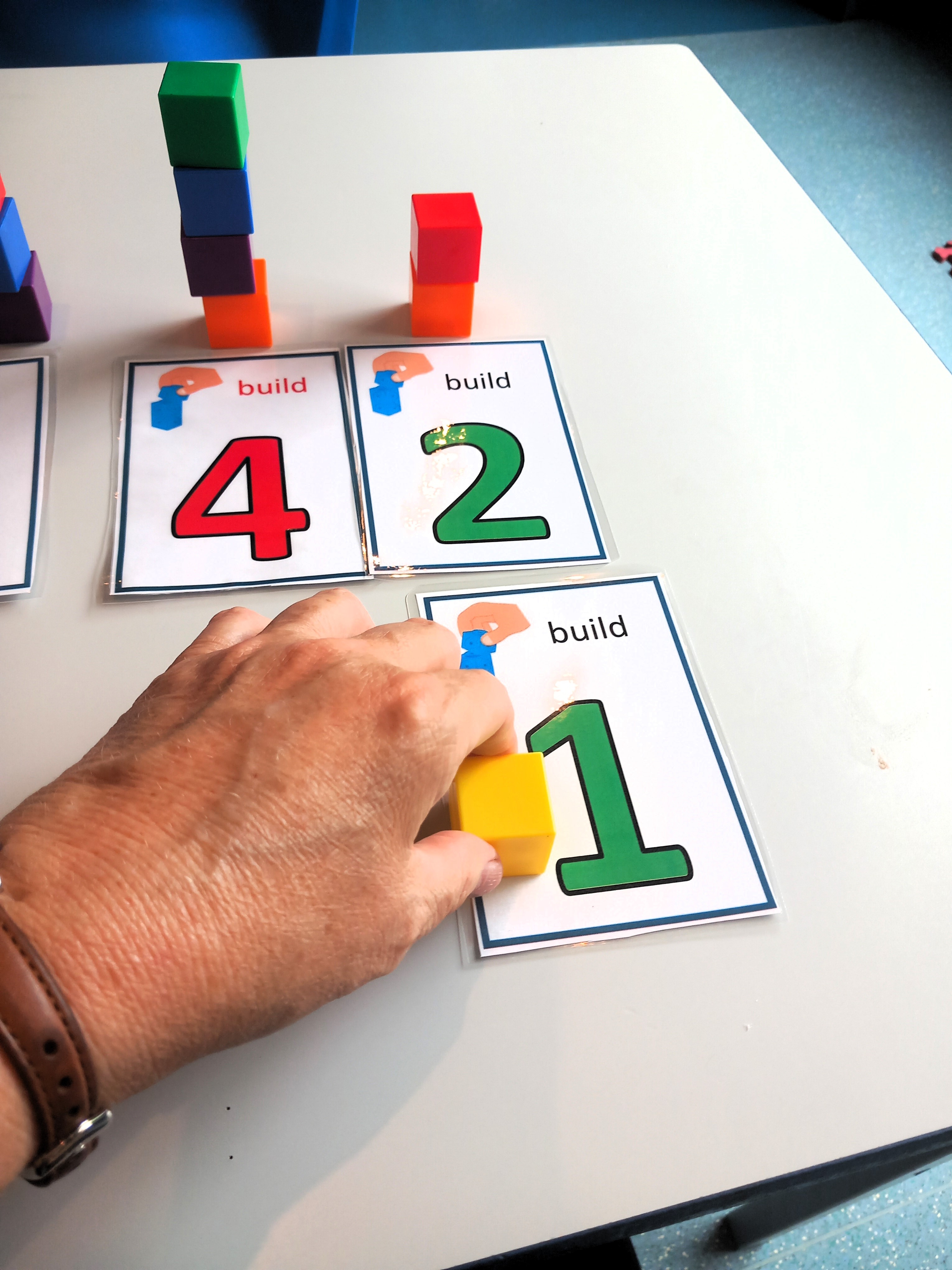
Counting bears or linking cubes
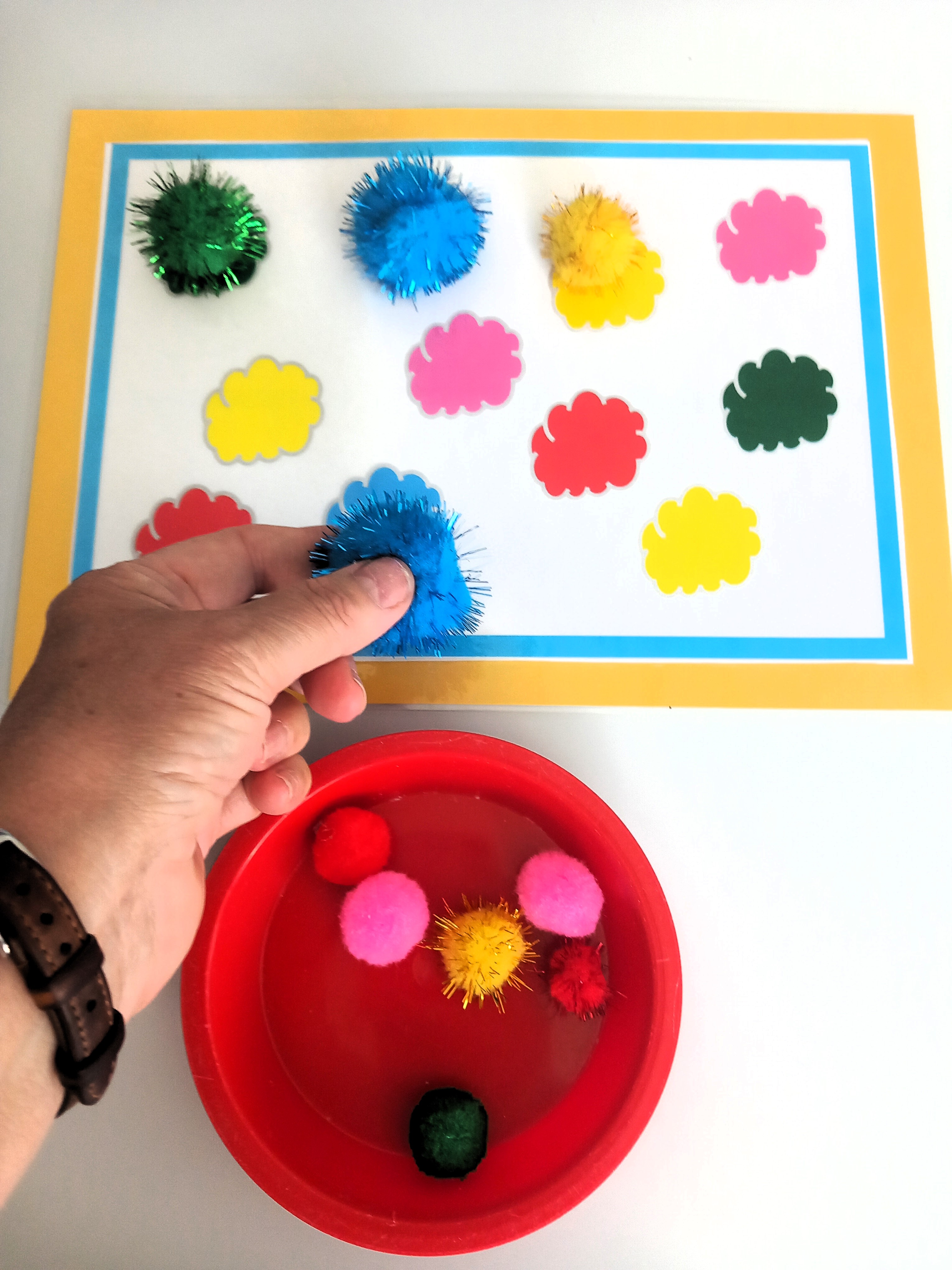
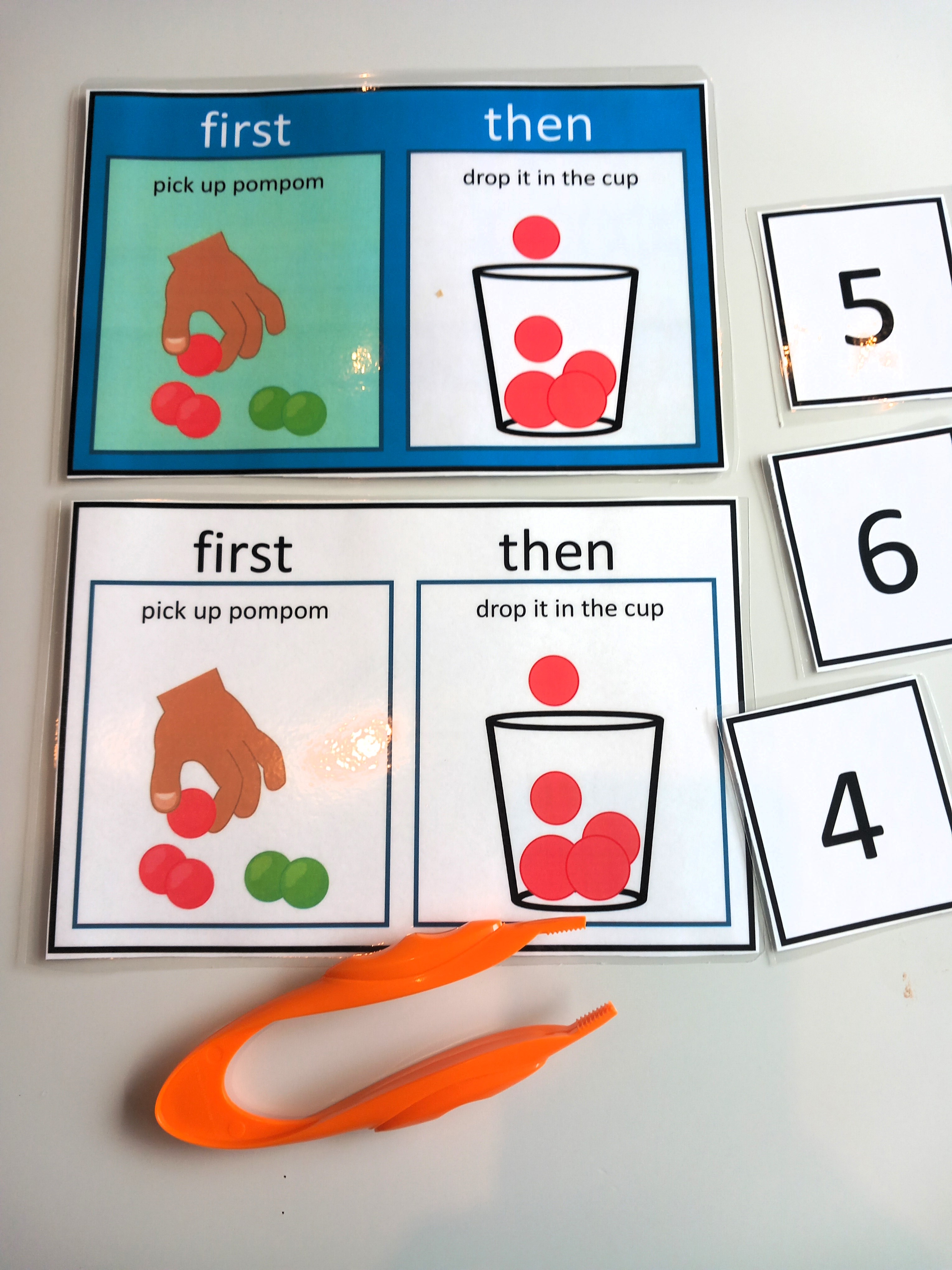
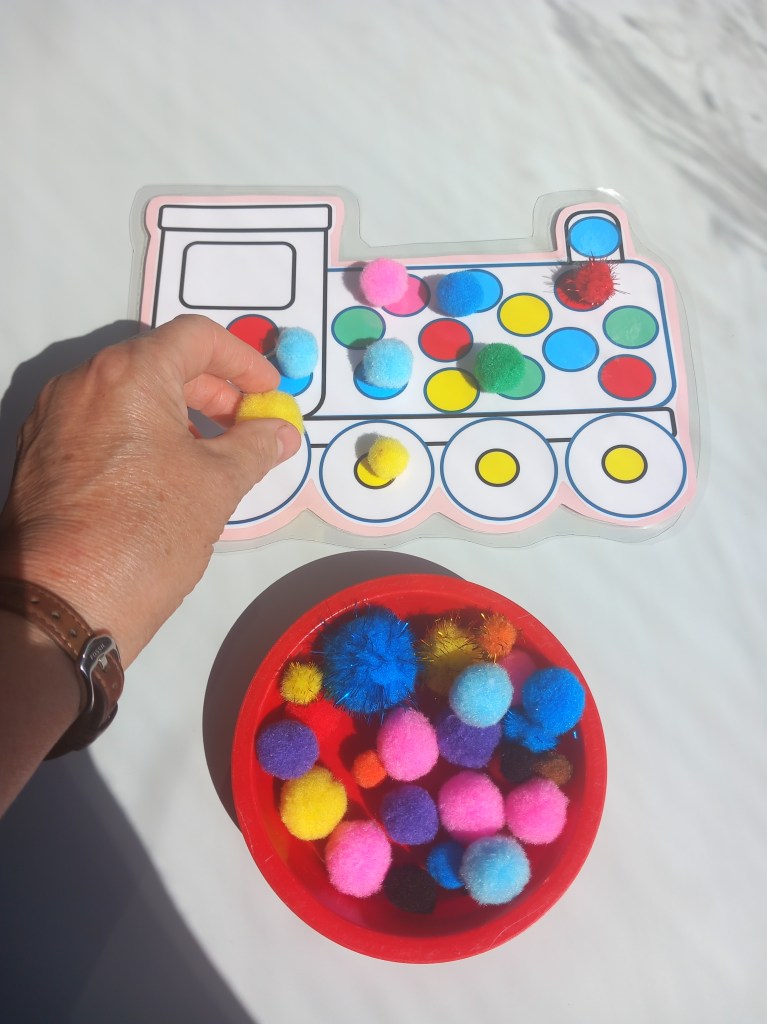
Pom-poms with tweezers (fine motor + math!)
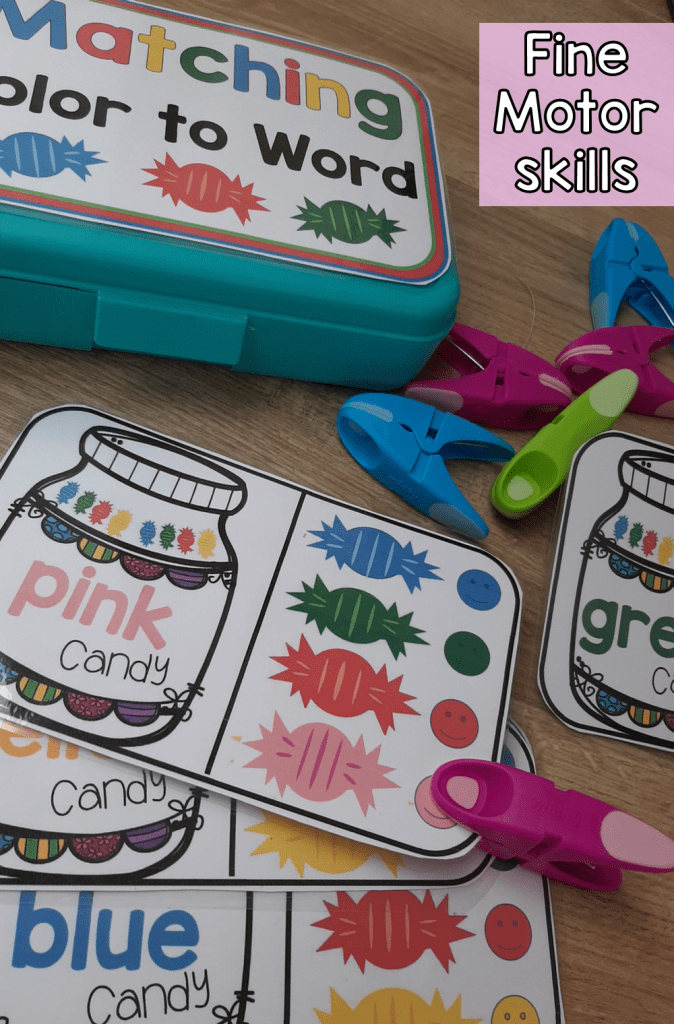
Clip cards (color word clip the correct color)
Counting mats with real objects
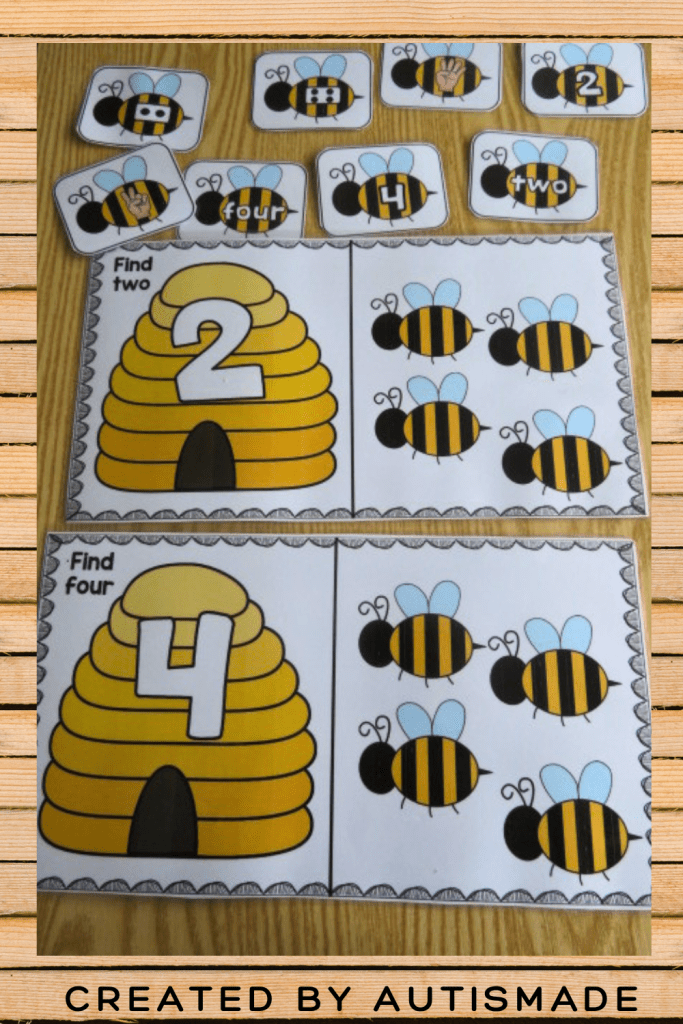
These activities support both number recognition and one-to-one correspondence.
Math File Folders (3 Ability Levels)
Different learners, different needs—that’s where leveled file folders shine.
Create three levels:
Level 1: Matching (number to number, picture to picture)
Level 2: Counting and identifying numbers
Level 3: Simple addition or comparing numbers
Store them in labeled bins so you can quickly grab the right level for each student.
Task Boxes for Structured Learning
Task boxes are the MVPs of independent work centers.
Each box includes:
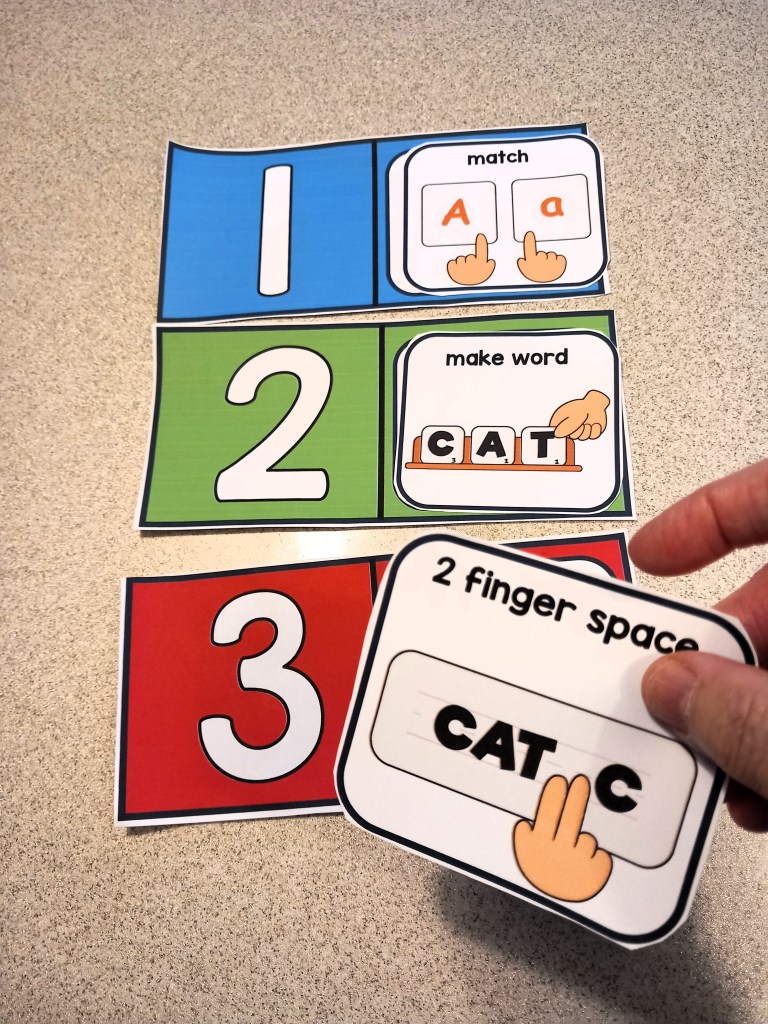
One clear task
Visual directions
All materials needed
Ideas:
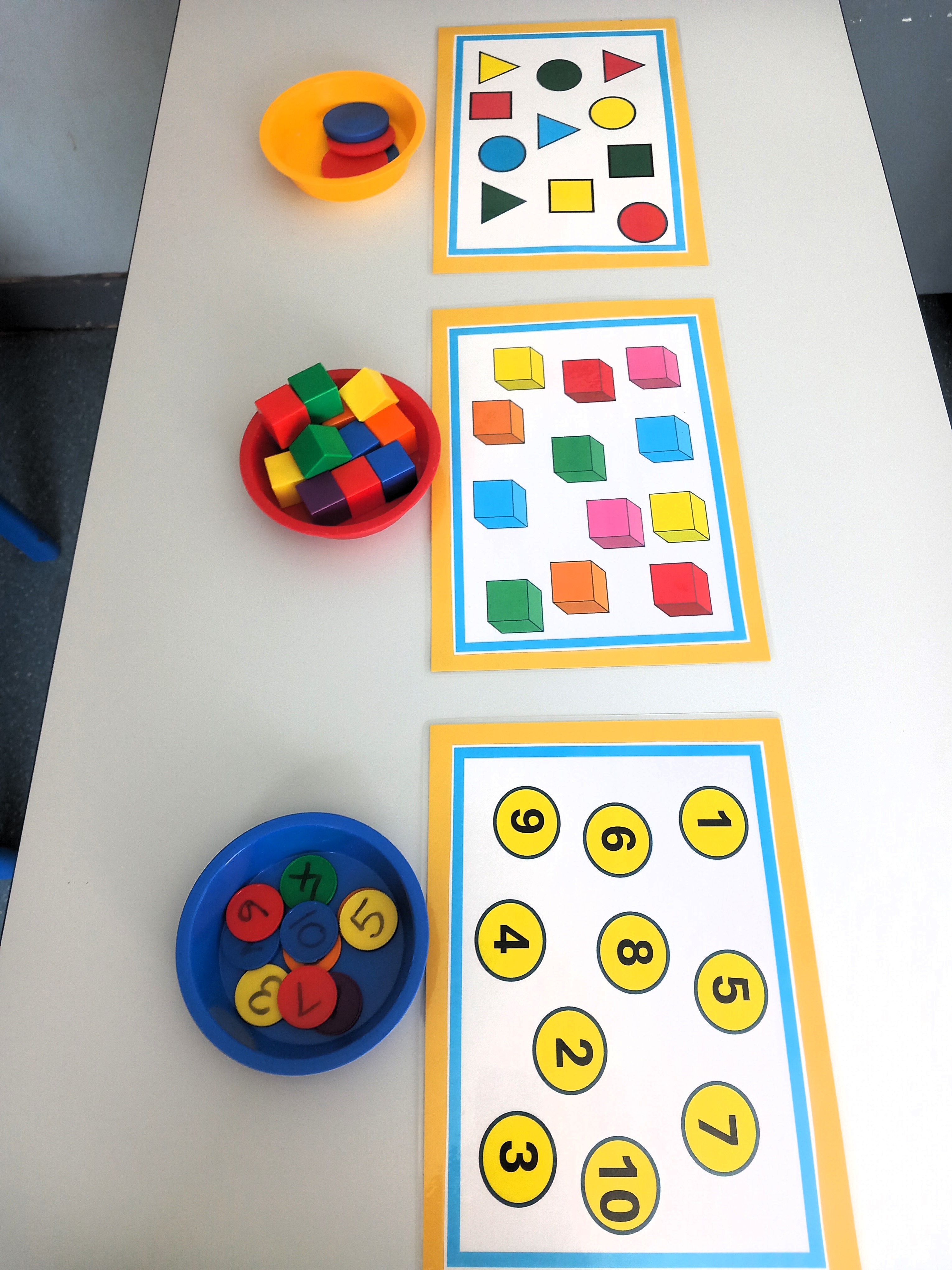
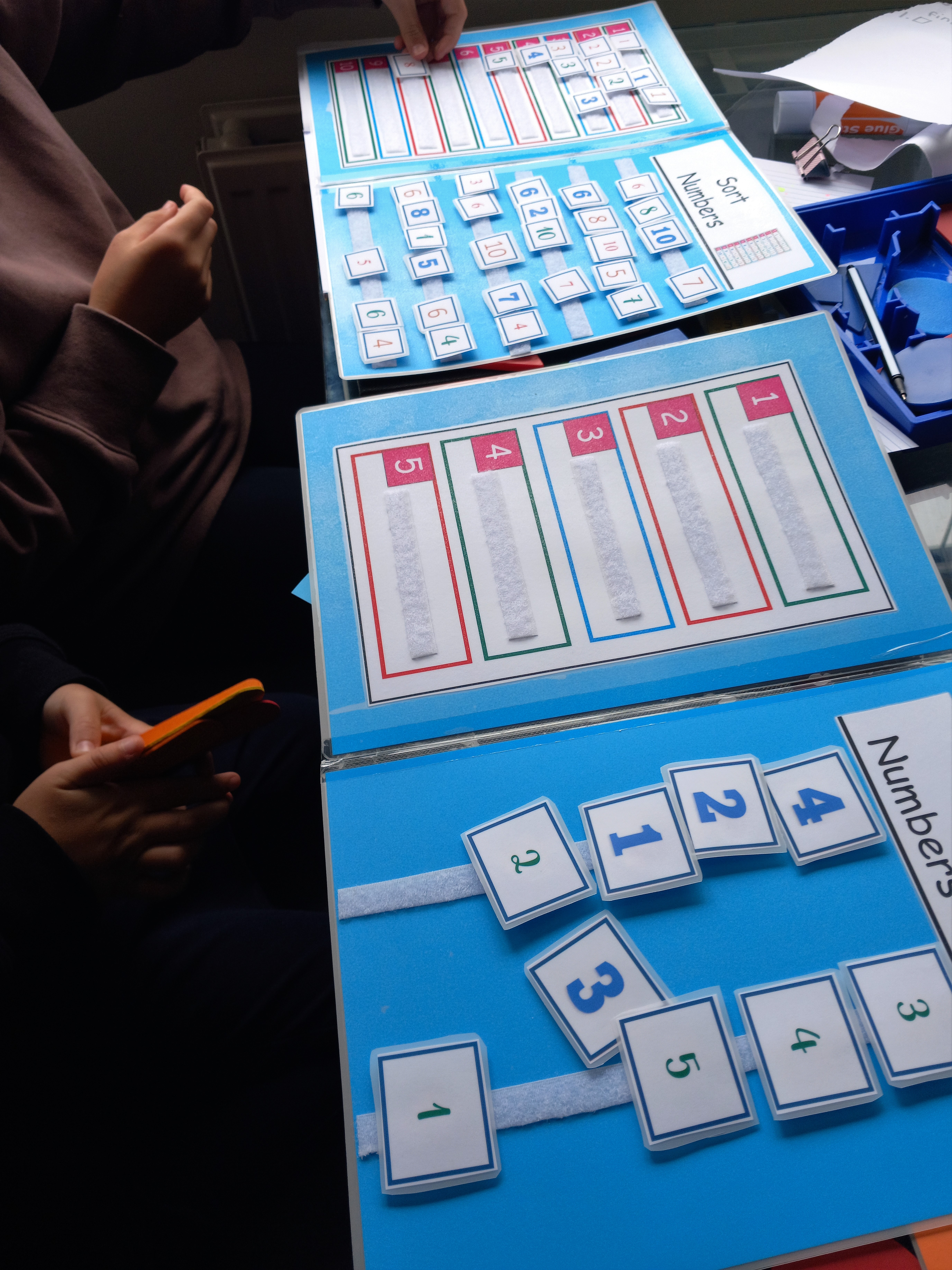
Sort by color or shape
Match uppercase to lowercase letters
Build numbers using manipulatives
Students learn to complete, close, and move on—independence in action!
Sorting Activities (A Classroom Favorite)
Sorting is simple, satisfying, and packed with learning.
Try sorting:
Colors
Shapes
Sizes
Objects vs. pictures
Add tongs or clothespins to sneak in fine motor practice while building cognitive skills.
Fine Motor Skills Stations
Fine motor practice is essential at this age—and easy to incorporate.
Include:
Playdough mats
Beading activities
Cutting strips
Sticker scenes
Tweezer transfers
These strengthen hand muscles for writing while keeping students engaged.
Number recognition is a foundational skill for early math success.
Make it fun with:
Number puzzles
Flashcards with visuals
“Find the Number” sensory bins
Dot marker sheets
Repetition + variety = mastery.
Keeping It Organized (and Your Sanity Intact)
A few quick tips:
Use labeled bins or drawers
Keep materials consistent week to week
Rotate activities, not systems
Model expectations often
Remember, the goal is independence—not perfection.
Independent work centers in a special education classroom don’t have to be complicated to be effective. With the right structure, engaging materials, and a little creativity, your students will grow in confidence, skills, and independence.
And you? You’ll gain a smoother classroom flow and a few extra moments to actually enjoy teaching again.