Discover how our functional life skills resources in special education can help your child master their emotions and thrive in everyday life. Our interactive books, worksheets and activities are designed to build essential emotional recognition and management skills for a brighter, more confident future.
Equip your special learners with the tools to understand and express their emotions with our collection of functional life skills
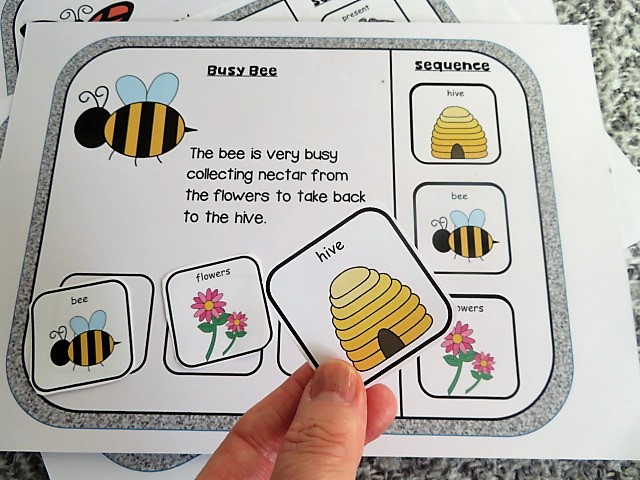
Check out these amazing interactive books that make learning about facial expressions and emotions a blast! Students use attachable visuals to answer questions and complete tasks, perfect for independent work or more focused activities. Dive into a world where emotions come alive!
Learning about one’s own feelings and emotions can be daunting, particularly for young people with special needs. Our comprehensive guide to recognizing emotions and developing functional life skills is tailored explicitly for learners in special education, providing invaluable tools and techniques to foster understanding and independence.
The main aim in my classroom is to create a positive friendly environment to begin teaching, sometimes I find myself going around in circles… but I love it! Running a successful Special Ed class, in my opinion, requires a combination of effective communication and visual supports and I know by incorporating both I can significantly enhance positive behavior in my class. In this blog, I’ll guide you through how I combine critical communication skills with visual supports to promote behavior management in my wonderful class!
Tip 1: Define Clear Expectations
I always start by establishing clear behavioral expectations through visual supports and by engaging students with visuals of my classroom rules.
Then I teaching critical communication skills to ensure that every student’s perspective, abilities and needs are considered.
Tip 2: Collaboratively Create Visual Aids
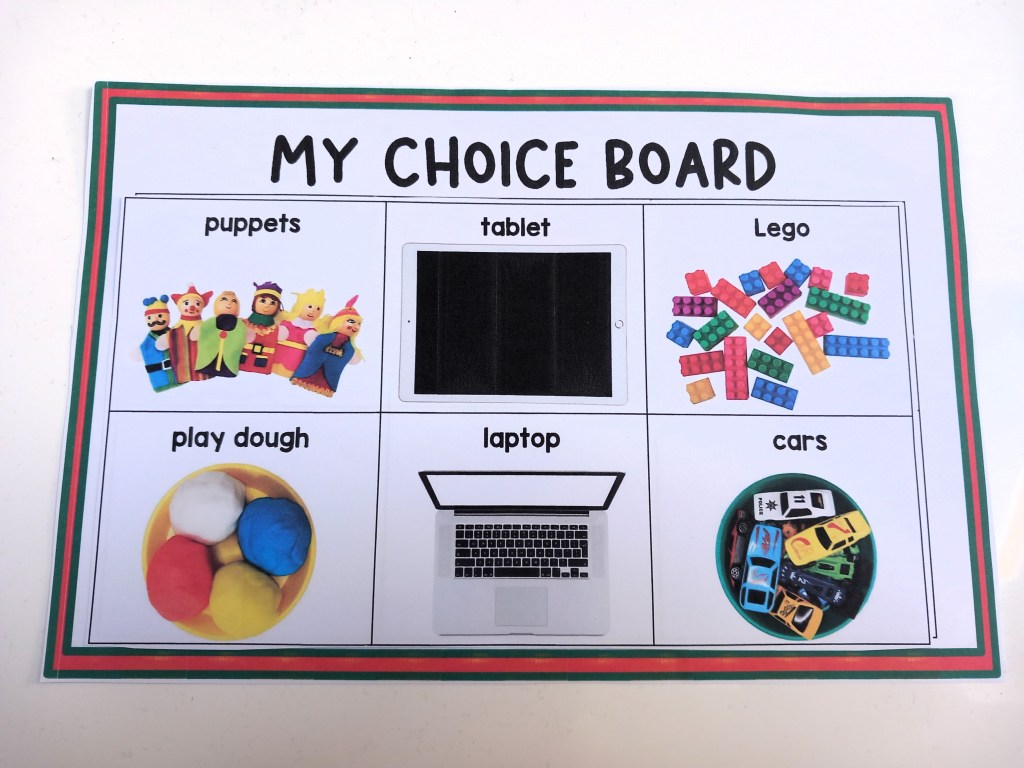
I always Involve my students in creating visual aids and support systems of their preferences to promote a sense of ownership, decorated with pictures of their interests and motivators. Through discussions and choosing sessions, I guide them in designing posters, charts, or cards that visually represent each behavioral expectation. I find this collaborative approach offers a deeper understanding of the rules and a sense of responsibility for them to follow.
Tip 3: Display Visual Supports Strategically
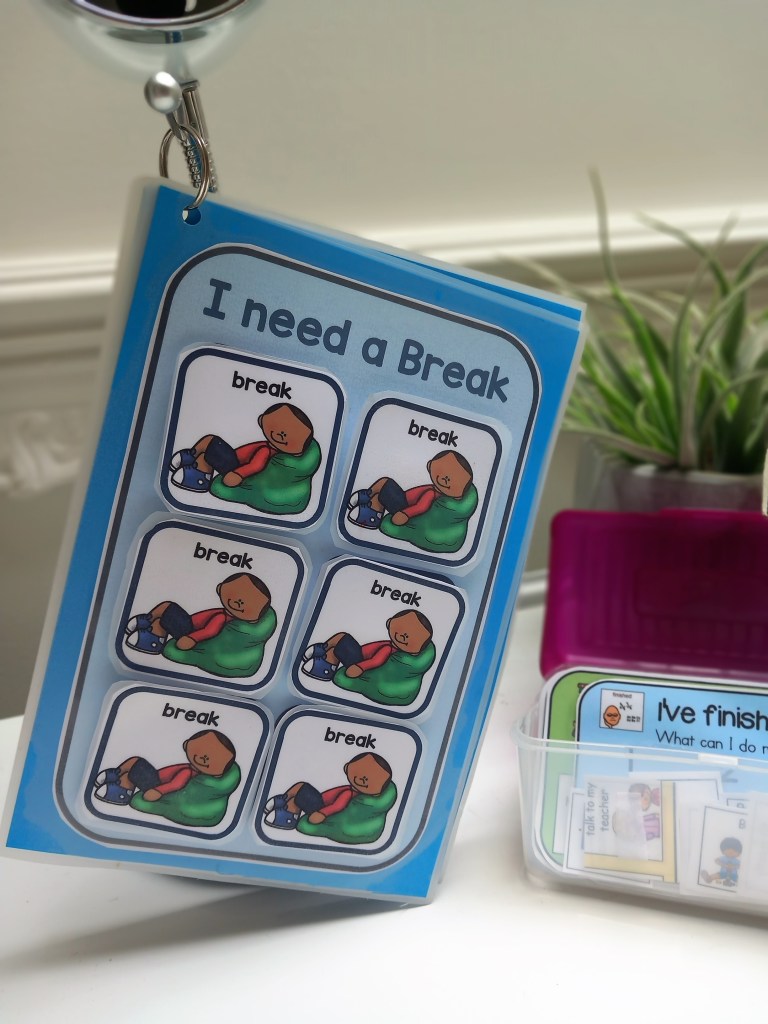
By strategically placing visual aids in areas where they can be easily seen and accessed. A choice of support cards, critical communication aids such as “Break” and “Help” are always easy for students to find and I discuss with staff how the visual aids will help everyone remember and adhere to the agreed-upon behavioral expectations.
Tip 4: Teach and Model Behavior
Utilize critical communication skills to teach and model positive behavior. I engage my students when behaviors are demonstrated to the supporting visuals, and encourage them to share their thoughts and solutions, promoting critical thinking with self regulation supports.
Tip 5: Implement a Collaborative Reward System
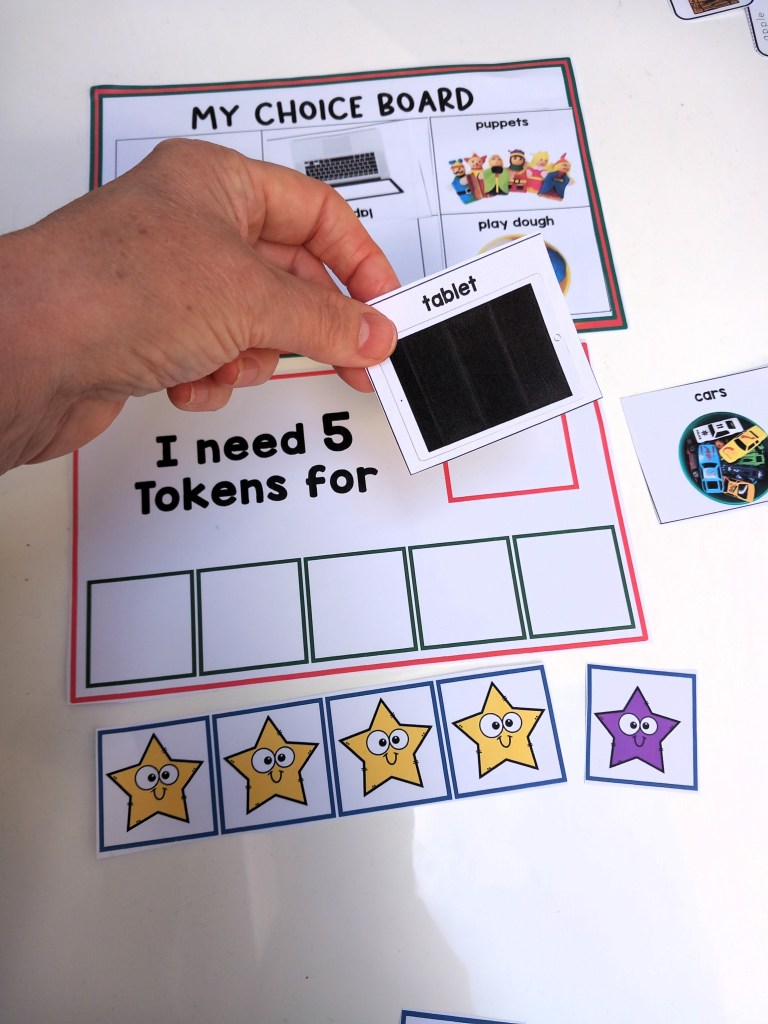
I work with my students to design a reward system that aligns with their preferences. Use critical communication skills I gather their input on incentives and rewards for positive behavior to establish a system where students feel empowered to make decisions about their own motivation. An individualised Visual Schedule, Token Economy Support are particularly valuable for my Classroom Behavior Management. It lets students know what activity they need to do, what motivator they can work for and supports them throughout the school day.
Its been hard work with many an hour planning and preparing but its been worth every second!
Being a special education teacher can be both rewarding and challenging. Teaching in Special education will require a unique set of approaches to effectively support young learners with diverse learning needs. Whether you’re newly graduated or moving from a general education setting, here you’ll find some valuable tips to help you thrive in your new classroom role.
Build Relationships:
A meaningful connection with your students is essential. Take the time to learn and understand their individual needs, preferences, and communication styles. Build a positive learning environment and spend time finding ways to motivate and encourages students using their own preferences and interests.
Collaborate with Support Staff:
As a Special education Teacher you will often collaboration with speech therapists, occupational therapists, behavior specialists, and other professionals. Work closely with these experts to create comprehensive education plans and implement effective strategies for your students.
Individualized Education Plans (IEPs):
Get to know IEPs of your students. IEPs will outline goals, accommodations, and modifications necessary for each student’s success. Regularly review and update IEPs based on student progress and needs.
Differentiated Instruction:
Adapt your teaching methods for each of your students, learning styles and abilities. Use a variety of instructional techniques, materials, and technologies to ensure that each student can access the curriculum at their own level and style.
Patience and Flexibility:
Working in special education requires patience and adaptability. Be prepared to modify your lessons quickly, as student needs may change from day to day.
Positive Behavior Support:
Implement a proactive approach to behavior management. Focus on reinforcing positive behaviors through praise, reward boards, reward choices, and self regulation strategies, along with running a structured classroom environment. Develop clear and consistent routines to help students feel secure.
Self-Care:
Caring for yourself is crucial for maintaining your well-being and effectiveness as a teacher. Balancing the demands of the job by setting time for yourself, will help to ensure you can continue making a positive impact on your students.
A career as a special education teacher requires dedication, compassion, and a willingness to carry on learning. By building strong relationships, collaborating with support staff, and implementing effective strategies, you can create an inclusive and supportive classroom environment where all students can thrive and reach their full potential. Remember that every day is an opportunity to make a meaningful difference in the lives of your students.
Are you a Special Education teacher who feels like your classroom is constantly in chaos? Do you struggle to manage behavior and create a calm learning environment for your students? If so, you’re not alone! Behavior management is a never ending challenge for special education teachers, but there are strategies and practical tips that can help you transform chaos into calm.
Throughout this post, I’ll help you with practical strategies and steps for you to start implementing them in your class today. From creating a structured and supportive environment to implementing effective interventions, I will guide you through the process of helping you master behavior management.
Creating a Structured and Supportive Environment
. Set time to build a structured environment by establishing clear expectations and routines. . . Provide your students with a sense of structure and predictability by clearly communicating the rules and procedures to your students you provide them with a sense of structure and predictability. This helps to minimize confusion and allows students to focus on their learning. . Consider creating visual supports, such as posters or charts, to display these expectations and refer to them regularly.
. To further promote structure and support, consider implementing classroom organization strategies. Ensure that your classroom is arranged in a way that allows for easy movement and minimizes distractions. . Provide designated spaces for different activities, such as quiet reading areas or group workstations with centre signs. This helps students understand where and how they should engage in different tasks, promoting a more focused and productive learning environment.
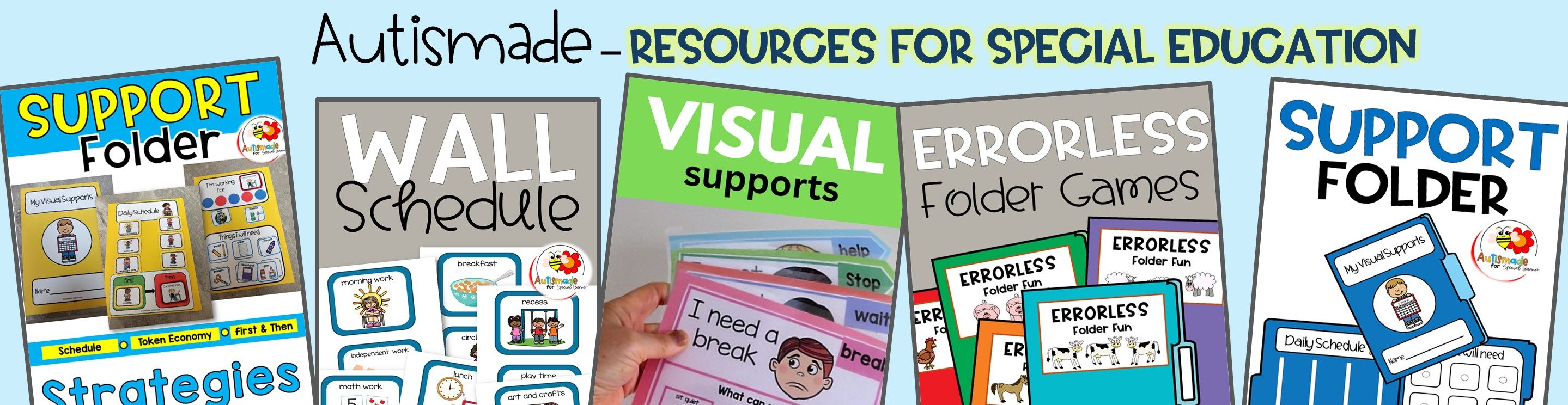
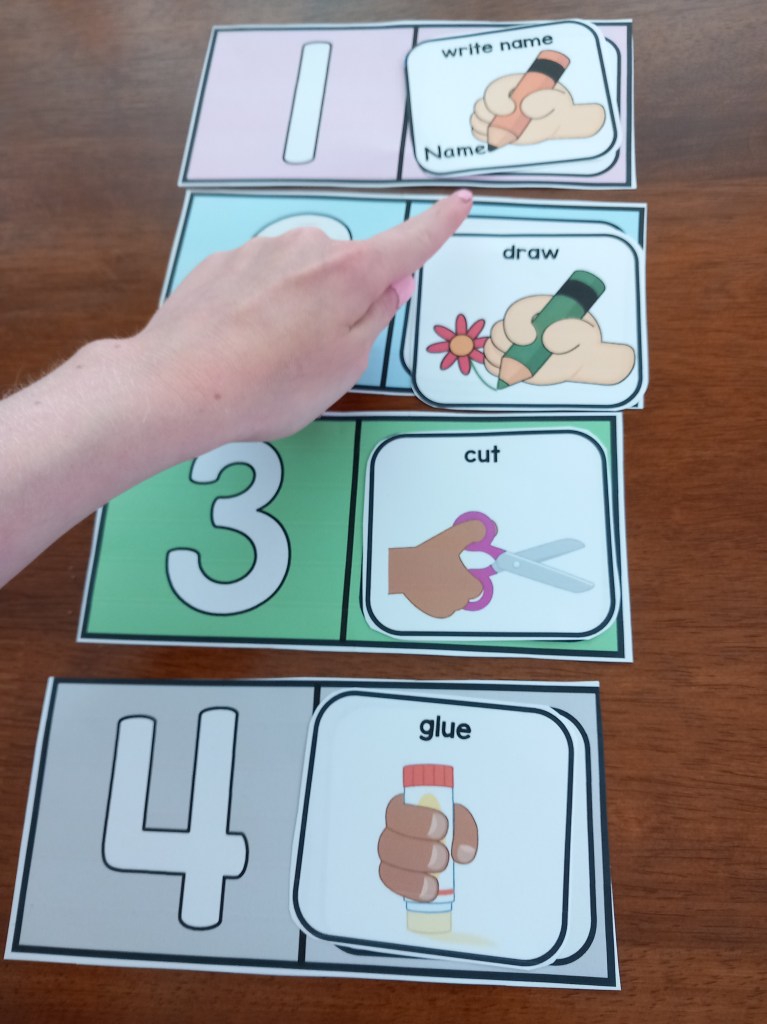
. Additionally, incorporating visual supports can be highly beneficial in creating a structured and supportive classroom. Visual aids, such as schedules, rules, and task boards, can assist students in understanding expectations and managing their time effectively. Furthermore, visual prompts can be particularly helpful for students with communication difficulties or those who struggle with transitions.
. Another valuable intervention is the implementation of social skills training. Many students in special education classrooms struggle with social interactions, making it difficult for them to navigate social situations and establish positive relationships with their peers. . By incorporating social skills training into the curriculum, students can learn important skills such as active listening, turn-taking, and conflict resolution. . Role-playing exercises and real-life scenarios can also help students practice applying these skills in a safe and supportive environment.
By implementing these effective interventions, Teachers can enhance behavior management in special education classrooms. These interventions address the specific needs of students, providing them with the support, strategies, and tools necessary to help them succeed academically and socially. When students are equipped with the skills and resources they need, they are more empowered to make positive choices and engage in behaviors that promote a calm and productive learning environment.
I know that the start of a new school year can be a stressful time for students and teachers alike. But with a little bit of planning and creativity, we can make the first week of school a fun and engaging time for everyone.
I’ve come up with some fun activities over the years that help my students get to know each other, build relationships with their peers, and feel comfortable in their new Classroom. Not only are these activities great to start off a new school year, but they also provide opportunities to show individual levels of social skills and understanding.
One of my favorite first-week activities is the name game. It’s a simple icebreaker that involves each student sharing their name and one thing they like. It’s a great way to help students learn each other’s names and interests, and it often leads to some fun and unexpected conversations.
Another activity that I love is the classroom scavenger hunt. I create a list of items for students to find around the classroom, such as a pencil, a sharpener, and they can tick off when they find them. This activity helps students become familiar with their surroundings and encourages them to work together.
I often have my students create an all about me poster, I give them a template to start their “All about me Poster” with place for “My Name”, what I like, favorite things and hobbies. Once everyone has finished we hang the posters around the room so everyone can see them.
I hope these activities inspire you with your planning for the first week back to school after a long Summer Break. But remember, get creative and make the classroom inviting too, with a little bit of work you can create a positive environment that will help your student feel welcome and supported!