Effective Independent Work Centers for Special Education

Independent work time in a special education classroom can feel a bit like conducting a tiny orchestra, each student playing their own part, at their own pace, with just the right amount of structure and support. When done well, independent work centers build confidence, reinforce skills, and give teachers a moment to breathe (and maybe sip that now-lukewarm coffee).
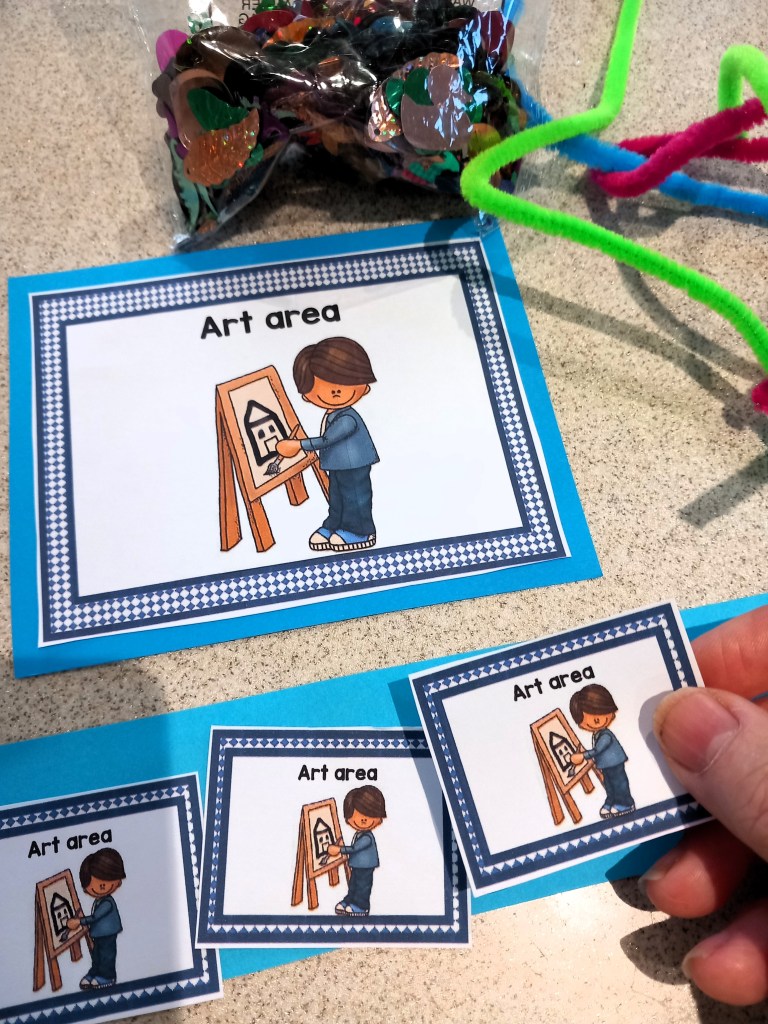
If youโ€™re setting up or refreshing your centers, here are engaging, low-prep, and effective ideas designed specifically for PreKโ€“2nd grade special education learners.

Independent work systems help students:

  • Build independence and task completion skills
  • Strengthen fine motor and early math abilities
  • Practice number recognition and counting
  • Develop confidence through predictable routines

Using structured systems also reduces behaviors and increases student successโ€”win-win!

Tip: Keep rotations consistent each day.
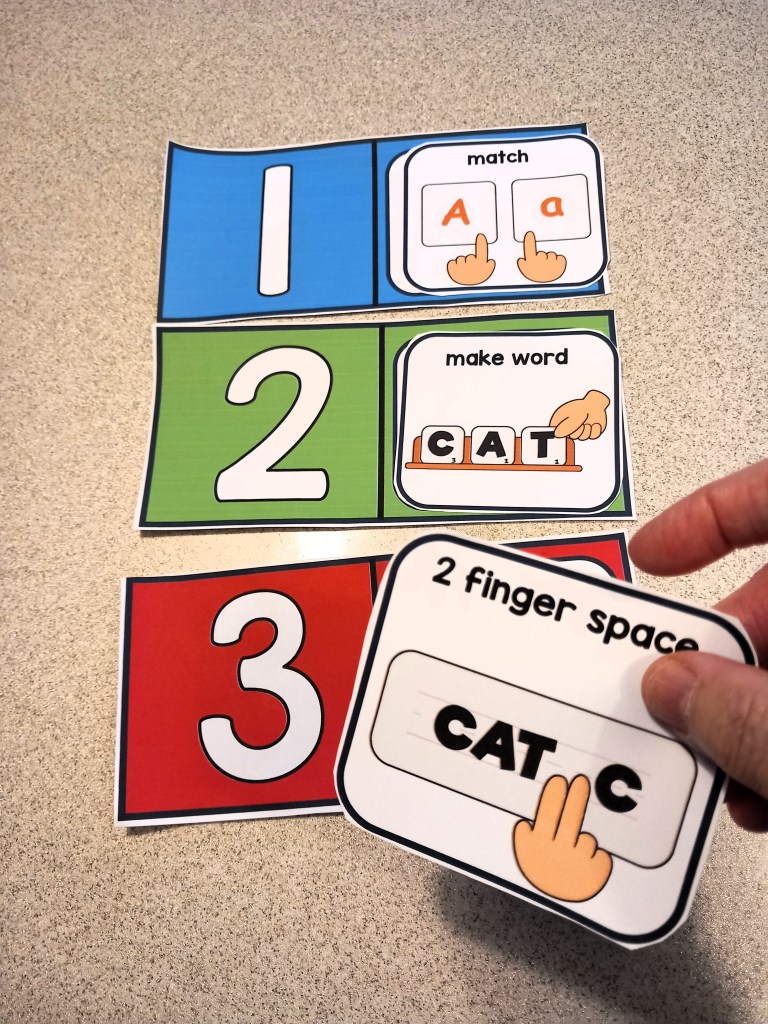
Rotation Systems That Actually Work

A smooth rotation system is the backbone of your centers.

Enter: Finished Cards.

Try these simple options:

  • Visual Rotation Charts: Use icons or photos to show students where to go next
  • Color-Coded Groups: Red group = math, blue group = fine motor, etc.
  • Timer-Based Rotations: 10โ€“15 minute intervals work well for younger learners
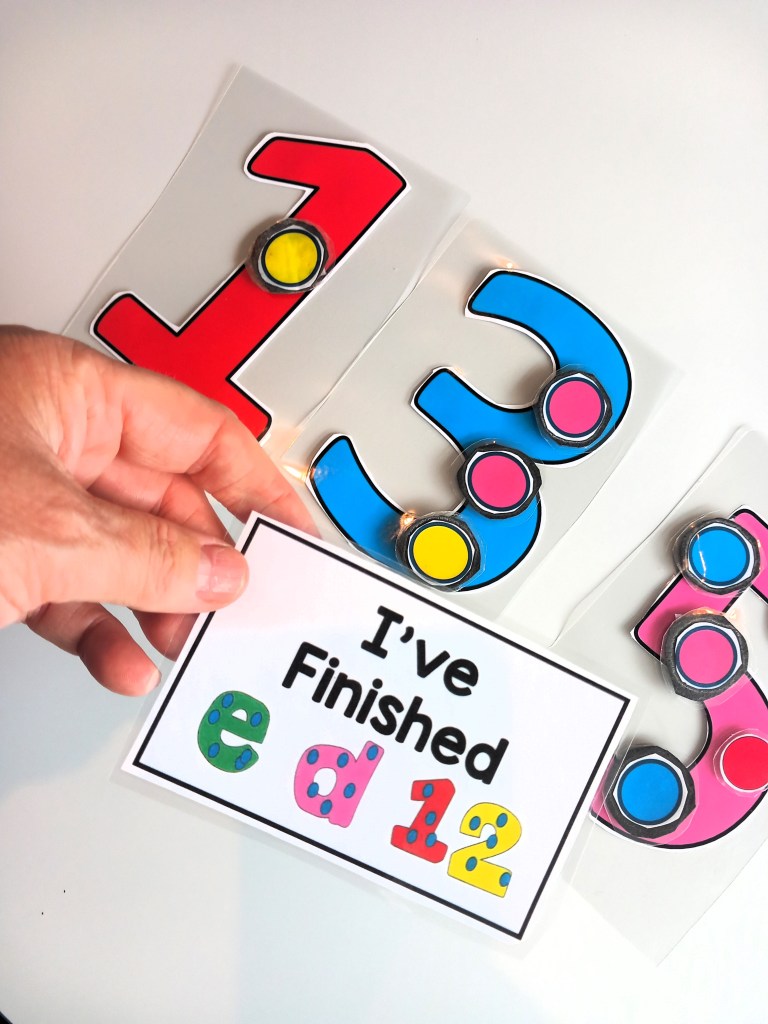
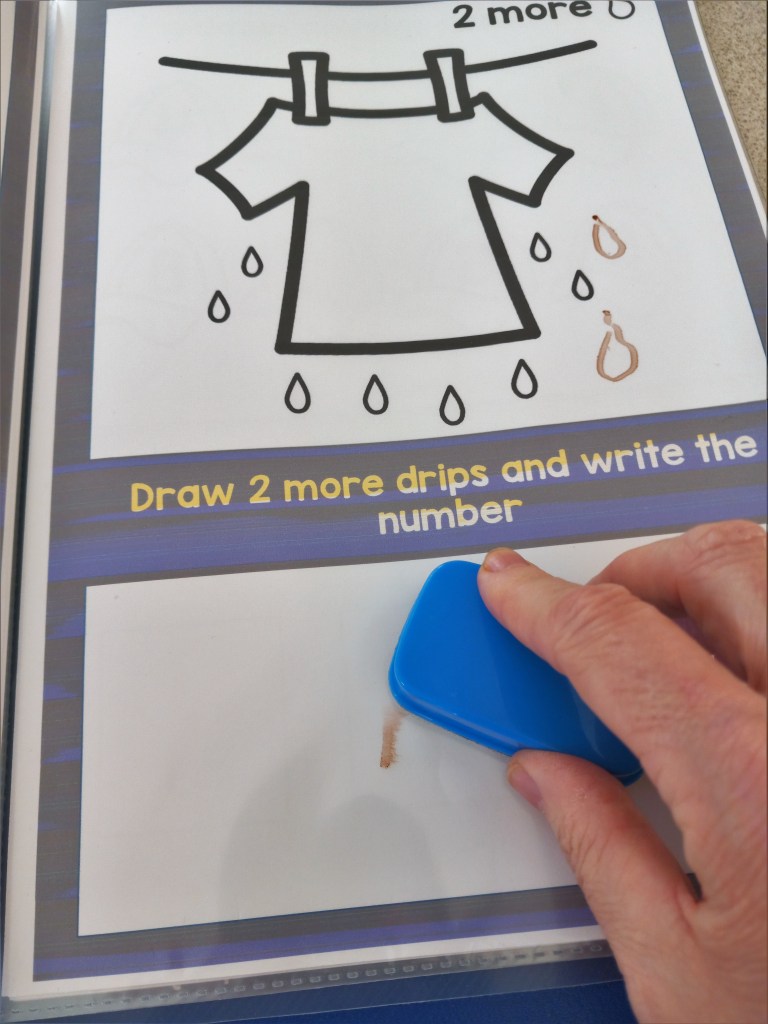
โ€œAm I done yet?โ€โ€”weโ€™ve all heard it.

  • Students place the card in a bin when done
  • Provides a clear visual endpoint
  • Encourages independence and reduces interruptions

You can even add a โ€œCheck Workโ€ step for students ready for that extra responsibility.
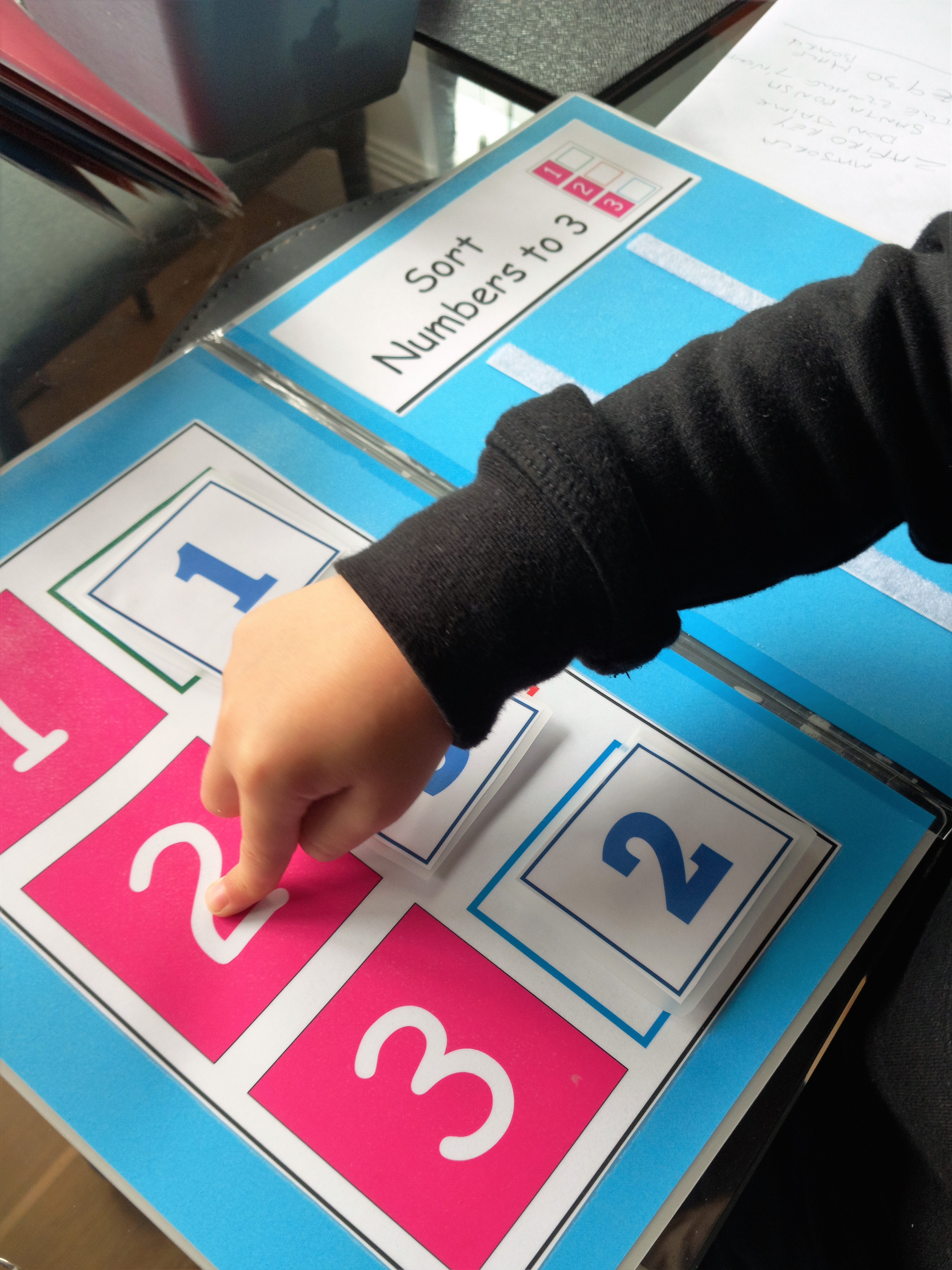
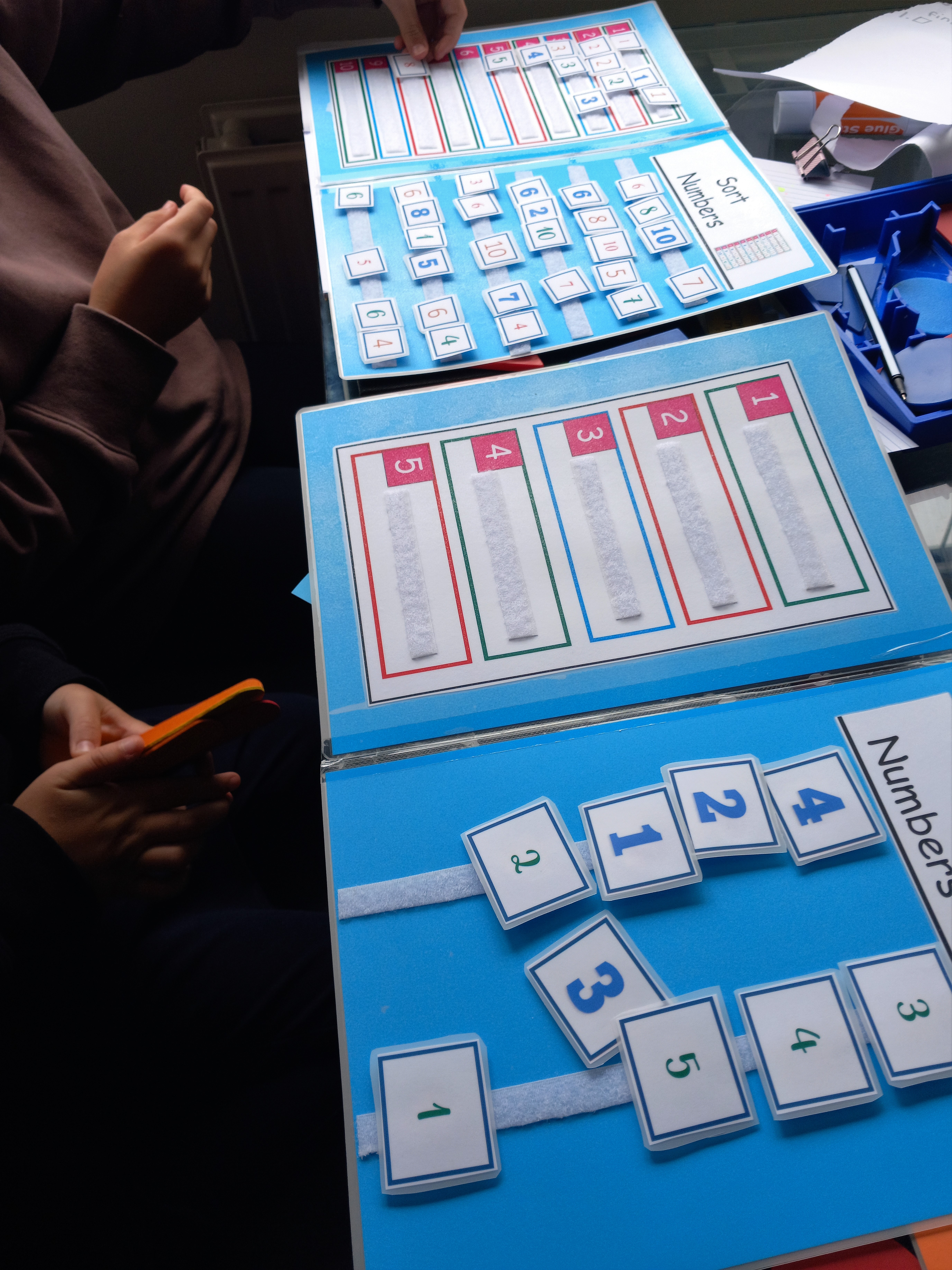
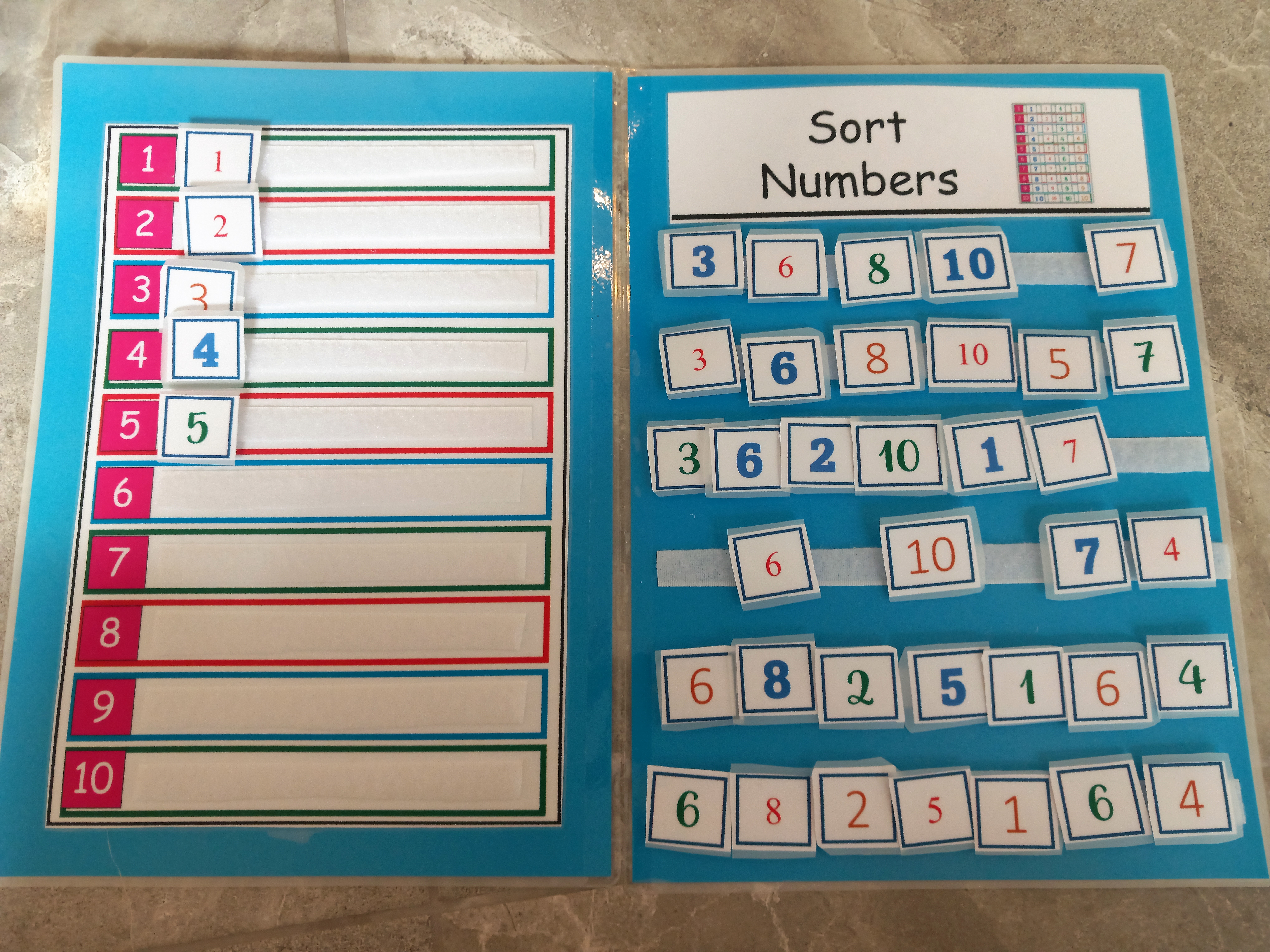
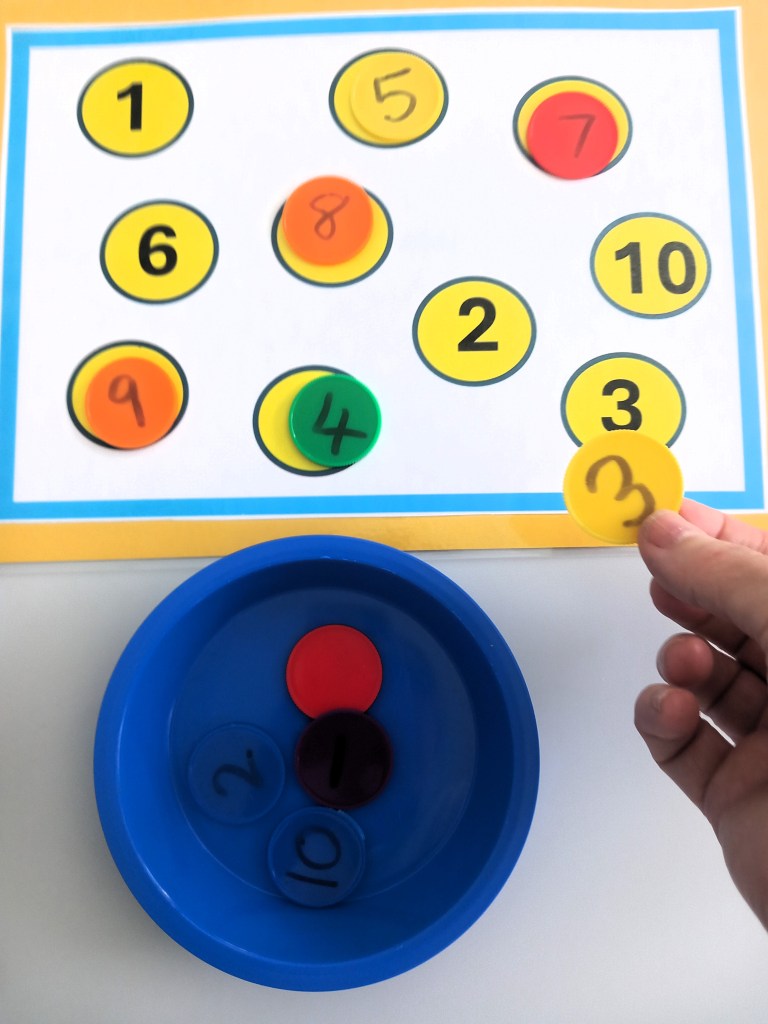
Math Binders (Numbers to 10)

Math binders are like tiny skill gyms for little learners
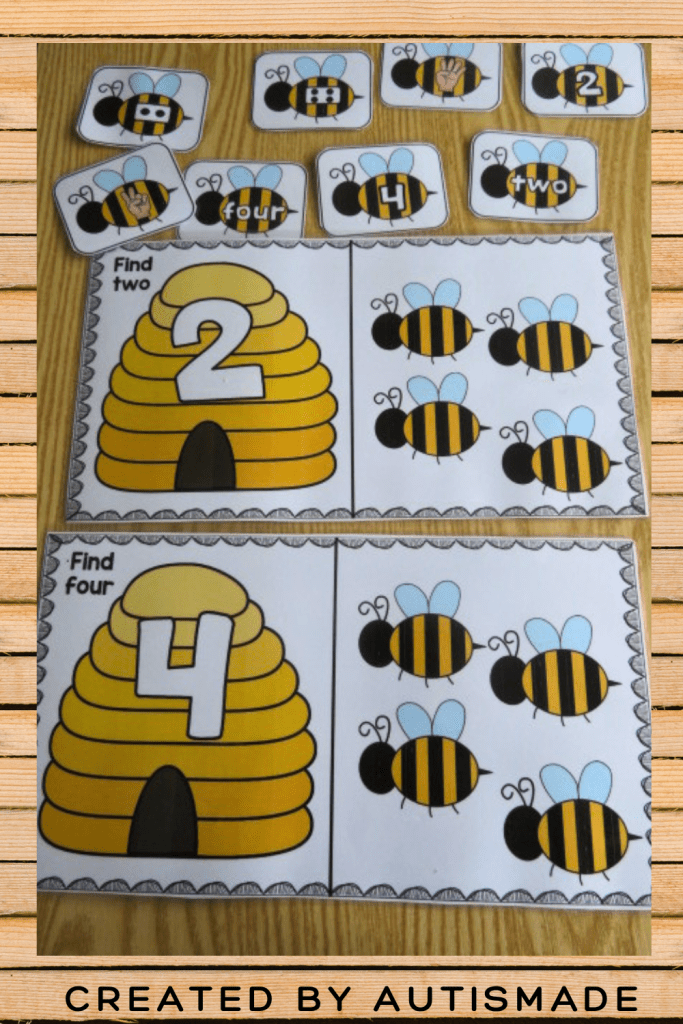
Include:

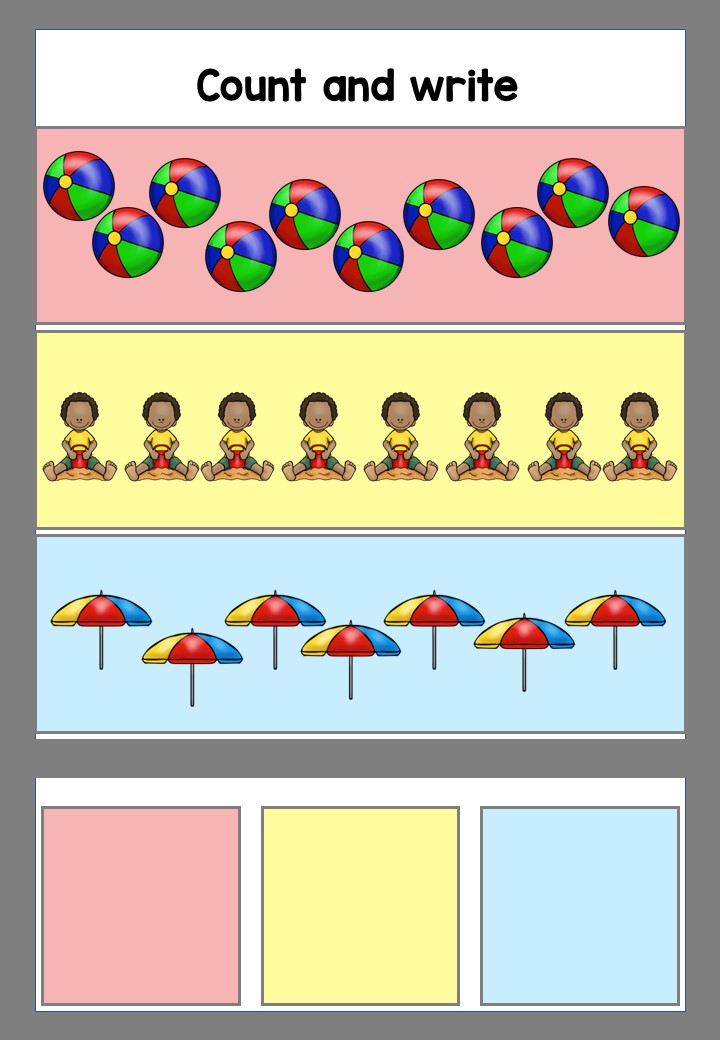
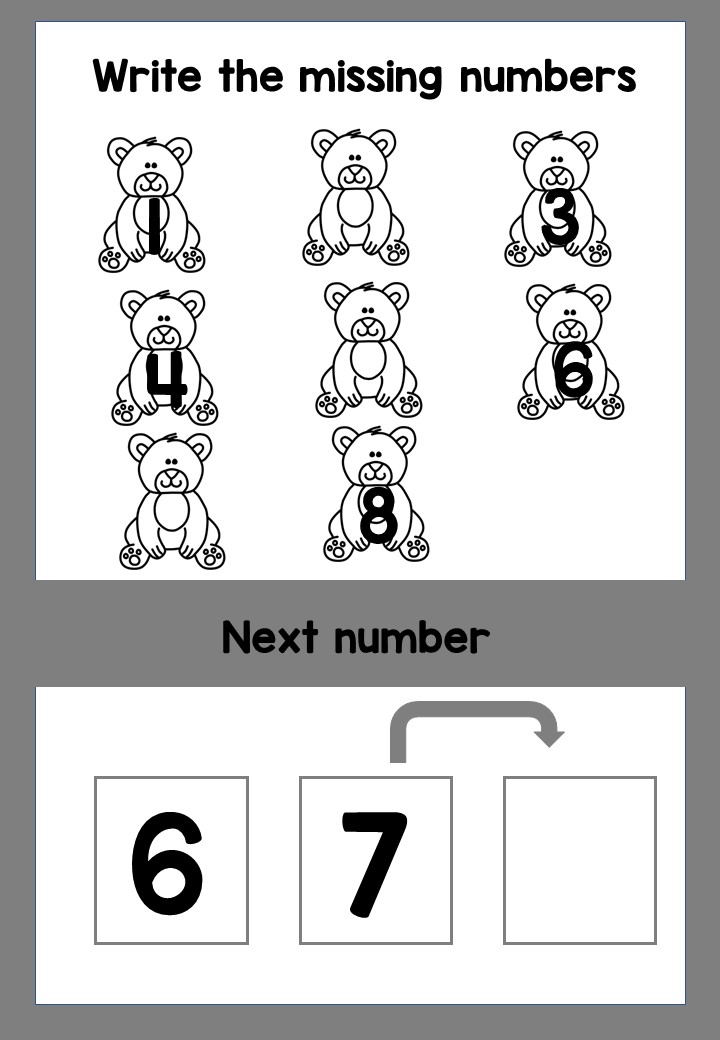
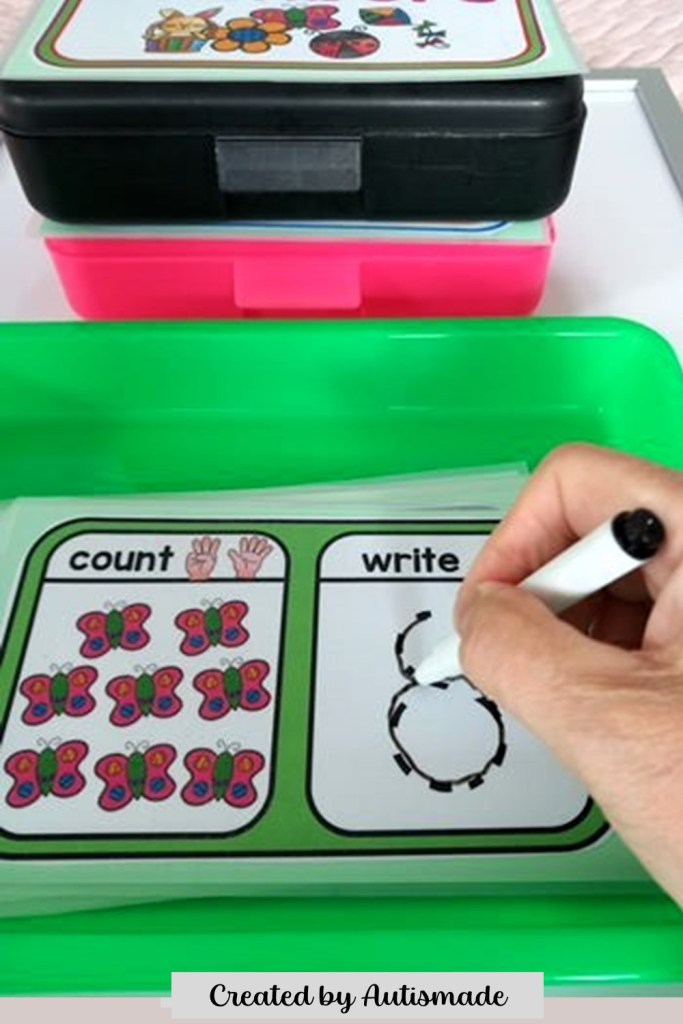
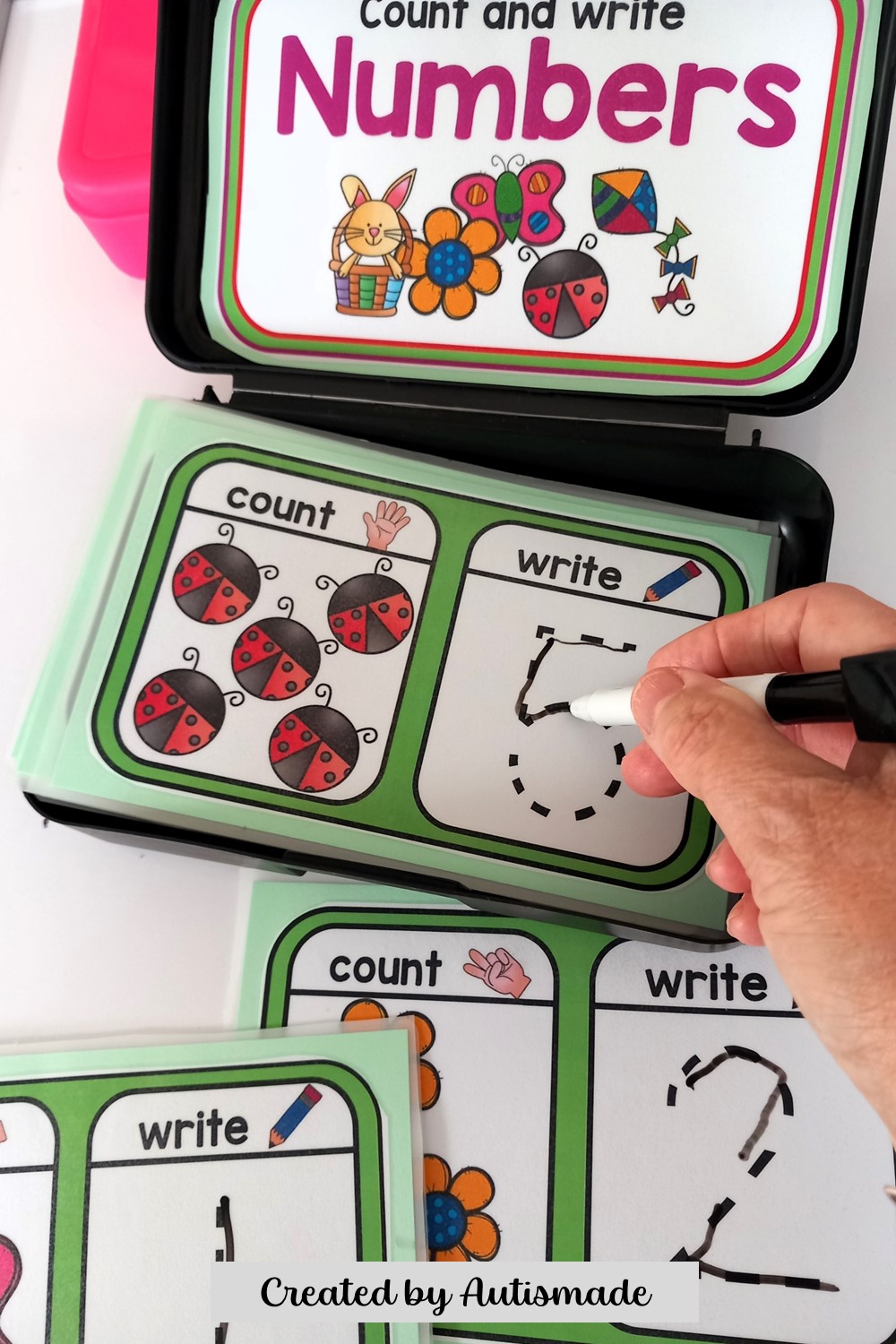
  • Number tracing (1โ€“10)
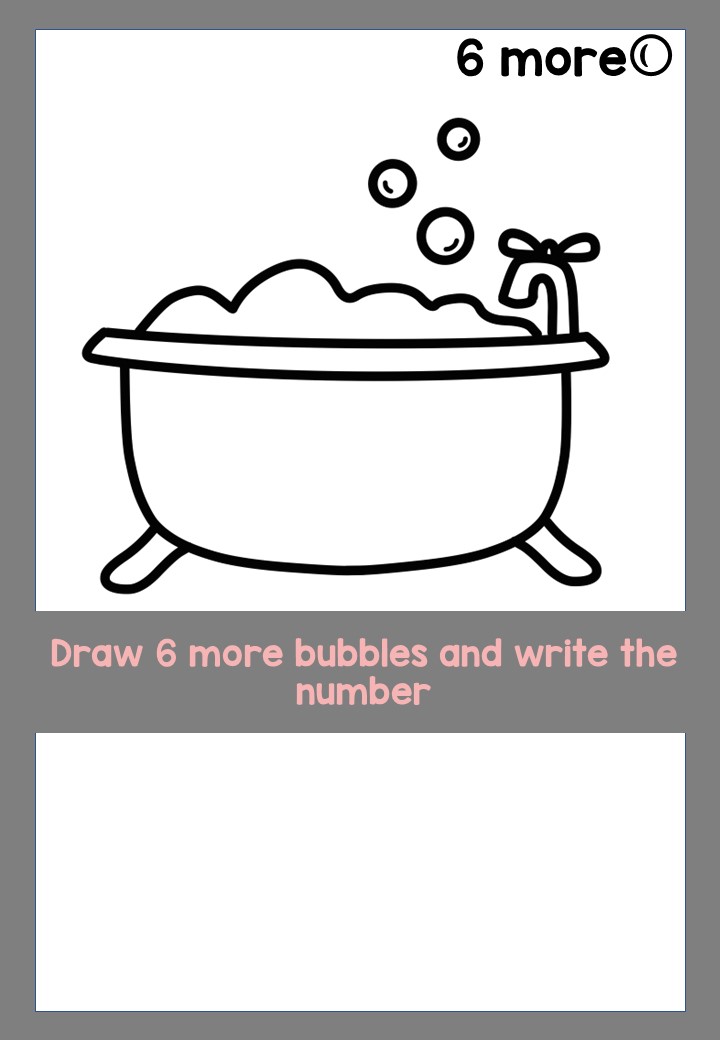
  • Counting objects
  • Matching numbers to quantities
  • Simple ten-frame activities

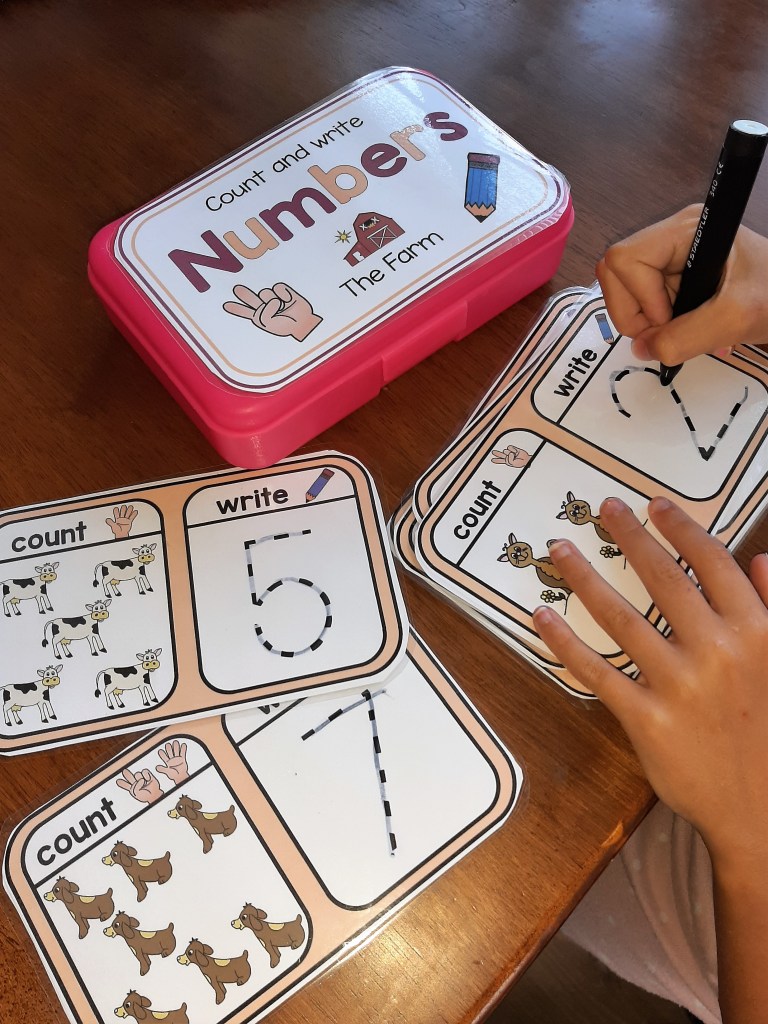
Laminate pages and use dry-erase markers for easy reuse. These are perfect for reinforcing early math skills in a structured way.

Hands-On Counting Tasks
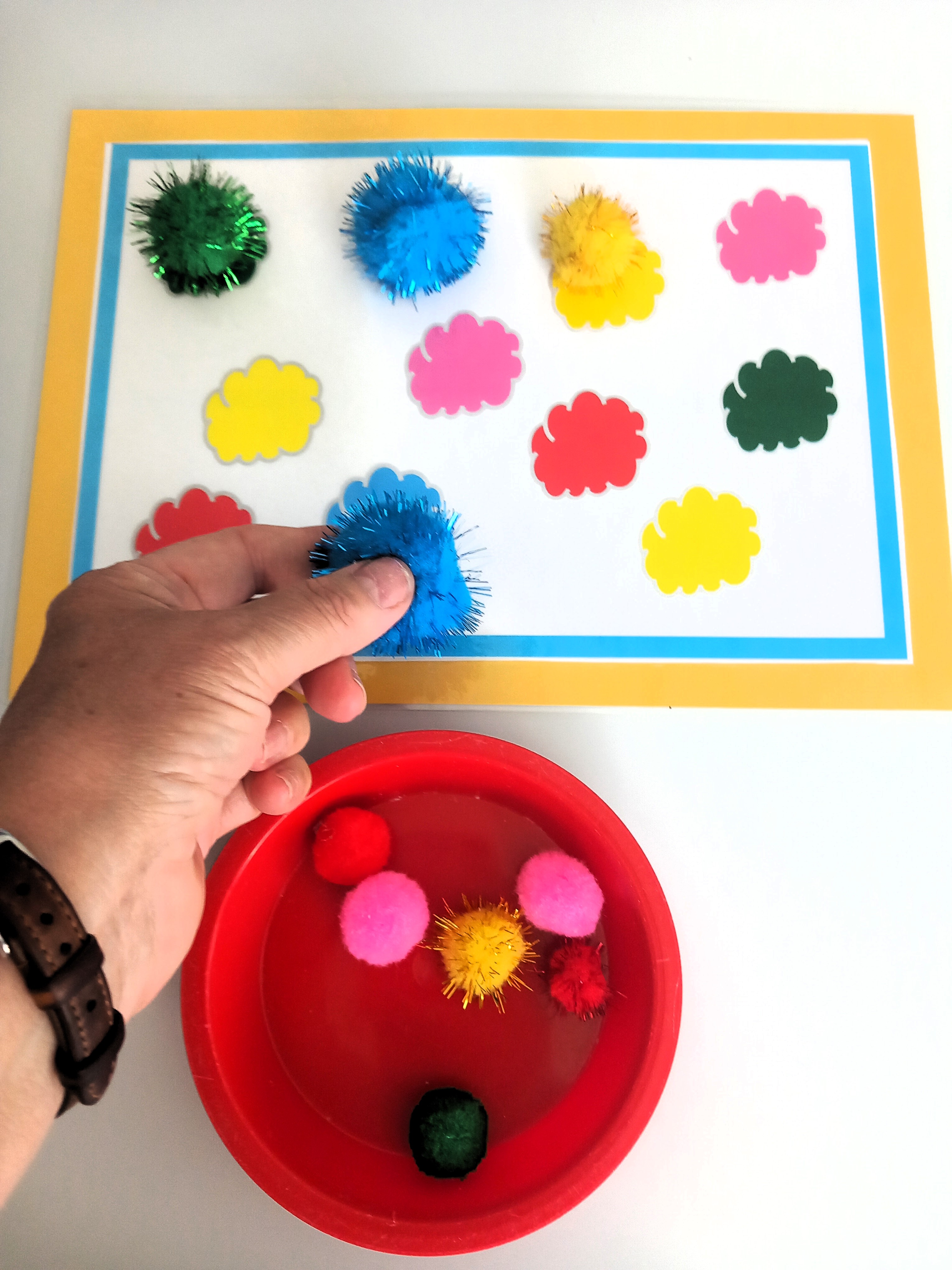
Abstract numbers? Not today. Weโ€™re going tactile!

Try:

  • Counting bears or linking cubes
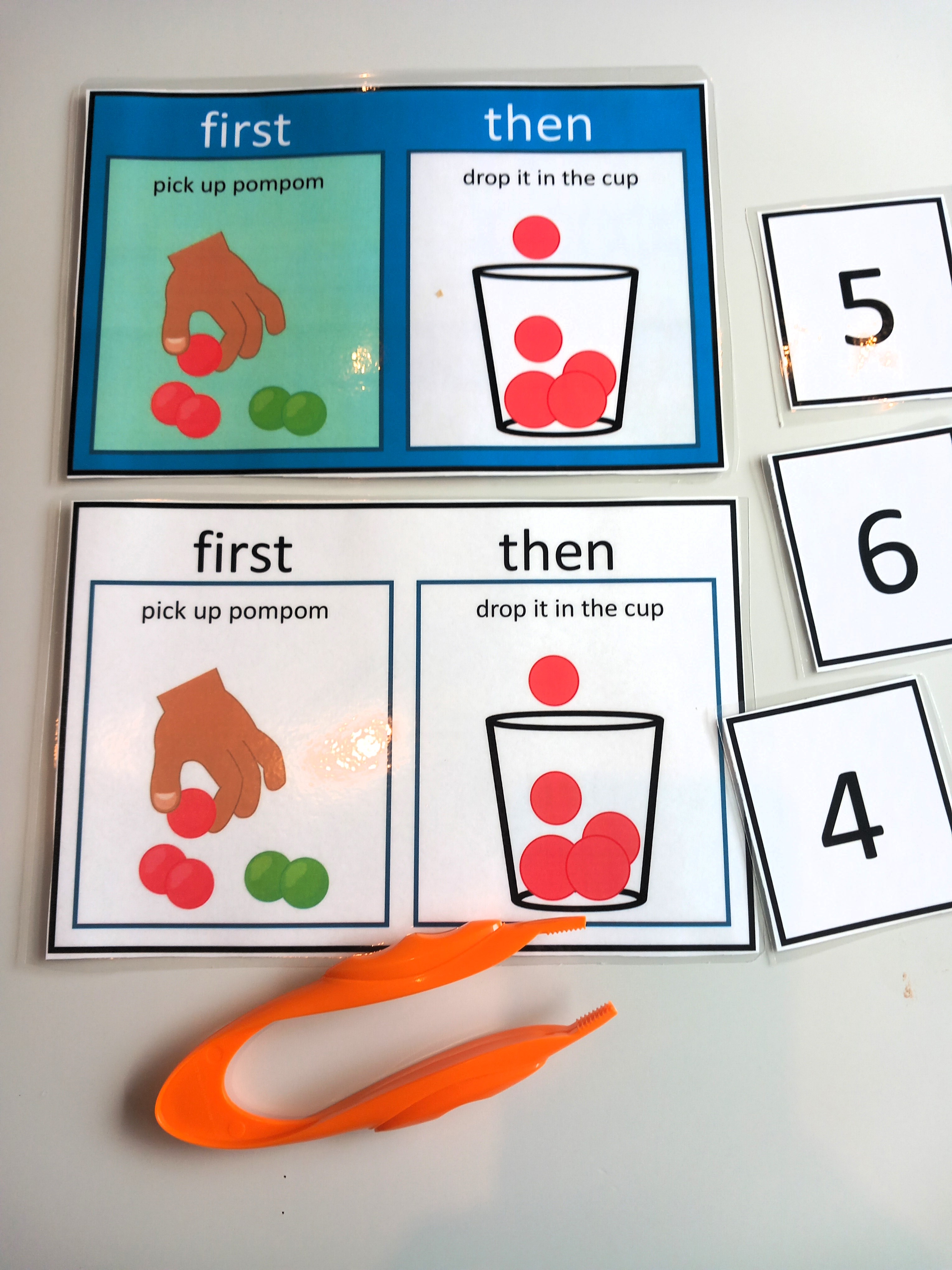
  • Pom-poms with tweezers (fine motor + math!)
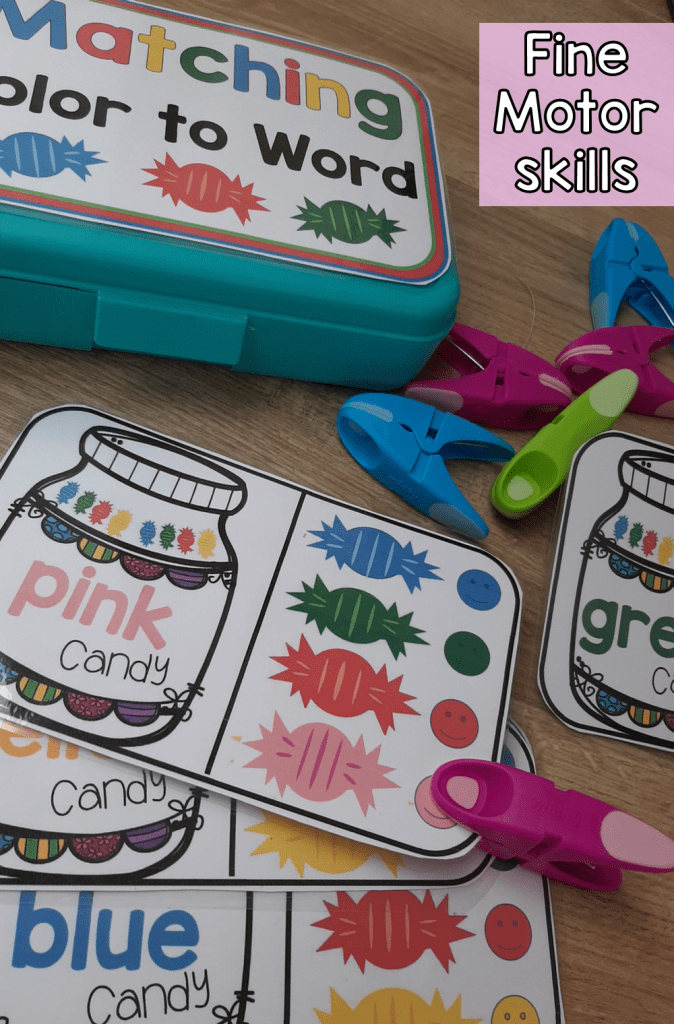
  • Clip cards (color word clip the correct color)
  • Counting mats with real objects

These activities support both number recognition and one-to-one correspondence.
Different learners, different needsโ€”thatโ€™s where leveled file folders shine.

Create three levels:

  • Level 1: Matching (number to number, picture to picture)
  • Level 2: Counting and identifying numbers
  • Level 3: Simple addition or comparing numbers

Store them in labeled bins so you can quickly grab the right level for each student.

Task boxes are the MVPs of independent work centers.

Each box includes:

  • One clear task
  • Visual directions
  • All materials needed

Ideas:

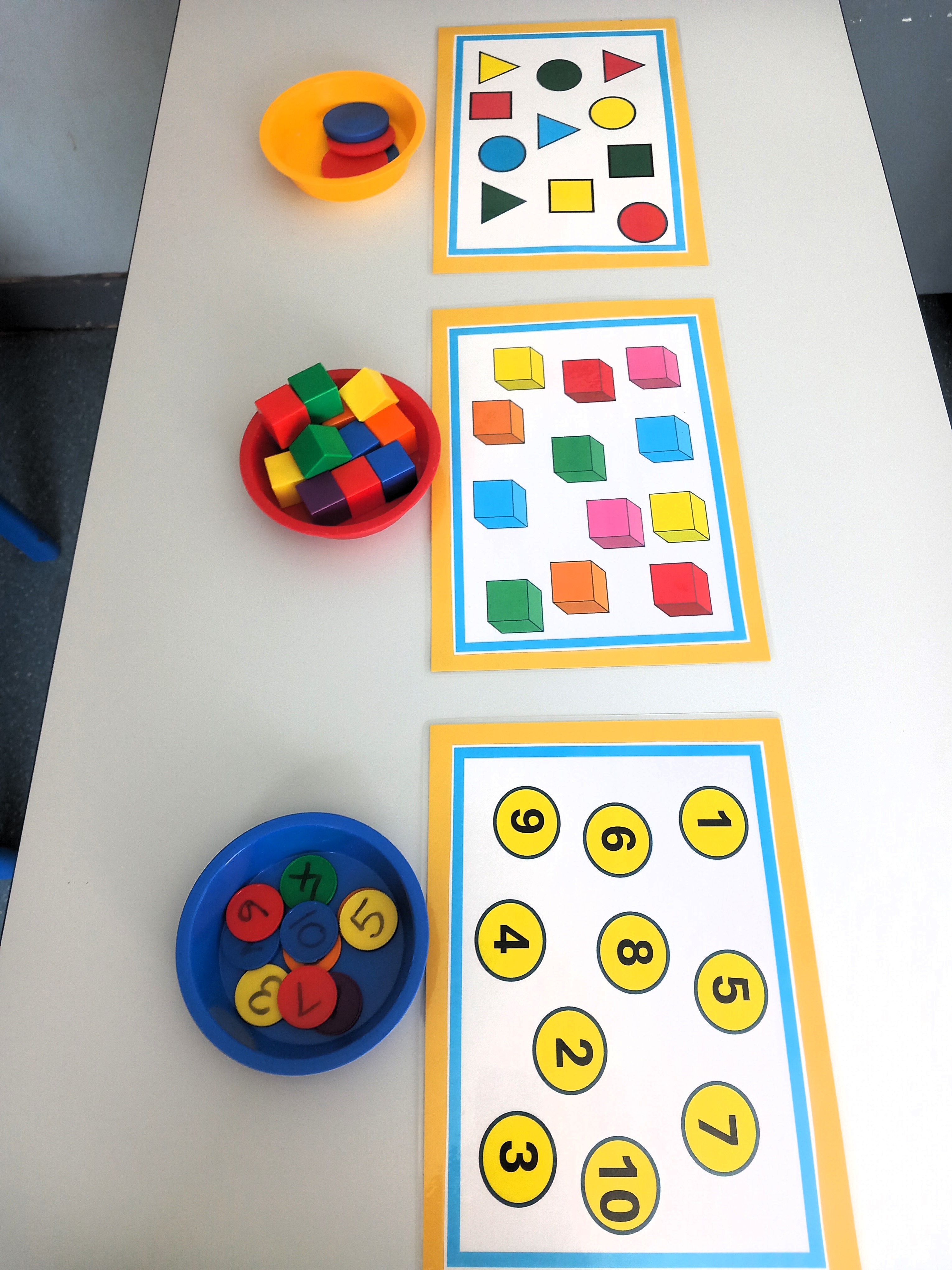
  • Sort by color or shape
  • Match uppercase to lowercase letters
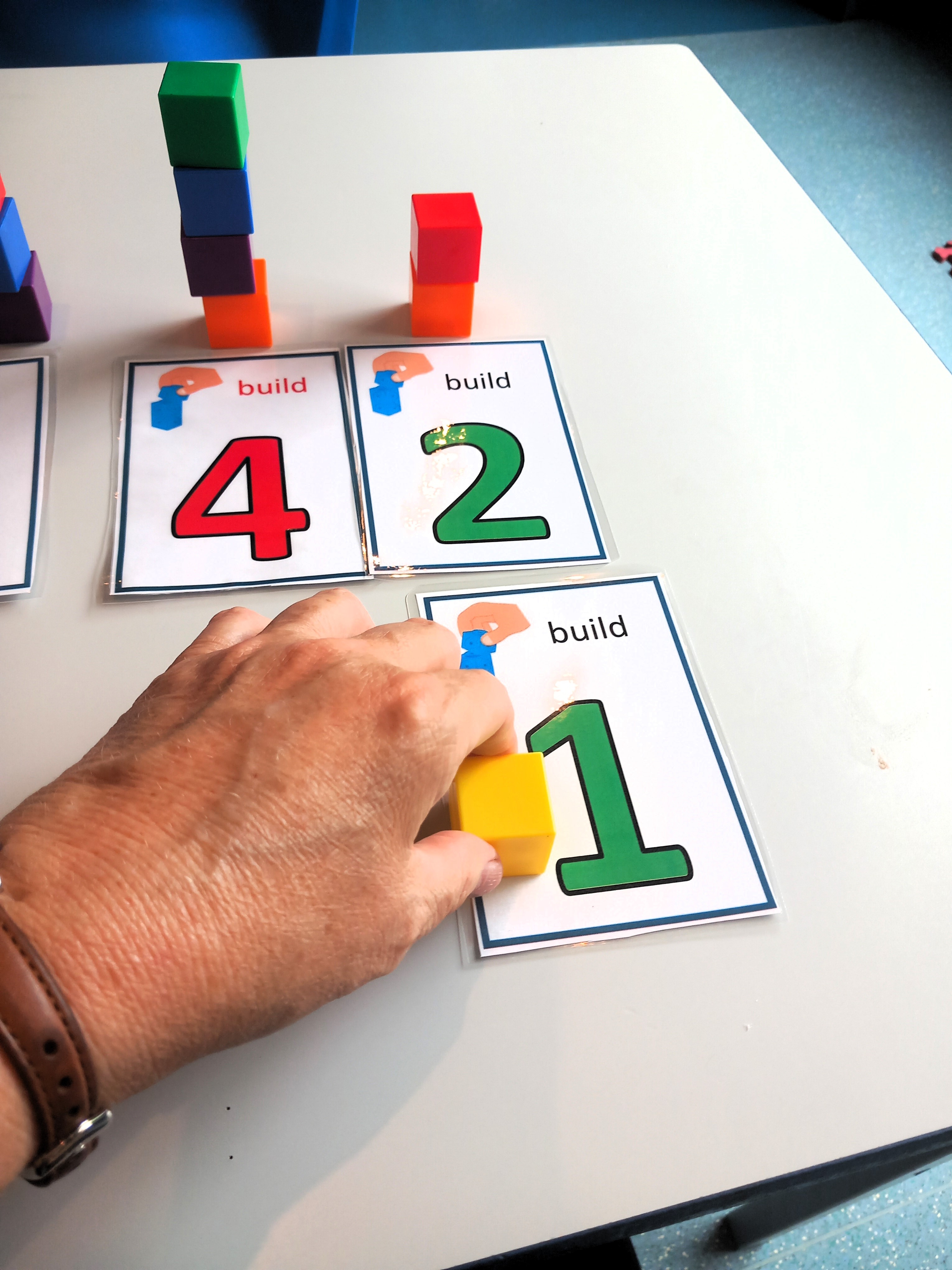
  • Build numbers using manipulatives

Students learn to complete, close, and move onโ€”independence in action!

Sorting is simple, satisfying, and packed with learning.

Try sorting:

  • Colors
  • Shapes
  • Sizes
  • Objects vs. pictures

Add tongs or clothespins to sneak in fine motor practice while building cognitive skills.

Fine motor practice is essential at this ageโ€”and easy to incorporate.

Include:

  • Playdough mats
  • Beading activities
  • Cutting strips
  • Sticker scenes
  • Tweezer transfers

These strengthen hand muscles for writing while keeping students engaged.
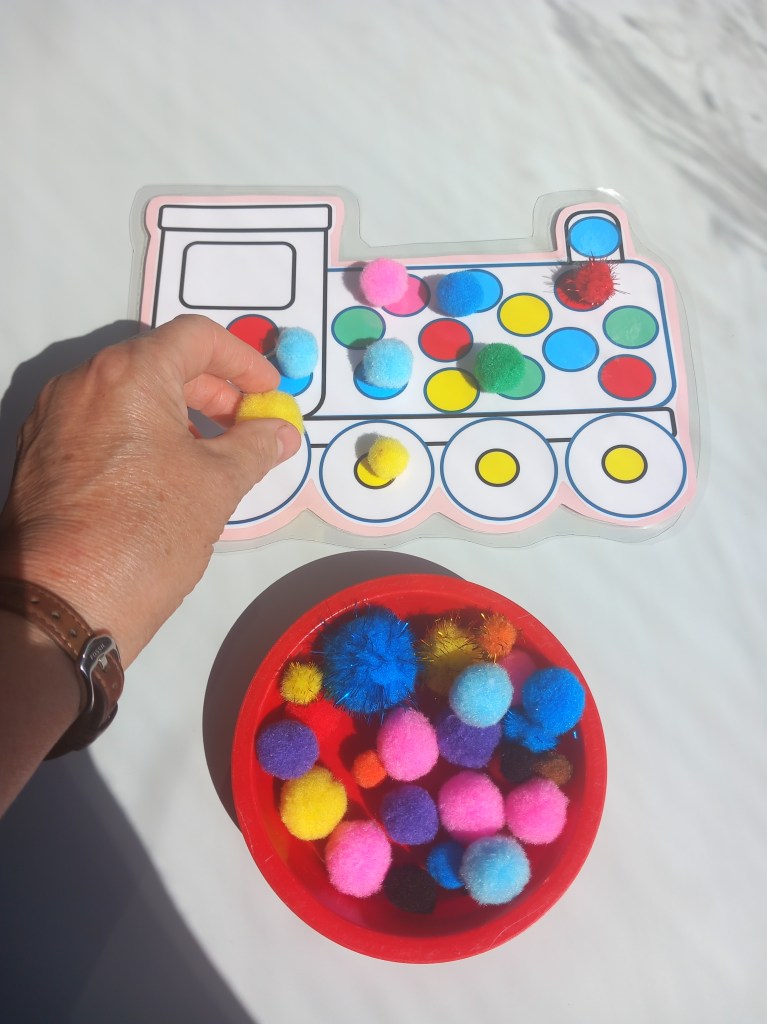
Make it fun with:

  • Number puzzles
  • Flashcards with visuals
  • โ€œFind the Numberโ€ sensory bins
  • Dot marker sheets

Repetition + variety = mastery.

A few quick tips:

  • Use labeled bins or drawers
  • Keep materials consistent week to week
  • Rotate activities, not systems
  • Model expectations often

Remember, the goal is independenceโ€”not perfection.


Independent work centers in a special education classroom donโ€™t have to be complicated to be effective. With the right structure, engaging materials, and a little creativity, your students will grow in confidence, skills, and independence.

And you? Youโ€™ll gain a smoother classroom flow and a few extra moments to actually enjoy teaching again.

Click here to visit my Store

Top 10 Visual Behavior Supports for Autism Classrooms

Are you overwhelmed by the amount of Behavior supports there are available out there! Are you looking for that particular one you need to help you manage behaviors and maintain structure in your classroom! These powerful strategies below might just help you create the classroom you want. Have a look at the different types of classroom management tools I use to achieve the Special Ed class I have.

# 1 Critical Communication Cards

Critical Communication Cards – To teach new skills such as requesting “break please”, “help” and “wait” self -management strategies.

QUICK TIP – I hang these cards close to my Calm Down Corner so my students have easy access.

Subscribe and Pick up a FREE cute “Break” Sample Card and get notifications of all my freebies

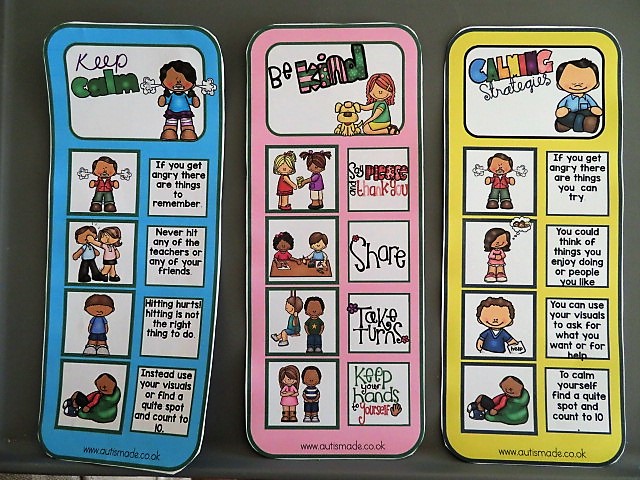
#2 Social Supports Strips

Social Supports – To help my students understand how to behave or respond in a particular situation using a visual guide describing various social interactions, situations, behaviours, skills or concept.

QUICK TIP – I place them on the edge of tables to remind students on their choices.

#3 Visual Folder Supports

Visual folder supports – A place for my students to keep all their daily and most used visuals all in one place, ideal for quick support.

QUICK TIP – My students use these throughout the day and follow the schedule to stay on task. They choose a reward to use with the Token Economy system and have the visuals they might need ready to use.

#4 Self Regulation Tools

.Self regulation tools – I’ve made tools individually accessible for my students to use in a handy little booklet.

QUICK TIP – I bind then as a book and keep them on hand for self management, each one tailored to individual needs that help them to self-regulate.

#5 First and Then Strategies

First and Then – By using this strategy my students know what they must complete before having what they want, it also provides structure in their behaviour support plans.

QUICK TIP – If my students are finding it difficult to stay on track, I use the first and then strategy to remind them of what they are working for.

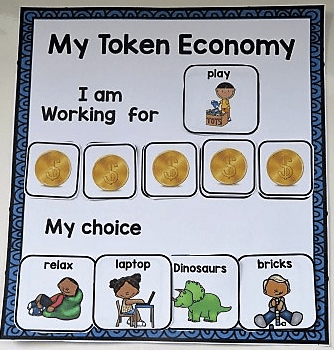
#6 Token Economy Rewards

Token Economy – A powerful method of strengthening new skills and behaviours, The tokens are a way of โ€œpayingโ€ my students for completing tasks and then they can be used to trade for desired activities or items they choose.

QUICK TIP – I use this board when I start teaching the Token economy strategy, its a classroom resource that I can adapt with motivator choices for individual needs.

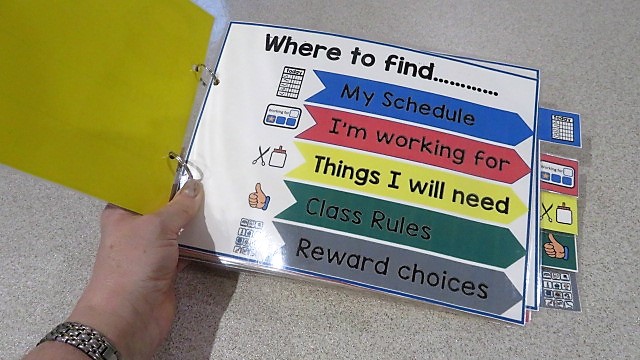
#7 Communication Binder

Communication Binder – My students can use their Daily Binders to aid Communication throughout the day and support them with any frustration or anxiety they may feel.

QUICK TIP – My student each have their own communication book which once laminated I place in a binder to keep the visuals safe

#8 Daily Visuals

Daily Visuals – A selection of visuals for Speech Therapy, Special Education and Autism to support communication in the classroom and at home. QUICK TIP – These have bigger visuals which are more suitable for students that are learning picture to item recognition. Students can point to what they want, need or feel.

#9 Token Boards

Token or ticks – Point cards for some of my students to earn ticks for preferred behaviour.

QUICK TIP – I print a stack of these out to use when i need them, usually when I’m teaching a focused task. I ask before starting the task what they want to working for and tick off the boxes throughout to keep them motivated and earn the reward they’ve chosen..

#10 Daily Planner

Daily Planner – This Support folder is a place for my student to keep track of the days of the week, check their schedule, ask for task items they may need and support behavior before it arises.

QUICK TIP – A class daily organiser for my higher ability students. It helps them manage their day, hold motivator visuals, and reminds them of the rules in class.

Use links below to visit my TPT Store

Visual Behavior Support Folder – Token Rewards Tools, schedules, First & Then,

Visual Supports: Token Reward System/First & Then – Strategies for Special Ed

Classroom Behavior Management Strategies: First, Next and Then Tools

Token Reward folder: Visual support tools with “first & then” Behavior Strategy

First, Next and Then table Schedule Templates with Visual Supports

First Then boards and Help cards: Autism visual supports

Visual Supports:”First, next, then” with Token Rewards Systems