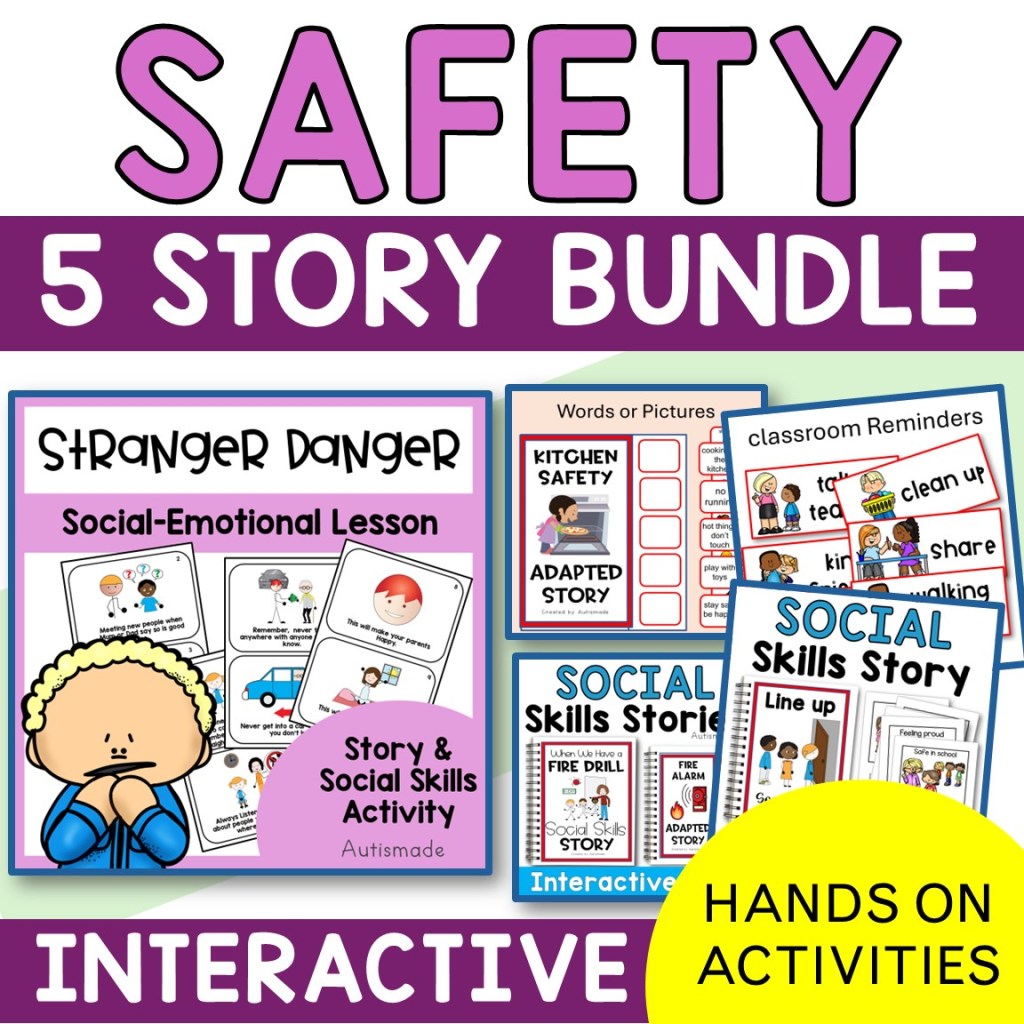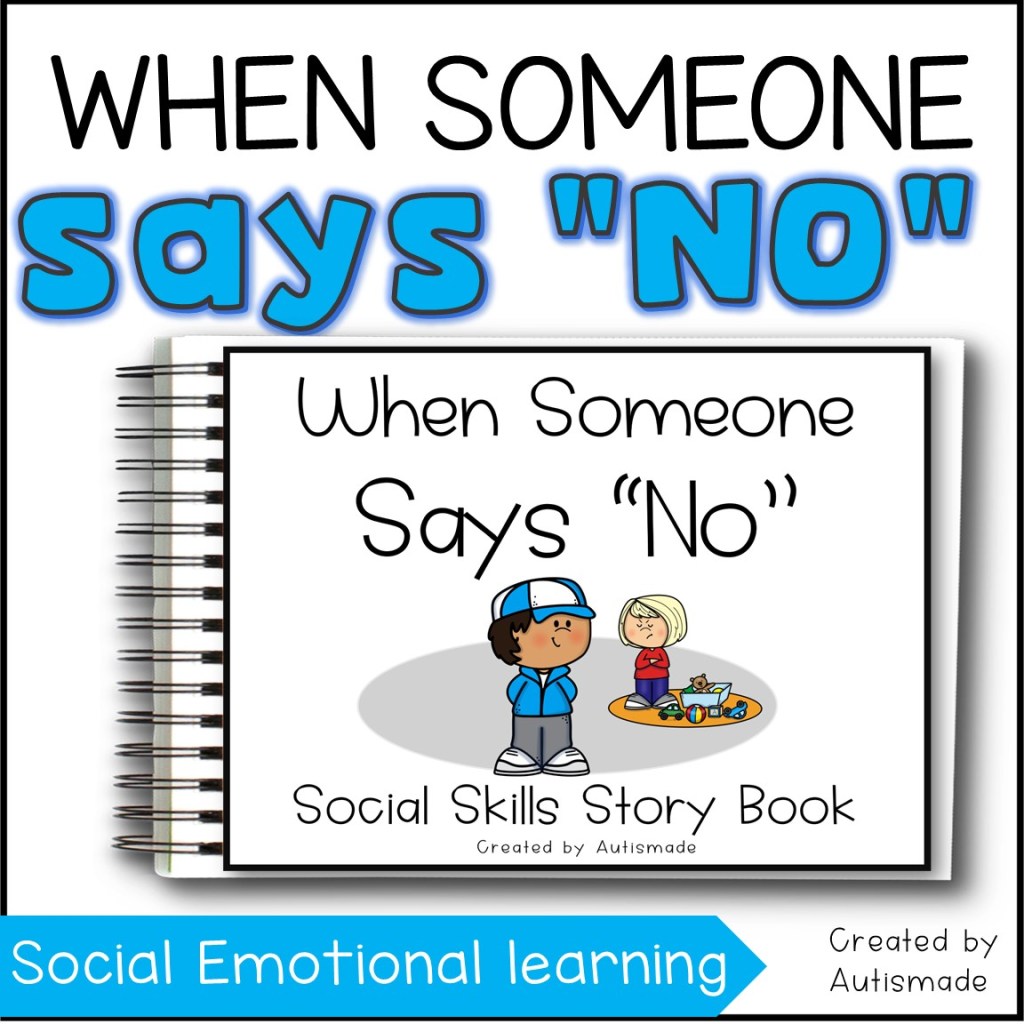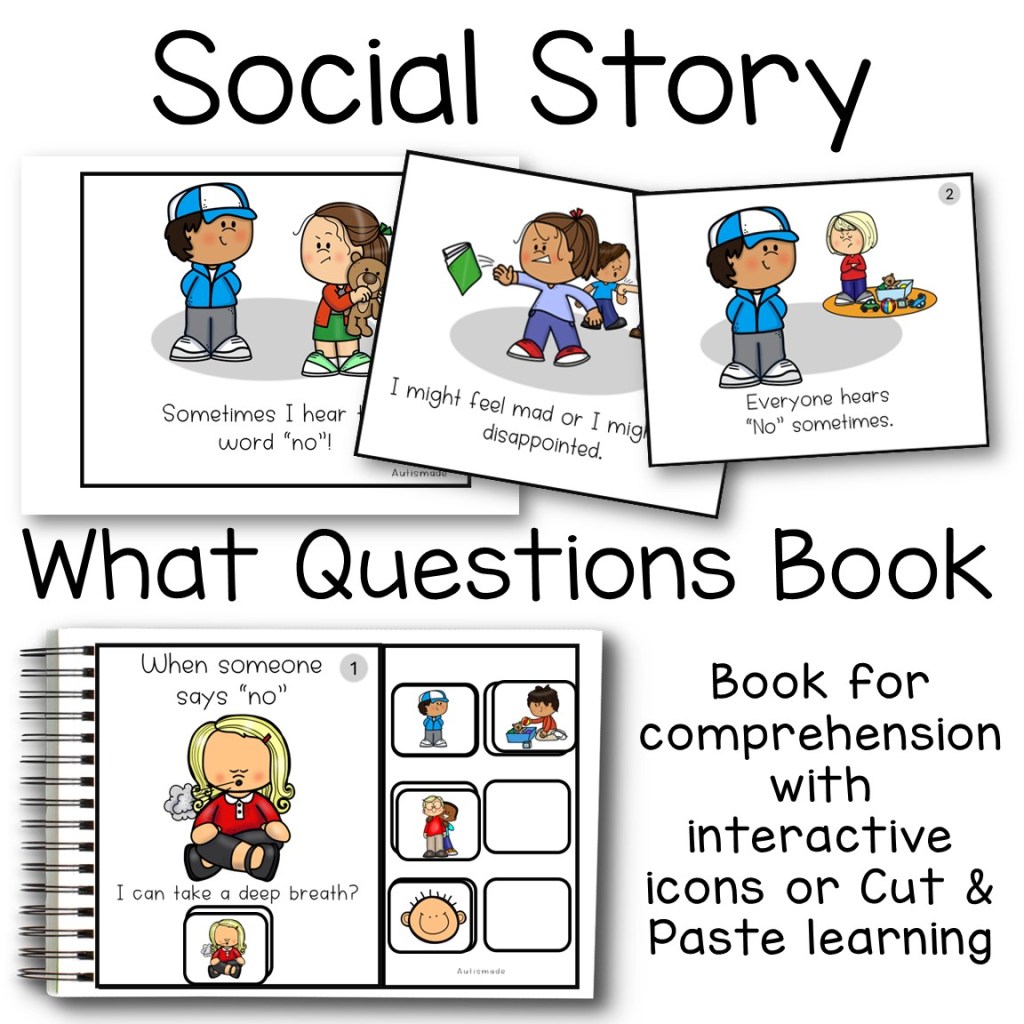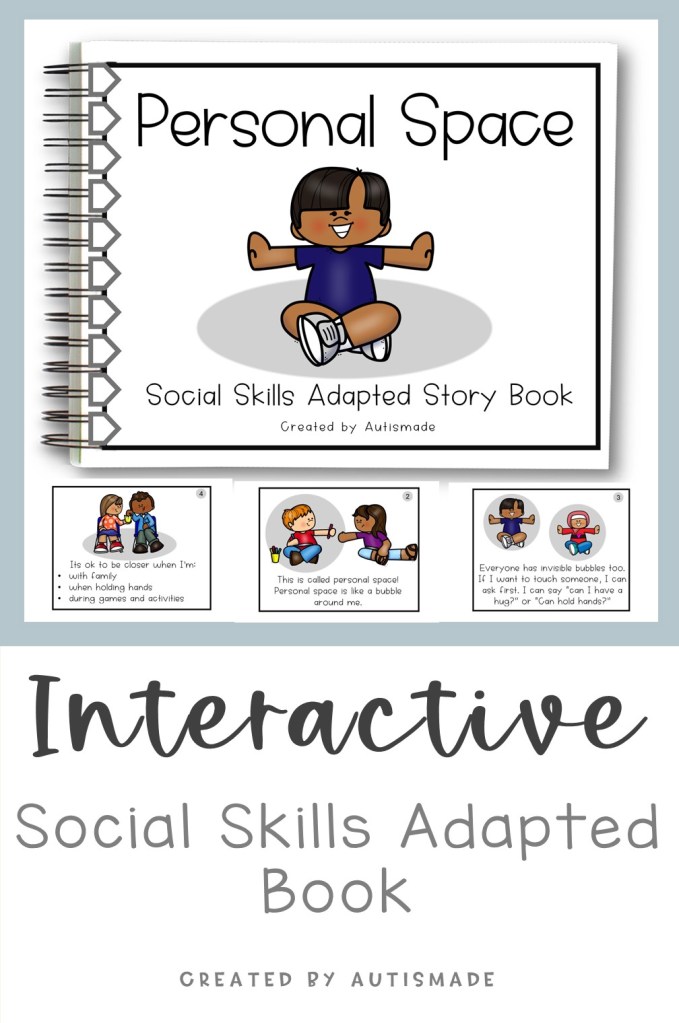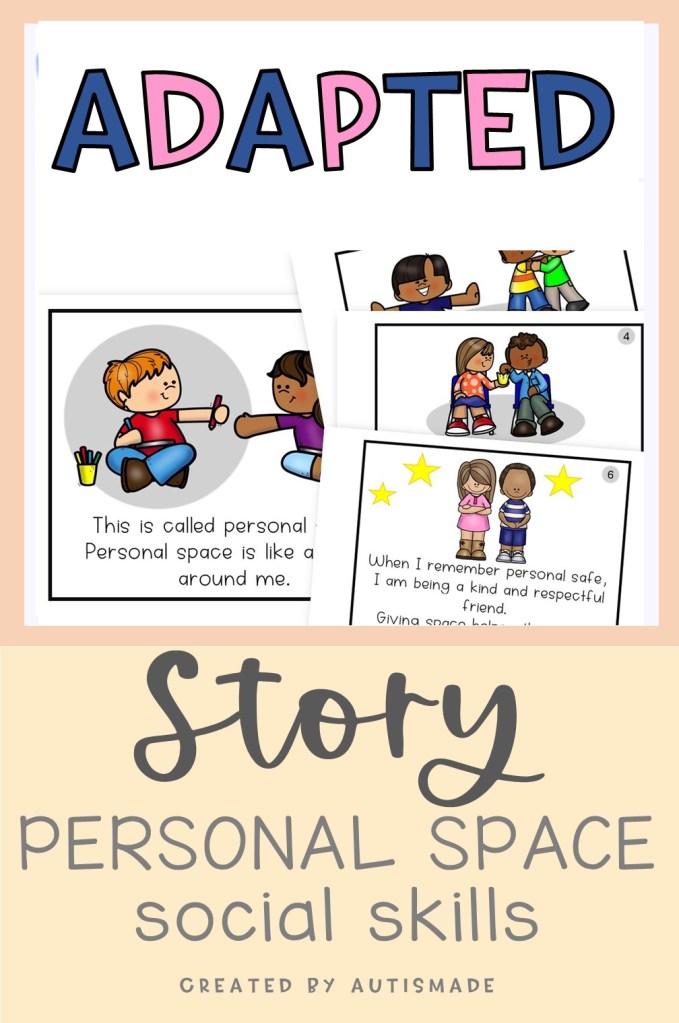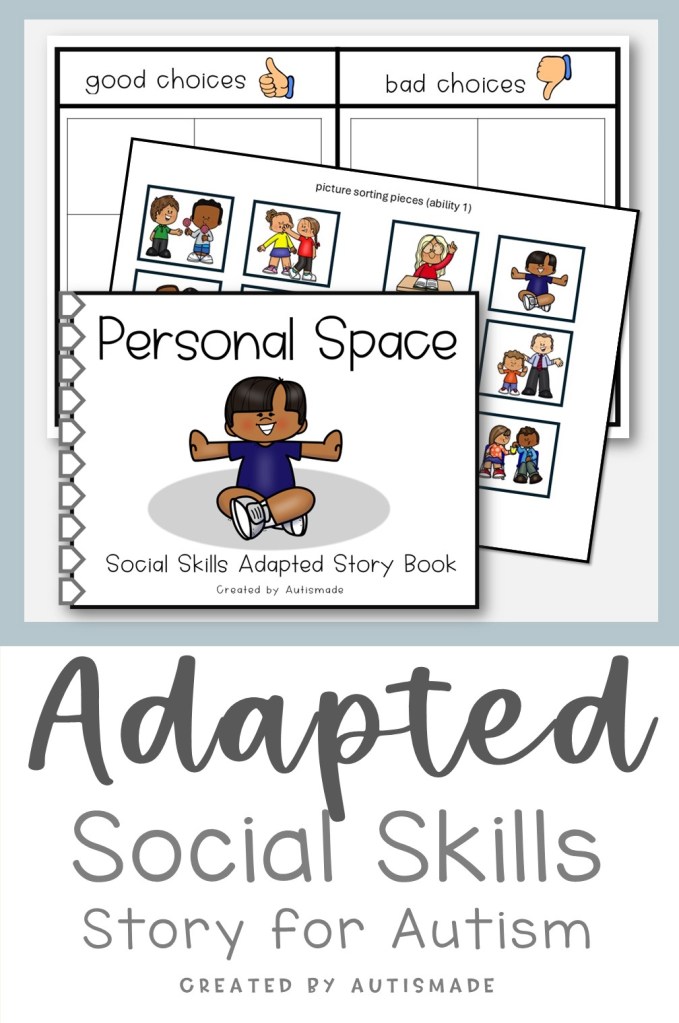
Teaching children about safety is an important part of everyday learning. For some students, particularly those in special education or autistic learners, safety rules and expectations may need to be taught in a clear, concrete, and predictable way.
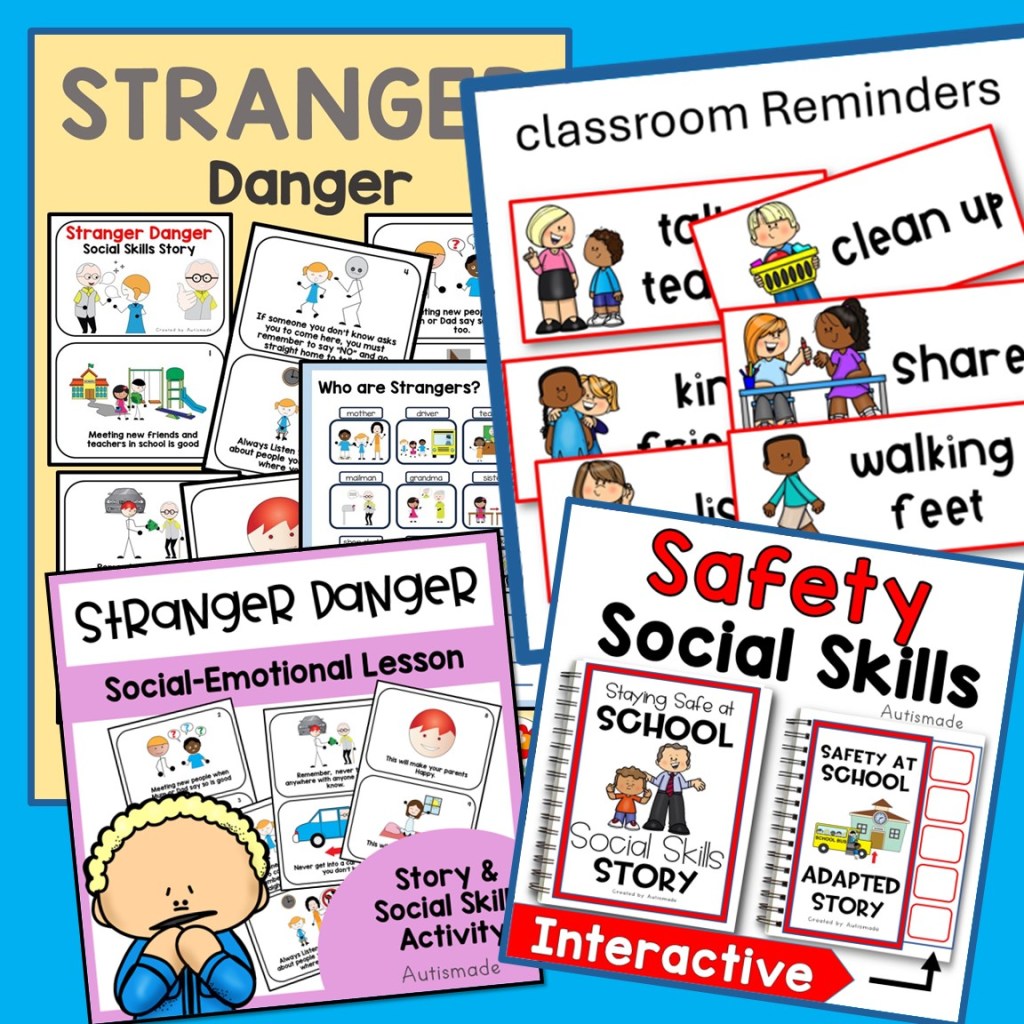
This is where social stories can be a valuable teaching tool.
What Are Safety Social Stories?
Social stories are short, structured stories that explain a situation, what a child may experience, and what they can do to respond safely. They can help make unfamiliar or potentially challenging situations easier to understand.
Instead of simply saying, “Be safe,” a social story can break the idea of safety into small, meaningful steps.
For example, a story might explain:
- How to stay safe in the classroom
- Stranger Danger safe vs unsafe
- How to ask a trusted adult for help
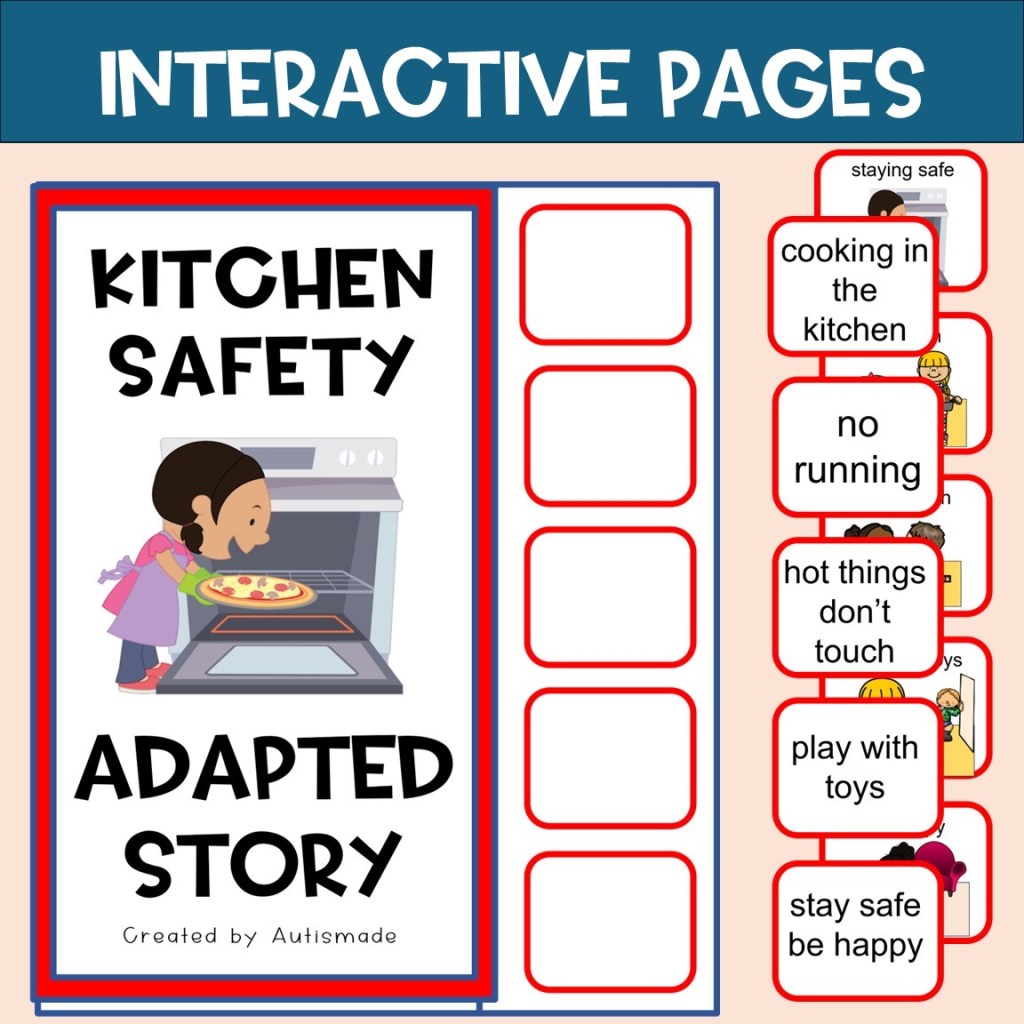
- Understanding kitchen safety
- What to do if separated from a caregiver
- Safe choices at home
- How to respond during an emergency

Why Use Social Stories to Teach Safety?
Every child learns differently. Some students benefit from having information presented visually, repeatedly, and in simple language.
Social stories can be read before a situation occurs, practiced regularly, or revisited when a child needs a reminder. They can also be used during individual instruction, small groups, life-skills lessons, or as part of a classroom routine.
For teachers and families, they provide a simple way to introduce important safety concepts without overwhelming the learner with too much information at once.
Making Safety Learning Meaningful
The goal isn’t simply for students to memorize a list of safety rules. It’s to help them understand what to do, who they can ask for help, and how to make safer choices in everyday situations.
Keep language clear and positive, use examples that are relevant to the child’s environment, and give students plenty of opportunities to practice the skills.
A Little Preparation Can Make a Big Difference
Whether you’re teaching School Safety, Kitchen safety, Fire Drill, or Stranger Danger, social stories can be incorporated into everyday teaching and routines.
With consistent practice and appropriate support, safety skills can become a meaningful part of a student’s journey toward greater independence and confidence.