For many children, hearing the word “no” can be one of the biggest challenges they face each day. Whether it’s being told they can’t have another turn, can’t play with a preferred toy, or need to wait, these moments can lead to frustration, disappointment, or big emotions.
The good news is that accepting “no” is a skill that can be taught, practiced, and reinforced with consistent support.
Why Is Hearing “No” So Difficult?
Children are still developing the skills needed for emotional regulation, flexible thinking, and problem-solving. For many students, especially those with autism, ADHD, developmental delays, or other learning differences, unexpected changes or denied requests can feel overwhelming.
Instead of assuming children already know how to respond, we can explicitly teach:
- How to stay calm.
- Safe ways to express feelings.
- Positive choices they can make next.
- What expected behavior looks like in different situations.
The Power of Social Stories
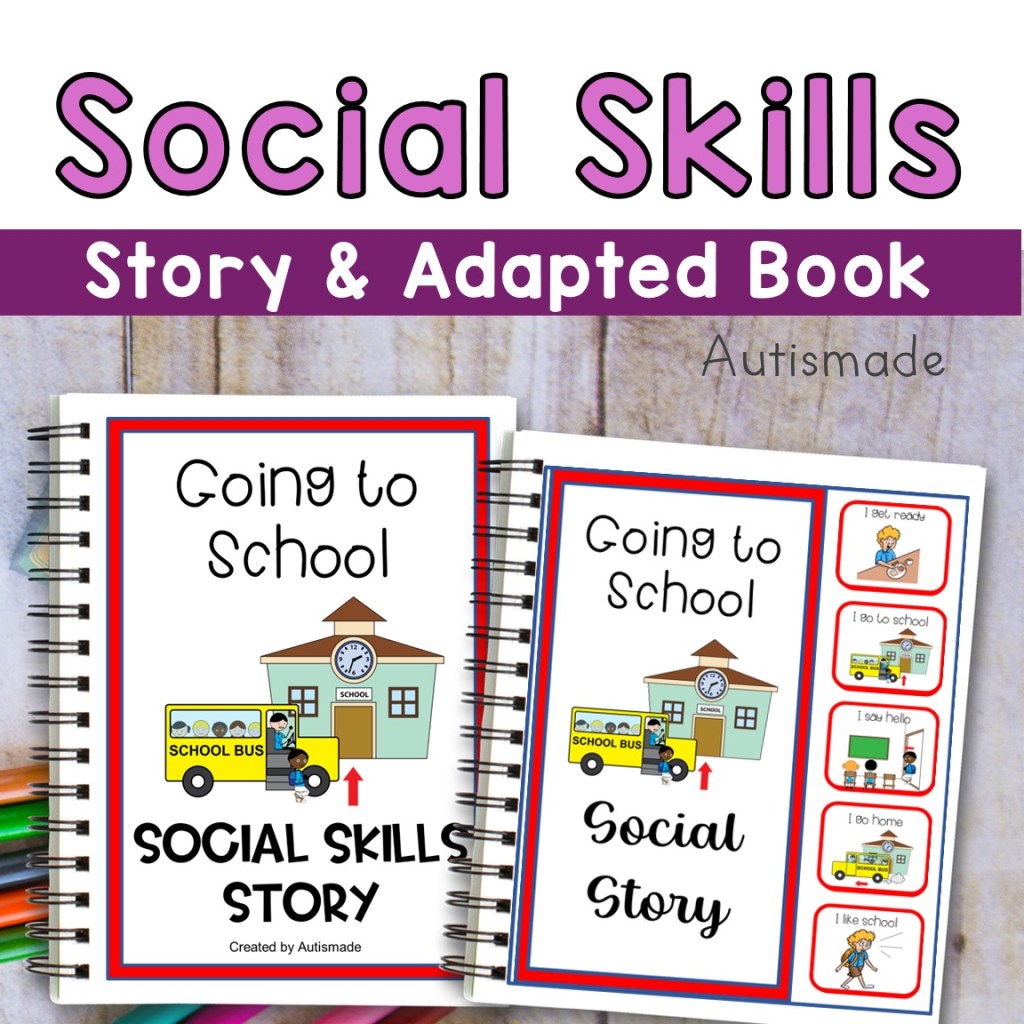
Social stories provide a clear, predictable way to introduce social expectations. They help children understand not only what is expected but also why certain behaviors are helpful.
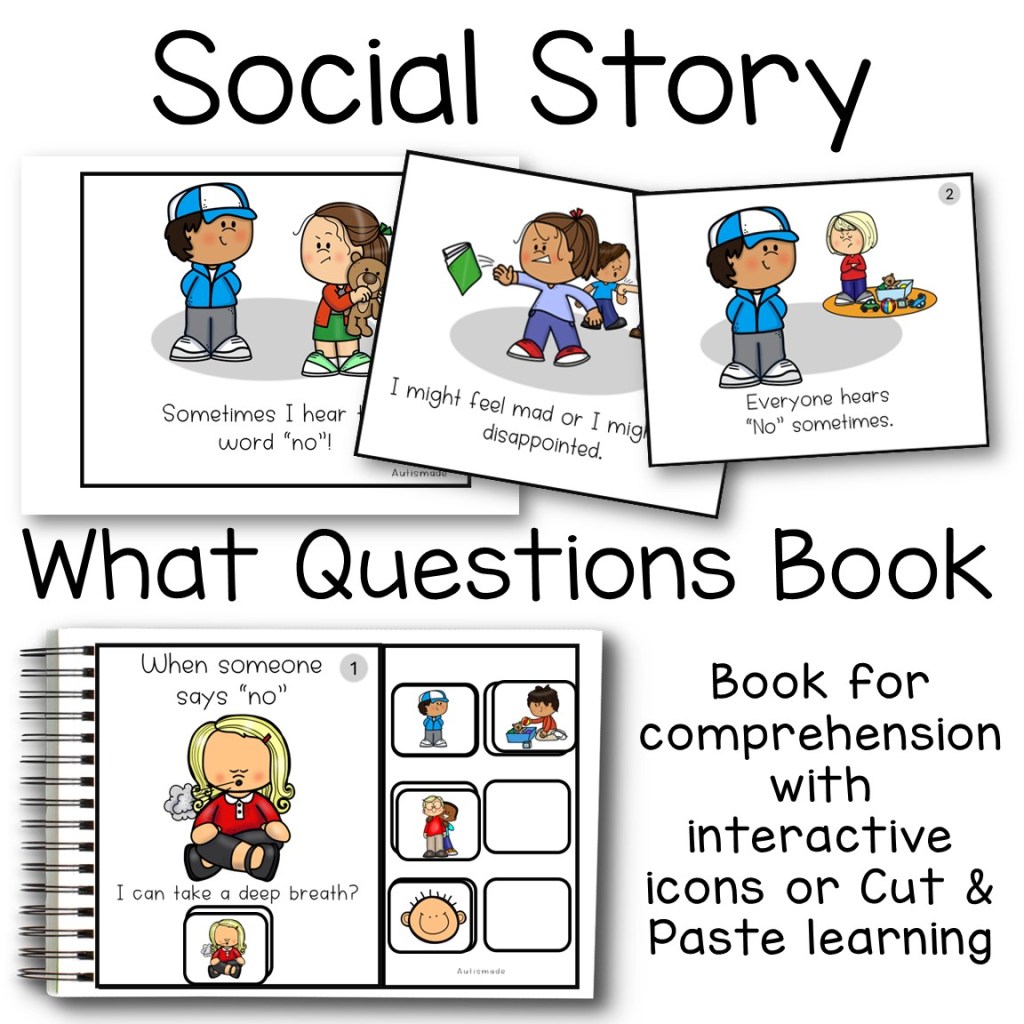
Reading a social story before challenging situations gives students a chance to practice appropriate responses in a calm, supportive environment rather than learning in the middle of a difficult moment.
Reinforcement Makes the Difference
Learning doesn’t stop after reading a story. Children benefit from seeing and practicing the skill in different ways.
Activities such as:
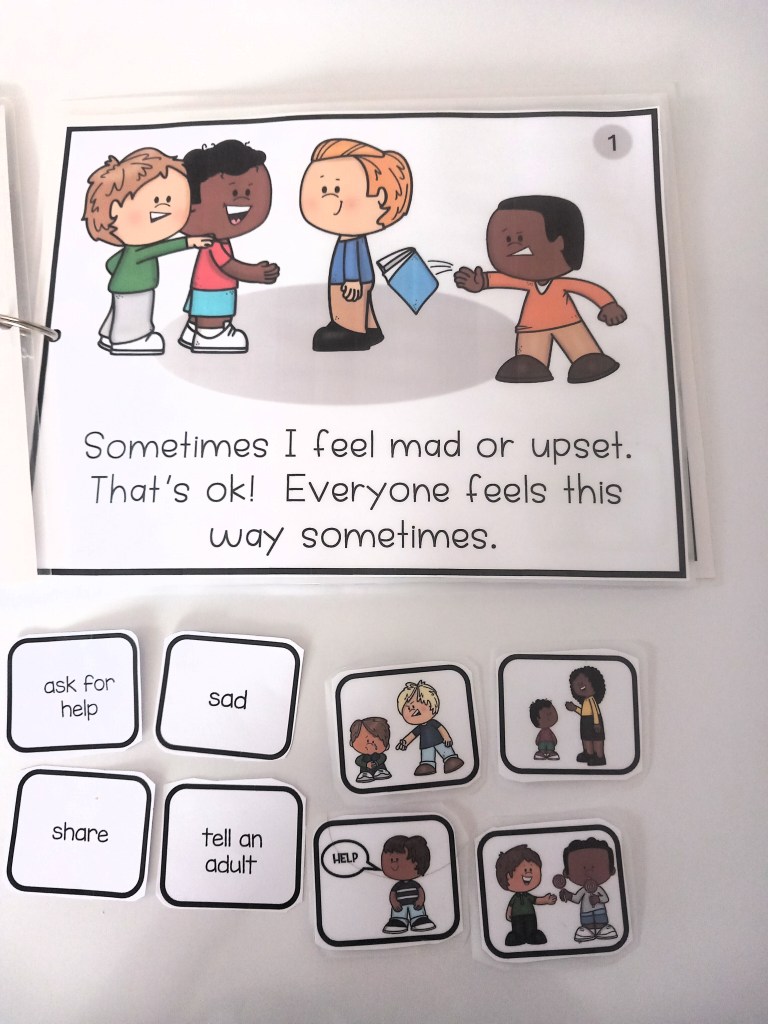
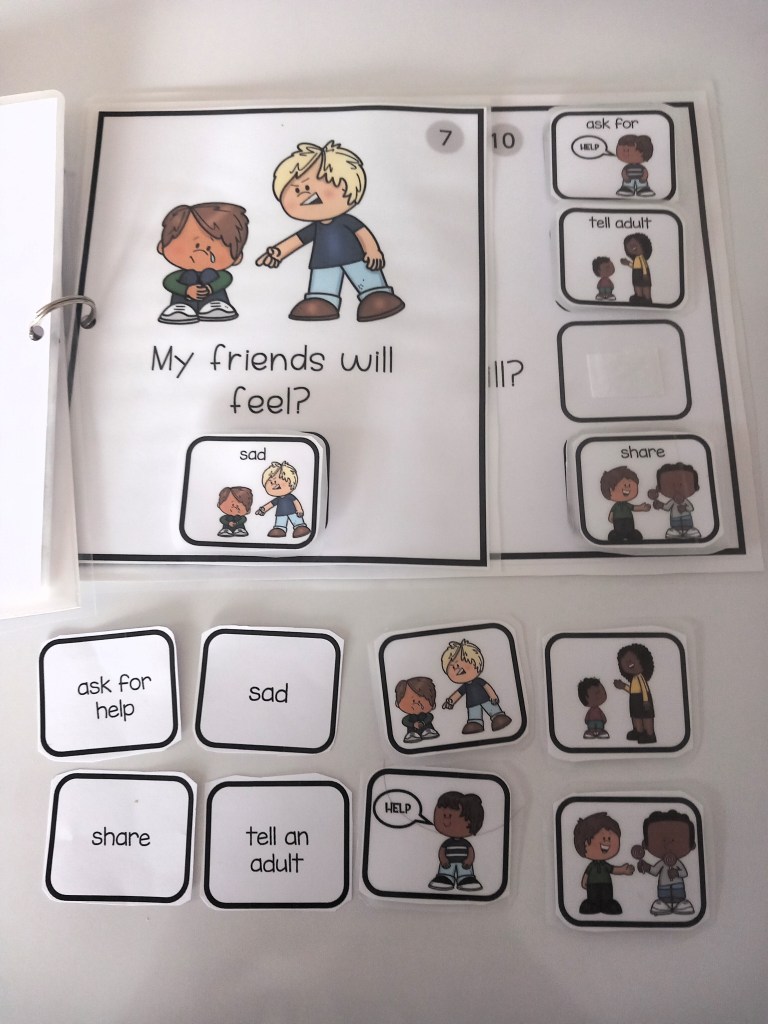
- Interactive comprehension books
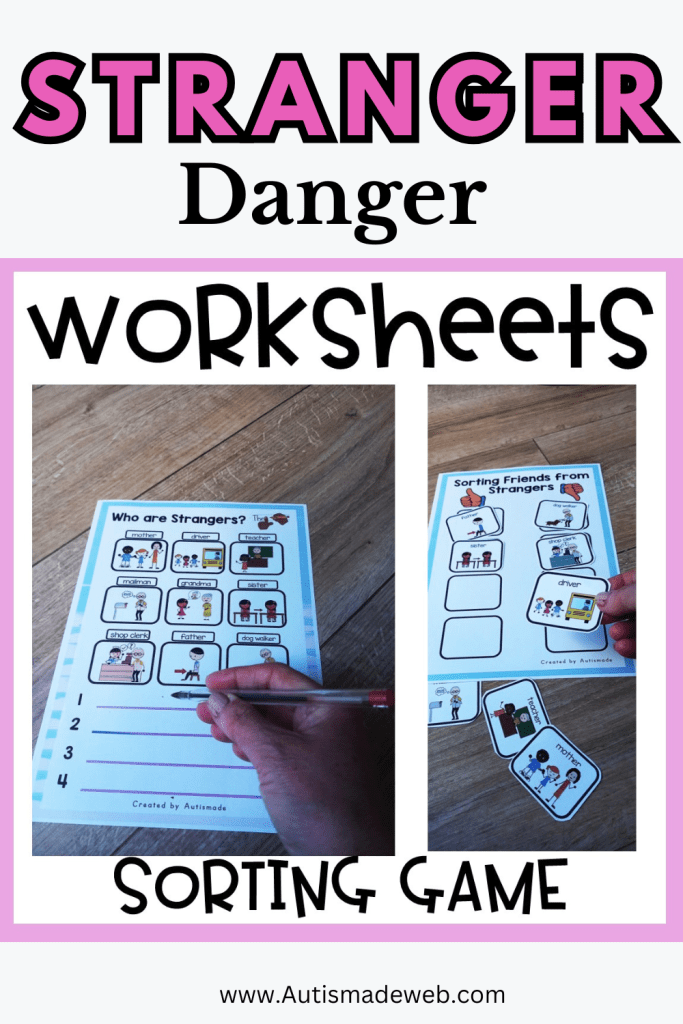
- Behavior sorting games
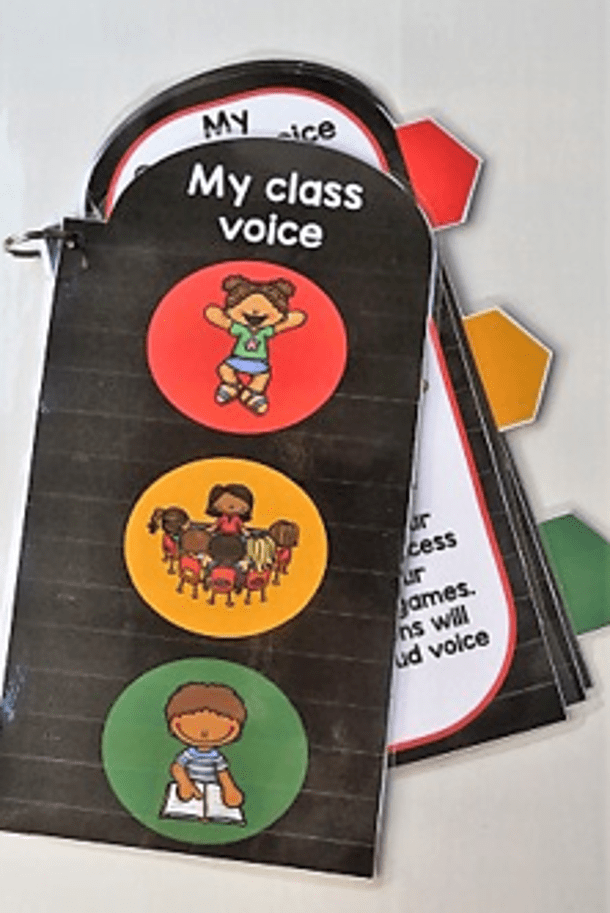
- Visual reminder cards
- Choice boards
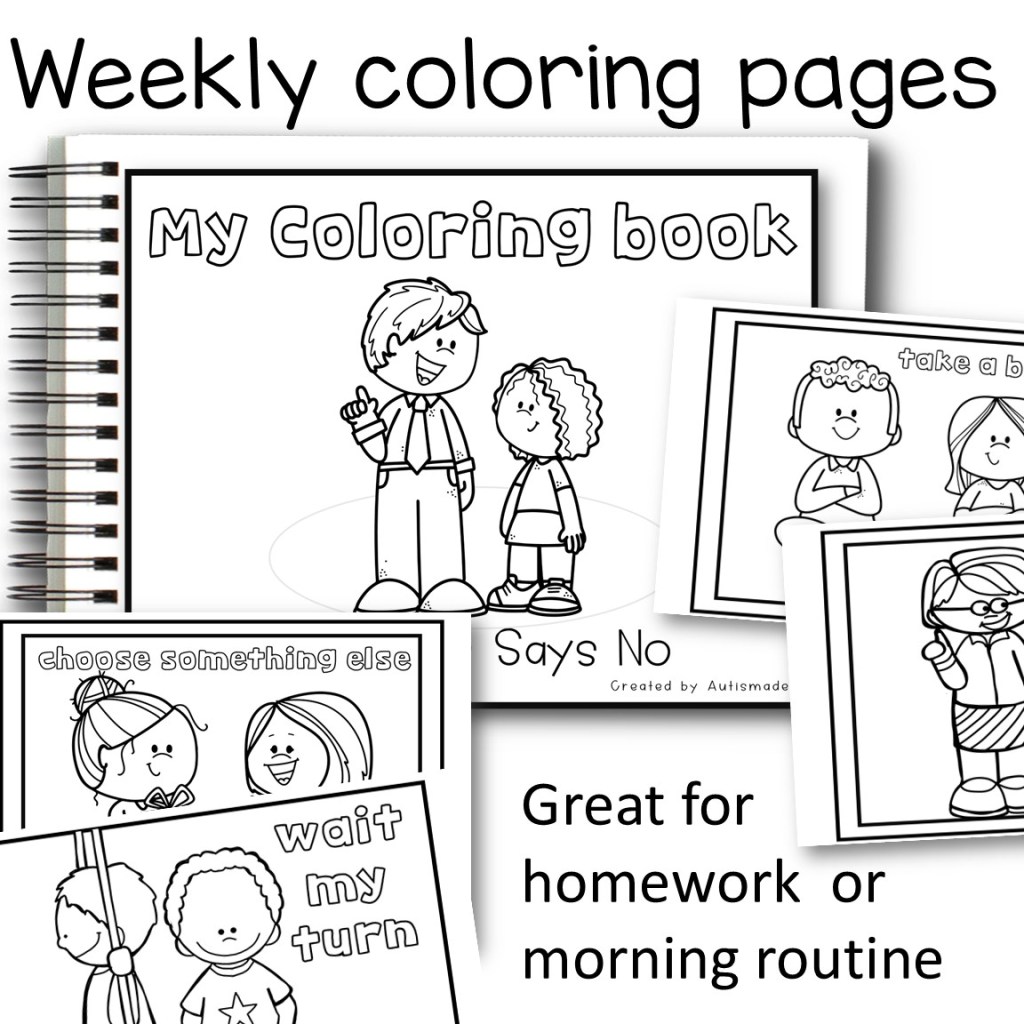
- Coloring pages
help reinforce the same concept through repetition and hands-on learning. Using the same language and visuals across the classroom creates consistency, making it easier for students to remember what to do when they hear “no.”

Supporting Success Every Day
Teaching children to accept “no” isn’t about expecting perfect behavior. It’s about helping them build lifelong skills for handling disappointment, waiting patiently, solving problems, and communicating appropriately.
With consistent practice, encouragement, and visual supports, students gain confidence in managing their emotions and making positive choices, both in the classroom and beyond.
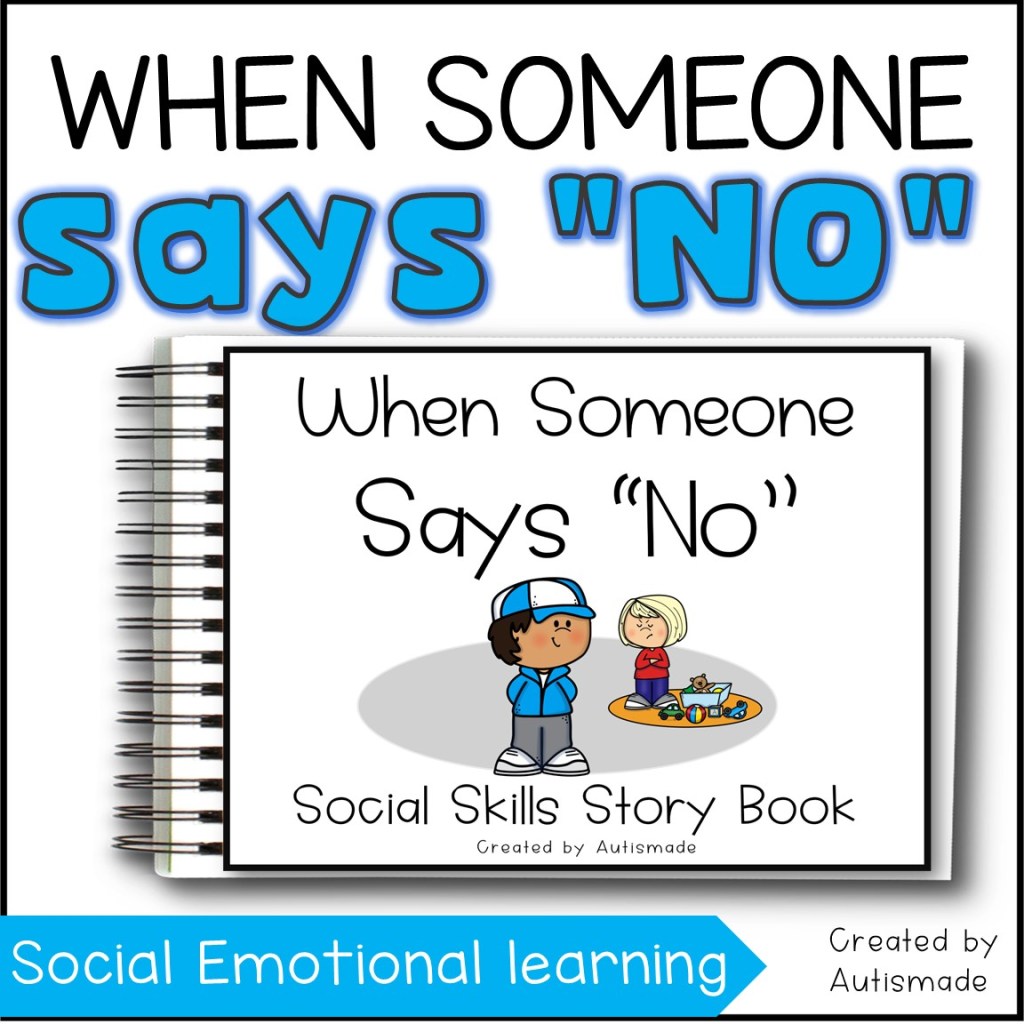
If you’re looking for ready-to-use resources, my “When Someone Says NO” Social Story and Activities includes an engaging social story, interactive comprehension book, behavior sorting game, lanyard visuals, choice boards, coloring pages, and printable visual supports designed to help students learn and practice this essential social skill in a meaningful way.