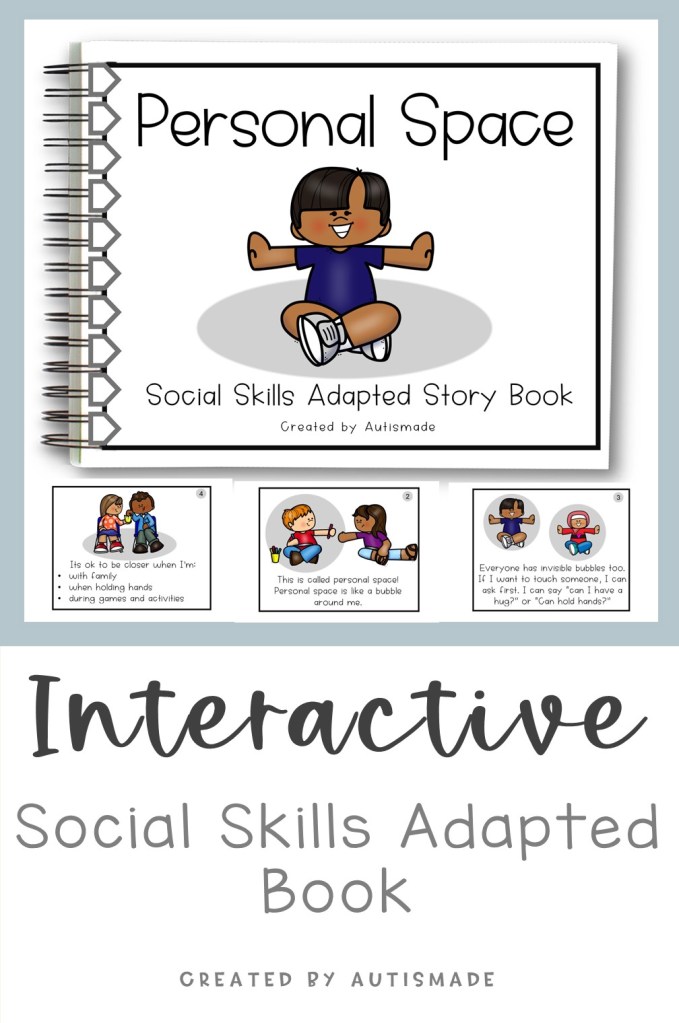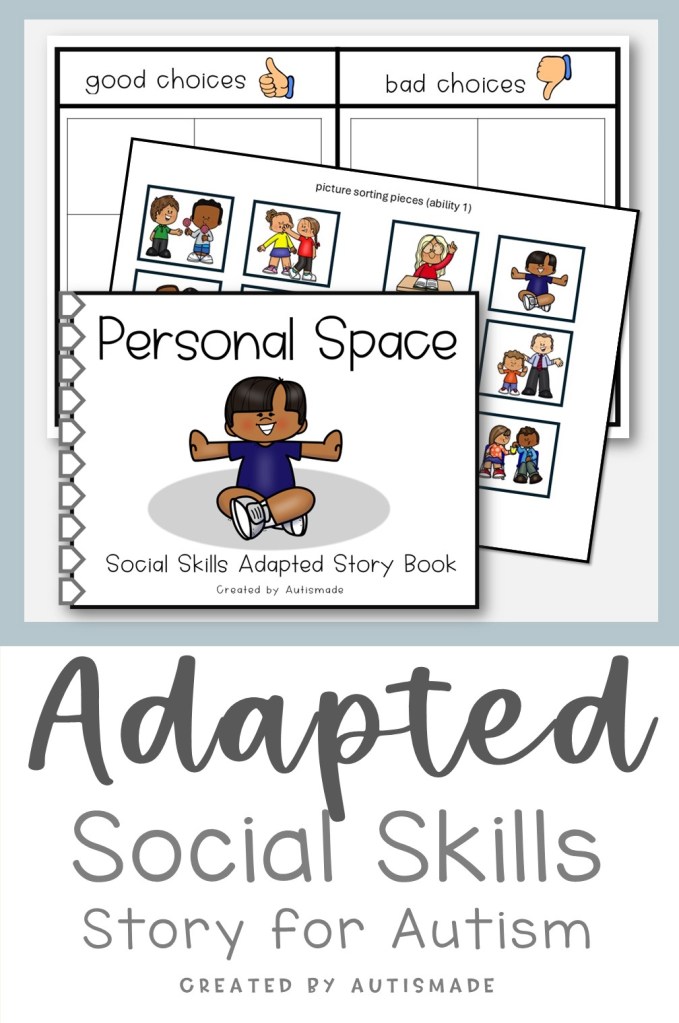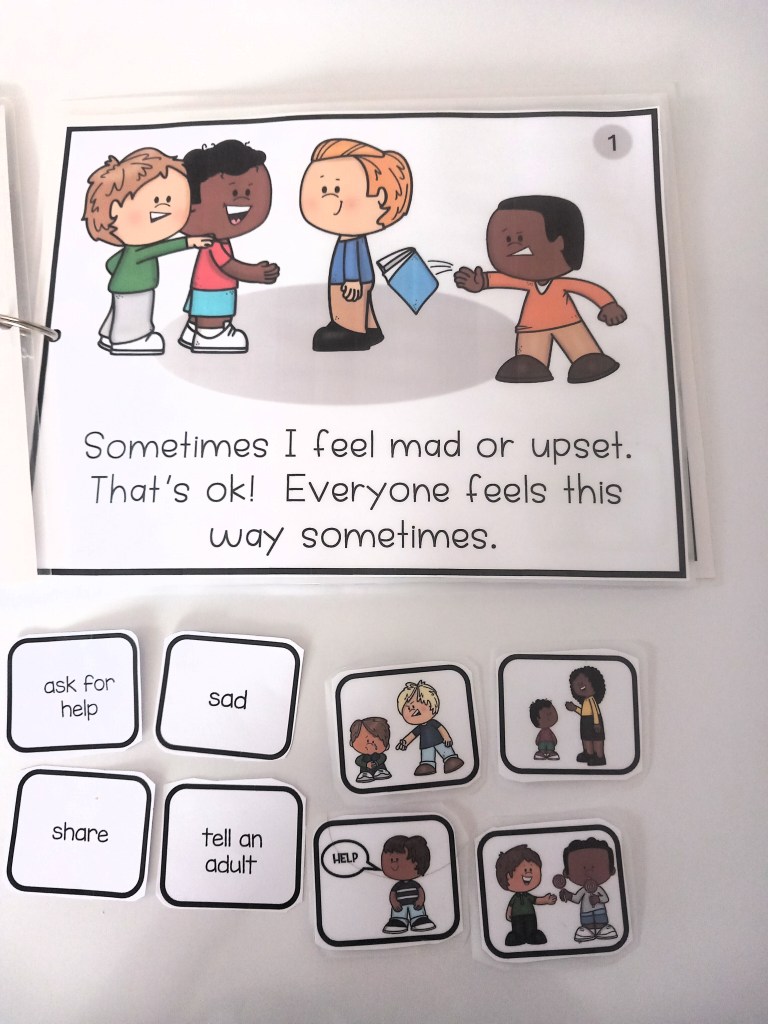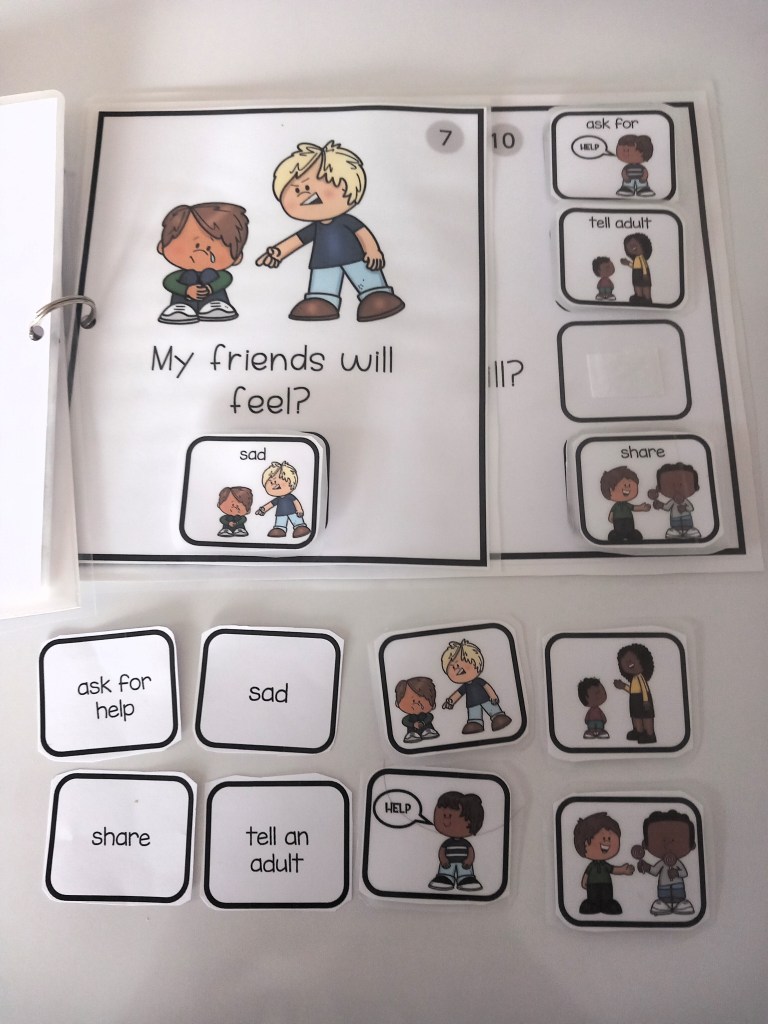
Got students who thrive on routine? This interactive social story turns school expectations into an easy, friendly walk-through they can actually enjoy.

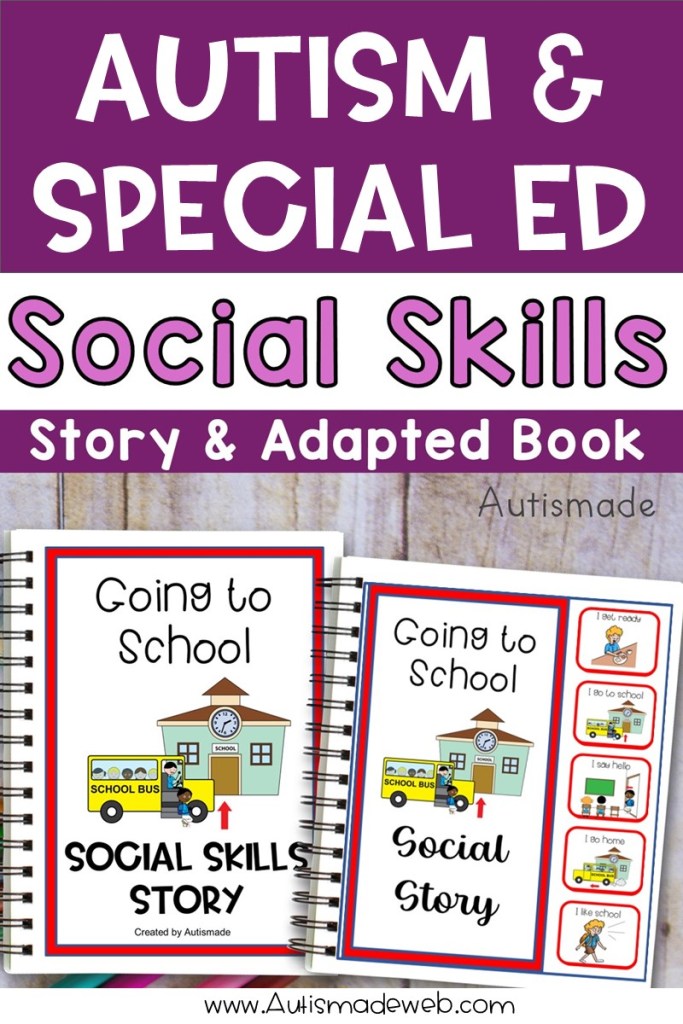
Starting school can feel like stepping onto a brand-new planet, especially for students who love structure, visual support, and predictable moments. This Going to School Social Skills Story | Interactive Adapted Book for SPED helps turn that giant leap into a smooth little hop.

Inside the book, students move through simple routines like getting ready, walking into class, and following classroom expectations. Every page has interactive pieces that keep little hands busy while their brains make sense of what’s happening at school.

It’s super easy to use during morning meeting, SEL time, behavior lessons, or one-on-one practice. Teachers love it because it’s clear. Students love it because it’s hands-on. Everyone wins.

What’s Inside

  • A Social Skills Story
  • A friendly social story adapted book
  • Interactive matching pieces
  • Clear visuals made for SPED, autism classrooms, preschool, and early elementary

Great For

  • Back-to-school season
  • Teaching routines and transitions
  • Autism support
  • Speech sessions
  • Counseling and SEL

If you want a simple tool that helps students feel prepared and confident, this Story and adapted book is your new classroom buddy.

Safe Hands Story: Adapted Social Skills Story | Narrative with Visual Activity

Help preschoolers learn how to use safe hands with this simple, engaging social skills story! Designed especially for young learners, this adapted story uses clear language and supportive visuals to teach the importance of keeping hands to ourselves in a positive and age-appropriate way.

This short story teaches the concept of “safe hands”—what it means, why it’s important, and how it looks in real life. Paired with simple, clear illustrations and a hands-on visual activity, this tool supports comprehension, regulation, and positive social interaction.

  • Preschool and Pre-K
  • Early Childhood Special Education (ECSE)
  • Social-emotional learning (SEL)
  • Behavior support and classroom Expectations

✅ Easy-to-read social story (kid-friendly text)

✅ Visual supports on every page, some detachable

✅ Printable with some Adaptable pages

✅ Great for whole-group lessons, small groups, or one-on-one use
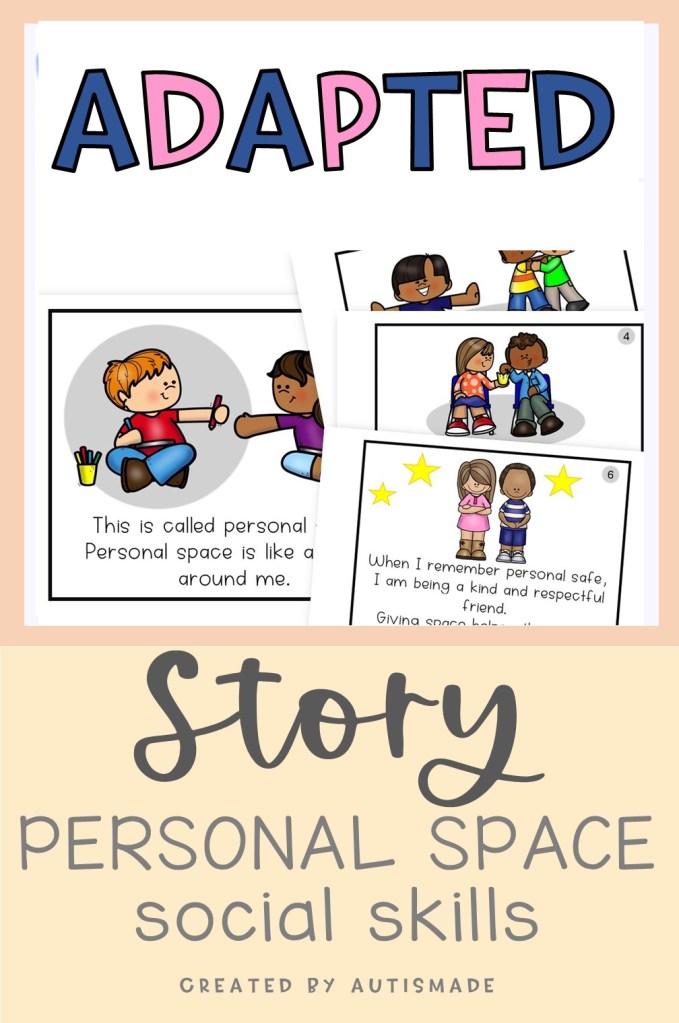
This resource helps teachers, therapists, and parents gently guide children through real-life situations where they can make safe and kind choices. Great for supporting classroom expectations or helping individual students who need extra practice.

Start building safe habits with this friendly, visual social story your kids will love!
https://www.teacherspayteachers.com/Product/Safe-Hands-Story-Adapted-Social-Skills-Story-Narrative-with-Visual-Activity-14235333

More Social Skills Stories

https://www.teacherspayteachers.com/Product/Safe-Body-Story-Interactive-No-Hitting-Social-Skills-Narrative-14750599

https://www.teacherspayteachers.com/Product/Taking-Turns-Story-Adapted-Social-Skills-Story-Narrative-with-Visual-Activity-14287149

Empowering Kids with Autism: The Power of Social Skills Stories

Hey there, Parents, Teachers, and Caregivers!

Are you stuck trying to explain social situations to a child with autism, you’re definitely not alone. That’s where social skills stories come in—and they can be total game-changers!

A social skills story is a simple, short story that helps kids understand everyday situations, new experiences, or tough emotions. They’re usually written with pictures and clear, calm language—perfect for helping children know what to expect and how to respond.

Think of it like giving your child a friendly “heads-up” before something happens.

Kids with autism often like routines and predictability. Social skills stories give them a little “preview” of what’s coming. That makes things feel less scary and more manageable. Whether it’s going to the dentist, starting a new class, or learning how to ask for help, social stories can make things a whole lot smooth.

Here’s a super simple example:

Going to the Doctor

Sometimes, I go to the doctor.
The doctor helps me stay healthy.
The doctor might look in my ears or check my heart.
It’s okay to feel nervous.
I can take deep breaths.
After the visit, I can go home and play!

You can include pictures of the child, the place, or the activity to make it feel more personal.

  • Before new experiences (like the first day of school)
  • To teach social skills (like saying “hello”)
  • To help with changes in routine (like a substitute teacher)
  • To support emotional regulation (like what to do when feeling upset)
  • Use clear, positive language
  • Keep it short and to the point
  • Include pictures if you can
  • Read it together a few times before the event
  • Involve your child in making it, if they enjoy that!

Social Skills Stories are a gentle, helpful way to support kids with autism in navigating the world. They build confidence, reduce anxiety, and encourage independence—and that’s something every child deserves.

Find Social Skills Stories Resources on My TPT Store

Free Poster

How to Use Social Narratives for Behavior Management

Social narratives are always available in my calm down area! I keep them on the book shelf ready to remind my young learners how to respond in difficult social situations. This type of visual guide describes social interactions helps with understanding social skills and cues that they might of missed. 

Social supports help my young learners understand how to behave or respond in particular situations by using visuals to describe various social interactions, situations, behaviours, and skills.

The main goal of a Social narrative is to share social information that describes how to behave in them instances.

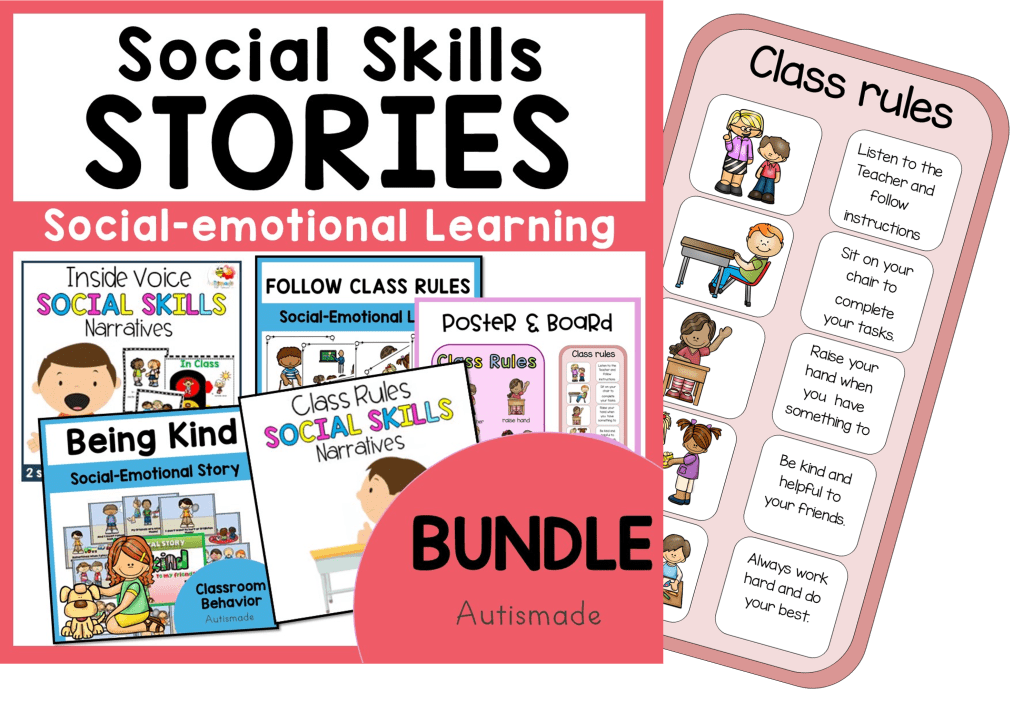
Reading these stories, one to one and as a whole class lesson has enabled me to reinforce these important social skills. I’ve displayed a poster on classroom rules as a quick reminder and added supporting activities to generalise learning.

“Class Rules and “Inside voice,” are the ones I often read within a class lesson, usually when a reminder is needed on how behavior affects the class and disrupts others.

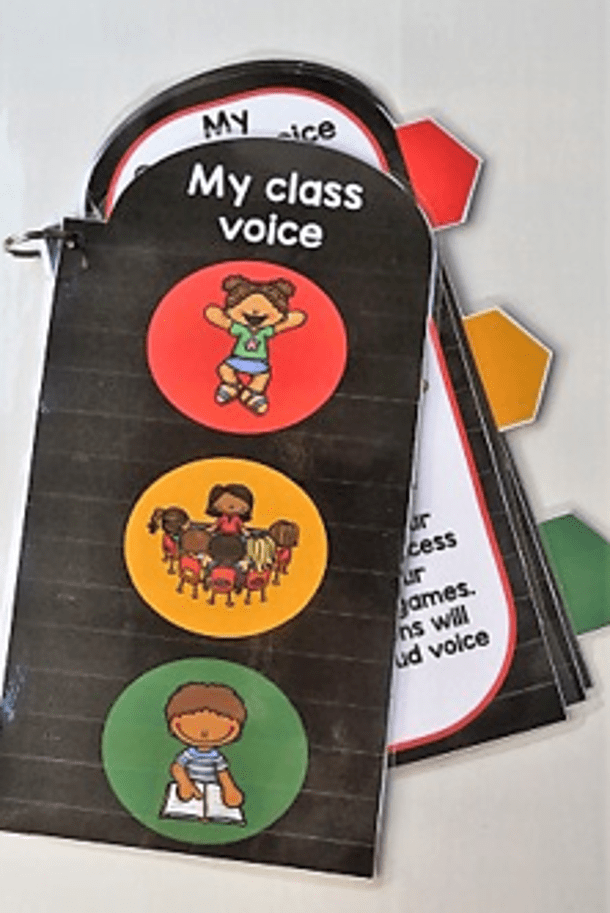
I use a quick reminder booklet to reinforce outside, inside and class voices!

“Be Kind” or “Listen to your Teacher” Might be needed for individuals or to target a more tricky behavior that is reoccurring.

I use Social Strips to support the skills outlined in the stories