The One Classroom Change That Made My Centers Run Smoothly

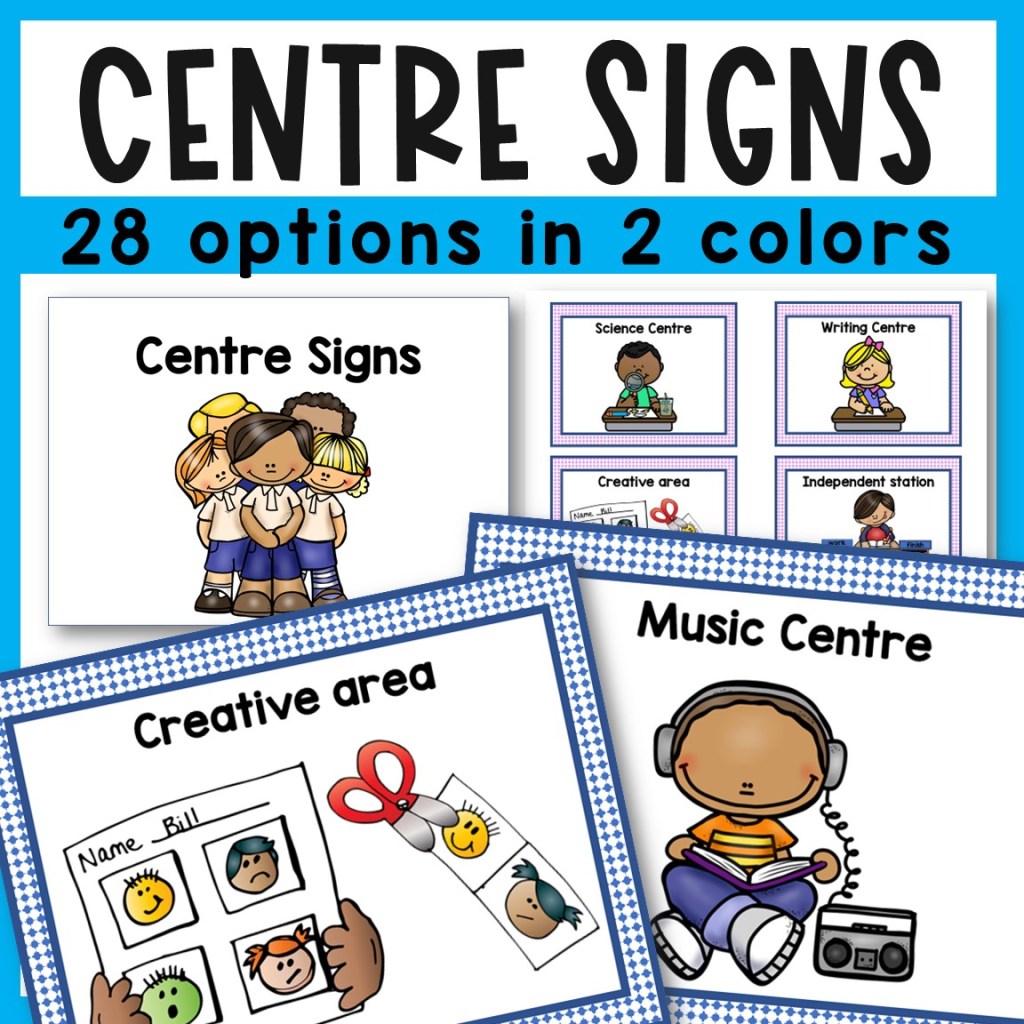
I still remember the year I realized how much visual classroom supports matter. My centers were set up beautifully, my materials were ready, and my groups were organized—but every transition was a struggle. My students weren’t misbehaving—they just couldn’t remember where each center was or what it was called.

Once I added simple classroom center signs with pictures, everything changed.

Suddenly, students walked into centers with confidence. They followed the visuals, matched their cards to the center labels, and moved with so much more independence. I wasn’t repeating directions over and over. I wasn’t redirecting nearly as much. And best of all, the classroom felt calmer—for them and for me.

That’s why I love using visual center signs in my early childhood classrooms, especially in PreK, kindergarten to 2nd grade. These visual supports take away the confusion so students can focus on the learning—whether they’re moving to the literacy center, the math station, the writing center, or your independent area.

This set includes 28 different classroom center signs in two color options, which makes it easy to match any classroom theme. They help young learners navigate the room, build independence, and develop smoother routines—all without extra effort from you.

Sometimes it’s the smallest classroom management tools that make the biggest difference. Center signs truly did that for my centers, and I hope they bring the same calm and clarity to your space too.

Strategies for Teachers: Supporting Students In Special Education

Every child has their own way of learning and as teachers, we play a powerful role in helping them feel safe, seen, and successful. Here are 5 strategies that I use to promote inclusive learning for my Special Ed Classroom.

1. In my Classroom we:

  • Offer choices in how students learn (visuals, hands-on, listening, movement).
  • Use visual schedules and clear routines to help reduce anxiety.
  • Allow extra time for transitions or assignments.
  • Create quiet spaces or “calm corners” for breaks.

2. We Celebrate Strengths by:

  • Focusing on what each student can do, not just where they struggle.
  • Share positive feedback often — even for small steps.
  • Highlight special interests to motivate learning (e.g., dinosaurs, trains, superheroes).
  • Encourage peer recognition of everyone’s strengths.

3. We Use Clear, Supportive Communication

  • Speak in simple language.
  • Give one instruction at a time, when needed.
  • Use visual aids (pictures, icons, charts) to support understanding.
  • Offer choices when possible (“Do you want to write with a pencil or a marker?”).

5. Friendship & Kindness

  • Build a classroom culture where differences are normal and celebrated.
  • Teach and model kindness, sharing and friendship . Use buddy systems to promote friendships and cooperative learning.
  • Read inclusive books and discuss different ways of thinking.

Visit my TPT Store

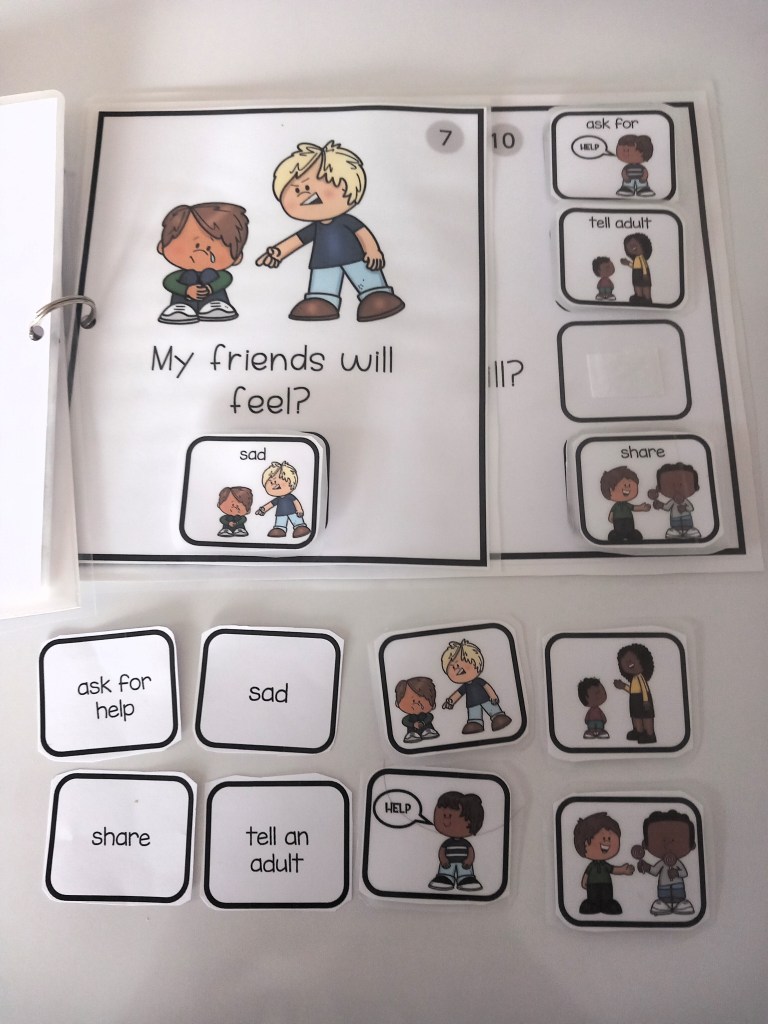
Safe Hands Story: Adapted Social Skills Story | Narrative with Visual Activity

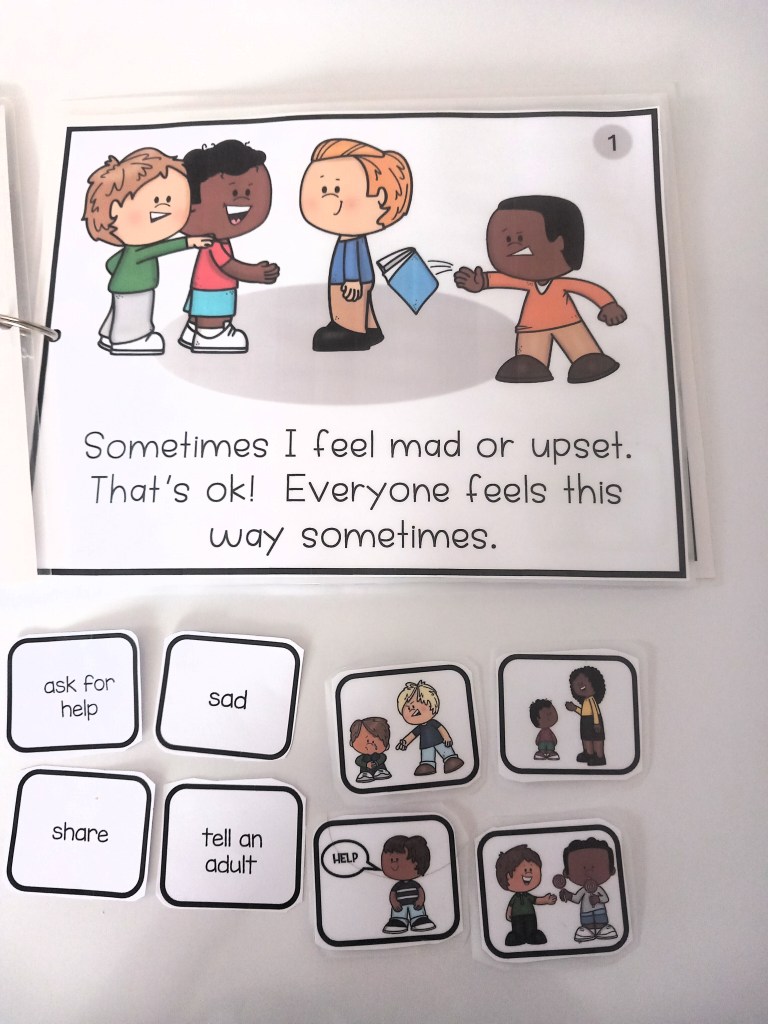
Help preschoolers learn how to use safe hands with this simple, engaging social skills story! Designed especially for young learners, this adapted story uses clear language and supportive visuals to teach the importance of keeping hands to ourselves in a positive and age-appropriate way.

This short story teaches the concept of “safe hands”—what it means, why it’s important, and how it looks in real life. Paired with simple, clear illustrations and a hands-on visual activity, this tool supports comprehension, regulation, and positive social interaction.

  • Preschool and Pre-K
  • Early Childhood Special Education (ECSE)
  • Social-emotional learning (SEL)
  • Behavior support and classroom Expectations

✅ Easy-to-read social story (kid-friendly text)

✅ Visual supports on every page, some detachable

✅ Printable with some Adaptable pages

✅ Great for whole-group lessons, small groups, or one-on-one use

This resource helps teachers, therapists, and parents gently guide children through real-life situations where they can make safe and kind choices. Great for supporting classroom expectations or helping individual students who need extra practice.

Start building safe habits with this friendly, visual social story your kids will love!

https://www.teacherspayteachers.com/Product/Safe-Hands-Story-Adapted-Social-Skills-Story-Narrative-with-Visual-Activity-14235333

More Social Skills Stories

https://www.teacherspayteachers.com/Product/Safe-Body-Story-Interactive-No-Hitting-Social-Skills-Narrative-14750599

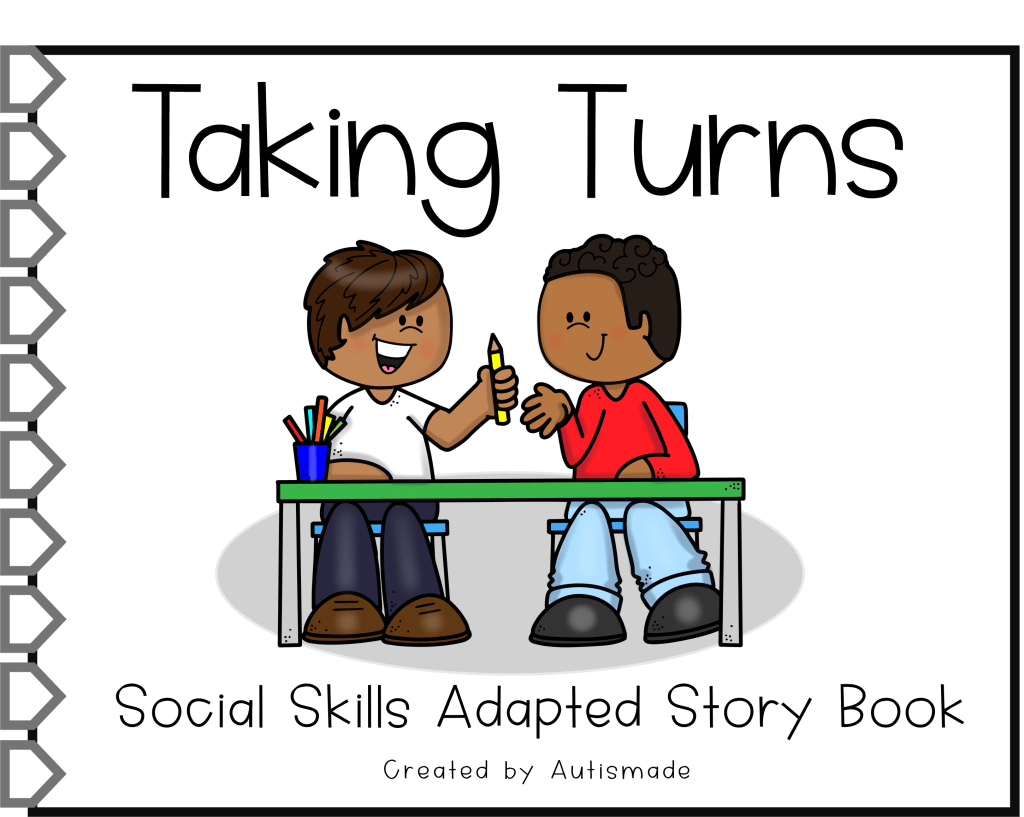
https://www.teacherspayteachers.com/Product/Taking-Turns-Story-Adapted-Social-Skills-Story-Narrative-with-Visual-Activity-14287149

Making Mornings Magical: Resources for Preschoolers in Special Education

Mornings can be tough for little ones and grown-ups alike! For preschoolers in special education, having a predictable, engaging morning routine can make a *big* difference in how the day goes. Whether you’re a parent, caregiver, or teacher, here are some simple, supportive resources to help start the day with confidence, joy, and calm.

Why Morning Routines Matter

  • Builds predictability.
  • Supports transitions
  • Encourages communication
  • Creates a sense of accomplishment

Here are some ideas to make mornings easier and more fun:

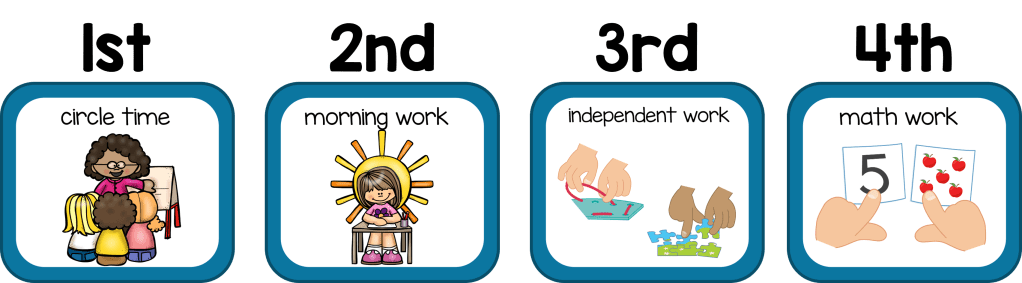
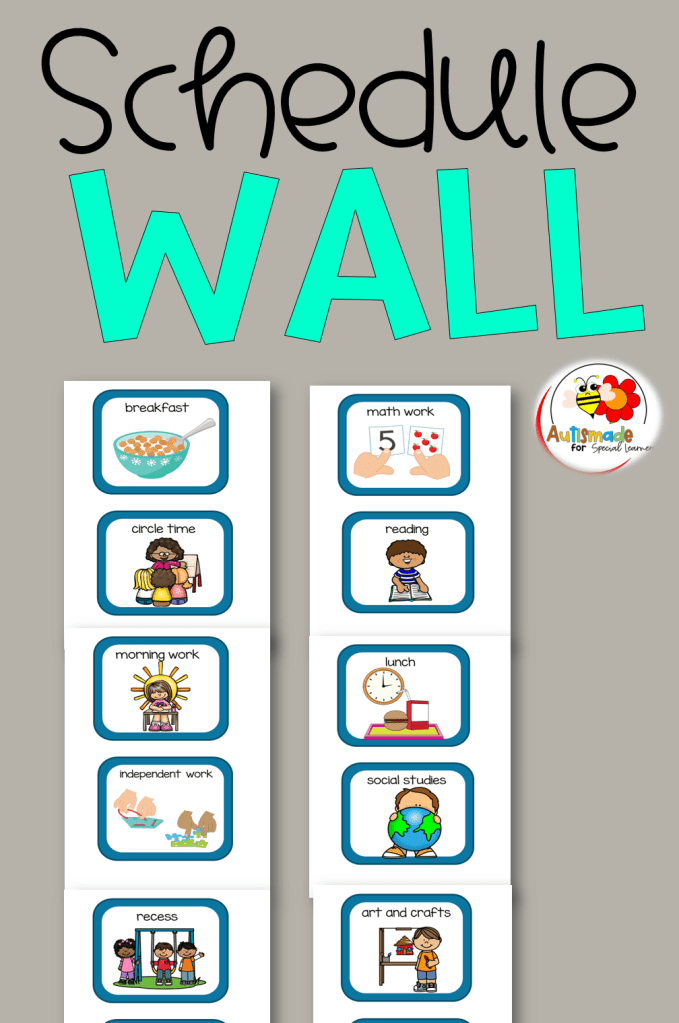
1. VISUAL SCHEDULES

  • Use pictures to show each step of the morning—wake up, brush teeth, get dressed, eat breakfast, etc.
  • Daily Classroom SCHEDULE

2. MORNING SONGS AND MOVEMENT

Start the day with music and motion to wake up the body and brain!

Songs to Try

“Hello Song” by Super Simple Songs

  “Good Morning” by The Learning Station

  “Wake Up Shake Up” by Kiboomu

3. MORNING WORK BINS

Simple, hands-on bins that children can explore after arriving at school or getting ready at home.

IDEAS FOR BINS AND TASK BOXES:

* MATCHING SHAPES AND COLORS

* Simple puzzles or stacking

* Velcro letter boards

* Sensory bins (rice, beans, water beads)

* Printable Worksheets & Activities

* PEG TASK CARDS

While WORKSHEETS need to be short and engaging for preschoolers, there are great modified versions available for all learners.

Try This Morning tracing (lines, shapes, names), matching, simple counting or weather charts.

A simple, consistent home routine helps bridge the gap between home and school.

1. Wake Up

2. Use the Bathroom

3. Brush Teeth

4. Get Dressed

5. Eat Breakfast

6. Put on Shoes

7. Pack Bag

You can create your own chart or grab a FREE TEMPLATE from my TPT Store

Every child is different—what works for one may not work for another. But with a little creativity, structure, and patience, mornings can become a positive and empowering part of the day.

Reward Strategies in Special Education

Making Learning Fun: Using Token Reward Systems in Special Education for Preschoolers

Helping young children stay engaged and motivated can feel like chasing bubbles—joyful but fleeting! For preschoolers, especially those in special education, structure and predictability are key. That’s where Token Reward Systems come in: they’re simple, effective, and incredibly adaptable.

Let’s break it down into friendly, easy steps so you can bring smiles and success to your classroom or home environment.

What Is a Token Reward System?

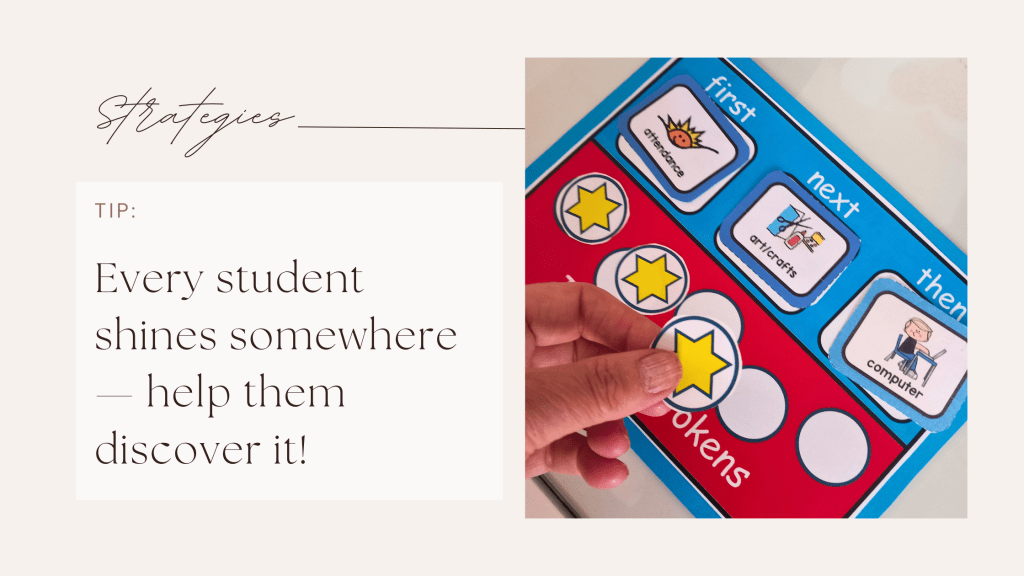
A token system uses small items (stickers, stars, check marks, coins, etc.) to reward positive behavior or task completion. Once a child earns enough tokens, they exchange them for a preferred item or activity.

It’s like earning stamps for good behavior and trading them in for extra playtime or a favorite book!


Why It Works for Preschoolers in Special Education

Preschoolers thrive on routine, visual cues, and positive reinforcement. Token systems work well because they:

  • Offer concrete visuals they can understand
  • Create consistent motivation
  • Encourage independence and decision-making
  • Reinforce specific behaviors or skills

Step-by-Step: How to Set It Up

Here’s a super simple plan:

  1. Choose a Target Behavior
    • Example: “Use kind hands,” “Stay seated during circle time,” or “Ask for help with words.”
  2. Pick Your Tokens
    • Use stickers, Velcro stars, plastic coins—anything tactile and fun.
    • Make sure they’re large and colorful for easy visibility.
  3. Create a Visual Chart
    • Use a laminated board or a sheet with empty boxes.
    • Label how many tokens are needed to earn the reward (e.g., “5 stars = 5 minutes on the swing”).
  4. Select Reinforcers
    • Offer choices: a toy, a song, playtime, cuddly reading time, or even a high-five parade!
    • Rotate them to keep it fresh.
  5. Start Using the System
    • Give tokens IMMEDIATELY after the behavior occurs.
    • Pair it with verbal praise: “You shared your crayons—great job! Here’s a star!”
  6. Celebrate the Success
    • When tokens are exchanged, make it a moment! Clap, cheer, and smile.

Visual Reinforcement Tips

Preschoolers are visual learners—so let’s make it pop!

  • Use pictures of rewards (photos or symbols)
  • Create emotion faces to pair with behaviors (“happy face when we wait patiently”)
  • Display charts at eye level so kids can see their progress
  • Use gesture praise (thumbs up, high-fives, dance)

Every child is wonderfully unique. Some may respond to sticker stars; others might prefer putting Velcro apples on a felt tree. Adjust the system to fit each child’s needs and celebrate the differences—it’s part of the magic.


Token systems aren’t just tools—they’re celebrations of growth, effort, and joy. With visuals, praise, and a bit of creativity, you’ll turn everyday moments into milestones.