Visual Strategies for Behavior: Tools to Support Young Learners with Autism

Supporting young learners with autism often means creating structure, predictability, and positive reinforcement throughout the day. One of the most effective ways to do this is through visual strategies. These tools help children understand expectations, make choices, and feel successful — especially when words alone aren’t enough.

Take a look at some of the strategies I use in my classroom.

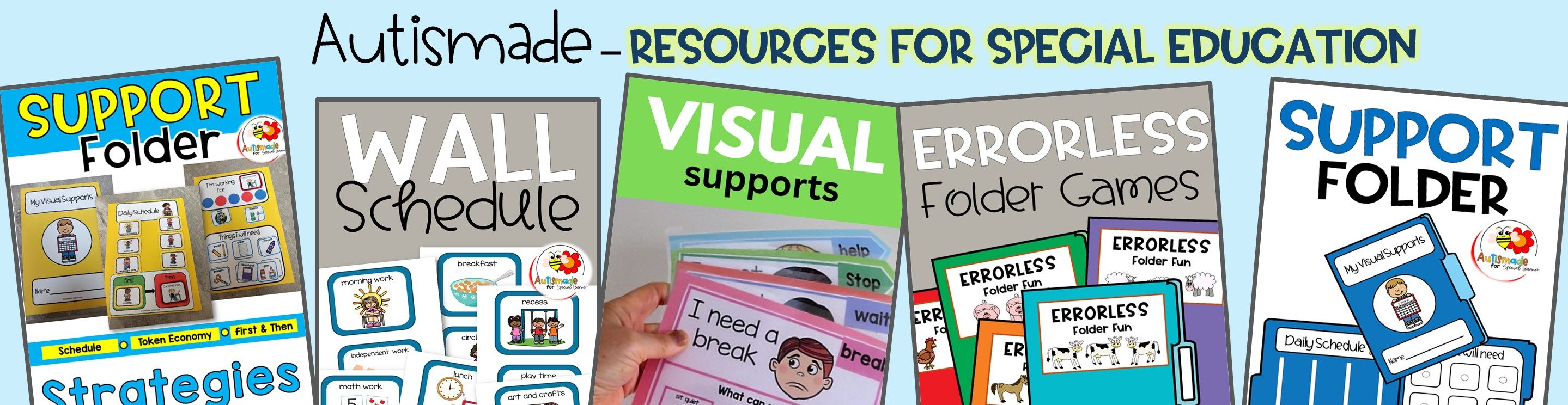
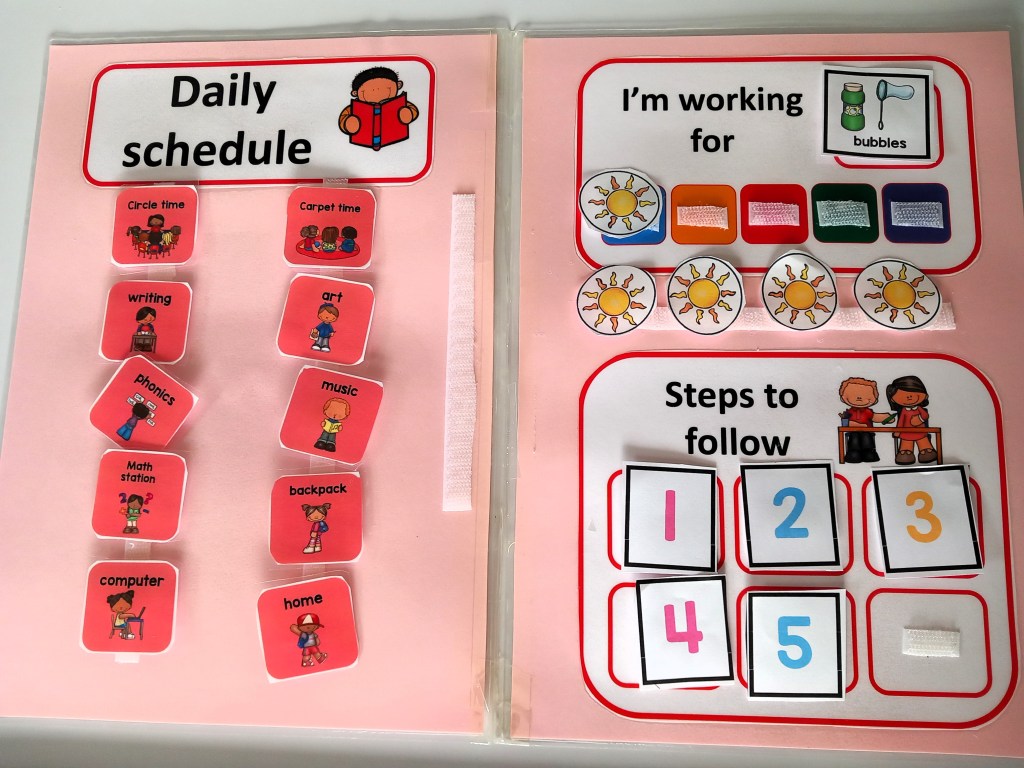
1. Visual Behavior Support Folder

A Visual Behavior Support Folder is a personalized toolkit that can travel with the child. It includes key visual supports in one place, making it easy for adults to provide guidance on the go.

What to include:

  • Emotion cards (happy, sad, angry, etc.)
  • Coping strategy visuals (deep breaths, sensory break, ask for help)
  • First-Then board
  • Mini schedule or task strip
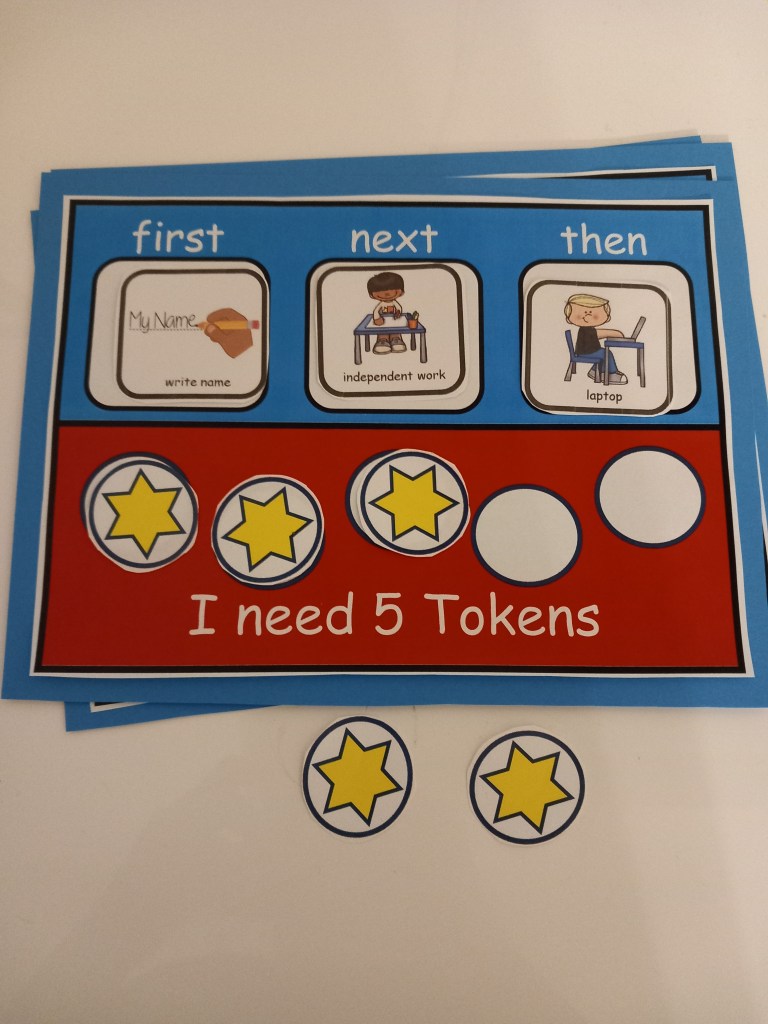
  • Token board

This folder becomes the child’s go-to support system, helping them navigate routines and handle challenges with confidence.
2. Token Reward Systems

Token systems are a great way to encourage positive behavior and build motivation. Children earn tokens for meeting expectations, which they can exchange for a reward (like a favorite toy, snack, or activity).

How it works:

  • Choose a goal behavior (e.g., “Quiet hands” or “Follow directions”).
  • Let the child earn tokens (stickers, stars, smiley faces).
  • When the token board is full, they get their reward!

It’s simple, visual, and celebrates success — which builds self-esteem and keeps motivation high.


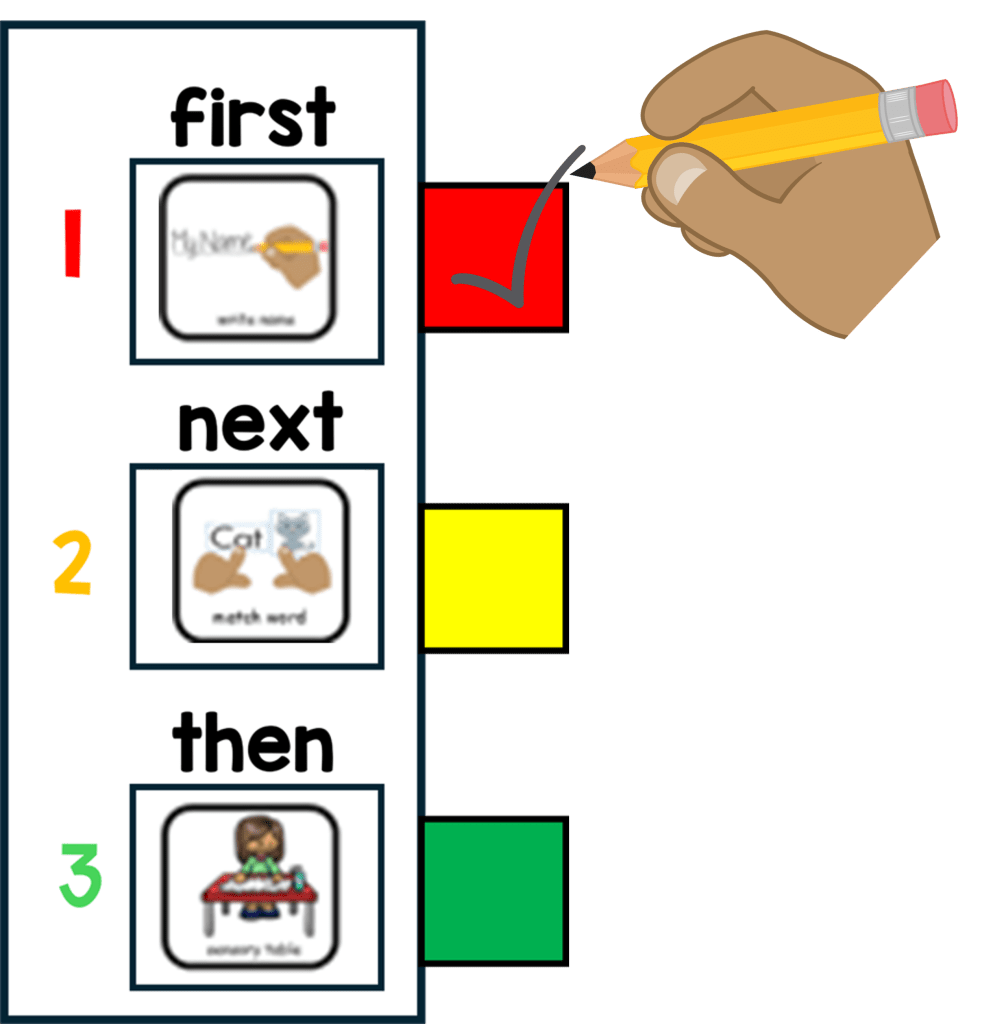
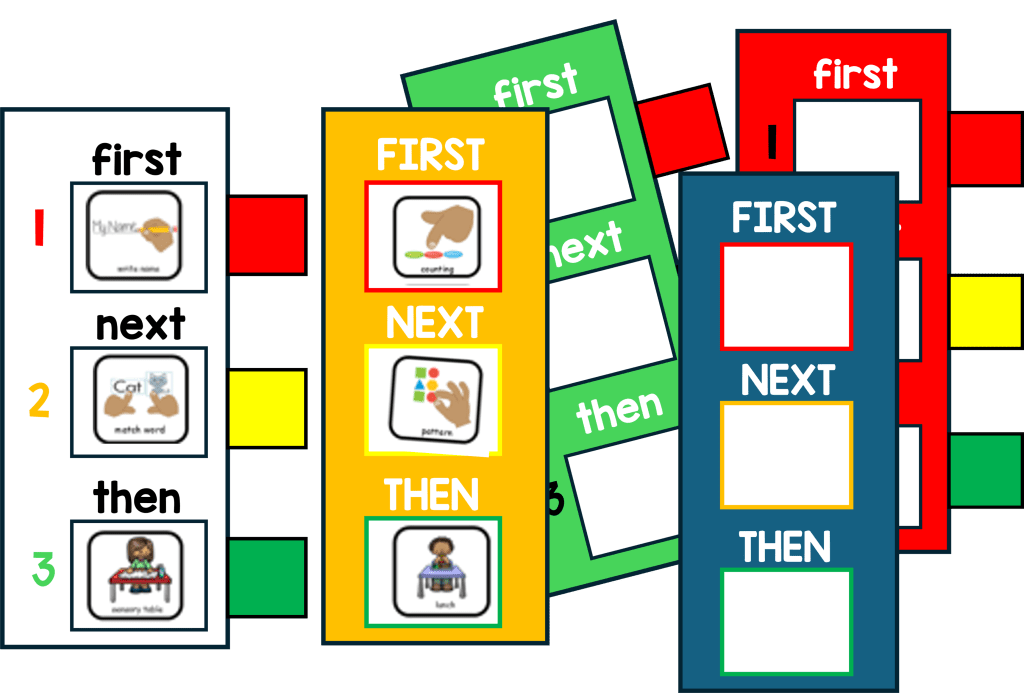
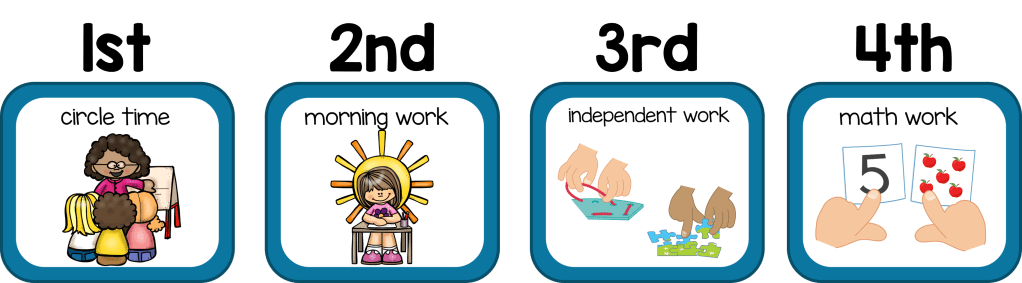
3. Visual Schedules

Visual schedules help children know what to expect. They reduce anxiety, increase independence, and improve transitions.

Types of visual schedules:

You can use Velcro or dry-erase systems to allow flexibility and changes.

4. First-Then Boards

First-Then boards help clarify what needs to happen now and what comes next — especially helpful for non-preferred tasks.

For example:

  • First: Finish puzzle
  • Then: iPad time

This simple format helps reduce resistance and supports smooth transitions. Pairing something less preferred with something motivating is a powerful strategy for cooperation.


Visual strategies aren’t just helpful — they’re essential tools for many young learners with autism. By creating structure and reinforcing positive behavior, tools like token boards, visual schedules, and behavior support in a folder can make everyday life more manageable and enjoyable for everyone involved.

Quick Tip: Start small. Pick one tool and give it a try. Over time, you’ll see how much visual support can help your learner thrive.



Empowering Kids with Autism: The Power of Social Skills Stories

Hey there, Parents, Teachers, and Caregivers!

Are you stuck trying to explain social situations to a child with autism, you’re definitely not alone. That’s where social skills stories come in—and they can be total game-changers!

A social skills story is a simple, short story that helps kids understand everyday situations, new experiences, or tough emotions. They’re usually written with pictures and clear, calm language—perfect for helping children know what to expect and how to respond.

Think of it like giving your child a friendly “heads-up” before something happens.

Kids with autism often like routines and predictability. Social skills stories give them a little “preview” of what’s coming. That makes things feel less scary and more manageable. Whether it’s going to the dentist, starting a new class, or learning how to ask for help, social stories can make things a whole lot smooth.

Here’s a super simple example:

Going to the Doctor

Sometimes, I go to the doctor.
The doctor helps me stay healthy.
The doctor might look in my ears or check my heart.
It’s okay to feel nervous.
I can take deep breaths.
After the visit, I can go home and play!

You can include pictures of the child, the place, or the activity to make it feel more personal.

  • Before new experiences (like the first day of school)
  • To teach social skills (like saying “hello”)
  • To help with changes in routine (like a substitute teacher)
  • To support emotional regulation (like what to do when feeling upset)
  • Use clear, positive language
  • Keep it short and to the point
  • Include pictures if you can
  • Read it together a few times before the event
  • Involve your child in making it, if they enjoy that!

Social Skills Stories are a gentle, helpful way to support kids with autism in navigating the world. They build confidence, reduce anxiety, and encourage independence—and that’s something every child deserves.

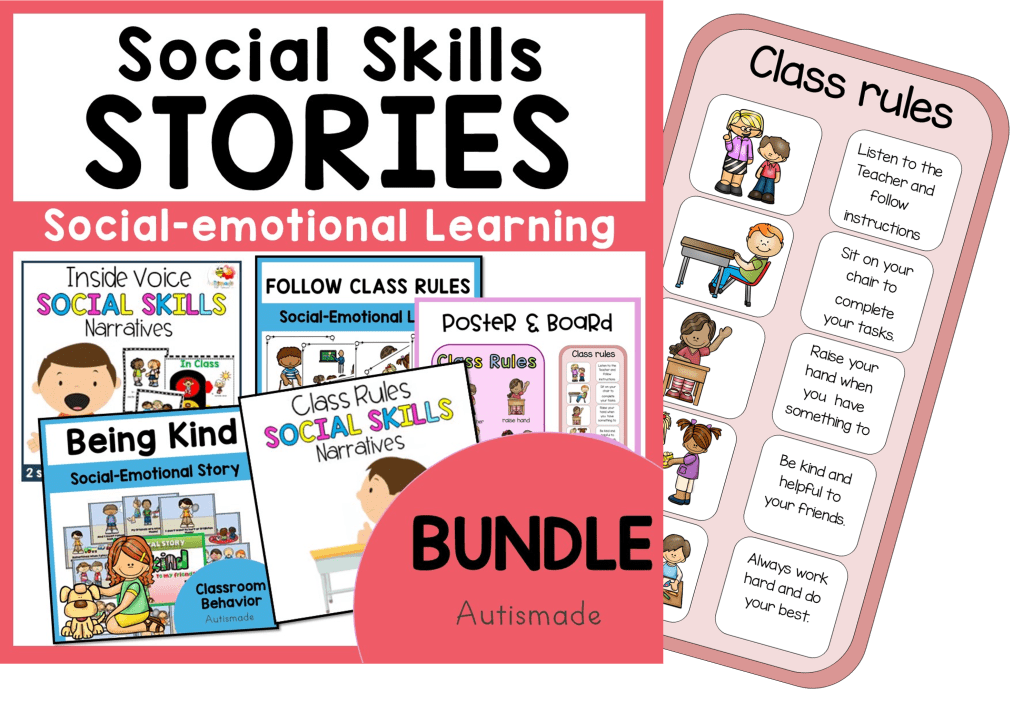
Find Social Skills Stories Resources on My TPT Store

Free Poster

REASONS TO USE THE FIRST & THEN STRATEGY

The First-Then strategy is incredibly versatile. It can be adapted for a wide range of situations, from simple tasks (like “First, put on your shoes. Then, you can go outside”) to more complex, academic instructions.

It can be used across different environments (home, school, therapy settings), making it a universally applicable tool. Below I’ve listed more reasons to implement this strategy!

To Enhances Self-Regulation and Motivation:

Children better manage their behavior by knowing they must finish one activity (First) before starting another (Then). This builds intrinsic motivation and a sense of accomplishment.

To Facilitates Communication and Language Development:

The First-Then strategy supports communication skills. Using visuals or choice boards helps non-verbal children understand sequencing and choice-making, encouraging language use for communication.

To Reduces Anxiety and Overwhelm:

For many children with special needs, the world can be overwhelming. Not knowing what to expect next can lead to anxiety or avoidance. The First-Then strategy provides predictability, helping children to feel more in control and less anxious about transitions.

To Builds a Positive Reinforcement Cycle:

By using the First-Then strategy with rewards that are meaningful to the child, educators or caregivers can create a positive feedback loop. The child is more likely to follow instructions and engage in activities if they know there’s an enjoyable outcome after completing the task.

Positive reinforcement also helps build trust between the child and teacher or caregiver.

To Increases Independence:

As children become more familiar with the structure of the First-Then strategy, they may begin to independently initiate tasks. Over time, they learn that completing tasks leads to desired outcomes, which can encourage them to take ownership of their actions.

To Strengthens Social Skills:

In group settings, using First-Then can help children learn how to take turns, follow rules, and understand social expectations. For example, “First, you listen to the teacher. Then, you can play with your friends” helps kids practice social behaviors while learning the concept of waiting.

Visual Example:

First: Work on your math.

Then: You can play with your favorite toy.

This helps the child to know what is expected and what they will get in return after completing the task.

Free Templates

Visual Behavior Support Folder – Token Rewards Tools, schedules, First & Then,

Visual Supports: Token Reward System/First & Then – Strategies for Special Ed

Classroom Behavior Management Strategies: First, Next and Then Tools

Token Reward folder: Visual support tools with “first & then” Behavior Strategy

First, Next and Then table Schedule Templates with Visual Supports

First Then boards and Help cards: Autism visual supports

Visual Supports:”First, next, then” with Token Rewards Systems

Exploring Calming Strategies

Tips for Setting up a Calm Down Corner

Creating a calm and supportive classroom environment is crucial for students with special needs, especially those with Autism. Sensory overload, anxiety and frustration can often trigger emotional reactions that make it more difficult for them to focus, learn and engage. This is where calming strategies are needed.

In this post we’ll explore easy to implement strategies that can help calm students and create a more tranquil classroom environment. These strategies can be used by Teachers, Teachers aides and parents to support children in Special Education and Autism Classrooms.

Setting Up a Calm-Down Area: The Basics

When setting up a calm-down area, start by choosing a space that’s away from busy areas and distractions. The space should be quiet, cozy, and inviting, a retreat where children can relax without added stress. Try to make it an inviting space that encourages students to want to spend time there when needed.

Key Elements to Include:

Here are some simple yet effective elements that can make the calm-down area more functional and calming:

  • Sensory Tools: Sensory experiences can help children self-soothe and calm their nervous systems. Include items like weighted blankets, soft toys, squishy stress balls, or fidget spinners. A tactile or auditory experience can often help children feel grounded.
  • Soft Lighting: Bright overhead lights can be harsh, so consider adding a small lamp with soft, warm light or even a string of fairy lights. This creates a peaceful atmosphere and reduces visual overstimulation.
  • Comfort Items: Cushions, pillows, or a soft rug can make the area feel cozy. Some children may find comfort in having a favorite object like a stuffed animal or a familiar blanket.
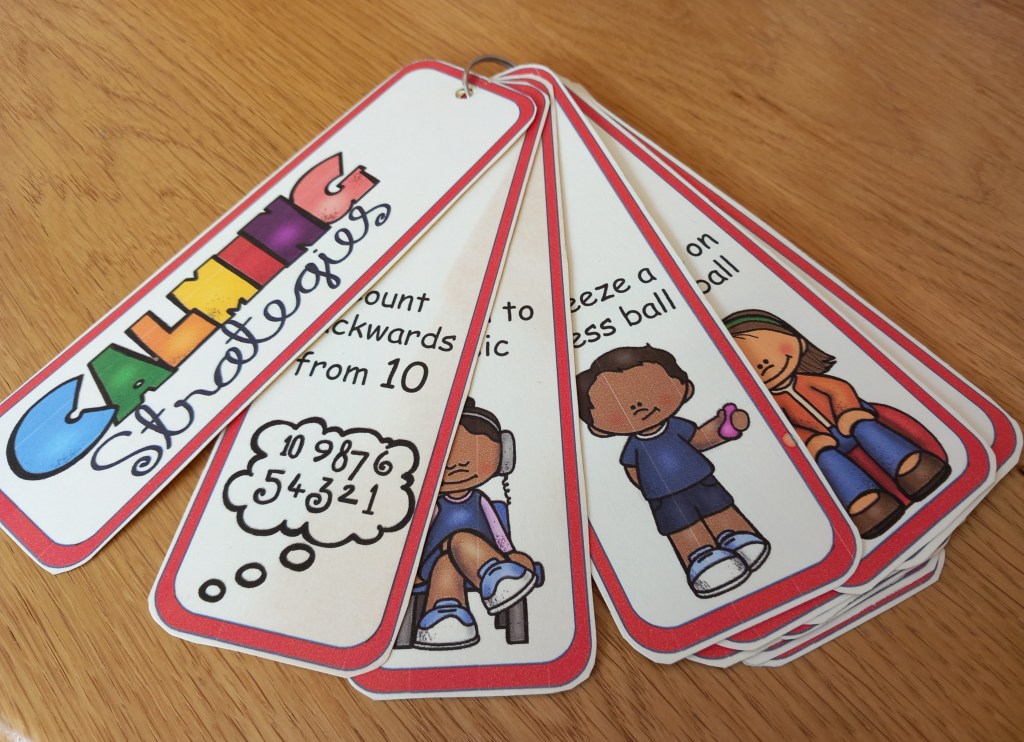
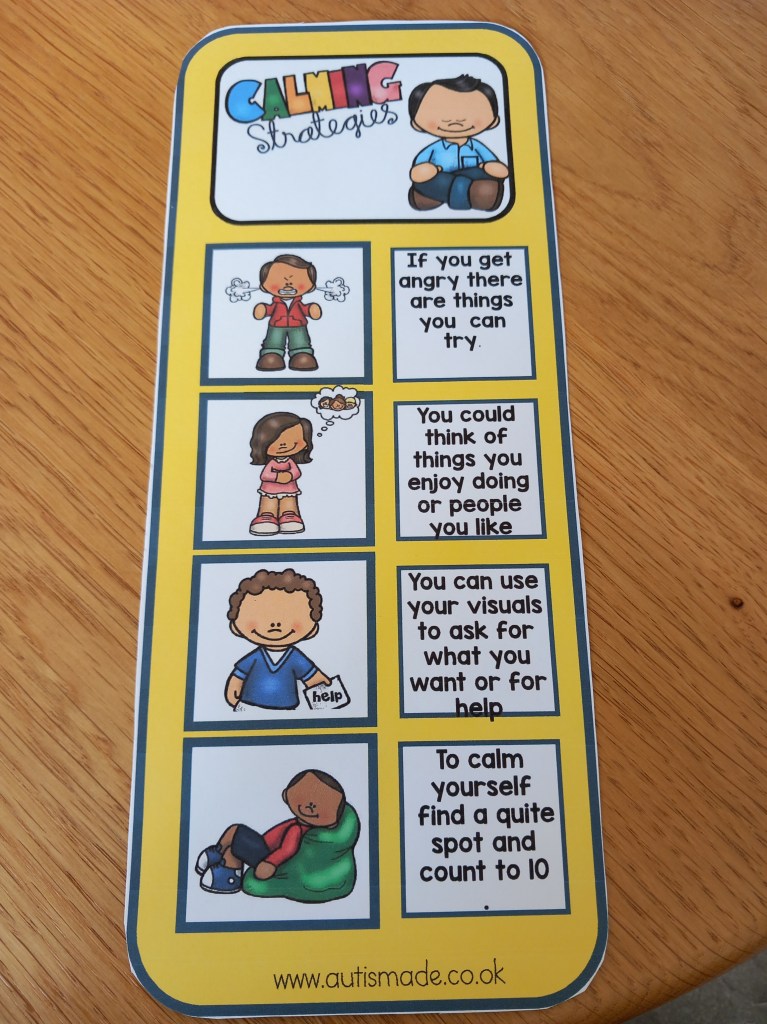
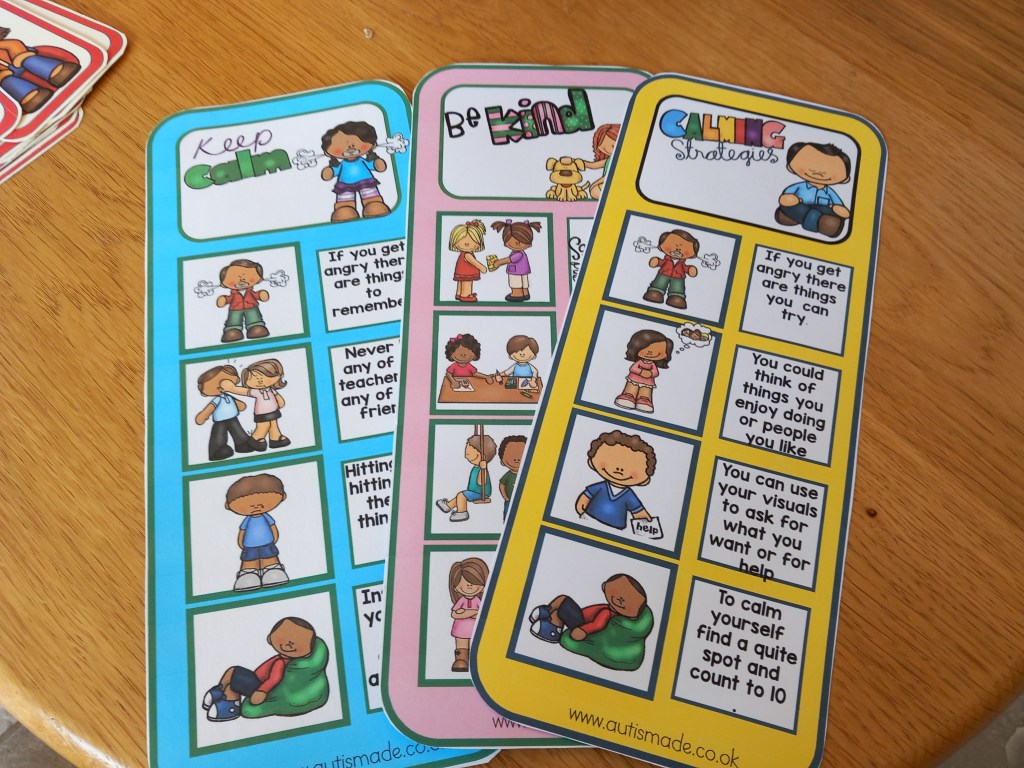
  • Visual Cues: Add calming visuals, posters, calming charts (e.g., breathing exercises or social stories), or a timer to help children track their time spent in the area. For some students, these cues help to create structure and ease transitions.

The calm-down area is most effective when it’s introduced as a tool for emotional regulation rather than a time-out or punishment zone. It’s essential that children understand that it’s a space to use when they feel overwhelmed or need a break, not when they’re being “bad.”

When introducing the space, explain its purpose to the students. You might say something like, “This area is for when you need a break to calm your body. You can come here when you’re feeling upset or need to reset.”

Consider using visual or verbal reminders throughout the day to reinforce its use, such as a “calm down” card that students can hold up when they need a break. Having a routine for when and how to use the area helps students understand it’s a proactive tool for self-care.

Remember, the calm-down area should be flexible and adapt to the needs of each student. As children grow and develop, their emotional needs may change, and it’s important to be open to modifying the space as necessary. Whether it’s adding new sensory tools or adjusting the space to make it more comfortable, keeping the area evolving can keep it an effective resource for emotional well-being.

Creating a calm-down area in your classroom or home can have a powerful impact on emotional regulation and overall well-being for children with special needs. By providing a dedicated, safe space for children to retreat when needed, you’re helping them develop the skills to manage their emotions and build resilience. With a little creativity, flexibility, and collaboration, you can create a space that supports both learning and emotional health.

Handy Calm Down Resources linked for you to check out:-

Free Calm Down Poster

Free Social Skills Poster | Class rules | Classroom Behavior Management

Calm Down Tools & Token Reward Boards for Classroom Behavior Management

Calm Down Corner Tab book & Posters

Calm Down check in / Social-Emotional learning, Posters and coping tools

Social Emotional Posters for being friends, classroom expectations

Visual Behavior Support cards – Break, Help & Wait Strategies for Autism

Using Errorless Resources to build new skills

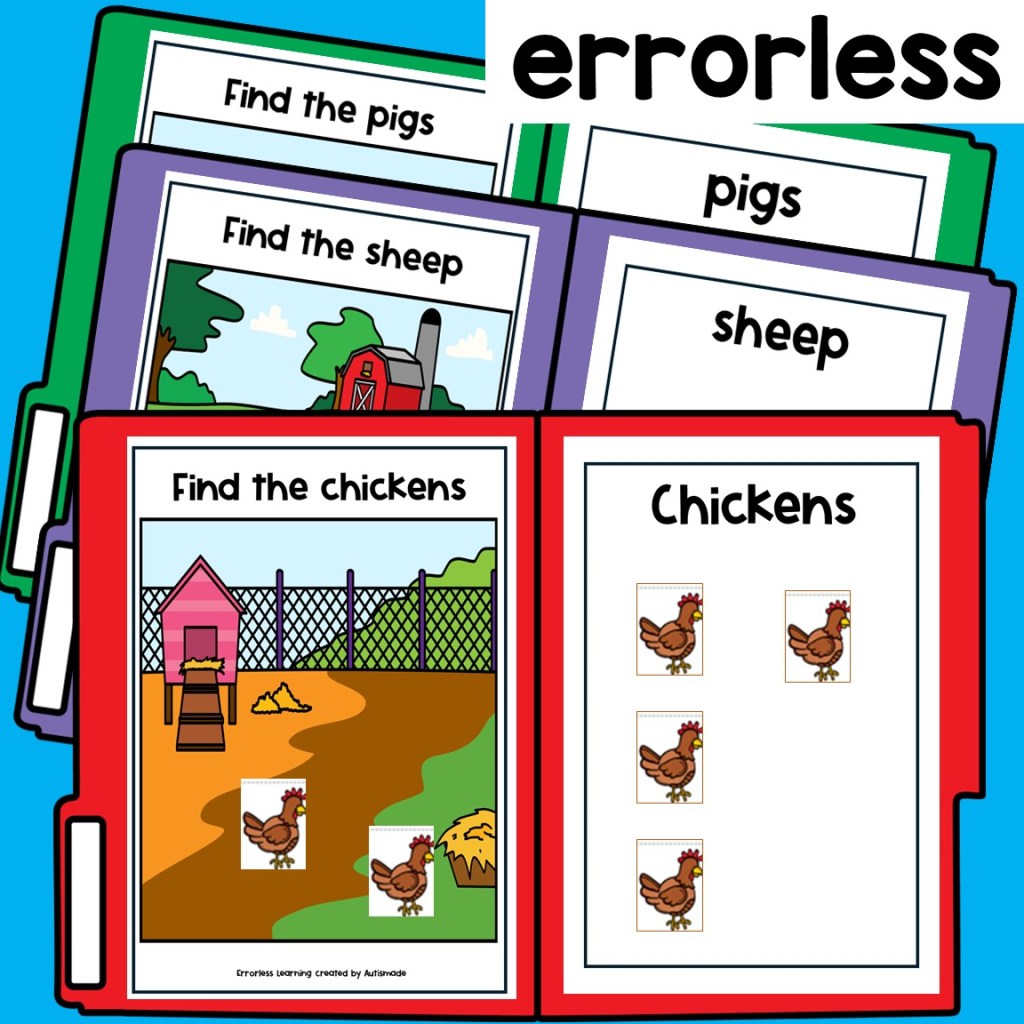
Have you ever heard of errorless learning? if not, your not alone! When I first came across this approach I was skeptical. How can learning take place without errors? But when I delved deeper I discovered that errorless learning activities can be a valuable resource in Special Ed Classrooms.

Imagine tasks that don’t have a wrong answer and only successful completion, sounds like a dream, but its a reality for many students.

In this article we will explore the concepts of errorless learning and its benefits for students with Special needs. We will also look at the different skills that can be developed though these activities and the types of tasks that can be used.

Learning Objectives

These type of tasks not only improve student task routines and promote independent completion as well as teaching them to work from left to right. but also helps to build their confidence and fine motor skills. Students can practice using their pincer grip to manipulate the visuals to give the answers.

Skills

Recognise items

Fine motor grip

Build independent work skills

learn to work left to right

Gain confidence and work independently

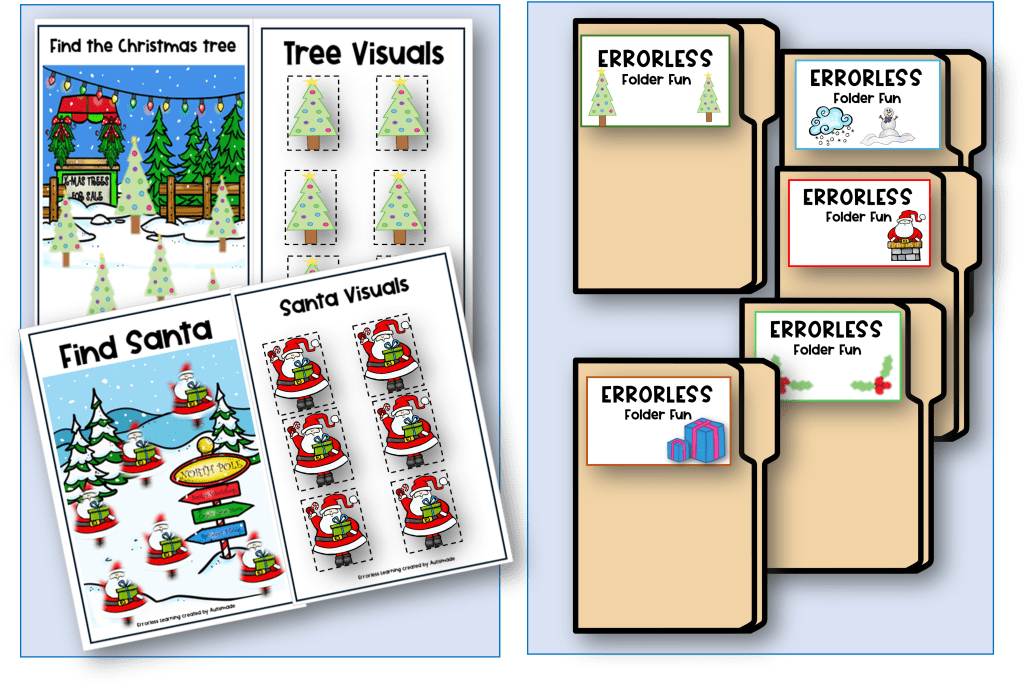
Folder Games

These Errorless folder games can be seasonal or linked to topics and basic learning skills for independent stations

Errorless adapted books can be applied to almost any subject and enable students to join in with stories and reading skills.

Task Cards

Errorless Task cards can be taught at independent stations and in fine motor skill sessions.