Teaching Safety Skills with Social Stories: Supporting Children at School and Home

Teaching children about safety is an important part of everyday learning. For some students, particularly those in special education or autistic learners, safety rules and expectations may need to be taught in a clear, concrete, and predictable way.
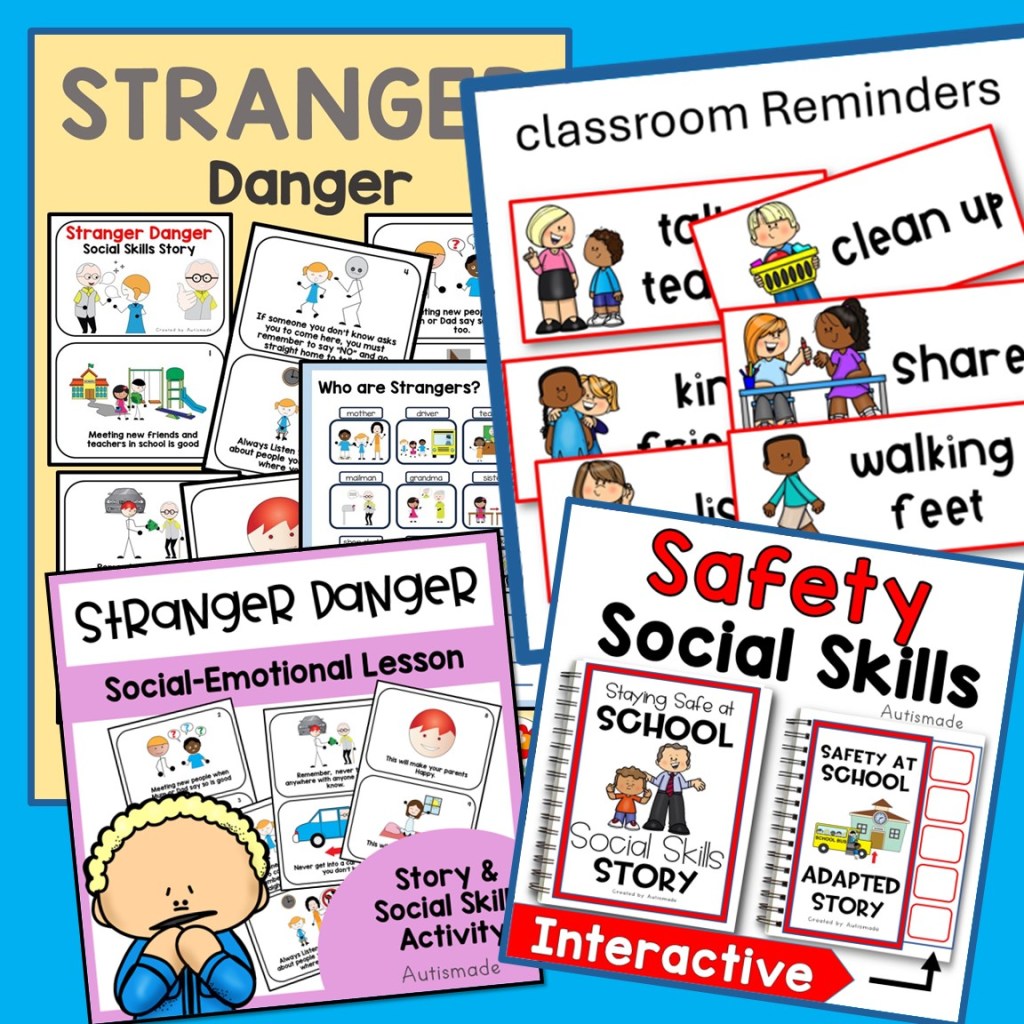
A collection of educational materials about 'Stranger Danger' and social skills, featuring colorful illustrations and text, including classroom reminders and social-emotional lessons.

This is where social stories can be a valuable teaching tool.

What Are Safety Social Stories?

Social stories are short, structured stories that explain a situation, what a child may experience, and what they can do to respond safely. They can help make unfamiliar or potentially challenging situations easier to understand.

Instead of simply saying, “Be safe,” a social story can break the idea of safety into small, meaningful steps.

For example, a story might explain:

  • How to stay safe in the classroom
  • Stranger Danger safe vs unsafe
  • How to ask a trusted adult for help
  • Understanding kitchen safety
  • What to do if separated from a caregiver
  • Safe choices at home
  • How to respond during an emergency
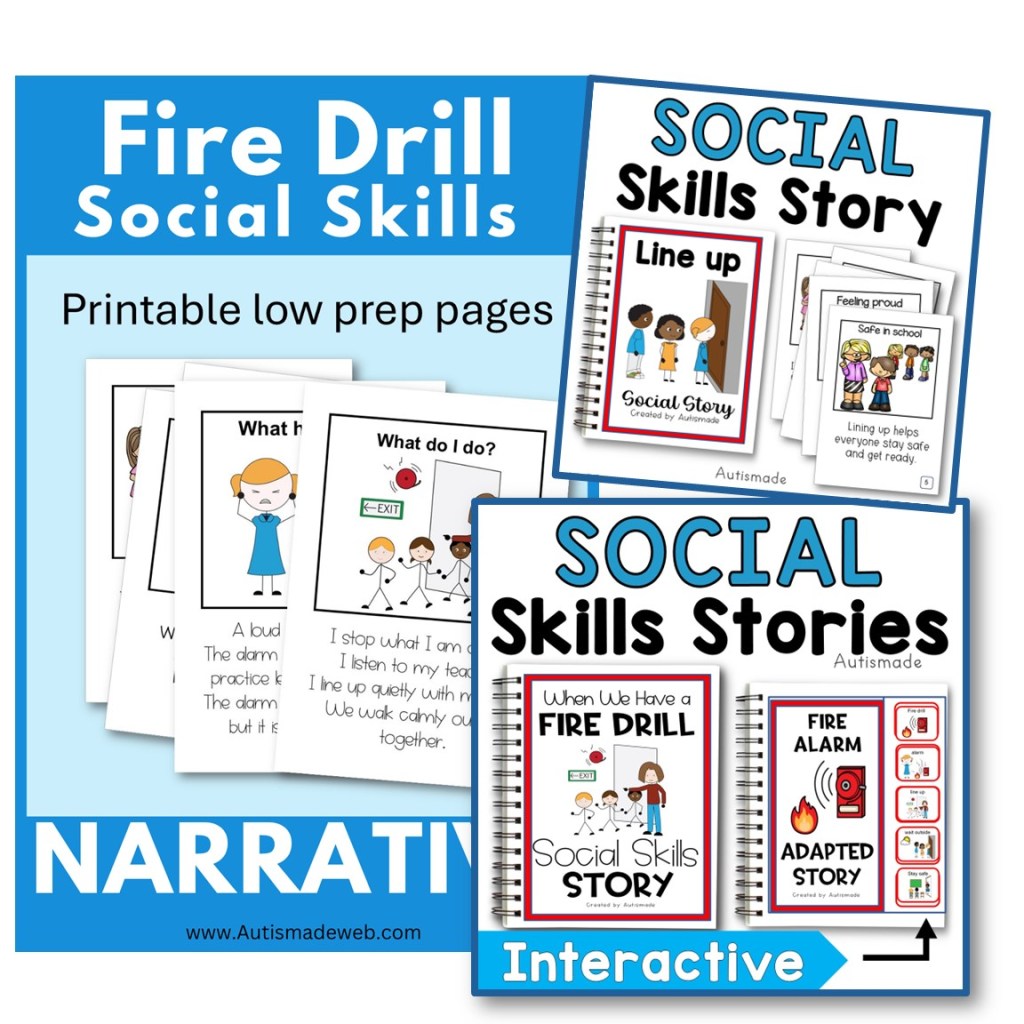
A collection of educational materials focused on fire drill social skills, including printable pages, social stories, and interactive resources. The top section highlights 'Fire Drill Social Skills' and the lower section features images of characters and instructions related to lining up and safety during fire drills.

Why Use Social Stories to Teach Safety?

Every child learns differently. Some students benefit from having information presented visually, repeatedly, and in simple language.

Social stories can be read before a situation occurs, practiced regularly, or revisited when a child needs a reminder. They can also be used during individual instruction, small groups, life-skills lessons, or as part of a classroom routine.

For teachers and families, they provide a simple way to introduce important safety concepts without overwhelming the learner with too much information at once.
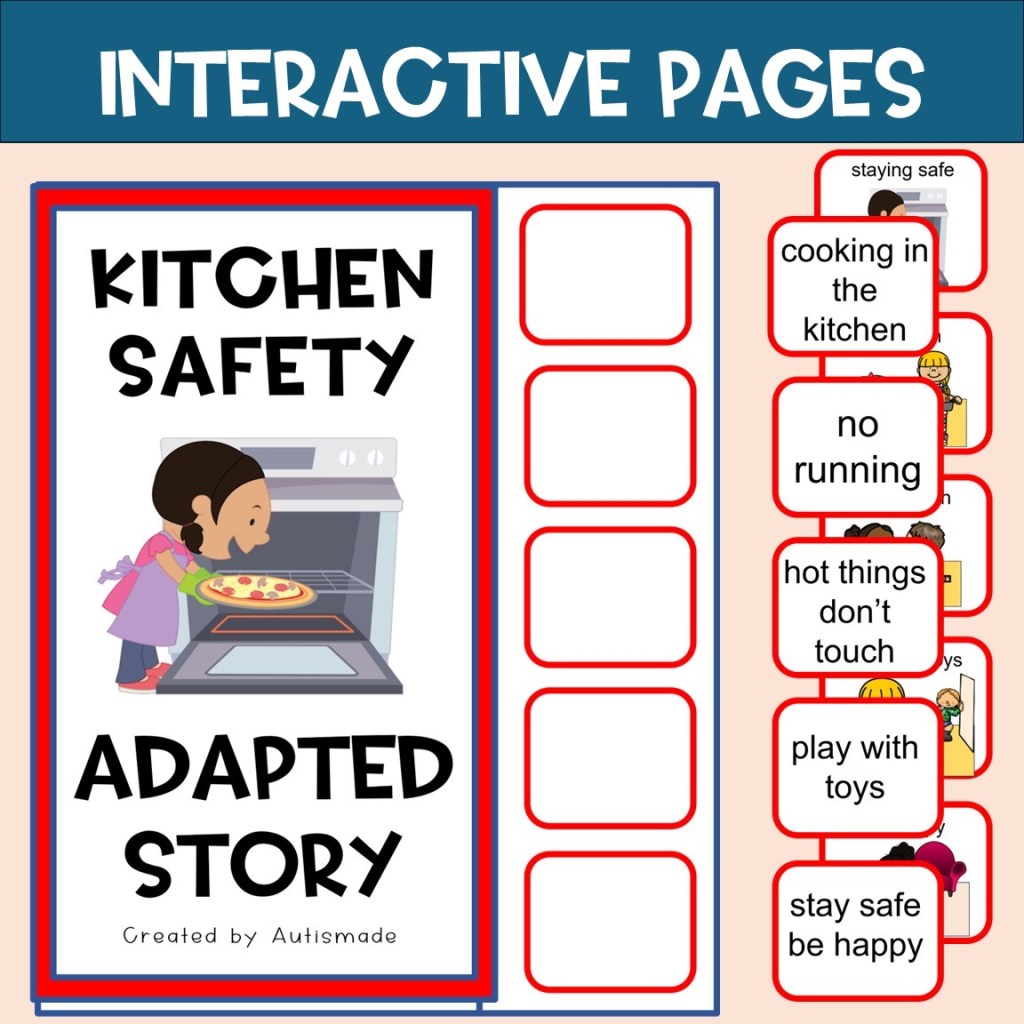
Illustration of a girl putting a pizza into an oven with the text 'KITCHEN SAFETY ADAPTED STORY' on the cover alongside interactive safety tips.

Making Safety Learning Meaningful

The goal isn’t simply for students to memorize a list of safety rules. It’s to help them understand what to do, who they can ask for help, and how to make safer choices in everyday situations.

Keep language clear and positive, use examples that are relevant to the child’s environment, and give students plenty of opportunities to practice the skills.

A Little Preparation Can Make a Big Difference

Whether you’re teaching School Safety, Kitchen safety, Fire Drill, or Stranger Danger, social stories can be incorporated into everyday teaching and routines.

With consistent practice and appropriate support, safety skills can become a meaningful part of a student’s journey toward greater independence and confidence.
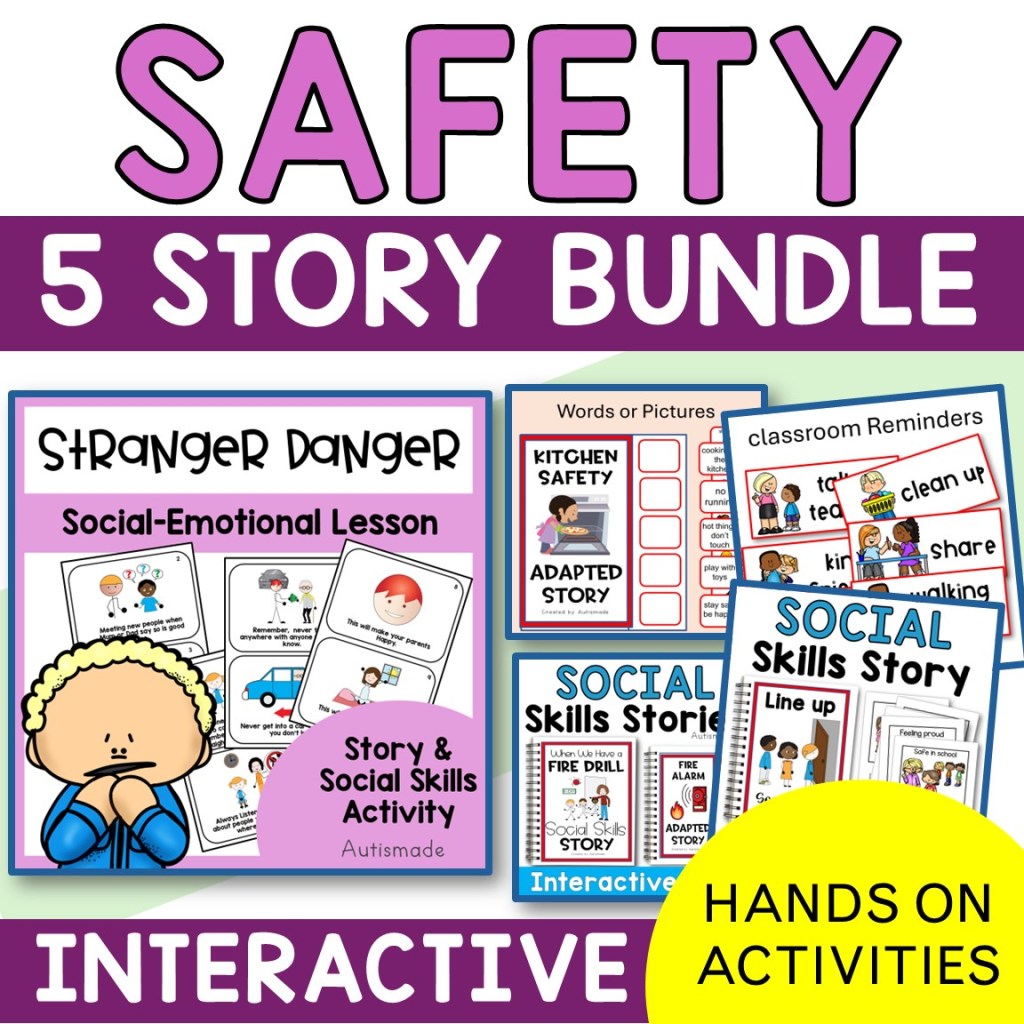
Graphic promoting a safety education bundle with a focus on social-emotional lessons. Features 'Stranger Danger' and other activities emphasizing social skills and safety reminders.

Winter Adapted Books: Teach Life Skills Effectively

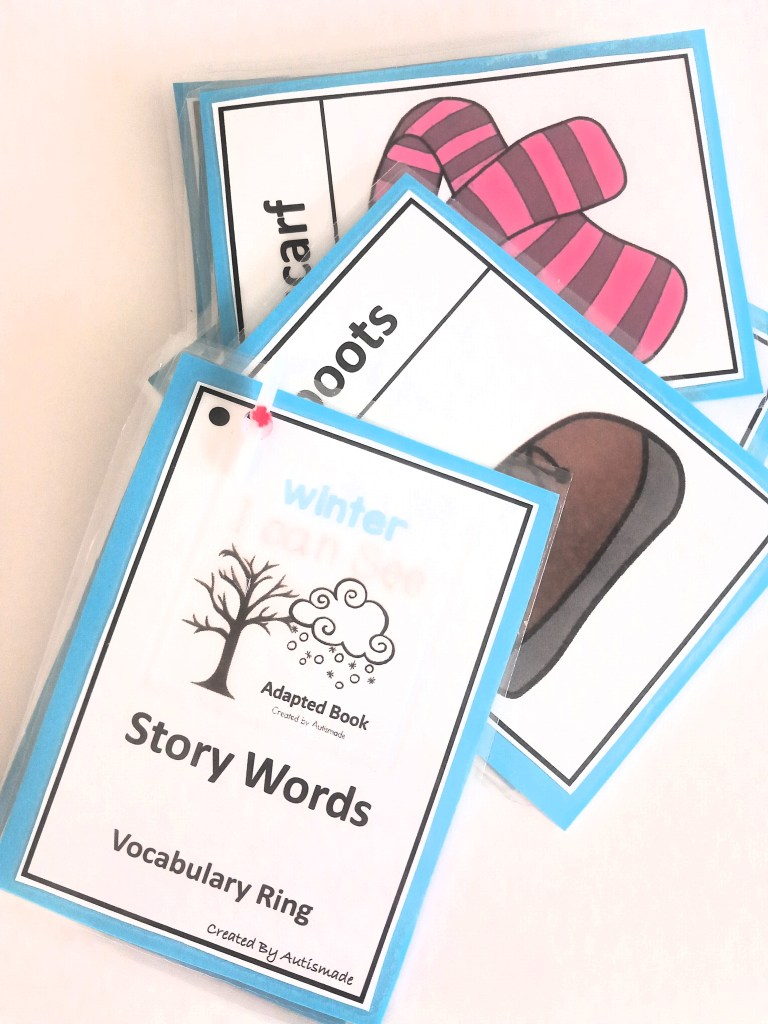
Winter mornings in the classroom always tell a story. Coats on backwards, boots on the wrong feet, and lots of practice figuring out what we wear when it’s cold outside. That’s exactly why I love using winter adapted books to teach clothing life skills in my special education classroom.

This Winter Clothing Adapted Book gives students with autism and special education needs a hands-on way to practice winter clothing vocabulary, sorting, and functional life skills in a predictable, visual format. The simple structure helps students focus, build confidence, and work more independently.

I use this adapted book during morning work, centers, task boxes, and small group instruction. It’s low-prep, easy to reuse, and perfect for reinforcing real-life skills students actually need. The best part is watching students start to recognize which clothes belong in winter, then proudly make those same choices when it’s time to go outside.

If you’re looking for an engaging, meaningful way to teach life skills using adapted books, this winter resource fits seamlessly into daily routines and supports learning that lasts beyond the classroom.

Support Hands-On Learning with Visual Recipe Mats!

Looking for a fun and interactive way to help young learners build real-life skills? Our Visual Recipe Mats are the perfect addition to any early learning classroom!

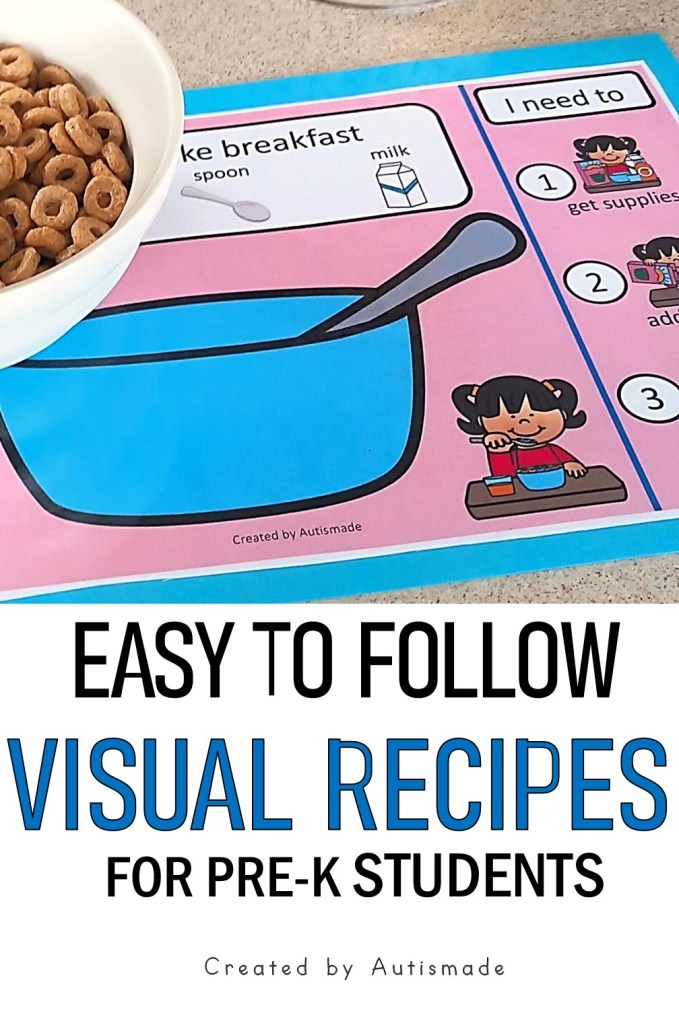
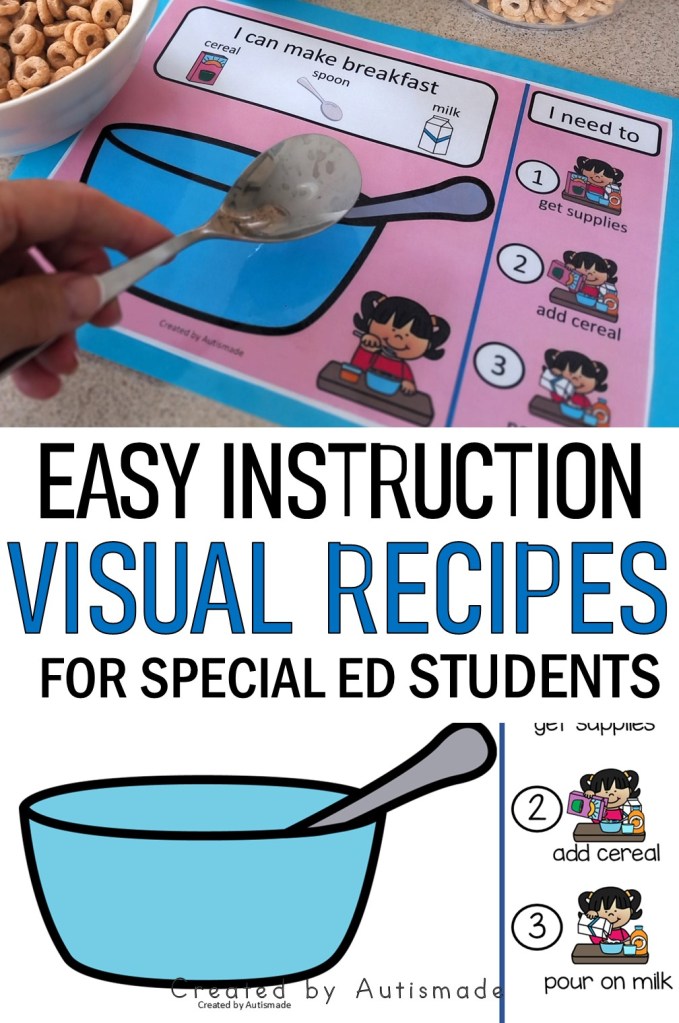
These engaging, hands-on mats walk students through simple snack recipes using step-by-step picture instructions. Whether it’s making a sandwich, mixing up some chocolate milk, or assembling a breakfast favorite, children will gain confidence and independence as they follow along.

Perfect for preschool, Special Education and early elementary ages, these mats are designed to:

  • Encourage sequencing and direction-following
  • Build basic cooking and fine motor skills
  • Promote independent learning—with plenty of fun along the way!

What’s Included?

  • 🥪 I Can Make a Sandwich
  • 🍳 I Can Make Breakfast
  • 🥛 I Can Make Chocolate Milk

Each mat has 3 easy steps and is durable, easy to clean, and reusable—just wipe and reuse! They’re great for small groups, life skills centers, or one-on-one support.

Bring real-world learning to life in your classroom—one recipe at a time!

Ready to get cooking? Grab your set of Visual Recipe Mats today and make learning deliciously fun!

For more Resources visit my TPT Shop here

https://www.teacherspayteachers.com/Product/FREE-Recipe-Reminder-Visuals-Easy-no-bake-snacks-Cooking-Life-Skills-13947968#show-price-update

Free Recipe mats

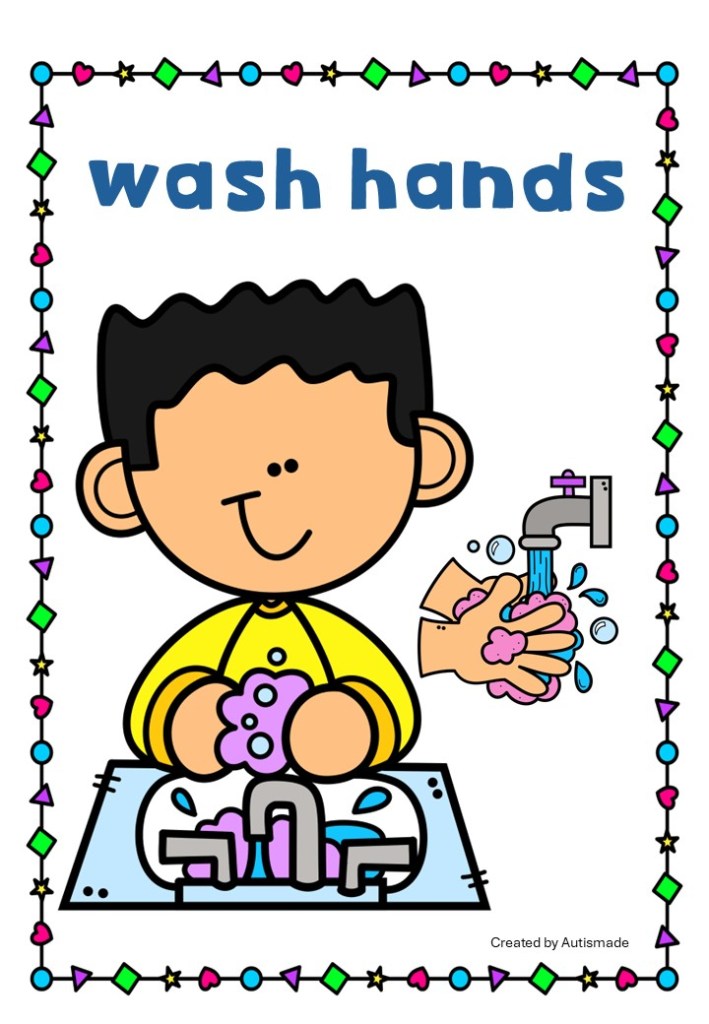
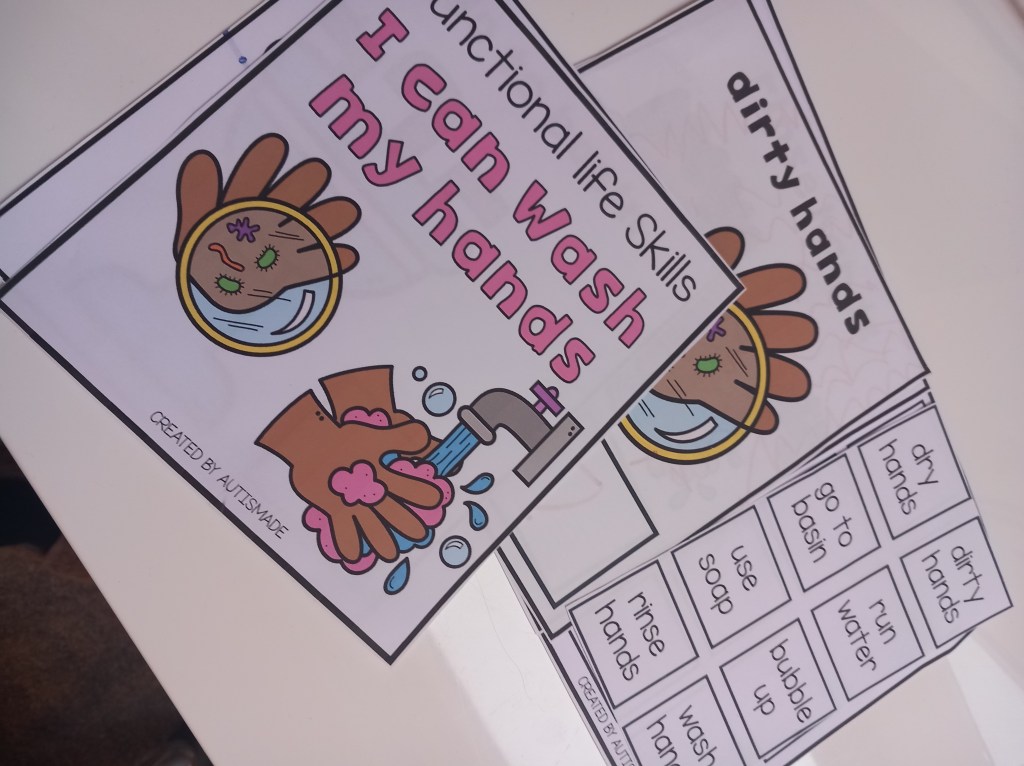
Handwashing and Functional Skills for Special Education

Hygiene posters are great for sequencing functional life skills! I’ve designed these ones for Special Education, focusing on washing hands that feature simple, clear visuals and step-by-step instructions to ensure understanding. Here’s a breakdown of the elements I’ve included:

  • Title: “Wash Your Hands” in large, easy-to-read font.
  • Images:
    • Visual of turning on the faucet and adjusting the water temperature.
    • Clear images of applying soap, rubbing hands together and rinsing thoroughly.
    • Drying hands with a clean towel or paper towel, with a visual of using the towel.
  • Step-by-step guide: The poster would use simple, steps, with a large icon for each action, such as “Turn on water,” “use soap,” “wash hands,” “Rinse off,” and “Dry hands.”
  • Colorful and clear design: Bright colors that are visually engaging, yet not overwhelming, with a mix of simple shapes to represent the actions.
  • Text: Short, simple sentences or phrases to accompany the images. Large font sizes and a clear.
  • Emotional reinforcement: Smileys or fun characters make the poster friendly and motivating.
  • Tips for success: Use a small reminder at the bottom, like “Count to 20,” to encourage washing for a recommended duration.

The goal is to display them or make them accessible, interactive, and motivating for students in special education by breaking down the task of handwashing into manageable steps that are easy to follow and visually memorable.

More life skills resources are linked below:-

Washing Hands Posters

Washing hands life skills

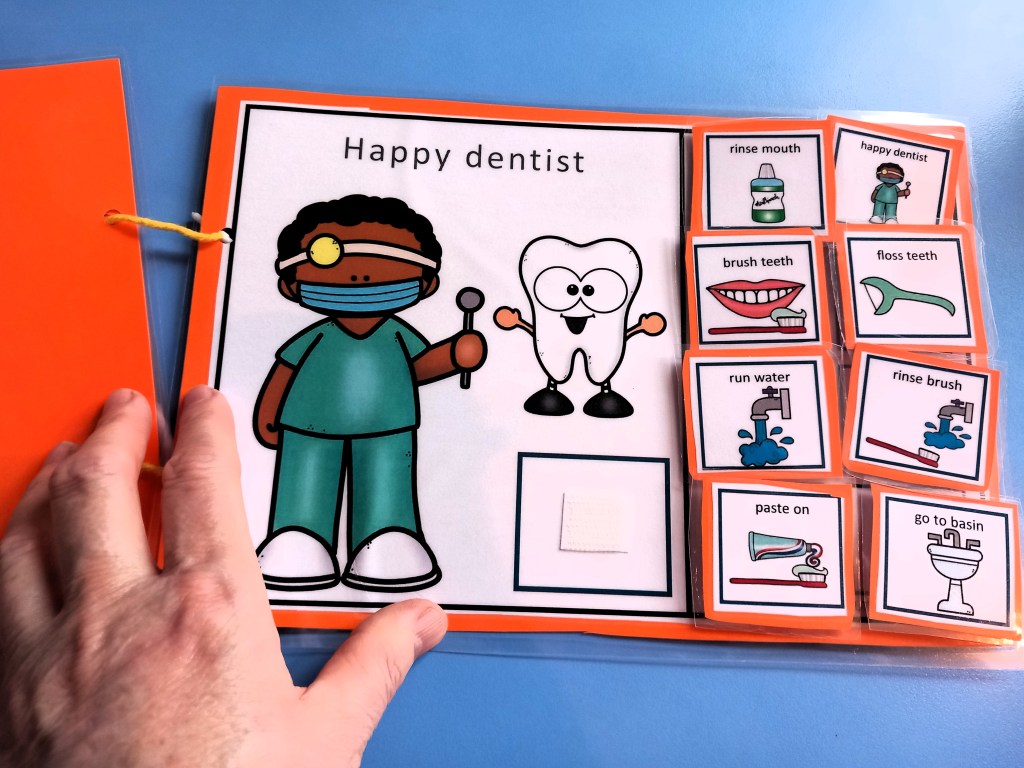
Brush teeth life skills

Life Skills Activities for Special Education Classrooms

Discover how our Adapted life skills resources in special education can help your child master their emotions and thrive in everyday life. Our interactive books, worksheets and activities are designed to build essential emotional recognition and management skills for a brighter, more confident future.

Equip your special learners with the tools to understand and express their emotions with our collection of functional life skills

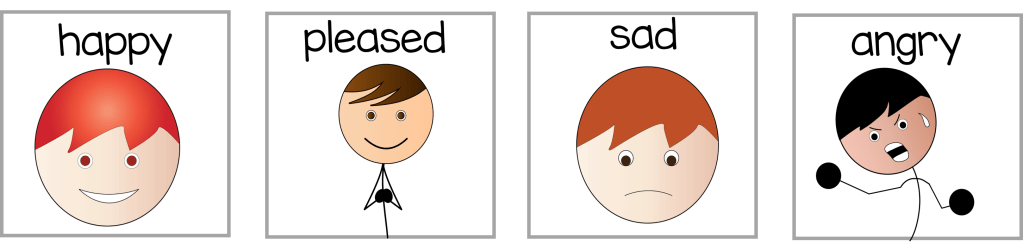
Check out these amazing interactive books that make learning about facial expressions and emotions a blast! Students use attachable visuals to answer questions and complete tasks, perfect for independent work or more focused activities. Dive into a world where emotions come alive!

Learning about one’s own feelings and emotions can be daunting, particularly for young people with special needs. Our comprehensive guide to recognizing emotions and developing functional life skills is tailored explicitly for learners in special education, providing invaluable tools and techniques to foster understanding and independence.

For more resources visit my Store