Summer Themed Number Games for Preschoolers and Special Education

Fun with Numbers! Easy & Engaging Number Games for Preschoolers and Kids in Special Education

Learning numbers can be a blastโ€”especially when we turn it into a game! Whether you’re a parent, teacher, or caregiver, these playful number activities are perfect for preschoolers and children in special education settings. They’re designed to build number recognition, counting skills, and confidenceโ€ฆ all while having FUN! These summer-themed number activities are designed for preschoolers and students in special education, with a focus on visual supports, matching, and hands-on fun.

The best part? Most of these can be laminated and reused as file folder games, worksheets, or task boxesโ€”perfect for classrooms, therapy sessions, or at home!


Materials Needed:

  • Printable ice cream cones with numbers (1โ€“10)
  • Printable scoops with dots, ten frames, or number words

How to Play: Students match the correct number of scoops to the cone by counting the dots or reading the number word. Velcro makes it interactive!

Skills Targeted: Number recognition, one-to-one correspondence, visual matching

Math Games 1 to 10 Counting Activities:Number Recognition, 1-1 Correspondence


Materials Needed:

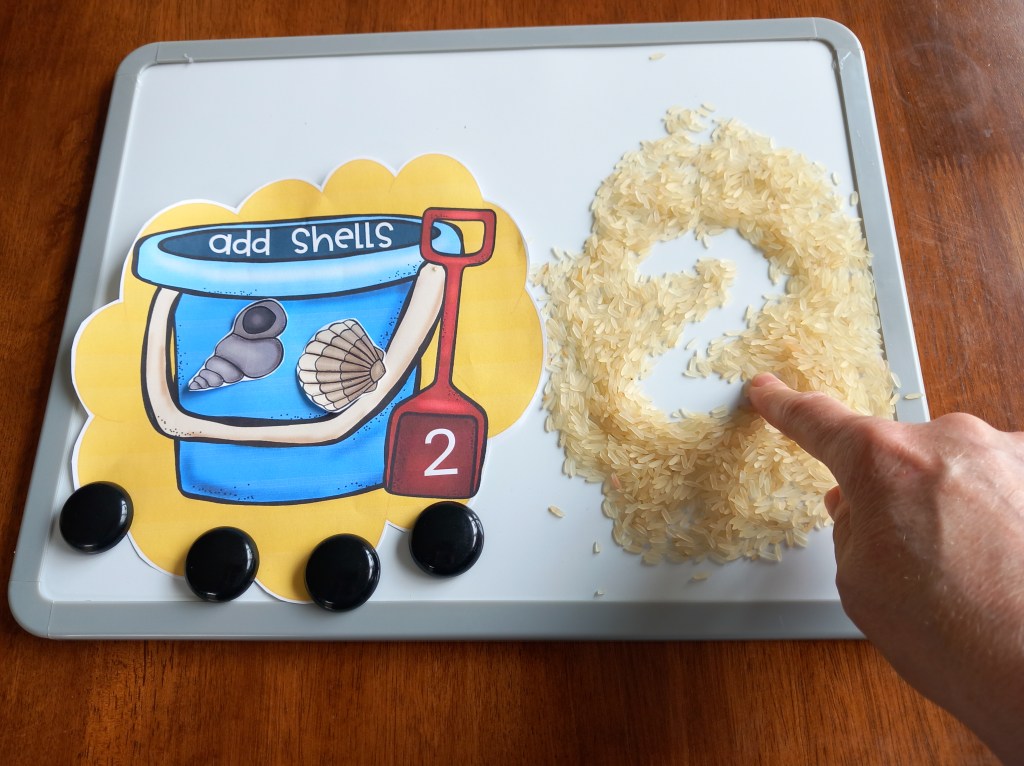
  • Printable beach scene or bucket
  • Cut-out shells
  • Number prompts (e.g., โ€œAdd 4 shells to the bucket!โ€)

How to Play: Give kids a scene and a number. They count and glue the correct number of shells onto the picture. Bonus: You can reuse this with different animals (like turtles or starfish)!

Skills Targeted: Counting, following directions, fine motor skills

Fun Math Games: Low Prep, 10 Frame Learning Activities


Materials Needed:

  • Watermelon slices with numbers
  • Seeds with matching dots or number words

How to Play: Kids match seeds to the correct watermelon slice. You can also make it a โ€œpuzzleโ€ where they have to match pieces that fit together.

Skills Targeted: Number ID, matching quantities to numerals, visual discrimination


Materials Needed:

  • Printable sand pails labeled with numbers
  • Small images (like shells, flip-flops, or sunglasses) in sets of 1โ€“10

How to Play: Students “sort” the correct number of summer items into each bucket. Laminate and use Velcro dots for a reusable file folder activity.

Skills Targeted: Sorting, counting, number sense


Materials Needed:

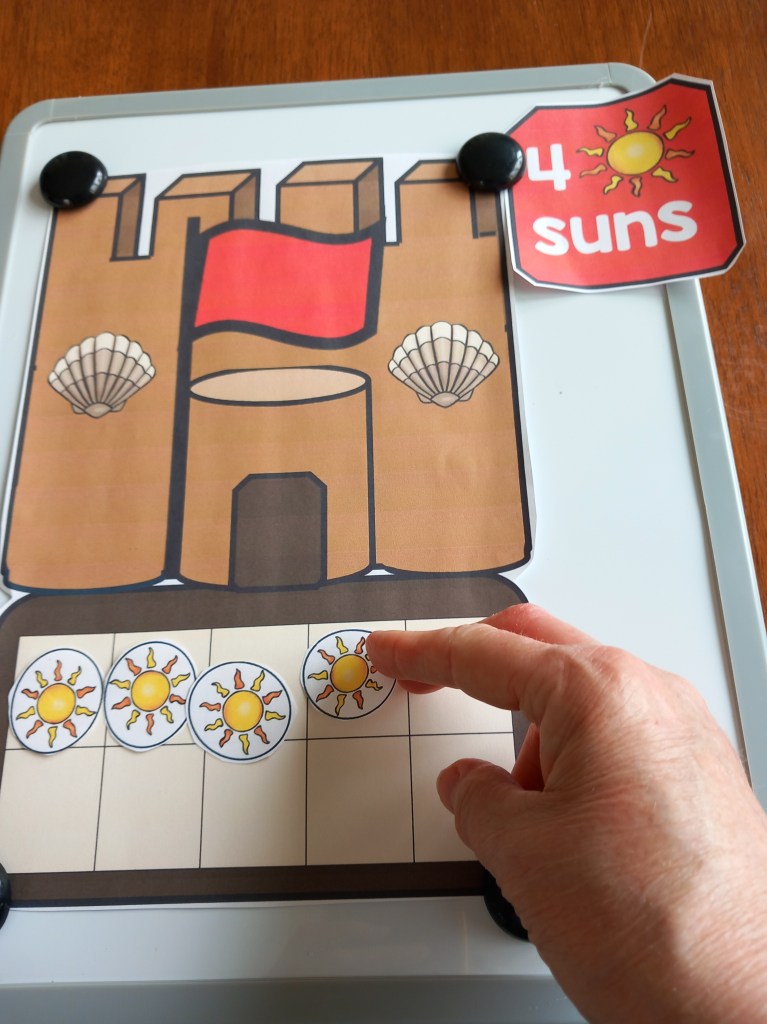
  • Printable suns with ten frames
  • Clothespins or cards with numerals 1โ€“10

How to Play: Students count how many โ€œraysโ€ or dots are on the sun and clip or match the correct number. Easy to turn into a file folder or dry-erase activity.

Skills Targeted: Counting, ten frame recognition, fine motor coordination

Fun Math Games: Low Prep, 10 Frame Learning Activities


Materials Needed:

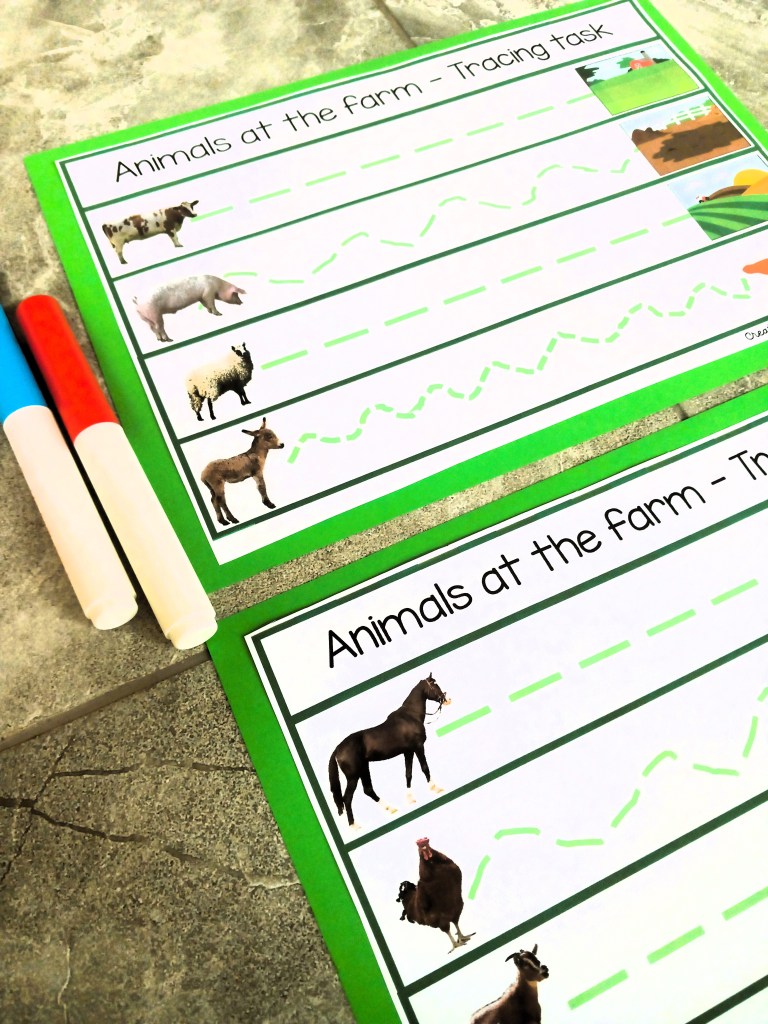
  • Sandpaper numbers or laminated tracing sheets
  • Sand tray or printed โ€œbeachโ€ background

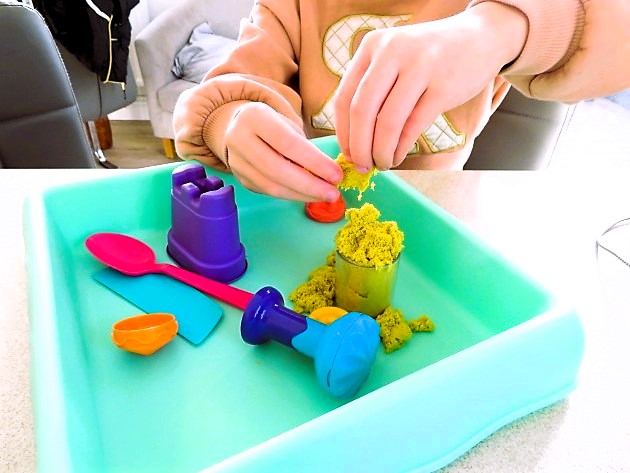
How to Play: Students trace the number with their finger or a crayon. Add a sensory element by tracing numbers in a shallow tray filled with sand or salt!

Skills Targeted: Number formation, sensory input, pre-writing skills.


๐Ÿ’ก BONUS TIP:

For extra durability, laminate your materials and store them in labeled file folders or task boxes. Add visuals and step-by-step instructions for independence!


Wrap-Up: Summer learning can be low-stress and high-fun! These file folder games and worksheets bring sunshine into math timeโ€”helping children strengthen number skills while keeping things seasonal and playful. Perfect for your summer school setup or at-home activities!

For more Summer Themed Resources click the links below

Summer Fine Motor skills: Fun activity printable sheets

Summer Maths Activities

Sequencing Adapted Book – Summer themed

Fun Summer Activity sheets FREE

Tabletop Activities – Apple counting, Task cards and color sorting.

Same-Different-Big-Small Sorting

Fun Math Games: Low Prep, 10 Frame Learning Activities

Fun Math Games: Low Prep, 10 Frame Learning Activities

Tips for running a simple Classroom Rotation System

A classroom rotation system is an instructional strategy where students move between various learning stations, each designed to target different skills or concepts. In a kindergarten Special Education classroom, it means that each station might focus on different aspects of learning, such as motor skills, communication, literacy, or social-emotional development. Students rotate through these stations in small groups or independently, ensuring that they receive a diverse, multi-sensory learning experience.

Here I’ve listed how I set up and run a classroom rotation system for my Special Education classroom to ensure structure, engagement, and efficient learning experiences,

Steps to Create a Rotation:

  • Identify your areas: Include areas like literacy, math, fine motor skills, social skills, sensory activities, fine motor etc.
  • Rotation Frequency: Depending on how many activities you have, you might want to rotate every 10-20 minutes to keep the activities short and engaging.
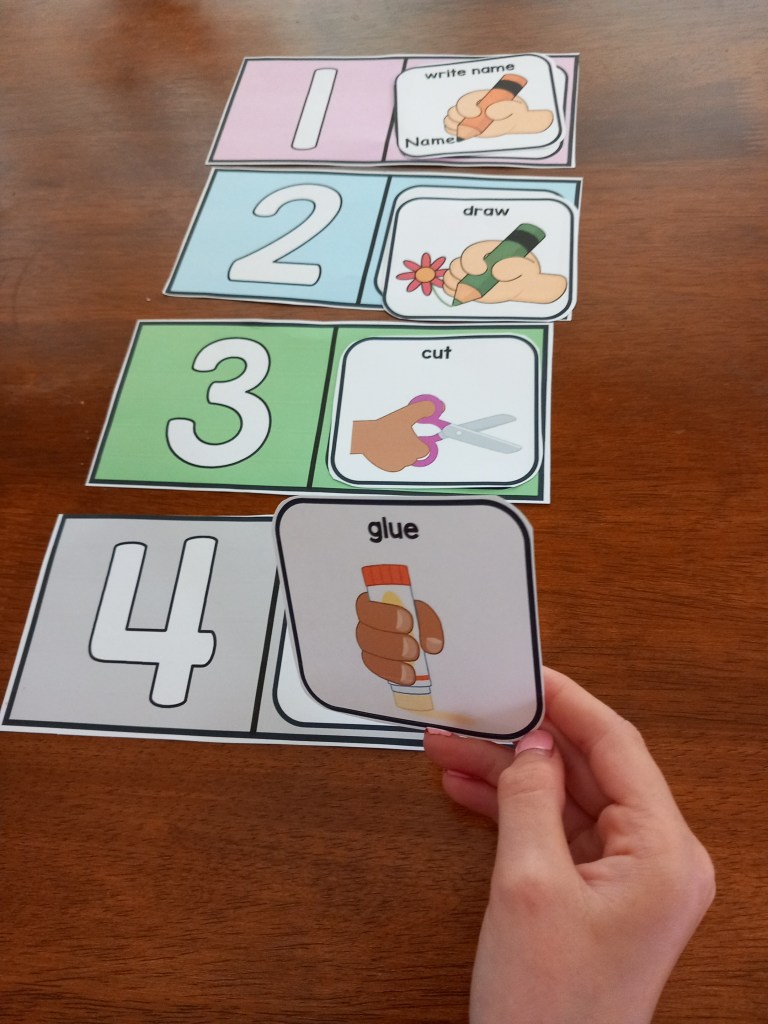
  • Use Visual Schedules: A visual schedule can help students understand the rotation process. For example, a picture board or visual timer showing which area to go to next. For non-readers, pictures or color codes work well.
  • Small Groups: Divide students into small groups, and assign each group to a different station. After each rotation, students move to a new activity. This way, they get a mix of independent work, group activities, and teacher-guided lessons.
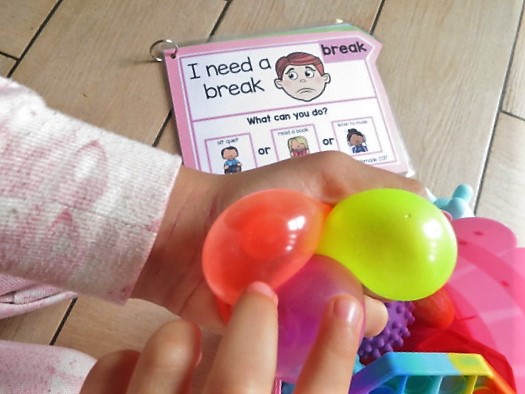
  • Include Sensory Breaks: Special education students often benefit from sensory breaks between activities to help manage overstimulation. Designate short times for sensory activities, such as using stress balls, or simply having a calm, quiet corner.

My Rotation Schedule:

  • Station 1: Literacy (guided reading, letter recognition, etc.)
  • Station 2: Math (counting, number recognition, etc.)
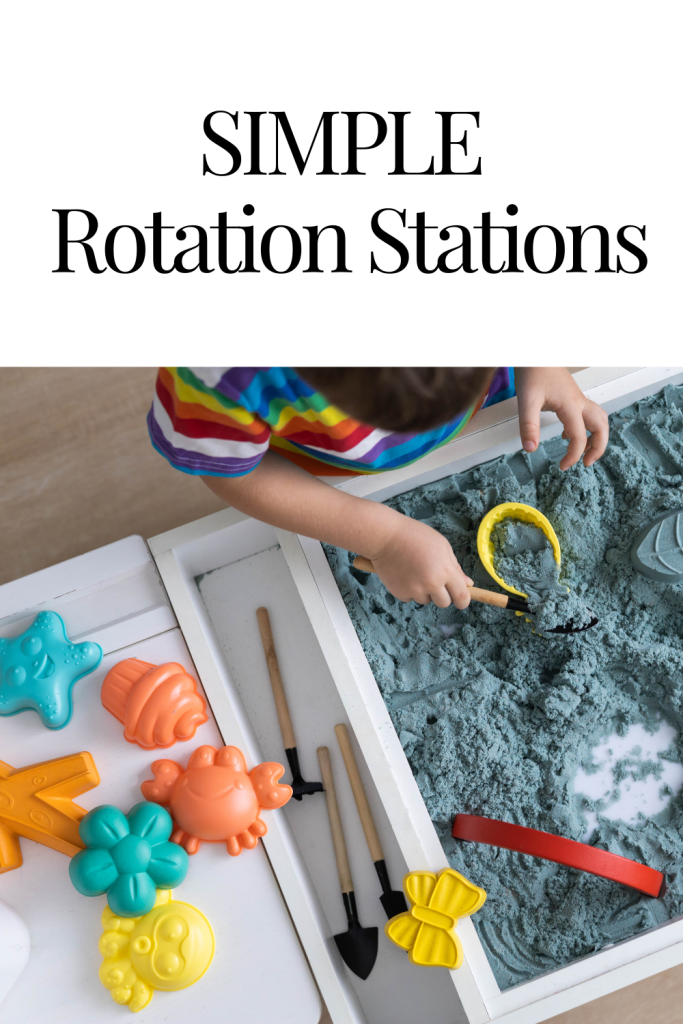
  • Station 3: Fine motor skills (coloring, cutting, playdough)
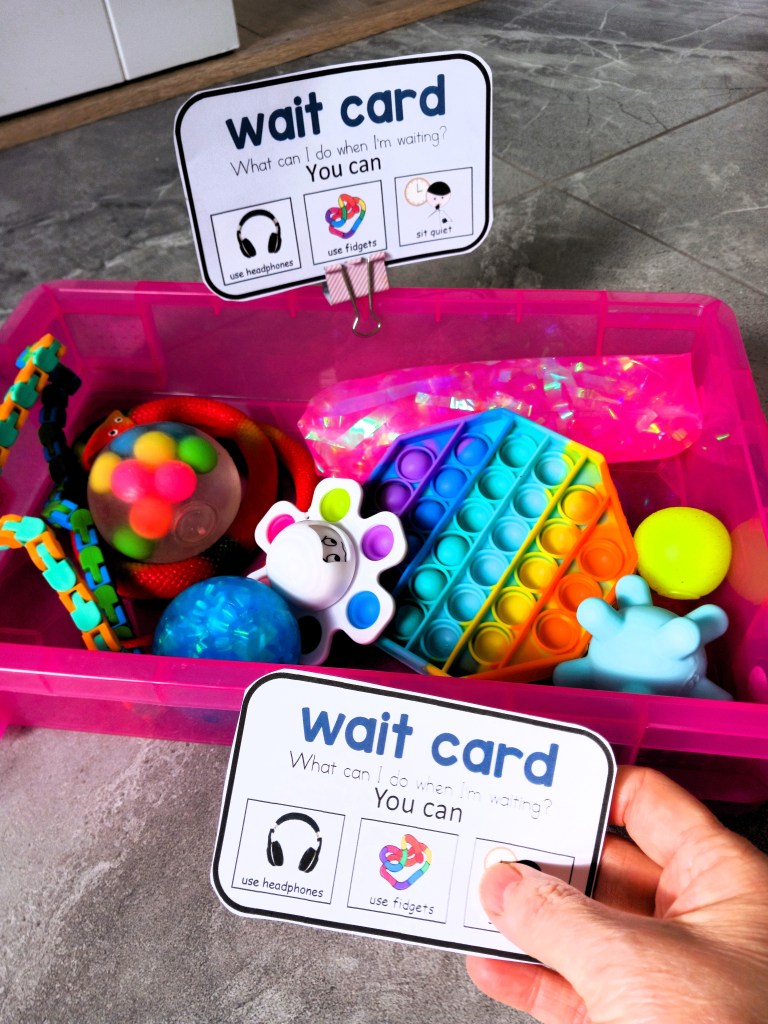
  • Station 4: Sensory break (quiet area with fidget toys, soft music)

Cue Cards for activities and stations

2. Resource System

This resources system helped me organize the materials for each rotation and ensure everything runs smoothly.

Steps to Organize Resources:

  • Label Materials Clearly: For each rotation station, make sure materials are clearly labeled. You can use color-coded bins or folders that match your visual schedule to make it easy for students to find what they need.
  • Use Simple Materials: Choose materials that are easy to handle and safe for young children. Think sensory bins, large manipulatives for counting, and picture books.
  • Student Resources: Set up โ€œindependent useโ€ bins or areas that students can access on their own, like worksheets, tactile toys, or quiet reading materials.
  • Prepare Materials: Set up each station with materials ahead of time. Keep a checklist to ensure you donโ€™t forget anything.
  • Support for Communication: Many special education students benefit from communication supports such as communication boards, picture cards, or apps. Make sure these are part of your resource system for students who may need them.
  • Class aids responsibilities: If you have any classroom aides or assistants, make sure they have access to the necessary resources and designate specific roles or responsibilities for them during each rotation.

Example Resources:

  • literacy station resources: Alphabet flashcards, letter tracing sheets, magnetic letters, adapted books
  • math station resources: Counting bears, number puzzles, shape folders, dice, number flashcards etc!
  • fine motor station Resources: Crayons, scissors, glue sticks, playdough

sensory break resources: Fidget toys, weighted blankets, calm-down jars

By planning with flexibility in mind and making sure your resources are organized, your rotation system will run more smoothly, and students will have the best chance to succeed and stay engaged.

For more Resource Ideas use the link below:-

MY TPT STORE

Making Classroom Rules into exciting learning experiences

With the right tools and strategies, you can turn classroom expectations into engaging and fun activity that promotes social-emotional skills and builds a strong community.

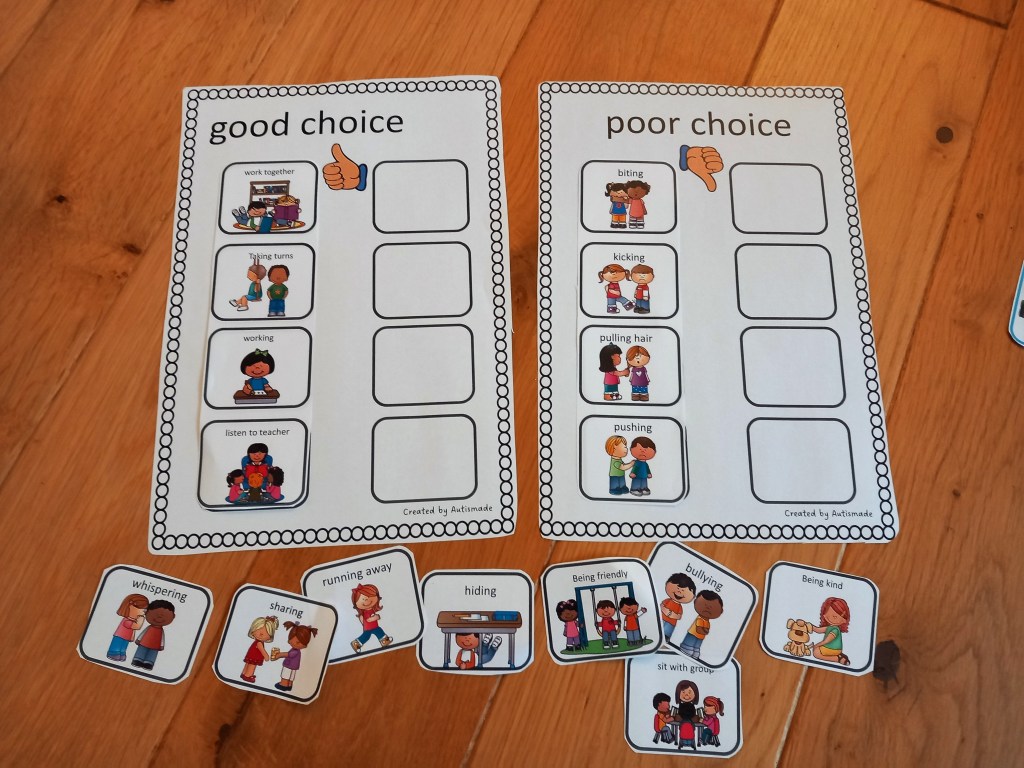
One way to achieve this is through a sorting card game, designed to help students differentiate between good and poor behaviors.

In this blog, you can see how I’ve created this activity to use for classroom behavior management, so explore the benefits of using this game as a tool for creating a positive learning environment.

This simple activity will help your students sort out the good and poor behaviors for the classroom expectations you want to see everyday

This hands-on activity is how teaching classroom rules can be a joyful and an engaging experience at your independent stations and work centers, that’s once laminated can be practised over and over again.

Dive and promote positive classroom management and behavior, all while building a strong class community. Get ready to make this learning exciting for both you and your students!”

Tips on How to use Help card Visuals!

Struggling with Communication? Discover how help cards can help your students with their Emotional Intelligence!

For kids in special education, expressing their needs and seeking help can be a daunting task. However, there is a simple yet effective tool that can greatly improve their communication skills โ€“ visual cues. Lets explore the importance of effective communication for children with special needs and how the use of a visual aid, such as the help card, can greatly benefit them.

Discover how we can support and empower these children to express themselves and seek the help they need.

In this post, we will explore the importance of effective communication and how you can use visual aids, such as help cards, that can greatly benefit our kids in the classroom.

Using Help cards with symbols My 5 tips


1. Help your young learner to realise when they need to use the Help Card, usually before they get too frustrated or loose concentration. Set up a situation in which they will need help, show them the help card and place it where they can easily reach it.

2. Point to the help card and tell them, โ€œThis is your help card. You can use it if you need help.โ€ When your student starts to show behaviors, You say โ€œIf you are getting upset, use your help card to tell me you need help.โ€

3. Immediately allow the student to take the help symbol and make up his sentence, or allow the student to use the help card and follow the visual instructions.” I found that self regulating visuals on the bottom of the card is a fantastic way of reminding your student what they need to do when they need help.

4. Requesting is an important part of teaching the student to trust and use the visual support, once they are consistently asking for help, or making up a sentence strip, you may begin to generalise situations, locations and with different staff, while practicing this critical skill.

5. The added visuals at the bottom of each card has been a big help with reminding students to what they can do and how to express it.

Resource links

I need Help- Visual strategies

Visual Support Cards

Visual keyring supports

Classroom support cards

Effective Behavior Management Tips for Special Ed Teachers

Are you tired of spending your day as a teacher constantly battling disruptive student behaviors! Well, you’re not alone. In this article, we’ll provide you with some handy ideas for behavior management in your Special Ed Classroom!

As educators we understand the importance of creating an inclusive and positive learning environment for our students, particularly those with Special Needs. So with this logical flow of ideas, lets dive in and explore some creative and effective strategies for Behavior Management you can use.

1. Token Rewards

Token Rewards – A powerful method of strengthening new skills, the tokens are a way of reinforcing positive behavior and rewarding students for completing tasks, they then trade the tokens for desired activities or items they choose beforehand.

QUICK TIP – I use this board when I start teaching the Token Reward strategy, its a classroom resource that I can adapt with motivator choices that’s adapted for individual needs.

2. Critical Communication Cards

Critical Communication Cards – To teach new skills such as requesting “break please”, “help” and “wait” self -management strategies.

QUICK TIP – I place them on the edge of tables to remind students on their choices.

3. Self Regulation Tools

Self regulation toolsI’ve made tools individually accessible for my students to use in a handy little booklet.

QUICK TIP – I bind then as a book and keep them on hand for self management, each one tailored to individual needs that help them to self-regulate.

4. First and Then Strategies

First and Then By using this strategy my students know what they must complete before having what they want, it also provides structure in their behaviour support plans.

QUICK TIP – If my students are finding it difficult to stay on track, I use the first and then strategy to remind them of what they are working for before they can get the item or activity they want.

5. Calm Down Corner

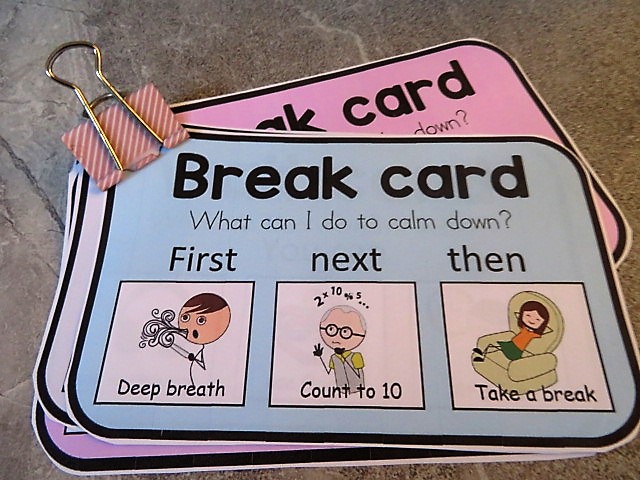
Calm Down Area Sort out a corner of the room with a beanbag on the floor and a little book shelf for privacy, I kept it very plain and simple with just the calm down tools on hand… WOW it looks great, and my kids love it! Next I wanted to gave my kids a chance to take a break before things got to tricky, so I made these colourful break cards and purchased a sand timer.

QUICK TIP – Have a visual choice board ready with pictures of nice, peaceful activities that would help to distract from upset and some visual calm down tools to practice.

6. Classroom Posters

Posters Visual Support reminders to Teach essential emotional regulation techniques and set them up in calm areas, display class rules and social skills posters in easy to see areas.

QUICK TIP – Print and display posters around the classroom or in a calm down area, use them to remind students of your classroom behavior expectations.

Reward Systems

Self Regulation

Bundles

All TPT Resources

Visual Behavior Support Folder – Token Rewards Tools, schedules, First & Then,

Visual Supports: Token Reward System/First & Then – Strategies for Special Ed

Classroom Behavior Management Strategies: First, Next and Then Tools

Token Reward folder: Visual support tools with “first & then” Behavior Strategy

First, Next and Then table Schedule Templates with Visual Supports

First Then boards and Help cards: Autism visual supports

Visual Supports:”First, next, then” with Token Rewards Systems