If you’ve ever found yourself repeating, “First put your shoes on, then we can play,” you’re not alone. I have! My children need clear, visual reminders of what comes next—especially those who thrive on routine and predictability.
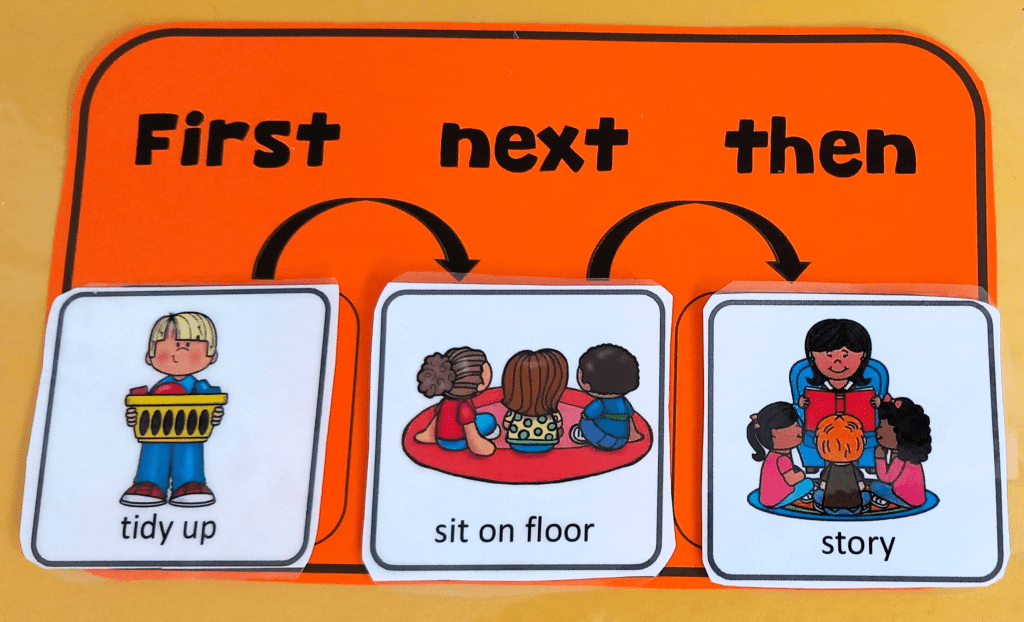
A First Next Then visual schedule chart is one of the most effective tools I’ve used for helping young students understand expectations, transition between activities, and build independence in the classroom, at home or during therapy sessions.
Whether you’re a teacher, parent, homeschooler, or therapist, try these simple visual support to make your daily routines smoother and reduce frustration for everyone.
What Is a First Next Then Visual Schedule?
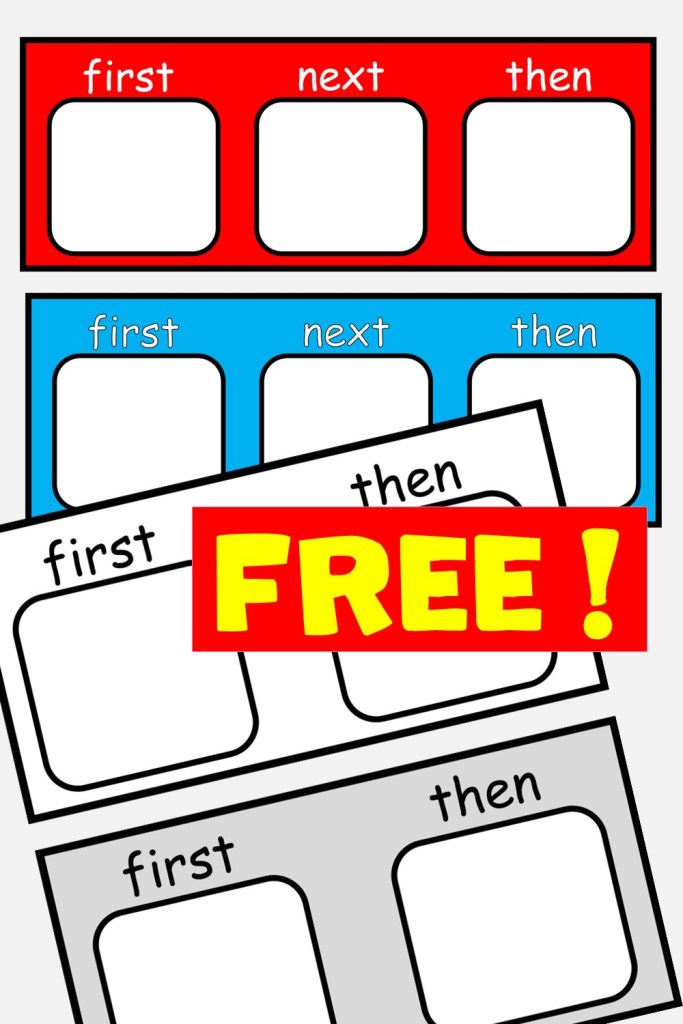
A First Next Then chart is a visual schedule that breaks tasks into manageable steps.
Instead of giving multiple verbal directions, children see exactly what happens:
First: Complete the current task.
Next: See what comes after.
Then: Enjoy a preferred activity or continue with the daily routine.
Simple sequences helps children understand that every activity has a beginning, middle, and end.
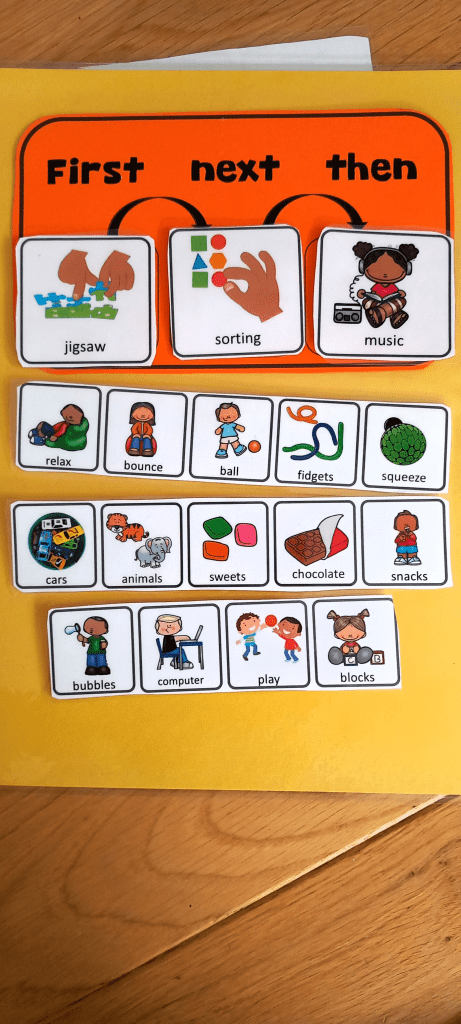
Who Benefits from a First Next Then Chart?
Visual schedules are helpful for many children, including:
- Special Education
- Children with autism
- Students with ADHD
- Preschool and kindergarten learners
- Children with speech or language delays
- Early learners building independence
- Any child who benefits from predictable routines
Because visuals stay consistent, I often find my students refering back to them without relying on repeated verbal reminders.
Benefits of Using a First Next Then Visual Schedule
Reduces Anxiety –
Knowing what comes next helps children feel more secure during transitions.
Encourages Independence
Children begin checking the chart instead of asking what they should do next.
Supports Positive Behavior
Clear expectations often reduce power struggles and improve cooperation.
Builds Executive Function Skills
Children practice planning, sequencing, and completing tasks independently.
Makes Transitions Easier
Moving from preferred to non-preferred activities becomes more predictable.
Ways to Use a First Next Then Chart
Your visual schedule can be used throughout the day in class or at home.
Examples include:
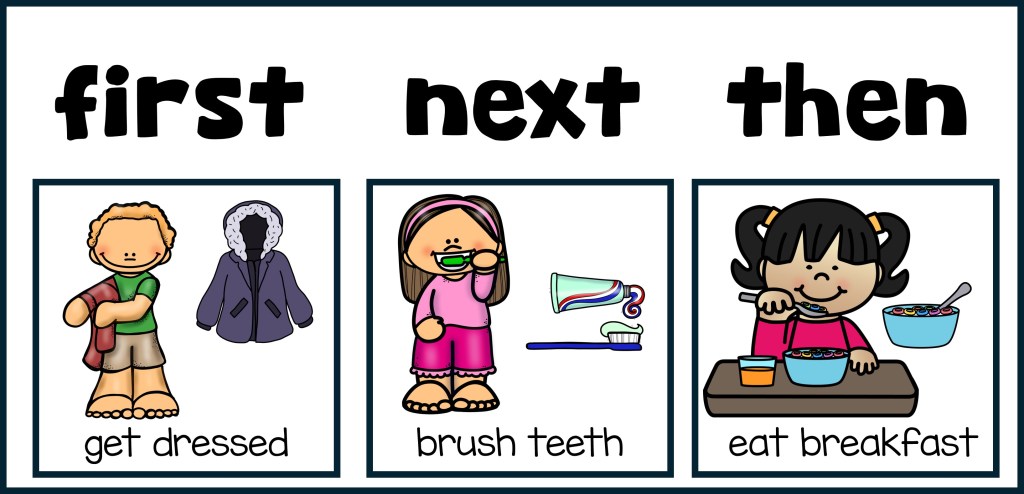
Morning Routine
- First: Get dressed
- Next: Brush teeth
- Then: Eat breakfast
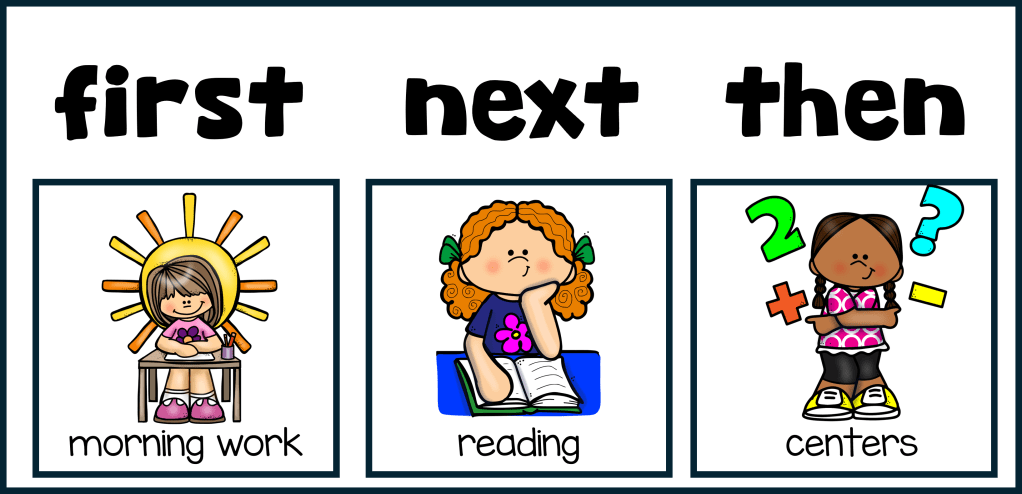
Classroom
- First: Morning work
- Next: Reading
- Then: Centers
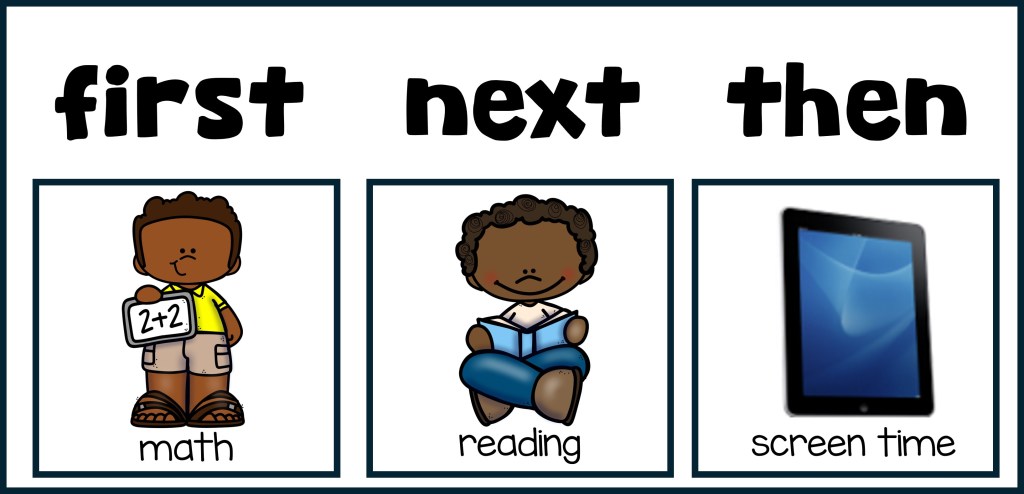
Homework Time
- First: Math
- Next: Reading
- Then: Screen time
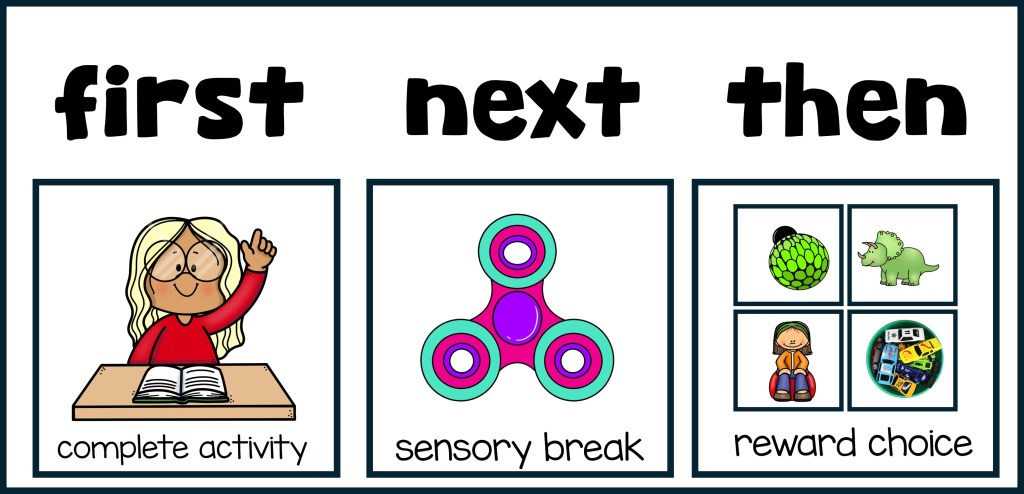
Therapy Sessions
- First: Complete activity
- Next: Sensory break
- Then: Choice reward
Why Teachers Love Visual Schedules
Teachers often use visual supports because they:
- Reduce repetitive instructions
- Improve classroom routines
- Help students transition calmly
- Encourage independent work
- Support inclusive classrooms
I always keep multiple First Next Then charts ready for individualized supports.
Features of This Printable First Next Then Visual Schedule
This resource is printable and designed to be practical, durable, and easy to customise.
Included:
- Printable First Next Then chart
- Simple visual layout
- Easy-to-read design
- Black-and-white friendly option
- Classroom and home use
- Laminating-friendly pages for repeated use
Perfect for:
- Special education classrooms
- Preschool
- Kindergarten
- HomeschoolOccupational therapySpeech therapyABA sessionsHome routines
Tips for Success
To get the best results with this support:
- Introduce one routine at a time.
- Keep language simple.
- Pair visuals with consistent verbal prompts.
- Celebrate completed tasks.
- Let children move or check off completed activities whenever possible.
Consistency is the key to making visual schedules successful.
Frequently Asked Questions
What age is a First Next Then chart for?
Most children ages 2–8 benefit, but visual schedules can support older students with additional learning needs as well.
Can I laminate it?
Yes! Laminating the chart allows you to use dry-erase markers or attach reusable picture cards with hook-and-loop dots.
Can it be used at home?
Absolutely. Parents often use First Next Then charts for bedtime, morning routines, chores, homework, and transitions.
Get Your Printable First Next Then Visual Schedule
If you’re looking for an easy way to reduce daily stress, encourage independence, and create smoother routines, this printable visual schedule is a great place to start.
It is designed for busy teachers, parents, therapists, and homeschool families who want an effective visual support that’s simple to print and use immediately.
Ready to simplify routines? Download your First Next Then Visual Schedule Chart today from my Teachers Pay Teachers store and start building more confident, independent learners.
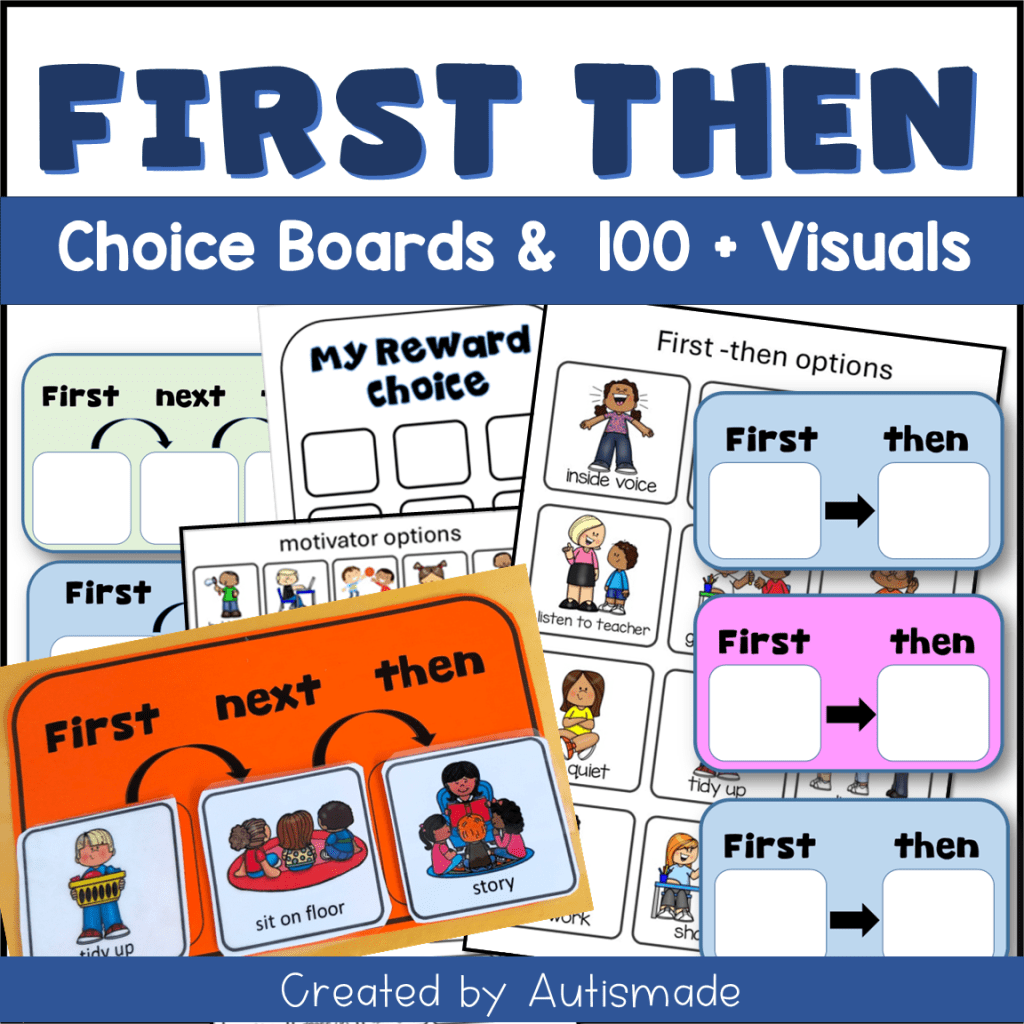
Pick up A FREEBIE – First next then visual schedules on TPT