Christmas is an exciting time of year, filled with decorations, lights, music, presents, and lots of celebrations! But for children with autism and other special educational needs, the holiday season can also bring changes, new experiences, and unfamiliar routines.
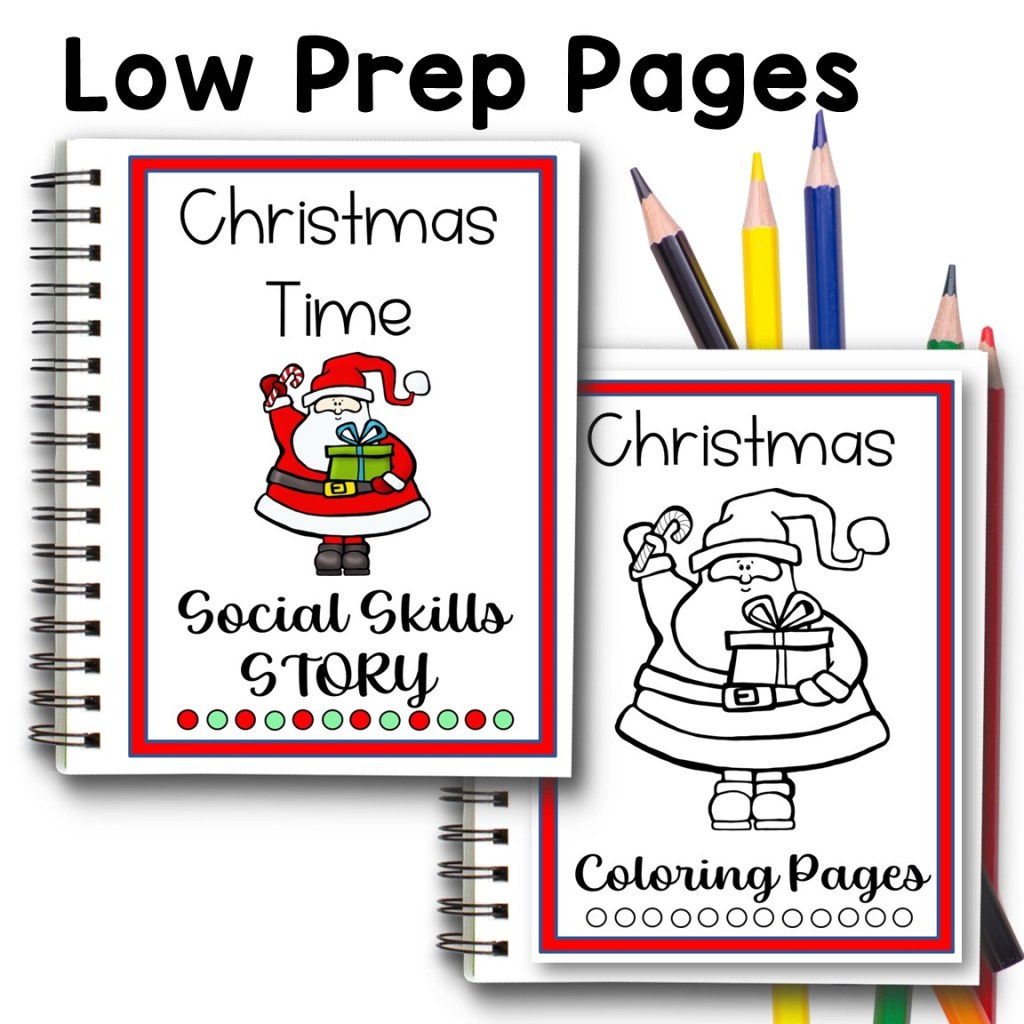
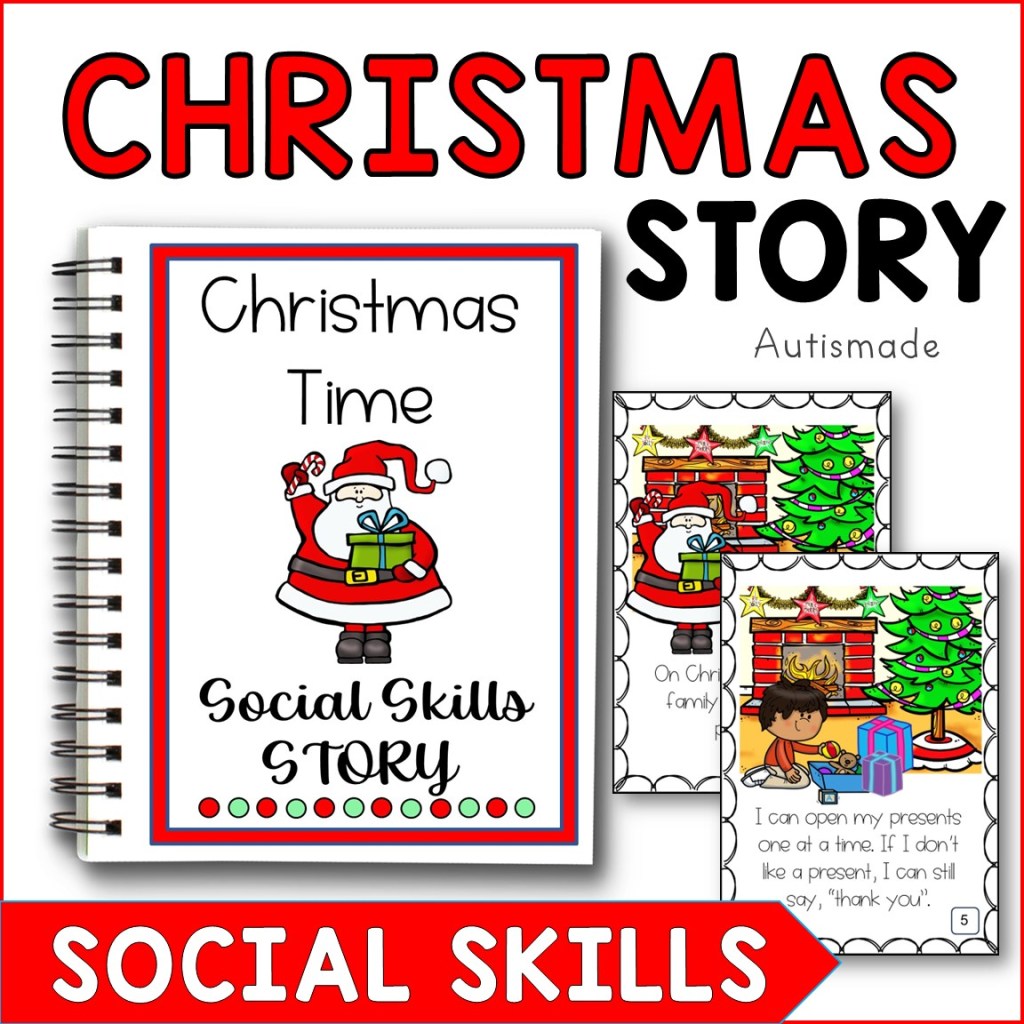
A little preparation can make Christmas easier to understand and enjoy. That’s why I created a Christmas Social Story and Coloring Pages – a simple, festive resource designed to introduce children to Christmas through an easy-to-follow story and fun coloring activities.
Whether you are a special education teacher, parent, therapist, or caregiver, this printable resource can be a lovely way to explore the Christmas season together.

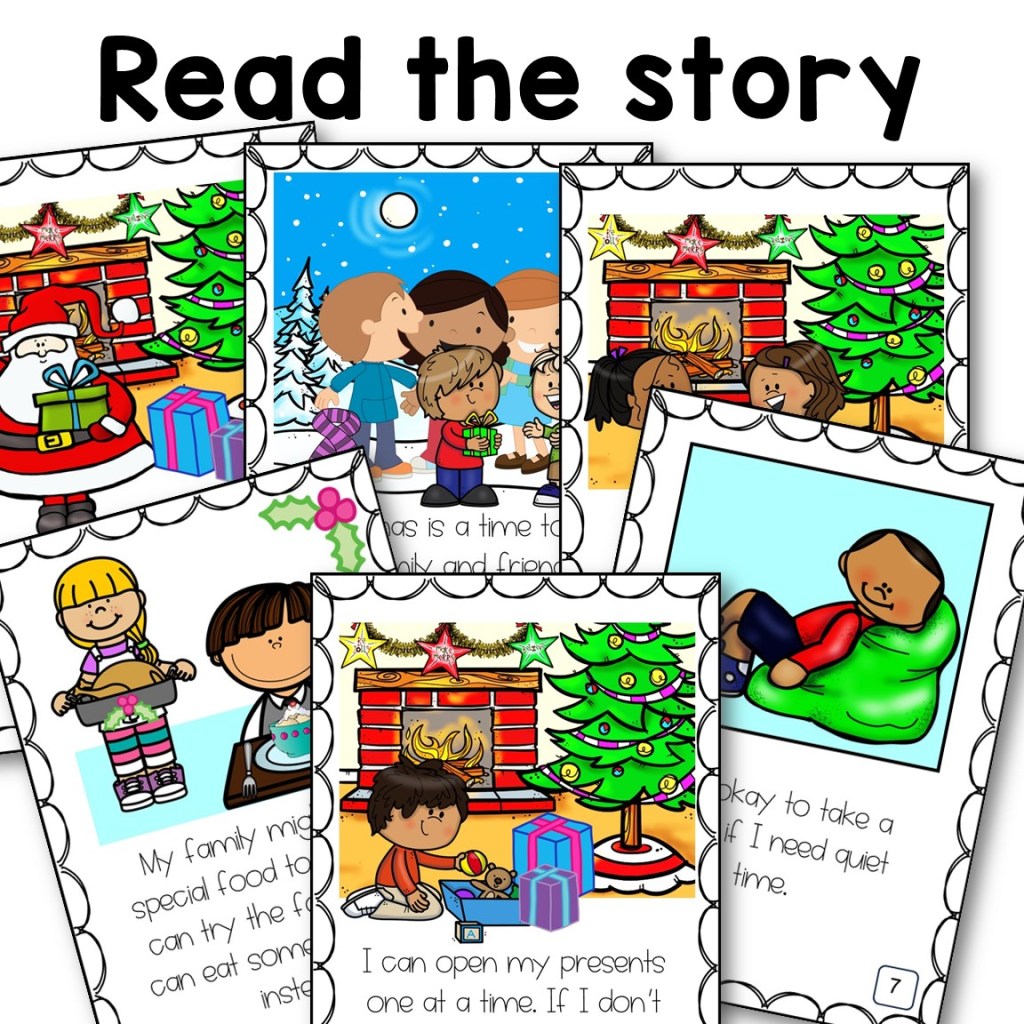
Children with autism often benefit from clear language, familiar routines, and visual supports when learning about new experiences.
A Christmas social story can help children understand what Christmas is about, recognize familiar holiday activities, and become more comfortable with seasonal changes.
Reading a short Christmas story together can also provide opportunities to:
- Introduce Christmas traditions and activities.
- Build vocabulary and language skills.
- Encourage conversation and communication.
- Explore feelings and emotions.
- Support understanding through simple sentences and pictures.
Every child is different, so you can read the story at their own pace and adapt it to their individual needs.

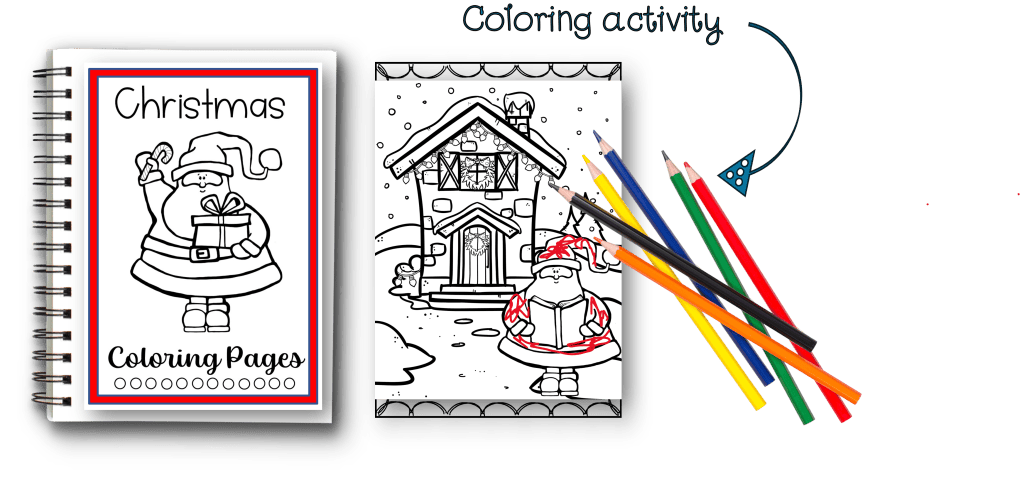
After reading the story, why not enjoy some Christmas coloring fun?
Coloring is a simple activity that can encourage creativity, support fine motor practice, and give children an opportunity to engage with familiar Christmas objects.
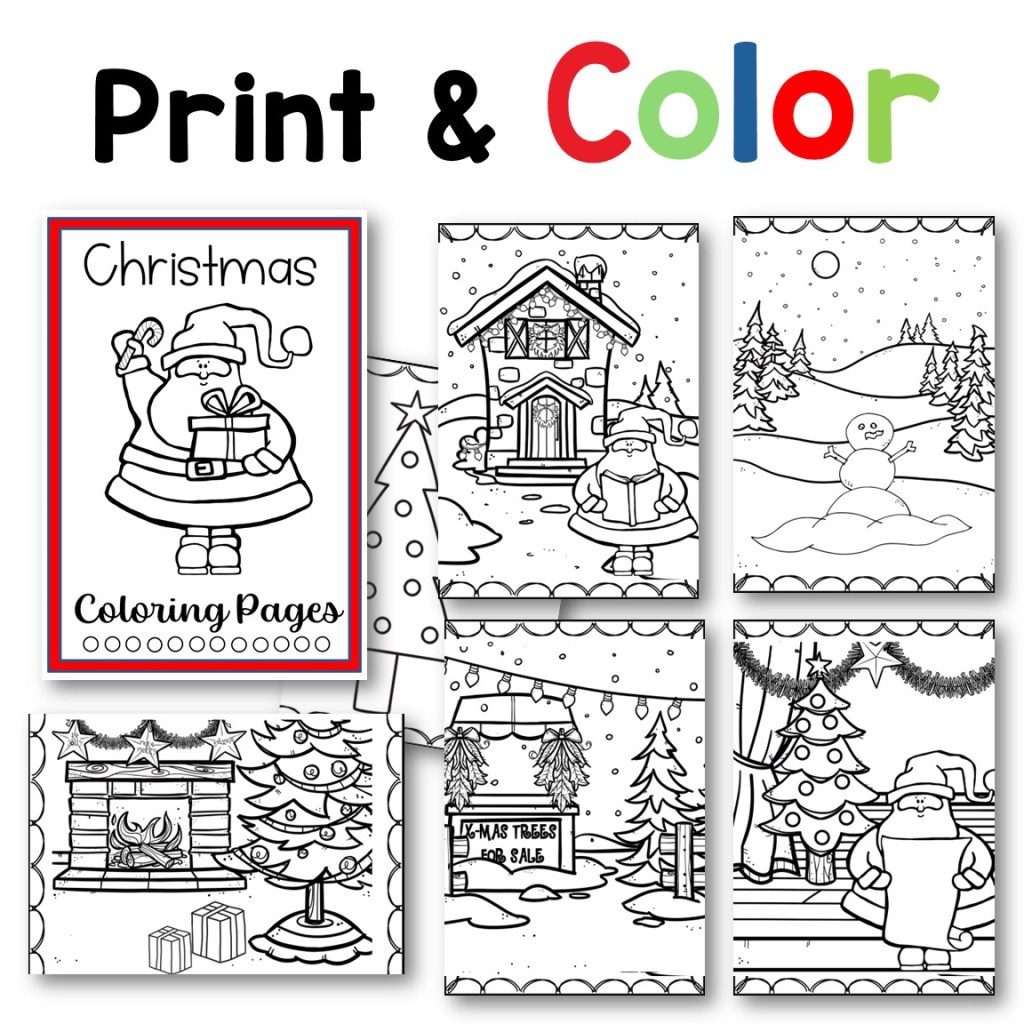
Children can enjoy coloring festive pictures such as:
- Christmas trees
- Santa Claus
- Christmas presents
- Snowmen
- Christmas decorations
- Stars and stockings
There is no right or wrong way to color. Children can choose their favorite colors and enjoy the activity at their own pace.

The Christmas Social Story and Coloring Pages resource is suitable for use in a variety of learning environments.
You can use it for:
- Autism classrooms: Introduce Christmas vocabulary and familiar holiday activities.
- Special education: Provide a simple, structured seasonal learning activity.
- Speech and language practice: Encourage naming, describing, and talking about Christmas pictures.
- Fine motor activities: Give children opportunities to practice coloring.
- Homeschooling: Enjoy a relaxed Christmas-themed learning activity at home.
- December classroom activities: Add a festive resource to your holiday lesson plans.

Here are a few easy ways to enjoy the resource:
- Read the Christmas social story together.
- Talk about the Christmas pictures and objects.
- Ask simple questions about the story.
- Let children choose their favorite coloring page.
- Encourage children to color, point, name, or describe the pictures in their own way.
You can repeat the story as often as your child enjoys it. Familiarity and repetition can make the activity more comfortable.