A classroom rotation system is an instructional strategy where students move between various learning stations, each designed to target different skills or concepts. In a kindergarten Special Education classroom, it means that each station might focus on different aspects of learning, such as motor skills, communication, literacy, or social-emotional development. Students rotate through these stations in small groups or independently, ensuring that they receive a diverse, multi-sensory learning experience.
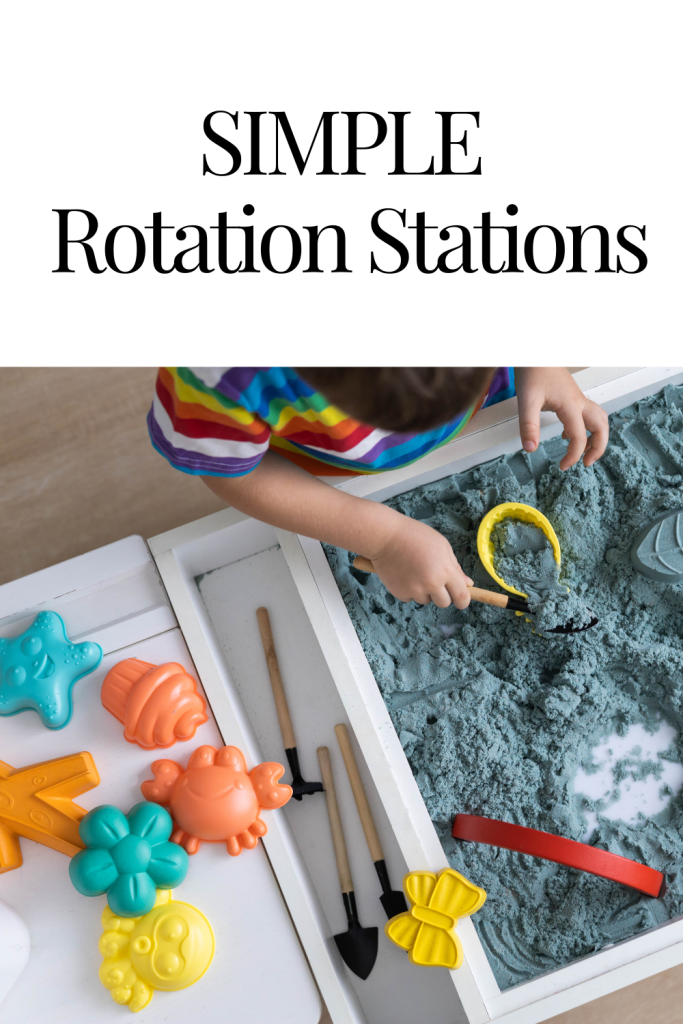
Here I’ve listed how I set up and run a classroom rotation system for my Special Education classroom to ensure structure, engagement, and efficient learning experiences,
Steps to Create a Rotation:
- Identify your areas: Include areas like literacy, math, fine motor skills, social skills, sensory activities, fine motor etc.
- Rotation Frequency: Depending on how many activities you have, you might want to rotate every 10-20 minutes to keep the activities short and engaging.
- Use Visual Schedules: A visual schedule can help students understand the rotation process. For example, a picture board or visual timer showing which area to go to next. For non-readers, pictures or color codes work well.
- Small Groups: Divide students into small groups, and assign each group to a different station. After each rotation, students move to a new activity. This way, they get a mix of independent work, group activities, and teacher-guided lessons.
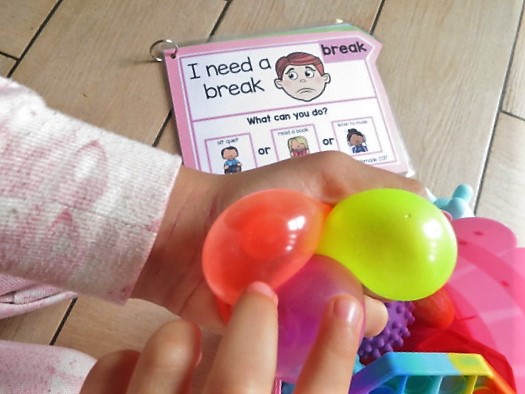
- Include Sensory Breaks: Special education students often benefit from sensory breaks between activities to help manage overstimulation. Designate short times for sensory activities, such as using stress balls, or simply having a calm, quiet corner.
My Rotation Schedule:
- Station 1: Literacy (guided reading, letter recognition, etc.)
- Station 2: Math (counting, number recognition, etc.)
- Station 3: Fine motor skills (coloring, cutting, playdough)
- Station 4: Sensory break (quiet area with fidget toys, soft music)
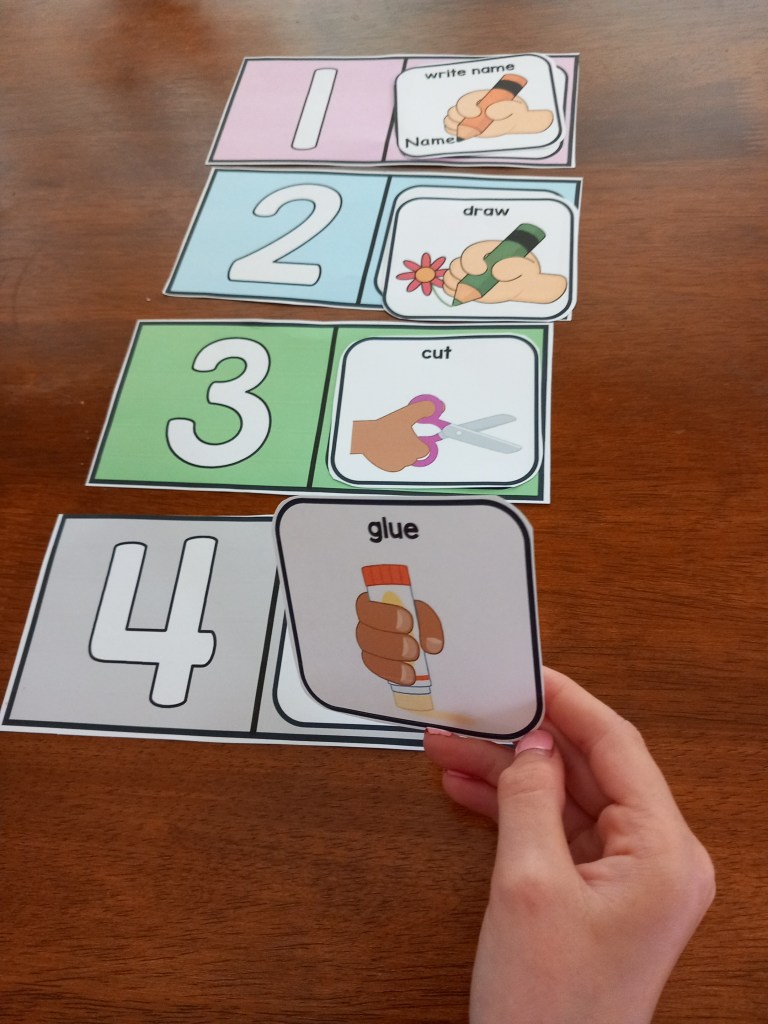
Cue Cards for activities and stations
2. Resource System
This resources system helped me organize the materials for each rotation and ensure everything runs smoothly.
Steps to Organize Resources:

- Label Materials Clearly: For each rotation station, make sure materials are clearly labeled. You can use color-coded bins or folders that match your visual schedule to make it easy for students to find what they need.
- Use Simple Materials: Choose materials that are easy to handle and safe for young children. Think sensory bins, large manipulatives for counting, and picture books.
- Student Resources: Set up “independent use” bins or areas that students can access on their own, like worksheets, tactile toys, or quiet reading materials.
- Prepare Materials: Set up each station with materials ahead of time. Keep a checklist to ensure you don’t forget anything.
- Support for Communication: Many special education students benefit from communication supports such as communication boards, picture cards, or apps. Make sure these are part of your resource system for students who may need them.
- Class aids responsibilities: If you have any classroom aides or assistants, make sure they have access to the necessary resources and designate specific roles or responsibilities for them during each rotation.
Example Resources:
- literacy station resources: Alphabet flashcards, letter tracing sheets, magnetic letters, adapted books
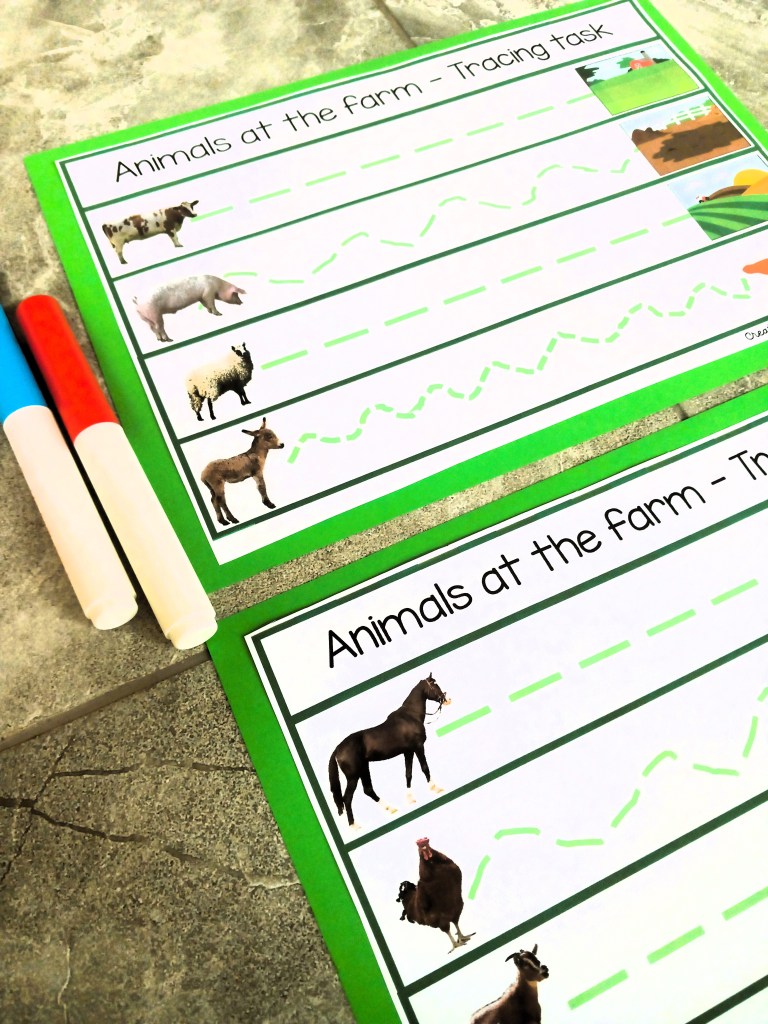
- math station resources: Counting bears, number puzzles, shape folders, dice, number flashcards etc!

- fine motor station Resources: Crayons, scissors, glue sticks, playdough
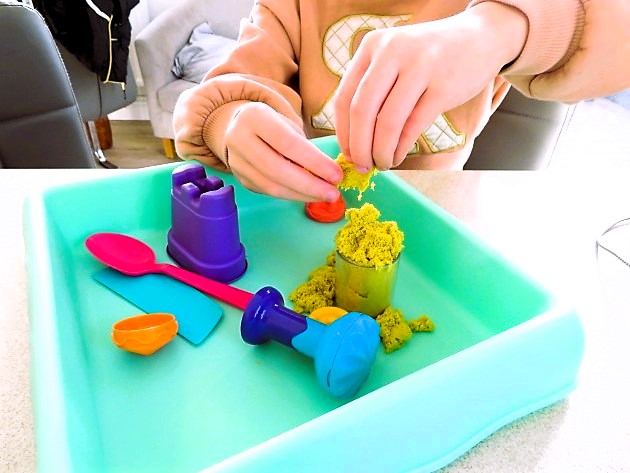
sensory break resources: Fidget toys, weighted blankets, calm-down jars
By planning with flexibility in mind and making sure your resources are organized, your rotation system will run more smoothly, and students will have the best chance to succeed and stay engaged.
For more Resource Ideas use the link below:-
