Tips on How to Promote Positive Behavior in Preschool and Special Ed Classrooms

The main aim in my classroom is to create a positive friendly environment to begin teaching, sometimes I find myself going around in circles… but I love it! Running a successful Special Ed class, in my opinion, requires a combination of effective communication and visual supports and I know by incorporating both I can significantly enhance positive behavior in my class. In this blog, I’ll guide you through how I combine critical communication skills with visual supports to promote behavior management in my wonderful class!

I always start by establishing clear behavioral expectations through visual supports and by engaging students with visuals of my classroom rules.

Then I teaching critical communication skills to ensure that every student’s perspective, abilities and needs are considered.

I always Involve my students in creating visual aids and support systems of their preferences to promote a sense of ownership, decorated with pictures of their interests and motivators. Through discussions and choosing sessions, I guide them in designing posters, charts, or cards that visually represent each behavioral expectation. I find this collaborative approach offers a deeper understanding of the rules and a sense of responsibility for them to follow.

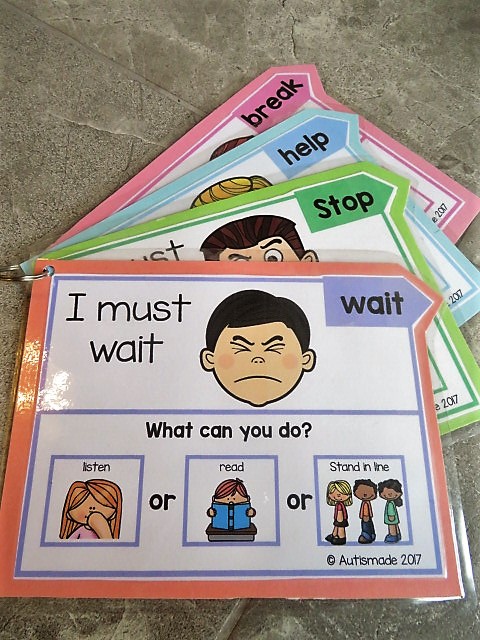
By strategically placing visual aids in areas where they can be easily seen and accessed. A choice of support cards, critical communication aids such as “Break” and “Help” are always easy for students to find and I discuss with staff how the visual aids will help everyone remember and adhere to the agreed-upon behavioral expectations.

Utilize critical communication skills to teach and model positive behavior. I engage my students when behaviors are demonstrated to the supporting visuals, and encourage them to share their thoughts and solutions, promoting critical thinking with self regulation supports.

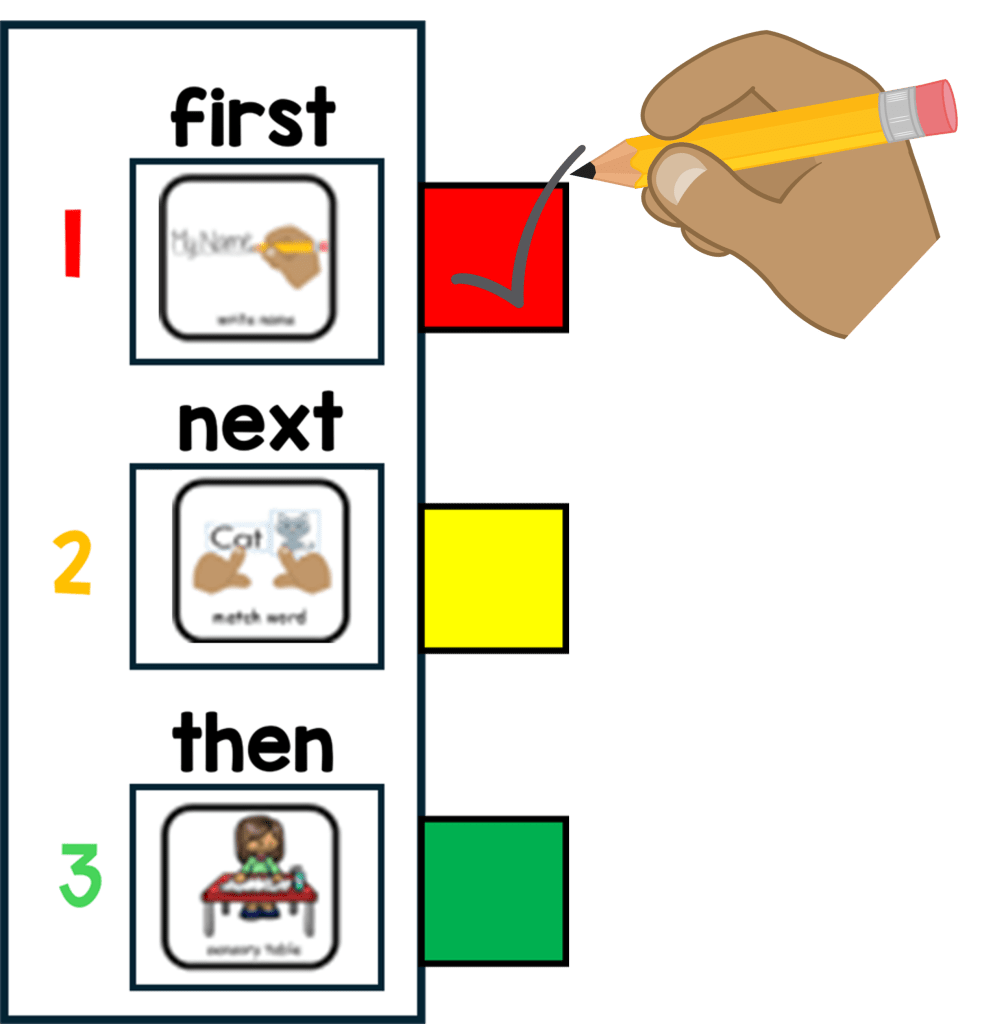
I work with my students to design a reward system that aligns with their preferences. Use critical communication skills I gather their input on incentives and rewards for positive behavior to establish a system where students feel empowered to make decisions about their own motivation. An individualised Visual Schedule, Token Economy Support are particularly valuable for my Classroom Behavior Management. It lets students know what activity they need to do, what motivator they can work for and supports them throughout the school day.

Its been hard work with many an hour planning and preparing but its been worth every second!

For More information on resources visit my Store

New Teacher Tips for Special Education.

Being a special education teacher can be both rewarding and challenging. Teaching in Special education will require a unique set of approaches to effectively support young learners with diverse learning needs. Whether you’re newly graduated or moving from a general education setting, here you’ll find some valuable tips to help you thrive in your new classroom role.

A meaningful connection with your students is essential. Take the time to learn and understand their individual needs, preferences, and communication styles. Build a positive learning environment and spend time finding ways to motivate and encourages students using their own preferences and interests.

As a Special education Teacher you will often collaboration with speech therapists, occupational therapists, behavior specialists, and other professionals. Work closely with these experts to create comprehensive education plans and implement effective strategies for your students.

Get to know IEPs of your students. IEPs will outline goals, accommodations, and modifications necessary for each student’s success. Regularly review and update IEPs based on student progress and needs.

Adapt your teaching methods for each of your students, learning styles and abilities. Use a variety of instructional techniques, materials, and technologies to ensure that each student can access the curriculum at their own level and style.

Working in special education requires patience and adaptability. Be prepared to modify your lessons quickly, as student needs may change from day to day.

Implement a proactive approach to behavior management. Focus on reinforcing positive behaviors through praise, reward boards, reward choices, and self regulation strategies, along with running a structured classroom environment. Develop clear and consistent routines to help students feel secure.

Caring for yourself is crucial for maintaining your well-being and effectiveness as a teacher. Balancing the demands of the job by setting time for yourself, will help to ensure you can continue making a positive impact on your students.

A career as a special education teacher requires dedication, compassion, and a willingness to carry on learning. By building strong relationships, collaborating with support staff, and implementing effective strategies, you can create an inclusive and supportive classroom environment where all students can thrive and reach their full potential. Remember that every day is an opportunity to make a meaningful difference in the lives of your students.

How to use First and Then Visuals

Children with SPED can sometimes find a classroom a bit confusing and can quickly become distressed with all the changes that are taking place around the room. My job is to help keep them calm and cope with what is happening. Sometimes I use visual supports to prepare and explain what is happening next.

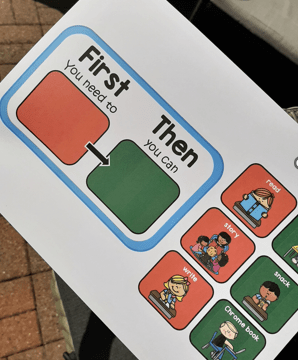
I have found the “First and Then” Strategy a visual way of understanding what is expected throughout the day and a simple start to scheduling. As part of my structured teaching environment I use this simple timetable with individual work and in class activities.

Before starting a task and after a motivator assessment my young learners are offered a selection of visual reinforcers to choose from, this icon is placed in the “Then” side of the board.

And I place the icon of the task to be completed on the “First” side of the board. While teaching this strategy for the first few times I use quick errorless tasks and partially prompt my student if they become distressed.

Once established, my student will learn to follow the first activity independently and transfer to the next activity shown.

For More information click here

Teaching Functional Communication in Behavior Management

Functional Communication is an important skill to master in any successful Behavior Management Plan. Here’s a brief description on how I teach theses skills with my young learners.

How I Teach students to use a “Break or Help” card

1. Firstly you need to help your student realise when they need to use the break/help card, preferably before they get too frustrated or loose concentration. At the start of any activity, show the student the break card and place the card where they can easily reach it.

2. Point to the break/help card and tell them, “This is your break/help card. You can use it to ask for a break.” When your student starts to get frustrated or loose interest, You say “If you are getting upset, use your break card to tell me you need a break/help.”

3. Once he requests the card allow the student to take a break/help from his tasks, or direct the student to move away to the “break area.” I found that self regulating visuals on the bottom of the card is a fantastic way of calming your student while on a break.

4. Requesting is an important part of teaching the student to trust and use the visual support, once they are consistently asking for breaks, you may begin to extend the time between the request and the actual break.

5. Visuals to the bottom of the support cards help redirect the student to what he can do instead, or while using the card. I hang them up on a keyring for easy access in my calm down corner!

Visit my TPT Store for more details

How to Use Social Narratives for Behavior Management

Social narratives are always available in my calm down area! I keep them on the book shelf ready to remind my young learners how to respond in difficult social situations. This type of visual guide describes social interactions helps with understanding social skills and cues that they might of missed. 

Social supports help my young learners understand how to behave or respond in particular situations by using visuals to describe various social interactions, situations, behaviours, and skills.

The main goal of a Social narrative is to share social information that describes how to behave in them instances.

Reading these stories, one to one and as a whole class lesson has enabled me to reinforce these important social skills. I’ve displayed a poster on classroom rules as a quick reminder and added supporting activities to generalise learning.

“Class Rules and “Inside voice,” are the ones I often read within a class lesson, usually when a reminder is needed on how behavior affects the class and disrupts others.

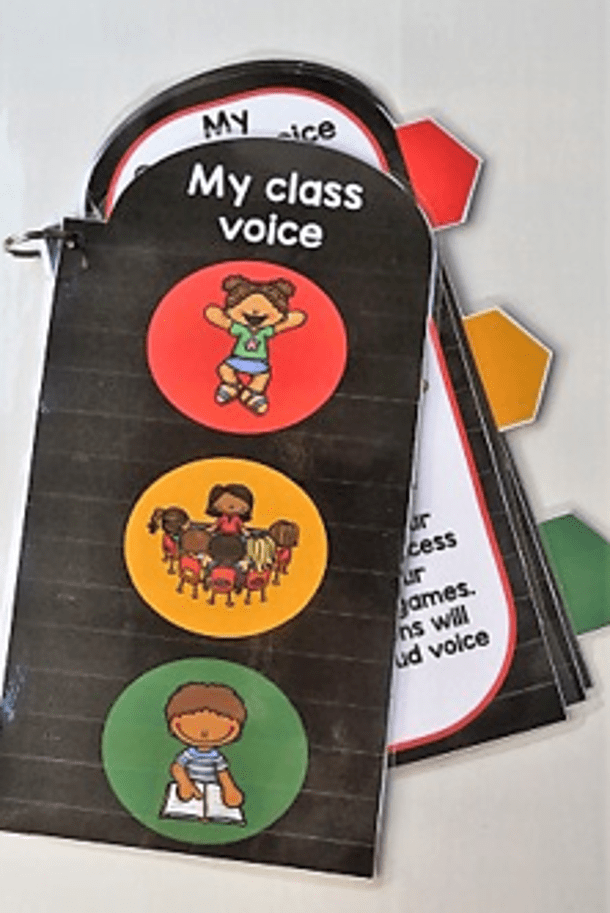
I use a quick reminder booklet to reinforce outside, inside and class voices!

“Be Kind” or “Listen to your Teacher” Might be needed for individuals or to target a more tricky behavior that is reoccurring.

I use Social Strips to support the skills outlined in the stories