Reward Strategies in Special Education

Making Learning Fun: Using Token Reward Systems in Special Education for Preschoolers

Helping young children stay engaged and motivated can feel like chasing bubbles—joyful but fleeting! For preschoolers, especially those in special education, structure and predictability are key. That’s where Token Reward Systems come in: they’re simple, effective, and incredibly adaptable.
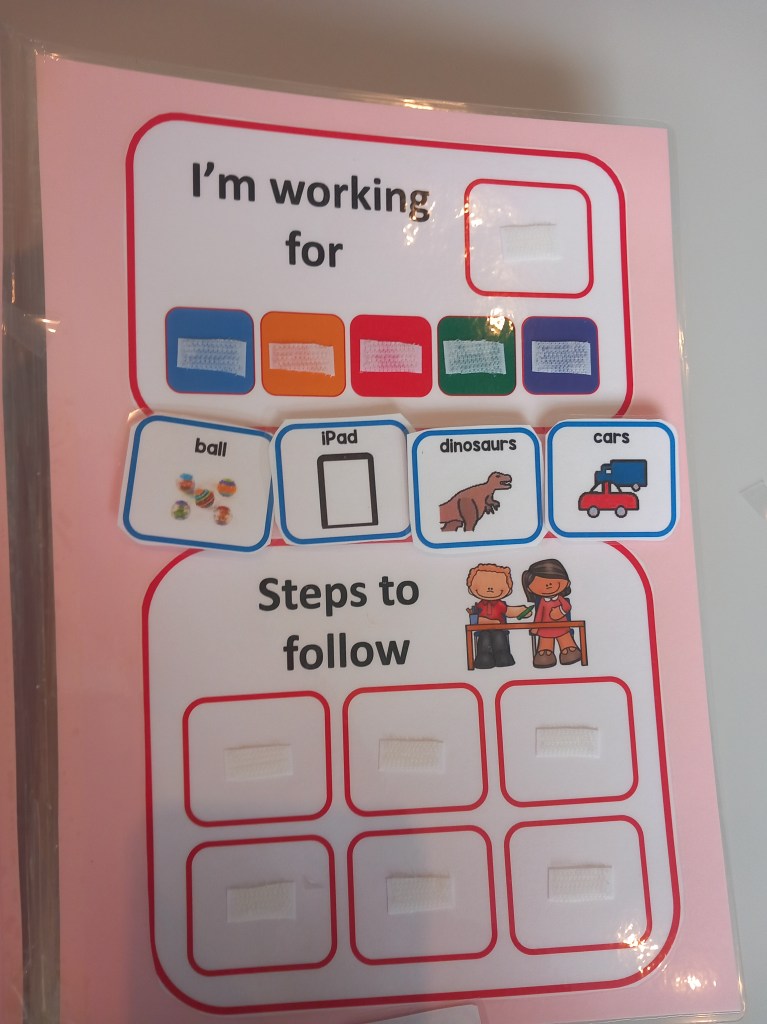
Let’s break it down into friendly, easy steps so you can bring smiles and success to your classroom or home environment.

What Is a Token Reward System?

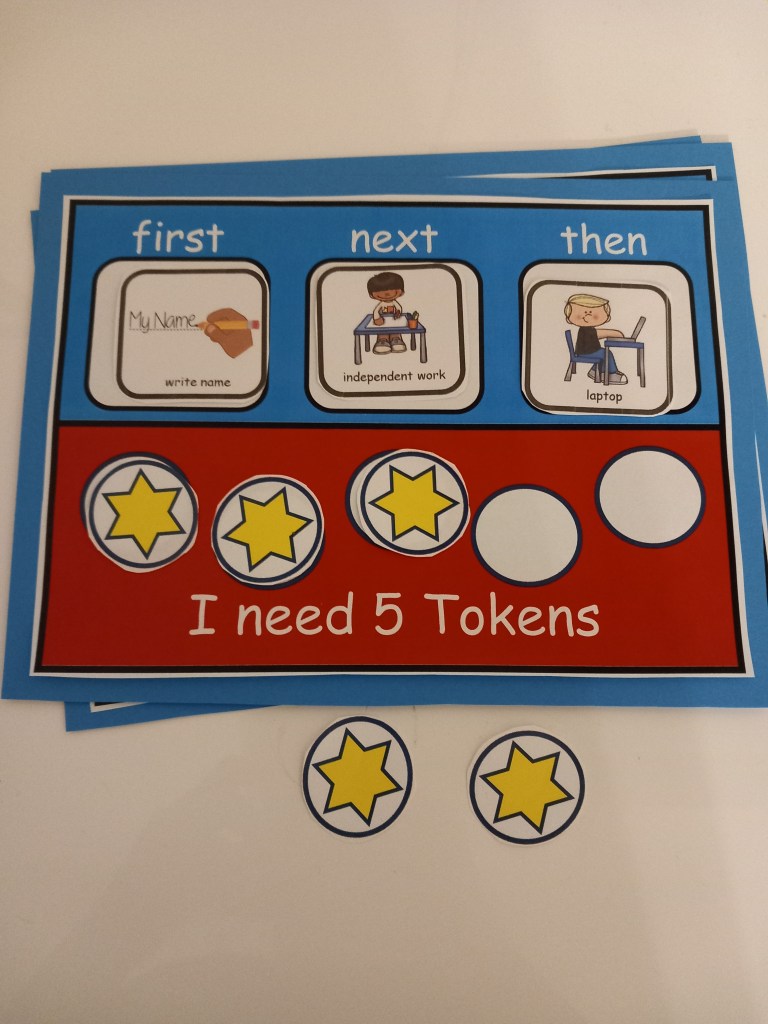
A token system uses small items (stickers, stars, check marks, coins, etc.) to reward positive behavior or task completion. Once a child earns enough tokens, they exchange them for a preferred item or activity.

It’s like earning stamps for good behavior and trading them in for extra playtime or a favorite book!


Why It Works for Preschoolers in Special Education

Preschoolers thrive on routine, visual cues, and positive reinforcement. Token systems work well because they:

  • Offer concrete visuals they can understand
  • Create consistent motivation
  • Encourage independence and decision-making
  • Reinforce specific behaviors or skills

Step-by-Step: How to Set It Up

Here’s a super simple plan:

  1. Choose a Target Behavior
    • Example: “Use kind hands,” “Stay seated during circle time,” or “Ask for help with words.”
  2. Pick Your Tokens
    • Use stickers, Velcro stars, plastic coins—anything tactile and fun.
    • Make sure they’re large and colorful for easy visibility.
  3. Create a Visual Chart
    • Use a laminated board or a sheet with empty boxes.
    • Label how many tokens are needed to earn the reward (e.g., “5 stars = 5 minutes on the swing”).
  4. Select Reinforcers
    • Offer choices: a toy, a song, playtime, cuddly reading time, or even a high-five parade!
    • Rotate them to keep it fresh.
  5. Start Using the System
    • Give tokens IMMEDIATELY after the behavior occurs.
    • Pair it with verbal praise: “You shared your crayons—great job! Here’s a star!”
  6. Celebrate the Success
    • When tokens are exchanged, make it a moment! Clap, cheer, and smile.

Visual Reinforcement Tips

Preschoolers are visual learners—so let’s make it pop!

  • Use pictures of rewards (photos or symbols)
  • Create emotion faces to pair with behaviors (“happy face when we wait patiently”)
  • Display charts at eye level so kids can see their progress
  • Use gesture praise (thumbs up, high-fives, dance)
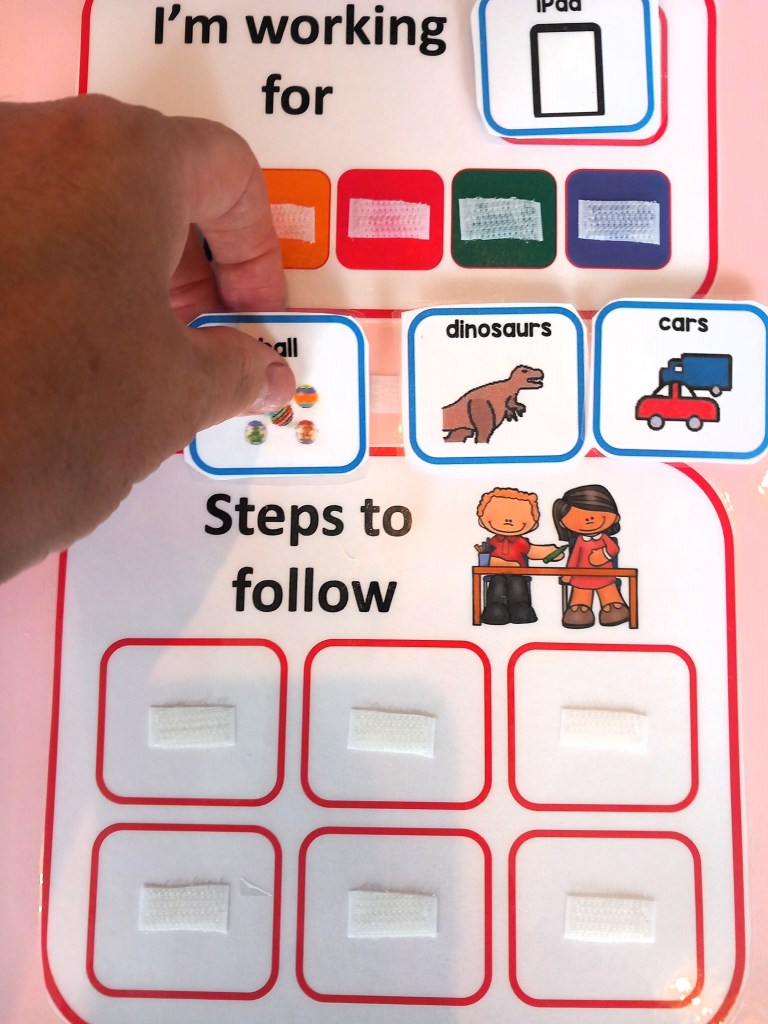
Every child is wonderfully unique. Some may respond to sticker stars; others might prefer putting Velcro apples on a felt tree. Adjust the system to fit each child’s needs and celebrate the differences—it’s part of the magic.


Token systems aren’t just tools—they’re celebrations of growth, effort, and joy. With visuals, praise, and a bit of creativity, you’ll turn everyday moments into milestones.

REASONS TO USE THE FIRST & THEN STRATEGY

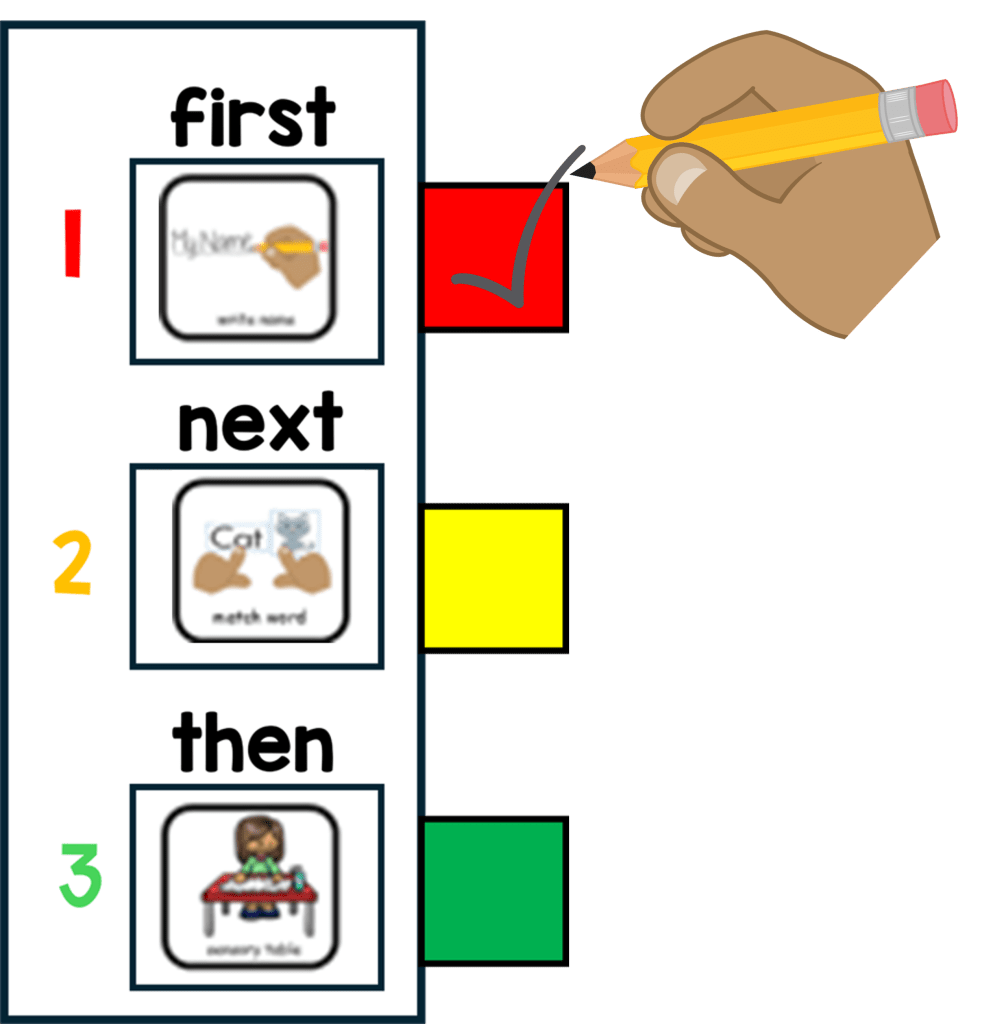
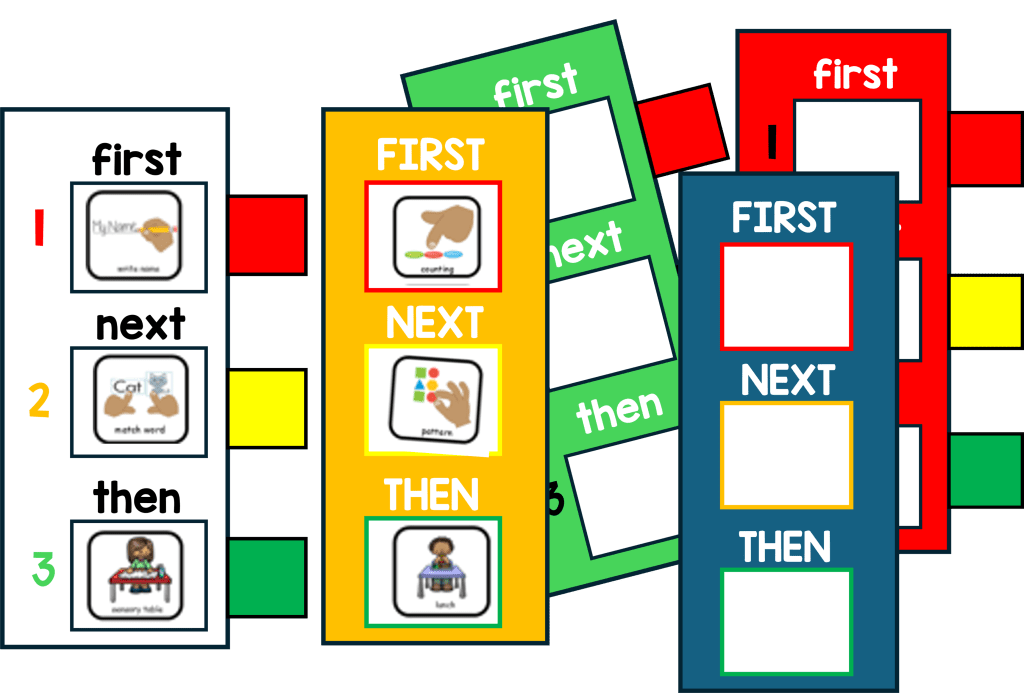
The First-Then strategy is incredibly versatile. It can be adapted for a wide range of situations, from simple tasks (like “First, put on your shoes. Then, you can go outside”) to more complex, academic instructions.

It can be used across different environments (home, school, therapy settings), making it a universally applicable tool. Below I’ve listed more reasons to implement this strategy!

To Enhances Self-Regulation and Motivation:

Children better manage their behavior by knowing they must finish one activity (First) before starting another (Then). This builds intrinsic motivation and a sense of accomplishment.

To Facilitates Communication and Language Development:

The First-Then strategy supports communication skills. Using visuals or choice boards helps non-verbal children understand sequencing and choice-making, encouraging language use for communication.

To Reduces Anxiety and Overwhelm:

For many children with special needs, the world can be overwhelming. Not knowing what to expect next can lead to anxiety or avoidance. The First-Then strategy provides predictability, helping children to feel more in control and less anxious about transitions.

To Builds a Positive Reinforcement Cycle:

By using the First-Then strategy with rewards that are meaningful to the child, educators or caregivers can create a positive feedback loop. The child is more likely to follow instructions and engage in activities if they know there’s an enjoyable outcome after completing the task.

Positive reinforcement also helps build trust between the child and teacher or caregiver.

To Increases Independence:

As children become more familiar with the structure of the First-Then strategy, they may begin to independently initiate tasks. Over time, they learn that completing tasks leads to desired outcomes, which can encourage them to take ownership of their actions.

To Strengthens Social Skills:

In group settings, using First-Then can help children learn how to take turns, follow rules, and understand social expectations. For example, “First, you listen to the teacher. Then, you can play with your friends” helps kids practice social behaviors while learning the concept of waiting.

Visual Example:

First: Work on your math.

Then: You can play with your favorite toy.

This helps the child to know what is expected and what they will get in return after completing the task.

Free Templates

Visual Behavior Support Folder – Token Rewards Tools, schedules, First & Then,

Visual Supports: Token Reward System/First & Then – Strategies for Special Ed

Classroom Behavior Management Strategies: First, Next and Then Tools

Token Reward folder: Visual support tools with “first & then” Behavior Strategy

First, Next and Then table Schedule Templates with Visual Supports

First Then boards and Help cards: Autism visual supports

Visual Supports:”First, next, then” with Token Rewards Systems