Safe Body Social Skills Story: Social Emotional Learning!

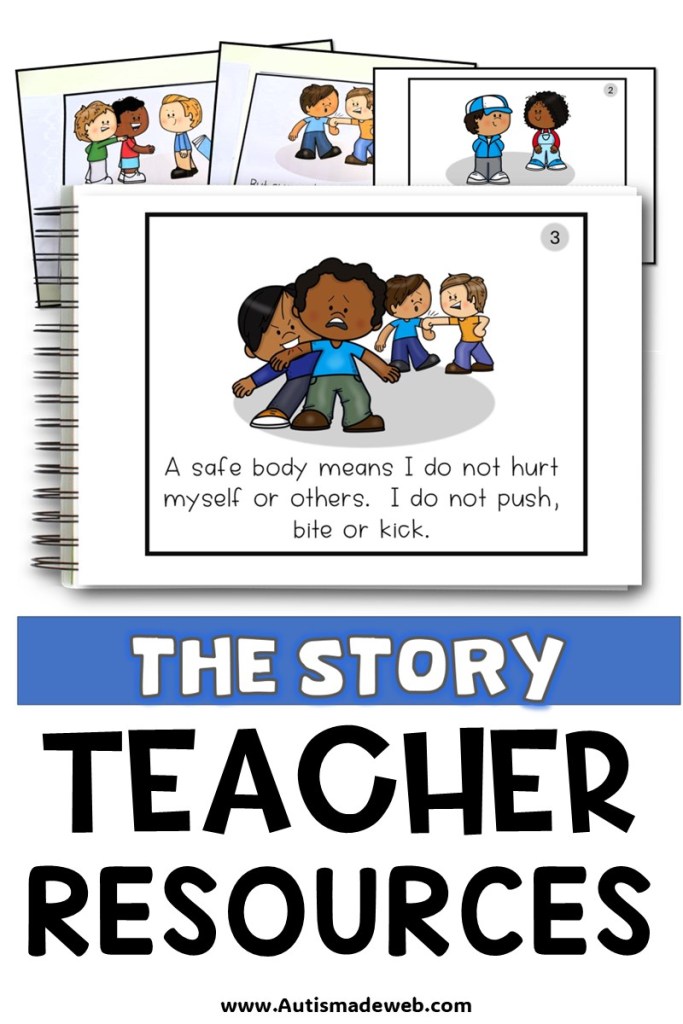
Help preschoolers learn how to use their body safely with this simple, engaging social skills story! This Interactive “Safe Body” Narrative has been designed especially for young learners, uses clear language and supportive visuals to teach the importance of keeping hands, teeth and feet to ourselves in a positive and age-appropriate way.

This Resource is Perfect for:

* Preschool and Pre-K
* Early Childhood Special Education (ECSE)
* Social-emotional learning (SEL)
* Behavior support and classroom Expectations

What’s Included in this download:

* Easy-to-read social story (kid-friendly text)

* Visual supports on every page, some detachable

* Printable low prep with some Adaptable pages

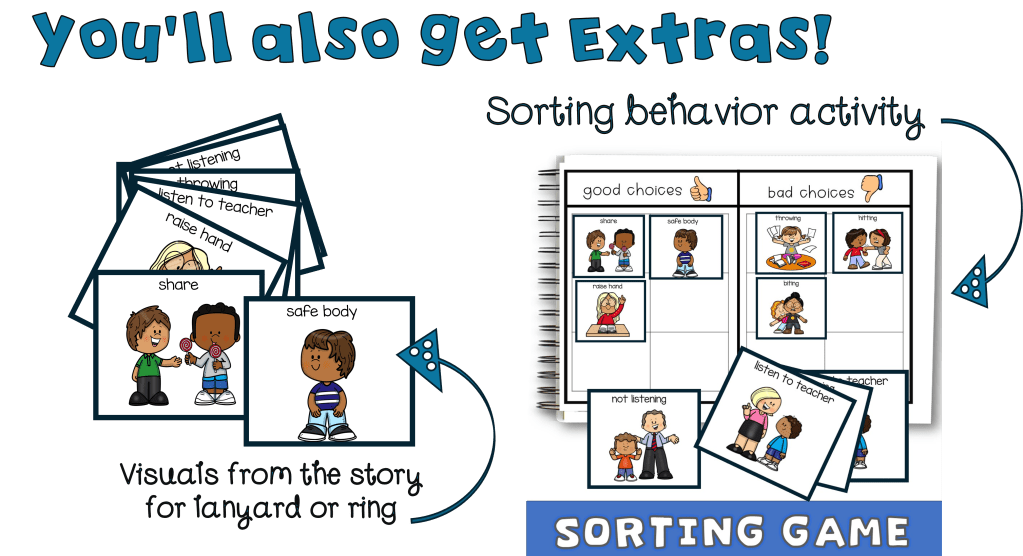
* The visuals used in the story ready to print to wear on a lanyard or keyring

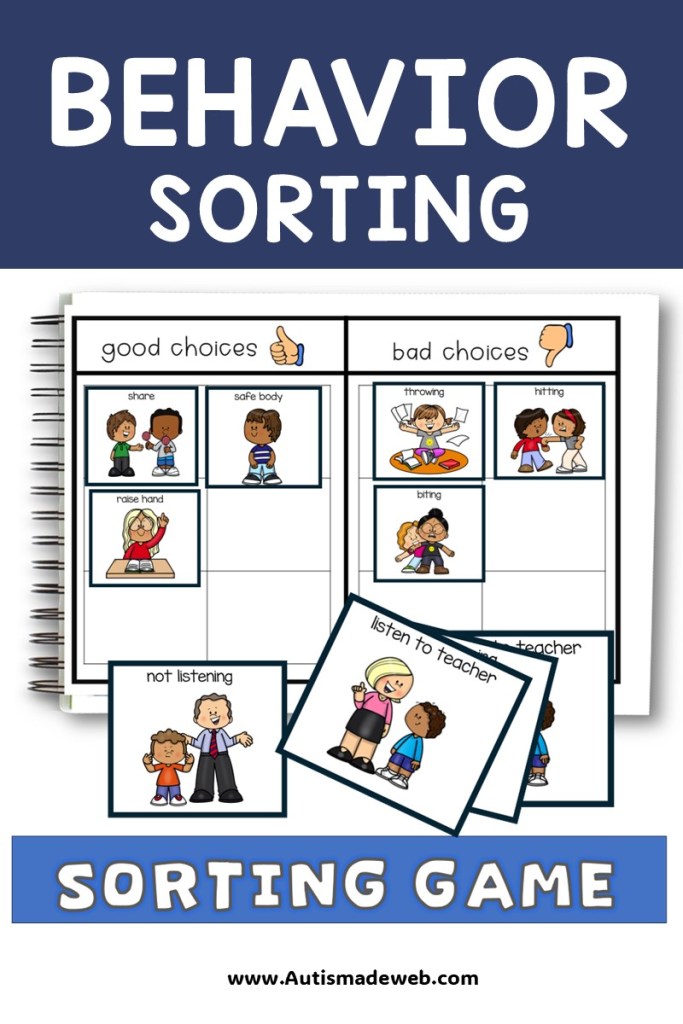
* Behavior cards to sort into good or bad choices

* Great for whole-group lessons, small groups, or one-on-one use

This resource helps teachers, therapists, and parents gently guide children through real-life situations where they can make safe and kind choices. Great for supporting classroom expectations or helping individual students who need extra practice.

Why you’ll Love It:
* Clear visuals support comprehension
* Repetitive and predictable text builds confidence
* Easy to print, laminate, or use digitally * Portable visuals

Start building safe habits with this friendly, visual social story your kids will love!

Helping Students with Autism Thrive:


Positive Behavior in the Elementary Classroom

As an elementary teacher, you’re more than just an educator—you’re a guide, a mentor, and sometimes even a safe harbor for students navigating big emotions and complex social worlds. For students with autism spectrum disorder (ASD), the classroom can be both a place of opportunity and a source of sensory or social overwhelm.

The good news? With a few intentional strategies, you can make a huge difference. By fostering social growth and supporting positive behavior, you create an environment where students with autism feel seen, heard, and empowered.

1. Create Predictability with Visual Structure

Students with autism often feel most secure in environments that are structured and predictable. A consistent classroom routine reduces anxiety and helps them focus on learning.

Strategies You Can Use:

  • Daily visual schedules (use icons or pictures for younger students).
  • Timers for transitions between activities.
  • “First-Then” boards (e.g., “First finish math, then iPad time”) to help with task motivation.

💡 Tip: Post the schedule at eye level and refer to it throughout the day.

Daily visual schedule

first and then boards


2. Teach Social Skills Explicitly

Social cues, like knowing when to speak or how to join a game, don’t always come naturally. These skills need to be taught just like reading or math.

Strategies You Can Use:

  • Social stories tailored to your students’ needs (e.g., “How to ask for help”).
  • Role-playing during morning meetings or small groups.
  • Visual cue cards (e.g., “Stop,” “Wait,” “I need a break”).

💡 Use puppets, stories, or posters to model positive social behavior.

social stories

cue cards

posters


3. Reinforce the Behavior You Want to See

Students with autism may not always connect their behavior with social consequences. Positive reinforcement helps make that connection clear and motivating.

Strategies You Can Use:

  • Immediate praise (“I love how you used your words to ask for help!”).
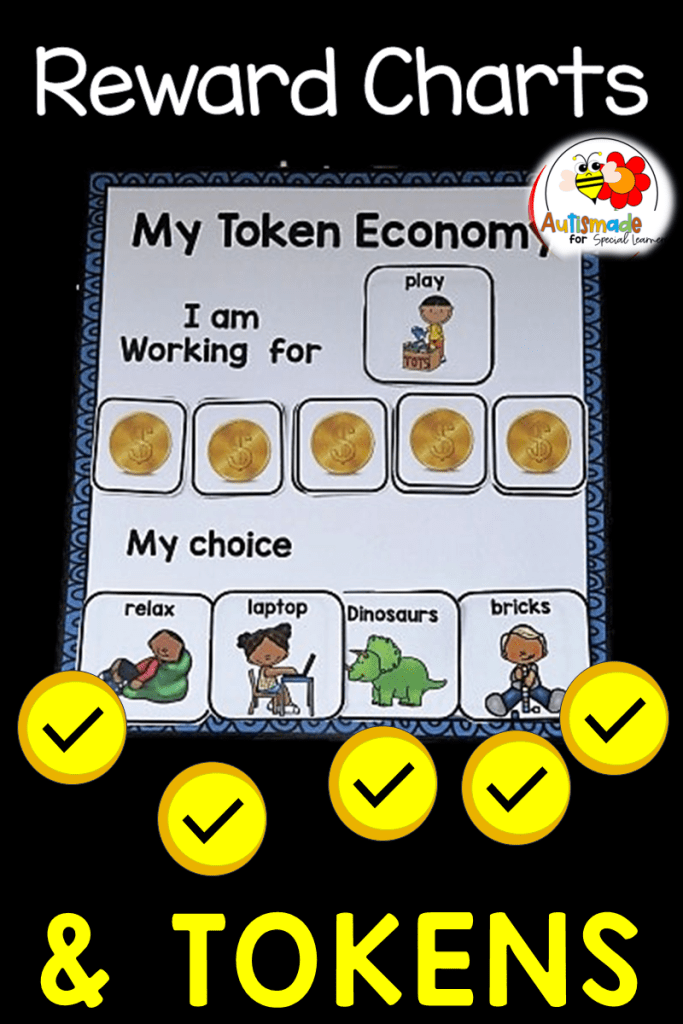
  • Sticker charts or token boards with small rewards.
  • Class-wide systems that include visual reminders and cues.

💡 Focus on effort and progress—not perfection.


4. Create a Calm Corner or Regulation Zone

All students benefit from self-regulation tools, but for students with autism, a quiet, safe space is essential for managing sensory overload or emotional stress.

Strategies You Can Use:

  • Set up a “calm corner” with noise-reducing headphones, fidgets, books, or a weighted lap pad.
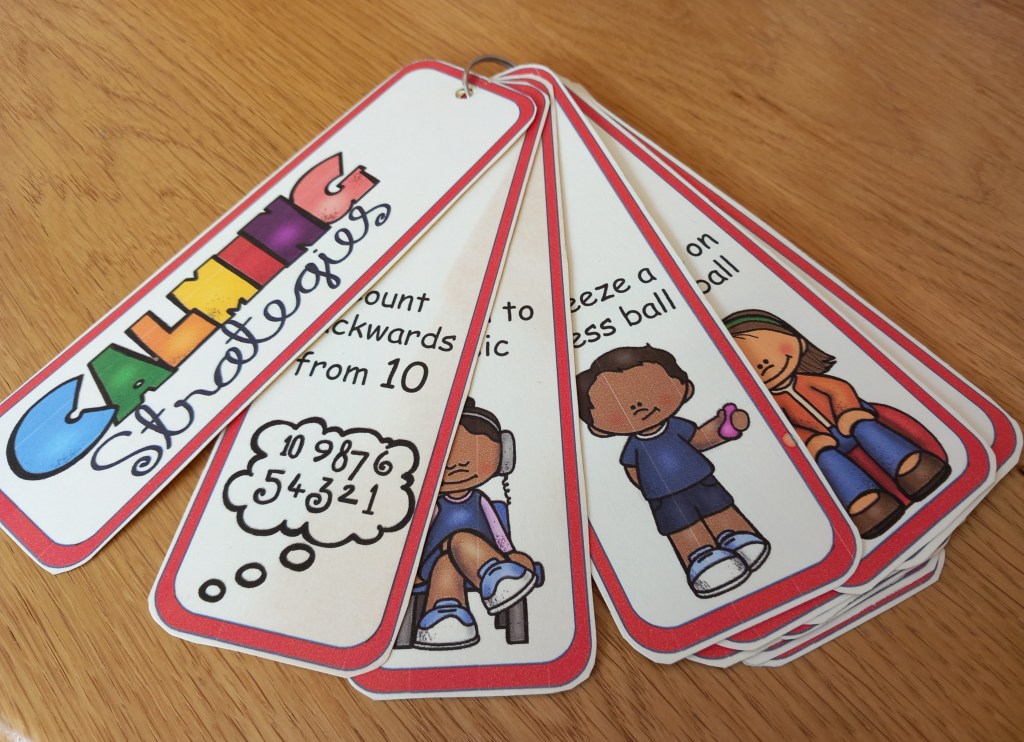
  • Practice calming strategies during calm moments (deep breathing, wall pushes, mindfulness).
  • Offer regular sensory breaks, especially after transitions or assemblies.

💡 Make the calm space part of the routine—not just a place for “bad days.”


5. Support Peer Connections with Guidance

Friendships are important, but forming them can be tough. You can nurture social opportunities with a bit of structure.

Strategies You Can Use:

  • Assign peer buddies for classroom activities.
  • Use circle time to practice turn-taking and sharing ideas.
  • Play cooperative games with clear rules and predictable outcomes.

💡 Pair students intentionally and coach them through interactions as needed.


6. Partner with Families and Support Staff

You don’t have to do it alone. Parents, special educators, and therapists are invaluable partners in supporting your students.

Strategies You Can Use:

  • Share positive moments from the week via email or a home-school notebook.
  • Ask parents what works at home—sometimes they have powerful insights!
  • Use a consistent language and strategy across home and school if possible.

💡 Team meetings and IEPs are more productive when built on shared goals and mutual respect.


Bonus: Tools You Can Use Right Away

Here are a few free or low-cost resources to get you started:


Supporting students with autism isn’t about doing more—it’s about doing things intentionally. With clear expectations, visual supports, and compassionate teaching, you’re creating a classroom where everyone has the tools to grow.

You might not see change overnight—but each connection, each kind word, and each opportunity to succeed adds up.

Autismade TPT Store

Exploring Calming Strategies

Tips for Setting up a Calm Down Corner

Creating a calm and supportive classroom environment is crucial for students with special needs, especially those with Autism. Sensory overload, anxiety and frustration can often trigger emotional reactions that make it more difficult for them to focus, learn and engage. This is where calming strategies are needed.

In this post we’ll explore easy to implement strategies that can help calm students and create a more tranquil classroom environment. These strategies can be used by Teachers, Teachers aides and parents to support children in Special Education and Autism Classrooms.

Setting Up a Calm-Down Area: The Basics

When setting up a calm-down area, start by choosing a space that’s away from busy areas and distractions. The space should be quiet, cozy, and inviting, a retreat where children can relax without added stress. Try to make it an inviting space that encourages students to want to spend time there when needed.

Key Elements to Include:

Here are some simple yet effective elements that can make the calm-down area more functional and calming:

  • Sensory Tools: Sensory experiences can help children self-soothe and calm their nervous systems. Include items like weighted blankets, soft toys, squishy stress balls, or fidget spinners. A tactile or auditory experience can often help children feel grounded.
  • Soft Lighting: Bright overhead lights can be harsh, so consider adding a small lamp with soft, warm light or even a string of fairy lights. This creates a peaceful atmosphere and reduces visual overstimulation.
  • Comfort Items: Cushions, pillows, or a soft rug can make the area feel cozy. Some children may find comfort in having a favorite object like a stuffed animal or a familiar blanket.
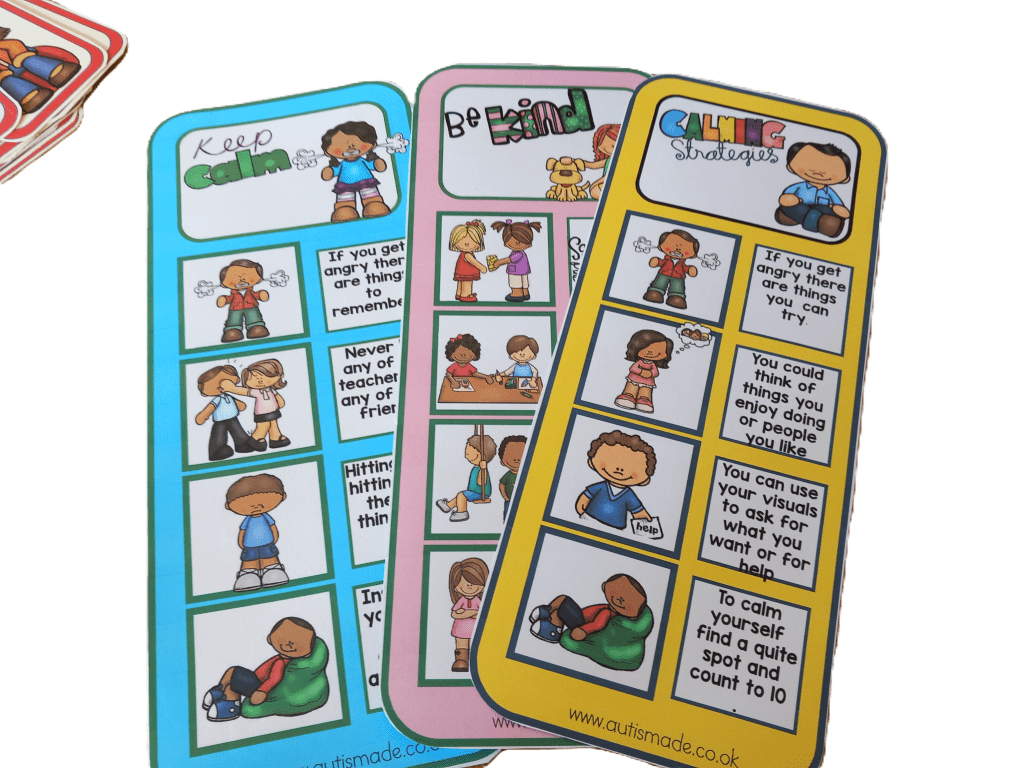
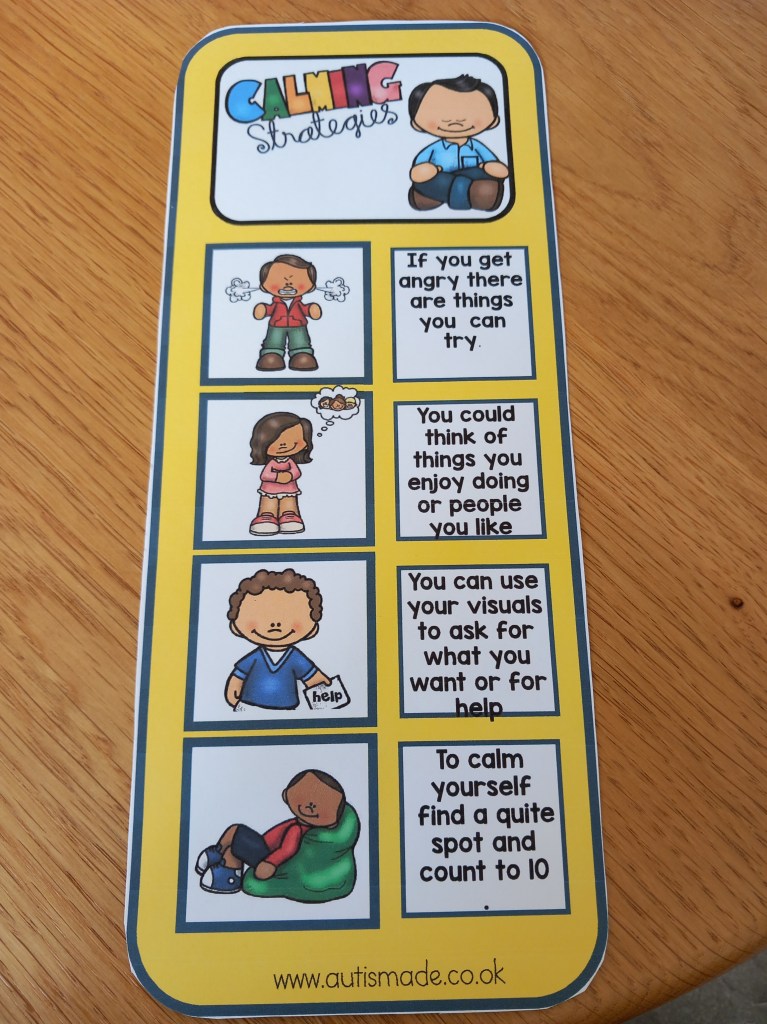
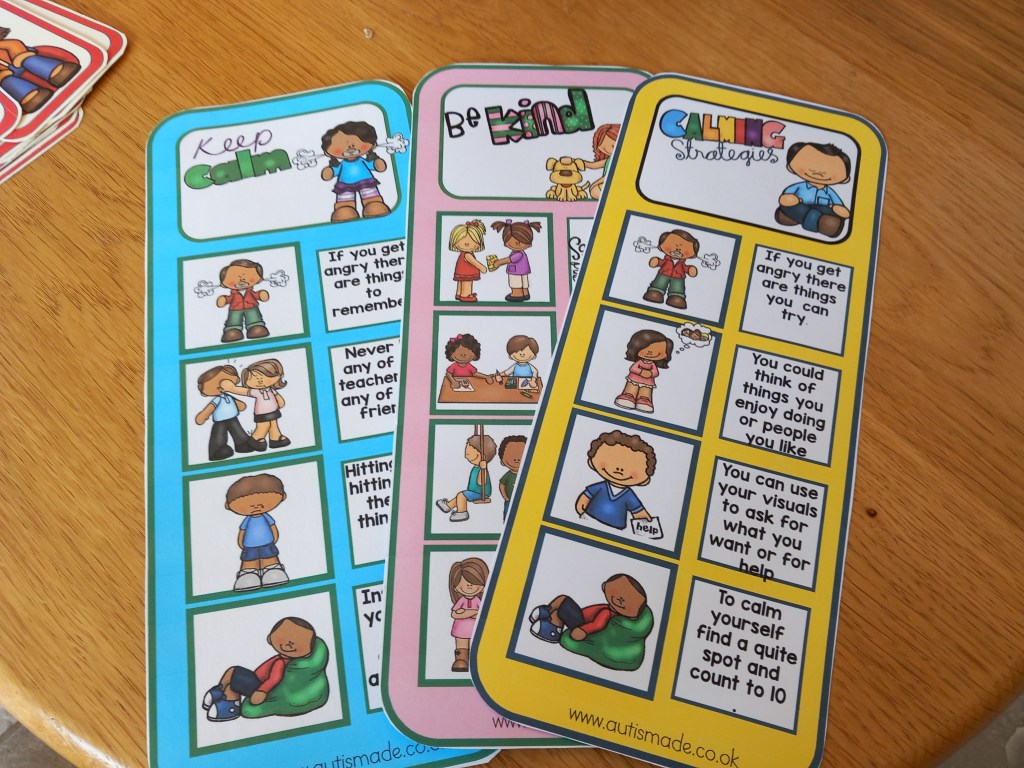
  • Visual Cues: Add calming visuals, posters, calming charts (e.g., breathing exercises or social stories), or a timer to help children track their time spent in the area. For some students, these cues help to create structure and ease transitions.

The calm-down area is most effective when it’s introduced as a tool for emotional regulation rather than a time-out or punishment zone. It’s essential that children understand that it’s a space to use when they feel overwhelmed or need a break, not when they’re being “bad.”

When introducing the space, explain its purpose to the students. You might say something like, “This area is for when you need a break to calm your body. You can come here when you’re feeling upset or need to reset.”

Consider using visual or verbal reminders throughout the day to reinforce its use, such as a “calm down” card that students can hold up when they need a break. Having a routine for when and how to use the area helps students understand it’s a proactive tool for self-care.

Remember, the calm-down area should be flexible and adapt to the needs of each student. As children grow and develop, their emotional needs may change, and it’s important to be open to modifying the space as necessary. Whether it’s adding new sensory tools or adjusting the space to make it more comfortable, keeping the area evolving can keep it an effective resource for emotional well-being.

Creating a calm-down area in your classroom or home can have a powerful impact on emotional regulation and overall well-being for children with special needs. By providing a dedicated, safe space for children to retreat when needed, you’re helping them develop the skills to manage their emotions and build resilience. With a little creativity, flexibility, and collaboration, you can create a space that supports both learning and emotional health.

Handy Calm Down Resources linked for you to check out:-

Free Calm Down Poster

Free Social Skills Poster | Class rules | Classroom Behavior Management

Calm Down Tools & Token Reward Boards for Classroom Behavior Management

Calm Down Corner Tab book & Posters

Calm Down check in / Social-Emotional learning, Posters and coping tools

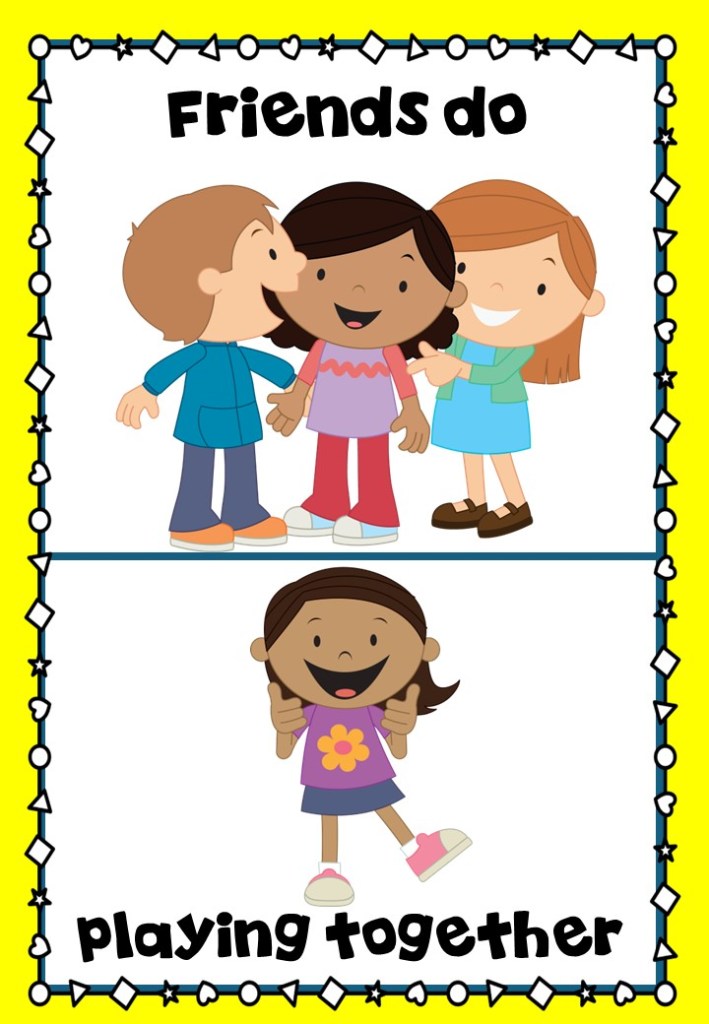
Social Emotional Posters for being friends, classroom expectations

Visual Behavior Support cards – Break, Help & Wait Strategies for Autism

Effective Behavior Management Tips for Special Ed Teachers

Are you tired of spending your day as a teacher constantly battling disruptive student behaviors! Well, you’re not alone. In this article, we’ll provide you with some handy ideas for behavior management in your Special Ed Classroom!

As educators we understand the importance of creating an inclusive and positive learning environment for our students, particularly those with Special Needs. So with this logical flow of ideas, lets dive in and explore some creative and effective strategies for Behavior Management you can use.

1. Token Rewards

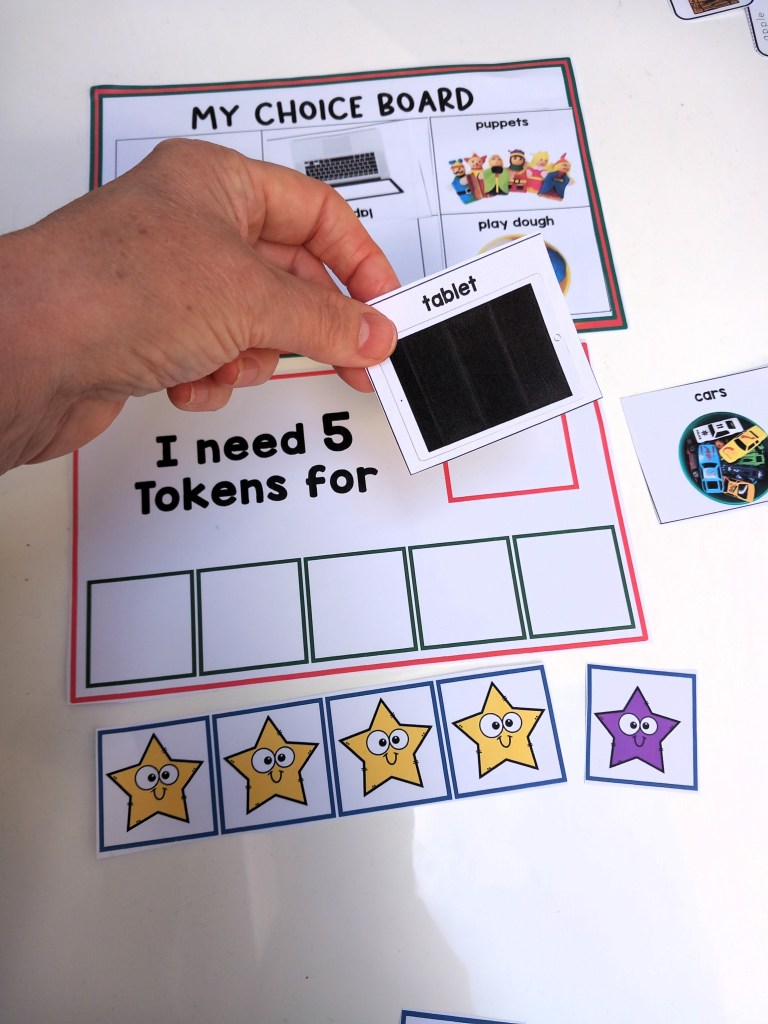
Token Rewards – A powerful method of strengthening new skills, the tokens are a way of reinforcing positive behavior and rewarding students for completing tasks, they then trade the tokens for desired activities or items they choose beforehand.

QUICK TIP – I use this board when I start teaching the Token Reward strategy, its a classroom resource that I can adapt with motivator choices that’s adapted for individual needs.

2. Critical Communication Cards

Critical Communication Cards – To teach new skills such as requesting “break please”, “help” and “wait” self -management strategies.

QUICK TIP – I place them on the edge of tables to remind students on their choices.

3. Self Regulation Tools

Self regulation toolsI’ve made tools individually accessible for my students to use in a handy little booklet.

QUICK TIP – I bind then as a book and keep them on hand for self management, each one tailored to individual needs that help them to self-regulate.

4. First and Then Strategies

First and Then By using this strategy my students know what they must complete before having what they want, it also provides structure in their behaviour support plans.

QUICK TIP – If my students are finding it difficult to stay on track, I use the first and then strategy to remind them of what they are working for before they can get the item or activity they want.

5. Calm Down Corner

Calm Down Area Sort out a corner of the room with a beanbag on the floor and a little book shelf for privacy, I kept it very plain and simple with just the calm down tools on hand… WOW it looks great, and my kids love it! Next I wanted to gave my kids a chance to take a break before things got to tricky, so I made these colourful break cards and purchased a sand timer.

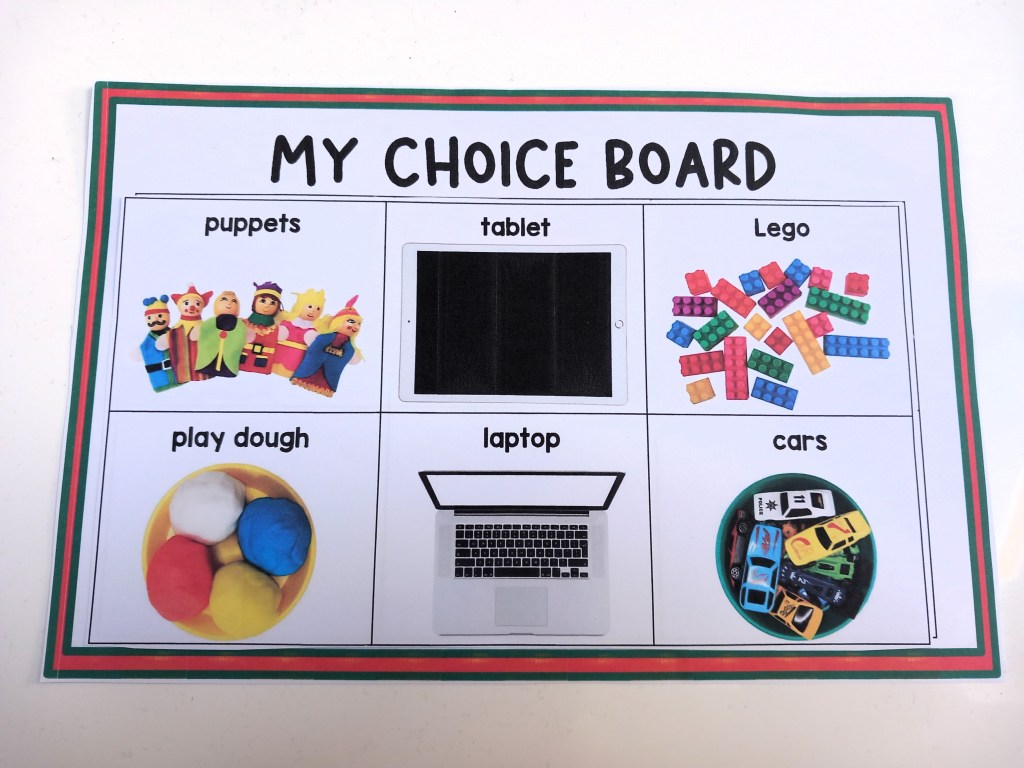
QUICK TIP – Have a visual choice board ready with pictures of nice, peaceful activities that would help to distract from upset and some visual calm down tools to practice.

6. Classroom Posters

Posters Visual Support reminders to Teach essential emotional regulation techniques and set them up in calm areas, display class rules and social skills posters in easy to see areas.

QUICK TIP – Print and display posters around the classroom or in a calm down area, use them to remind students of your classroom behavior expectations.

Reward Systems

Self Regulation

Bundles

All TPT Resources

Visual Behavior Support Folder – Token Rewards Tools, schedules, First & Then,

Visual Supports: Token Reward System/First & Then – Strategies for Special Ed

Classroom Behavior Management Strategies: First, Next and Then Tools

Token Reward folder: Visual support tools with “first & then” Behavior Strategy

First, Next and Then table Schedule Templates with Visual Supports

First Then boards and Help cards: Autism visual supports

Visual Supports:”First, next, then” with Token Rewards Systems
Reduce Frustration with Calm Down Strategies

Visual supports can help reduce frustration by giving non verbal students a way to Communicate. Having a variety of activities that are available in class and being able to ask for what is wanted can help reduce behavior throughout the day.

This is why I always keep a selection of visual choices handy in my calm down area, ready for when problems arise! Struggling students are able to find the visual displayed on a board that will help them reduce these emotions to carry on learning.

I display only the visuals that are available to the students on given days and a wider choice throughout the week.

Visit my TPT store for more information