“Can I have a break?”
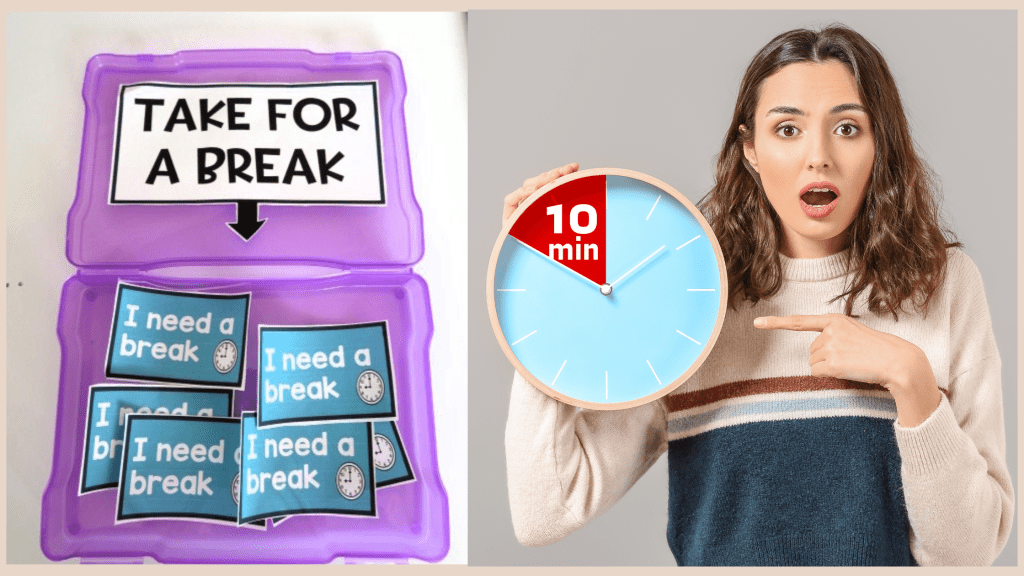
For some students, asking for a break comes naturally. For others, it is a skill that needs to be taught, practiced, and supported.
In special education classrooms, a break can be an important tool for helping students communicate their needs before they become overwhelmed. But simply telling a student, “You can ask for a break,” doesn’t always mean they know how to do it.
They may not know what words to use. They may not recognize when they need one. They may know they need a break but struggle to communicate it when they’re already frustrated.
This is where visual supports can make such a difference.
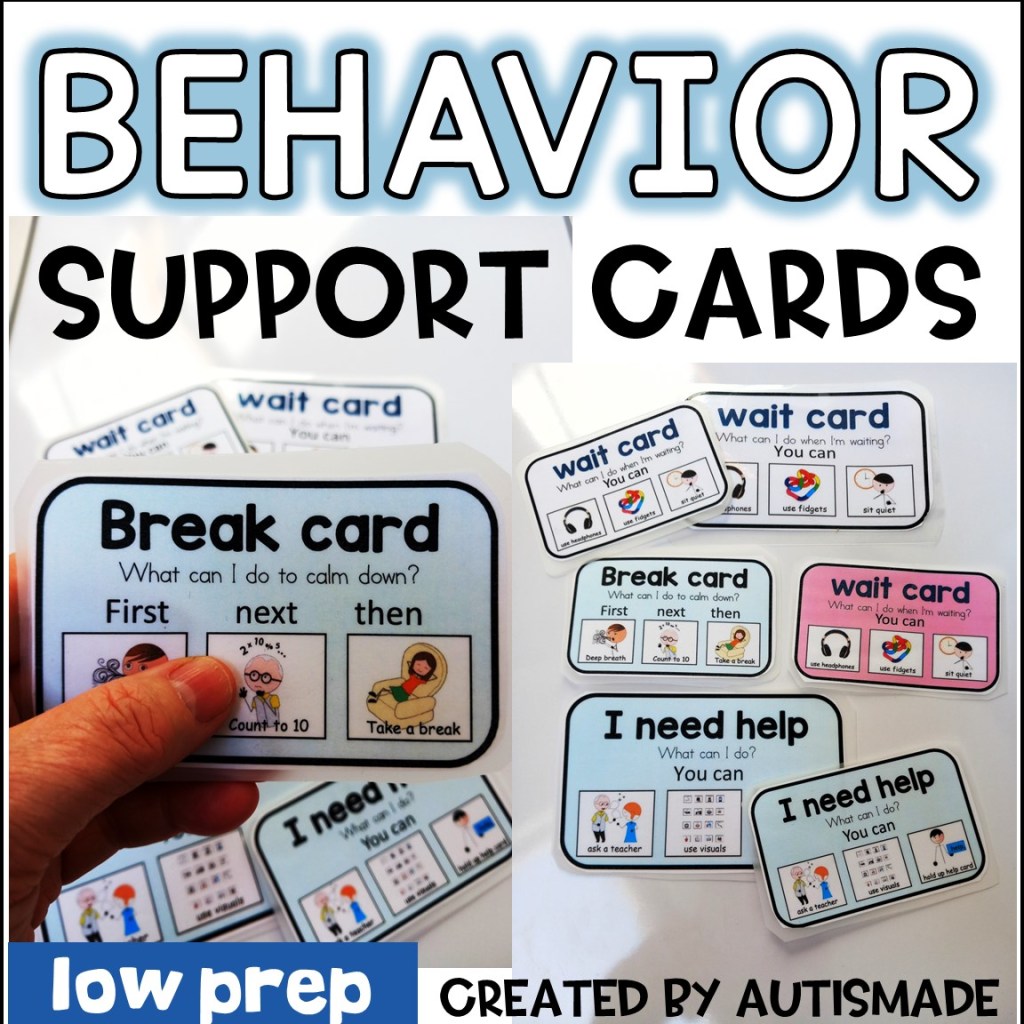
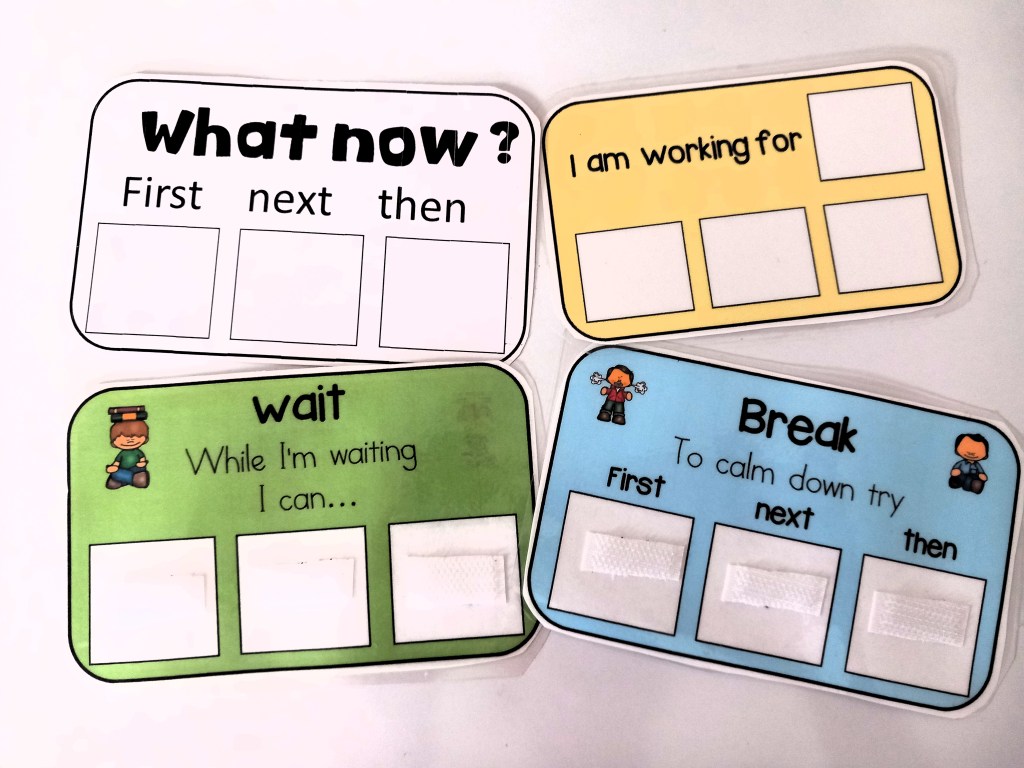
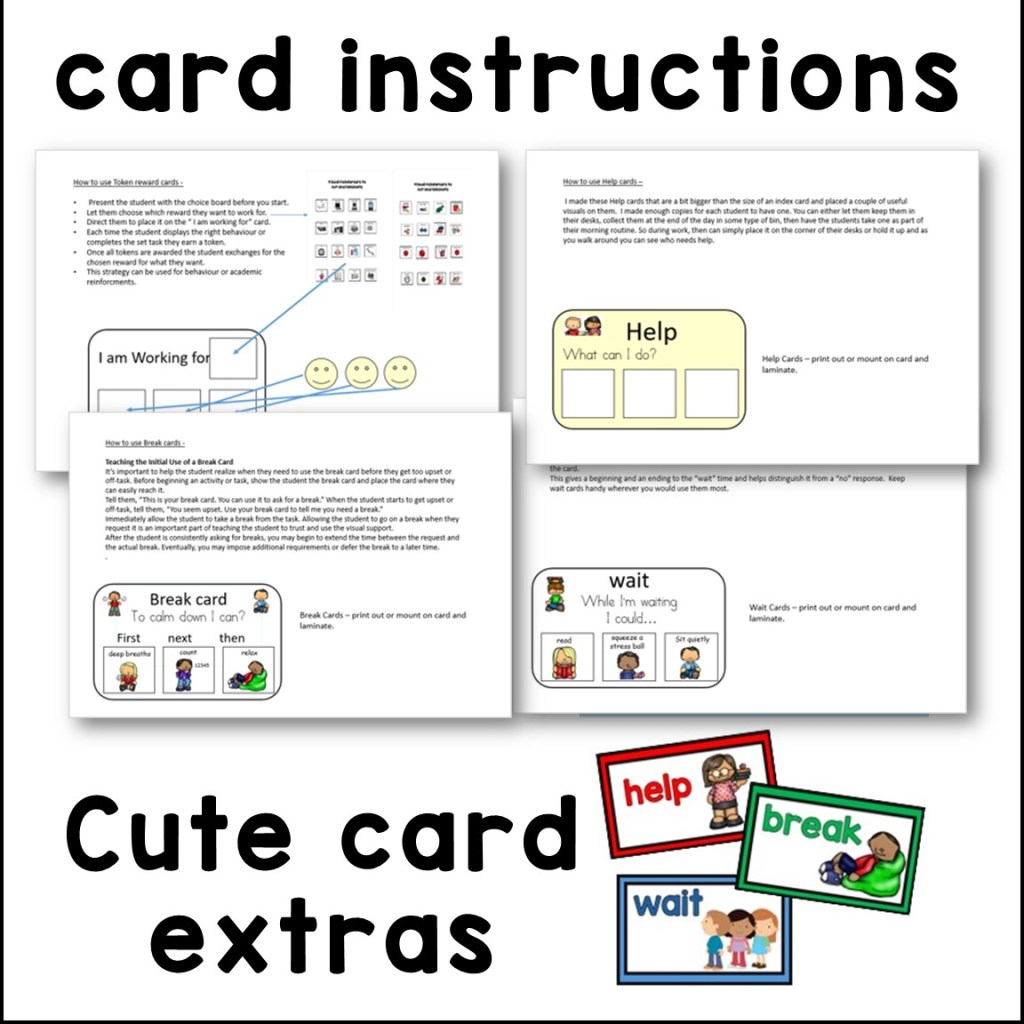
Break cards give students a clear, consistent way to communicate, while also giving adults a simple routine to teach and reinforce.
Why Teach Students to Ask for a Break?
Asking for a break is more than just a classroom routine. It can be an important communication and self-advocacy skill.
A student might need a break because they are feeling overwhelmed, tired, frustrated, overstimulated, or simply need a short pause before returning to an activity.
When we teach students an appropriate way to communicate that need, we give them another option besides shutting down, refusing, becoming upset, or leaving the area.
The goal isn’t to avoid every difficult activity.
Instead, we’re teaching students:
“When I need a break, I have a way to let someone know.”
And just like any other skill, that takes practice.
The important thing is that the student knows what happens after they request a break.
Start by Teaching What “Break” Means
Before expecting a student to independently request a break, make sure the idea of a break is clear.
A break might mean:
- Going to a calm-down corner
- Sitting quietly
- Doing a preferred activity
- Taking a movement break
- Using a sensory item
- Looking at a book
- Having some quiet time
A predictable routine can make the process much easier:
I need a break → I ask for a break → I choose my break → I take my break → I return to my activity.
You can teach each part of the routine separately and gradually work toward the student completing it more independently.
Use Visuals to Make the Routine Easier
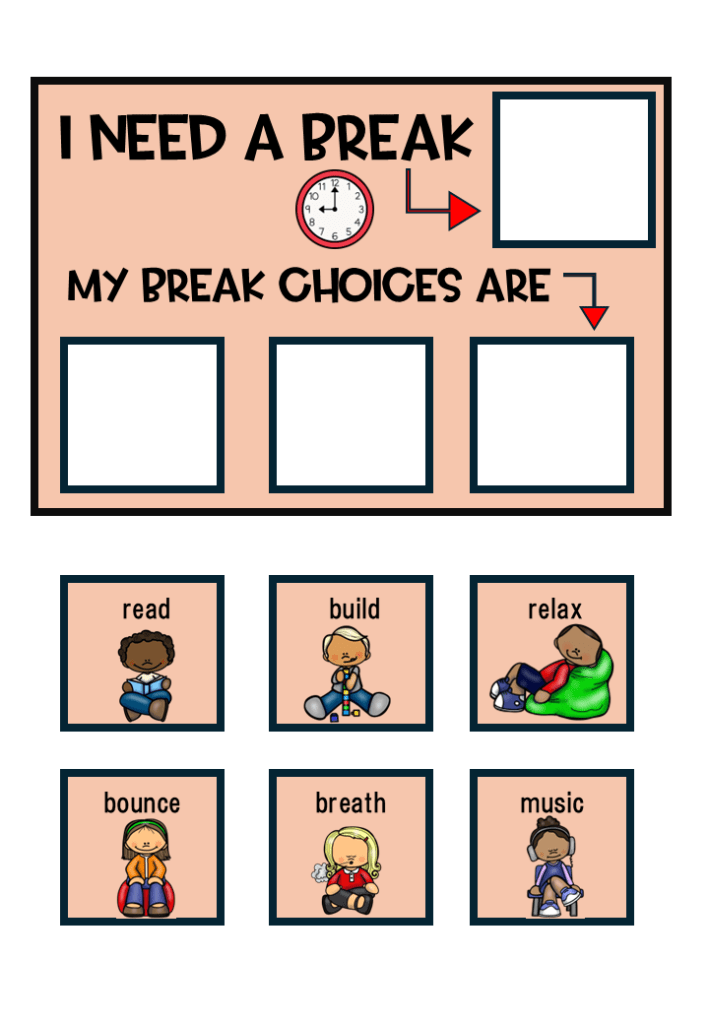
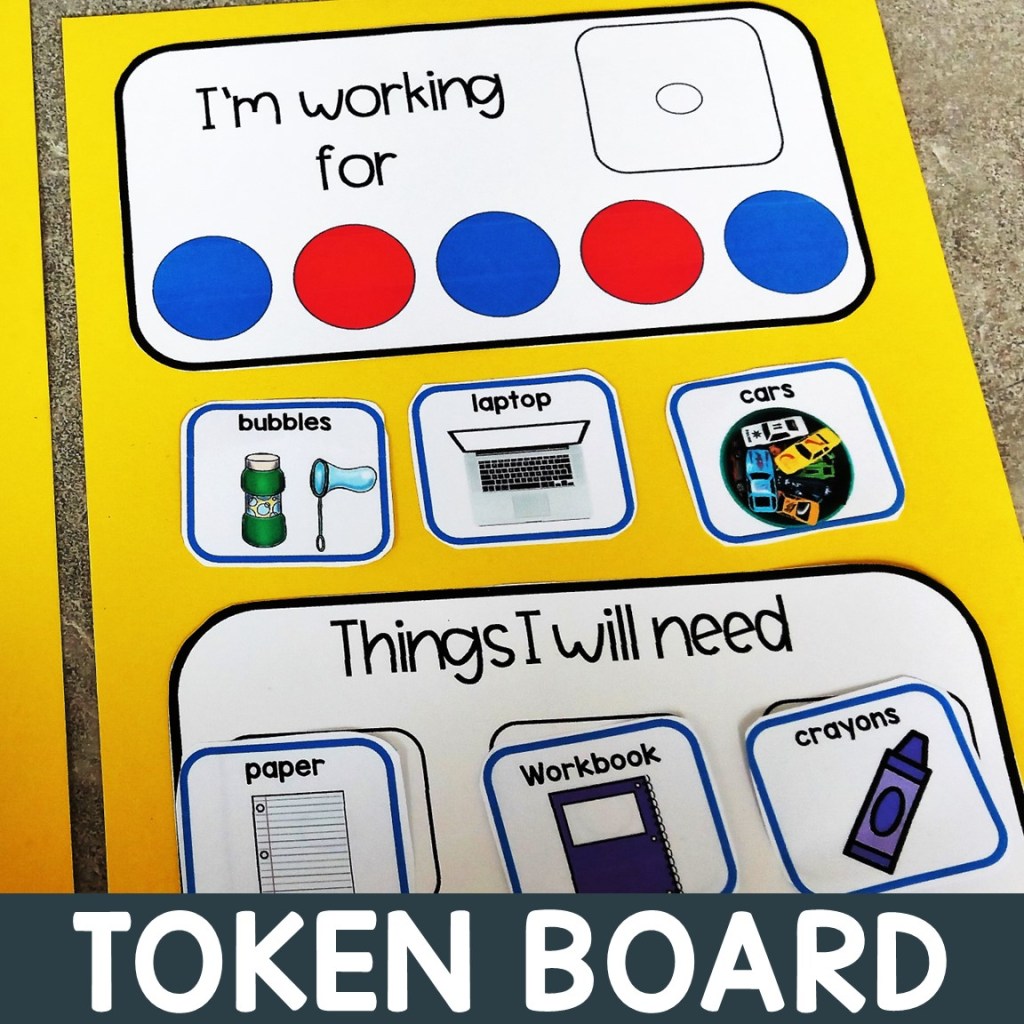
Some students communicate much more successfully when they have something concrete to point to, hand over, or look at.
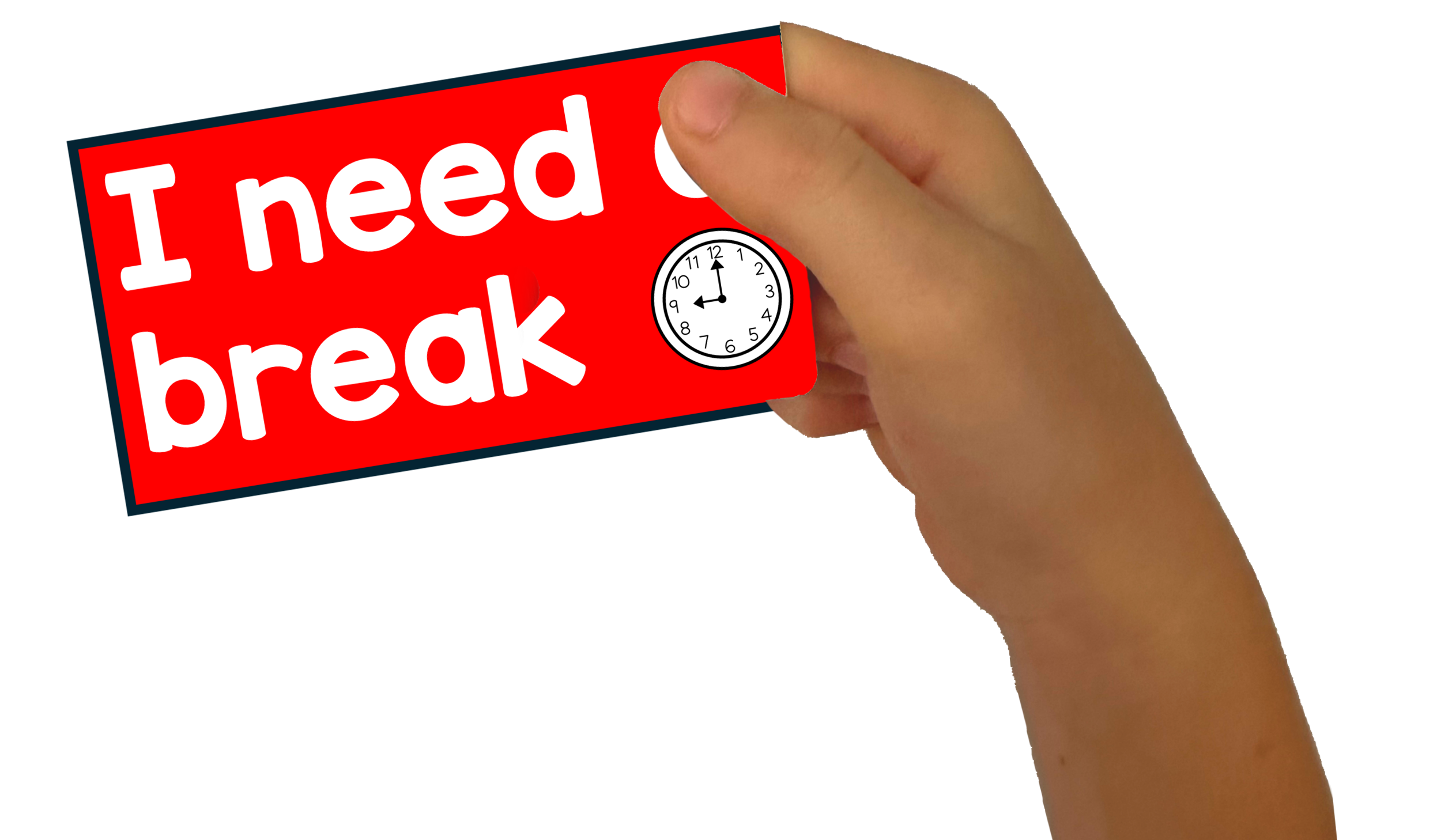
A break card can provide that visual reminder.
Instead of having to find the words in a stressful moment, a student can use a card to communicate:
“I need a break.”
For students who are still developing communication skills, this can remove one more barrier between needing a break and being able to ask for one.
And there isn’t just one right way to use break cards.
Here are three options that can work well in different classroom situations.
3 Ways to Use Break Cards in Special Education
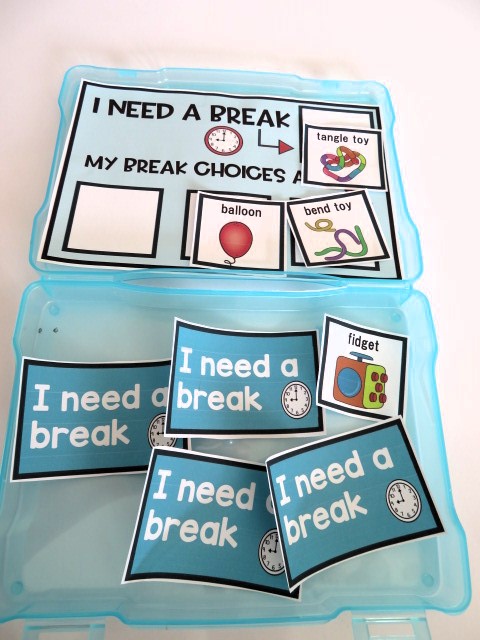
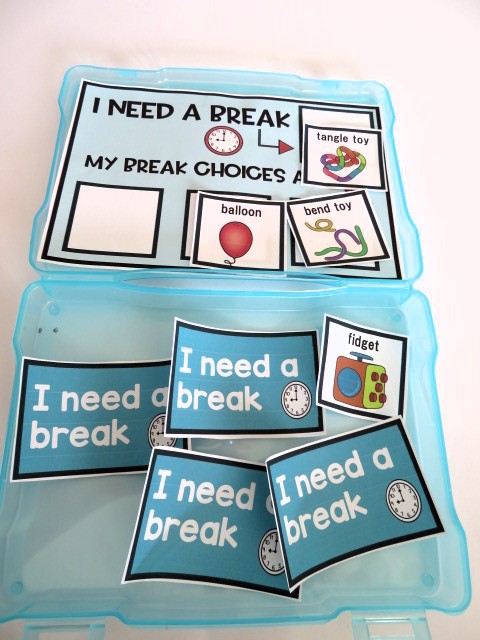
1. Break Cards With Visual Choices
For some students, asking for a break is only the first step.
They may also need help understanding what to do during the break.
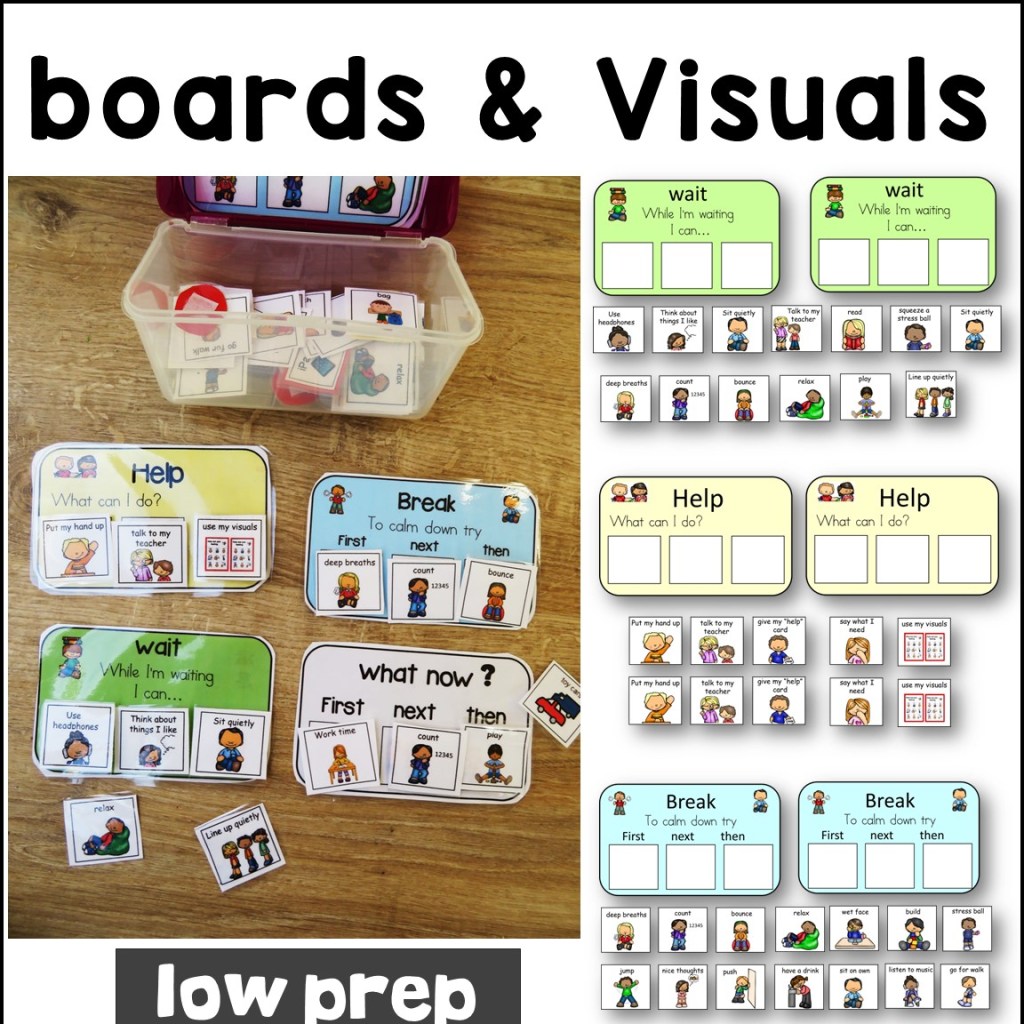
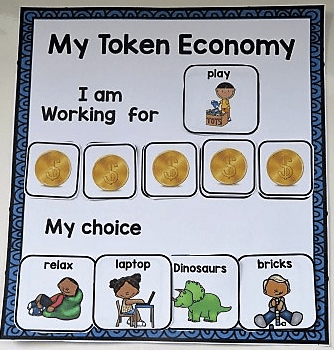
A break card with visual choices can give students a few clear options.
For example, after requesting a break, a student might choose from the available activities or supports.
This can make the break more meaningful and predictable while giving the student some control over what they need.
It also gives you an opportunity to teach appropriate choices rather than simply saying, “Go take a break.”
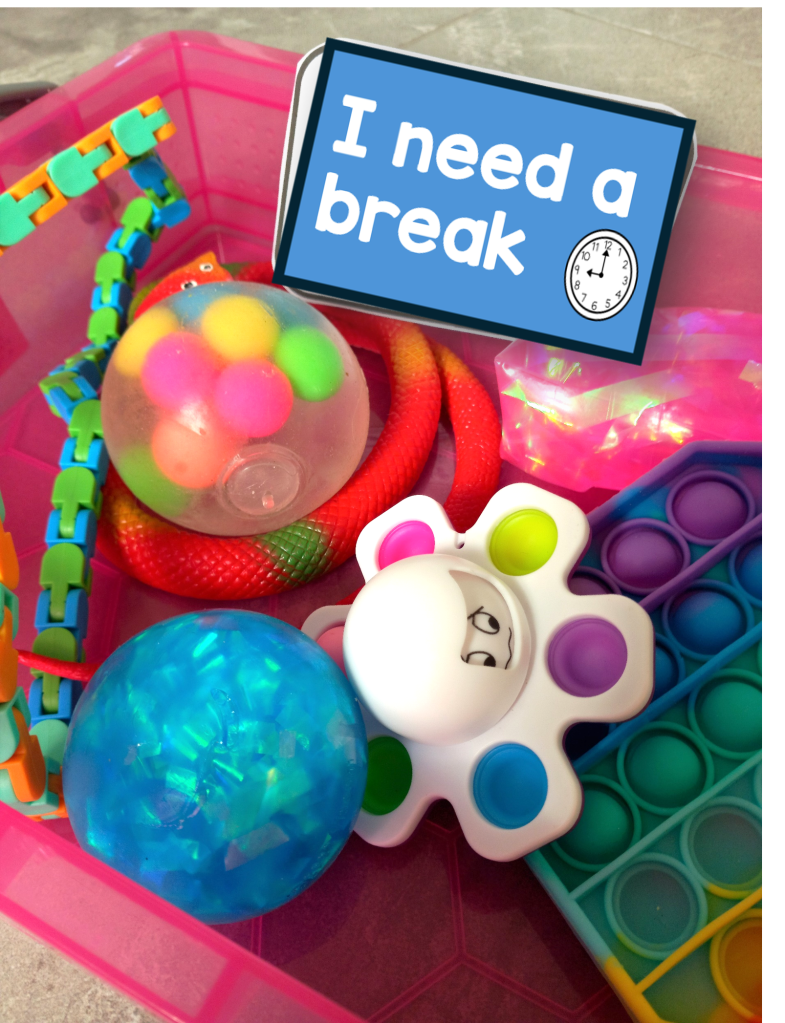
2. Large Tabletop Break Cards for a Calm-Down Corner
A larger break card can work especially well in a calm-down corner or designated break area.
Having the visual sitting on the table or displayed in the space means the student can see it when they need it.
This can be particularly helpful for students who benefit from consistent environmental supports.
You don’t necessarily need to make the process complicated.
The visual can simply remind the student:
This is where I can go when I need a break.
Over time, that familiar visual can become part of the student’s routine.
3. Individual Break Cards for the Day or Session
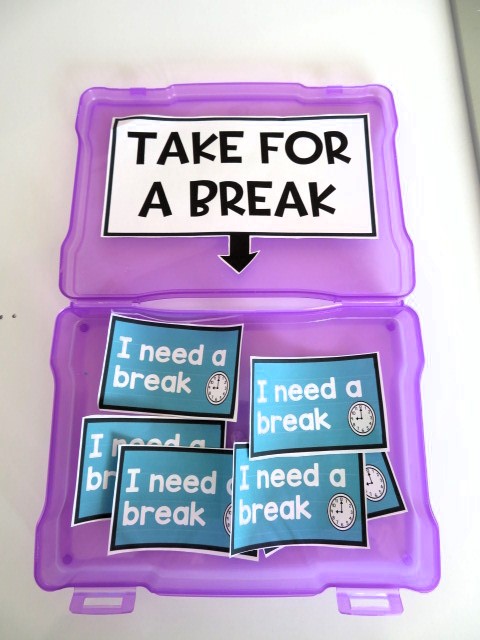
Another option is to give a student a set number of individual break cards to use during a lesson, session, or part of the school day.
This can make the idea of taking a break much more concrete.
The student can see how many break opportunities are available and practice using them appropriately. For some students, this can also be helpful when you’re working on increasing independence and reducing adult prompting.
As with any support, the number of cards and how they are used should be individualized to the student and their needs.
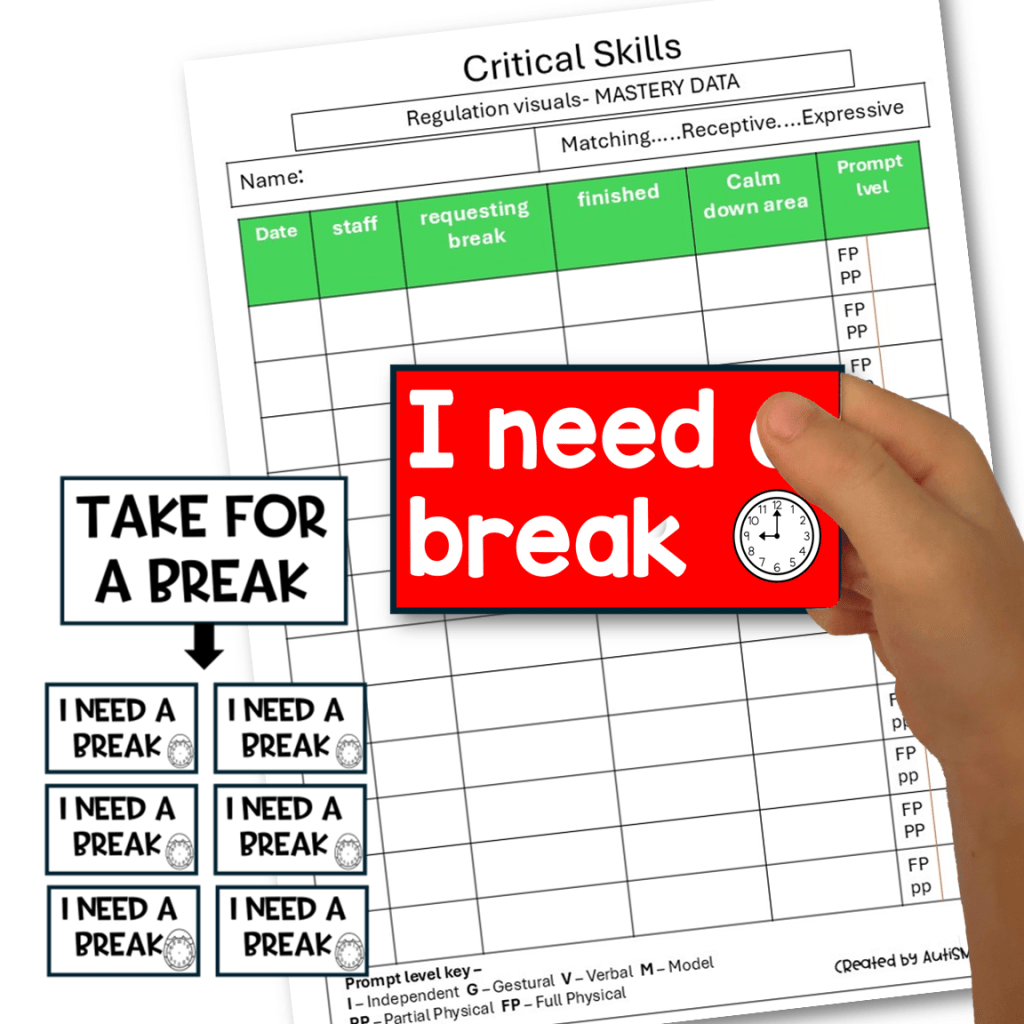
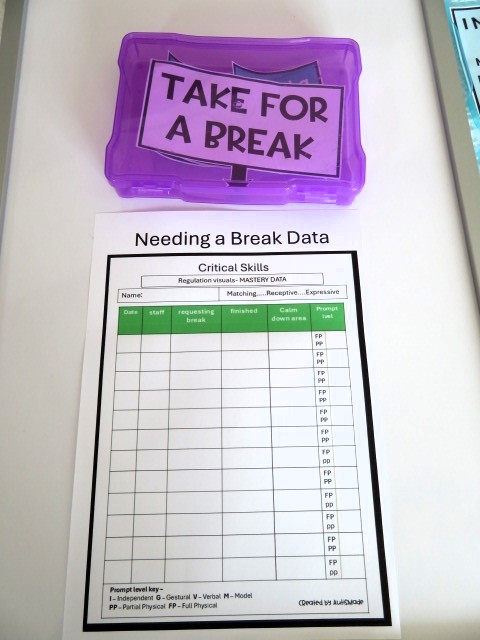
Don’t Forget the Data
One of the most helpful things we can do when teaching a new skill is pay attention to how much support the student needs.
It’s easy to look at a student using a break card and think, “Great! They’re doing it!”
But there is an important question underneath that:
How independently are they doing it?
Are they requesting a break independently?
Do they need a partial prompt?
Do they need a full prompt?
Tracking prompt levels can help you see progress that might otherwise be easy to miss.
For example, a student might begin by needing a full prompt to use their break card. With consistent practice, they may begin responding to a partial prompt and eventually request a break independently.
That progression is worth noticing.
The goal isn’t simply for a student to use a break card. The goal is to help them become increasingly independent in communicating their needs.
Keep the Routine Consistent
Students are more likely to understand a new skill when the adults around them use the same language and expectations.
Try to keep the routine simple and consistent.
For example:
Request → Choose → Break → Return
Use the same language when possible. Keep the visuals available. Practice when the student is calm rather than waiting until they are already overwhelmed.
You can even practice the routine during a neutral part of the day.
“Show me how you ask for a break.”
Then let the student practice.
That way, they’re not trying to learn a brand-new skill in the middle of a difficult moment.
Remember That Progress May Be Small
Some students may pick up the routine quickly.
Others may need lots of repetition and prompting.
That’s okay.
A student pointing to a break card instead of engaging in a difficult behavior may be a huge step forward.
A student who begins to recognize, “I need a break,” is developing an important piece of self-awareness.
A student who moves from a full prompt to a partial prompt is making progress toward independence.
Those small steps matter.
Looking for Ready-to-Use Break Card Visuals?
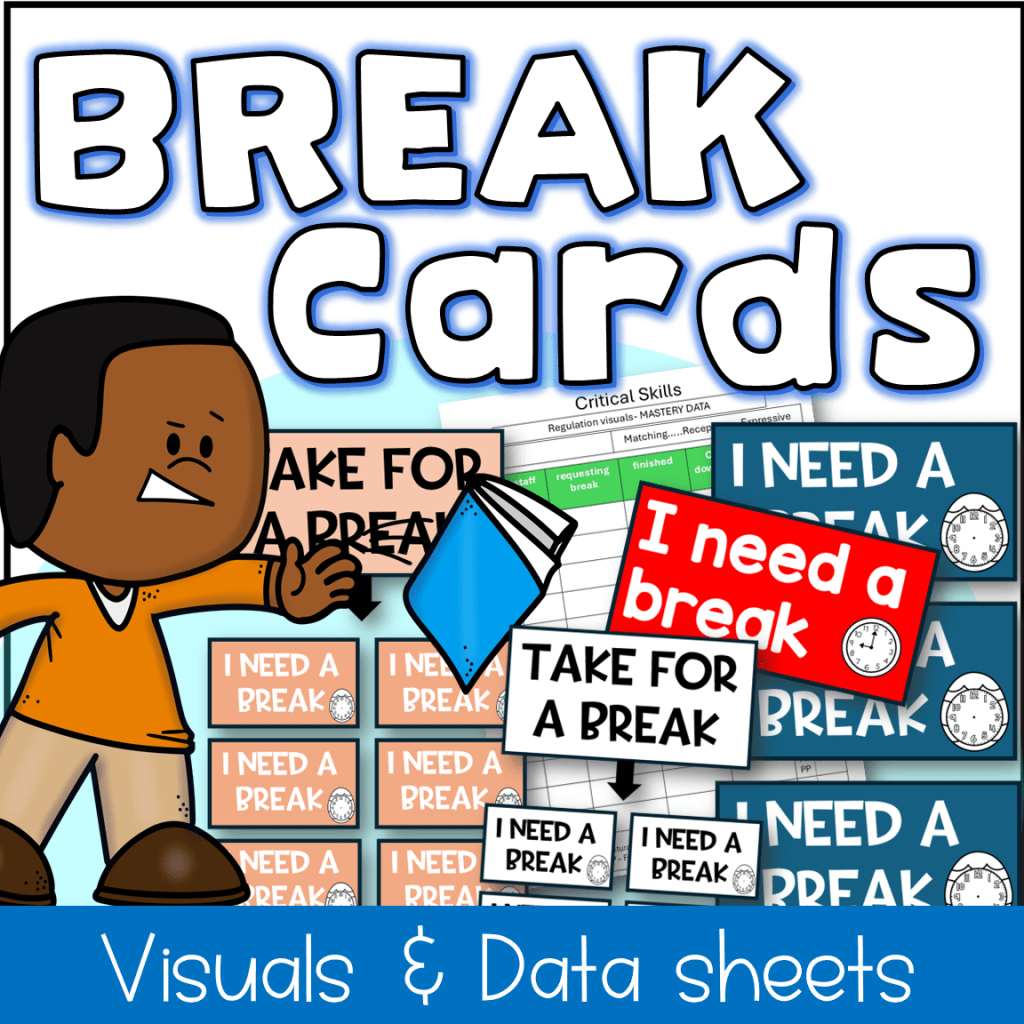
If you’re looking for an easy way to introduce break requests in your classroom, I’ve created a Break Card Visuals resource with several different options.
The resource includes:
- Break cards with visual choices for what to do during a break
- Large tabletop break cards for use in calm-down corners or designated break spaces
- Individual break cards that can be provided as a set for a session or part of the school day
- A data sheet for tracking prompt levels and student progress
Having different formats means you can choose the option that makes the most sense for the student you’re supporting.
Sometimes a student needs a large visual in their calm-down space. Sometimes individual cards work better. And sometimes having choices for what to do during the break is exactly the extra support they need.
[See the Break Card Visuals resource in my TPT shop →]
One Last Thought
Teaching students to ask for a break doesn’t have to be complicated.
Start small.
Teach the routine. Use visuals. Practice when the student is calm. Provide the level of prompting they need, and gradually look for opportunities to encourage more independence.
Most importantly, remember that asking for a break is a skill.
And skills take time to learn.
The goal isn’t perfection. It’s helping each student find a clear, appropriate way to communicate:
“I need a break.”